• Home
  • About The Herald
  • Local Agencies
  • Daily Email Update
  • Legal Notices
  • Classified Ads

Contra Costa Herald

News Of By and For The People of Contra Costa County, California

  • Arts & Entertainment
  • Business
  • Community
  • Crime
  • Dining
  • Education
  • Faith
  • Health
  • News
  • Politics & Elections
  • Real Estate

Prescription for Resiliency: CA State Parks continues to expand use of beneficial fire

November 6, 2025 By Publisher Leave a Comment

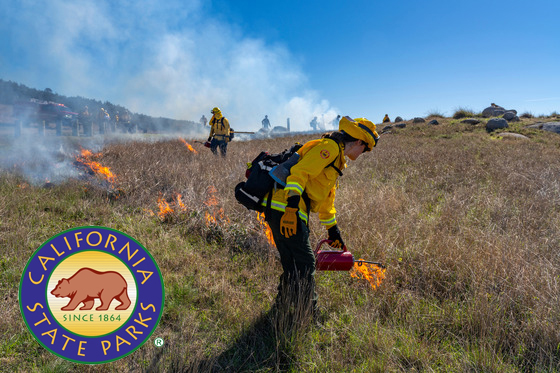
Salt Point State Park TREX TRAINING – A member of the California State Parks burn crew carefully sets fire during a prescribed burn operation at Salt Point State Park Oct. 31, 2025. Photo: ©2025, California State Parks by Brian Baer

By California State Parks, California Department of Parks and Recreation, Divisions of Boating and Waterways, Historic Preservation and Off-Highway Motor Vehicle Recreation

SACRAMENTO — On the heels of Governor Gavin Newsom’s latest executive order aimed at expanding the use of beneficial fire, California State Parks recently wrapped up prescribed burn operations at several parks statewide, continuing a significant expansion thanks to strategic investments under the Newsom administration’s wildfire packages.

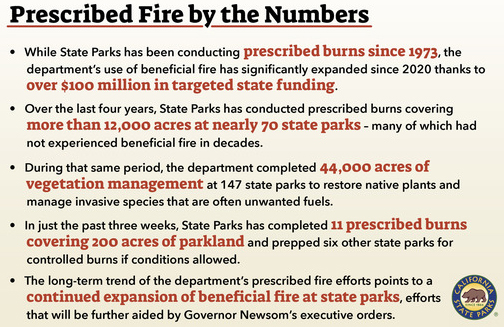
With the help of historic investments under the Newsom administration, California State Parks has significantly expanded its use of prescribed fire to improve wildfire resiliency, reduce fuels and restore fire-adapted ecosystems at parks all over the state – a trend that will continue following a recent executive order.

Among the recent operations was a unique training at Salt Point State Park and Kruse Rhododendron State Natural Reserve in Sonoma County, allowing park experts to showcase how prescribed burns are an important tool in the department’s ongoing efforts to reduce wildfire risk, improve the health of the local ecosystems by supporting native plants and wildlife, protect nearby communities and promote the long-term resilience of California’s public lands.
Source: CA State Parks

“Prescribed fires are not just a land management strategy but a time-tested tool to help increase biodiversity and reduce the risk of larger, more destructive wildfires,” said California State Parks Director Armando Quintero. “Thanks to Governor Newsom’s leadership and the help of our partners, we are expanding this essential work to make our state’s majestic landscapes healthier for generations to come.”

The burn at Salt Point State Park on Oct. 31 was conducted as part of State Parks’ Prescribed Fire Training Exchange, known as TREXs. Led by an experienced team including Statewide Burn Boss Sarah Gibson, the training helps facilitate information sharing and relationship building for personnel who work with fire. These exchanges provide certified fire practitioners with the opportunity to hone their skills and work toward or achieve more advanced qualifications with the support of fellow fire management professionals, some of whom came as far away as Canada to participate. View photos and a video from the training and burn here.

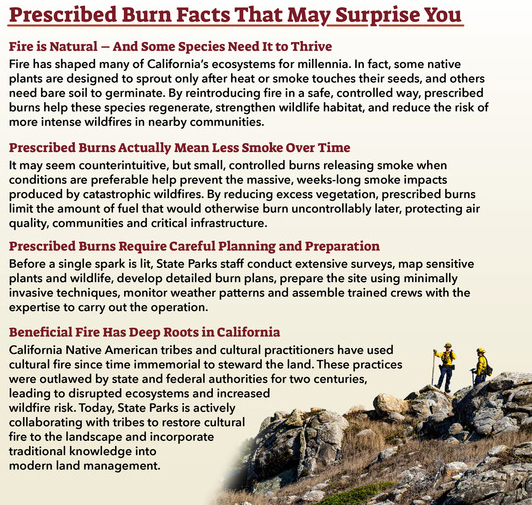
Governor Newsom has signed two executive orders to streamline the use of prescribed fire in California, including one on Oct. 29 aimed at expanding use of beneficial fire as a wildfire prevention strategy, which highlighted the benefits of training exchanges. These directives are helping State Parks increase the pace and scale of its burns by supplementing funding for this essential work, streamlining the permitting process and opening the door for more partners, including volunteer fire departments and Indigenous practitioners, to be part of the burns.
Source: CA State Parks

State Parks has a more than 50-year legacy of using prescribed fire to steward California’s public lands. Even during periods when prescribed burns fell out of favor, the department maintained the use of this critical tool, guided by science and early leaders such as UC Berkeley professor Harold Biswell, a pioneer in modern fire management. Today, State Parks continues that leadership, using science-backed planning to protect native plants and wildlife, preserve cultural resources and promote healthier, more resilient ecosystems.

“State Parks has been burning for 50-plus years, and we incorporate science into every prescribed burn to steward public lands,” said Burn Boss Gibson. “The incredible work our staff is doing is helping keep California’s forests and state parks healthy.”

Learn more about State Parks’ use of prescribed fire and the benefits on our website.

The California Department of Parks and Recreation, popularly known as State Parks, and the programs supported by its Office of Historic Preservation and divisions of Boating and Waterways and Off-Highway Motor Vehicle Recreation provide for the health, inspiration and education of the people of California by helping to preserve the state’s extraordinary biological diversity, protecting its most valued natural and cultural resources, and creating opportunities for high-quality outdoor recreation. Learn more at parks.ca.gov.
Filed Under: Fire, News, Parks, State of California

More than $2.6 Million invested to support Arts in California’s Parks

October 26, 2025 By Publisher Leave a Comment

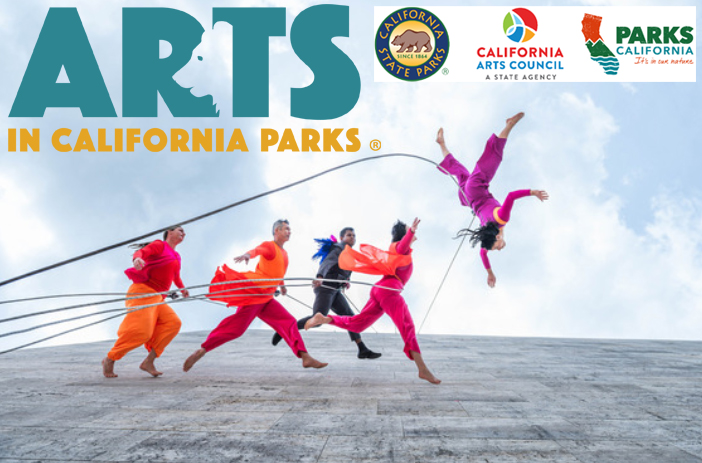
Photo: Project BANDALOOP

California State Parks, California Arts Council and Parks California continue partnership to bring creativity and community connection to local parks  

By Parks California and California State Parks, California Department of Parks and Recreation, Divisions of Boating and Waterways, Historic Preservation and Off-Highway Motor Vehicle Recreation

SACRAMENTO— California State Parks, the California Arts Council and Parks California today announced more than $2.6 million in community grants to organizations statewide as part of their Arts in California Parks partnership. These funds will enable local nonprofit, community and tribal organizations to bring music, dance, storytelling, visual art and cultural programs into parks, transforming them into vibrant spaces that foster creativity, honor cultural heritage and strengthen community connections.

Managed by Parks California, Arts in California Parks is a four-year, $8 million State Parks grants initiative launched in 2024 to support artists, culture bearers, California Native American tribes and local groups in creating art and cultural experiences in outdoor spaces. By expanding access to the arts in nature, the program helps parks remain welcoming, inspiring and inclusive for all Californians. This is the second round of grants awarded as part of the program.

“Art brings people closer to the meaning of their parks — not only as places of natural beauty, but as spaces for reflection, healing and shared experience,” said Armando Quintero, California State Parks Director. “When creativity meets open space, it deepens understanding of one another and reminds us that parks are for everyone. Through initiatives like Arts in California Parks, we’re celebrating the connection between art, nature and community that defines our state.”

This year, 30 organizations across California were awarded grants ranging from $28,000 to $150,000 from a pool of more than 200 applicants. Projects reflect the diversity of California’s people and landscapes. From large-scale performances to culturally focused installations, each initiative provides opportunities for residents and visitors alike to engage with the arts while deepening their connection to nature and local history.

“At Parks California, we believe that access isn’t just about getting to a park — it’s about feeling a sense of belonging once you’re there,” said Kindley Walsh Lawlor, CEO and president, Parks California. “Arts in California Parks helps make that possible by connecting people, stories and cultures to the landscapes that define our sense of place. These projects reflect our shared vision of public lands as places where creativity thrives, communities gather and every Californian can see themselves represented.”

From murals that celebrate cultural heritage to circus performances in city parks, this new round of grants showcases how creativity and community come together across California. A few of the projects underway include:

  • In Oakland, Trybe, Inc. will launch Roots & Rhythms at Clinton Square Park, year-round art and nature programming for youth and families. Activities range from a cultural heritage mural and youth-led garden to summer camps, multicultural art classes and community showcases that celebrate creativity, sustainability and belonging.
  • In Merced, the City of Merced will transform General Vang Pao Park into a vibrant space honoring the region’s Hmong community through a memorial plaza, statue and mural. The project blends art, recreation and cultural heritage while creating new outdoor amenities for residents in an underserved area.
  • In Lake County, EcoArts of Lake County will lead Rooted in Place, a public art initiative activating four county-managed parks with youth-designed murals and a community-built sculpture at Middletown Trailside Park. In collaboration with local tribes, the project honors Indigenous history and resilience following the 2015 Valley Fire.
  • Angels Gate Cultural Center in San Pedro will host Sustainers of Life, a contemporary art exhibition featuring new works by Indigenous women artists. Presented alongside the Many Winters Gathering of Elders, the exhibition and public programs will highlight Native women’s leadership and connection to the land through workshops, films and field trips for local students.
  • In Cathedral City, Hope Rising: Esperanza Park Cultural Celebration will transform a new park in the historically underserved Dream Homes neighborhood, uniting residents through a series of mural-making events, music and family art activities celebrating Hispanic and tribal heritage — turning Esperanza (“hope”) Park into a vibrant symbol of belonging and resilience in the Coachella Valley.
  • In San Diego, Fern Street Circus will launch its Neighborhood Tour 2025, bringing 16 free circus performances and parades to parks in underserved neighborhoods. The tour blends circus arts, puppetry and community storytelling to spark joy and connection while making high quality arts experiences accessible to all.

“Sustainers of Life honors Indigenous women by sharing multidimensional stories woven within broader historical contexts, creating space for both mourning and celebrating the ongoing resilience of those who nurture and protect life, and sustain our connection to the land,” said Cecelia Caro, director of exhibitions at Angels Gate Cultural Center. “Arts in California Parks makes it possible for us to share these powerful voices in a setting where the community can reflect, learn and grow together.”

To learn more about funded projects and upcoming events, visit ArtsInCaliforniaParks.org.

About Arts in California Parks 

Arts in California Parks aligns with statewide initiatives including Governor Gavin Newsom’s Outdoor Access for All, the California Natural Resources Agency’s Outdoors for All and California State Parks’ Reexamining Our Past Initiative. The program supports artists, culture bearers, California Native American tribes and communities in creating art, installations and cultural programming in state and local parks as catalysts for sustainable community connection, health and well-being. Initiated by a one-time general fund allocation that extends through 2027, the program is a partnership between California State Parks, the California Arts Council and Parks California.

The California Department of Parks and Recreation, popularly known as State Parks, and the programs supported by its Office of Historic Preservation and divisions of Boating and Waterways and Off-Highway Motor Vehicle Recreation provide for the health, inspiration and education of the people of California by helping to preserve the state’s extraordinary biological diversity, protecting its most valued natural and cultural resources, and creating opportunities for high-quality outdoor recreation. Learn more at parks.ca.gov.
About California Arts Council

Culture is the strongest signifier of California’s identity. As a state agency, the California Arts Council supports local arts infrastructure and programming statewide through grants, programs and services. The agency’s mission is to strengthen arts, culture, and creative expression as the tools to cultivate a better California for all. Learn more: arts.ca.gov.

About Parks California

Parks California is the official nonprofit partner to California State Parks, created by the state legislature to expand the reach and impact of the parks system. As a public-private partner, we work alongside State Parks, tribal nations, community and nonprofit groups to design solutions that make parks more inclusive, climate-resilient and welcoming. Together, we’re advancing a new partnership model that supports healthy communities and ecosystems and helps parks evolve to meet the needs of a changing California. Learn more: parkscalifornia.org.

Cutline: One of the 2024-25 grantees include Project BANDALOOP in Oakland that connects the human spirit, nature and communities through dance using climbing technology to challenge what is possible. Photo: Parks California.

Filed Under: Arts & Entertainment, Finances, News, Parks, State of California

Save Mount Diablo launches Advisory Council

October 10, 2025 By Publisher Leave a Comment

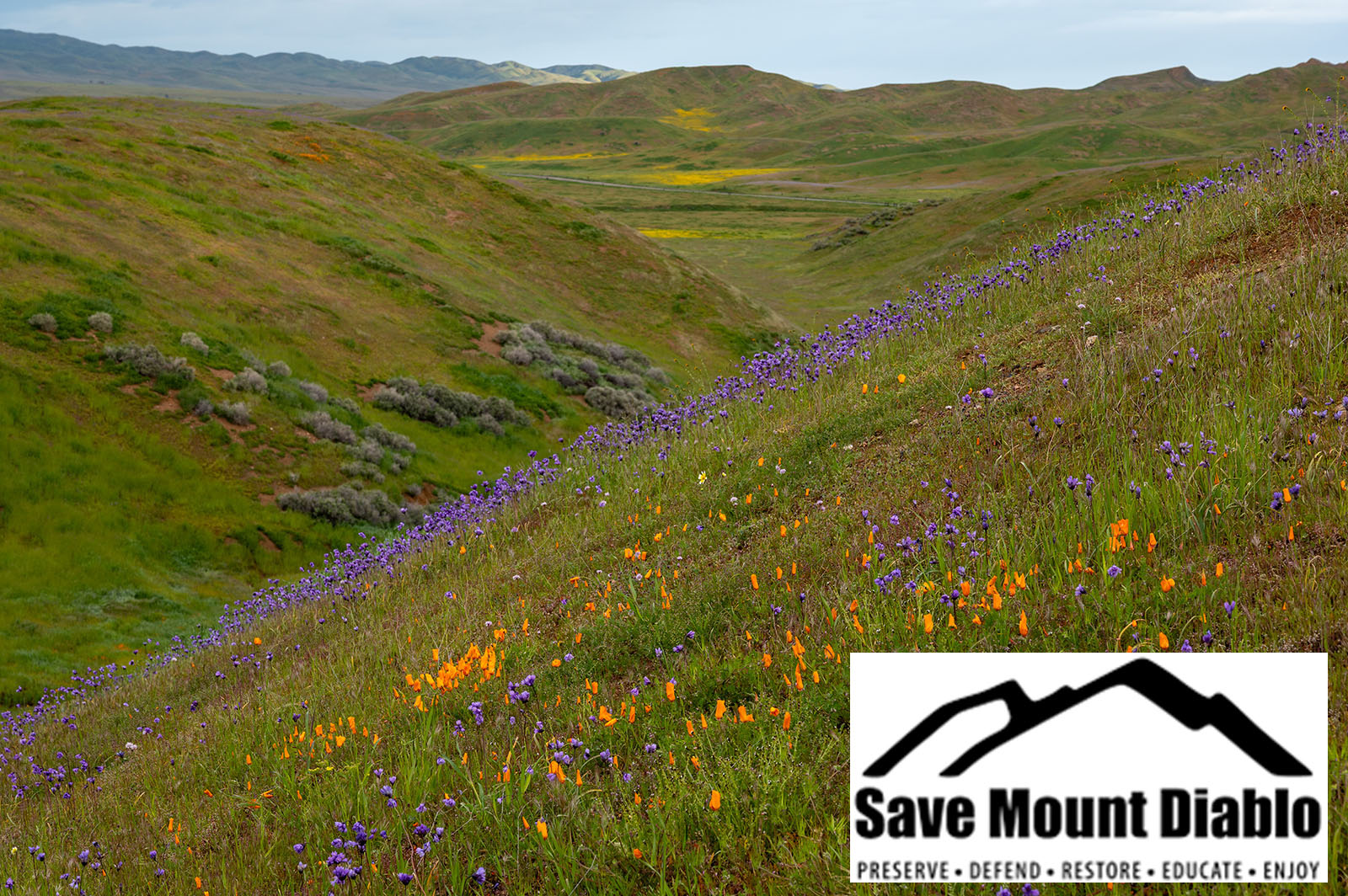
Wildflowers in the Panoche Valley and Hills, southern Diablo Range. Photo: Scott Hein

10-member, all-volunteer Council will further land conservation mission

By Laura Kindsvater, Senior Communications Manager, Save Mount Diablo

WALNUT CREEK, CA—Save Mount Diablo has created an Advisory Council to help further our organization’s land conservation mission for Mount Diablo and the mountain range it is a part of and sustained by, the Diablo Range.

Save Mount Diablo’s all-volunteer Advisory Council consists of distinguished individuals who are willing to contribute their expertise, guidance, connections, and support to further the organization’s mission.

The organization’s Board of Directors and staff will benefit from the knowledge and expertise of the Advisory Council members. Advisors will also act as ambassadors for Save Mount Diablo helping the organization positively connect with strategic peoples and communities.

There are multiple reasons why Save Mount Diablo created its Advisory Council. It gives the organization a way to honor and recognize individuals for their distinguished service to Save Mount Diablo.

It provides a way to involve people who are willing to give critical assistance but have limited time. It provides a way of involving people who would be good candidates for the Board of Directors, but who are unable, or may not be ready, to serve in that role right now.

It provides a way to keep important supporters closely connected to the organization. It creates a direct link to important professional and technical expertise. It elevates and empowers selected people to serve as ambassadors for the organization.

It is a way to assist in efforts to increase philanthropic support. It enlists various types of needed help from the Advisors and their networks.

The basic structure of Save Mount Diablo’s Advisory Council is as follows. The organization’s Board Governance and Nominating Committee reviews and recommends appropriate Advisory Council candidates to the Board of Directors for approval.

Advisors must be elected by the Board of Directors. Advisory Council members advise and assist the organization largely on an as-needed basis. The Advisory Council will be invited to meet at least once annually, typically as part of a Board of Directors meeting or event.

Organizational communications with the Advisory Council, as a group or individually, will typically come from the Executive Director or Board President. The Advisory Council has no governing function within the organization.

The Board of Directors will determine term lengths, if any, the total number of members for the Advisory Council, and other related details.

After careful consideration, the Board of Directors approved creating an Advisory Council at their January 2025 annual Strategic Plan retreat.

After that, Save Mount Diablo’s Board Governance and Nominating Committee worked on creating a list of talented people to invite to be part of the inaugural class of the Advisory Council.

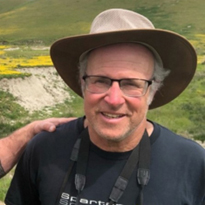
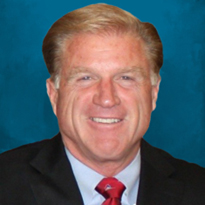
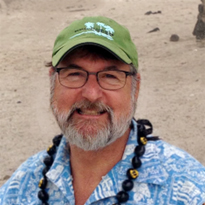
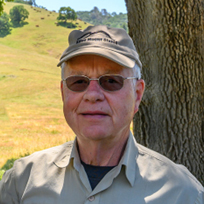
This inaugural class for our Advisory Council, which was approved by the Board of Directors at their October 1, 2025, meeting, consists of the following people:

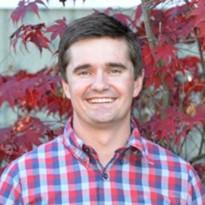
Stewart Beatty

Stewart Beatty is the Head Chef at Postino, where he specializes in creating farm-to-table dishes that highlight fresh, locally sourced ingredients. A lifelong resident of the Mount Diablo area and current Clayton resident, Stewart has a deep connection to the region and its community. He generously shares his culinary talents by providing meals for Save Mount Diablo’s Four Days Diablo and summit dinners, bringing people together to celebrate and support local land conservation efforts.

Joseph Belli

Joseph Belli has been a dedicated Save Mount Diablo donor since 2021 and is a conservation biologist and author, widely recognized as one of California’s leading experts on the Diablo Range.

His deep knowledge and passion for the region have made him an invaluable contributor to Save Mount Diablo’s mission. Joseph has participated in our BioBlitz events and Mary Bowerman Science and Research program, and served as the opening speaker for our first annual Diablo Range Convening in June 2025. In July 2025, he was also featured as a speaker for Save Mount Diablo’s Executive Director Speaker Series, sharing his insights on the unique ecology and conservation challenges of the Diablo Range.

Tom Dowd

Tom has a passion for helping organizations and individuals and transforming people’s lives. He was the founder and CEO of a chemical distribution company (Dowd and Guild, Inc.); he serves on the John Muir Health Foundation Board of Directors as well as on the Advisory Board of Heritage Bank of Commerce. Tom founded Keiretsu Forum Charitable Foundation, a nonprofit organization that raised $1 million for more than 100 charities. After selling Dowd and Guild, Inc., Tom has shifted to full-time charitable work.

Robert E. Doyle        

Robert E. Doyle, General Manager Emeritus, East Bay Regional Park District, worked for 47 years as a park professional at the East Bay Regional Park District in Oakland, California. Bob was a founding Board member of Save Mount Diablo, working with California State Parks to expand one of the original “Olmsted State Parks.” He was also a founding Board member of the East Bay Conservation Corps. Bob currently serves as Board member and Advocacy Co-Chair of the Washington, DC–based City Parks Alliance. He has served as a Board member for the National Association of Olmsted Parks and is a member of the American Academy for Park and Recreation Administration, where he was awarded the prestigious Cornelius Pugsley Medal. In 2024, Bob joined the San Francisco–based Save the Redwoods League Board of Councilors. Bob has received a Save Mount Diablo Mountain Star award for his good work.

Peter Frazier

Peter Frazier, a retired investment professional, has been a Save Mount Diablo supporter for over 40 years, demonstrating a strong commitment to land conservation and environmental education. As a dedicated contributor, Peter helps support programs that inspire and educate future generations about the importance of protecting the Diablo Range and its natural resources. Peter has also helped make possible other important projects for Save Mount Diablo, like the organization’s 50th anniversary oral history project with the Bancroft Library at the University of California, Berkeley.

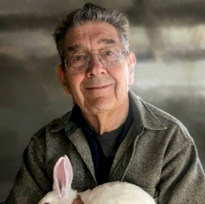
John Kiefer

John Kiefer is a retired systems applications specialist at Pacific Bell, inventor of the Kiefer Sustainable Chicken Coop, and a longtime supporter of Save Mount Diablo since 1975! He has remained deeply involved through leadership, advocacy, and community building. He is especially supportive of Save Mount Diablo’s environmental education programs and efforts to connect more people to nature and each other. Over the years, John has led hikes on Mount Diablo and has supported Save Mount Diablo in many ways, from hosting events at his home to funding community breakfasts and other events. His passion for trails and open space led to his service on the Lafayette Parks, Trails, and Recreation Commission (1986–1994), where he worked hands-on to maintain trails, collaborated with landowners to create public access, and later served as the city’s field representative for trails. In recognition of his contributions, the John Kiefer Trail was dedicated in his honor in 2014.

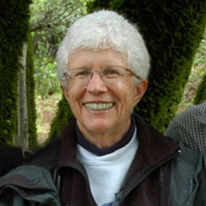
Beverly Lane

Beverly Lane has been a dedicated Save Mount Diablo supporter since 1988 and is a respected local historian, published author, and curator of the Museum of the San Ramon Valley. She helped found the Contra Costa History Alliance and the Tri-Valley History Council, fostering the preservation of regional history. Beverly served as Mayor of Danville and represented central Contra Costa County as a Director for the East Bay Regional Park District from 1994 to 2022. She is also an active member of the Anza Trail Foundation, which promotes the Juan Bautista de Anza National Historic Trail, and Friends of San Ramon Creek, reflecting her lifelong commitment to conservation, history, and community.

Doug McConnell

Doug McConnell is a long-time Save Mount Diablo supporter and renowned television host and storyteller with a passion for exploring and protecting the natural world. He hosted NBC Bay Area’s OpenRoad with Doug McConnell beginning in 2009 and served as host and editor of the beloved series Bay Area Backroads from 1993 to 2008. Doug is the founder of Convergence Media Productions, creating content that highlights conservation and outdoor adventure. In addition to his media work, he serves as an Advisory Board member for San Francisco Baykeeper, advocating for the protection and preservation of the Bay Area’s natural resources. Doug has received a Save Mount Diablo Mountain Star Award for this good work.

Jeff Stone

Jeff Stone is the CEO of Diamond Construction and co-founder of Enkasa Homes, bringing extensive expertise in environmentally sensitive building and development to his work. A dedicated supporter of land conservation, Jeff served as a Save Mount Diablo Board member (2016–2025). He continues to contribute his leadership, expertise, and passion to support Save Mount Diablo’s land conservation work.

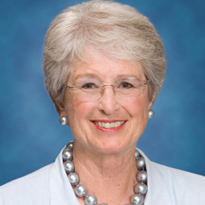
Jeanne Thomas

Jeanne Thomas has been a Save Mount Diablo donor since 1989 and is a proud member of the Diablo Legacy Circle. A retired employee of Kaiser Industries, Jeanne has been a steadfast supporter of Save Mount Diablo for decades, serving on the Development Committee from 2006 to 2014. She has played a vital role in supporting events, acting as a liaison to the Rossmoor retirement community, and was honored with the Mountain Star Award for her dedication. An avid nature enthusiast, Jeanne has spent countless hours hiking Mount Diablo and photographing its wildflowers, reflecting her deep love for the land she helps protect.

We are very grateful that this talented and special group of people answered the call to serve on Save Mount Diablo’s Advisory Council!

With the creation of our Advisory Council, made up of such terrific people, Save Mount Diablo has successfully and strategically expanded our team to help further our land conservation work for Mount Diablo and its Diablo Range.

About Save Mount Diablo

Save Mount Diablo has been preserving lands on and around Mount Diablo and educating the public to the mountain’s natural values since 1971. We are biologists, conservationists, hikers, bikers, equestrians, bird watchers, and people who just love to look at the mountain. Save Mount Diablo is a tax-exempt nonprofit 501(c)(3) organization (tax ID 94-2681735). For more information visit savemountdiablo.org.

Filed Under: Environment, News, Non-Profits, Parks, People

Park Happenings for October

October 8, 2025 By Publisher Leave a Comment

News from the East Bay Regional Park District

Photos: EBRPD

By Dave Mason, Public Information Supervisor, Public Affairs, East Bay Regional Park District

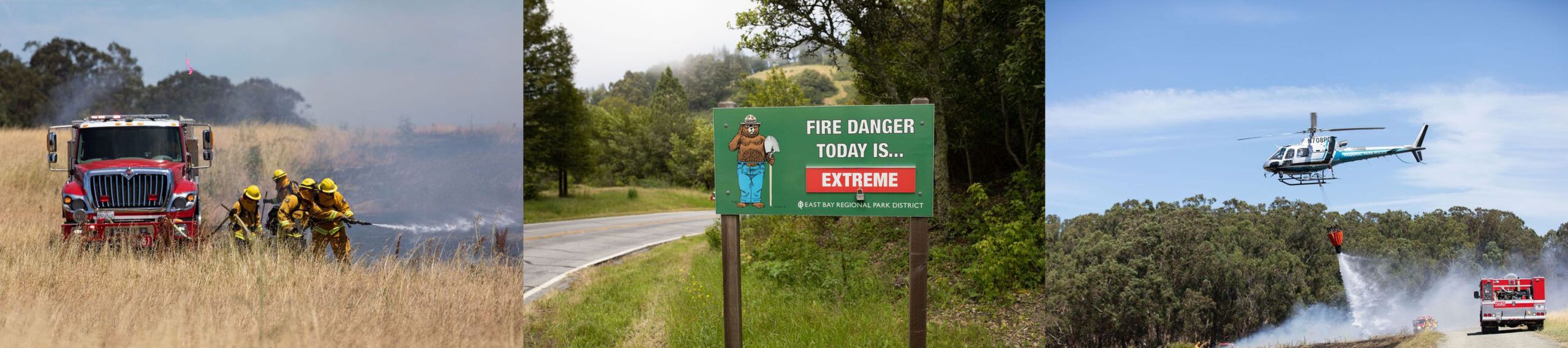
When Leaves Fall, Fire Risks Rise. Fall is peak fire season, due to dried-out vegetation from summer heat and offshore Diablo winds that historically occur September through November. Be aware of fire hazards, restrictions, and Red Flag Warnings. Wildfire safety remains one of the East Bay Regional Park District’s top priorities.

Photos: EBRPD

Fire Safety Tips

  • Follow all fire safety rules.
  • No smoking or vaping in parks.
  • No fireworks.
  • Report fire hazards and call 911 if you see an active fire.

Photos: EBRPD

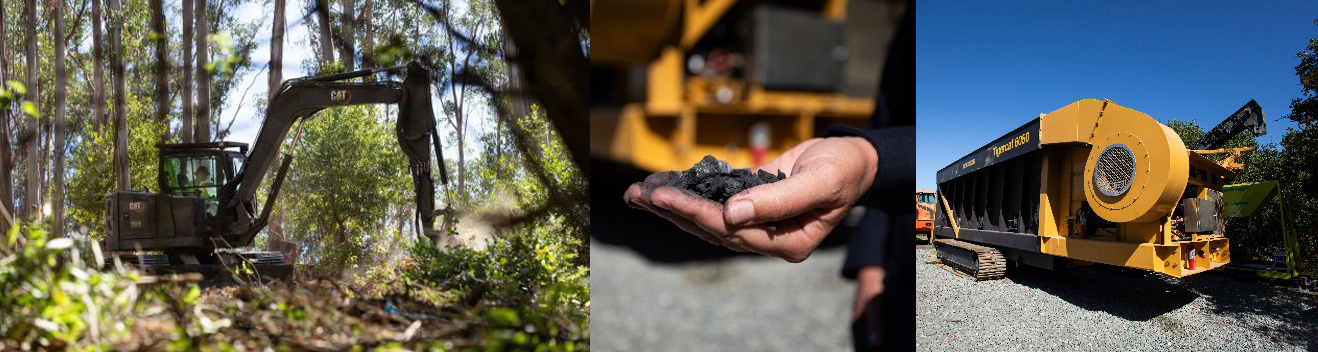
667-Acre Fuels Reduction Project Complete. For the past three years, the East Bay Regional Park District has been thinning brush and hazardous trees on 667 acres at Anthony Chabot Regional Park to reduce fire risk. This groundbreaking effort — the first of its kind in California — included large-scale eucalyptus removal and the use of a climate-friendly carbonizer to dispose of debris with minimal emissions. Reducing fire fuels is essential to slowing wildfires and giving firefighters time to stop them before they grow out of control.

For more information see East Bay Parks use groundbreaking technology to reduce wildfire risks, Park District investing $10.9 million to reduce fire fuels in the East Bay, Park District completes 667-acre Fuels Reduction Project in East Bay Hills and visit ebparks.org/news.

Photos: EBRPD

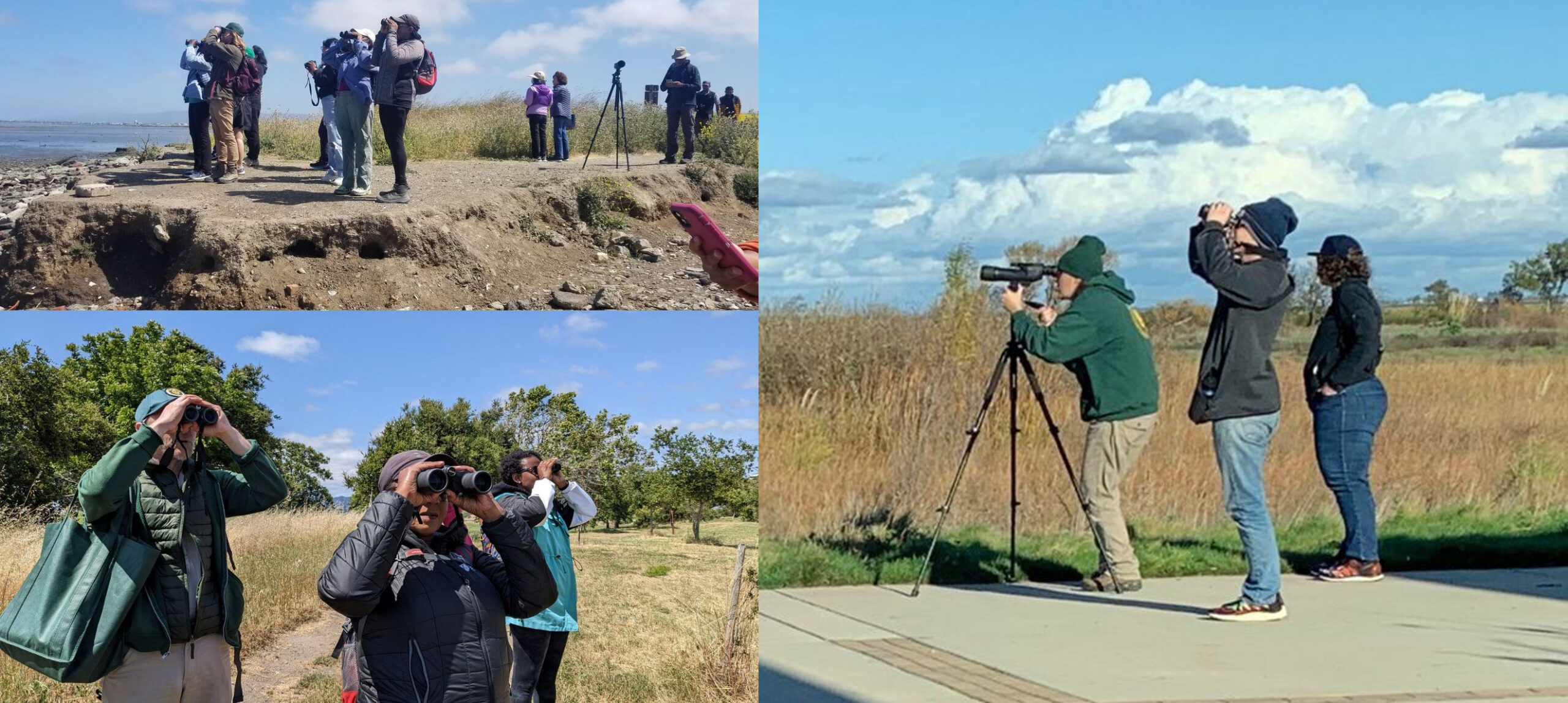
Fall Is a Great Time for Birding. Fall and winter are prime seasons for birding in East Bay Regional Parks. From wetlands to woodlands, diverse habitats host migrating and nesting birds, as well as wintering waterfowl and shorebirds. It’s a perfect time to spot unique species and enjoy this beloved outdoor pastime.

The Park District offers birding programs for all experience levels, including hikes, kayak excursions, and community science events. Birdwatching is more accessible than ever with events like the Great Backyard Bird Count (Feb. 13-16, 2026) and apps like Merlin and eBird. For information, visit ebparks.org/calendar and search “Birding.”

Photos: EBRPD

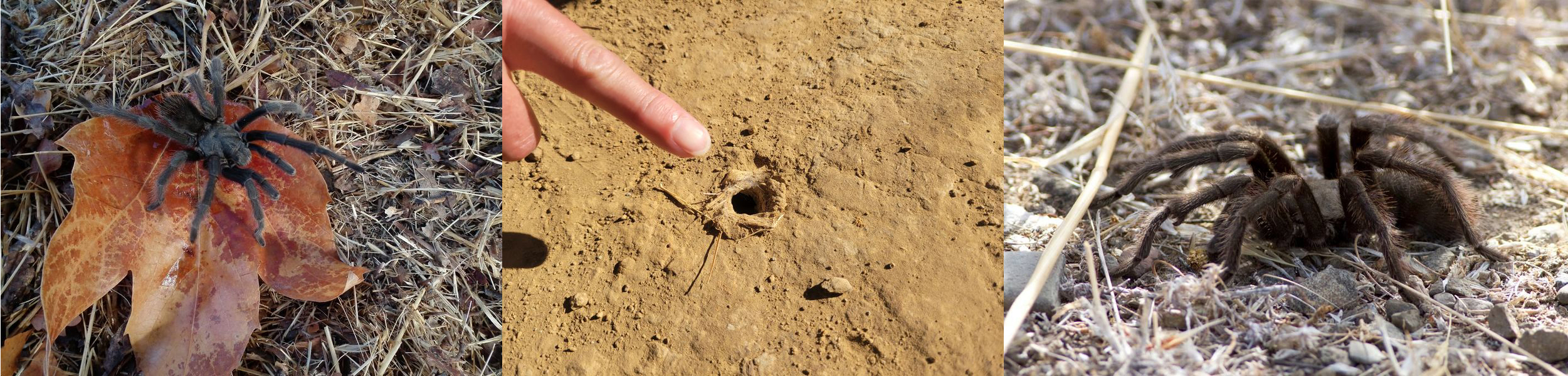
Looking for Love. With the onset of cooler fall weather, male tarantulas leave their burrows to find females. They tap on the burrow entrance to signal a mate, and if she emerges, they mate. Life isn’t easy for male tarantulas. After mating, the female can sometimes kill the male, though this is infrequent. Even if he survives, he will soon die. Male tarantulas only live for seven to 10 years, while females can live as long as 30 years.

Tarantulas in the East Bay range from dark brown to light tan and are spotted most often in the late afternoon or early evening, after the day’s heat fades. Join a naturalist program or hike to learn more about these fuzzy friends — or possibly even see one. For more information, visit ebparks.org/calendar and search “Tarantulas.”

Photos: EBRPD

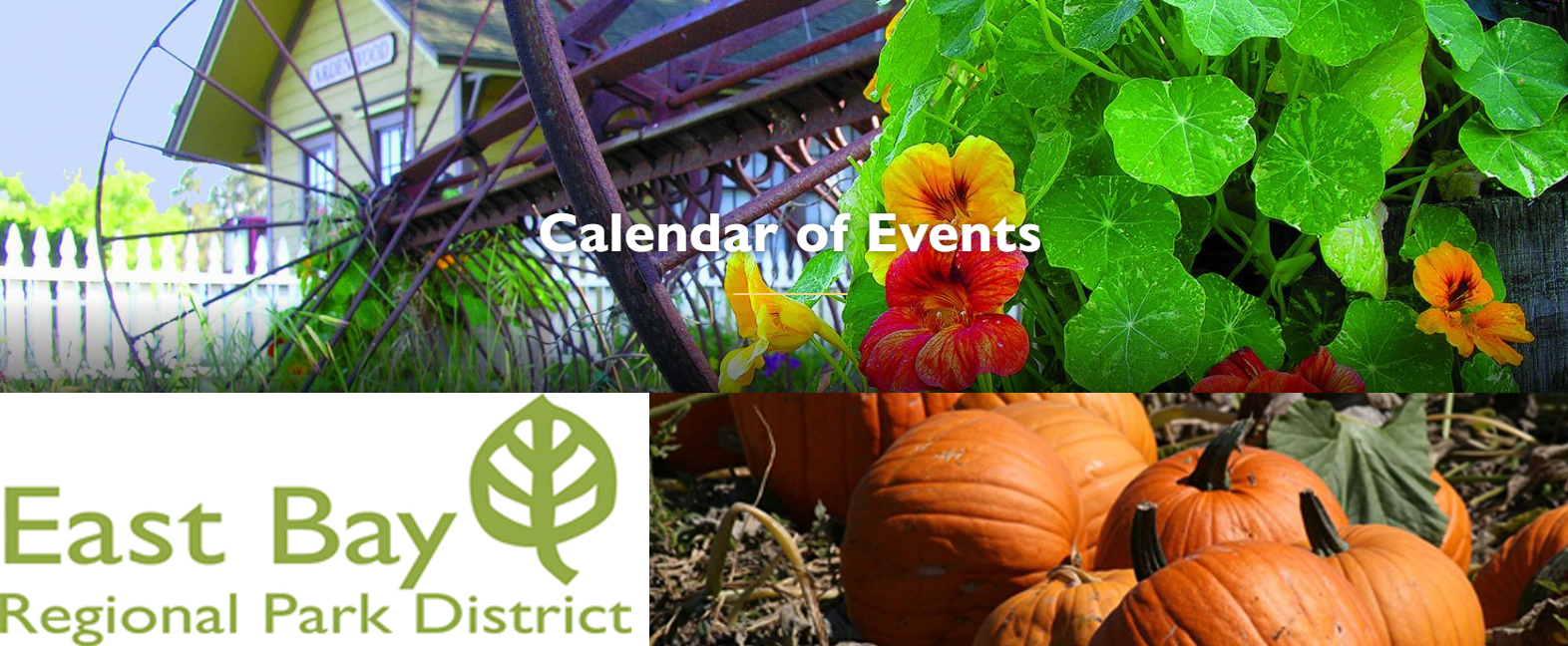
Celebrate Corn at Ardenwood’s Harvest Festival! The story of corn begins with a wild grass called teosinte, first cultivated in central Mexico around 9,000 years ago. Today, corn — also known as maize — nourishes communities around the globe. From popcorn and cornbread to polenta, hominy, cereal, and of course, corn on the cob, many popular foods trace back to this remarkable plant.

To learn more about corn, attend Ardenwood’s annual Harvest Festival on Oct. 11-12, from 10 a.m. to 4 p.m., where visitors can walk through the cornfields and participate in the ancient autumn ritual of harvesting maize — and even take home a few ears of corn (one-bag-per-person limit). Enjoy seasonal activities, including cider pressing, live music, and historic crafts, and ride a narrow-gauge train. Free for participants ages 3 and under.

For more information, visit ebparks.org/calendar and search “Harvest Festival.”

Photos: EBRPD

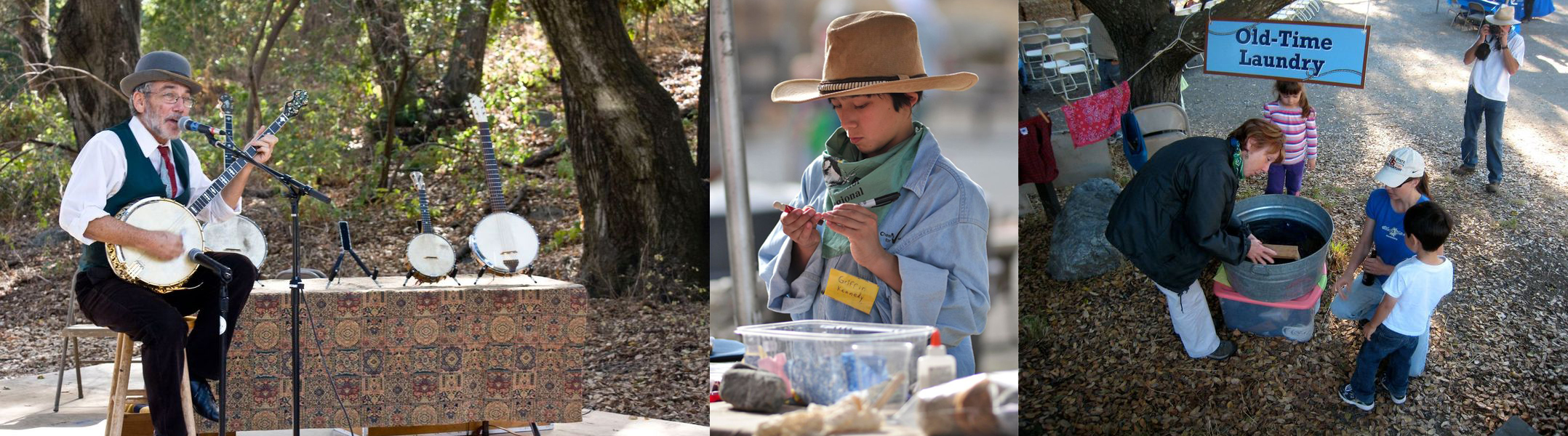
Step Back in Time at the Sunol Heritage Festival. Celebrate the rich heritage of the Sunol wilderness at a lively, family-friendly festival on Saturday, Oct. 18, from 11 a.m. to 3 p.m., filled with hands-on history, live music, crafts, Ohlone stories, and fun for all ages. Visitors can connect with the past through activities that highlight the history, traditions, and cultures of the region — from crafting miniature tule boats, to making traditional pine nut bracelets and learning about ranching brands while creating a “branded” bandana.

Families can also try their hands at old-time laundry, play Ohlone and Victorian-era games, meet Poppy the wooden milking cow, practice lasso skills, and more. Guests are encouraged to bring a picnic and enjoy the park’s natural setting while taking part in the festivities. Parking is $5.

For more information, visit www.ebparks.org/sunol-heritage-festival.

Photo: EBRPD

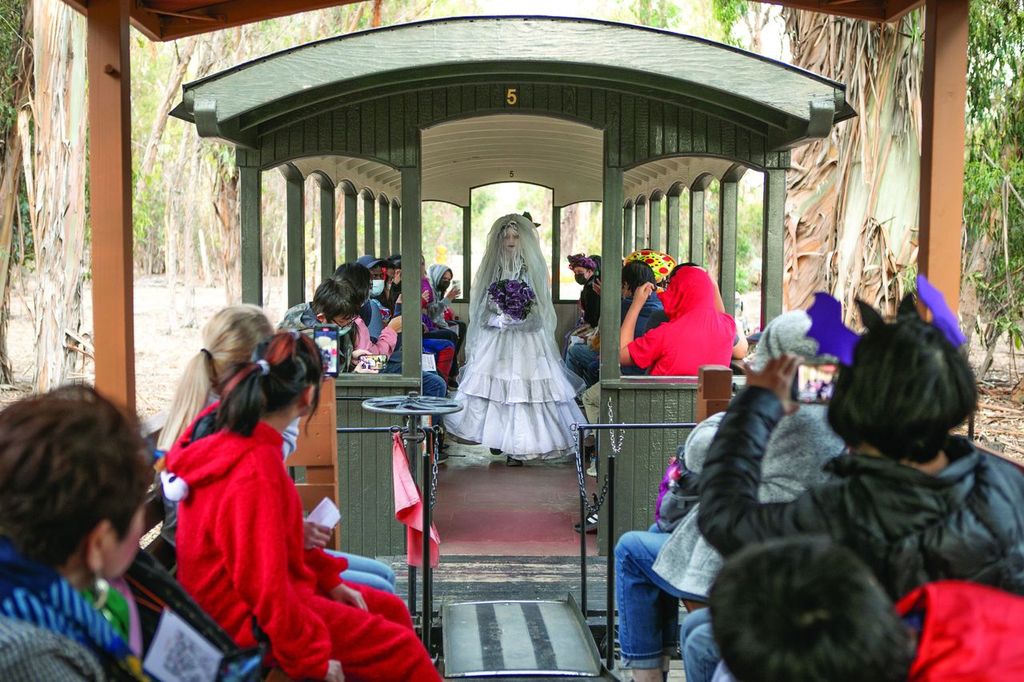
Ardenwood Halloween Festivities. Each year Ardenwood comes alive in October with the frightful Haunted Railroad and community pumpkin patch. Ardenwood offers nighttime train rides through its haunted forest. The ride is spooky — not scary — and is designed especially for children under 12. Tickets sell out fast! Registration required. For more information, visit spcrr.org.

Ardenwood’s annual pumpkin patch is operated by Dig Deep Farms, which also offers Halloween-themed arts, crafts, and games. Pumpkin patch admission does not include admission to Ardenwood Historic Farm.

For more information, visit ebparks.org/calendar and search “Pumpkin Patch”.

For more EBRPD events visit Calendar of Events | East Bay Parks

The East Bay Regional Park District is the largest regional park system in the nation, comprising 73 parks, 55 miles of shoreline, and over 1,330 miles of trails for hiking, biking, horseback riding, and environmental education. The Park District receives an estimated 30 million visits annually throughout Alameda and Contra Costa counties in the San Francisco Bay Area.


Filed Under: East Bay, News, Parks

Amtrak to run special trains to Colonel Allensworth State Historic Park 2025 Rededication Celebration, Oct. 11

October 7, 2025 By Publisher Leave a Comment

Photos: Amtrak San Joaquins and CA State Parks

Celebrating seven years of tradition, trains will once again bring visitors to honor site central to California’s African American history

Established in 1908, it was the state’s first self-governed Black township

By Harlo Pippenger, Consultant, Amtrak San Joaquins

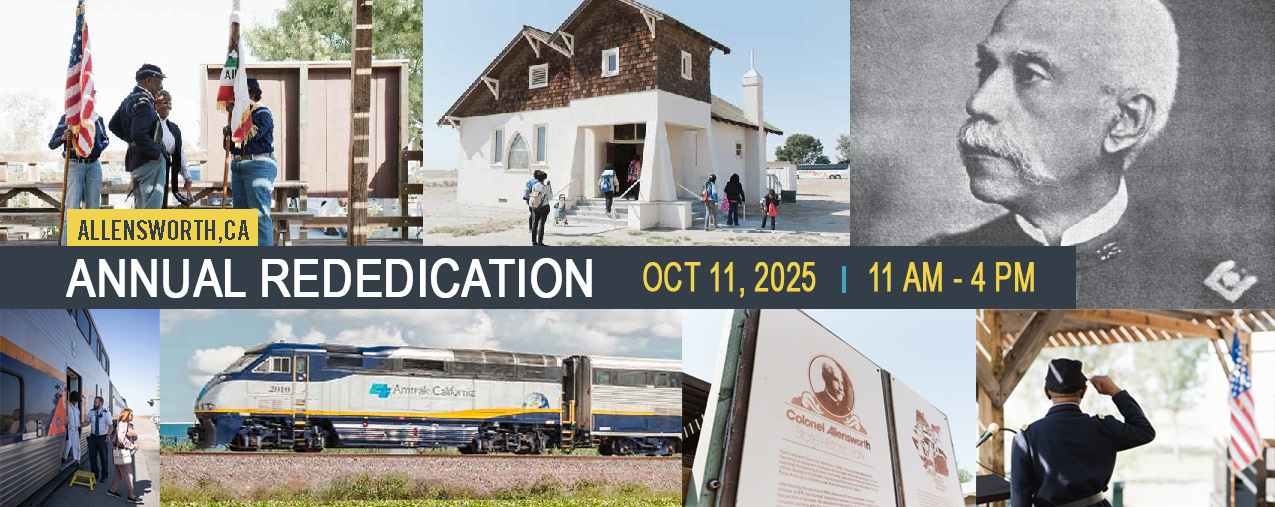
(Stockton, CA) – Colonel Allensworth State Historic Park is holding its annual celebratory Rededication event on Saturday, October 11 from 11:00 AM to 4:00 PM. In partnership, Amtrak San Joaquins has scheduled a special stop at the park for multiple trains, bookable at exclusive half-price “Allensworth fares.”

Travelers from Northern California, the Bay Area, or the Central Valley are invited to experience a scenic day trip aboard the Amtrak San Joaquins, arriving directly at the gates of this historic landmark and celebration. Attendees are encouraged to book now to secure their seats and to enjoy further savings by combining discounts, as detailed on the Amtrak San Joaquins Deals webpage.

Hosted by California State Parks, the Annual Rededication of Col. Allensworth State Historic Park honors the park’s original dedication in 1976. The event will feature food trucks, arts and crafts, guided tours of historic buildings, performances of music and dance, interactive experiences with time-period docents, and remarks from descendants of Colonel Allen Allensworth.

This year’s special Rededication train marks the seventh anniversary of Amtrak San Joaquins’ service to the Colonel Allensworth State Historic Park Rededication Celebration. Since that first ride in 2018, ridership to the event has grown dramatically, from just 97 passengers to more than 300 in 2024 and over 500 individuals traveling by train to the most recent Juneteenth 2025 Festival. Each year, more Californians are discovering the ease and joy of traveling by train to celebrate this historic community and the lasting impact it has had on the state’s heritage. With direct service and exclusive discounted fares, Amtrak San Joaquins is making it easier than ever for riders from across the state to be part of this meaningful celebration.

Founded in 1908 by Colonel Allen Allensworth, a former enslaved man, the town was designed to be a self-sustaining community where African Americans could live, work, and thrive. Today, you can witness the legacy of this trailblazing community come alive with captivating re-enactments, storytelling, and tours of the lovingly restored and reconstructed early 20th century buildings. Step into the Colonel’s house, walk through the halls of the historic schoolhouse and explore the church and library for an inspiring journey through a pivotal moment in history.

“California State Parks is proud to celebrate seven years of partnership with Amtrak San Joaquins in bringing visitors directly to Colonel Allensworth State Historic Park,” said Lori Wear, California State Parks. “This special train service has helped thousands of Californians experience the rich history and enduring legacy of Colonel Allensworth in an accessible, affordable, and memorable way. We’re beyond excited for this year and continuing this progress into the future.”

The southbound trains running for the event include trains 702 (10:55am arrival), 710 (11:54am arrival), and 712 (2:54 arrival). Northbound trains include 713 (8:56am arrival), 715 (12:56pm arrival), 717 (2:56pm arrival). When purchasing train tickets, a discount will automatically be applied. If eligible, riders can then combine this reduced ticket with additional savings regularly available which include:

  • Infants under 2 years of age ride for free
  • Children 2-12 years old ride half-price every day
  • Seniors (62+ years of age) receive 15% off
  • Veterans & active military members receive 15% off
  • Disabled riders save 15% off
  • View deals

Visitors attending the Rededication Celebration via the Amtrak San Joaquins trains will arrive at the Allensworth station (CNL), which will serve as a special stop for this event. Upon arrival, a complimentary 35-passenger shuttle provided by Tulare County Area Transit will transport riders between the train platform and the historic schoolhouse. Typically, a whistle stop available only to pre-booked groups, the Allensworth station (CNL) will be fully activated for travelers on October 11, offering a rare and seamless opportunity to experience this historic park by rail.

Train tickets to Colonel Allensworth State Historic Park can be booked online at the Colonel Allensworth landing page or contact Carmen Setness, community outreach coordinator for San Joaquin Regional Rail Commission (SJRRC), at csetness@sjrrc.com.

About Allensworth State Historic Park

The town of Allensworth is located in the heart of the Central Valley, about 30 miles north of Bakersfield. Boasting a rich history that is of interest to students, families, history buffs, minority community organizations, and anyone else looking to spend a fun day exploring the historic community and its restored buildings. In 1908, Allensworth was established as a town founded, financed and governed by African Americans. There were a series of challenges impeding the town’s long-term survival, but it is celebrated as a key historical icon. In 1974 California State Parks purchased the land in order to maintain it as a site for visitors to learn and explore the Colonel’s house, historic schoolhouse, Baptist church, and library.

About the San Joaquin Joint Powers Authority (SJJPA) Since July 2015, SJJPA has been responsible for the management and administration of Amtrak San Joaquins. SJJPA is governed by Board Members representing each of the ten (10) Member Agencies along the 365-mile San Joaquins Corridor. For more information on SJJPA see http://www.sjjpa.com.

Amtrak San Joaquins is Amtrak’s 6th busiest route with 18 train stations throughout the Central Valley and Bay Area, providing a safe, comfortable and reliable way to travel throughout California. Amtrak San Joaquins is currently running six daily round-trips. In addition to the train service, Amtrak San Joaquins Thruway buses provide connecting service to 135 destinations in California and Nevada including Los Angeles, Santa Barbara, San Diego, Napa Valley, Las Vegas and Reno.

Filed Under: Fairs & Festivals, History, Parks, State of California, Transportation

Park District completes 667-acre Fuels Reduction Project in East Bay Hills

October 7, 2025 By Publisher 1 Comment

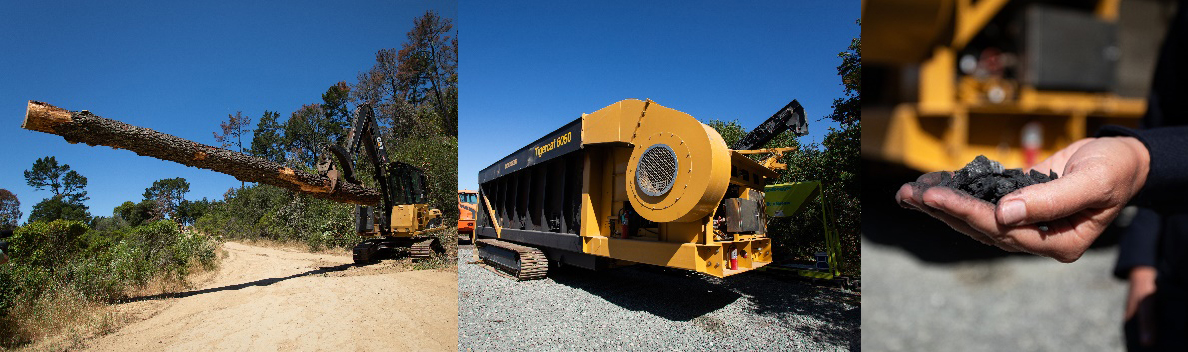
As part of fuels reduction work a tree is removed then burned in a low-emission Tigercat 6050 carbonator machine, resulting in biochar used to enrich soil in the East Bay parks. Photos: EBRPD

Invested $12.5 million in Park District, state and federal funds

By Dave Mason, Public Information Supervisor, Public Affairs, East Bay Regional Park District

The East Bay Regional Park District is pleased to announce the completion of the Climate Change Impacts Wildland Hazardous Fuels Reduction Project at Anthony Chabot Regional Park. For the past three years, the Park District has been working to thin and remove hazardous trees and brush on 667 acres at Anthony Chabot to reduce fire intensity and help prevent catastrophic wildfires. (See related article)

This groundbreaking effort, the first of its kind in California, included large-scale eucalyptus removal and the use of a climate-friendly carbonizer to dispose of debris. The carbonizer produces low emissions and creates biochar, which has been used throughout the Park District to improve soil health and water retention.

In fall 2020, Park District staff noticed an increase in dead and dying trees compared with past years. The Park District began assessing die-off districtwide and found that it affected several parks. In some areas, half of the trees were either dead or showing signs they would die within a year. The condition was caused by extreme drought and climate change.

Fire fuels reduction efforts in the East Bay parks. Photos: EBRPD

“Sudden tree die-off was an emergency for the Park District,” said Park District Assistant Fire Chief Khari Helae. “We immediately saw the need to ramp up fuels reduction to mitigate the threat of potential wildfires. We can’t prevent all ignitions, but we can lower the intensity of fires by reducing fire fuels.”

“The Anthony Chabot project tackled mostly dead and dying eucalyptus, a notoriously flammable and difficult-to-handle tree. Thinning and removing eucalyptus is essential to slowing wildfires and giving firefighters time to stop them before they become out of control. Dead standing trees burn hotter and faster and can cast embers long distances, igniting new, potentially dangerous fires,” Helae added.

The 667-acre project began in 2022 with a pilot project on 80 acres near the former shooting range in Anthony Chabot Regional Park, using the climate-friendly carbonizer for biomass removal. The pilot project assessed the feasibility of using a carbonizer to remove biomass. With additional permitting, the project expanded to 445 acres and then 667 acres.

Funding sources

The project was funded through a combination of federal and state funds. The project received $7.5 million in state funding secured by former state Sen. Nancy Skinner (now serving as California Energy Commissioner) and former state Sen. Bob Wieckowski, $1.5 million in federal funding secured by U.S. Sen. Alex Padilla (D-Calif.), $1 million in grant funding from the California Coastal Conservancy, and $2.5 million from the Park District.

“We thank our federal and state partners for their leadership, support, and funding for wildfire fuels reduction work in the East Bay,” said Park District General Manager Sabrina Landreth. “Fuels reduction work helps reduce wildfire risks and is critical to protecting the community and natural resources.”

“The Park District has a deep understanding of the dangers and destruction wildfires can bring after experiencing the 1991 Oakland Hills Firestorm, which claimed 25 lives and destroyed 3,469 homes,” Landreth added.

Ongoing Wildfire Protection Efforts

Hazardous fuels reduction efforts continue districtwide, with large projects planned or underway at Tilden, Claremont Canyon, and Anthony Chabot Regional Parks, as well as Leona Canyon Open Space Regional Preserve. A 16-person fuels crew works year-round on vegetation management projects, along with goat, sheep, and cattle grazing covering 86,800 acres annually.

The Park District’s wildfire protection work includes prioritizing vegetation management, operating a professionally trained full-time and on-call department, and maintaining specialized wildland firefighting equipment, which includes two helicopters capable of dropping water on wildfires.

The East Bay Regional Park District is the largest regional park system in the nation, comprising 73 parks, 55 miles of shoreline, and over 1,330 miles of trails for hiking, biking, horseback riding, and environmental education. The Park District receives an estimated 30 million visits annually throughout Alameda and Contra Costa counties in the San Francisco Bay Area.

Filed Under: East Bay, Fire, News, Parks

Vasco Road U.S. “Flag Barn” dismantled, façade transferred to City of Brentwood for future display

September 29, 2025 By Publisher 2 Comments

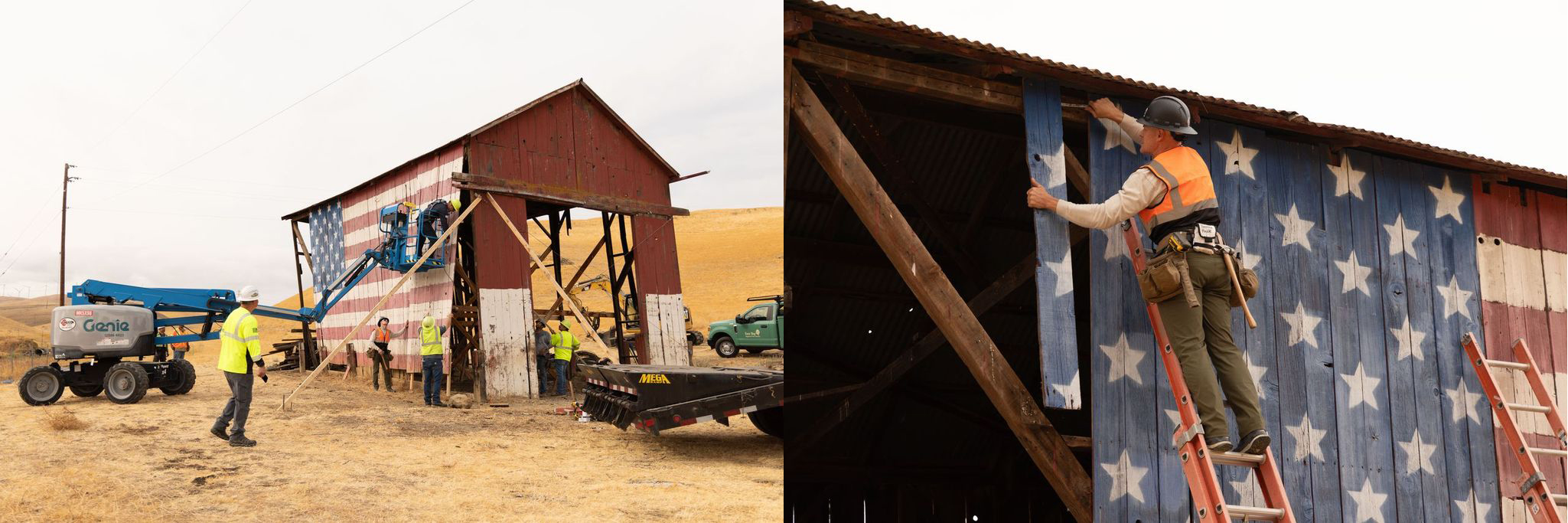
The landmark U.S. “Flag Barn” on Vasco Road near Byron was dismantled on Monday, Sept. 29, 2025. Photos: EBRPD

By Dave Mason, Public Information Supervisor, Public Affairs, East Bay Regional Park District

Today, the East Bay Regional Park District removed the flag barn façade at Vasco Hills Regional Preserve and transferred it to the City of Brentwood for future display at the Brentwood Municipal Services Center or in a city park.

Park staff have evaluated the structure multiple times and determined that the structure was unsafe, in disrepair, and at risk of collapse, especially given the upcoming fall and winter seasons. The Park District acquired the land where the barn is located in 2010 in partnership with the East Contra Costa County Habitat Conservancy for habitat preservation. It was determined at that time that the barn was beyond repair. Additionally, repairs and construction are also prohibited by a conservation easement established when the property was purchased.

The Park District has been working with the City of Brentwood over the past year to preserve the flag façade, which has become a landmark for drivers on Vasco Road. The Flag Barn was painted in 2001 as a symbol of American patriotism in the time period following the 9/11 terrorist attacks.

“This project reflects the strength of community partnership. The Flag Barn façade has deep meaning for many residents, and we are proud to work with the City of Brentwood to preserve this piece of local history,” says Max Korten, Deputy General Manager at the Park District.

The Park District is funding the dismantling and transportation of the Flag Barn façade to the City of Brentwood. Lumber not associated with the façade will be reused by the Park District.

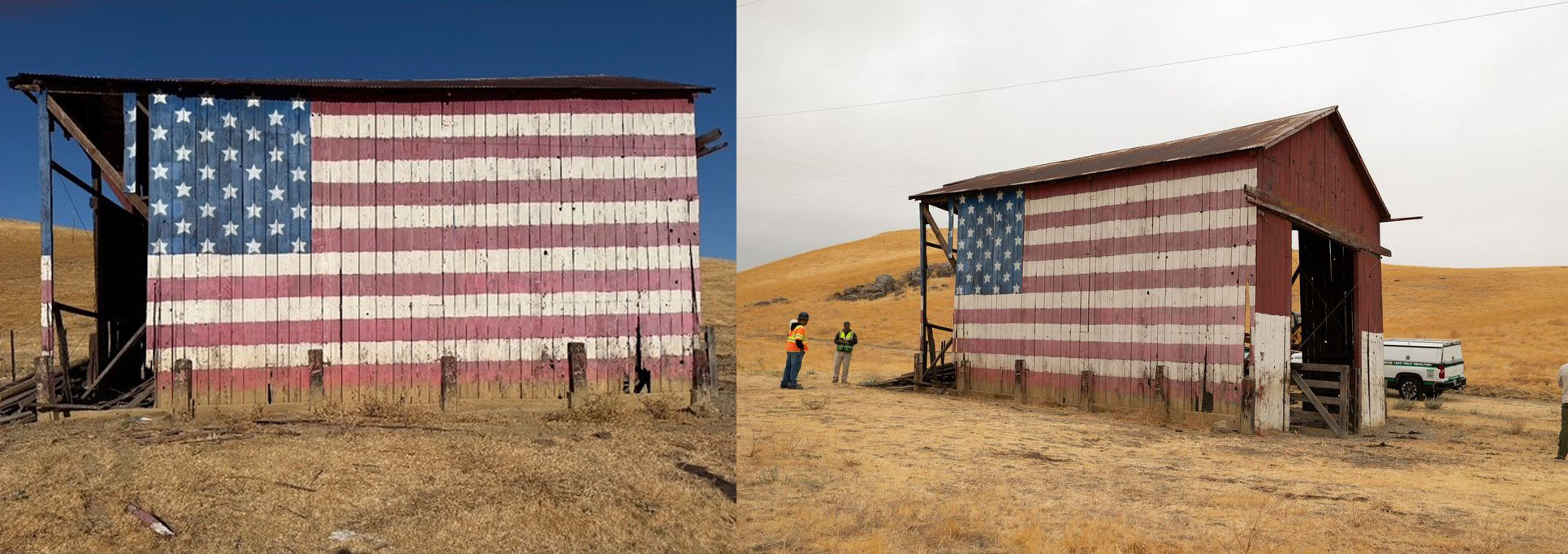
U.S. “Flag Barn” on Vasco Road near Byron before dismantling on Monday, Sept. 29, 2025. Photos: (L) City of Brentwood. (R) EBRPD

According to the City of Brentwood, “Today…staff joined the East Bay Regional Park District on Vasco Road as the dismantling of the historic ‘Flag Barn’ began. To ensure the American flag panels were not lost, staff stepped in with specialized tools and equipment to carefully remove and preserve the barn’s siding.

With support from CWG Hauling, the preserved panels were delivered to the City of Brentwood for storage until future restoration can be considered.

This careful process was done to protect an important piece of Brentwood’s history and community pride. The City will explore future reconstruction or display plans in coordination with community partners and stakeholders.”

The East Bay Regional Park District is the largest regional park system in the nation, comprising 73 parks, 55 miles of shoreline, and over 1,330 miles of trails for hiking, biking, horseback riding, and environmental education. The Park District receives an estimated 30 million visits annually throughout Alameda and Contra Costa counties in the San Francisco Bay Area

Allen D. Payton contributed to this report.


Filed Under: East Bay, East County, History, News, Parks

Enter the CA State Parks 2025 photo contest to win prizes in 5 categories

September 27, 2025 By Publisher Leave a Comment

Source: CA State Parks

Part of Golden State’s 175th Anniversary celebration

Vote Nov. 3-17 for your favorite People’s Choice Award winners 

By California Department of Parks and Recreation

Hey California State Parks fans,

Have you ever taken a breathtaking photo in one of California’s state parks and thought, “This is so good it could win a contest”? Well, now’s your chance. Inspired by the Golden State’s 175th anniversary earlier this month, California State Parks is holding a photo contest inviting Californians to celebrate the state’s natural beauty and history. You can submit photos taken in one of 280 state parks in up to five categories for a chance to win special prizes, including A Wild Ride, Living Wonders, Heroes and Helpers, Space for All and Landscapes and Legacy.

Photos must be taken in 2025. Be sure to submit yours by October 9, 2025.

5 People’s Choice Awards Winners, Vote for Your Favorite

Then, the public can vote for their favorite photos: Nov. 3-17

From Nov. 3 to 17, help choose the People’s Choice Award winners by voting for your favorite semifinalist photos. First, a panel of judges will pick the top 50 semifinalist photos in each category. Then, you can vote once per day on any photo—even your own. The photo with the most votes in each category wins the People’s Choice Award.

Submit your photos and see the full contest rules at Photocontest.parks.ca.gov!

The California Department of Parks and Recreation, popularly known as State Parks, and the programs supported by its Office of Historic Preservation and divisions of Boating and Waterways and Off-Highway Motor Vehicle Recreation provide for the health, inspiration and education of the people of California by helping to preserve the state’s extraordinary biological diversity, protecting its most valued natural and cultural resources, and creating opportunities for high-quality outdoor recreation. Learn more at parks.ca.gov.
Filed Under: Contests, Parks, Recreation, State of California

East Bay Regional Park District celebrates Assemblymember Lori Wilson as 2025 Radke Championing Advocacy Award recipient

September 27, 2025 By Publisher Leave a Comment

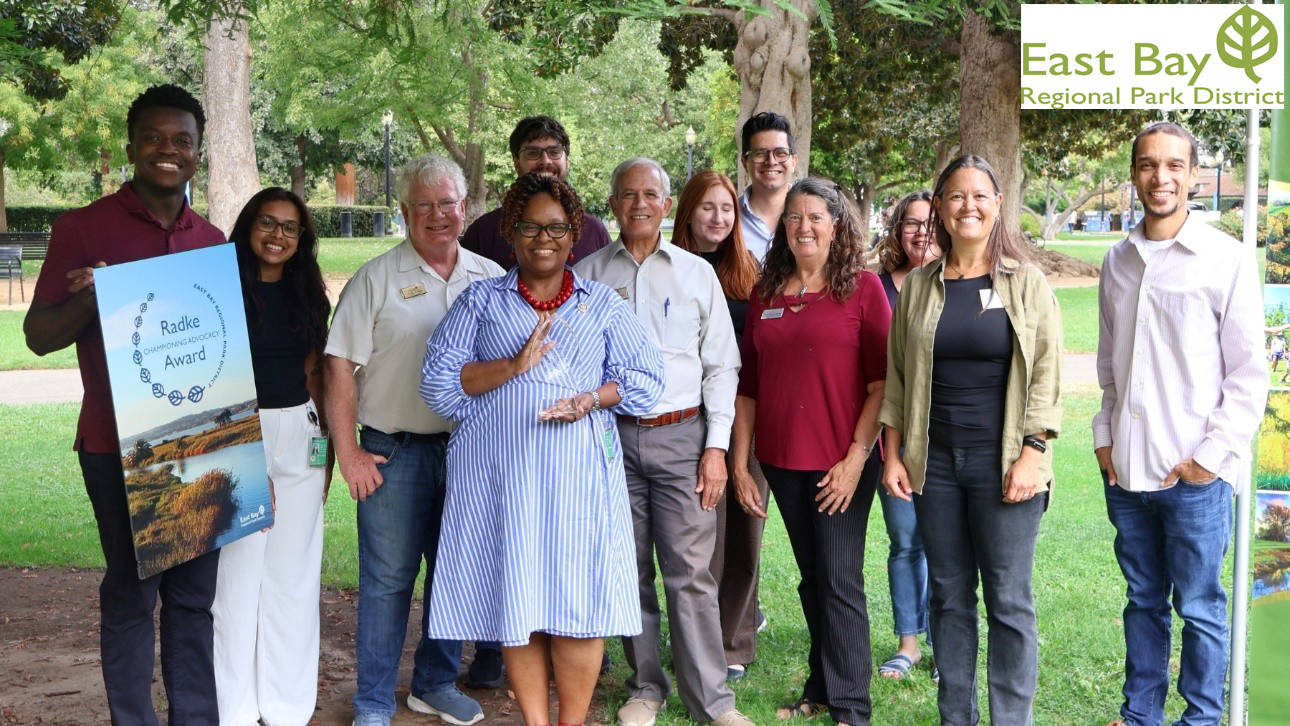
Assemblymember Lori Wilson accepted the 2025 Radke Championing Advocacy Award on the State Capitol lawn from members of the East Bay Regional Park District Board of Directors and General Manager Sabrina Landreth on Thursday, Sept. 25, 2025. Photo: EBRPD

By Dave Mason, Public Information Supervisor, East Bay Regional Park District

The East Bay Regional Park District recognized State Assemblymember Lori Wilson (11th District, D-Suisun City) on Thursday, Sept. 25, 2025, with the 2025 Radke Championing Advocacy Award.

The award honors Assemblymember Wilson’s leadership and work as a member of the California State Assembly, where she has championed policies that promote active transportation improvements and authored legislation on behalf of the Park District. Wilson also strongly supported Proposition 4, known as the Climate Bond, which was passed by California voters in November 2024. She was one of four members of the working group that advanced the legislation in the Assembly to place the proposition on the ballot and championed important investments on behalf of the Park District and the East Bay region.

“During her tenure in the Assembly, Lori Wilson has been a great supporter of the East Bay Regional Park District,” said Park District Board President John Mercurio. “The 2025 Radke Championing Advocacy Award recognizes her commitment to expanding equitable access to open space and protecting essential natural habitats from the growing impacts of extreme weather throughout the East Bay.”

Wilson serves as Chair of the Assembly Committee on Transportation and represents portions of Eastern Contra Costa county including Oakley, Discovery Bay, Bethel Island, Knightsen and Byron. She authored language to support funding for prescribed grazing as a vegetation management strategy for wildfire resilience. She was also appointed to the Delta Protection Commission earlier this year.

“Assemblymember Wilson’s commitment to collaboration shows her dedication to Regional Parks and to the community,” said General Manager Sabrina Landreth. “We are so grateful for her leadership and support.”

“I am proud to work with the East Bay Regional Park District on behalf of my constituents on matters that are important to them and impact this Assembly District,” said Wilson. “Regional Parks are essential for community health, climate resilience, and equitable access to nature. I look forward to continuing to bring support to people and parks. I am honored to receive the Radke Award today.”

The Park District gives the annual Radke Championing Advocacy Award to an individual who advances state or federal support for the Park District. It is named for the late Ted Radke, a member of the Park District Board of Directors who, at 36 years of service, was the longest-serving board member in the Park District’s 91-year history. Director Radke established the Legislative Committee of the Board and was doggedly committed to strengthening the Park District’s ties to Sacramento and Washington, D.C.

The East Bay Regional Park District is the largest regional park system in the nation, comprising 73 parks, 55 miles of shoreline, and over 1,330 miles of trails for hiking, biking, horseback riding, and environmental education. The Park District receives an estimated 30 million visits annually throughout Alameda and Contra Costa counties in the San Francisco Bay Area.

Filed Under: East Bay, Honors & Awards, News, Parks

“TRASHure Hunt” contest during Park District’s Annual Coastal Cleanup Day Sept. 20

September 17, 2025 By Publisher Leave a Comment

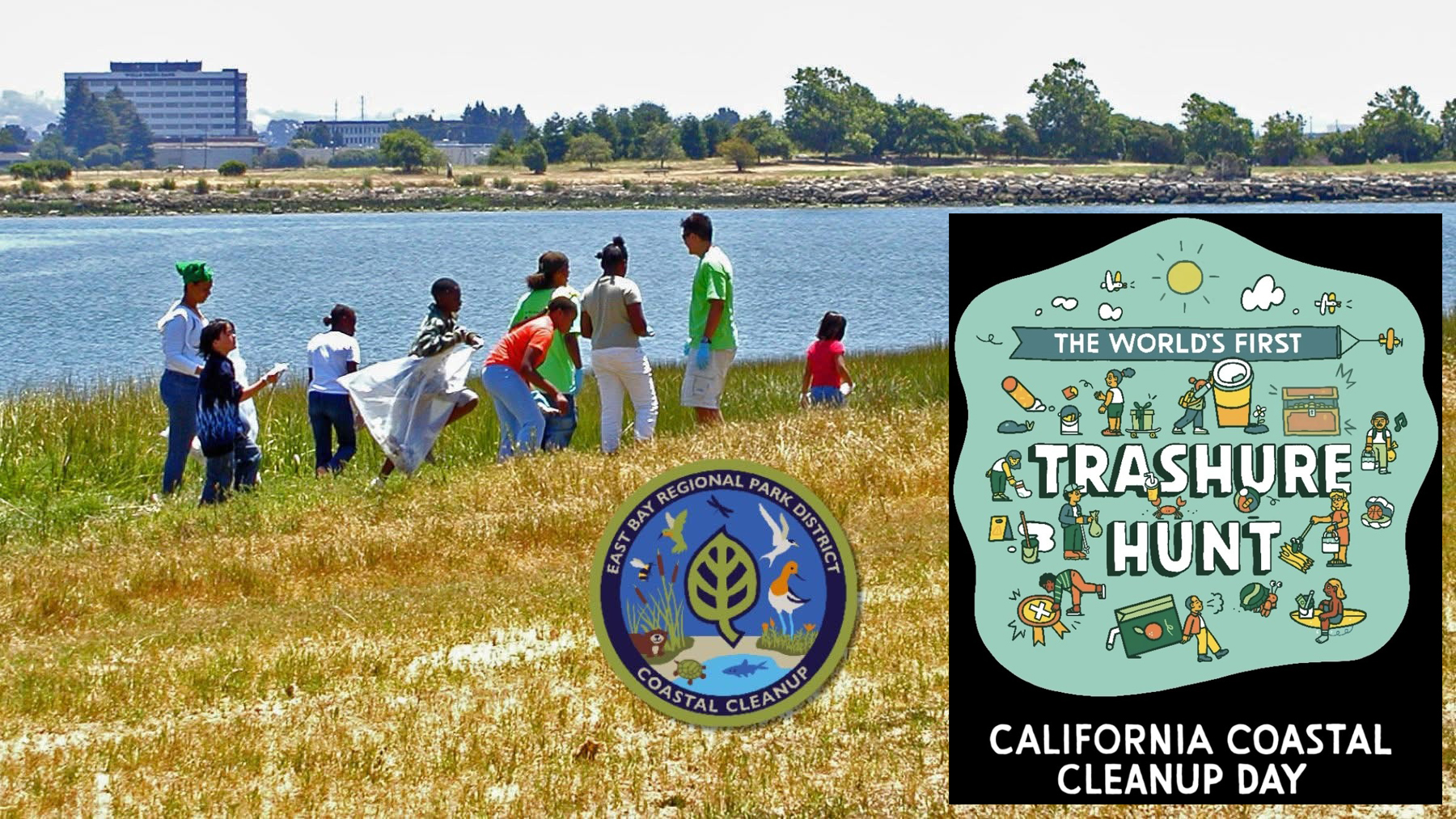
Source: EBRPD

By Jen Vanya, Public Information Specialist, Public Affairs, East Bay Regional Park District

Volunteers and East Bay Regional Park District staff will come together to clean and protect local shorelines and waterways during California Coastal Cleanup Day on Saturday, Sept. 20, from 9 a.m. to noon. Help the Park District in its effort to restore, clean, and preserve 11 cleanup sites across East Bay Regional Parks, including bayside beaches, shoreline trails, and inland lakes. Staff and volunteers will work together to collect and dispose of litter and recyclables, beautify the shorelines, and help maintain delicate ecosystems. At last year’s event, an estimated 8,020 pounds of trash were collected by Park District volunteers.

Each year, volunteers discover strange and unusual items during cleanup events. Past items include a sword, two-thirds of a bowling ball, and a functioning 1980s-era ThighMaster. Participants who find an odd or interesting item will receive a Park District-themed cooling towel (while supplies last).

TRASHure Hunt

This year, the Park District is adding a new feature to the event: TRASHure Hunt. Participants who find a golden trash grabber hidden at each cleanup site will win a special prize. They may also have their photo posted on social media with the golden grabber.

The Park District will provide garbage bags and gloves to those who need them, but volunteers are welcome to bring their own trash-hunting gear. Participants are encouraged to bring a refillable water bottle, hats, gloves, and sunscreen, and must wear closed-toe shoes. Layered clothing is recommended. The Park District will also provide snacks and water throughout the event. Please note that parent participation is required for children under 18.

All locations welcome drop-ins, although registration is appreciated. Visit ebparks.org/get-involved/volunteer/coastal-cleanup or call 510-544-2229 for more information.

Park District Coastal Cleanup Day Sites

  • Contra Loma Regional Park, Antioch – Near Frederickson Lane, More Info
  • Big Break Regional Shoreline, Oakley – Cypress Staging Area, More Info
  • Crown Memorial State Beach, Alameda – Near Intersection of Otis St. and 8th St., More Info
  • Del Valle Regional Park, Livermore – Fiesta Grande Picnic Site, More Info & Visitor Center, More Info
  • Hayward Regional Shoreline, Hayward – West Winton Avenue Staging Area, More Info
  • Radke Martinez Regional Shoreline, Martinez – Main Parking Area, More Info
  • Martin Luther King Jr. Regional Shoreline, Oakland – Arrowhead Marsh Staging Area, More Info
  • Point Isabel Regional Shoreline, Richmond – Rydin Road Staging Area, More Info
  • Point Pinole Regional Shoreline, Richmond – Giant Staging Area, More Info
  • Quarry Lakes Regional Recreation Area, Fremont – Isherwood Way, More Info

The East Bay Regional Park District is the largest regional park system in the nation, comprising 73 parks, 55 miles of shoreline, and over 1,330 miles of trails for hiking, biking, horseback riding, and environmental education. The Park District receives an estimated 30 million visits annually throughout Alameda and Contra Costa counties in the San Francisco Bay Area.

Filed Under: Community, East Bay, Parks

  • « Previous Page
  • 1
  • 2
  • 3
  • 4
  • …
  • 15
  • Next Page »
Deer-Valley-Chiro-06-22

Copyright © 2026 · · Contra Costa Herald · All Rights Reserved