• Home
  • About The Herald
  • Local Agencies
  • Daily Email Update
  • Legal Notices
  • Classified Ads

Contra Costa Herald

News Of By and For The People of Contra Costa County, California

  • Arts & Entertainment
  • Business
  • Community
  • Crime
  • Dining
  • Education
  • Faith
  • Health
  • News
  • Politics & Elections
  • Real Estate

Tips to safely celebrate America’s 250th Anniversary in California’s State Parks

June 30, 2026 By Publisher Leave a Comment

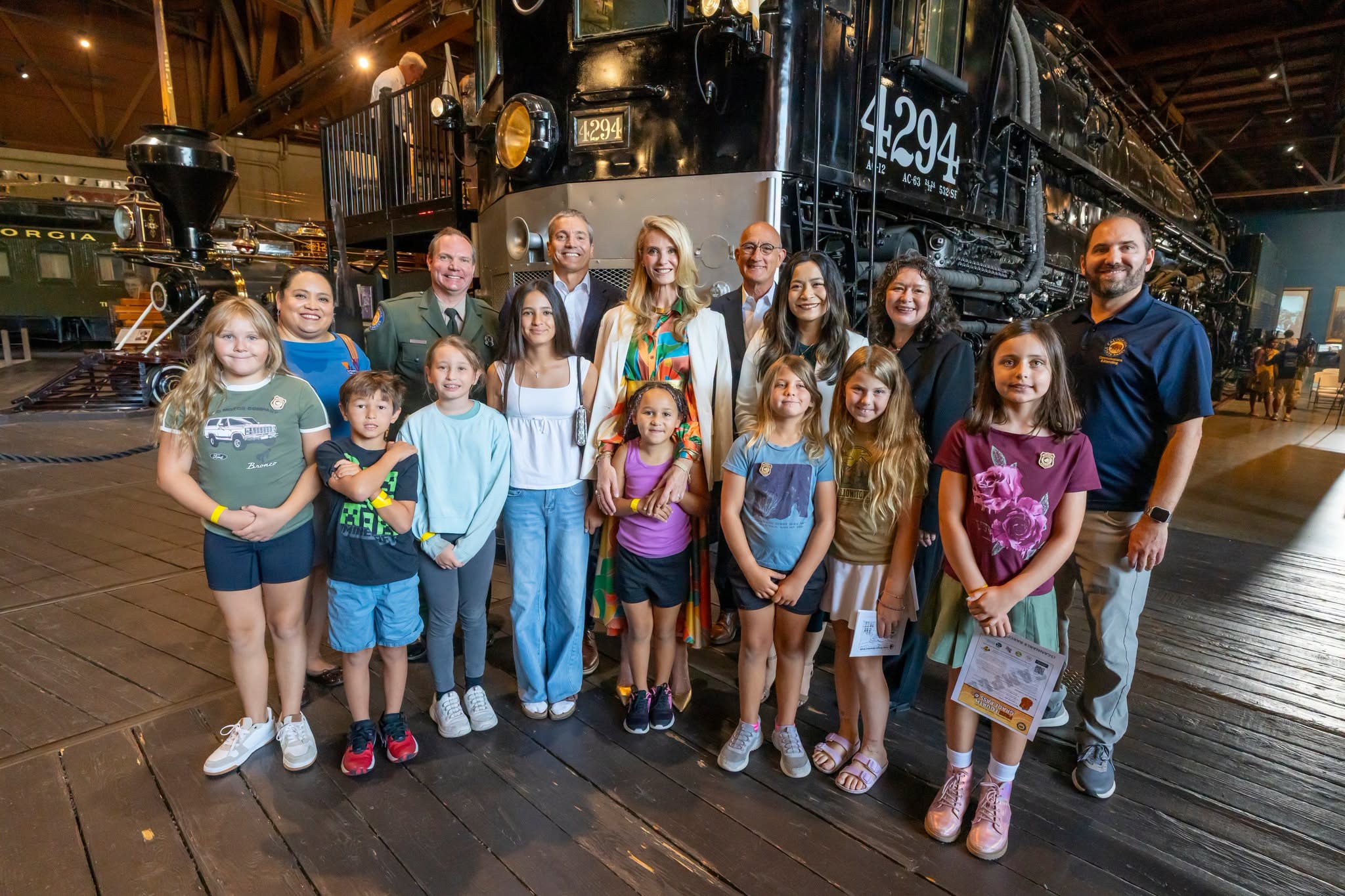
Photo collage: CA State Parks

By CA State Parks

SACRAMENTO — Celebrating America’s 250th anniversary this Fourth of July holiday weekend is the perfect opportunity to have fun in the sun at one of California’s 280 (and growing) state parks. Whether you’re interested in swimming, hiking, boating, recreating in an off-highway vehicle, or watching fireworks over San Francisco Bay, the nation’s largest and most diverse state park system has something for everyone. Following simple safety precautions, such as wearing a properly-fitted life jacket in the water, wearing sunscreen, and avoiding alcohol, can help you and your party have a safe and enjoyable holiday weekend outdoors.

Here are some helpful tips to have a safe visit to California’s state parks during the holiday weekend:

  • Plan ahead and pack appropriately
    • Schedule activities based on temperatures throughout the day.
    • Dress in appropriate clothing for your planned activities.
    • Shield yourself from the sun by bringing a hat, sunglasses and sunscreen.
    • Bring plenty of water and avoiding dehydrating beverages such as alcohol and caffeine.
  • Water safety
    • Wear a properly-fitted, U.S. Coast Guard-approved life jacket around the water. Water-related incidents can happen suddenly, and wearing a life jacket is the best way to increase chances of survival. View locations where public agencies and private organizations loan life jackets to the public.
    • If you encounter an ocean rip current, stay calm and do not fight it. Swim or float parallel to the shore until you are out of the current and then swim toward the shore.
    • Seek help from a lifeguard or call 911 during emergencies.
    • Never dive headfirst into the water or use rope swings.
  • Avoid alcohol and drugs
    • Operating any vehicle, including a boat or an off-highway vehicle, while impaired is against the law. Impaired drivers and boaters can be arrested and their car or boat can be towed.
    • Some parks have alcohol bans. Check each specific park website to determine if there are local ordinances concerning alcohol.
  • Practice fire safety
    • Fireworks are prohibited in California’s state parks.
    • Never leave campfires unattended. Fully extinguish fires before leaving and keep water and a shovel nearby.
    • Do not build fires larger than necessary.
  • Leave no trace
    • Leave the park better than you found it by packing out all trash and putting food waste, napkins, single-use food wrappers, and other waste in trash bags until it can be properly disposed of. For human waste, the use of waste alleviation gel bags or other portable toilet options is recommended.
    • Leaving items on a beach or park, even if they are “near” a trash can, may be considered illegal dumping.
    • Do not disturb wildlife or plants.

You can find additional safety tips and information on backpacking, biking, camping, horseback trails and laws at https://www.parks.ca.gov/SafetyTips. To find a state park near you, visit parks.ca.gov/Find-a-Park.

Reminder – Free Historian Passport: California’s state parks offer a variety of experiences, including more than 30 state historic parks that immerse visitors in California’s complex history. In honor of Juneteenth and the 250th anniversary of the signing of the Declaration of Independence, the special edition of State Parks’ Historian Passport is free to download through the Fourth of July weekend. Learn how you can download the pass for free here.

You can ensure you have an enjoyable Fourth of July Weekend in State Parks by following a handful of basic safety tips. Photos from California State Parks.

The California Department of Parks and Recreation, popularly known as State Parks, and the programs supported by its Office of Historic Preservation and divisions of Boating and Waterways and Off-Highway Motor Vehicle Recreation provide for the health, inspiration and education of the people of California by helping to preserve the state’s extraordinary biological diversity, protecting its most valued natural and cultural resources, and creating opportunities for high-quality outdoor recreation. Learn more at parks.ca.gov.


Filed Under: History, Holiday, News, Parks, State of California

Special free pass to California’s state historic parks in honor of Juneteenth and America’s 250th anniversary

June 19, 2026 By Publisher Leave a Comment

Source: California State Parks

SACRAMENTO — California is making the incredible sites that preserve the state’s complex history free to visit through a special limited-time pass.

California State Parks is offering a special edition Historian Passport free to download through the Fourth of July weekend. The Historian Passport (typical cost $50) is valid for the rest of 2026 at more than 30 state historic parks throughout California, where visitors can immerse themselves in the state’s unvarnished, complex history.

In celebration of Juneteenth and the 250th anniversary of the signing of the Declaration of Independence, Governor Gavin Newsom announced that California State Parks is offering a special free version of its Historian Passport — normally $50 for the year — for admission of up to four people per pass at more than 30 state historic parks throughout the state. Starting today through Monday, July 6, Californians can download the pass for free and use it for unlimited visits to participating historic parks from Juneteenth until the end of the year.

“California is marking these celebrations of freedom by inviting everyone to learn our country’s history for free in our state parks,” said Governor Newsom.

Coming on the heels of the fifth annual California State Parks Week, the limited-time free pass is the latest example of California expanding access to all Californians, giving more of them the opportunity to experience the unmatched natural and cultural resources of the nation’s largest and most diverse state park system, which includes historic sites significant to many peoples and cultures, including Native Americans. State Parks is embracing the state’s complex history through its Reexamining Our Past Initiative, working to tell the full story of how California came to be.

Supported by donations from the California State Parks Foundation and the California State Railroad Museum Foundation, the special edition of the Historian Passport highlights California’s rich and complex history through places that preserve stories of freedom, resilience, innovation, and community — including Colonel Allensworth State Historic Park, the most significant state park representing Black history in California. Participating parks span the state and showcase California’s diverse cultural, political, and social history, from Gold Rush-era communities and military landmarks to historic homes, missions and museums.

“California’s state historic parks preserve some of our nation’s most powerful and meaningful stories, and I’m proud to live in a state that celebrates diversity to connect more people with those stories through this limited-time free pass,” said California State Parks Director Armando Quintero. “I hope the free Historian Passport introduces more Californians to the state’s historic gems and sparks a curiosity, thirst for knowledge and sense of belonging that leads to many return visits. I thank Governor Newsom and the First Partner for their unwavering support of State Parks, and a special thanks to our partners, the California State Parks Foundation and the California State Railroad Museum Foundation, for supporting the free Historian Passport.”

“Juneteenth is a celebration of Black freedom, resilience, and the enduring pursuit of equality. For generations, Black Americans were excluded from public spaces and denied access to the opportunities and experiences that others enjoyed,” said State Senator Akilah Weber Pierson, M.D., Chair, California Legislative Black Caucus. “By widening access to California’s historic state parks to more families, we help ensure that public lands are places where everyone can learn and benefit from.”

The free pass builds on Governor Newsom’s State Parks Forward announcement on Earth Day, a bold effort to establish three new state parks — including a historic site near Bakersfield — and expand existing parks by more than 30,000 acres by the end of the decade. The announcement also follows Governor Newsom’s directive in January that more than 200 state parks offer free entry on Martin Luther King Jr. Day 2026.

Discover California Stories That Shaped the Nation

The California State Parks Historian Passport connects visitors to places that preserve the many cultures, communities, and defining moments that continue to shape California and the United States. Participating parks reflect stories of freedom, innovation, resilience and identity that continue to resonate today.

To visit the park sites, download your free special edition Historian Passport by July 6, and begin exploring California’s history firsthand. An account with ReserveCalifornia.com, State Parks’ official reservation service, is required to download.

Here are just a few parks passholders can access:

At Colonel Allensworth State Historic Park, visitors can explore a California town founded, financed, and governed by African Americans. Established in 1908 by Colonel Allen Allensworth and a group of Black pioneers, the state historic park stands as a powerful symbol of self-determination, opportunity and freedom, making it especially meaningful during Juneteenth commemorations.

At Indian Grinding Rock State Historic Park, visitors can view what is thought to be the largest collection of bedrock mortars in North America and one of the largest ceremonial roundhouse still used by Native Americans in California. Within the park, the Chaw’se Regional Indian Museum features a variety of exhibits and an outstanding collection of artifacts from tribes throughout the region.

At Marshall Gold Discovery State Historic Park, visitors can see the site where gold was discovered in 1848, sparking the California Gold Rush that dramatically transformed the state and nation. Visitors also learn the complex history of how the Gold Rush accelerated westward expansion, drawing people from around the world in pursuit of new opportunity, while acknowledging the hard history of violence toward and resilience of California Native Americans.

At Weaverville Joss House State Historic Park, visitors can experience the oldest continuously used Chinese temple in California. Built in the heart of a Gold Rush-era Chinese American community, the site reflects the enduring contributions, traditions and resilience of Chinese immigrants who helped build California despite widespread discrimination and exclusion.

These parks, alongside nearly 30 other participating state historic parks, invite Californians to explore the stories, struggles, and achievements that continue to shape our collective history. While there, visitors can take part in State Parks’ second annual Share Your Space Photo Contest through the OuterSpatial app.

“Building on our Outdoors for All initiative, we’re creating even more opportunities for Californians to explore the natural beauty and rich history that define our state. As we celebrate Juneteenth and our nation’s 250th anniversary, the free, special edition Historian Passport provides an incredible avenue for California families to immerse themselves in nature while gaining a deeper understanding of the remarkable place we’re proud to call home,” said Jennifer Siebel Newsom, the governor’s wife.

Making State Parks accessible for all

While this special edition Historian Passport is only available for a limited time, State Parks offers a number of free passes all year round in support of California’s Outdoors for All initiative. California residents from all walks of life — including families receiving public assistance, ALL fourth graders in public school, and anyone with a library card — can access free passes that open the nation’s largest and most diverse state park system and the unvarnished history of California to everyone.

  • California State Library Parks Pass: Allows library cardholders to check out a pass from any public library for free vehicle day-use entry at 200-plus state parks. It’s just like borrowing a book, with more than 33,000 passes available at over 1,100 public and tribal libraries in the state.
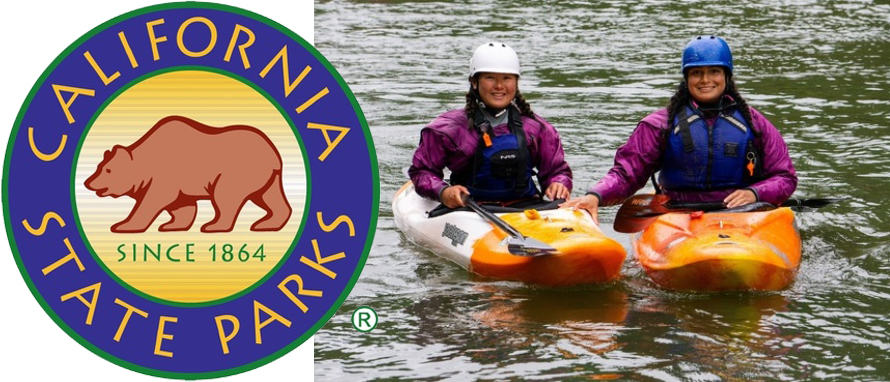
  • California State Parks Adventure Pass: Provides free entry to fourth-graders in public schools and their families at 54 amazing state parks. Download the pass and choose your adventure — mountains, deserts, forests, lakes.
  • Golden Bear Pass: This free annual pass provides vehicle day-use entry at over 200 state parks for families who receive CalWORKs, individuals who receive supplemental security income, income-eligible Californians over age 62, and participants of California’s Tribal Temporary Assistance for Needy Families (TANF) program.
  • Distinguished Veterans Pass: This free pass entitles honorably discharged California resident veterans to free vehicle day-use, family camping, and boat use at over 100 state parks. In addition, active, reserve, and retired military members receive free access on Memorial Day and Veterans Day.

State Parks protects the best of California’s natural and cultural history; more than 340 miles of coastline; the tallest, largest and among the oldest trees in the world; and deserts, lakes, rivers and beaches. There are more than 5,200 miles of trails, 15,000 campsites, 145,000 acres for off-highway vehicle recreation, plus prehistoric and historic archeological sites, ghost towns, historic homes and monuments – all waiting for you.

California State Parks and the recreational programs supported by its divisions of Boating and Waterways, Historic Preservation and Off-Highway Motor Vehicle Recreation provide the opportunity for families, friends, and communities to connect. Off-highway motor vehicle recreation, boating activities, horseback riding, cycling, hiking, camping, rock climbing, tours, hikes, school group enrichment, and special events are just some of the activities enjoyed in 280 park units organized into 21 field districts throughout the state. Learn more at www.parks.ca.gov.

Filed Under: News, Parks, State of California

California schools could get billions more in Newsom’s final budget plan — with one catch

May 15, 2026 By Publisher Leave a Comment

Source: Office of the California Governor

Increases K-12 spending by $2.5 billion,

Association of California School Administrators “rejects the Administration’s proposal”

California School Boards Association President, California Teachers Association President not satisfied

By John Fensterwald – This story was originally published by EdSource.org (republished with permission)

Top Takeaways

  • The governor included $1.7 billion in his allocation to K-12 and community colleges, but is keeping $3.9 billion until next year.
  • Newsom would raise the statutory minimum COLA from 2.87% to 4.31%.
  • The revised budget reduces the cost-of-living adjustment for the California State Preschool Program to 2.01% from the January proposal of 2.41%.

With one contentious exception, school districts can check off most items on their wish list for 2026-27 with the release on Thursday of Gov. Gavin Newsom’s revised state budget.

Newsom is proposing to target unexpected billions of dollars from surging state revenues to the priorities that school district leaders had prized, including a higher cost-of-living adjustment, billions of dollars more annually for special education, and a one-time, much larger discretionary block grant.

Also, all employees of community colleges and TK-12 schools will be entitled to up to 14 weeks of paid pregnancy disability leave beginning in 2026-27, which the higher COLA will pay for.

But there remains a major point of contention: Newsom is still withholding $3.9 billion in Proposition 98 funding that school organizations say should go to schools and community colleges now.

School districts had complained loudly that their base funding hadn’t kept up with rising expenses, particularly special education and declining enrollment. Amid overall record state funding, Newsom prioritized new initiatives, including the addition of transitional kindergarten, the creation of community schools and expanded learning after school and during the summer.

“People were looking for base money in their pocket,” said Sen. John Laird, D-Santa Cruz, who chairs the Senate Budget Committee. “The attention to a higher COLA and special education is welcome news.”

Source: EdSource.org

Ted Lempert, president of the nonprofit advocacy organization Children Now, said, “Big picture, the May revision puts $8.1 billion more than the January budget into education. While it’s not perfect, we really appreciate it. The governor and Legislature have done a better job in the last couple of years of protecting funding. That said, kids are still way behind.”

Tempering praise for the higher COLA and special education funding, California School Boards Association President Debra Schade said in a statement, “Unfortunately, the Governor’s May Revise masks the underfunding of the Proposition 98 school funding guarantee and the prolific use of one-time money to inflate funding levels in the short term without providing the stability and predictability schools need to plan effectively for student support. “

In his January budget, Newsom said he would withhold $5.6 billion from schools and community colleges until he was certain, early in 2027, that state revenue had actually come through. Schools objected, and the California Teachers Association and the school boards association have threatened to sue on the principle that the Prop. 98 allocations are a voter-approved constitutional guarantee.

In the May revision, Newsom included $1.7 billion in his allocation, but is still keeping $3.9 billion until early next year, when the next governor can reassess. This continues to frustrate school organizations.

“ACSA rejects the Administration’s proposal, as these funds belong in classrooms supporting students,” said Edgar Zazueta, executive director of the Association of California School Administrators. “As budget negotiations move forward, ACSA will continue advocating for a final budget that fully honors the state’s constitutional commitment to public education.”

CTA President David Goldberg said withholding the funds “causes serious harm to public schools. This means overcrowded, under-resourced, destabilized classrooms.” This week, he said, “more than 2,000 educators will find out if their layoff notice is permanent heading into the next school year … and their future is in jeopardy with threats to withhold vital funds from our local school districts.”

Asked about the issue during a state budget presentation Thursday, Newsom said education advocates should take a wider view.

“We made some accommodation to that concern, and I would just have them look at the entire balance sheet and be hard-pressed to find an administration over a seven-year period that’s invested more in transforming our TK — a brand new grade — to 12 education system,” Newsom told reporters “(We’ve made) unprecedented, historic investments per pupil, investments that are the envy of many other states.”

The revised funding estimate for Proposition 98, the 40% of the state general fund that must go to TK-12 and community colleges, would be a record $127.1 billion in 2026-27. Per student funding would increase to a record $21,013 per pupil. Funding per pupil from federal and other sources would be $28,282.

That overall revenue estimate, however, would appear at least several billion dollars less than the Senate and the independent Legislative Analyst’s Office had forecast. The May revision marks the starting line for a final dash toward the Legislature’s June 15 deadline, followed by negotiations between Newsom and legislative leaders, with final passage by the July 1 start of the fiscal year.

Laird said that including the withheld $3.9 billion for schools and community colleges will be one of the items. Additional revenue projections, based on May tax receipts, will be a factor.

The table presents proposed and revised budget year expenditures for each agency area. These totals are comprised of State funds which include General Fund, special funds, and selected bond funds. These totals do not include federal funds, other non-governmental cost funds, or reimbursements. Source: Office of the California Governor

Here are some budget specifics:

COLA: Newsom would raise the statutory minimum COLA of 2.87%, determined by a federal formula that does not consider the price of housing, to 4.31%. The effect would raise COLA for districts’ operating expenses, through the Local Control Funding Formula, from $3.1 billion proposed in January to $4 billion. Other programs, including special education, would get the statutory COLA of 2.87%

The 4.31% would become the new base for determining COLA calculations in future years.

SPECIAL EDUCATION: State and federal special education fall well short of districts’ obligations for students with disabilities. Additional state funding for special education offsets districts’ base expenses. Newsom would add $1.8 billion to the extra $509 million increase he proposed in January for a total of $2.4 billion — 43% more than a year ago.

Newsom characterized it as “the largest investment in special education in California’s history … maybe in American history.”

“It’s an area that has continued to be anxiety-inducing because you meet with parents, and they’re demanding more, and we’ve heard that call,” he said.

BLOCK GRANT: In January, Newsom proposed a one-time $2.8 billion grant; he has raised it to $5 billion. He calls it the Student Support and Professional Development Block Grant, and implies it should be used for teacher training for math, reading and literacy support for English learners, along with career pathways and expanding dual enrollment. But districts will have wide latitude to spend the money as they choose.

RAINY DAY FUND: Newsom would raise the Proposition 98 reserve to $10.3 billion, approaching the statutory maximum, as a cushion in the event of a recession or if the spigot of projected revenues from tax receipts from AI startups runs dry.

John Affeldt, managing attorney for Public Advocates, a public interest law firm, warned that the state should plan for that to happen. “Our state cannot continue to rely on temporary AI stock market bubbles,” he said. “To build a budget that will enable our residents to thrive, California needs more robust permanent revenue streams to support our schools and healthy communities. We cannot ask teachers to transform students’ lives while those same teachers are being priced out of the communities they serve.”

COMMUNITY SCHOOLS: Newsom would add $1 billion to the $4.1 billion previously invested in creating 2,500 community schools, which provide community partnerships involving wellness, mental health and career opportunities. His May revision would also repurpose nearly $500 million in extension grants to add more community schools.

“We lead and dominate the nation in community schools,” Newsom said Thursday.

LITERACY AND MATH INSTRUCTION: Since 2019, the state has funded $715 million to hire and train reading specialists and coaches in high-poverty schools — a key element in the state’s comprehensive early literacy plan. But that money, in one-time grants, will expire over the next three years. Newsom proposes $440 million to extend the grants through 2031.

He would also add $60 million to the $30 million funded last year for the Mathematics Professional Learning Partnership, which is creating a statewide network to train coaches and math specialists in the 2023 math framework. Still missing: funding for elementary schools to hire coaches.

Newsom is also encouraging districts to use some of the $5 billion in the discretionary block grant for literacy and math instruction.

Early education and care

In his presentation, the governor largely overlooked early education and child care. The proposal allocates $15 million toward training to help with the implementation of programs such as Transitional Kindergarten and $5 million in ongoing funding to support the use of the Multitudes dyslexia screener at no cost to districts.

But the revised budget reduces the cost-of-living adjustment for the California State Preschool Program to 2.01% from the January proposal of 2.41%. The governor also did not address calls from early education advocates to help support pre-K programs that have been struggling after losing large numbers of children to the new TK programs offered by the state’s public schools.

Patricia Lozano, executive director of Early Edge California, a nonprofit organization that advocates for accessible, high-quality early learning, said the reduction to the cost-of-living adjustment sends a troubling signal to providers who are already operating on the margins.

“Access to affordable child care isn’t just an early learning issue, it’s essential to families’ economic well-being,” she said. “The governor has been a strong champion for children during his years in office, and we’ll be urging the Administration and the Legislature to fulfill the promise of funding additional child care slots and restoring COLA before the budget is finalized.”

In particular, the governor’s plan to significantly increase the cost-of-living allowance for TK-12 schools while cutting it for preschools drew fire.

“He decided to backstop health premiums and local schools, while punting on aiding families who desperately search for affordable child care,” said Bruce Fuller, who co-authored a new report from the UC Berkeley Equity and Excellence in Early Childhood alliance on the dire outlook many pre-K programs are facing.

Lempert, of Children Now, said he hoped the cuts to the early education COLA would be reversed by the Legislature in the final budget.

the STATE BUDGET PROCESS

Governor’s initial budget proposal:

  • Must be released by Jan. 10.
  • Assumes an estimate of revenues the state will collect over the next 18 months (by June 30, 2027). Actual revenues often differ significantly due to economic conditions, federal policy and unforeseen events, such as the destructive fires in Los Angeles.

MAY 14 revision:

Governor issues May budget with revised general fund revenues, including its impact on Proposition 98.

LATE MAY to EARLY JUNE:

Legislature’s budget subcommittees report to the full budget committees.

JUNE 15:

Constitutional deadline for the Legislature to pass the budget bill.

MID-JUNE TO LATE JUNE:

Negotiations between the Assembly speaker and the Senate president pro tempore with the governor; the Legislature passes the final budget, and the governor signs it before the fiscal year starts on July 1.

Legislature’s response: 

The Assembly and Senate have until June 15 to hold hearings and respond with their own version.

Negotiation: 

Behind closed doors, legislative leaders and the governor settle differences. Lawmakers sign off, and the governor signs the final version.

Governors have increasingly used the budget to rewrite statutes outside the legislative process. That’s why it’s important to read the fine print in massive “budget trailer bills” written after the budget is passed.

About 40% of the state’s general fund will go to schools and community colleges. The bulk goes to keeping schools running, but in some years, new money is spent on new programs, such as transitional kindergarten and community schools.

Budget summaries

You can find the full budget by areas here.

  • TK-12
  • Higher Education


Filed Under: Education, Finances, Government, News, State of California

Hanni Fakhoury, Amanda Karl also appointed as Contra Costa Superior Court Judges

March 28, 2026 By Publisher Leave a Comment

Newly appointed Contra Costa County Superior Court Judges Hann Fakhoury and Amanda Karl. Photos: Office of the California Governor

By Office of the California Governor

Governor Gavin Newsom announced on Friday, March 27 2026, his appointment of two more Superior Court Judges in Contra Costa County, Hanni Fakhoury and Amanda Karl.

Hanni Fakhoury, of Contra Costa County, has been appointed to serve as a Judge in the Contra Costa County Superior Court. Fakhoury has worked as a Partner of Moeel Lah Fakhoury since 2021, where he works in white collar and federal criminal defense as a trial attorney and mediator. He served as an Assistant Federal Public Defender at the Federal Public Defender for Northern District of California from 2015 to 2021. Fakhoury worked as a Staff Attorney and Senior Staff Attorney at the Electronic Frontier Foundation from 2011 to 2015. He worked as a Trial Attorney at the Federal Defenders of San Diego from 2007 to 2011.

According to his Linkedin profile, “Fakhoury is an accomplished litigator who represents individuals and companies in criminal prosecutions and government and regulatory investigations. He is a Fellow of the American College of Trial Lawyers and a Northern California Super Lawyer. In addition to litigation, Hanni serves as a mediator in the Northern District of California’s ADR (Alternative Dispute Resolution) program and is a co-lecturer at UC Berkeley School of Law.”

According to his bio on his law firm’s website, Fakhoury is a “Bay Area native” and “proudly serves the Northern District of California as a member of its Criminal Justice Act (“CJA”) trial panel, representing indigent criminal defendants. He was also selected by the Northern District bench to serve on the court’s Standing Committee on Professional Responsibility, Criminal Rules and Practice Committee, and CJA Administration Committee.”

“A sought-after teacher, Hanni…co-teaches a seminar on white collar crime. He has presented and lectured at over 100 legal conferences to wide audiences, including judges, attorneys and the public at large.”

Fakhoury received a Juris Doctor degree from the University of the Pacific, McGeorge School of Law. He fills the vacancy created by the retirement of Judge Charles S. Treat. Fakhoury is a Democrat.

Amanda Karl, of Alameda County, has been appointed to serve as a Judge in the Contra Costa County Superior Court. Karl has worked as a Partner at Gibbs Mura since 2022, where she also worked as an Associate from 2016 to 2021. She served as a Law Clerk at the U.S. District Court for the Northern District of California from 2015 to 2016 and at the U.S. Court of Appeals for the Ninth Circuit from 2014 to 2015.

According to her profile on the Gibbs Mura website, Karl “represents consumers, employees and others who have been harmed by corporations. She has prosecuted a wide range of complex cases, including product defect, failure-to-warn, wage and hour, data breach, sexual assault, and securities cases, within a variety of industries. In 2024 she was honored as a Rising Star by Law360, a highly selective award that recognizes top attorneys under the age of 40.

“Outside of work, Amanda serves on the Board of Directors of the East Bay Community Law Center, a legal nonprofit organization that is the largest provider of free legal services in the East Bay Area. She also enjoys reading, strength training and exploring new places and foods with her husband and kids.”

Karl received a Juris Doctor degree from the University of California, Berkeley School of Law as a member of the Order of the Coif, a national honorary scholastic society, which extends invitations to the top 10% of Berkeley Law’s graduating J.D. students by grade point average.

Also, according to Gibbs Mura, “During law school, she served as the Managing Editor of the California Law Review and Director of the Workers’ Rights Disability Law Clinic. Karl worked as a Clinical Law Student at the East Bay Community Law Center, assisting with litigation targeting criminal record reporting violations, and as a law clerk at Equal Rights Advocates, working on women’s employment issues. Following graduation from law school, she served as a law clerk to the Honorable Richard A. Paez, United States Court of Appeals for the Ninth Circuit and to the Honorable Claudia Wilken, Northern District of California. Amanda received her undergraduate degree, magna cum laude, in Sociology and Human Rights from Columbia University in 2009.”

She fills the vacancy created by the retirement of Judge Charles B. Burch.  Karl is a Democrat.

The annual compensation for each of these positions is $244,727.

Allen D. Payton contributed to this report.

Filed Under: Courts, Legal, News, People, State of California

Carole Bosch appointed as Contra Costa Superior Court judge

March 28, 2026 By Publisher Leave a Comment

By Matt J. Malone, PIO, Superior Court of California, County of Contra Costa

New Contra Costa Superior Court Judge Carole Bosch. Photo source: Office of the California Governor

The Contra Costa Superior Court is pleased to announce that Governor Gavin Newsom has appointed Carole Bosch as the Court’s newest judge. She took her oath on March 20, 2026, and began presiding in Department 3 on March 23, 2026.

Since 2021, Judge Bosch, of Alameda County, has served as an administrative law judge with the California Unemployment Insurance Appeals Board since 2021, an independent administrative judicial agency charged with resolving disputed unemployment, disability, and employment tax determinations from the Employment Development Department. She was Vice President and Training Committee Co-Chair for the Administrative Law Judge Association. Simultaneously, she taught as an adjunct professor of legal writing and research at Golden Gate University.

Before serving as administrative law judge, Judge Bosch worked as a civil trial lawyer, including as a managing attorney at Hildebrand, McLeod and Nelson from 2017 to 2021, a partner at Paul & Hanley from 2007 to 2011, and an attorney at Kazan McClain Satterley & Greenwood from 2013 to 2016, in cases involving complex product liability litigation and catastrophic injury. Bosch also worked as a Partner at Minnard Bosch from 2016 to 2017 and at Farrise Law Firm from 2012 to 2013. Early in her legal career, she was an annual attorney with the California Supreme Court in 2007and worked as a Clerk at Hersh & Hersh from 2005 to 2007.

Judge Bosch is graduate of Golden Gate University School of Law and received her undergraduate degree from the University of California at Santa Cruz. She also holds a master’s degree from the University of Birmingham in Great Britain. Judge Bosch fills the vacancy created by the retirement of Judge Patricia Scanlon. Bosch is a Democrat.

The annual compensation for her position is $244,727.

Allen D. Payton contributed to this report.

Filed Under: Courts, Legal, News, State of California

13 schools in Contra Costa County named 2026 California Distinguished Schools

March 11, 2026 By Publisher Leave a Comment

SACRAMENTO—State Superintendent of Public Instruction Tony Thurmond announced Tuesday that 408 middle schools and high schools have been selected for the prestigious 2026 California Distinguished Schools Program, California’s school recognition program that recognizes exceptional schools that distinguish themselves on the basis of exemplary student outcomes.

Since its inception in 1985, the California Distinguished Schools Award remains one of the state’s most important ways to celebrate exceptional schools, districts, teachers, and classified employees for their innovation, talent, and success in supporting students. The 2026 California Distinguished Schools, along with 2025 California Blue Ribbon Schools, 2026 Green Achievers, 2026 Exemplary Dual Enrollment Award Schools, and 2025 Civic Learning Awards of Excellence will be recognized at the California School Recognition Program Awards Conference & Celebration at the Disneyland Hotel in Anaheim on April 24, 2026.

“It is my pleasure to honor and recognize these 408 schools for their efforts to move the needle for student achievement, no matter what,” Superintendent Thurmond said. “An excellent public education has the power to transform lives, and I commend the educators and school communities who have dedicated themselves to producing exemplary results. This year’s California Distinguished Schools represent the hard work of our middle and high school educators and school staff, who provide our secondary students with life-changing educational opportunities.”

The 2026 California Distinguished Schools recognition program aims to recognize exemplary instructional programs throughout California public schools, the largest public school system in the United States.

This year’s award categories build on long-standing recognition of the following two categories:

1) Exemplary High Achievers: Schools that are among the highest in the state in academic achievement for all students, which have also ensured that historically underserved student groups are maintaining or increasing academic progress.

2) Achievement Gap Closers: Schools that are accelerating academic progress for two or more groups that have been historically underserved, while also demonstrating achievement for all students that is above the state median and maintaining or increasing academic performance for all students.

This year, California Distinguished Schools added a third category of recognition:

3) Beacons of Opportunity: Schools serving rural and Title 1 school communities that distinguish themselves through multiple student outcomes at very high performance levels.

For years in which middle schools and high schools are eligible, the outcomes considered include graduation rates as well as rates of college and career readiness.

Eligibility for all categories is determined by metrics generated through the California statewide accountability system for public schools, the California School Dashboard. The 2026 California Distinguished Schools were determined using data from the 2025 California School Dashboard.

In keeping with statewide standards for accountability, schools must have at least 95 percent participation in statewide assessments to qualify for Distinguished School recognition. Schools may not earn recognition as a California Distinguished School if they have concerning school climate indicators, such as very high suspension or chronic absenteeism.

Schools need not apply for California Distinguished Schools, as every school’s data is automatically considered in alternating years. To further clarify, elementary schools and kindergarten through eighth-grade schools were considered in 2025 and will next be considered in 2027. Middle schools and high schools are being considered in 2026 and will next be considered in 2028. Schools motivated to achieve this statewide distinction are encouraged to set annual schoolwide goals aligned to their progress and areas of growth on the Dashboard.

Information regarding the 2025 Dashboard is provided on the CDE California School Dashboard and System of Support web page.

2026 California Distinguished Schools – Contra Costa

Acalanes Union High – Miramonte High School

Liberty Union High – Liberty High School

Martinez Unified – Martinez Junior High School

Mt. Diablo Unified – Diablo View Middle School

Mt. Diablo Unified – Pleasant Hill Middle School

San Ramon Valley Unified – Charlotte Wood Middle School

San Ramon Valley Unified – Diablo Vista Middle School

San Ramon Valley Unified – Iron Horse Middle School

San Ramon Valley Unified – Los Cerros Middle School

San Ramon Valley Unified – Pine Valley Middle School

San Ramon Valley Unified – San Ramon Valley High School

San Ramon Valley Unified – Stone Valley Middle School

West Contra Costa Unified – Middle College High School

Sponsors

We are thankful for our California School Recognition Program Sponsors who help to make the California Distinguished Schools Program a success! The CSRP would not be successful without the generous support they provide. We appreciate their willingness to support our efforts to recognize California’s exemplary schools, teachers, and classified school employees, for achievement and for advancing excellence in education.

A sponsorship in the CSRP is a commitment to an ongoing partnership with public education by helping ensure that the dream of a world-class public education lives on in California.

For more information about the program, please visit the CDE California Distinguished Schools Program web page.

For more information about the California Department of Education please visit the California Department of Education’s website or follow the department on X/Twitter, Facebook, Instagram and LinkedIn.

Allen D. Payton contributed to this report.

Filed Under: Education, Honors & Awards, News, State of California

DRE urges CA seniors to watch for targeted real estate and property scams

February 21, 2026 By Publisher 1 Comment

Sacramento, Calif. – The California Department of Real Estate (DRE) encourages seniors to be aware of real estate and mortgage fraud targeting older adults. Scammers increasingly target seniors with real estate and mortgage-related deception, exploiting their trust and financial vulnerability.

The following tips aim to help Californians safeguard themselves before harm is done, as well as how to report this type of fraud.

Fraud Avoidance Tips

  1. Be vigilant, diligent, and suspicious, and proceed very cautiously, when contacted by strangers.
  1. Use only licensed professionals when engaging the services of people or companies offering rental, home loan, foreclosure rescue, or other real estate services on your behalf. Check licensing at dre.ca.gov and dfpi.ca.gov.
  1. Never pay in cash, or wire cash to anyone, in connection with real estate transactions; Also, be certain to protect your personal information, such as social security number, so scammers cannot steal your identity.
  1. Never pay anyone for home loans or foreclosure relief services in advance of successfully completing the work you wanted them to do for you.
  1. Never sign an agreement for a real estate transaction (including a Rental) or a home loan that you cannot afford.
  1. Never sign a real estate (including Rental) or home loan agreement that you do not understand or have not read, or which contains blank spaces.
  1. Anyone (including scammers without an appropriate or legitimate California license) can advertise on television or radio, in newspapers, magazines or on the Internet.
  1. Just because someone looks professional, sounds like an expert, and/or gives you confidence in their real estate knowledge, does not mean that you can or should trust them.
  1. Never transfer or sign your home over to any third party or anyone else who claims that such a transfer can or will help you repair your credit or keep you in your home. Also, never sign a “power of attorney” giving rights to your property or money to any individual – or any company – you do not personally know and trust.
  1. Monitor and periodically check the title to your real estate holdings, just like you check your credit reports; and act immediately if you detect fraud.
  1. If something sounds too good to be true, it probably is!

Current Types of Real Estate Fraud

Foreclosure Rescue Schemes 

Scammers promise to save a homeowner’s property from foreclosure in exchange for fees or title transfer. Victims often lose both their homes and money when no real help is provided.

Unlicensed Prepaid Rental Listing Services Fraud 

Scammers offer rental property lists for a fee without proper licensing. Victims often pay upfront but receive outdated or nonexistent listings, leaving them without a rental and no recourse.

Timeshare Resale and Rental Schemes 

Fraudsters promise to sell or rent timeshares for a fee but either fail to deliver, exaggerate property value, or sell nonexistent interests, exploiting owners’ desire to liquidate or monetize their timeshare.

Online Rental Fraud 

Scammers advertise fake rental properties online, often requesting deposits or personal information before disappearing, targeting people searching for homes or vacation rentals.

Unlicensed Property Managers 

Individuals manage rental properties without the necessary real estate license, potentially leading to mismanagement, legal issues, or financial loss for property owners and tenants.

Real Property Recordation Fraud 

Fraudsters forge or falsify deeds and record them against properties without the owner’s consent, potentially leading to disputes over property ownership.

Real Property Investment Schemes 

Scammers promote high-return real estate investments that are either nonexistent or misrepresented, leading to financial losses for investors.

Reverse Mortgage Scams 

Fraudulent schemes target seniors, offering reverse mortgages with misleading terms or fees, potentially leading to loss of home equity or foreclosure.

Vacant Land Scams

Scammers or bad actors posing as owners of vacant land and contact real estate agents for their assistance to sell a property they do not own.

How Consumers Can Report Suspected Fraud

If you believe you have been a victim of a mortgage crime or have a concern or complaint about a real estate salesperson or broker, you can file a complaint with DRE: https://dre.ca.gov/Consumers/FileComplaint.html

ABOUT DRE

The Department of Real Estate is the regulatory agency that enforces the Real Estate Law, Subdivided Lands Law, and Vacation Ownership and Timeshare Act. DRE oversees the licensure of approximately 434,000 licensees. The Department’s mission is to safeguard and promote the public interests in real estate matters through licensure, regulation, education, and enforcement. Consumer protection is its highest priority. For more information, visit: www.dre.ca.gov.

Filed Under: Crime, News, Real Estate, Seniors, State of California

Steve Hilton’s CAL DOGE claims $370M for substance abuse education funneled to “Leftwing political activism”

February 13, 2026 By Publisher 1 Comment

“Califraudia” estimated at $250 billion of fraud, waste and abuse

By Jenny Rae Le Roux, Director, CAL DOGE

SACRAMENTO, CA — Today, CAL DOGE, the unofficial California Department of Government Efficiency, launched on Jan. 26th by candidates for governor, Steve Hilton and for state controller, Herb Morgan, announced it has untangled a web of funding from the Prop 64 (state marijuana legalization law) authorized California Cannabis Tax Fund (CCTF) – supposed to be used for substance abuse prevention – that instead is building the Democrat political machine in California.

An investigation into Elevate Youth California, which is one of the financial intermediaries that received $370M from the CCTF, found that Elevate Youth distributed 517 micro-grants, with an average grant size of $700K, to multiple organizations that do nothing related to substance abuse and instead build the Democrat voter base. These organizations explicitly fund “social justice youth development”, “civic engagement”, and “power building.”

According to Prop 64 and the supposed oversight group for Elevate Youth, The Center at Sierra Health Foundation, the tax is designated to support “funding and technical assistance for organizations that are developing or increasing community substance use disorder prevention, outreach and education focused on youth.” Instead, Elevate Youth is distributing funds to organizations – such as $1M for “civic engagement” to Young Invincibles, which has stated values of “Young Adult Power, Equity, Community, Collaboration, and Bold Ideas” but says and does nothing related to substance abuse prevention.

“After collecting $1 billion annually from the Cannabis Tax, that money should be spent on substance abuse prevention as stated in the law, not political organizing to keep Democrats in charge of California’s decline,” said Jenny Rae Le Roux, Director of CAL DOGE. “Funneling money through financial intermediaries to hundreds of non-profits that spend those funds on partisan Democrat political organizing must stop, and the age of accountability must begin.”

Other grantee organizations, such as the Jakara Movement Grant, which was provided $1M for Sikh youth empowerment and voter registration, and Asian Refugees United, which was granted $800K for LGBTQ+ Asian Storytelling, have no connection to substance abuse prevention.

Estimates $250 Billion of Fraud, Waste and Abuse

Based on a preliminary review by Hilton, and his running mate Morgan, entitled “Califraudia”, California’s exposure to fraud, waste, and abuse across major state programs is estimated at $250 billion. This estimate, based on independent analysis, underscores the urgent need for formal audits, investigations, and enforcement as a matter of basic fiscal responsibility.

Hilton added, “In seven days of work, CAL DOGE has already uncovered more fraud than Gavin Newsom and his regime have done in their seven years in power. And we’re not even elected yet! This is exactly why I set up CAL DOGE in the first place, to expose fraud and corruption in the system so we can act to stop it on day one. Democrats and their shadow network of leftist front organizations are stealing taxpayers’ money for their own partisan ends. We pay the highest taxes in the country yet get the worst results – and now we are finding out why, and where our money is really going. There is much more to come from CAL DOGE and its work will play a huge part in ending 16 years of Democrat one party rule this November.”

Following are additional details on the investigation and the team that connected the dots:

Californians Voted For the $370 Million in Cannabis Tax Dollars to Fund “Drug Prevention.” Instead, the Tax Bankrolls Leftwing Political Activism.

When California voters approved Proposition 64 in 2016, they were told cannabis tax revenue would fund youth substance abuse prevention. Six years and $370.25 million later, Rhetor’s AI-powered forensic audit — conducted in partnership with CalDOGE — reveals where that money actually went: into a sprawling network of 517 grants funding political organizing, voter registration drives and “social justice youth development,” all administered by a single nonprofit intermediary operating as a shadow agency of the state.

How the Money Moves

The California Department of Health Care Services does not distribute Proposition 64 cannabis tax funds directly to community organizations. Instead, they issue a master contract to The Center at Sierra Health Foundation, a 501(c)(3) that has become the de facto bank for the state’s equity, prevention and youth funding.

The Center at Sierra Health Foundation retains 15 to 20 percent in administrative fees then sub-grants the remaining funds to community-based organizations through its own application process.

The state does not pick who gets the grants. The intermediary does, bypassing the rigorous procurement processes mandated for direct government contracts under the Department of General Services and State Controller oversight.

The result is a three-stage pipeline — master contract to fiscal intermediary to sub-grants — that creates layers of separation between taxpayer dollars and their ultimate use.

Lining the Governor’s Pockets

The pipeline starts with the governor’s office, and the relationship between The Center at Sierra Health Foundation and the governor extends well beyond a standard contract. According to the California Fair Political Practices Commission’s Behested Payment Transparency Report (pg.19-20), in 2020 alone, Sierra Health Foundation was the third-largest payor of behested payments statewide at $14,747,724 and the single largest payee of behested payments statewide at $30,869,901 — payments Newsom solicited from private companies.

Newsom himself was the top behesting official in the state that year at $226.8 million total (pg. 20), and Sierra Health Foundation ranked among his top three financial partners in the system.

The financial trajectory of The Center at Sierra Health Foundation tracks accordingly. IRS Form 990 filings show The Center’s revenue exploded from $11.8 million in 2018 to $197 million in 2024 — with 96.5 percent of that revenue coming from government contracts. The Center’s CEO Chet Hewitt’s total compensation rose from $407,726 to $612,730 over the same period, a 50 percent increase that mirrors the growth in state contract volume almost perfectly. Behested payments are legal in California with no dollar limits, but the California Fair Political Practices Commission itself flagged the scale as concerning enough to implement new transparency regulations.

The Grants Say the Quiet Part Out Loud

The pipeline flows from the governor’s office to the The Center at Sierra Health Foundation, the fiscal intermediary, who determines grant recipients. Rather than awarding grants to recipients that qualify for Proposition 64’s original purpose — fighting substance abuse — The Center uses Prop. 64’s taxpayer dollars to fund leftwing activist organizations.

Elevate Youth, for example, the most significant vertical managed by The Center, is funded exclusively by Prop. 64 taxpayer dollars. Yet Elevate Youth’s grant application form explicitly names “social justice youth development” and “civic engagement” as criteria for grantees, terms that appear nowhere in the statutory language of Prop. 64’s Youth Education, Prevention, Early Intervention, and Treatment Account.

Similarly, grant recipients, like United Way of Santa Cruz County, which was awarded $834,075.00 from Elevate Youth, focuses on “activism” and “BILPOC (Black, Indigenous, Latino, and People of Color) and LGBTQ+ youth and families.”

Voters approved cannabis tax revenue for substance abuse prevention. DHCS redefined “prevention” to include political organizing — then buried it inside the grant criteria of a nonprofit intermediary most Californians have never heard of.

Political Activism at Clinical Prices

The math exposes the disconnect.

According to the DHCS YEPEITA report, the Elevate Youth program reached 89,727 participants. Divide $370.25 million by that figure and the cost per participant is $4,126.

Actual clinical substance abuse treatment costs between $2,000 and $5,000 per patient. Elevate Youth California is charging clinical-grade prices for non-clinical projects, including “civic engagement” workshops, leadership development seminars and “community mobilizing” training. These are not treatment programs. They are organizing programs priced like treatment programs.

The Receipts

Elevate Youth’s specific grant awards make the mislabeling undeniable.

Since 2020, the Jakara Movement has received $1.8 million for “Sikh youth empowerment and prevention.” Grant activities include voter registration drives. Under the program’s framework, registering voters is classified as substance abuse prevention.

Pacific Clinics received $1 million for its “Youth IMPACT Project” — designed to “strengthen the leadership skills” of immigrant youth and “mobilize people to achieve change.”

The Center does not hide its ideological aims. They are codified in its program descriptions. The San Joaquin Valley Health Fund lists “power building” and “civic engagement” as core pillars of its health equity strategy. The Center has funded partners to conduct door-to-door canvassing for the Census and voter registration — explicitly linking political capital to health outcomes.

Hidden in a Sea of Grants.

The $370.25 million was not distributed through a handful of large, auditable contracts. It was dispersed across 517 individual grants, averaging $716,150 each.

This fragmentation makes traditional auditing nearly impossible. No single grant is large enough to trigger intensive audit scrutiny. The dispersal prevents consolidated oversight of outcomes. And because The Center — not the state — manages the sub-granting process, no single state auditor has a comprehensive view of where the money lands or what it produces.

How Rhetor Found It

This is the kind of fraud pattern that manual auditors miss by design. When grants are deliberately fragmented across hundreds of recipients, the mislabeling only becomes visible at scale.

Rhetor’s AI analysis — deployed as part of its CAL DOGE partnership — cross-referenced RFA language, grant award descriptions, cost-per-participant calculations and program outcome reporting across the full portfolio of 517 grants. The pattern detection surfaced what no individual audit could: a systematic reclassification of political organizing as public health spending, replicated across hundreds of awards.

What This Means

Californians voted for youth drug prevention. They got a taxpayer-funded political organizing infrastructure — administered by an unelected nonprofit, shielded from procurement oversight and priced at clinical treatment rates for activities that have nothing to do with substance abuse.

The receipts are public. The grant guidelines are public. The cost-per-participant math is public. None of this was hidden. It was just fragmented enough that no one was supposed to connect the dots.

Rhetor and CAL DOGE connected them. The question now is whether Californians will act or wait until Sacramento sends the next $370 million into the same pipeline.

Note: The original figure cited for Elevate Youth’s funding for the Jakara Movement was $350,000. Our updated data found that Elevate Youth has granted $1.8 million to the Jakara Movement since 2020.

See CAL DOGE Elevate Youth report.

About CAL DOGE

The CAL DOGE team includes investigators, tech advisors and citizen journalists. If you have a tip, send it to Califraud.com, a secure whistleblower platform, paid for by the Steve Hilton for Governor 2026 campaign, that allows current and former state employees and members of the public to report fraud, waste, abuse and systemic mismanagement without fear of retaliation.

CAL DOGE, named after Elon Musk’s DOGE which was formed and worked to find wasteful spending, fraud and abuse in the federal government and disbanded last November, is not the same as California DOGE, started in Nov. 2024. The new effort publishes findings, tracks spending at the program level, and advances reform proposals to restore trust, lower costs, and make California government work again for the people who pay for it. For more information see https://caldoge.rhetor.ai.

Allen D. Payton contributed to this report.

Filed Under: Cannabis, Finances, Government, News, Politics & Elections, State of California

Female athletes, lawmakers confront CIF over Title IX as political tensions flare at state meeting

February 9, 2026 By Publisher Leave a Comment

Female athletes and others listen as speakers share their opinions during the California Family Council press conference before the CIF’s Federated Council meeting last Friday morning, Feb. 6, 2026. Source: Screenshot of video by CA Family Council.

By Greg Burt, Vice President, California Family Council

LONG BEACH, CA — Outside a Long Beach hotel where the California Interscholastic Federation (CIF) convened its Federated Council meeting last Friday morning, Feb. 6, 2026, female athletes stood shoulder to shoulder with parents, advocates, and state lawmakers to deliver a clear and urgent message: girls’ sports are for girls.

The 111-year-old CIF, according to Wikipedia, is the governing body for public and private high school sports in California.

The February 6 press conference, organized by California Family Council’s Outreach Director Sophia Lorey, ahead of the CIF meeting, marked a significant moment in California’s ongoing debate over fairness and safety in women’s athletics. For the first time, two members of the California State Assembly publicly joined female athletes to confront CIF leadership over policies that allow males who identify as transgender to compete in girls’ sports and access female locker rooms, policies critics argue violate the original intent of Title IX. (Watch the press conference here…)

But the peaceful gathering also revealed the deep political divide surrounding the issue, as a prominent Democrat legislator representing the Long Beach area publicly criticized the presence of Republican lawmakers and dismissed concerns raised by female athletes.

Athletes Speak: “This Isn’t Fair. This Isn’t Safe.”

At the heart of the press conference were the voices of young women whose athletic careers have been directly impacted by CIF policies.

Reese Hogan, a varsity tri-sport athlete in track and field at Crean Lutheran High School, described the toll of repeatedly competing, and losing, against a male athlete in girls’ events.

“Track is not just something I do. It’s who I am,” Hogan said. “I train to push my limits, to compete fairly, and to earn every achievement through hard work. But over the past two years, that fairness has been taken away from me.”

Hogan detailed five separate competitions, spanning from May 2024 to January 2026, in which she lost to a male athlete competing in the girls’ division. One moment, she said, still stands out.

“At CIF finals, I broke my school record in the triple jump,” Hogan explained. “I jumped 37.2, earning a new personal record and breaking my school record. It was one of the proudest moments of my athletic career. That jump should have earned me first place.” Instead, a male athlete who jumped 4 feet farther placed first.

Hogan said the experience was devastating.

“CIF, why won’t you do anything?” she asked. “You are protecting males competing in women’s sports more than you are protecting the women the sport was created for.”

Hogan warned that allowing males into girls’ sports is not merely unfair, but dangerous.

“There is a reason sports are divided by sex,” she said. “It is not a matter of opinion; it’s a matter of fact.”

Locker Rooms and Lost Privacy

Another athlete, Audrey Vanherweg, a senior and four-year varsity athlete at Arroyo Grande High School, spoke about the consequences of CIF policies beyond the field of play.

Two years ago, Vanherweg said, she began hearing rumors that a boy was using the girls’ locker room. At first, she tried to ignore it. But when she learned that the same male student would also compete in girls’ track and field, the issue became unavoidable.

“I wasn’t going to go into a locker room and change in front of a boy,” Vanherweg said. Especially since he “wasn’t changing himself, but simply just watching all of us girls undress.”

Rather than risk her privacy, Vanherweg made a painful decision.

“I decided to go change in my car,” she said. “I’m more comfortable changing in my own car than in my own school locker room, where boys are welcomed to watch girls undress.”

As a thrower, she explained, competing against males also undermines fairness.

“Boys have a strength advantage,” she said, explaining that boys compete with the heavier implements in track and field competitions. “So, if a boy decides to throw as a girl, he not only has the strength advantage, but also a lighter implement.”

Vanherweg said she is speaking out not just for herself, but for future generations of girls.

“I’m speaking out against CIF policy, not only for myself, but for all other girls, girls who are too afraid to speak out, girls who don’t know what’s going on, and girls who haven’t been born yet,” she said.

Lawmakers Step In

Standing with the athletes were Assemblywoman Kate Sanchez (R–Murrieta) and Assemblyman David Tangipa (R–Fresno), the first time multiple Republican legislators have publicly joined female CIF athletes at such an event.

Assemblywoman Sanchez, author of AB 89, the Protect Girls’ Sports Act, said the rejection of her bill in committee last year did not end the fight.

“Politicians killed the bill, but they didn’t kill this movement,” Sanchez said. “And they didn’t silence these athletes.”

Sanchez emphasized that Title IX was designed to guarantee fairness and opportunity for women.

It was “never meant to be controversial,” she said. “It was meant to guarantee girls a fair shot, a fair race, a fair roster, and a fair opportunity to win.”

She warned that those protections are being eroded across California.

Girls “are losing podium spots, losing championships, losing scholarships… and some are even losing the basic right to privacy and safety in their own locker rooms.” Sanchez said. “That is not equality. That is not progress, and we will not pretend it is.”

Assemblyman Tangipa, a former Division I football player at Fresno State, challenged fellow lawmakers to stop referring to those who want female-only sports as Nazis. He also urged fathers to confront the reality facing young women.

“Why or how is it somehow believed [that it’s] Nazi ideology when you just wanna place to dress freely, and why and how is it Nazi ideology when you want to play in your sport freely?” Tangipa asked. “Why do we ignore safeguards and disregard biology and reality, which is insanity?

He urged fathers to step up.

“There are boys in your daughter’s locker room. There are boys in your daughter’s sports,” he said. “Where are you?”

Tangipa pledged continued action, including potential ballot initiatives, to restore protections for female athletes.

A Democrat Arrives—Then Attacks

In an unexpected development, Assemblyman Josh Lowenthal (D–Long Beach), the Speaker pro Tempore and representative of the district where the CIF meeting was held, appeared near the protestors, but not to support their cause.

Instead, Lowenthal criticized the presence of Republican legislators in his district, accusing them of staging a press conference “about trans kids in sports” without notifying him.

“We all know they don’t actually care about women,” Lowenthal said, adding that an upcoming budget vote funding $90 million for “women’s reproductive health, [abortion]” specifically for Planned Parenthood, would prove his point.

Assemblywoman Sanchez later responded by posting a video of Lowenthal’s remarks on X. (Watch this post here…)

“Respectfully,” Sanchez wrote, “I will stand up to protect girls’ sports in any city, and I’ll always stand with these brave women… No man, especially not you, will ever tell me otherwise.”

Sophia Lorey Challenges CIF

After the press conference, Sophia Lorey, Outreach Director for California Family Council and a former four-year CIF varsity athlete herself, addressed the CIF Federated Council directly, issuing a pointed challenge to its leadership. Lorey rejected the claim that CIF’s hands are tied by state law, arguing that the federation has the authority to act now if it chooses to do so.

“You have a policy in place,” Lorey told the board. “Until you remove the policy that allows males to be in female locker rooms and sports, you can’t say your hands are tied by the state. Remove that policy and stand up for these girls.” Lorey emphasized that female athletes should never have to resort to lawsuits to secure basic protections, adding that CIF leaders have a limited window to act. “Silence is no longer neutrality,” she warned, calling on CIF officials to work with advocates and restore fairness and safety in girls’ sports.

Many of the female athletes also went inside to address CIF leadership directly during the public comment period.

For them, the issue is not partisan.

“This isn’t about politics,” Sanchez said. “It’s about principle.” And as the athletes made clear, they are no longer willing to be silent.

“When you sideline girls,” Sanchez warned CIF leaders, “we will stand up. When you ignore them, we will amplify them. And we will not stop fighting.”

About California Family Council

California Family Council works to advance God’s design for life, family, and liberty through California’s Church, Capitol, and Culture. By advocating for policies that reinforce the sanctity of life, the strength of traditional marriages, and the essential freedoms of religion, CFC is dedicated to preserving California’s moral and social foundation.

Allen D. Payton contributed to this report.

Filed Under: Education, News, Opinion, Sports, State of California, Youth

Candidate filing period now open for June 2, 2026 statewide direct primary election

February 9, 2026 By Publisher Leave a Comment

Includes statewide offices, Congress, State Assembly, County Supervisor and others

Deadline: March 6 unless incumbent chooses to not run for re-election

By Dawn Kruger, Community and Media Relations Coordinator, Contra Costa County Clerk-Recorder-Elections Department 

Today, Monday, February 9, the Candidate Filing Period for the June 2, 2026, Statewide Direct Primary Election begins, and nomination papers will be available for candidates running for Statewide Constitutional offices, United States Representative in Congress, Member of the State Assembly, County offices and Superior Court Judges. The nomination period runs through 5:00 pm Friday, March 6, 2026, unless an incumbent chooses to not run for re-election. The deadline is then extended by five days to 5:00 pm Wednesday, March 11th.

Offices up for election include the statewide positions of Governor, Lieutenant Governor, Secretary of State, Controller, Treasurer, Attorney General, Superintendent of Public Instruction, Insurance Commissioner and Board of Equalization, District 2. Plus, elections for the House of Representatives, State Assembly, Board of Supervisors, Districts 1 and 4, Assessor, Auditor-Controller, Clerk-Recorder, Treasurer-Tax Collector and County Superintendent of Schools  will be held in June, as well.

A list of offices currently up for election can be found here: www.contracostavote.gov/wp-content/uploads/26Jun02_PositionsUpForElection_OfficeOnly.pdf

Papers for offices that are up for election will be available at the Contra Costa Elections Office, located at 555 Escobar Street, Martinez. County Elections staff are working with the City Clerk in Richmond to help implement the electoral reform passed by the voters of Richmond in 2024 requiring candidates for City Council and Mayor to file with the City of Richmond and run in the Primary.

For further information on the primary election and key dates, go to www.contracostavote.gov

“Election activities for the 2026 Primary are ramping up in Contra Costa County,” said Kristin B. Connelly, Contra Costa Registrar of Voters. “Candidate filing is an important first step in the election process, and our Candidate Services team is prepared to guide prospective candidates through key deadlines, requirements, and resources as they consider running for public office.”

Interested candidates can schedule an appointment through email at candidate.services@vote.cccounty.us or by calling 925-335-7800. Walk-ins are accepted, but subject to the availability of staff. Appointments are available on weekdays from 8:30 am to 4:30 pm. Filing documents and information will be provided to interested constituents at their appointment. The process takes approximately 20 minutes.

Allen D. Payton contributed to this report.

Filed Under: News, Politics & Elections, State of California

  • 1
  • 2
  • 3
  • …
  • 24
  • Next Page »
Antioch July 4th 2026 Sponsors (1)
RepublicServices-Antioch-ad (1)
Furn-Clrnc-Outlet-06-26B web
Monica's dinner 05-26 CCH
Celia's-07-26
Delta-RC-B 07-26
Deer-Valley-Chiro-06-22

Copyright © 2026 · · Contra Costa Herald · All Rights Reserved