• Home
  • About The Herald
  • Local Agencies
  • Daily Email Update
  • Legal Notices
  • Classified Ads

Contra Costa Herald

News Of By and For The People of Contra Costa County, California

  • Arts & Entertainment
  • Business
  • Community
  • Crime
  • Dining
  • Education
  • Faith
  • Health
  • News
  • Politics & Elections
  • Real Estate

Hundreds of Bay Area rental housing providers, tenant advocates to protest, testify in opposition to Air Board’s gas appliance ban

October 6, 2026 By Publisher 2 Comments

Photos: BAAQMD

To raise concerns during Wednesday meeting that the regulation is bad policy that will increase housing costs, disrupt renters, and push housing providers to sell properties

BAAQMD’s actions part of effort to convert California homes to electric powered heat pumps for water heaters and HVAC systems

Contra Costa Supervisors Carlson, Gioia serve on BAAQMD Board

By Keegan Coleman, Actum

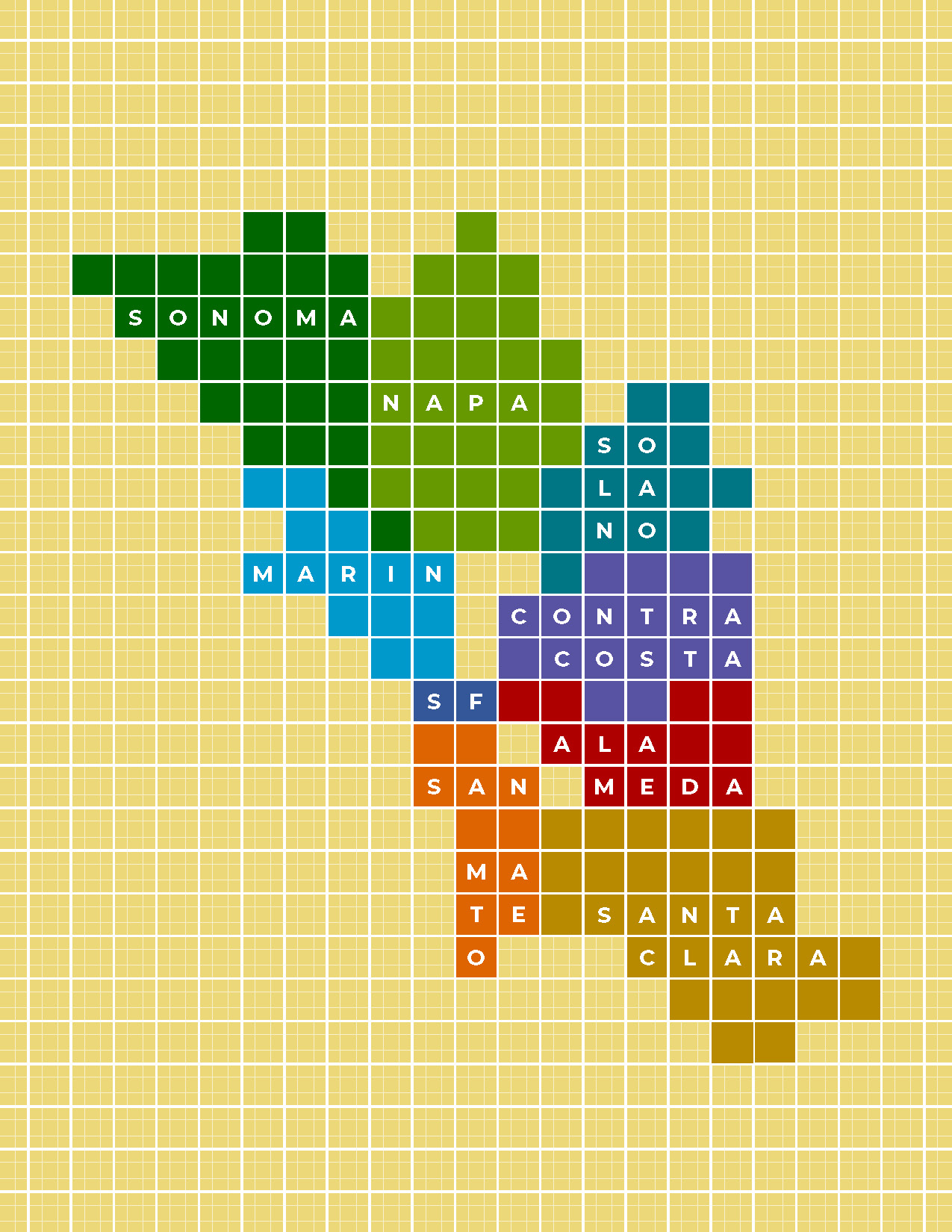
SAN FRANCISCO – Hundreds of rental housing providers, property owners and representatives from local rental housing affiliates across the nine counties that fall under the Bay Area Air Quality Management District’s (BAAQMD) jurisdiction – including the counties of Contra Costa, Alameda, Marin, Napa, San Francisco, San Mateo, Santa Clara, Solano and Sonoma – will gather at the BAAQMD Board of Directors meeting on Wednesday, October 7, to testify in opposition to the district’s gas appliance ban and make clear that the regulation is bad housing policy.

Background & Timeline

The Air District Board of Directors is considering changes to Regulation 9, Rules 4 and 6 which are intended to reduce emissions of nitrogen oxides from residential and commercial furnaces and water heaters in buildings in the Bay Area.

According to the Water Heater Rule Draft Amendments Overview, “The amendments are designed to make compliance with the rule more affordable by providing exemptions for low-income property owners and addressing situations where installing a compliant water heater would be particularly expensive. The draft amendments and supporting material can be found at: baaqmd.gov/building-appliances.”

According to the District’s Notice of Public Hearing issued on Friday, Oct. 2nd, “On March 15, 2023, the Air District adopted amendments to Rule 9-4: Nitrogen Oxides from Fan Type Residential Central Furnaces and Rule 9-6: Nitrogen Oxides (NOx) Emissions from Natural Gas Fired Boilers and Water Heaters that govern point of sale emission standards for small, typically residential and commercial, water and space heating systems.

The Board then conducted a public hearing on June 21, 2023, in which they directed staff to submit the current versions of Rule 9-4 and Rule 9-6 to the United States Environmental Protection Agency (EPA and the California Air Resources Board for inclusion in the State Implementation Plan (SIP).

At their meeting on Nov. 4, 2026, the Air District Board of Directors will consider changes to Rule 9-6 for water heaters. The changes being considered would, if approved, provide for some exemptions to the zero-nitrogen oxides standard and would extend the compliance date. The meeting will begin at 9:00 a.m., or as soon thereafter as the matter may be heard and is also accessible via Zoom on the Air District’s website.

According to the Appliance Rules Concept Paper Overview, “To make the transition fair and practical, the Air District is working on 2026 flexibility amendments that could:

  • Allow continued sales of small (≤35-gallon) gas water heaters for a limited time.
  • Provide exemptions for low-income homeowners and some small business types.
  • Permit contractors to purchase and install temporary “loaner” water heaters for emergencies
  • Grant extra time or exemptions for homes needing major electrical upgrades, water heater relocation, or hydronic systems”

According to the District’s Fact Sheet on the proposed amendments, “The amended rules will affect Bay Area households that use natural gas appliances — roughly 2/3 of all households currently. The rule amendments will apply only to new appliances, and do not mandate retrofitting of existing appliances and the current timeline is as follows:

  • 2027* – only zero NOx small tank type 75k BTU/hr water heaters can be sold or installed in the Bay Area.
  • 2029 – only zero NOx furnaces less than 175k BTU/hr can be sold or installed in the Bay Area.
  • 2031 – only zero NOx large commercial water heaters, tank type 75k to 2M BTU/hr and tankless water heaters, typically large commercial and multifamily water heaters can be sold or installed in the Bay Area.

*The Board of Directors will consider flexibility amendments in 2026 and potentially adjust the timeline with a later compliance deadline.”

According to the Rule Development History;

  • In December of 2024, Air District staff presented an informational update on the implementation readiness of the zero NOx requirements for residential water heaters (Rule 9-6) to the Air District Board of Directors.
  • In April of 2025, Air District staff presented to the Stationary Source Committee to share proposed next steps and potential flexibilities and amendments to Rule 9-6 (2027 compliance date) based on the IWG’s findings. The second phase of the IWG 2.0 will commence in late-2025 and will focus on furnaces Rule 9-4 (2029 compliance date).

So, the Air Board will consider the proposed amendments to Rule 9-4 at a later date.

Public Comments for Oct. 7th Meeting

During general public comments speakers will urge the Board to reconsider the regulation, warning that the mandate would impose high new costs on rental housing communities, create logistical and construction challenges for older and space-constrained properties, disrupt renters, and further strain a region already facing one of the nation’s most severe housing affordability crises. If Item 16 is pulled from the Consent Calendar, there will be another opportunity for public comments on the Stationary Source Committee’s report (see the Committee’s Item 5 on page 176 of the Board meeting agenda, entitled, State and Regional Efforts to Advance the Equitable Transition to Clean Appliances).

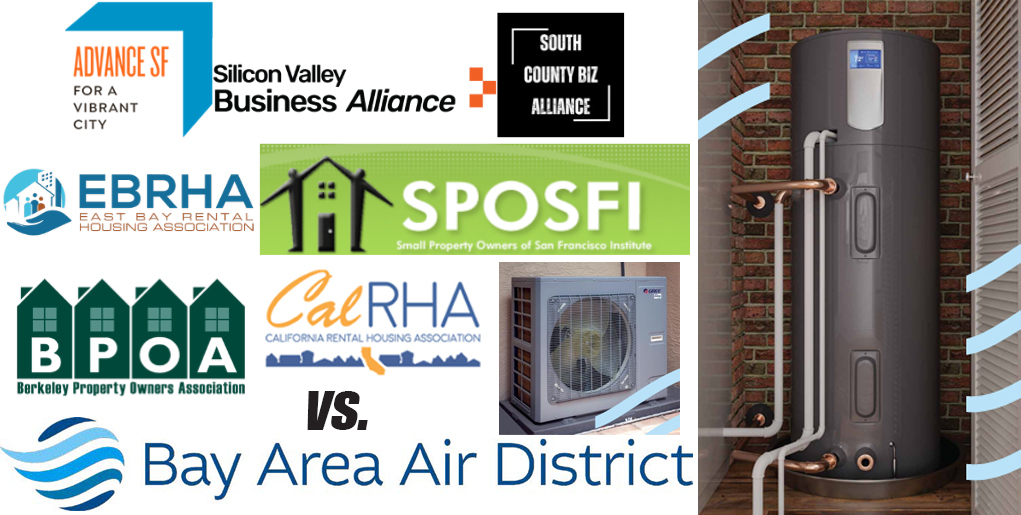
Representatives from organizations including Better Housing Policies, Business and Housing Network, Santa Clara Association of Realtors, San Mateo County Association of Realtors, East Bay Rental Housing Association, Berkeley Property Owners Association, California Rental Housing Association, South County Business Alliance, Silicon Valley Business Alliance, and Small Property Owners of San Francisco Institute will attend the meeting to emphasize to the Board that while clean-air goals are important, this regulation takes the wrong approach by shifting costly infrastructure burdens onto housing providers and, ultimately, renters.
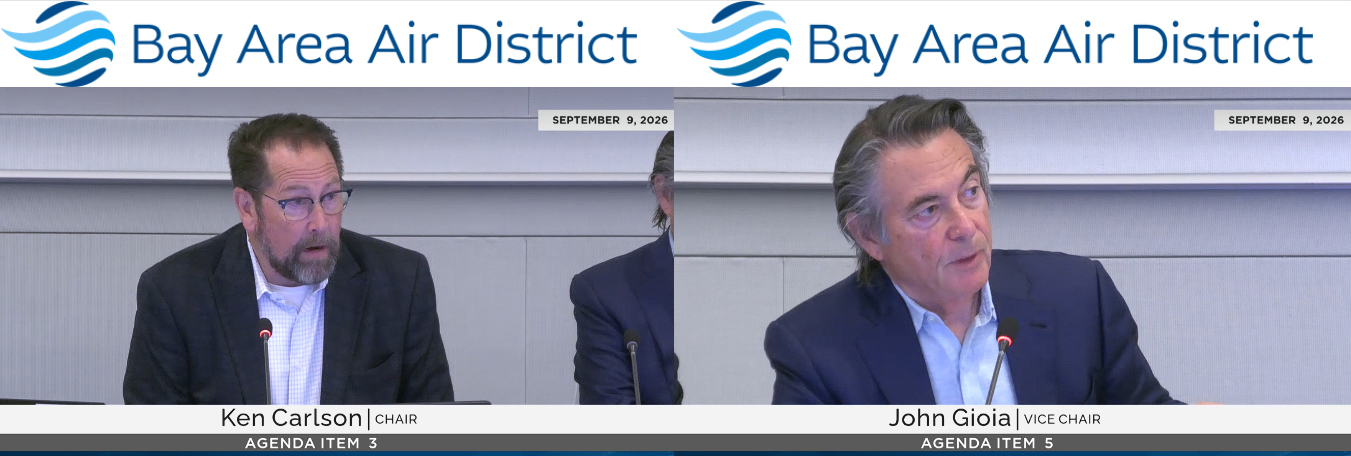
Contra Costa County Supervisors Ken Carlson and John Gioia who serve as Chair and Vice Chair of the BAAQMD Stationary Source Committee speak during its meeting on Sept. 9, 2026. Video screenshots.

Stationary Source Committee Meeting Details

During the District’s Stationary Source Committee meeting on September 9 2026, Chaired by Contra Costa County District 4 Supervisor Ken Carlson, and whose Vice Chair is Contra Costa County District 1 Supervisor John Gioia, “Richard Chien, Planning and Climate Protection Manager, gave the staff presentation entitled, State and Regional Efforts to Advance the Equitable Transition to Clean Appliances, including: abbreviations; outline; major players in the clean appliance transition; spotlight on California Heat Pump Partnership; spotlight on Bay Area Regional Energy Network (BayREN) – heat pump water heater (HPWH) for hard-to-reach households, contractor readiness, building department support; spotlight on Pacific Gas & Electric (PG&E); spotlight on load serving entities – funding support, permitting support; Senate Bill (SB) 222 – The Heat Pump Access Act, entitled, “Residential heat pump water heater or heat pump HVAC systems” (which Newsom signed into law on Sept. 28th); spotlight on Sprint to 9-6 – communications and outreach; spotlight on equitable building decarbonization; and Air District outreach and education.

“Jane Elias, Manager of Energy Programs with Metropolitan Transportation Commission/Association of Bay Area Governments, and Nik Kaestner, Senior Building Decarbonization Coordinator with the San Francisco Environment Department, provided additional context after the presentation.”

Before the presentation, the District’s Executive Officer and Air Pollution Control Officer Philip Fine explained to the committee members that the agenda item wasn’t Rule 9-4 or 9-6 which the Board will consider in November.

Chien shared about the California Heat Pump (Public-Private) Partnership Blueprint which is pushing to increase the number of housing units that install heat pumps throughout the state. “The 2025 California Energy Code (effective Jan 1, 2026) encourages heat pumps for both space and water heating and supports all‑electric new construction. California has committed to a clean energy future for all through groundbreaking building decarbonization efforts, including Governor Newsom’s goal to install 6 million heat pumps throughout the state by 2030.”

“Unlike traditional fossil gas systems, heat pumps use electricity to transfer heat rather than generate it, making them highly efficient while reducing greenhouse gas emissions and air pollution,” the Blueprint claims.

According to the HVAC Laboratory, “At its core, a heat pump is an electrically powered appliance that moves heat between the indoors and outdoors. Unlike a furnace that burns fuel or a standard electric heater that converts electricity directly into warmth, a heat pump captures existing heat from the air—or even the ground—and relocates it. In heating mode, the outdoor unit extracts thermal energy from the outside air and brings it inside; even when temperatures drop into the 40s or 30s, there’s enough ambient heat to collect. Come summer, the cycle flips. The system acts just like a central air conditioner, pulling heat from your living spaces and expelling it outdoors.”

According to ElectrifyCalc, “California homeowners can expect to pay $5,500–$12,000 installed for a 2–3 ton air-source heat pump in 2026 — and with the Section 25C federal tax credit (30%, up to $2,000), HEEHRA (High-Efficiency Electric Home Rebate Act) rebates up to $8,000, and California’s own TECH Clean CA program offering $1,000–$4,000, the net cost after stacking incentives can drop below $2,000 for income-qualified households.”

According to EnergyStar.gov, a heat pump water heater “takes the heat from surrounding air and transfers it to water in an enclosed tank.”

Chien also spoke about BayREN, the Bay Area Regional Energy Network, which is “a coalition of the Bay Area’s nine counties…partnering to promote resource efficiency at the regional level, focusing on energy, water and greenhouse gas reduction.” They are working to provide resources, such as “an express permitting form template and standardized information materials for city websites.”

He also spoke about what PG&E is doing to help streamline the installation of heat pumps including zero-interest loans. Finally, Chien spoke on the Equitable Decarbonization Program overseen by the California Energy Commission which includes the Initial Community Focus Areas of Western and Eastern Contra Costa and others in the Bay Area.

He, the other presenters and District staff then answered questions of the committee members followed by public comments on the item.

No action was taken on the information item. (See video of the committee meeting)

WHAT: BAAQMD Board of Directors Meeting

WHEN: Wednesday, October 7, 2026  10:00 a.m.

WHERE: Bay Area Air Quality Management District, 375 Beale Street, Suite 600, San Francisco, CA 94105

WHO: Noni Richen, Board President, Small Property Owners of San Francisco Institute

Derek Barnes, CEO, East Bay Rental Housing Association

Krista Gulbransen, Executive Director, Berkeley Property Owners Association

Public Comment Deadline Nov. 1st

The District is seeking public comments on the Proposed Rule Language and Preliminary Staff Report ahead of the Board of Directors meeting on November 4th. The public comment period for the proposed amendment to Rule 9-6 will close on November 1st at 6 PM. Online comments must be submitted through the Air District’s public comment tool to be considered. Under Air District policy, we cannot consider comments on regulations that are submitted by email. Written comments can also be submitted by mail to Rule Development, Bay Area Air Quality Management District, 375 Beale Street, Suite 600, San Francisco, CA 94105. Verbal comments are welcome up to the day of and during the Public Hearing.

For more information about the Board meeting see Agenda Packet and about the BAAQMD visit www.baaqmd.gov.
Filed Under: Bay Area, Energy, Finances, Government, Health, Housing, News, State of California

City of Walnut Creek Below Market Rate home ownership opportunities for very-low and low-income first-time homebuyers*

October 2, 2026 By Publisher 1 Comment

3- to 4-bedroom 2,000+ s.f. single family residences.  Sale price $262,750 to $377,00 with up to $70,000 in additional homebuyer assistance financial subsidies

By Walter Zhovreboff, Administrative Director, Bay Area Affordable Home Ownership Alliance

The City of Walnut Creek is providing a very rare and highly beneficial opportunity for very low to low income first time homebuyers to secure home ownership of newly constructed three and four-bedroom single family homes.  The price for these homes will range from $262,750 to $377,000.  These newly constructed large two-level homes are part of the City of Walnut Creek’s Below Market Rate (BMR) home ownership program.  The same market-rate residences in the premier communities are for sale at prices ranging from $1,100,000 to $1,300,000

State and City ordinances enable developers building new homes in Walnut Creek to secure advantageous density bonuses by designating a percentage of their newly built inventory for very low to moderate income households.  Eligibility for these low-income BMR homes is restricted to first-time homebuyer households with a minimum household size of three to four persons.  Furthermore, the household’s combined gross income may not exceed the maximum thresholds outlined in the schedule below.

Household size 3 4 5 6 7 8
Maximum income allowance $122,200 $135,750 $146,650 $157,500 $168,350 $179,200

*To qualify as a first-time homebuyer, no household member may have owned or held an ownership interest in a residential property within the past three years.

The City of Walnut Creeks Below Market Rate homebuyer program is administered by the Bay Area Affordable Homeownership Alliance (BAAHA), a 501c3 non-profit organization.  BAAHA and the City are also partnering with the Richmond Community Housing Development Corporation (CHDC) to help provide access to essential first-time homebuyer education and counseling.  Furthermore, this collaboration, alongside support from Mechanics Bank, provides access for up to $70,000 in additional down payment assistance subsidies for qualifying buyers.   One of the loan subsidies provides up to $32,800 which is forgiven after five years of ownership.

To review the eligibility criteria, application process, and submission requirements for the currently available $262,750 four-bedroom very low-income home, please visit the BAAHA Abigail Place website at: https://myhomegateway.org/walnut-creek-bmr—abigail-place.html.  Households interested in purchasing the Walnut Creek BMR will be required to submit an application to BAAHA to participate in a lottery. The two remaining affordable Below Market Rate (BMR) units are scheduled to be released to the market shortly.

The City of Walnut Creek, BAAHA, and CHCD invite interested households to attend a virtual BMR program informational workshop scheduled for 6:00PM on October 21, 2026.  Topics covered at the workshop will focus on: BMR program purchase eligibility guidelines and requirements; gaining access to BMR Programs; required HUD education and valuable homebuyer counseling services; next steps households should take to apply to an upcoming BMR lottery. To get additional information and make a reservation for the virtual workshop please visit BAAHA’s website at https://myhomegateway.org/wc-bmrworkshop.html

Filed Under: Central County, Finances, Government, Housing, News

City of Concord offers first time homebuyer subsidy program

May 8, 2026 By Publisher Leave a Comment

Up to $60,000 for downpayment; Introductory Workshop May 19th

By Walter Zhovreboff, Administrative Director, Bay Area Affordable Homeownership Alliance, City of Concord Program Administrator

Tuesday May 19, 2026 6PM to 7:30PM

The City of Concord, along with the Bay Area Affordable Homeownership Alliance (BAAHA) and A-1 Housing Community Services (A-1 CHS), is hosting a workshop to introduce Concord’s First Time Home Buyer program. The virtual zoom workshop will be held from 6:00pm to 7:30pm on Tuesday May 19, 2026.

Concord’s First Time Home Buyer Program (FTHB) assists low- to moderate-income first-time homebuyers with purchasing a home in Concord. The FTHB loan does not charge an interest rate or require monthly payments. The loan must be repaid in full within 15 years, at which point the City receives the original principal amount plus a share of the home’s increased value.

The FTHB program provides the following valuable resources.

  • Down Payment Assistance Funds – Eligible low- to moderate-income first-time homebuyers could receive up to $60,000 through the City FTHB; and up to an additional $40,000 provided through other organizations. FTHB funds can either increase the purchase power and/or decrease the cost of ownership for eligible first-time homebuyers. FTHB funds are strictly limited to purchasing homes within Concord city limits.
  • Homebuyer Education and Counseling – A-1 CHS, a HUD approved non-profit homebuyer education and counseling organization, will be delivering free homebuyer education and counseling to interested applicants. Education and counseling assists homebuyers with establishing a stronger understanding of the requirements, steps, and capacity for households to purchase a home. FTHB homebuyers must secure a HUD approved education and counseling certificate of completion in order to secure Concord’s FTHB funds and other partnering funding sources.

The FTHB introductory workshop will provide additional details on:

  • FTHB Funds – directed towards assisting low- to moderate-income first-time homebuyers to purchase a home in Concord.
  • FTHB Participation Guidelines – an overview of Program requirements and guidelines to receive access to FTHB resources and funds.
  • Next Steps – for eligible first-time homebuyers to take in order to access FTHB’s beneficial homebuyer resources.

Workshop presenters will include:

  • City of Concord – housing staff will introduce the FTHB program.
  • Bay Area Affordable Homeownership Alliance (BAAHA) – the City’s contracted FTHB administrator will provide additional information on FTHB and the steps required to become an FTHB participant.
  • A-1 Community Housing Services – a representative will provide information on HUD approved required FTHB homebuyer education; and on financial and homebuyer counseling available for eligible Concord residents and workforce.

A reservation is required to attend the free FTHB Informational Virtual Zoom workshop. To make a reservation please go to BAAHA’s FTHB workshop webpage at https://www.myhomegateway.org/concord-fthb-introworkshop.html. Reservations must be submitted by no later than 7:00PM Monday May 18, 2026.

About BAAHA

The Bay Area Affordable Homeownership Alliance, Inc., or BAAHA, is a non-profit 501(c)(3) organization that was formed as the successor organization of a public joint powers authority, the East Bay Delta Housing & Finance Agency (AKA the Bay Area HomeBuyer Agency). BAAHA’s mission is to promote homeownership for low to moderate income and workforce homebuyers in the San Francisco Bay Area region. We will accomplish our mission by: Supporting the preservation of affordable homeownership in the community Expanding affordable homeownership opportunities Structuring a comprehensive, informational and educational resource and service clearinghouse


Filed Under: Central County, Concord, Finances, Government, Housing, News

Concord City Council approves Affirmatively Furthering Fair Housing Program for 1,000 affordable units

April 25, 2026 By Publisher Leave a Comment

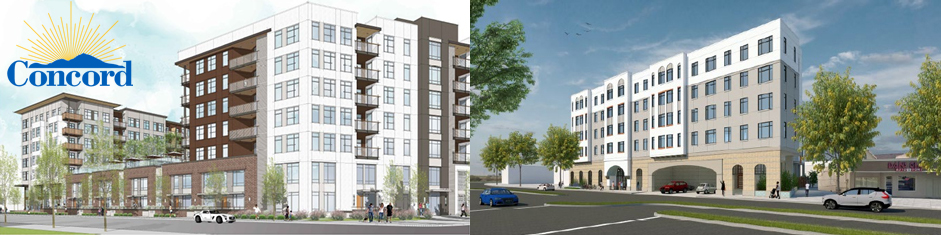
Examples of multifamily housing located within the Study Area include the Argent (left) and Galindo Terrace (right) projects currently under construction. Renderings source: City of Concord

Rezoned 10 parcels for five development sites

By Colleen Awad, City of Concord Community Relations Manager

Concord, CA – On Tuesday, March 10, 2026, the Concord City Council approved the City’s Affirmatively Furthering Fair Housing (AFFH) Program, a key initiative designed to expand equitable housing opportunities and support Concord’s long-term housing strategy.

The AFFH Program fulfills requirements under California state law, which directs jurisdictions to proactively plan for a diverse range of housing opportunities, particularly in higher-resource areas with strong access to employment, education, transit, and community services. Implementation of the program was identified as a commitment in the City’s state-certified 2023–2031 Housing Element.

In Concord, the AFFH program is being implemented through an overlay zoning approach, allowing up to 60 dwelling units per acre on approximately 20 acres of land. The overlay zoning district allows higher-density residential uses in addition to the uses already permitted. This approach enables residential development consistent with the AFFH Program while preserving the underlying zoning regulations and currently permitted uses.

As part of the approval, the City Council amended the Concord Municipal Code to apply the AFFH Overlay Zoning District to five sites that include 10 parcels: the former Kmart property; Clayton Faire near Centre Concord, along Clayton Road; Palm Lake Apartments at 780 Oak Grove Road; 5390 Myrtle Drive; and 1539 Kirker Pass Road. In total, the program allows for the potential development of up to 1,000 new housing units across these five sites.

“The AFFH Program represents an important milestone in Concord’s efforts to expand housing opportunities throughout the community,” said Mayor Nakamura. “This program, shaped through robust public engagement, supports the City’s commitment to fair and equitable housing while maintaining flexibility for property owners and ensuring thoughtful growth in areas with strong access to jobs, transportation, and services.”

For more Existing Multifamily Housing Examples located within the Study Area click, here.

For more information about the AFFH Program, please visit www.cityofconcord.org/AFFH.

Allen D. Payton contributed to this report.

Filed Under: Central County, Concord, Government, Housing, News

Rep. Garamendi’s affordable housing bill included in bipartisan Senate package

April 9, 2026 By Publisher Leave a Comment

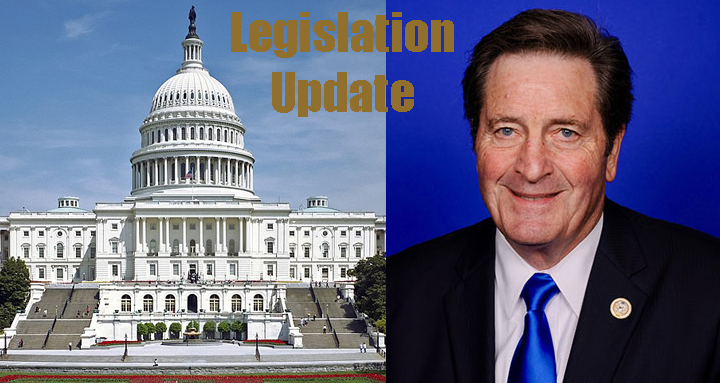
Congressman John Garamendi. Official photo

Funds new units across California

By Cameron Niven, Communications Director, Office of Congressman John Garamendi

WASHINGTON, DC – Today, U.S. Representative John Garamendi (D-CA-08) issued the following statement after the Senate passage of the bipartisan 21st Century ROAD to Housing Act, which includes his HOME Investment Partnerships Reauthorization and Improvement Act—a bill to significantly increase the amount of federal funding available for affordable housing across the country:

“Hardworking Californians face a severe shortage of affordable housing options, and minimum wage workers must work an average of 88 hours per week to afford a modest one-bedroom rental at fair market rates. The HOME Act will help change that,” said Representative Garamendi.

“The Senate’s affordable housing legislation includes my HOME Investment Partnerships Program, which, for the first time since 1994, will bring this crucial program into the 21st century,” Garamendi continued. “It will provide states and local governments with the funding needed to construct and rehabilitate affordable rental housing, as well as expand homeownership opportunities for working families. I’d also like to thank Senator Masto for introducing this bill in the Senate and Representative Beatty for co-leading in the House.”

On February 9th, Garamendi voted in favor of the Housing for the 21st Century Act (H.R. 6644), which passed the House with strong bipartisan support. Then, on March 12, the Senate overwhelmingly passed the 21st Century ROAD to Housing Act. The bipartisan bill combines elements of both the House and Senate-passed legislation. The 21st Century ROAD to Housing Act includes 18 sections drawn from both the House and Senate bills, including Garamendi’s HOME Act.

This comprehensive housing package will take important steps to boost the nation’s housing supply, improve affordability, and increase oversight and efficiency of federal regulators and housing programs.

HOME Background

The HOME Investment Partnerships Program (HOME) is the largest federal affordable housing block grant and is HUD’s flagship affordable housing production program.

Since 1990, HOME has helped state and local housing agencies support a wide variety of housing needs, from financing new construction and home repairs to funding down payment and rental assistance. It also provides additional funding to housing developments financed by the Low-Income Housing Tax Credit, helping the program serve more extremely low-income people, including seniors, veterans, those experiencing homelessness, and people with disabilities.

Since 1992, the HOME program in California has:

  • Invested $5.27 billion into housing across the state;
  • Built or preserved 121,727 homes;
  • Given rental assistance to 43,840 families;
  • Supported 277,318 jobs; and
  • Generated $19.2 billion in local income.

The program was last re-authorized in 1994 and needs critical updates to better address today’s housing crisis. Garamendi’s HOME Investment Partnerships Reauthorization and Improvement Act would reauthorize the HOME program and make several much-needed improvements. Specifically, it would:

  • Authorize $5 billion in HOME funding for fiscal year 2024 and boost the funding for the program by five percent annually through 2028. Garamendi’s legislation would address chronic underfunding of the affordable housing investment program, which received only $1.5 billion in 2023;
  • Improve HOME’s ability to provide downpayment assistance to homebuyers and home repair assistance to homeowners;
  • Enable HOME funds to support Community Land Trusts and other shared equity homeownership programs; and
  • Increase access to HOME funds for nonprofits and provide state and local governments loan guarantee options that would allow them to leverage their future HOME funds for investments today.

Representative Garamendi has spent his entire career advocating for affordable housing, robust homeowner protections, and rental assistance programs. As California’s first-ever elected Insurance Commissioner, Garamendi successfully implemented Proposition 103, which reformed the homeowner insurance industry and lowered homeownership insurance rates.

In 2023, Garamendi and Rep. Zoe Lofgren (D-CA) led members of California’s congressional delegation in sending a letter to California Insurance Commissioner Ricardo Lara urging him to use his power under state law to protect homeowners in the face of an insurance crisis. During his congressional tenure, Garamendi worked with Habitat for Humanity to establish a financing mechanism that utilized existing funding to build new veteran housing units.

Garamendi originally introduced the HOME Investment Partnership Reauthorization Act in 2020 and has continued to champion the legislation in Congress. He is also a cosponsor of the Affordable Housing Credit Improvement Act, which would support the financing of more affordable housing by expanding and strengthening the Low-Income Housing Tax Credit.

The Office of Congressman John Garamendi has also worked with local partners to increase access and support the development of affordable housing projects throughout California’s 8th Congressional District including: Contra Costa County Board of Supervisors, East Bay Housing Organizations, Tiny Village Spirit, Eden Housing, Multi-Faith ACTION Coalition (MFAC), Hope Solutions, Interfaith Council of Contra Costa, Crankstart Foundation, and the California Association of Housing Authorities.

The bill is endorsed by: Hercules Vice Mayor Alexander Walker-Griffin, Hercules Council Member Dilli Bhattarai, Richmond City Council Member Cesar Zapeda, National Council of State Housing Agencies, Institute of Real Estate Management, National Association of Hispanic Real Estate Professionals, National Association of Realtors, Enterprise Community Partners, National Apartment Association, National Multifamily Housing Council, National NeighborWorks Association, National Community Development Association, National Alliance of Community Economic Development Associations, National Association of Local Housing Finance Agencies, Council of State Community Development Agencies, National Coalition for Asian Pacific American Community Development, Local Initiatives Support Corporation, Grounded Solutions Network, and Habitat for Humanity.

Garamendi represents California’s 8th Congressional District in the U.S. House of Representatives which includes the northern and western portions of Contra Costa County and a majority of Solano County.

Filed Under: Finances, Government, Housing, Legislation, News

More than 2,100 new affordable Bay Area homes thanks to state funded cleanup of contaminated land

March 28, 2026 By Publisher Leave a Comment

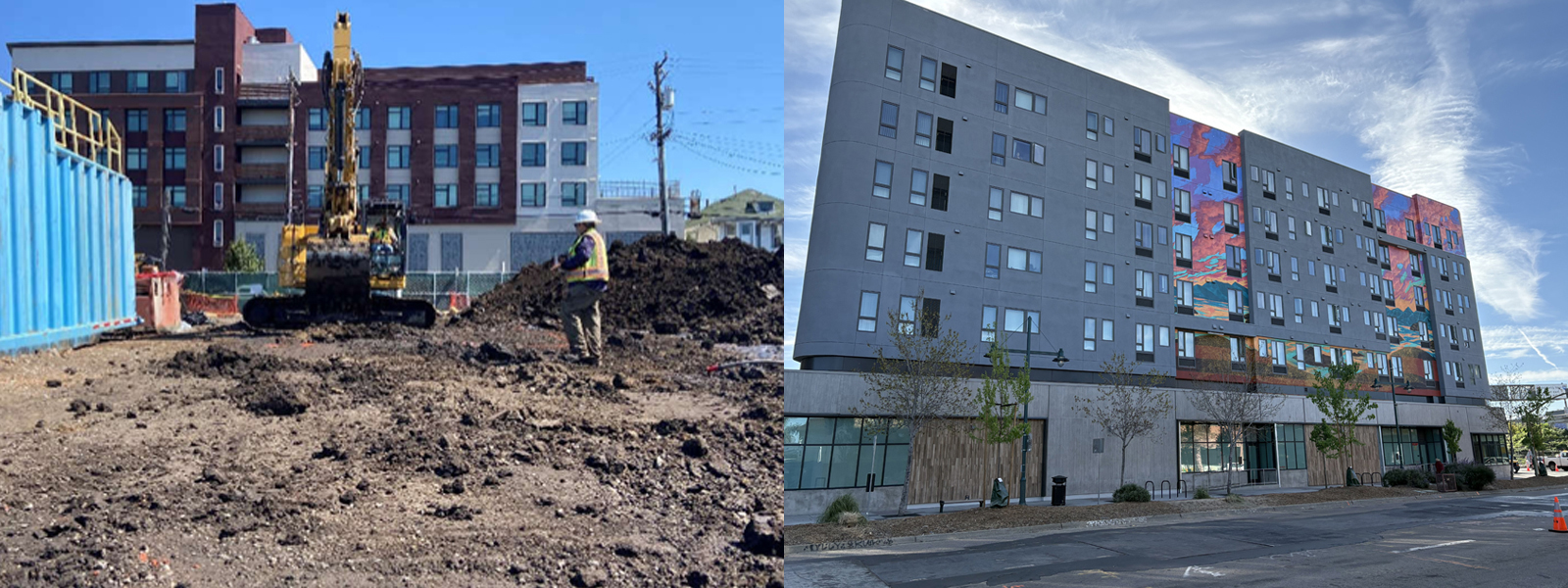
Before and after photos of the Nellie Hannon Gateway project in Emeryville. Source: DTSC

Including 43 units in Richmond

For low-income and unhoused residents

By California Department of Toxic Substance Control

EMERYVILLE – More than 2,100 new affordable homes for low-income and unhoused Bay Area residents will be available thanks to state-funded cleanup of contamination on otherwise unusable land across the region.

Bay Area residents in need are beginning to move in. The opening of 90 new homes was celebrated today when state leaders and local officials gathered at the Nellie Hannon Gateway in Emeryville. Thirty-nine of the rental community’s units are reserved for individuals exiting homelessness. The development also includes a food bank on the ground floor. Seventy-six additional affordable homes will open later this spring at the newly constructed Native American Health Center in Oakland. Forty-three homes opened early this month at Legacy Court in Richmond.

The Department of Toxic Substance Control (DTSC) provided funding and oversight of the removal of contamination at these sites.

“Cleaning up contamination is an essential but often invisible part of solving California’s housing crisis. We are transforming places once dominated by pollution into places of endless possibilities. This complex will be more than a place to live. It will be home for dozens of new residents.” – DTSC Director Katherine Butler

Thousands of properties across California sit vacant because of pollution left behind by gas stations, auto repair shops, dry cleaners and industrial facilities. The Nellie Hannon Gateway was once the site of a dry cleaner. The Native American Health Center site was an auto repair shop. Richmond’s Legacy Court site was a gas station and junkyard. Cleanups at these sites are made possible through DTSC’s Equitable Communities Revitalization Grant program. DTSC is the state agency that oversees the investigation and cleanup of contaminated properties in California.

This work has made once unusable land safe for future residents — an often-overlooked opportunity for developers who otherwise see an insurmountable obstacle to building affordable housing in communities with high pollution burdens and economic disadvantages.

DTSC helps local governments, nonprofits and developers clean up and reuse contaminated properties — known as brownfields — for housing, parks, retail and community spaces. Statewide, DTSC is investing more than $130 million for the cleanup and reuse of more than 150 sites across 49 cities, preparing them for new life in communities that have historically faced environmental and economic barriers.

DTSC is part of a statewide effort, led by Governor Gavin Newsom, to address the need for affordable housing and homelessness.

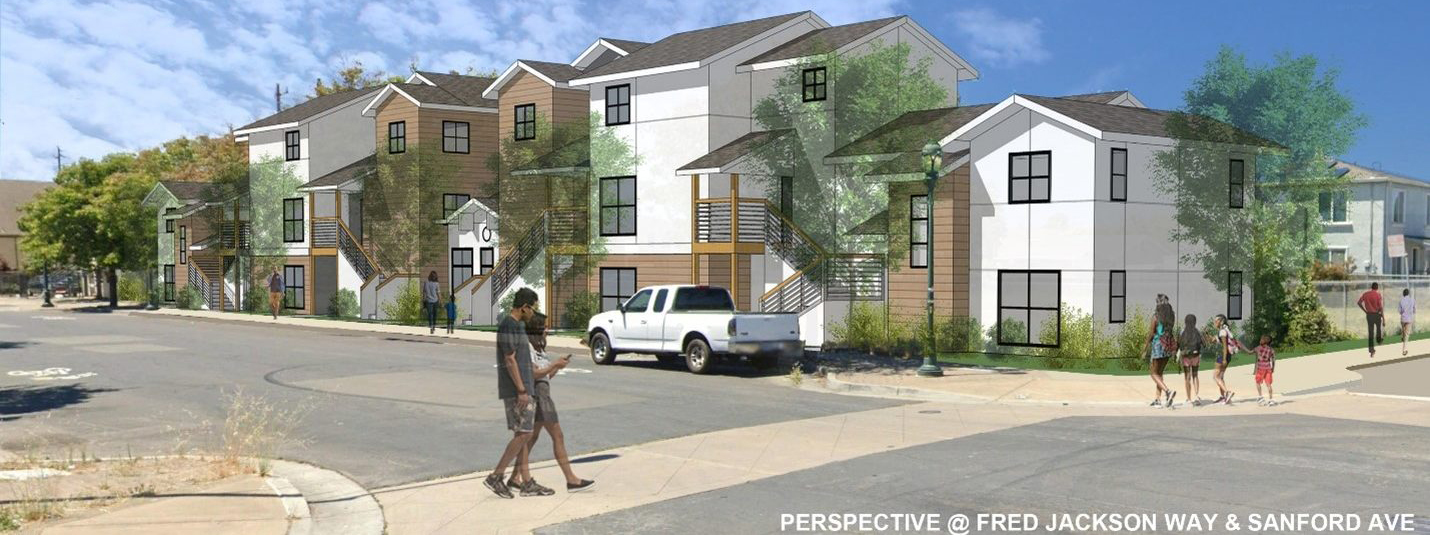
Rendering source: Eden Housing

Richmond’s Legacy Court

According to Eden Housing, Legacy Court, located at 1243, 1300 & 1329 Fred Jackson Way, is a 43-unit new construction family project in Richmond, CA. The proposed development will serve 42 low-income households earning 30-60 percent of the area’s median income (AMI).

The project will set aside thirteen units to support residents who are experiencing homelessness, at risk of experiencing homelessness and residents in need of mental health services. Contra Costa Behavioral Health Services will provide additional support services for these units, including case management, peer support, mental health care, substance use services, and benefits counseling and advocacy.

The development is designed as seven two to three-story buildings that will be situated across three different sites, all of which are located within one block from each other at the intersection of Fred Jackson Way and Sanford Avenue in North Richmond. The project will include a mix of one-bedroom, two-bedroom, and three-bedroom units. One of the units will be set aside for a live-in community manager, helping ensure that the property is well-managed at all times. On-site project amenities for residents will include a community room, community kitchen, laundry rooms, computer lab with high-speed internet, and bike parking. The common area amenities of the development will facilitate the socialization and sense of community that is important to successful developments and will serve as spaces for resident gatherings, community meetings, social events, programming for resident services such as exercise, health and wellness programs, and art, educational, and cultural activities.

Legacy Court is designed as all-electric and will incorporate energy-efficient appliances, and green elements maximized to reduce the carbon footprint of the project.

Reversing Decades of Inaction on Homelessness

Governor Newsom is creating a structural and foundational model for America:

✅ Creating shelter and support — Providing funding and programs for local governments, coupled with strong accountability measures to ensure that each local government is doing its share to build housing, and create shelter and support, so that people living in encampments have a safe place to go. This week, through a $77 million investment from California’s cap and invest program, Los Angeles announced the expansion and redevelopment of the largest public housing project in the region, the Jordan Downs Project.

✅ Addressing mental health and its impact on homelessness — Ending a long-standing 7,000 behavioral health bed shortfall in California by rapidly expanding community treatment centers and permanent supportive housing units. In 2024, voters approved Governor Newsom’s Proposition 1 which is transforming California’s behavioral health systems. When fully awarded, funding from Proposition 1 bonds is estimated to create 6,800 residential treatment beds and 26,700 outpatient treatment slots for behavioral health care.

✅ Creating new pathways for those who need the most help — Updating conservatorship laws for the first time in 50 years to include people who are unable to provide for their personal safety or necessary medical care, in addition to food, clothing, or shelter, due to either severe substance use disorder or serious mental health illness. Creating a new CARE court system that creates court-administered plans for up to 24 months for people struggling with schizophrenia and other psychotic disorders, often with substance use challenges.

✅ Streamlining and prioritizing building of new housing — Governor Newsom made creating more housing a state priority for the first time in history. He has signed into law groundbreaking reforms to break down systemic barriers that have stood in the way of building the housing Californians need, including broad CEQA reforms.

✅ Removing dangerous encampments — Governor Newsom has set a strong expectation for all local governments to address encampments in their communities and help connect people with support. In 2024, Governor Newsom filed an amicus brief with the Supreme Court defending communities’ authority to clear encampments. After the Supreme Court affirmed local authority, Governor Newsom issued an executive order directing state entities and urging local governments to clear encampments and connect people with support, using a state-tested model that helps ensure encampments are addressed humanely and people are given adequate notice and support.

In 2025, just a year after he issued an executive order urging local governments to better address encampments, the Governor announced his SAFE Task Force to address encampments in California’s ten largest cities. In just a few months, the task force has addressed encampments in San Francisco, Los Angeles, Long Beach, Sacramento, and Fresno — connecting dozens of people with shelter. Since 2021, Caltrans has removed more than 19,000 encampments on state right-of-way and collected approximately 354,000 cubic yards of litter and debris.

About Department of Toxic Substance Control

DTSC’s Mission is to protect California’s people, communities and environment from toxic substances, to enhance economic vitality by restoring contaminated land, and to compel manufacturers to make safer consumer products. Learn more about the department at About DTSC | Department of Toxic Substances Control.

Filed Under: Construction, East Bay, Environment, Homeless, Housing, News, West County

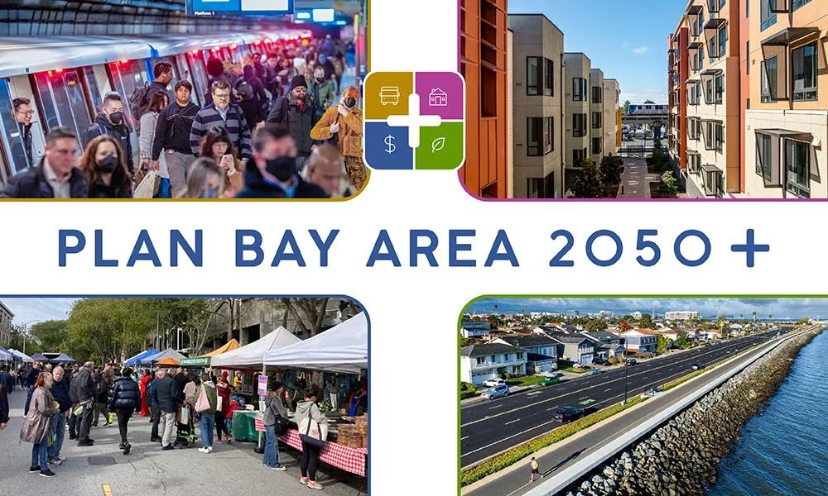
MTC, ABAG release proposed final Plan Bay Area 2050+

March 10, 2026 By Publisher Leave a Comment

Source: Plan Bay Area

Proposed Plan for housing, transportation, the economy and environment in the nine counties will go to committee for review on Friday, March 13

Offers strategies, investments and outcomes for Contra Costa County

By John Goodwin, Assistant Director of Communications & Leslie Lara-Enríquez Assistant Director, Public Engagement, Metropolitan Transportation Commission

After nearly three years of public discussion, technical analysis and refinement, the Metropolitan Transportation Commission and the Association of Bay Area Governments last Friday released the proposed final Plan Bay Area 2050+ and the Final Environmental Impact Report (EIR) for Plan Bay Area 2050+.

Plan Bay Area 2050+ is the latest long-range plan to guide growth and investment across the region’s nine counties and 101 cities. The plan seeks to advance an integrated vision for a Bay Area that is affordable, connected, diverse, healthy and vibrant for all by 2050. It focuses on the four areas of

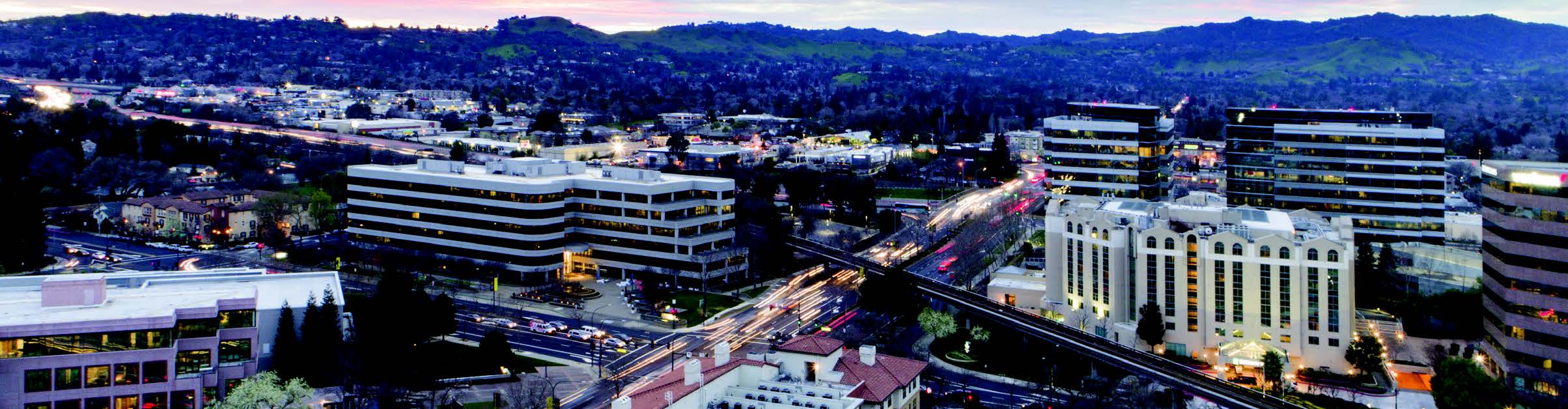
The Contra Costa Centre Transit Village. Photo credit: Karl Nielsen

The plan and its related reports will be presented for review and consideration at a joint meeting of the MTC Planning Committee with the ABAG Administrative Committee on Friday, March 13, before the documents are referred to their respective approving bodies. The ABAG Executive Board will consider certification of the Final EIR and adoption of the final plan at its March 19 meeting. At its March 25 meeting, MTC will consider certifying the Final EIR and adopting the final plan, as well as adopting the accompanying Air Quality Conformity Analysis and an amendment to the 2025 Transportation Improvement Program.

The release of the proposed final Plan Bay Area 2050+ follows a 59-day public comment period for the Draft Plan and the Draft EIR that closed on December 18, 2025. The proposed final plan and Final EIR have been updated to reflect feedback received during the public comment period.

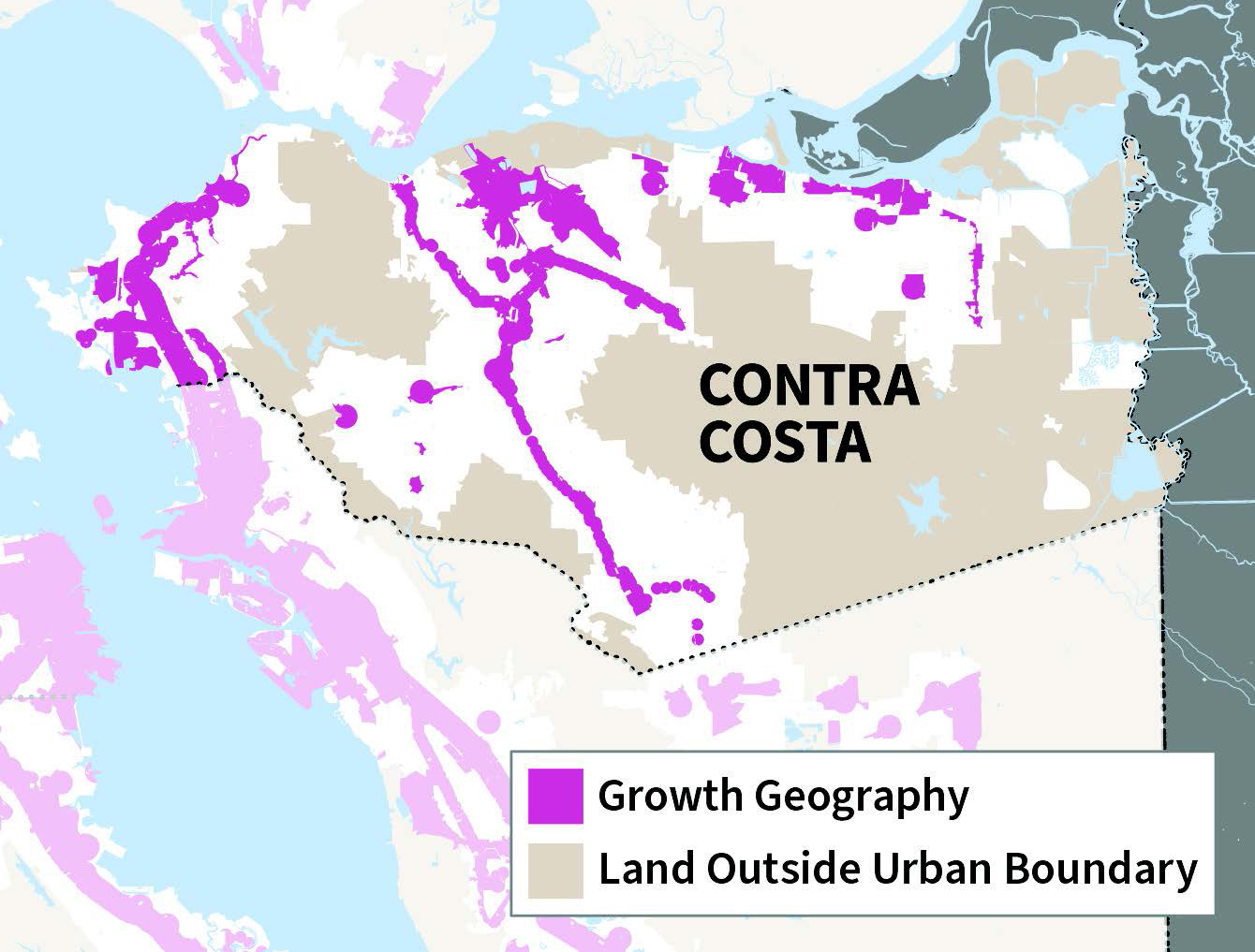
The map above shows Contra Costa County’s Growth Geographies, which are areas identified in Plan Bay Area 2050+ to help guide future housing and job growth. These areas are designated by local jurisdictions or based on their proximity to transit and access to opportunity. Source: MTG/ABAG

The Plan includes Partner Resources: Regional Tools for Local Action that local jurisdictions and partner agencies can use to develop plans, seek funding and take action to make a better Bay Area. It offers a fact sheet for each county, including Contra Costa, which spotlights strategies, investments and outcomes.

Plan Bay Area 2050+ is the latest long-range regional plan for the nine-county Bay Area. The plan lays out a series of funding and policy strategies that can create a more affordable, connected, diverse, healthy and vibrant future for all Bay Area residents in 2050. Unique to this plan cycle is the parallel Transit 2050+ planning effort, which culminated in the first-of-its-kind plan to re-envision the future of Bay Area public transit, in partnership with transit agencies across the region.

Allen D. Payton contributed to this report.

Filed Under: Economy, Environment, Growth & Development, Housing, News, Transportation

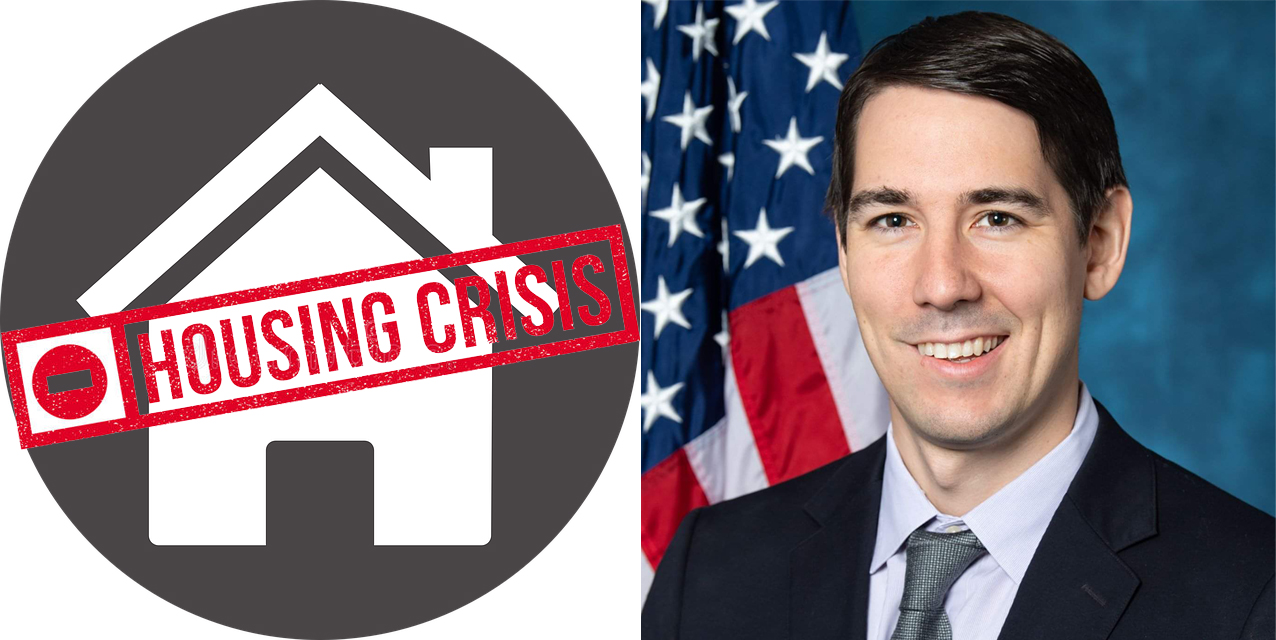
HOUSING: Harder introduces new bill to force CA Housing Department to lower home costs

November 17, 2025 By Publisher 3 Comments

Representative Josh Harder. Official photo

California leads nation in housing prices; Harder’s Bring Down Housing Costs Act would expand federal oversight of new state housing agency if housing costs continue to skyrocket

By Kevin Winslow, Communications Director, Office of Congressman Josh Harder 

WASHINGTON – Today, Monday, November 17, 2025, as California considers yet another housing agency, Rep. Josh Harder (D, CA-09) introduced new legislation to hold Sacramento bureaucracy accountable and stop housing costs from continuing to skyrocket. The Bring Down Housing Costs Act would establish a federal task force to investigate and conduct oversight of states failing to curb rising housing costs and develop emergency action plans to make housing more affordable.

Despite reforms, Sacramento’s housing bureaucracy is still an expensive mess: 

  • Years of prioritizing process over outcomes has created a bureaucratic monster covering everything from horse racing and alcohol, while also in charge of housing reform.
  • The state’s new housing agency, set to start in 2026, is already falling short of prioritizing the most basic housing reforms.
  • Bureaucratic bloat has caused California to have the highest housing prices in the nation, making homebuying in the Valley entirely unaffordable.

“Our families are getting priced out of an affordable life in the Valley. We need real action, not another round of musical chairs by Sacramento bureaucrats,” said Rep. Harder. “My bill holds Sacramento’s feet to the fire and makes housing our #1 priority by bringing new federal oversight to yearslong chaos. If these out-of-touch bureaucrats continue to fail, they should be held accountable and fired.”

How the Bring Down Housing Costs Act cleans up Sacramento’s mess:

  • New Oversight – Creates a new federal housing task force to investigate states with the highest rising housing costs.
  • New Partnerships – Brings together representatives from across the federal government and housing experts for the first time to bring down housing costs in the worst markets.
  • Emergency Plans – Issues emergency action plans and best-practice guidelines for states facing year-over-year median home price increases.

As a fifth-generation resident of the Valley, Harder is committed to restoring the affordable dream that brought so many families to our community in the first place. Harder is leading federal efforts to pass the biggest housing reform legislation in decades that would modernize outdated regulations, incentivize smarter land use, and build more homes.

Harder currently represents Discovery Bay in the Contra Costa County portion of the district in the U.S. House of Representatives. Based on the new district boundaries approved in Prop. 50, District 9 now includes Antioch, Pittsburg and portions of Oakley. The congressman plans to run for re-election in the new district.

Allen D. Payton contributed to this report.

Filed Under: Housing, Legislation, News

MTC, ABAG release draft of new long-range plan for Bay Area

October 22, 2025 By Publisher Leave a Comment

Source: Plan Bay Area

Public comment through Dec. 18 on Draft Plan Bay Area 2050+, EIR for housing, transportation, economic development and the environment

East Bay Webinar Nov. 5

By Veronica Cummings, Principal Public Information Officer, Engagement & John Goodwin, Assistant Director of Communications, Metropolitan Transportation Commission 

After more than two years of public discussion, technical analyses and refinement, the Metropolitan Transportation Commission (MTC) and the Association of Bay Area Governments (ABAG) today released Draft Plan Bay Area 2050+ and the Plan Bay Area 2050+ Draft Environmental Impact Report for public review and comment.

Draft Plan Bay Area 2050+ charts a course for the future of the Bay Area over the next 25 years. Designed to guide growth and investment across the region’s nine counties and 101 cities, the latest plan aims to advance an integrated vision for a Bay Area that is affordable, connected, diverse, healthy and vibrant for all. The plan contains 35 strategies for public policies and investments that can be implemented to help the Bay Area build more homes, reduce commute times, and create vibrant downtowns and natural areas for everyone to enjoy. These strategies also aim to keep people safe from natural hazards, support a strong economy and provide stable housing.

Unique to this plan cycle is Transit 2050+, a parallel and first-of-its-kind planning effort conducted by MTC and ABAG in partnership with Bay Area transit agencies to re-envision the future of Bay Area public transit.

Plan Bay Area includes all nine Bay Area counties and 101 cities. Source: Plan Bay Area

MTC and ABAG have scheduled a series of webinars and public hearings for comment on Draft Plan Bay Area 2050+ and associated supplemental reports, as well as on the Draft Environmental Impact Report for Plan Bay Area 2050+. All interested people, agencies and other organizations are encouraged to attend a webinar or public hearing, where they can ask questions and offer comments on these documents. Full event details are listed below:

  • Webinar #1 — North Bay
    Wednesday, October 29, 2025
    12-1:30 p.m.
    Zoom link: https://bit.ly/northbaywebinar
  • Webinar ID: 892 3077 8001
  • Passcode: 256814
  • 888-788-0099 US Toll Free
  • Webinar #2 — West Bay
    Wednesday, October 29, 2025
    6-7:30 p.m.
    Zoom link: https://bit.ly/westbaywebinar
    Webinar ID: 831 4140 5598
    Passcode: 096944
    888-788-0099 US Toll Free
  • Webinar #3 — South Bay
    Thursday, October 30, 2025
    6-7:30 p.m.
    Zoom link: https://bit.ly/southbaywebinar
    Webinar ID: 822 2561 7467
    Passcode: 356845
    888-788-0099 US Toll Free
  • Webinar #4 — East Bay
    Wednesday, November 5, 2025
    6-7:30 p.m.
    Zoom link: https://bit.ly/eastbaywebinar
    Webinar ID: 869 8283 4999
    Passcode: 682098
    888-788-0099 US Toll Free

In addition to these webinars, MTC and ABAG will host three public hearings around the Bay Area to provide opportunities for all interested agencies, organizations and individuals to comment on the Draft Plan and Draft Environmental Impact Report. The full list of hearings is as follows:

  • Public Hearing #1 — MTC Planning Committee and ABAG Administrative Committee
    Friday, November 14, 2025, at 9:40 a.m. or upon the conclusion of the Bay Area Infrastructure Financing Authority Network and Operations Committee, whichever is later.
    Bay Area Metro Center -or- Zoom
    Boardroom, 1st Floor
    375 Beale Street, San Francisco  Instructions to join by Zoom
  • Public Hearing #2 — Fremont
    Wednesday, December 3, 2025, at 6 p.m.
    Olive Hyde Art Center and Gallery -or- Zoom
    123 Washington Boulevard, Fremont
    Zoom link: https://bit.ly/drafthearing2
    Webinar ID: 875 7625 3306
    Passcode: 178983
    888 788 0099 US Toll Free
  • Public Hearing #3 — Novato
    Thursday, December 4, 2025, at 6 p.m.
    Best Western Plus Novato Oaks Inn -or- Zoom
    215 Alameda del Prado, Novato
    Zoom link: https://bit.ly/drafthearing3
    Webinar ID: 898 0347 9624
  • Passcode: 129009
  • 888 788 0099 US Toll Free

Interested Bay Area residents, agencies and organizations also are encouraged to view and comment on the draft plan online at planbayarea.org/draftplan. Comments will be reviewed by officials from both ABAG and MTC as they consider the adoption of Final Plan Bay Area 2050+, slated for early 2026.

Written comments will be accepted via mail to MTC Public Information Office, Attn: Plan Bay Area -or- Draft EIR Comments, 375 Beale Street, Suite 800, San Francisco, CA, 94105; or via email (Draft Plan Bay Area 2050+ inbox: info@planbayarea.org; Draft EIR inbox: eircomments@bayareametro.gov). Comments by phone can made at (415) 778-2292.

The comment period for all documents will close Dec. 18, 2025, at 5 p.m.

Questions? Visit planbayarea.org, email info@planbayarea.org or call (415) 778-6757.

Accessible Meetings

Do you need an interpreter or any other assistance to participate? Please call (415) 778-6757. For TDD or hearing impaired, call 711, California Relay Service, or (800) 735-2929 (TTY), (800) 735-2922 (voice) and ask to be relayed to (415) 778-6700. We require at least three working days’ notice to accommodate requests.

¿Necesita un intérprete u otra asistencia para participar? Por favor llámenos con tres días de anticipación al (415) 778-6757. Para telecomunicaciones para personas sordas y discapacitadas, favor de llamar al 711, el Servicio de Retransmisión de California (CRS) para TTY/VCO/HCO a Voz o para Voz a TTY/VCO/HCO al (800) 855-3000 y pedir que lo retrasmitan al (415) 778-6700.

您是否需要口譯或任何其他協助才能參加?請致電(415)778-6757。若需使用TDD或為聽障人士人士,請致電711,加州轉接服務,或(800)735-2929(TTY),(800)735-2922(語音),然後要求轉接至(415)778-6700。請至少提前三個工作日提出申請,以便我們能為您提供適當的口譯安排。

ABAG is the council of governments and the regional planning agency for the 101 cities and towns, and nine counties of the Bay Area. MTC is the transportation planning, financing and coordinating agency for the nine-county San Francisco Bay Area.

Filed Under: Bay Area, Economy, Growth & Development, Housing, Jobs & Economic Development, News, Transportation

CA Earthquake Brace + Bolt grant application deadline Oct. 17th

October 7, 2025 By Publisher 1 Comment

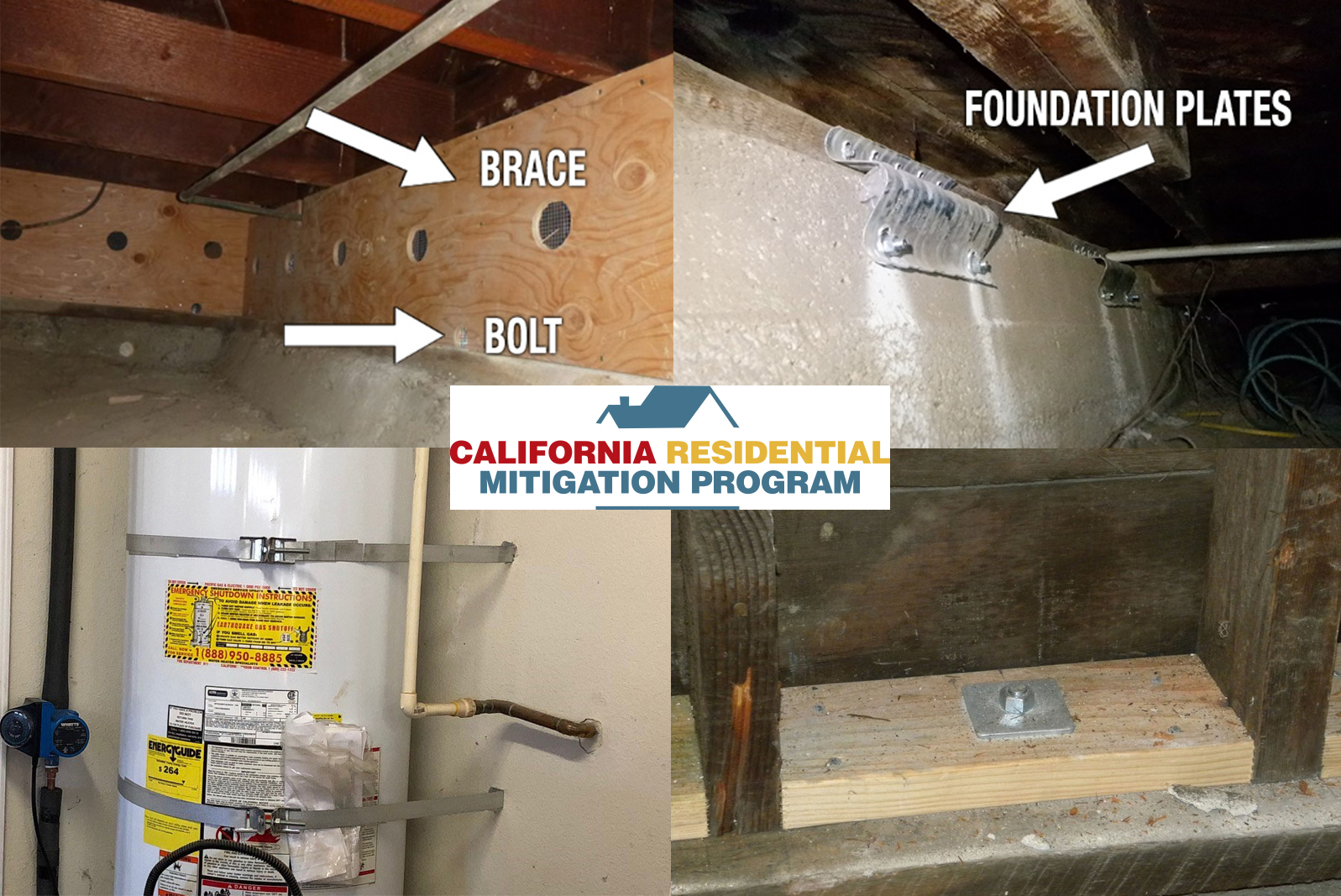
Brace your existing cripple walls (if you have them). If you have cripple walls, they carry the weight of your house. If they collapse during an earthquake, so will your home. Bracing your cripple walls strengthens them and may prevent your house from toppling. Strap your water heater. Properly strapping the water heater reduces the likelihood of water and fire damage that could result if your water heater is detached from water and gas lines. Bolt your home to its foundation. Most earthquake damage actually occurs when unsecured buildings slide off of their foundation. Bolting your home down helps prevent sliding. Photos: CRMP

Extension for grants of $3,000 to $7,000 aligns with California Great ShakeOut to boost earthquake preparedness awareness; now includes non-owner-occupied homes; more than $20 million available

Sacramento, CA – The California Residential Mitigation Program (CRMP) today announced that it is extending the registration period for its Earthquake Brace + Bolt (EBB) grant program to October 17, 2025, adding more than two weeks to the original October 1 deadline. The extension ensures that the program’s closing date now coincides with the California Great ShakeOut drill on October 16, when millions of Californians will be focused on earthquake preparedness.

Source: State of California

The program, which first opened this registration period on August 20, offers critical funding support for seismic retrofits that bolt houses to their foundations and brace crawl space walls—proven methods to reduce the risk of earthquake damage. With eligibility covering more than 1,100 ZIP Codes statewide, including 303 added earlier this year, the extension provides even more Californians with the opportunity to apply for up to $3,000 in grant funding. In fact, for the first time, CRMP has expanded EBB eligibility to include non-owner-occupied homes, allowing landlords to apply for this retrofit grant opportunity for their investment properties.

“Extending the deadline helps meet the high demand for earthquake retrofit assistance while drawing attention to the importance of preparedness as millions of Californians take part in the Great ShakeOut on October 16,” said Janiele Maffei, Chief Mitigation Officer of the California Earthquake Authority (CEA). “This extra time gives homeowners and rental property owners another chance to apply, choose a contractor, and begin strengthening their homes. Each retrofit improves safety not just for families but for entire communities.”

More than $20 million is available in this registration period to offset retrofit costs. Since the program’s launch in 2013, more than 33,500 California homeowners have received assistance through EBB.

Qualified income eligible households may also be eligible for supplemental grants of up to $7,000, which can cover as much as 100% of retrofit costs.

“Every retrofit makes California stronger and more resilient,” said Tom Welsh, CEO of the California Earthquake Authority. “By aligning with the Great ShakeOut, this extension ensures that more families are reminded of the simple but powerful steps they can take to protect their homes before the next big quake.”

The EBB grant program is administered by CRMP, a Joint Powers Authority between CEA and the California Governor’s Office of Emergency Services (Cal OES).

Interested property owners can learn more and register at EarthquakeBraceBolt.com. The updated registration period runs through October 17, 2025.

About Earthquake Brace + Bolt (EBB)

Established by the California Residential Mitigation Program, EBB offers up to $3,000 to help California homeowners retrofit their house to reduce potential damage from earthquakes. A residential seismic retrofit makes a house more resistant to earthquake activity, such as ground shaking and soil failure, by bolting the house to its foundation and adding bracing around the perimeter of the crawl space. For more information, please visit EarthquakeBraceBolt.com.

About the California Residential Mitigation Program (CRMP)

CRMP was established in 2011 to help Californians strengthen their homes against damage from earthquakes. CRMP is a joint powers authority created by the California Earthquake Authority and the California Governor’s Office of Emergency Services. For more information, please visit CRMP.org.

Filed Under: Finances, Housing, News, State of California

  • 1
  • 2
  • Next Page »
Free Kids Fishing Derby 10-10-26
RepublicServices-Antioch-ad (1)
Monica's Riverview 10-26 B
Celia's-10-26
Delta-RC-B 07-26
Deer-Valley-Chiro-06-22

Copyright © 2026 · · Contra Costa Herald · All Rights Reserved