• Home
  • About The Herald
  • Local Agencies
  • Daily Email Update
  • Legal Notices
  • Classified Ads

Contra Costa Herald

News Of By and For The People of Contra Costa County, California

  • Arts & Entertainment
  • Business
  • Community
  • Crime
  • Dining
  • Education
  • Faith
  • Health
  • News
  • Politics & Elections
  • Real Estate

Pittsburg resident, long-time community leader joins board of Meals on Wheels Diablo Region

July 2, 2024 By Publisher Leave a Comment

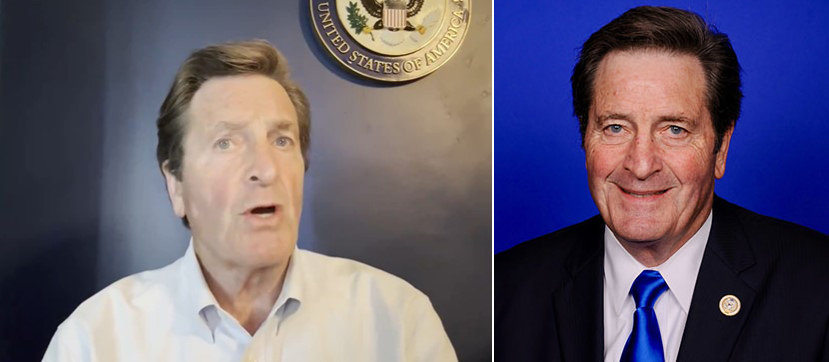
Lindy Maynes-Kolthoff. Photo: MOWDR

By Skylar Schaefer, Communications Specialist, Meals on Wheels Diablo Region

WALNUT CREEK, CA – Meals on Wheels Diablo Region (MOW Diablo Region) is pleased to announce that Lindy Maynes-Kolthoff has been elected to the organization’s Board of Directors. Maynes-Kolthoff has a close relationship with MOW Diablo Region as a volunteer for the Breakfast Bag Program.

Maynes-Kolthoff spent over 35 years serving students in higher education at both the university and community college levels. As the Executive Director of the Los Medanos College Foundation, she was active in her East Contra Costa County area as a member of the Pittsburg Chamber of Commerce, member of the Industrial Association of Contra Costa County, was presented with a Proclamation honoring her volunteer work in the City of Pittsburg and served 21 years on the Board of Directors for the Rotary Club of Antioch. Maynes-Kolthoff currently serves on the Board of Directors of Delta Advocacy Foundation as the Grants Chair.

In addition to her volunteering for MOW Diablo Region, Maynes-Kolthoff has personal experience with the organization. Her father volunteered forty years ago and said that it was the best job he ever had. Ten years ago, when her father-in-law needed services, she says that the meal deliveries literally saved his life.

When reached for comment about her new position Maynes-Kolthoff said, “I’ve been volunteering for about two years, now and I deliver breakfast bags to clients in Antioch. Then I substitute, here in Pittsburg when they need a driver.”

“Board Chairman Tim Argenti (formerly of Republic Services) is the one who asked if I’d be willing to serve on the board and I said, ‘sure’,” she stated. “I enjoy volunteering because I think it’s important to support our seniors in our communities. I’m more than happy to, now serve on the board.”

“I’m very humbled to be a part of this amazing organization,” Maynes-Kolthoff added.

Meals on Wheels Diablo Region’s mission is to keep seniors nourished, safe, less isolated, and independent for as long as possible. MOW Diablo Region is the only Meals on Wheels that delivers both meals and supportive services to the entire county. In addition to home delivered meals, the organization provides breakfast bags, grocery bags, cultural cuisine, cafés, fall prevention, friendly visitors, callers, and helpers, case management, and exercise classes. All services are free of charge.  To learn more about services, volunteering, or donating, visit mowdiabloregion.org.

About Meals on Wheels Diablo Region:

For more than 50 years, Meals on Wheels Diablo Region has improved the lives of vulnerable seniors in Contra Costa County by delivering nutritious meals and supportive services that allow seniors to remain in their homes safely and with dignity. Programs include home-delivered meals, Breakfast Bags, Grocery Bags, Fall Prevention, Cafés, Care Management, Friendly Visitors, Health and Wellness, and more.

About Meals on Wheels America

Meals on Wheels America is the leadership organization supporting the more than 5,000 community-based programs across the country that are dedicated to addressing senior hunger and isolation. Powered by a trusted volunteer workforce, this network delivers a comprehensive solution that begins with a meal and is proven to enable independence and well-being through the additional benefits of tailored nutrition, social connection, safety and much more. By providing funding, programming, education, research and advocacy, Meals on Wheels America empowers its local member programs to strengthen their communities, one senior at a time.


Filed Under: Community, Food, News, Non-Profits, People, Seniors

Senator Glazer to honor first and only CA Supreme Court Chief Justice to be voted out of office

May 6, 2024 By Publisher Leave a Comment

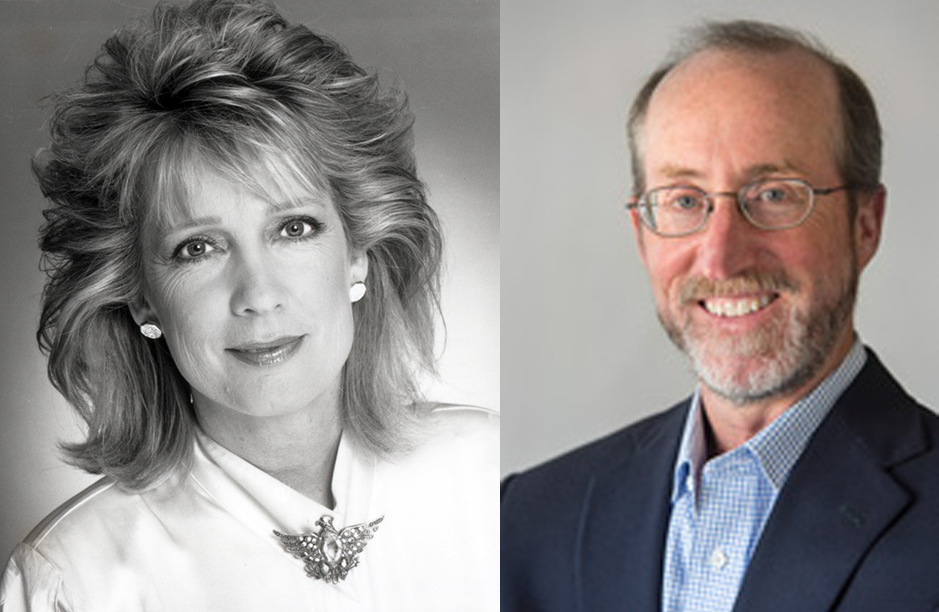
Former California Supreme Court Chief Justice Rose Bird (Photo: CSCHS) and Senator Steve Glazer. (Official photo)

For reversing death sentences; plaques to be unveiled for Rose Bird at new plaza named for her in Capitol World Peace Rose Garden during Tuesday ceremony

Glazer was her spokesman during her failed 1986 retention campaign

SACRAMENTO – Former California Supreme Court Chief Justice Rose Elizabeth Bird will be recognized Tuesday, May 7, for her trailblazing work as a jurist – the first such public dedication in California.

Current Chief Justice of the California Supreme Court, Patricia Guerrero, and retired Chief Justice Tani Cantil-Sakauye, will lead the 10 a.m. unveiling of two plaques at the new Chief Justice Rose Elizabeth Bird Justice For All Plaza at the State Capitol World Peace Rose Garden 25 years after her death in 1999.

Speakers will also include Stephen Buehl, former Justice Bird’s chief of staff, Senator Nancy Skinner, D-Berkeley, the chair of the California Legislative Women’s Caucus, and Kathryn Meola, president of the Women Lawyers of Sacramento.

“Honoring Chief Justice Rose Elizabeth Bird is long overdue,” said Senator Steve Glazer, D-Contra Costa, who authored a resolution, SCR 47 (2023) to create her place of honor in the Capitol Rose Garden. Senator Glazer was Bird’s spokesman during her retention campaign in 1986. “We now have the benefit of time in recognizing her courage and integrity in upholding the Constitution and rule of law – especially in protecting the poor and oppressed.”

Justice Bird was the first woman Chief Justice of California; the first woman Chair of the Judicial Council; the first woman on a California Governor’s Cabinet and the first woman deputy public defender in Santa Clara County. She served as the Chief Justice under Governor Jerry Brown from 1977-1986.

She was also the first and only chief justice in state history to be voted out of office. Bird and three other justices voted to reverse murderers’ sentences, and she, two of her colleagues, Reynoso and Grodin, were subsequently voted off the state supreme court. Bird was overwhelmingly removed in the November 4, 1986, election by a margin of 67% to 33%.

What: The Unveiling of the Chief Justice Rose Elizabeth Bird Justice For All Plaza

When: May 7, 2024, 10 a.m.

Where: State Capitol World Peace Rose Garden

Speakers: Senator Steve Glazer; Patricia Guerrero, Chief Justice of California; Tani Cantil-Sakauye, retired Chief Justice of California; Stephen Buehl, chief of staff to Chief Justice Rose  Bird, Senator Nancy Skinner, D-Berkeley, the chair of the California Legislative Women’s Caucus, and Kathryn Meola, president of the Women Lawyers of Sacramento.

Livestream: https://www.youtube.com/watch?v=yaE6NUxkuv0

https://sd07.senate.ca.gov/video/honoring-chief-justice-rose-elizabeth-bird

Allen D. Payton contributed to this report

Filed Under: History, News, People, State of California

Retired Pittsburg Chief Addington appointed Antioch Interim Chief of Police

February 20, 2024 By Publisher Leave a Comment

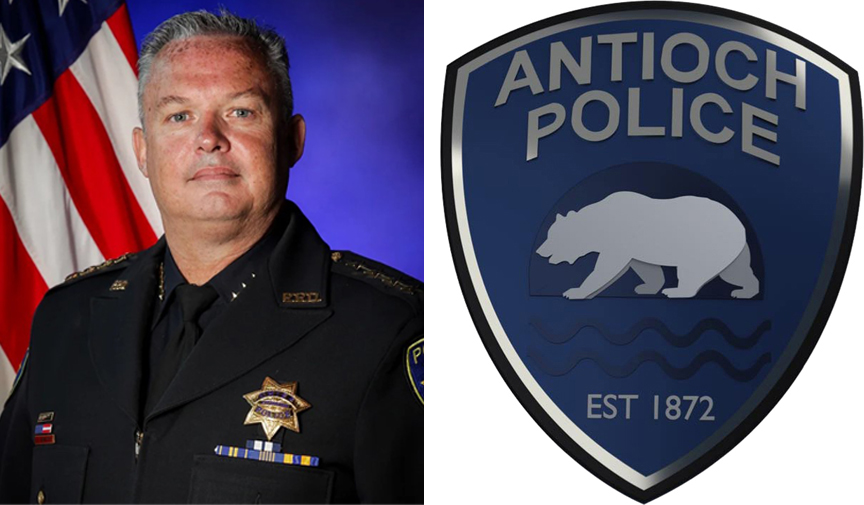
Former Pittsburg Police Chief Brian Addington has been appointed as Antioch’s interim police chief. Photo source: WBA Consulting & Investigative Services

Starts Monday, February 26, 2024

“We’re very lucky to have him as our chief.” – Councilman & retired Pittsburg Lt. Mike Barbanica

Police Officers Association “excited to learn” of appointment

Antioch, CA: Acting Antioch City Manager Kwame Reed has selected retired Pittsburg Police Chief Brian Addington to serve as Interim Chief of Police until a permanent chief is appointed. Chief Addington brings a wealth of experience and a deep understanding of East Contra Costa County law enforcement to this leadership role. He has a proven track record of leadership and dedication to public safety that are essential to guiding the department during this transitional period. Chief Addington’s first day in the office will be Monday, February 26, 2024. Chief Addington understands the challenges and opportunities facing law enforcement in our community. With over a decade of experience as the police chief in neighboring Pittsburg, he has demonstrated his commitment to serving the residents of East Contra Costa County with integrity and professionalism. “We are confident that Chief Addington’s leadership will enhance the safety and security of our community,” Reed said. “His extensive knowledge of local policing issues and his strong ties with the East County community make him the perfect choice to lead the Antioch Police Department during this interim period.” “Retired Chief Addington will come to Antioch with a strong ability to make tough decisions under difficult circumstances,” said Mayor Lamar Hernandez-Thorpe.  “Until the hiring of a permanent chief of police, he’ll work with City Hall to continue to rebuild police staffing levels and decrease 911 response times.” Addington expressed his gratitude for the opportunity to serve as Interim Chief of Police, stating, “I am honored to join the dedicated men and women of the Antioch Police Department. We will work tirelessly – with a renewed focus on serving our community – and upholding the department’s mission of protecting and serving the residents of Antioch with integrity, compassion, and professionalism.” When reached for comment District 2 Councilman and retired Pittsburg Police Lt. Mike Barbanica said, “I’m very supportive of Chief Addington. He’s a great addition to the APD. We’re very lucky to have him as our chief. I worked with him for many years at the PPD. In fact, he worked for me when. When I was a Bureau Commander and I had the pick of the list, Brian Addington was my first choice. He was my right-hand person. He’s an outstanding administrator. He’s the right choice.” “Addington and I worked together ridding the department of corruption, investigating officers who were falsifying arrest reports and we ended up removing the officer from the police department,” the councilman added. Police Officers Association “Excited to Learn” of Appointment Antioch Police Officers Association Vice President Sgt. Loren Bledsoe was asked for comment about Addington’s appointment. He responded, “The APOA was excited to learn that Chief Addington was selected for the position of Interim Chief of Police. APD has always shared a strong working relationship with the Pittsburg Police Department, and we look forward to the opportunity to support the mission and vision of Chief Addington here, at APD.” About Brian Addington According to a press release from the Pittsburg Police Department when Addington retired, “In 1994, Officer Brian Addington made, what we think, was the best decision of his career. He joined the Pittsburg Police Department after having served for a year and a half with the Suisun City Police Department. That decision left a lasting mark on our department and our Pittsburg community as he rose through the ranks to become our Police Chief serving in that role for the last decade. Chief Addington started as an officer in patrol on the Strategic Enforcement Team (SET) where he served for several years focused on reducing street-level crimes. From there, he became an undercover detective in the Narcotics Unit. In 1998, he was promoted to Sergeant where he trained and mentored officers in a wide variety of assignments. Chief Addington’s rise through the ranks included a promotion to Lieutenant in 2004 and then Captain in 2010. He served as our Public Information Officer as well as duties in patrol, training, narcotics, criminal and administrative investigations and so much more. As Police Chief, he focused on transparency and breaking down barriers between police and the community we’re sworn to serve. His modern approach to law enforcement strategies resulted in both a 10% decrease in crime and more than a 100% increase in diversity among the ranks of the Pittsburg Police Department. These are achievements that will last for decades to come. Chief Addington brought respect and a broader footprint for the Pittsburg Police Department through his service and leadership in many roles including membership with the FBI National Academy Associates, California Police Chiefs Association, and the International Association of Police Chiefs.” See a brief video of Addington’s farewell posted on the Pittsburg PD’s Facebook page. Addington’s Business, Education and Personal Background According to his LinkedIn profile, since retiring, Addington founded WBA Consulting and Investigations, LLC and is Chief Operations Officer for Vacaville-based Cole Pro Media. When reached for comment, Addington said, “I work part-time for Cole Pro Media which works with law enforcement agencies on communications strategy.” His profile on the WBA website offers more about his experience and knowledge. “His expertise covers the full range of policing disciplines based on his experiences in a law enforcement agency in California. Brian provides expert advice on best practices in policing, leadership development, organizational assessments, training, independent investigations, and community engagement and media relations. Brian has also served as an advisor and consultant to various law enforcement agencies and executives in developing strategies and best practices to address the ever-changing demands placed on law enforcement professionals.” He was able to retire at age 50 under the previous compensation package for many law enforcement agencies in the state, including the CHP and Antioch Police Department. Addington said he will be 52 in March. “My intent was always to work after I retired,” he stated. Addington is married, and together with his wife they have a total of eight children “in a blended family.” He earned a bachelor’s degree in psychology and a master’s degree in organizational leadership, both from Chapman University. In addition, Addington graduated from the FBI National Academy in 2012 and the California POST (Police Officer Standards and Training program) Command College in 2011. He’s been a board member with the Pittsburg Police Activities League since 2014 Asked why he goes by Brian, Addington shared, “My dad was William Calvin Addington, and I’m William Brian. My mom called me Brian. So, I just go by my middle name.” Addington said he was born in San Gabriel in the L.A. area and his family moved to Concord when he was three years old. “We then moved when I was eight to Fairfield. So, I grew up in Solano County,” he added. While he officially starts Monday, Reed was asked if Addington will be sworn in that day or during next Tuesday’s council meeting. He responded, “for the Oath of Office we are planning that now with it being tentatively set some time Tuesday afternoon.” Allen D. Payton contributed to this report.    

Filed Under: East County, News, People, Police

Pleasant Hill Recreation & Park District mourns death of facility maintenance employee

February 12, 2024 By Publisher Leave a Comment

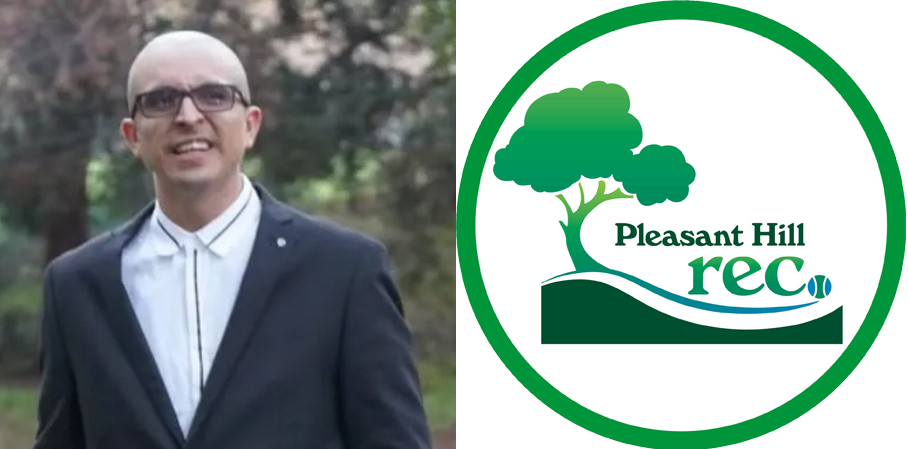
Santiago Jacobo was a facility maintenance employee for the Pleasant Hill Recreation and Park District. Photo source: GoFundMe.

“Santiago (Jacobo) was an all-around good guy and everyone on our team enjoyed working with him” – co-worker

By Jennifer Thoits, Marketing, Communications & Events Manager, City of Pleasant Hill

The Pleasant Hill Recreation and Park District (PHRPD) mourns the tragic homicide of Santiago Jacobo, 37, a PHRPD employee who was found deceased on Saturday morning at approximately 4:50 a.m., February 10, 2024, in the main parking lot of Pleasant Hill Park. The park was closed temporarily while police conducted their initial investigation and cleared the area and surrounding buildings. Pleasant Hill Park re-opened Saturday at midday. (See related article)

“We are shocked and deeply saddened by Santiago Jacobo’s death,” said PHRPD General Manager, Michelle Lacy. “PHRPD has been in existence for over 70 years and nothing like this has ever happened before. Our deepest condolences go out to his wife, two children and extended family.”

Jacobo began working for PHRPD in October 2019 and was a dedicated member of PHRPD’s facilities maintenance custodial crew who cleaned and kept the buildings in top shape for the community. Santiago worked weekend and evening shifts as a secondary job to support his family.

“Santiago was an all-around good guy and everyone on our team enjoyed working with him,” said PHRPD Lead Custodian and co-worker, Jose Martinez. “He was dependable, a hard worker and had a great “can-do” attitude. He will be missed.”

Michelle Lacy, General Manager made the announcement to staff early Monday morning and provided therapy and mental health resources for all employees to help cope with sudden loss and traumatic events. Lacy will also meet with staff to identify additional safety protocols that may be necessary to mitigate future risk.

“Our number one priority is the health, safety and well-being of our staff and the public”, said Michelle Lacy. PHRPD is working closely with the Pleasant Hill Police Department on this active homicide investigation. The suspect in this case is currently unknown. If anyone has any information related to this case, please contact the Pleasant Hill Police Department at (925) 288-4630.

A GoFundMe page has been set up by Jacobo’s sister-in-law to support his wife, Mikaela and their two children.

Allen D. Payton contributed to this report.

Filed Under: Central County, Crime, News, People

The history of Black History Month and 2024 theme: African Americans and the Arts

February 5, 2024 By Publisher Leave a Comment

ASALH – The Founders of Black History Month

From Association for the Study of African American Life and History (ASALH)

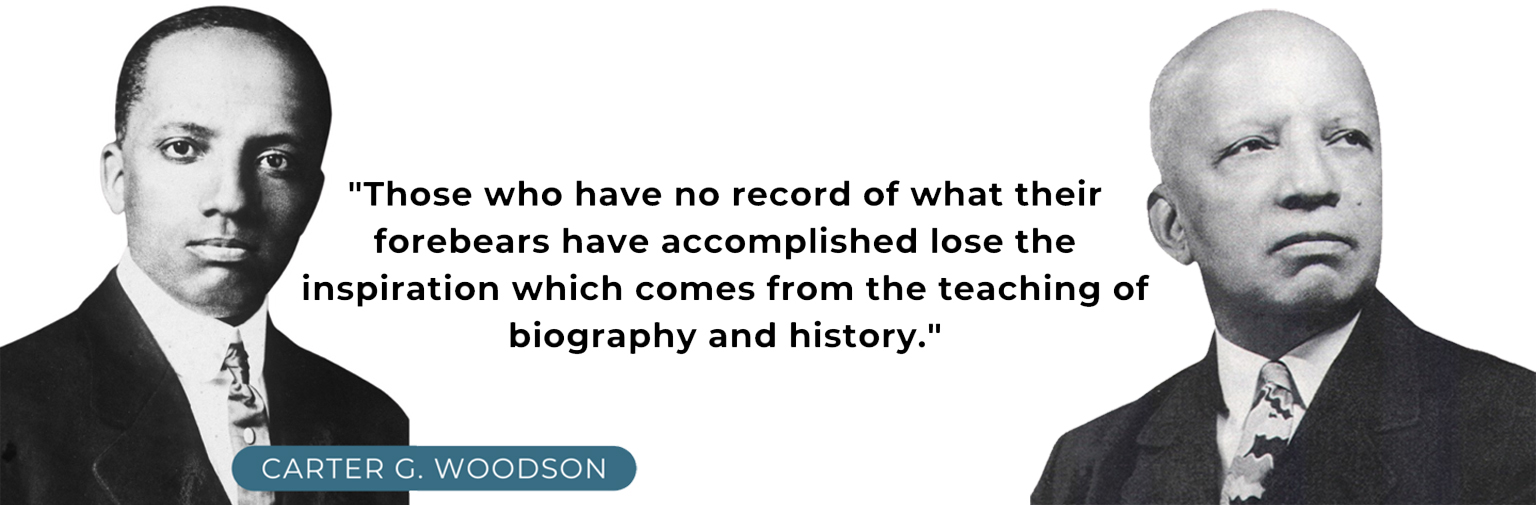
The story of Black History Month begins in Chicago during the summer of 1915. An alumnus of the University of Chicago with many friends in the city, Carter G. Woodson traveled from Washington, D.C. to participate in a national celebration of the fiftieth anniversary of emancipation sponsored by the state of Illinois. Thousands of African Americans travelled from across the country to see exhibits highlighting the progress their people had made since the destruction of slavery. Awarded a doctorate in Harvard three years earlier, Woodson joined the other exhibitors with a black history display.

Despite being held at the Coliseum, the site of the 1912 Republican convention, an overflow crowd of six to twelve thousand waited outside for their turn to view the exhibits. Inspired by the three-week celebration, Woodson decided to form an organization to promote the scientific study of black life and history before leaving town. On September 9th, Woodson met at the Wabash YMCA with A. L. Jackson and three others and formed the Association for the Study of Negro Life and History (ASNLH).

When Woodson established Negro History week in 1926, he realized the importance of providing a theme to focus the attention of the public. The intention has never been to dictate or limit the exploration of the Black experience, but to bring to the public’s attention important developments that merit emphasis.

He hoped that others would popularize the findings that he and other black intellectuals would publish in The Journal of Negro History, which he established in 1916. As early as 1920, Woodson urged black civic organizations to promote the achievements that researchers were uncovering. A graduate member of Omega Psi Phi, he urged his fraternity brothers to take up the work. In 1924, they responded with the creation of Negro History and Literature Week, which they renamed Negro Achievement Week. Their outreach was significant, but Woodson desired greater impact. As he told an audience of Hampton Institute students, “We are going back to that beautiful history, and it is going to inspire us to greater achievements.” In 1925, he decided that the Association had to shoulder the responsibility. Going forward it would both create and popularize knowledge about the black past. He sent out a press release announcing Negro History Week in February 1926.

Woodson chose February for reasons of tradition and reform. It is commonly said that Woodson selected February to encompass the birthdays of two great Americans who played a prominent role in shaping black history, namely Abraham Lincoln and Frederick Douglass, whose birthdays are the 12th and the 14th, respectively. More importantly, he chose them for reasons of tradition. Since Lincoln’s assassination in 1865, the black community, along with other Republicans, had been celebrating the fallen President’s birthday. And since the late 1890s, black communities across the country had been celebrating Douglass’. Well aware of the pre-existing celebrations, Woodson built Negro History Week around traditional days of commemorating the black past. He was asking the public to extend their study of black history, not to create a new tradition. In doing so, he increased his chances for success.

Yet Woodson was up to something more than building on tradition. Without saying so, he aimed to reform it from the study of two great men to a great race. Though he admired both men, Woodson had never been fond of the celebrations held in their honor. He railed against the “ignorant spellbinders” who addressed large, convivial gatherings and displayed their lack of knowledge about the men and their contributions to history. More importantly, Woodson believed that history was made by the people, not simply or primarily by great men. He envisioned the study and celebration of the Negro as a race, not simply as the producers of a great man. And Lincoln, however great, had not freed the slaves—the Union Army, including hundreds of thousands of black soldiers and sailors, had done that. Rather than focusing on two men, the black community, he believed, should focus on the countless black men and women who had contributed to the advance of human civilization.

From the beginning, Woodson was overwhelmed by the response to his call. Negro History Week appeared across the country in schools and before the public. The 1920s was the decade of the New Negro, a name given to the Post-War I generation because of its rising racial pride and consciousness. Urbanization and industrialization had brought over a million African Americans from the rural South into big cities of the nation. The expanding black middle class became participants in and consumers of black literature and culture. Black history clubs sprang up, teachers demanded materials to instruct their pupils, and progressive whites stepped and endorsed the efforts.

Woodson and the Association scrambled to meet the demand. They set a theme for the annual celebration, and provided study materials—pictures, lessons for teachers, plays for historical performances, and posters of important dates and people. Provisioned with a steady flow of knowledge, high schools in progressive communities formed Negro History Clubs. To serve the desire of history buffs to participate in the re-education of black folks and the nation, ASNLH formed branches that stretched from coast to coast. In 1937, at the urging of Mary McLeod Bethune, Woodson established the Negro History Bulletin, which focused on the annual theme. As black populations grew, mayors issued Negro History Week proclamations, and in cities like Syracuse progressive whites joined Negro History Week with National Brotherhood Week.

Like most ideas that resonate with the spirit of the times, Negro History Week proved to be more dynamic than Woodson or the Association could control. By the 1930s, Woodson complained about the intellectual charlatans, black and white, popping up everywhere seeking to take advantage of the public interest in black history. He warned teachers not to invite speakers who had less knowledge than the students themselves. Increasingly publishing houses that had previously ignored black topics and authors rushed to put books on the market and in the schools. Instant experts appeared everywhere, and non-scholarly works appeared from “mushroom presses.” In America, nothing popular escapes either commercialization or eventual trivialization, and so Woodson, the constant reformer, had his hands full in promoting celebrations worthy of the people who had made the history.

Source: ASALH

Well before his death in 1950, Woodson believed that the weekly celebrations—not the study or celebration of black history–would eventually come to an end. In fact, Woodson never viewed black history as a one-week affair. He pressed for schools to use Negro History Week to demonstrate what students learned all year. In the same vein, he established a black studies extension program to reach adults throughout the year. It was in this sense that blacks would learn of their past on a daily basis that he looked forward to the time when an annual celebration would no longer be necessary. Generations before Morgan Freeman and other advocates of all-year commemorations, Woodson believed that black history was too important to America and the world to be crammed into a limited time frame. He spoke of a shift from Negro History Week to Negro History Year.

In the 1940s, efforts began slowly within the black community to expand the study of black history in the schools and black history celebrations before the public. In the South, black teachers often taught Negro History as a supplement to United States history. One early beneficiary of the movement reported that his teacher would hide Woodson’s textbook beneath his desk to avoid drawing the wrath of the principal. During the Civil Rights Movement in the South, the Freedom Schools incorporated black history into the curriculum to advance social change. The Negro History movement was an intellectual insurgency that was part of every larger effort to transform race relations.

The 1960s had a dramatic effect on the study and celebration of black history. Before the decade was over, Negro History Week would be well on its way to becoming Black History Month. The shift to a month-long celebration began even before Dr. Woodson death. As early as 1940s, blacks in West Virginia, a state where Woodson often spoke, began to celebrate February as Negro History Month. In Chicago, a now forgotten cultural activist, Fredrick H. Hammaurabi, started celebrating Negro History Month in the mid-1960s. Having taken an African name in the 1930s, Hammaurabi used his cultural center, the House of Knowledge, to fuse African consciousness with the study of the black past. By the late 1960s, as young blacks on college campuses became increasingly conscious of links with Africa, Black History Month replaced Negro History Week at a quickening pace. Within the Association, younger intellectuals, part of the awakening, prodded Woodson’s organization to change with the times. They succeeded. In 1976, fifty years after the first celebration, the Association used its influence to institutionalize the shifts from a week to a month and from Negro history to black history. Since the mid-1970s, every American president, Democrat and Republican, has issued proclamations endorsing the Association’s annual theme.

What Carter G. Woodson would say about the continued celebrations is unknown, but he would smile on all honest efforts to make black history a field of serious study and provide the public with thoughtful celebrations.

Daryl Michael Scott, ASALH Former National President

Read more about the origins of Black History Month.

Learn about and watch the 2024 Black History Month Virtual Festival – ASALH.

Annual Themes

For those interested in the study of identity and ideology, an exploration of ASALH’s Black History themes is itself instructive. Over the years, the themes reflect changes in how people of African descent in the United States have viewed themselves, the influence of social movements on racial ideologies, and the aspirations of the Black community.

The changes notwithstanding, the list reveals an overarching continuity in ASALH – our dedication to exploring historical issues of importance to people of African descent and race relations in America.

2024 Theme

African American art is infused with African, Caribbean, and the Black American lived experiences. In the fields of visual and performing arts, literature, fashion, folklore, language, film, music, architecture, culinary and other forms of cultural expression, the African American influence has been paramount. African American artists have used art to preserve history and community memory as well as for empowerment. Artistic and cultural movements such as the New Negro, Black Arts, Black Renaissance, hip-hop and Afrofuturism, have been led by people of African descent and set the standard for popular trends around the world. In 2024, we examine the varied history and life of African American arts and artisans.

For centuries Western intellectuals denied or minimized the contributions of people of African descent to the arts as well as history, even as their artistry in many genres was mimicked and/or stolen. However, we can still see the unbroken chain of Black art production from antiquity to the present, from Egypt across Africa, from Europe to the New World. Prior to the American Revolution, enslaved Africans of the Lowcountry began their more than a 300-year tradition of making sweetgrass baskets, revealing their visual artistry via craft.

The suffering of those in bondage gave birth to the spirituals, the nation’s first contribution to music. Blues musicians such as Robert Johnson, McKinley ‘Muddy Waters’ Morganfield and Riley “BB” B. King created and nurtured a style of music that became the bedrock for gospel, soul, and other still popular (and evolving) forms of music. Black contributions to literature include works by poets like Phillis Wheatley, essays, autobiographies, and novels by writers such as David Walker and Maria Stewart. Black aesthetics have also been manifested through sculptors like Edmonia Lewis and painters like Henry O. Tanner.

In the 1920s and 30s, the rise of the Black Renaissance and New Negro Movement brought the Black Arts to an international stage. Members of the armed forces, such as James Reese Europe, and artists such as Langston Hughes, Josephine Baker and Lois Mailou Jones brought Black culture and Black American aesthetics internationally, and Black culture began its ascent to becoming a dominant cultural movement to the world. In addition to the Harlem Renaissance, today we recognize that cities like Los Angeles, Chicago, and New Orleans also were home to many Black artists.

The 1960s continued this thread through the cultural evolution known as the Black Arts Movement, where artists covered issues such as pride in one’s heritage and established art galleries and museum exhibitions to show their own work, as well as publications such as Black Art. This period brought us artists such as Alvin Ailey, Judith Jamison, Amiri Baraka, Nikki Giovanni and Sonia Sanchez. The movement would not have been as impactful without the influences from the broader Black world, especially the Negritude movement and the writings of Frantz Fanon.

In 1973, in the Bronx, New York Black musicians (i.e. DJ Kool Herc and Coke La Rock) started a new genre of music called hip-hop, which comprises five foundational elements (DJing, MCing, Graffiti, Break Dancing and Beat Boxing). Hip-hop performers also used technological equipment such as turntables, synthesizers, drum machines, and samplers to make their songs. Since then, hip-hop has continued to be a pivotal force in political, social, and cultural spaces and was a medium where issues such as racial violence in the inner city, sexism, economic disinvestment and others took the forefront.

The term Afrofuturism was used approximately 30 years ago in an effort to define cultural and artistic productions (music, literature, visual arts, etc.) that imagine a future for Black people without oppressive systems and examines how Black history and knowledge intersects with technology and science. Afrofuturist elements can be found in the music of Sun Ra, Rashan Roland Kirk, Janelle Monáe and Jimi Hendrix. Other examples include sci-fi writer Octavia Butler’s novels, Marvel film Black Panther, and artists such as British-Liberian painter Lina Iris Viktor, Kenyan-born sculptor Wangechi Mutu, and Caribbean writers and artists such as Nalo Hopkinson, and Grace Jones.

In celebrating the entire history of African Americans and the arts, the Association for the Study of African American Life and History (ASALH) puts into the national spotlight the richness of the past and present with an eye towards what the rest of the twenty-first century will bring. ASALH dedicates its 98th Annual Black History Theme to African Americans and the arts.

Filed Under: Arts & Entertainment, History, News, People

Supervisors honor Contra Costa Humanitarians of the Year

January 19, 2024 By Publisher Leave a Comment

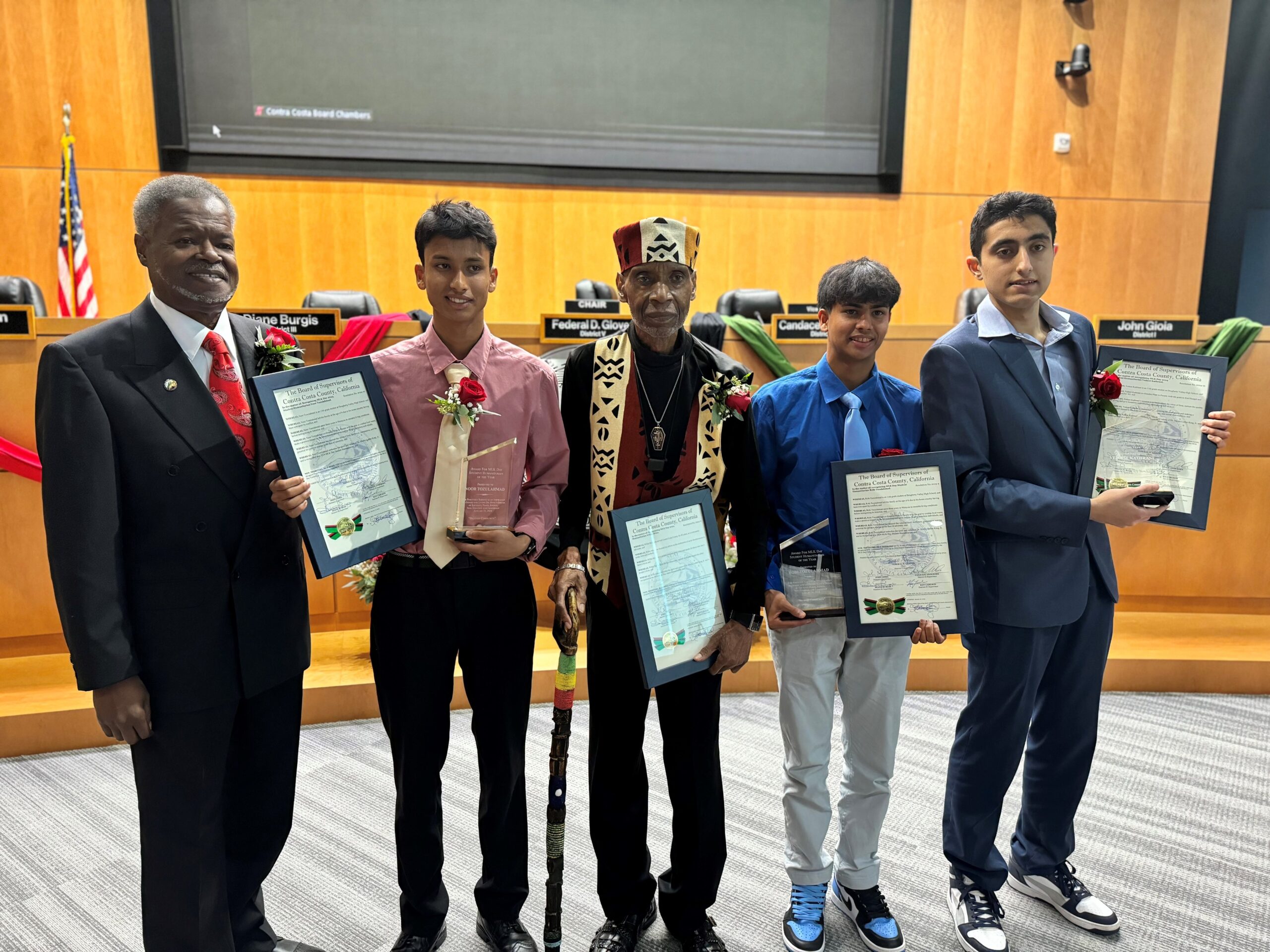
Contra Costa Board of Supervisors Chair Federal Glover with Humanitarians of the Year Willie Mims, Vedant Kathrani, Robi ToZulAhmad and Noor ToZulAhmad. Photo by Office of Congressman Mark DeSaulnier.

Willie Mims of Pittsburg and three Dougherty Valley High students recognized during annual Martin Luther King, Jr. ceremony

By Allen D. Payton

During their 46th Annual Rev. Dr. Martin Luther King, Jr. themed “Beloved Community” ceremony on Tuesday, Jan. 16, 2024, the Contra Costa County Board of Supervisors honored Humanitarian of the Year, Willie Mims for his tireless commitment and Student Humanitarians of the Year, Vedant Kathrani, Robi ToZulAhmad, and Noor ToZulAhmad for improving the lives of Contra Costa County residents and all for reflecting the spirit of Dr. Martin Luther King, Jr.

Mims has been a community activist since 1963 and helped found the East County NAACP and Pittsburg’s Black Political Association. He has been a constant presence in the community and in public meetings, where he has always been ready to weigh in with his perspective. A retired teacher, Mims has been an advocate for quality education, especially, making sure students know history, particularly the history of the African-American experience. See video of and about Mims.

The three honored students were recognized for founding PlatetoPeople, a non-profit committed to ending hunger, preventing food waste and positively impact the environment. They partnered with White Pony Express and RecycleSmart to distribute meals. See video of the three students.

“Our students are remarkable young people who do remarkable things,” said San Ramon Valley Unified School District Superintendent Dr. John Malloy. “These three students have followed a path of exemplary service to their community, and we are so proud.”

Noor and Robi Tozulah are brothers from Rohingya, Myanmar, and Dougherty Valley High School students. Hunger is personal for the Tozulahmad brothers; they were born and Myanmar and had to live parts of their childhood begging on the streets in Malaysia to get their next meal.

At six years old, the brothers took a harrowing 11-day boat journey to Malaysia, where they faced moments when they feared their fate. In 2016, the Tozul Ahmad brothers arrived in America and gained a deeper understanding of global issues, with one problem standing out prominently – food waste and its environmental impact.

Vedant Kathrani, a Dougherty Valley High School junior, is an aspiring computational environmentalist committed to community improvement through STEM, innovation, and environmental sustainability. He has been acknowledged locally and globally for his academic achievements and community service, and he is also a Global Youth Ambassador for the Gates Foundation. When he discovered that food from restaurants often went to waste at the end of the day rather than being given to those in need, he joined forces with Robi and Noor to make a difference.

PlateToPeople collects food from restaurants, schools, and other businesses to provide food for the homeless. Their mission is to fight hunger and provide food for those in need in their community and beyond. The organization believes that everyone deserves access to healthy and nutritious food.

“Through our journey from Rohingya to America, I’ve learned the value of food, resilience, compassion, and the potential for positive change in the face of adversity,” said Noor Tozul Ahmad, Co-Founder of PlateToPeople.

“Our initiative involves saving surplus food and serving it to the homeless, one plate at a time,” shared Robi Tozul Ahmad, Co-Founder of PlateToPeople.

Learn more about PlateToPeople at https://platetopeople.org/. 

Ilana Israel Samuels, Director of Communications, Family and Community Engagement, SRVUSD contributed to this report.

Filed Under: Honors & Awards, News, People, Supervisors

Richmond man sworn in as new CHP Officer

January 10, 2024 By Publisher Leave a Comment

DeAnza High grad, Carlos Ibarra will work in Marin Area office

New Officer Carlos Ibarra. Photo courtesy of the CHP

By CHP Media Relations

WEST SACRAMENTO, Calif. – Carlos Ibarra of Richmond, Calif., has successfully completed cadet training at the California Highway Patrol (CHP) Academy. He is assigned to duty at the CHP’s Marin Area office.

Officer Ibarra graduated from De Anza High School in 2017.  He also attended the University of California, Merced earning a bachelor’s degree in political science. Prior to attending the CHP Academy, he worked as a field technician for Technical Safety Service in Berkeley, Calif.

At the CHP Academy, cadet training starts with nobility in policing, leadership, professionalism and ethics, and cultural diversity. Training also includes mental illness response and crisis intervention techniques. Cadet instruction covers patrol operations, crash investigation, first aid, and the arrest of suspected violators, including those who drive under the influence of alcohol or drugs. The cadets also receive training in traffic control, report writing, recovery of stolen vehicles, assisting the motoring public, issuing citations, emergency scene management, and knowledge of various codes including the Vehicle Code, Penal Code, and Health and Safety Code.

The mission of the California Highway Patrol is to provide the highest level of Safety, Service, and Security.

Filed Under: CHP, News, People, West County

New East Bay parks Police Chief, Assistant GM of Public Safety announced

January 6, 2024 By Publisher Leave a Comment

Salinas Police Chief Roberto Filice

By Dave Mason, Public Information Supervisor, East Bay Regional Parks District

Police Chief Roberto Filice. Source: EBRPD

After a nationwide search, the East Bay Regional Park District announces the appointment of Salinas Police Chief Roberto Filice as its new Assistant General Manager of Public Safety and Police Chief at the public agency. The East Bay Regional Park District’s mission is to preserve a rich heritage of natural and cultural resources and provide open space, parks, trails, safe and healthful recreation and environmental education. An environmental ethic guides the District in all of its activities. Chief Filice will be sworn in and begin in the role on January 22, 2024.

As the largest regional park district in the country, the park system spans Alameda and Contra Costa counties and serves an estimated 30 million visitors a year through park and trail access, visitor centers, and programs. Its workforce provides services that encompass 73 parks, 55 miles of shoreline, and over 1,300 miles of trails. With an expansive area and diverse lands, the Park District’s Public Safety Division comprises Police, Fire, and Lifeguard Services. The Police Department includes the Air Support Unit, Marine Patrol, Equestrian Patrols, Investigations Unit, and a 24-hour per day 9-1-1 Communications Center.

“We are pleased to welcome Chief Roberto Filice, a highly seasoned leader and law enforcement executive with over 25 years of dedicated public service, to the East Bay Regional Park District,” said Sabrina Landreth, General Manager at the East Bay Regional Park District. “We look forward to his leadership and strong sense of community service in this important role that prioritizes public safety, quality of life, and exceptional park experiences.”

“I am excited to be part of an organization that cares about engaging with the public and providing positive experiences in nature and recreational opportunities with safety in mind,” said Chief Roberto Filice. “With a community-focused and team-oriented approach, I am ready to build partnerships, mentor and support career development opportunities, collaborate to enhance our work, and commit to serving the public in my role at the East Bay Regional Park District.”

The Assistant General Manager of Public Safety and Police Chief position will further enhance the vital work of Fire, Police and Lifeguard Services, knowing that public safety and quality of life are both personal and shared responsibilities for all community members.

With decades of experience, Chief Filice has served as the Chief of the Salinas Police Department since 2021, following his tenure there as Assistant Chief for four years. During his distinguished tenure, his strategic vision, in alignment with the principles of 21st Century Policing, was centered on crime reduction, fostering new opportunities for officer career development, enhancing organizational efficiency through technological advancements, and a steadfast commitment to refining and cultivating community relationships.

Chief Filice’s academic achievements include the successful completion of the FBI National Academy (Session 255), Senior Management Institute in Policing (SMIP), FBI Law Enforcement Executive Development Seminar (LEEDS), Peace Officers Standards and Training Executive Certificate, a Master of Business Administration in Public Administration, and Master of Science degrees in Criminal Justice Administration from Columbia Southern University. Additionally, Chief Filice holds a Bachelor of Science degree in Criminal Justice from Mountain State University and is currently attending the prestigious Executive Leaders Program at the Naval Postgraduate School in Monterey.

Chief Filice actively participates in various professional associations, reflecting his commitment to ongoing learning and collaboration. He is a member of the International Association of Chiefs of Police (IACP), the Police Executive Research Forum (PERF), Salinas Faith-Based Organizations, California Police Chiefs Association, FBI National Academy Associates, serves as the Central California Representative on the CalChiefs Board of Directors, and is a Board Member of the Marina Police Activities League.

The East Bay Regional Park District is the largest regional park system in the nation, comprising 73 parks, 55 miles of shoreline, and over 1,300 miles of trails for hiking, biking, horseback riding, and environmental education. The Park District receives an estimated 30 million visits annually throughout Alameda and Contra Costa counties in the San Francisco Bay Area.


Filed Under: East Bay, News, Parks, People, Police

MTC’s Chief Deputy Executive Director appointed to state Transit Transformation Task Force

December 29, 2023 By Publisher Leave a Comment

MTC Chief Deputy Executive Director Alix Bockelman. Photo source: MTC. Credit: Karl Nielsen

Will join Tri Delta Transit’s Executive Director to grow ridership, improve experience

California State Transportation Agency (CalSTA) Transportation Secretary Toks Omishakin last week appointed Metropolitan Transportation Commission’s Chief Deputy Executive Director Alix Bockelman to the state’s Transit Transformation Task Force, which will be charged with developing policy recommendations to grow transit ridership, improve the transit experience for riders and address long-term operational funding needs throughout California.

The 25-member task force represents state government, local agencies, academic institutions and advocacy organizations. Bockelman will be joined by other Bay Area representatives, including the executive directors of Eastern Contra Costa Transit Authority (ECCTA/Tri Delta Transit), Napa Valley Transportation (NVTA/Vine Transit), the San Francisco Bay Area Rapid Transit District (BART) and the San Francisco Bay Water Emergency Transportation Authority (WETA/SF Bay Ferry), as well as policy directors from Seamless Bay Area, SPUR and the Bay Area Council. Review the complete roster of task force appointees in the CalSTA news release.

Established by Senate Bill 125 and signed by Governor Gavin Newsom in the transit recovery package as part of the 2023-24 state budget, the task force will kick off with a virtual meeting on Dec. 19 and then will meet in person every two months beginning in Feb. 2024. Agendas, meeting materials and other task force information will be available on the CalSTA website’s Senate Bill 125 Transit Program page.

CalSTA will prepare a report of findings and policy recommendations based on the task force’s efforts and submit it to the Legislature by October 2025.

Filed Under: News, People, State of California, Transportation

Kensington Police announce passing of former Sergeant, Interim Chief Ricky Hull

December 26, 2023 By Publisher Leave a Comment

Former Kensington Police Sergeant and Interim Chief Ricky Hull. Source: Kensington PD

Services in Fairfield, Dixon Jan. 3, 2024

By Mike Gancasz, Chief of Police, Kensington

It is with deep regret and sadness that I inform you of the passing of former Kensington Police Sergeant Ricky Hull who passed away at his home in Fairfield this week.

Ricky Hull, a Fairfield native, joined the Kensington Police Force in October 1997 and served with dedication until his retirement in December 2020. Throughout his career, Ricky rose through the ranks, from Officer to Master Sergeant to Interim Chief.

His contributions to the Kensington Police Department were significant, and he will be remembered for his commitment to public service.

Ricky grew up in Fairfield and had an extended family in Richmond and West Oakland. His journey in law enforcement began in the city of Concord, where he initially worked as a civilian jailer. He attended the police academy in Pittsburg and eventually found a home in Kensington.

This news comes as a shock to all of us, and we extend our deepest condolences to Ricky’s family and loved ones during this difficult time. We will keep you informed about any memorial arrangements or services.

Please join us in remembering Ricky Hull and the positive impact he had on our community.

Flowers and cards can be sent to:

C. Hull

561 E. Tennessee Street

Fairfield, CA 94533

Sincerely,
M. Gancasz
Chief of Police 

— feeling sad.

The Hull family requested donations in honor of Ricky can be sent to the Mount Calvary Baptist Church Scholarship Fund c/o Vallie Jean Hull. Flowers should be substituted for potted plants due to allergies.

The service information is:

Service: January 3, 2024, 10:00 AM, Mount Calvary Baptist Church, 1735 Enterprise Drive, Bldg #3, Fairfield.

Viewing: 9 o’clock to 9:50 AM

Internment immediately following service: Sacramento Valley National Cemetery, 5810 Midway Road, Dixon.

The family thanks the community for all the love and support they have provided.


Filed Under: In Memoriam/Obituaries, People, Police, West County

  • « Previous Page
  • 1
  • 2
  • 3
  • 4
  • 5
  • 6
  • …
  • 14
  • Next Page »
Liberty-Tax-Jan-Apr-2026
Deer-Valley-Chiro-06-22

Copyright © 2026 · Contra Costa Herald · Site by Clifton Creative Web