• Home
  • About The Herald
  • Local Agencies
  • Daily Email Update
  • Legal Notices
  • Classified Ads

Contra Costa Herald

News Of By and For The People of Contra Costa County, California

  • Arts & Entertainment
  • Business
  • Community
  • Crime
  • Dining
  • Education
  • Faith
  • Health
  • News
  • Politics & Elections
  • Real Estate

California feeds kids at school. What happens on the weekend?

October 3, 2026 By Publisher Leave a Comment

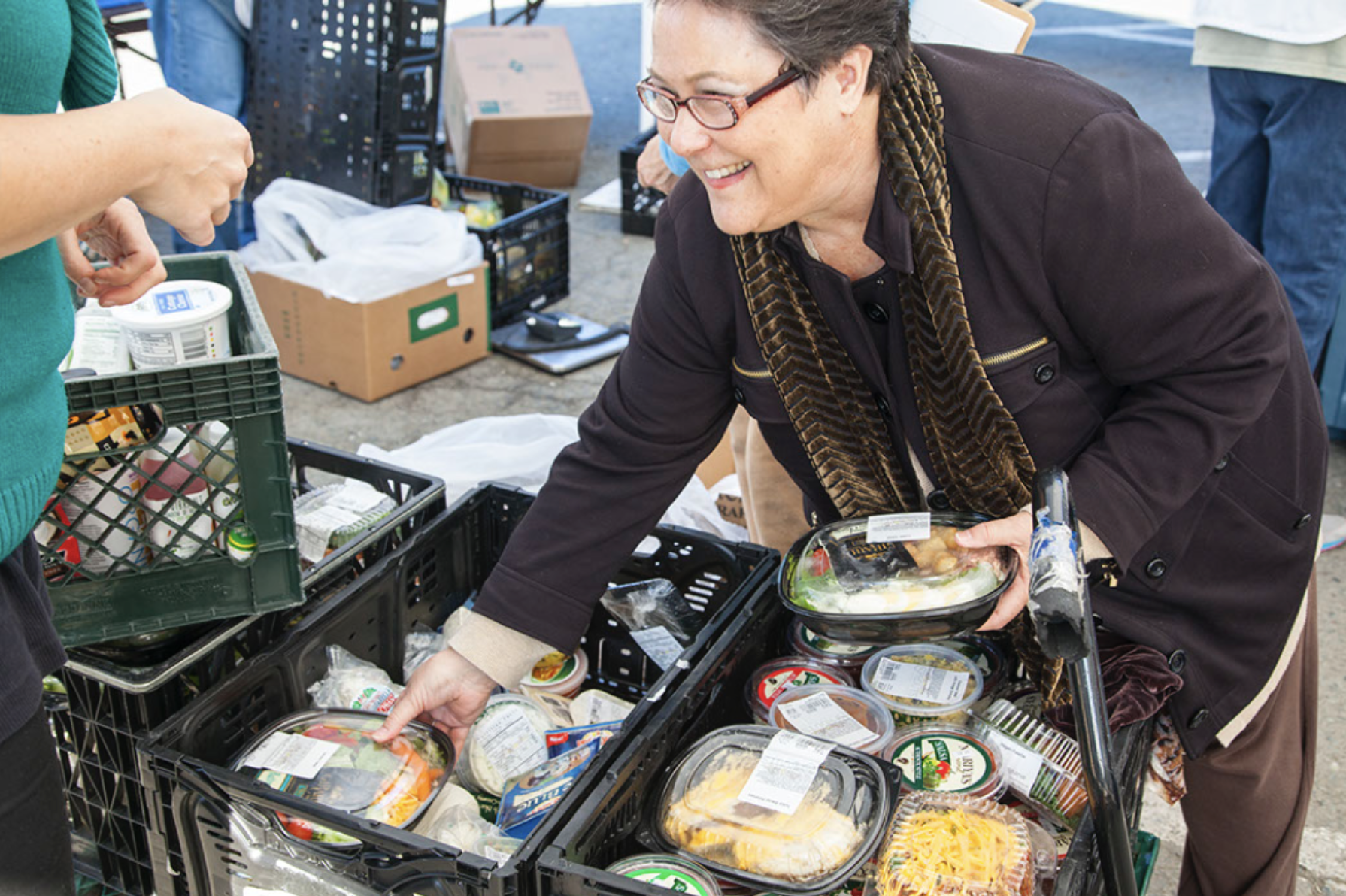
Rescued produce sorted at White Pony Express before delivery to community partners in Contra Costa County. Source: WPE

Guest Commentary

By Tyler McCarthy, Outreach Associate, White Pony Express

On Friday afternoon, for a student who eats breakfast and lunch at school, the dismissal bell does more than end the school day. It starts a 68-hour clock. The last dependable school meal of the week has just been served. The next one won’t arrive until Monday morning.

We hear from our school partners what those hours can mean. As one parent liaison put it: “My thinking was that if I can give them a meal for Saturday, then they only have to get through Sunday. That lessens the need.”

California has done something remarkable. In 2022–23, it became the first state in the nation to guarantee every public school student access to free breakfast and lunch, regardless of family income. Nearly 3.5 billion school meals have been served since the program began.

It works. And at a time when changes to federal nutrition programs are putting additional pressure on some California families, it’s an achievement we must protect.

But hunger doesn’t follow a school calendar.

California’s universal meals program feeds children during the school day. Children still need to eat Friday night, Saturday, Sunday, holidays and school breaks. California has also embraced summer grocery benefits for eligible families, another important piece of the solution. But summer assistance does not solve the gap that arrives every week between Friday afternoon and Monday morning.

For a family already choosing between rent, utilities, transportation, and groceries, those aren’t simply gaps in a schedule. They can be the days the refrigerator runs empty. That’s where White Pony Express makes an enormous difference.

Every day, White Pony Express drivers collect surplus food from grocers, farms, wholesalers, and restaurants – high-quality food that is perfectly good but has nowhere to go. We sort it for quality the same day and deliver it, free of charge, to neighbors throughout Contra Costa County. Of the 135,000 people White Pony Express serves each year, nearly one-third – about 40,300 – are children.
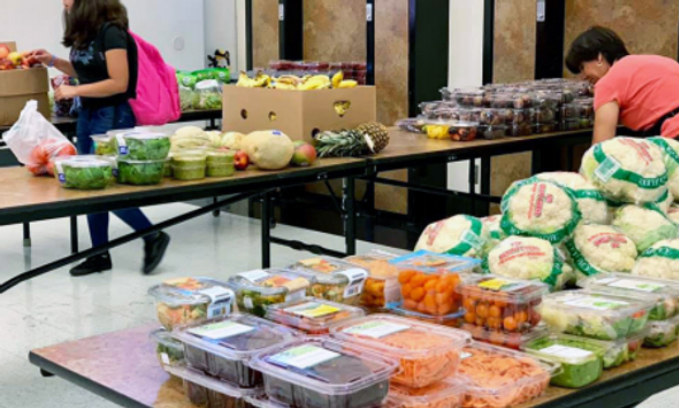
Photo: WPE

Our School Pantry Program brings fresh groceries directly into 23 school communities where 80 percent or more of students qualify for free or reduced-price meals. Families shop at no cost, with no forms and no questions asked.

One pantry coordinator remembers a young mother raising three children alone after losing her husband. She came to the pantry for groceries, including peanut butter and chicken.

“She doesn’t have money to buy much,” the coordinator told us, “but she told me it’s a blessing to have White Pony Express helping us.”

Since the School Pantry Program began in 2015, White Pony Express has delivered more than three million pounds of food to school communities – the equivalent of roughly 2.5 million meals.

The model works because it connects two resources that already exist: good food that would otherwise go unused and trusted neighborhood schools where families already gather.

It also demonstrates something larger. Public programs and community organizations do not have to compete with one another. They can complete one another.
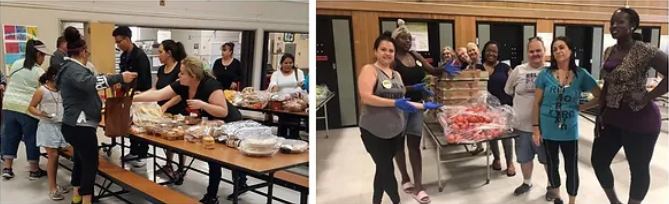
Photos: WPE

California has shown what is possible when we make a public commitment to feed children at school and then build a system capable of doing it at an extraordinary scale. Now we need to look just as honestly at the hours the school cafeteria cannot cover.

More than two million California children still lack reliable access to healthy food. For them, the problem doesn’t begin Monday morning. It begins Friday afternoon, when the bell rings. And that is a gap communities like ours can – and must – close.

To volunteer, donate food, or support the School Pantry Program, visit whiteponyexpress.org.

Filed Under: Children & Families, Education, Food, News, Non-Profits, Opinion

White Pony Express named Regional Finalist for Chick-fil-A True Inspiration Awards®; public voting ends Sept. 30

September 24, 2026 By Publisher Leave a Comment

Eve Birge, CEO of White Pony Express with the Chick-fil-A Moo Cow. Photo: WPE

Help county food recovery organization earn up to $200,000 grant

By Trish Heaney, Communication & Marketing Manager for White Pony Express

Concord, Calif. – White Pony Express (WPE), the food recovery organization serving Contra Costa County, has been named a Western Region finalist for the Chick-fil-A True Inspiration Awards®, with the opportunity to earn up to $200,000 in grant funding to help end hunger in our community. White Pony Express was nominated by the Owner-Operator of Chick-fil-A Walnut Creek at North Main and Chick-fil-A The Willows.

White Pony Express is already a Shared Table® partner with both restaurants, regularly receiving donated surplus food to help prepare meals for neighbors facing hunger — a partnership that made this nomination a natural fit.

The award is decided by public vote. Chick-fil-A One® App users can cast their vote for White Pony Express in the Western Region now through September 30. To vote:

  • Sign in to your Chick-fil-A One® account (or create one) in the Chick-fil-A App
  • Select “For You” at the bottom of the screen and look for the True Inspiration Awards card
  • Tap “Vote Now”
  • Select Western Region
  • Cast your vote for White Pony Express
  • Bring proof of your vote to the Chick-fil-A Walnut Creek at North Main or The Willows for a free medium fries.

“Every vote is a chance to put more good food into motion and deliver it with love to neighbors who need it,” said Eve Birge, CEO of White Pony Express. “This award would help us say yes to more than 70 organizations that are in line for our services. It would mean more children, families, and seniors sharing in our community’s abundance.”

White Pony Express currently provides the equivalent of 13,000 fresh, healthy meals each day—free of charge—to more than 140 schools, shelters, senior centers, and community organizations across Contra Costa County. With more than 70 organizations waiting for service, the award would help WPE recover more good food, reach more neighbors, and respond to a level of need that continues to outpace available resources.

The need is growing. Food insecurity among low-income adults has risen sharply across the Bay Area, including in Contra Costa County, according to the California Health Interview Survey. A win would help White Pony Express increase deliveries and reach some of the more than 70 nonprofit organizations on the waitlist. Community members are encouraged to vote and share the opportunity before voting closes on September 30.

How can I vote for the Chick-fil-A True Inspiration Awards?

Vote in the Chick-fil-A True Inspiration Awards until Sept. 30

From September 1 through September 30, 2026, Chick-fil-A One® Members can place their vote for the True Inspiration Awards® within the Chick-fil-A® App. To help select the award winners, follow the instructions below:

  1. Sign in to your Chick-fil-A One® account (or create one) in the Chick-fil-A App.
  2. Select “For You” at the bottom of the screen.
  3. Click the “Vote Now” button.
  4. Select your geographical region.
  5. Read about this year’s regional finalists and cast your vote.

Please note, customers must use the Chick-fil-A App and a Chick-fil-A One Account to place a vote.

The 2027 True Inspiration Awards grant winners will be announced in early 2027. For more information, visit here.

About White Pony Express

Founded in 2013 by Dr. Carol Weyland Conner, White Pony Express is a volunteer-powered 501(c)(3) nonprofit built on a simple truth: hunger is not a scarcity problem; it is a distribution problem. Every day, WPE recovers fresh food and essential goods from local businesses and delivers them—free of charge—to more than 140 nonprofit partners. Its work is powered by a small staff and more than 2,000 volunteers, united by the idea that we are one human family, and love only gives its best. Fore more information visit https://whiteponyexpress.org.

About the Chick-fil-A True Inspiration Awards

The Chick-fil-A True Inspiration Awards were established in 2015 to honor the legacy of Chick-fil-A founder S. Truett Cathy. The program supports organizations dedicated to caring for people, caring through food, caring for communities, and caring for our planet. Grants range from $30,000 to $200,000.

Filed Under: Contests, Dining, Families, Finances, Food, News, Non-Profits

Cielo Supermarket chooses Pittsburg for their second location

September 23, 2026 By Publisher Leave a Comment

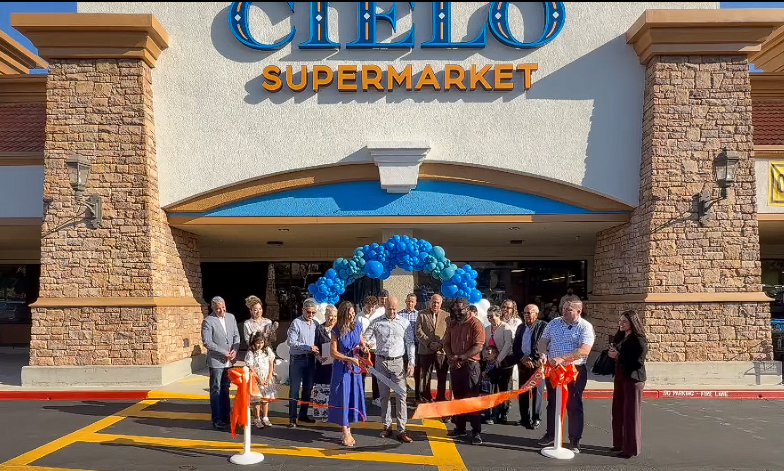
Owners Fabiola (with scissors) and Hector Gomez are joined by family, employees and representatives of the Pittsburg City Council and Chamber of Commerce to cut the ribbon and officially open their new store on Saturday, Sept. 19, 2026. Screenshot of Chamber video.

Family-owned grocer expands from Antioch

Will bring fresh food and new activity to a neighborhood shopping center that has lacked a supermarket for nearly seven years.

By Toni Baldazo, Community Engagement Officer, City of Pittsburg

PITTSBURG, CA – Cielo Supermarket opened its new Pittsburg location in the Highlands Square Shopping Center on Saturday, Sept. 19, 2026, with a public ribbon cutting event hosted by the Pittsburg Chamber of Commerce, returning a full-service grocery store to a site that has been vacant since 2019.

The family-owned supermarket occupies approximately 25,000 square feet of the former 58,000-square-foot anchor space, which was previously home to Raley’s and later Food Source. The new store will offer fresh produce, a full-service meat department, deli, bakery, juice bar, tortillería, and a taqueria with indoor seating.

“For several years, residents have consistently shared that they wanted a grocery store back in this neighborhood,” said Pittsburg Mayor Dionne Adams. “The City and property owner continued working to find the right fit, and we are pleased to welcome a family-owned business willing to invest in Pittsburg. Cielo’s opening will bring fresh food options, new activity and greater convenience to the community. This is a meaningful win for the neighborhood and our entire city.”

Food Source closed in 2019, leaving the large anchor space without a tenant. In the years that followed, the City and property owner Sierra Pacific Properties continued working to recruit another grocery operator. Community members added their voices through sustained advocacy, including a rally organized to show grocery chains the demand and support waiting for them in Pittsburg.

Those efforts gained momentum when discussions with Cielo began in 2024. In October 2025, the Pittsburg City Council unanimously approved a targeted $120,000 economic development incentive to help move the project forward. The package included a $77,500 building permit fee credit and a performance-based rebate equal to 50% of the City’s quarterly sales-tax receipts from the store, capped at $42,500.

Source: Cielo Supermarket

Cielo Supermarket is owned and operated by the Gomez-Ayala family, which has more than 30 years of experience serving Contra Costa County’s grocery customers. Hector and Fabiola Gomez founded Cielo in 2021, opening the company’s first location in Antioch that year. The Pittsburg store will be Cielo’s second location, and its flagship.

“We have heard from Pittsburg residents how much they have missed having a grocery store in this location, and our family is honored to be part of bringing it back,” said Fabiola Gomez, co-founder of Cielo Supermarket. “We are grateful for the welcome we have received from the community, the City and Sierra Pacific Properties. Our team can’t wait to open the doors, meet our new neighbors, and serve Pittsburg with fresh food, authentic flavors and the family atmosphere that defines Cielo.”

The opening of Cielo Supermarket will be the second full-service grocery store to open in Pittsburg in the past 14 months, following on the heels of Sprouts Farmer’s Market, which opened in June 2025.

See video of grand opening and ribbon cutting.

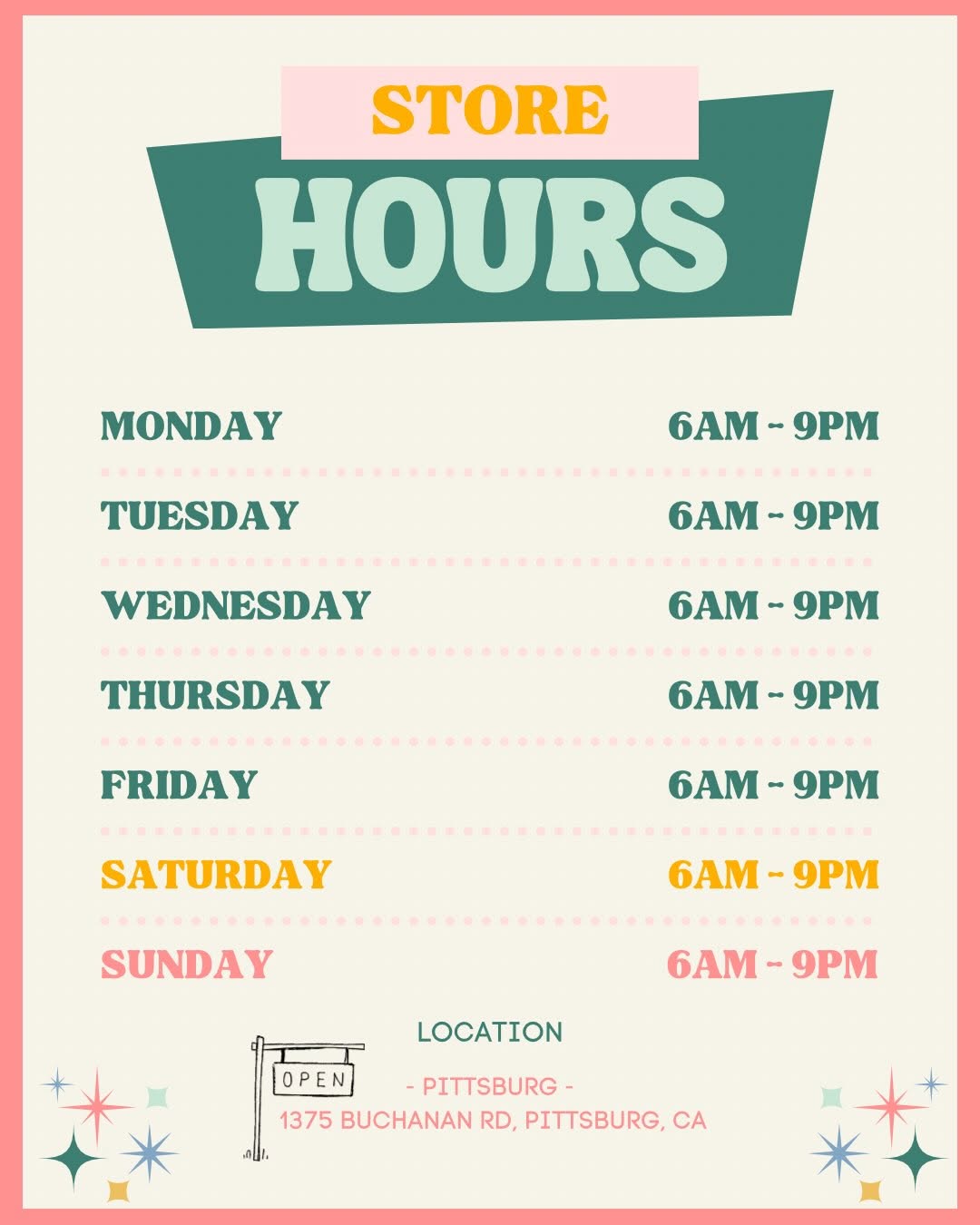
Cielo Supermarket’s Pittsburg location is open at 1375 Buchanan Road. Additional information about Cielo is available at www.cielosupermarket.com or visit www.facebook.com/cielosupermarket.


Filed Under: Business, East County, Food, News

2026 Delta Heritage Forum in Brentwood Nov. 5

September 16, 2026 By Publisher Leave a Comment

Theme: “Delta as Culinary Journey”

Presented by Delta Protection Commission

Sponsored by the Contra Costa County Historical Society

By Kira O’Donnell, National Heritage Area Information Officer, Delta Protection Commission – a California state agency

WEST SACRAMENTO, Calif. (September 16, 2026) – The California Delta’s culinary riches will be celebrated this fall.

On November 5, the annual Delta Heritage Forum presents “Delta as Culinary Journey,” a full-day event presenting a kaleidoscope of food-related cultural stories centered in the Sacramento-San Joaquin Delta, both historic and modern.

The Forum is an event dedicated to celebrating Delta stories, nurturing collaboration, and inspiring new thinking and initiatives in the Delta heritage community. This year the Forum is sponsored by the Contra Costa County Historical Society.

This will be the first time the event focuses on food-centric pioneering innovations and multicultural contributions, as well as the agricultural bounty of the region.

Darrell Corti, president of Corti Brothers in Sacramento, will deliver the opening talk: “Delta as Food Source and Inspiration.”

Other notable speakers include Austin Stevenot, a Northern Sierra Mewuk cultural practitioner who will discuss the foodways of the Original People who flourished in the Sacramento-San Joaquin Delta; and Dr. Karen Leonard of UC Irvine, who will present the history and food traditions of the Punjabi-Mexican community, a unique cultural fusion of early 20th-century immigrants in California’s Delta and Central Valley regions.

The Forum runs from 9 a.m. to 5 p.m. at the Brentwood Community Center. Participants will be well-fed – the event includes morning coffee and pastries, a full lunch and a vintage cake tasting.

Opening and Welcome: Diane Burgis, Chair, Delta Protection Commission

Delta as Food Source and Inspiration: Darrell Corti, President, Corti Brothers

Foodways of the Delta’s Original Inhabitants

Austin Stevenot is a Northern Sierra Mewuk cultural practitioner, enrolled member of the California Valley Miwok Tribe, and Director of Tribal Engagement for River Partners. He discusses the foodways of the Original People who flourished in the California Delta.

Rich Collins – California Endive, Rio Vista

A pioneer in Belgian-style endive production in the Delta, Rich Collins defied the skeptics who claimed this European vegetable couldn’t be successfully farmed in the United States.

Ken Beer – President and owner of The Fishery, Galt

In partnership with Dr. Serge Doroshov, known as the “father of sturgeon aquaculture,” Ken Beer pioneered commercial sturgeon and caviar production in the Delta region.

Family Farming in the Delta – Looking Back, Looking Forward

Steve Heringer is a fifth-generation Delta farmer. Since 1868, the Heringer family has grown pears, row crops such as corn, sugar beets, tomatoes, and more recently, wine grapes. Mr. Heringer speaks of the past, present and future of family farming in the Delta from a multi-generational perspective.

Roti Quesadilla? Punjabi-Mexican Culture in the Delta

  • Dr. Karen Leonard of UC Irvine discusses the historic Punjabi-Mexican American community, a unique cultural (and culinary) fusion of early 20th-century immigrants in California’s Delta and Central Valley regions.
  • Local culinary arts educator Nena Rasul describes the Punjabi/Mexican food traditions of her family.

Sweet Success + a Vintage Cake Tasting

Barbara Pagni Denton, author of the memoir/cookbook shares a vivid narrative of Crockett, a C&H Sugar company town, as it evolved in the 20th century.

  • A collection of vintage cakes, whose recipes are shared in Denton’s book, will be served.

The History of Locke’s Chinese Demonstration Garden

Stuart Walthall, Chair of the Locke Foundation, discusses the profound role the community garden played in the life of Locke’s Chinese residents. He describes the legacy town’s present-day demonstration garden, which showcases vegetables, fruits and herbs grown by the original Chinese residents of Locke.

Closing remarks: Elizabeth Patterson, Chair, National Heritage Area Advisory Committee

The full event schedule is here and the speaker bios are here.

Tickets are $55 (plus an Eventbrite fee) and are available here. Tickets cover all food costs and seating is limited.

For more information about the Delta Heritage Forum or the Sacramento-San Joaquin Delta National Heritage Area, contact Kira O’Donnell, NHA information officer, kira.odonnell@delta.ca.gov, (530) 650-6362.

Filed Under: Agriculture, East County, Food, News, The Delta

Weekly farmers market returns to Pittsburg Sept. 2

September 1, 2026 By Publisher Leave a Comment

By Toni Baldazo, Community Engagement Officer, City of Pittsburg

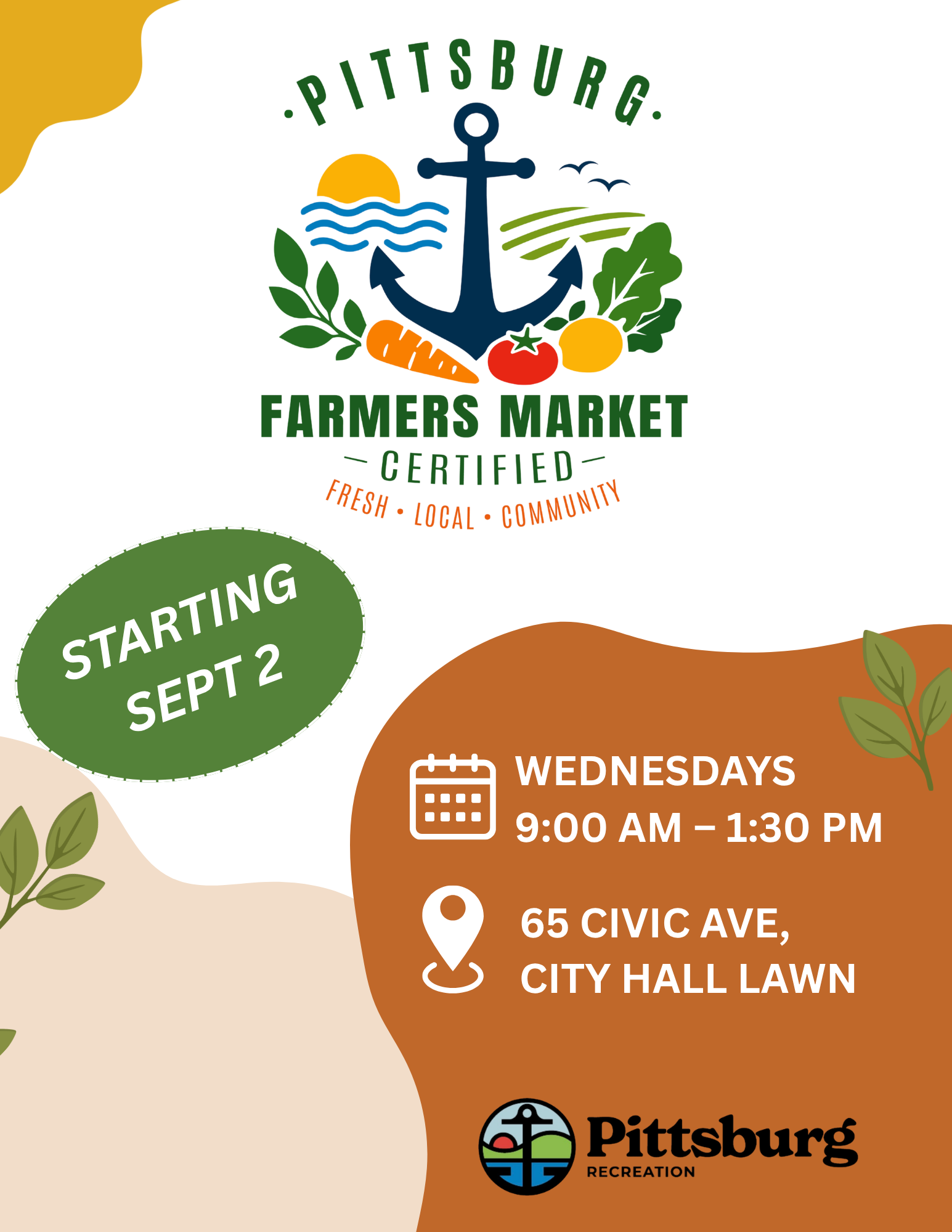
Big things are happening in Pittsburg, and we would love for you to join us tomorrow as we kick off our weekly Pittsburg Farmers’ Market at the City Hall Lawn, starting Wednesday, September 2 from 9:00 AM – 1:30 PM.

The market will feature more than 20 vendors offering fresh produce, prepared foods, baked goods, coffee, flowers, local products and more. It’s another exciting opportunity to showcase the growth, activity and community connections happening throughout Pittsburg.

Organized by Pacific Coast Farmers Market Association, rain or shine, all year long, we are so excited to bring back our local farmers, artisans and business owners to this Farmers Market.

City Hall Lawn is located at 65 Civic Avenue.

For any questions, please contact info@communityfarmersadvocate.org.

Allen D. Payton contributed to this report.

Filed Under: Agriculture, Business, East County, Food, News

The rules just changed for Californians 55 to 64 on food assistance

August 15, 2026 By Publisher 4 Comments

Photo: WPE

Able-bodied must now document 80 hours a month of work, job training or volunteering

By Tyler McCarthy, Outreach Associate and Eve Birge, CEO, White Pony Express

Until this June, if you were 55 to 64 and on CalFresh, you were exempt from the program’s strictest work rules. Not anymore.

Under the One Big Beautiful Bill Act, signed into law in July 2025, adults in that age range who are considered able-bodied and don’t have a child under 14 at home must now document 80 hours a month of work, job training or volunteering — or lose their food assistance after three months. California’s rules changed June 1.

Think about who that catches. Too young for Medicare. Too early for full Social Security without a permanent cut to the check. Often job-hunting in a market that stopped calling back the moment their resume showed 20 years of experience.

Learn about the new rules for other age groups, here.

Nationally, SNAP (Supplemental Nutrition Assistance Program) enrollment has dropped by four and a half million people since the law passed — about 11 percent. Fewer people getting help is not the same as fewer people needing it, and this is exactly the age group already reporting the most hardship. Food insecurity among adults 50 and older has been climbing for two decades, and it shows up later as worse health, poorer diets and a harder time managing chronic disease. Meanwhile, groceries cost around 30 percent more than they did before the pandemic. More than 4 in 10 older adults now say prices at the store have outrun their budget, according to AARP.

White Pony Express meets them where they already are. Nearly all its 144 partner agencies serve older adults; 18 serve seniors exclusively. Its drivers bring fresh produce, dairy and protein to senior housing and community centers, and set it out like a farmers’ market, not a handout, so people choose what they want and stay to visit, share recipes and build community.

The program coordinator at a food pantry in San Pablo explained it best: “We serve seniors who have a fixed income and use it to pay bills and rent. Food is something they have to find. They survive through this kind of service.”

Since 2013, White Pony Express (WPE) has done this at no cost to its nonprofit recipients and no cost to the people they feed. Help WPE reach more neighbors: volunteer or donate at whiteponyexpress.org.

White Pony Express is a food rescue nonprofit based in Concord, California.

Sources:

  1. Until this June, if you were 55 to 64 and on CalFresh, you were exempt from the program’s strictest work rules. Not anymore.
    1. “OBBBA raises the age limit for ABAWD work requirements, from 55 to 64.” (Think Global Health, 2026)
  2. Under the One Big Beautiful Bill Act, signed into law in July 2025, adults in that age range who are considered able-bodied and don’t have a child under 14 at home must now document 80 hours a month of work, job training or volunteering — or lose their food assistance after three months.
    1. “Under the One Big Beautiful Bill Act, more adults need to prove they work or volunteer for at least 80 hours a month to access food benefits. These work requirements now apply to veterans, homeless individuals, young adults aging out of foster care, parents with a child between 14 and 17, and people between 55 and 64.” (NPR, 2026)
    2. “People who have to meet the work or community engagement requirement must participate in qualifying activity for up to 20 hours per week, or 80 hours averaged monthly. Qualifying activities include:
  • Paid employment
  • Volunteer work or community service
  • Job training or work programs
  • Education
  • Workfare
  • Combination of any of the above.” (CDSS, 2026)
  1. California’s rules changed June 1.
    1. “Starting June 1, 2026, the federal government’s rules on CalFresh work and community engagement requirements are changing in California. This means that some CalFresh recipients between the ages of 18-64 will have to meet work and community engagement requirements to keep their CalFresh benefits.” (CDSS, 2026)
  2. Nationally, SNAP enrollment has dropped by four and a half million people since the law passed — about 11 percent.
    1. “We estimate that SNAP participation nationwide fell by more than 4.5 million people (11 percent) between the law’s July 2025 enactment and April 2026, based on the latest month of data from the U.S. Department of Agriculture (USDA) and data from the Georgia Department of Human Services provided in an open records request.” (CBPP, 2026)
  3. Food insecurity among adults 50 and older has been climbing for two decades, and it shows up later as worse health, poorer diets and a harder time managing chronic disease.
    1. “Food insecurity among older adults has risen over the past two decades, contributing to poorer diet quality, declining physical health, heightened risk of cognitive impairment, and more challenging chronic disease management.” (Think Global Health, 2026)
  4. Meanwhile, groceries cost around 30 percent more than they did before the pandemic.
    1. “The price of food purchased for home use rose 33% from 2019 through June 2026.” (AP News, 2026)
  5. More than 4 in 10 older adults now say prices at the store have outrun their budget, according to AARP.
    1. “In a December 2025 AARP survey, more than 4 in 10 adults ages 50-plus said grocery prices now cost more than they can afford, compared with one-third of adults under 50.” (AARP, 2026).

Filed Under: Food, Legislation, News, Seniors

A quick guide to cherry size – and why smaller numbers mean bigger fruit

May 26, 2026 By Publisher Leave a Comment

Red cherries. Photo by Olivia Watson. Source: The Fruit Guys

By Erin Mittelstaedt, The Fruit Guys

It’s Sunday morning, and I’m sitting on the hard cement steps that serve as bleachers for my nine-year-old son’s baseball game. As I pull my coat over my sweatshirt to protect myself from the windy, gray San Francisco weather, a dad on our baseball team turns and holds out a Tupperware container. “Want a cherry?” he asks.

He’s offering lovely, huge, dark-red cherries. “We picked them yesterday,” he shares, “I think we got like 60 pounds. We go out to Brentwood every year and have been going since I was a kid.” I take a cherry, thank him for sharing his haul, and admire the cherry’s size. It’s massive—at least an 8-row fruit!

How to Measure Cherry Size: A Quick Guide

Fruit nerd moment: When we talk about cherry sizes, we use rows as the metric. The term comes from the number of cherries that fit in a row across a standard box, which historically was about 10.5 inches wide. “10 1/2-row” cherries are roughly an inch in diameter. An 8-row fruit is about as big as a cherry gets. The smallest cherries we usually see are 12-row or 13-row. The smaller the number, the larger the cherry, because it takes fewer cherries to spread across the row. I’ve always thought that’s funny.

Of course, these days we don’t actually have to pack cherries into a box to learn how big they are. Farmers and fruit buyers (like our team at The FruitGuys) use handy sizing cards to figure out a cherry’s size, no box needed. The cards have holes cut into them for the common cherry sizes, so all you have to do is compare each hole to the size of the fruit.

Stone fruit galette. Photo: The Fruit Guys

Fruit Nerds, Unite!

As I enjoy my cherry and its health benefits, I overhear the dad sharing his fruit with another family. He tells them that this year, the pickings were slim due to late rains, and two years ago, it was much more bountiful. Then he shares that these are Coral cherries. Similar to the Bing cherry, the Coral is harvested earlier in the season. It has a little less acid and is very sweet. I can’t help smiling to myself over how excited he is to share this fruit (and his experience picking it) with our baseball families.

I love finding other fruit nerds. But more than that, I love noticing again and again how food connects people. I’d never really talked to this dad before, but that morning, we ended up swapping cherry-picking stories and debating what to do with so many cherries. (I think cherries are best eaten fresh or sweetened, preserved, and dangling in a Manhattan—but that’s just me.)

A Quick Update on Cherry Season

Cherry season is in full swing in Northern California, and many of our clients on the West Coast have already gotten fresh cherries in their fruit mix deliveries. The season will start a little later on the East Coast and in the Midwest. Sadly, some parts of the East Coast may have slim pickings due to that late-season frost I mentioned last week. You can learn more about these sweet little stone fruits in our writer Lex’s recent blog post about the difference between red and black cherries. And a warning if you do go cherry picking: Those buckets can fill up fast, so be prepared to share lots of cherries with friends.

Pick cherries in Eastern Contra Costa County during the U-Pick season. Learn more at Brentwood’s Harvest Time celebrates 50th anniversary.

Welcome to the Chief Banana newsletter—weekly letters from the desk of Erin Mittelstaedt, The FruitGuys’ CEO. Find more Chief Banana newsletters on our blog, and if you like what you read (or just want fun fruit facts and exclusive offers), sign up to get Chief Banana in your inbox every week.

Filed Under: Agriculture, East County, Food

Walgreens ordered to pay $6 million for business code violations including expired food, drugs

March 26, 2026 By Publisher Leave a Comment

By Ted Asregadoo, PIO, Contra Costa District Attorney’s Office

Martinez, California – Contra Costa District Attorney Diana Becton and other District Attorneys in the State of California reached a settlement with Walgreen Co. for $6,000,000 for violations related to expired baby food, drugs, and overcharging customers.

The civil case and settlement centered on the company violating state law by charging their customers more than the lowest price posted or advertised price. The allegations that the company was in violation of these laws were based on inspections of scanners. Moreover, the civil lawsuit led to a resolution that Walgreens failed to comply with laws that prohibit the selling or offering to sell over-the-counter drugs, infant formula, and baby food products beyond the expiration date.

The court ordered Walgreen Co. to pay $5.4 million in civil penalties and $600,000 to reimburse state district attorney offices for the cost of investigations, attorneys’ fees, and other costs associated with enforcement. Contra Costa County will receive $612,000 of the civil settlement and $10,000 to cover the costs.

Walgreen Co. will also implement a three-year program to promote pricing accuracy and the removal of expired products from its store shelves. This program requires store managers to conduct monthly checks of all aisles and shelves of medication, baby food, and formula, and remove any expired items. Managers must also conduct weekly store walks and remove signage displaying inaccurate sales tag information and post signs informing customers of Walgreens’ Price Promise Guarantee. The Price Promise Guarantee means that if a customer notices a scanned price is higher than the advertised price, the customer will be charged the lower price.

District Attorney Diana Becton said, “Customers should have confidence that companies that sell food and formula to infants and children are doing so by being scrupulous about the safety of the products in their stores. The same goes for medications that are sold beyond their expiration dates. The work of my office and those of other district attorney offices in the state shows that when we work together to enforce laws, we not only ensure compliance – we’re also restoring trust and safety in our communities.”

Case No. 1-13-CV-239110 | The People of the State of California v. Walgreen Co., an Illinois Corporation

Filed Under: Business, Crime, District Attorney, Drugs, Food, News

Grocery Outlet’s six stores in Contra Costa County not included in list of 36 closing so far

March 7, 2026 By Publisher Leave a Comment

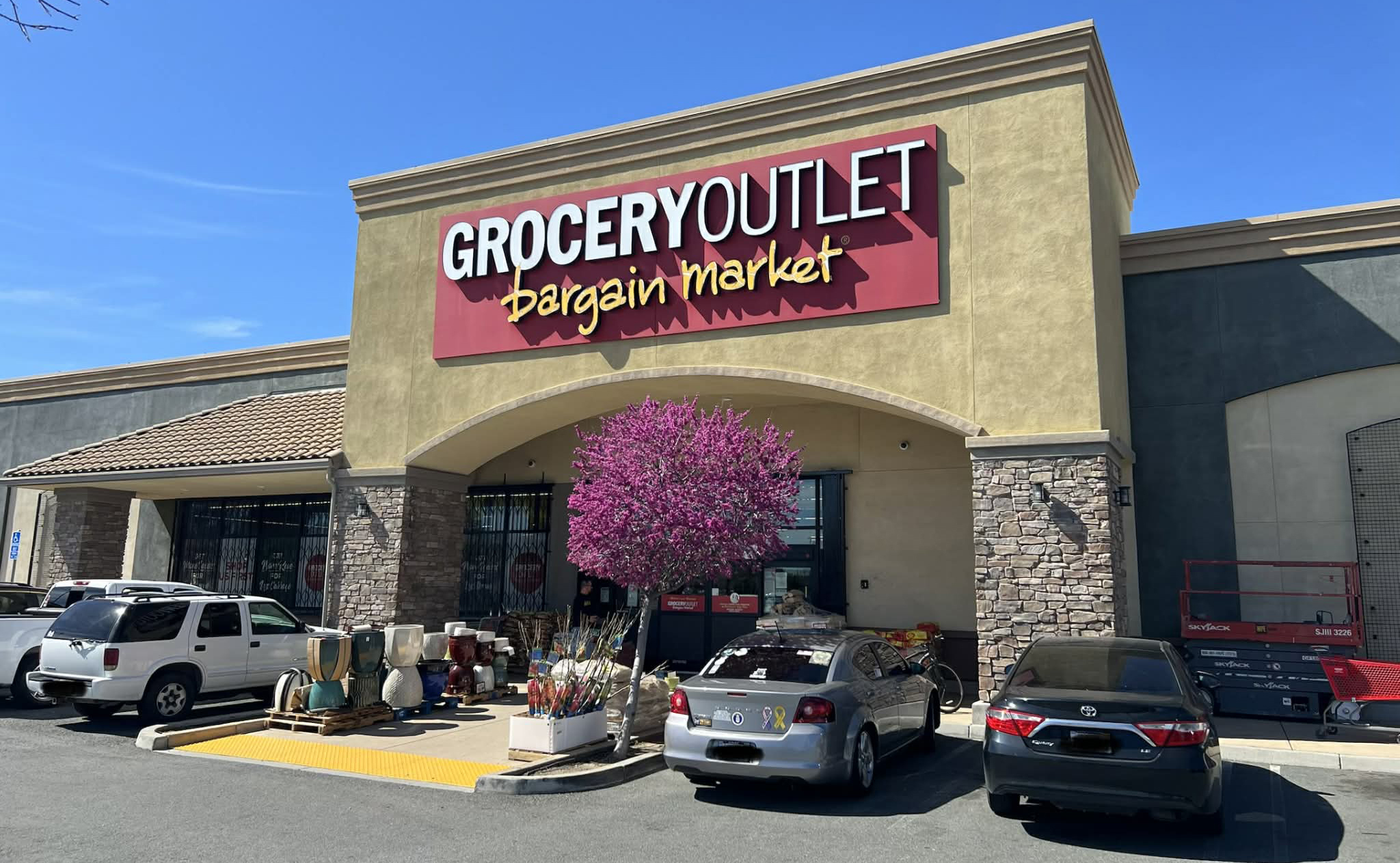
The Grocery Outlet store on Buchanan Road in Antioch and the stores in Oakley and Brentwood will remain open. Photo by Allen D. Payton

Company announced this week underperforming stores will close this year

By Allen D. Payton

Emeryville-based Grocery Outlet announced this week that they plan to close 36 of their 536 stores across the United States this year, including nine in California. However, it was learned Friday, that the Antioch store is not on the list. In addition, according to a news report about a list from a commercial real estate company that has locations for lease, so far, the other five stores in Contra Costa County are also not on the list of closures. Those include stores in Brentwood, Oakley, Pinole, Richmond and San Pablo.

Included in the Grocery Outlet Holding Corp.’s Fourth Quarter and Fiscal 2025 Financial Results, the Company announced on Tuesday, March 4, 2026, “a business optimization plan (the ‘Optimization Plan’) to improve operational execution, strengthen long-term profitability and increase cash flow generation.”

Net sales for the year increased by 7.3% to $4.69 billion, gross profit increased 7.4% versus 2024 to $1.42 billion and gross margin was 30.3% compared to 30.2% in 2024. But the company’s operating loss was $221.7 million and net loss was $224.9 million compared to net income of $39.5 million, in 2024. Adjusted net income was $75.2 million compared to $76.3 million the previous year.

“We made progress on our strategic priorities in 2025; however, our fourth-quarter results made clear that we have more work to do, and we’re moving quickly,” said Jason Potter, President and CEO of Grocery Outlet. “Consumer pressure intensified, federally funded benefits were delayed, and competition grew more promotional in the fourth quarter. In response, we have begun to sharpen our focus on what matters most: delivering clearer value and a better in-store experience. We’re intensely focused on restoring the opportunistic mix to rebuild value perception with the customer and advancing our store refresh program, and we’re already seeing early, measurable improvements. At the same time, we’re closing underperforming stores, reshaping our new store growth strategy and reallocating resources to strengthen operating results and returns on capital. We are confident that we have identified the core challenges and now have the right plans in place and the right team to execute them.”

Optimization Plan and Restructuring Plan

As a result, the company announced those plans as follows:

“To strengthen long-term profitability and cash flow generation, improve operational execution, optimize our existing store footprint and align with our disciplined new store growth strategy, in the first quarter of fiscal 2026 we conducted a strategic, financial and operational analysis of our store fleet. Following that review, on March 2, 2026, our Board of Directors adopted the Optimization Plan that provides for the closure of 36 financially underperforming stores, including the termination or sublease of the applicable store leases, the termination or sublease of a lease for a distribution center facility that we are no longer utilizing, and the termination of operator agreements with independent operators (‘IOs’) for the applicable store locations as well as certain other store locations. These actions under the Optimization Plan are expected to be substantially completed during fiscal 2026.”

Grocery Outlet Partners with Independent Owner/Operators

According to the company’s website, “Since 1973, Grocery Outlet has partnered with retail leaders to operate their expanding locations. Our Independent Operators have considerable local-decision making autonomy over store operations including hiring, merchandising, marketing and more. You hire, train, and lead your team, doing what you do best, and then we share the profits of your retail store according to our commission structure. We each assume different risks but share the rewards.

“We support our Independent Operators with training, mentorship, marketing, finance and accounting professionals to assist with any questions or issues that come up.”

Contra Costa County Stores Not Closing

Kyle Noble, Grocery Outlet’s Senior Director of Marketing was asked if it is correct that stores in California are closing and if so, whether or not Antioch is included.

He was also asked since no list has apparently yet been publicly provided, when it will be, how long will the current owner/operators be given to prepare for their closures or if they have already been informed. Noble did not respond before publication time.

However, a store employee who chose not to be identified, informed the Herald the Antioch store located on Buchanan Road will not be closing.

Open since Nov. 12, 2015, the current owner/operators are Fadi Fayad and Kelly Talaie.

A report on Patch provided the list of the nine California stores to close which doesn’t include the six locations in Contra Costa County. The stores to close are in Azusa, Brawley, El Cajon, Kerman (near San Jose), La Habra, Ontario, Patterson, Poway and Ridgecrest.

The other two stores in East County include: Brentwood, located at 7610 Brentwood Blvd., has been open since October 6, 2021, and the current owner/operators are Greg and Lori Pitts. The Oakley store, located at 3110 Main Street, which has been open since March 26, 2015, and the current owner/operators are Matt and Karen Amaro.

In West County: the Pinole store, located at 1460 Fitzgerald Drive, has been open since June 10, 2010, and the current owner/operators are Sam and Asifa Ahmad. The Richmond store, located at 12010 San Pablo Avenue, has been open since May 23, 2013, and the current owner/operators are Sopheap and Sokna Yin. The San Pablo store is located at 2079 23rd Street, has been open since January 2, 1989, and the current owner/operators are Chivy Thath and Sophal Sok.

24 Stores to Close on East Coast

According to a KRON4 news report, “While no announcement has been made as to which stores will close…According to a report in the grocery industry trade publication, Grocery Drive, 24 of the stores set to close are on the East Coast.”

The company “currently operates around 17 stores in the Bay Area” and “more than half of Grocery Outlet stores are in California,” according to the report.

About Grocery Outlet:

Based in Emeryville, California, Grocery Outlet is a growth-oriented extreme value retailer of quality, name-brand consumables and fresh products sold primarily through a network of independently operated stores. Grocery Outlet and its subsidiaries have more than 560 stores in California, Washington, Oregon, Pennsylvania, Tennessee, Idaho, Nevada, Maryland, Ohio, New Jersey, North Carolina, Georgia, Alabama, Delaware, Kentucky and Virginia.

Please check back later for any updates to this report.

Filed Under: Business, East County, Food, News

Raley’s Food For Families marks 40 years of hunger relief

February 25, 2026 By Publisher Leave a Comment

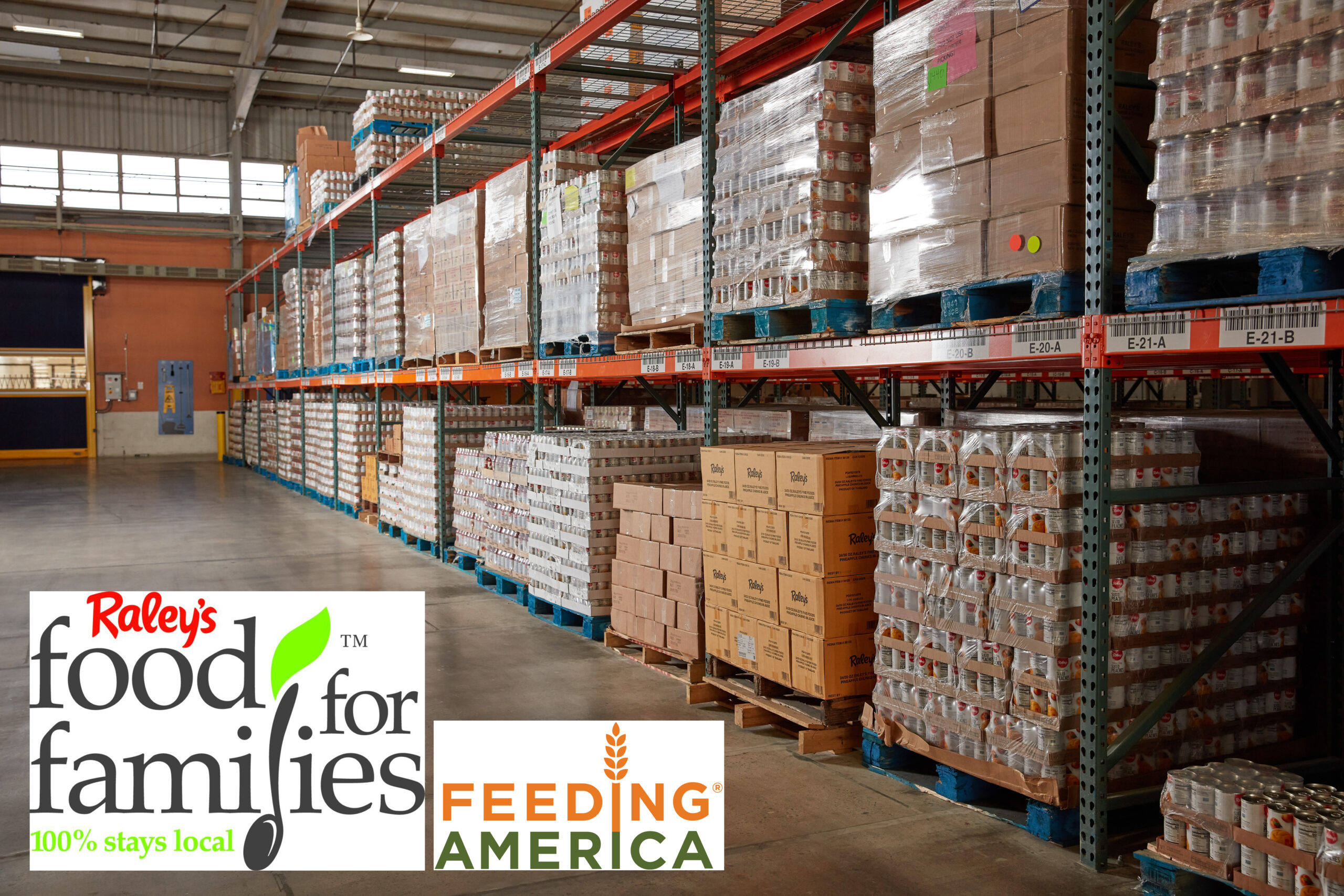
The Raley’s Food For Families and Feeding America Food Bank. Photo: Raley’s

Launches new 2026 infrastructure grant cycle to strengthen food access in communities it serves

New grant-funding round supports critical infrastructure needs at food banks and partner agencies throughout California and Nevada

By Carol Barsotti, Chief Communications Officer, The Raley’s Companies

WEST SACRAMENTO, CA – For 40 years, Raley’s Food For Families has been a steadfast partner in the fight against hunger. Since 1986, the organization has donated more than 81 million dollars and 70 million pounds of wholesome, nutritious food to its existing network of 12 Feeding America food bank partners and their subsequent network of more than 2,400 agencies.

Now, as Raley’s Food For Families marks this significant anniversary, the organization is demonstrating its long-term dedication with the launch of its renewed 2026 Infrastructure Grant Program. The grant initiative builds on immediate hunger relief efforts by investing in infrastructure that enables sustained, meaningful impact for years to come.

“For four decades, Food For Families has been privileged to donate millions of pounds of food and to provide support to hungry families across our communities. This milestone is a moment to celebrate that impact and recommit to the long-term work of food security,” said Julie Teel, President of Food For Families Board of Directors. “By focusing on infrastructure, we’re strategically making funds available so these vital community partners can strengthen their ability to get food to those who need it most.”

Building on a Year of Impact

The new grant cycle builds on the success of the inaugural 2025 Infrastructure Grant Program, which distributed just over $340,000 to support critical needs identified by food banks and their partner agencies. The first funding round made a significant impact, including funds for refrigeration units, box trucks, forklifts, and pallet jacks, along with many smaller infrastructure items, such as shelving units.

“These investments directly translate to increased food access for families by allowing food bank staff and volunteers to work more efficiently, ultimately serving more people with the same resources. For example, a single pallet jack can save 76 manual trips per truckload,” said Teel. “The grant funding is a tangible example of the profound commitment Raley’s has made to the communities it serves.”

2026 Infrastructure Grant Cycle Details and Guidelines

The 2026 Infrastructure Grant Program will prioritize grants that directly increase food access rather than focus on food education. Eligible applicants include partner agencies, food pantries and closets affiliated with Raley’s Food For Families’ Feeding America food bank partners:

  • Food Bank of Contra Costa & Solano
  • Alameda County Community Food Bank
  • Central California Food Bank
  • Food Bank for Monterey County
  • Food Bank of Northern Nevada
  • Feeding the Foothills
  • Redwood Empire Food Bank
  • Sacramento Food Bank & Family Services
  • Second Harvest Silicon Valley
  • Second Harvest Food Bank of Santa Cruz County
  • Second Harvest of The Greater Valley
  • Yolo Food Bank

As a way to celebrate and recognize its long-term food bank partner network, Raley’s will also highlight the work of one partner food bank each month throughout 2026. For more information about the 2026 Infrastructure Grant Program food bank partners should reach out to their Feeding America food bank partner.

“We’re honored to mark 40 years of food security leadership and real-world impact,” said Teel. “Raley’s Food For Families has remained committed in its mission to alleviate hunger by providing nutritious food to those in need. The organization’s longevity reflects a deep-rooted belief that food security is foundational to community health and opportunity.”

About Raley’s Food For Families

Raley’s Food For Families is a registered 501(c)3 non-profit, which provides food to Feeding America Food Bank Members and their network of more than 2,400 partner agencies. The organization serves the communities of Northern and Central California and Northern and Central Nevada through Raley’s, Raley’s O-N-E Markets, Bel Air Markets and Nob Hill Foods stores. Since 1986, the organization has donated over 81 million dollars and 70 million pounds of fresh, wholesome food to its partners. With a long commitment to local communities, Raley’s Food For Families continues to grow and thrive as an organization dedicated to alleviating hunger by providing nutritious food to those who need it most. For more information and to learn how to donate, visit www.foodforfamilies.org. Raley’s Food For Families tax ID is 68-0195082.

About Raley’s

Raley’s is a family-operated customer experience grocery company. Founded in 1935, Raley’s stores are the destination for the best fresh products, affordable offerings and personalized service. The company’s commitment to infusing life with health and happiness by changing the way the world eats, one plate at a time, has made it a trusted source for food, nutrition, and wellness. Raley’s strives to enhance transparency and education in the food system in order to help customers make more informed, healthy food choices. Raley’s operates 119 stores under four banners: Raley’s, Bel Air Markets, Nob Hill Foods and Raley’s O-N-E Market. Making healthier offerings accessible to everyone, Raley’s has expanded beyond the store to operate grocery curbside pick-up and delivery in their nearby communities. Please visit at www.raleys.com for more information. Raley’s is a division of The Raley’s Companies.

Filed Under: Business, Families, Food, News

  • 1
  • 2
  • 3
  • …
  • 5
  • Next Page »
Free Kids Fishing Derby 10-10-26
RepublicServices-Antioch-ad (1)
Monica's Riverview 10-26 B
Celia's-10-26
Delta-RC-B 07-26
Deer-Valley-Chiro-06-22

Copyright © 2026 · · Contra Costa Herald · All Rights Reserved