• Home
  • About The Herald
  • Local Agencies
  • Daily Email Update
  • Legal Notices
  • Classified Ads

Contra Costa Herald

News Of By and For The People of Contra Costa County, California

  • Arts & Entertainment
  • Business
  • Community
  • Crime
  • Dining
  • Education
  • Faith
  • Health
  • News
  • Politics & Elections
  • Real Estate

HOUSING: Harder introduces new bill to force CA Housing Department to lower home costs

November 17, 2025 By Publisher 3 Comments

Representative Josh Harder. Official photo

California leads nation in housing prices; Harder’s Bring Down Housing Costs Act would expand federal oversight of new state housing agency if housing costs continue to skyrocket

By Kevin Winslow, Communications Director, Office of Congressman Josh Harder 

WASHINGTON – Today, Monday, November 17, 2025, as California considers yet another housing agency, Rep. Josh Harder (D, CA-09) introduced new legislation to hold Sacramento bureaucracy accountable and stop housing costs from continuing to skyrocket. The Bring Down Housing Costs Act would establish a federal task force to investigate and conduct oversight of states failing to curb rising housing costs and develop emergency action plans to make housing more affordable.

Despite reforms, Sacramento’s housing bureaucracy is still an expensive mess: 

  • Years of prioritizing process over outcomes has created a bureaucratic monster covering everything from horse racing and alcohol, while also in charge of housing reform.
  • The state’s new housing agency, set to start in 2026, is already falling short of prioritizing the most basic housing reforms.
  • Bureaucratic bloat has caused California to have the highest housing prices in the nation, making homebuying in the Valley entirely unaffordable.

“Our families are getting priced out of an affordable life in the Valley. We need real action, not another round of musical chairs by Sacramento bureaucrats,” said Rep. Harder. “My bill holds Sacramento’s feet to the fire and makes housing our #1 priority by bringing new federal oversight to yearslong chaos. If these out-of-touch bureaucrats continue to fail, they should be held accountable and fired.”

How the Bring Down Housing Costs Act cleans up Sacramento’s mess:

  • New Oversight – Creates a new federal housing task force to investigate states with the highest rising housing costs.
  • New Partnerships – Brings together representatives from across the federal government and housing experts for the first time to bring down housing costs in the worst markets.
  • Emergency Plans – Issues emergency action plans and best-practice guidelines for states facing year-over-year median home price increases.

As a fifth-generation resident of the Valley, Harder is committed to restoring the affordable dream that brought so many families to our community in the first place. Harder is leading federal efforts to pass the biggest housing reform legislation in decades that would modernize outdated regulations, incentivize smarter land use, and build more homes.

Harder currently represents Discovery Bay in the Contra Costa County portion of the district in the U.S. House of Representatives. Based on the new district boundaries approved in Prop. 50, District 9 now includes Antioch, Pittsburg and portions of Oakley. The congressman plans to run for re-election in the new district.

Allen D. Payton contributed to this report.

Filed Under: Housing, Legislation, News

MTC, ABAG release draft of new long-range plan for Bay Area

October 22, 2025 By Publisher Leave a Comment

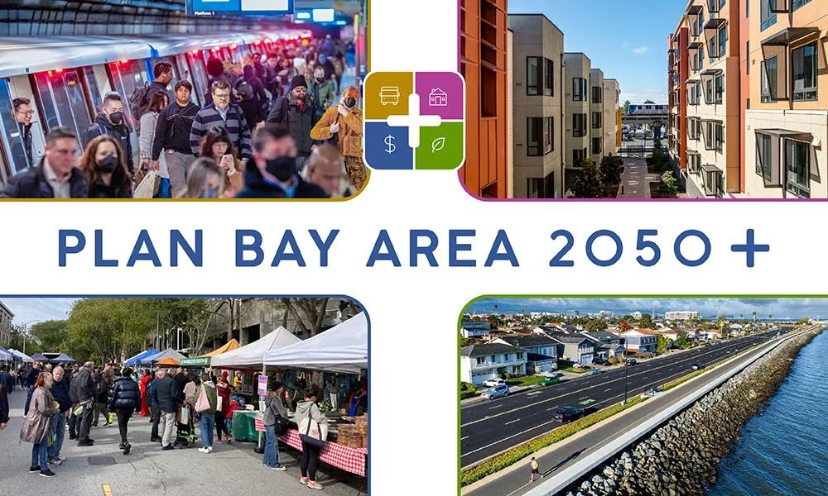
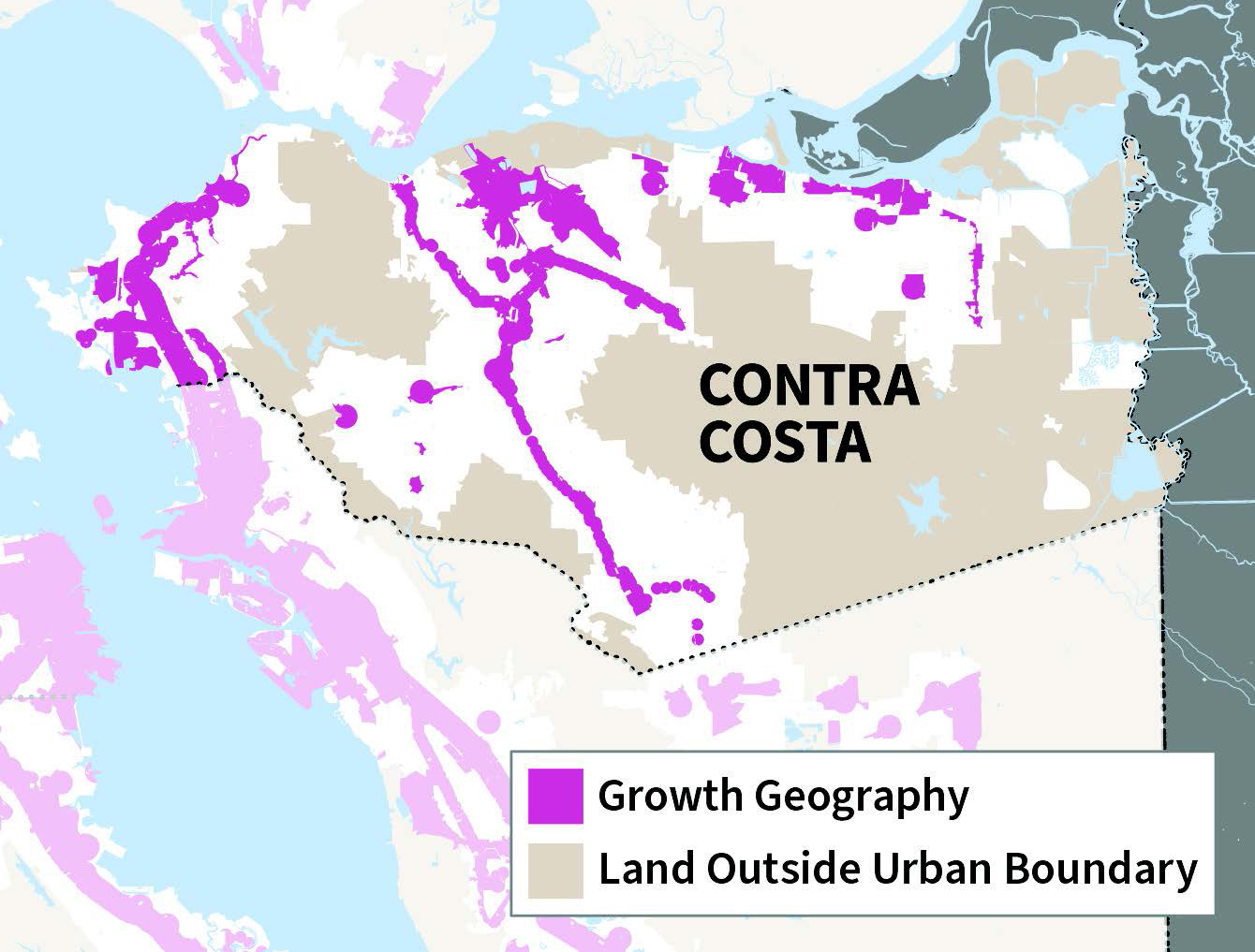
Source: Plan Bay Area

Public comment through Dec. 18 on Draft Plan Bay Area 2050+, EIR for housing, transportation, economic development and the environment

East Bay Webinar Nov. 5

By Veronica Cummings, Principal Public Information Officer, Engagement & John Goodwin, Assistant Director of Communications, Metropolitan Transportation Commission 

After more than two years of public discussion, technical analyses and refinement, the Metropolitan Transportation Commission (MTC) and the Association of Bay Area Governments (ABAG) today released Draft Plan Bay Area 2050+ and the Plan Bay Area 2050+ Draft Environmental Impact Report for public review and comment.

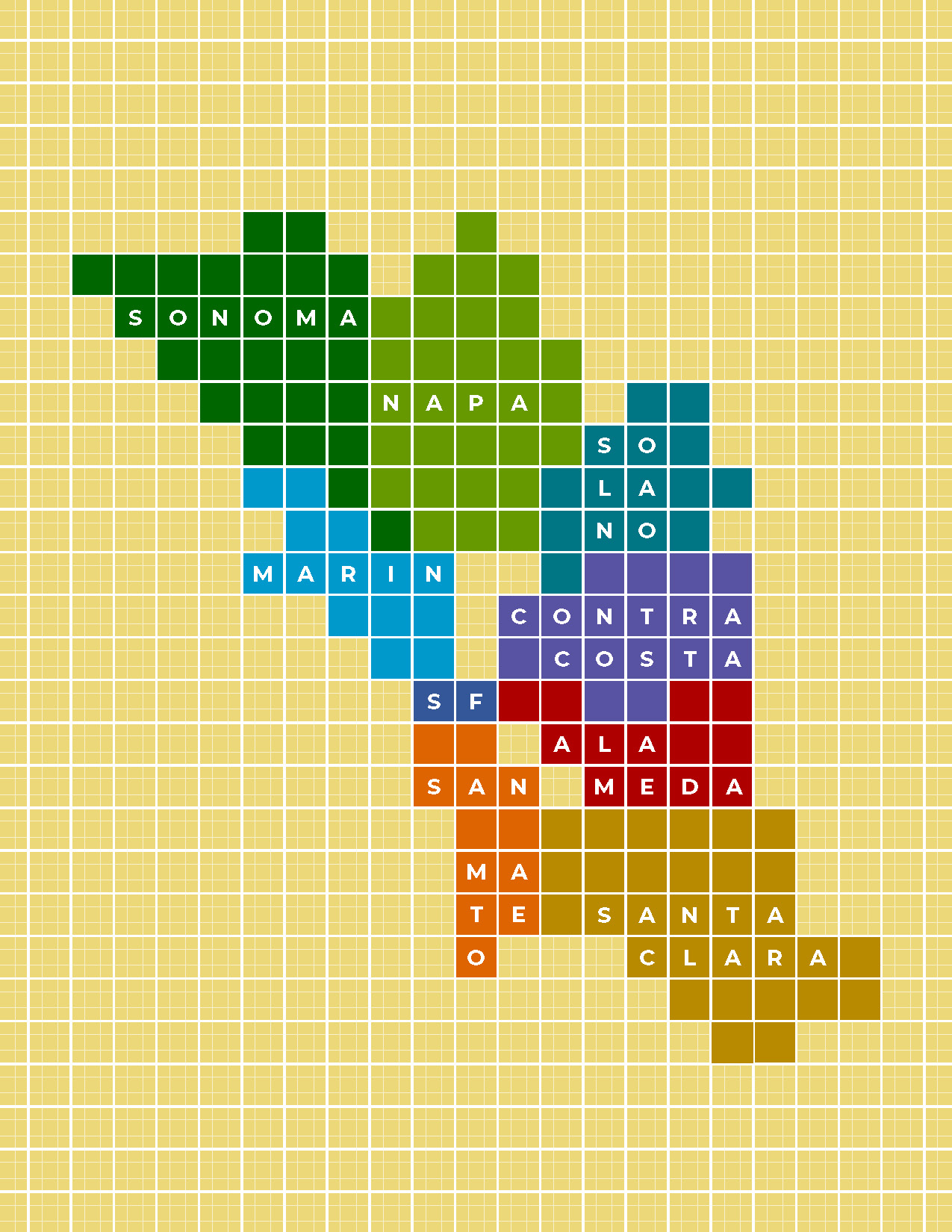
Draft Plan Bay Area 2050+ charts a course for the future of the Bay Area over the next 25 years. Designed to guide growth and investment across the region’s nine counties and 101 cities, the latest plan aims to advance an integrated vision for a Bay Area that is affordable, connected, diverse, healthy and vibrant for all. The plan contains 35 strategies for public policies and investments that can be implemented to help the Bay Area build more homes, reduce commute times, and create vibrant downtowns and natural areas for everyone to enjoy. These strategies also aim to keep people safe from natural hazards, support a strong economy and provide stable housing.

Unique to this plan cycle is Transit 2050+, a parallel and first-of-its-kind planning effort conducted by MTC and ABAG in partnership with Bay Area transit agencies to re-envision the future of Bay Area public transit.

Plan Bay Area includes all nine Bay Area counties and 101 cities. Source: Plan Bay Area

MTC and ABAG have scheduled a series of webinars and public hearings for comment on Draft Plan Bay Area 2050+ and associated supplemental reports, as well as on the Draft Environmental Impact Report for Plan Bay Area 2050+. All interested people, agencies and other organizations are encouraged to attend a webinar or public hearing, where they can ask questions and offer comments on these documents. Full event details are listed below:

  • Webinar #1 — North Bay
    Wednesday, October 29, 2025
    12-1:30 p.m.
    Zoom link: https://bit.ly/northbaywebinar
  • Webinar ID: 892 3077 8001
  • Passcode: 256814
  • 888-788-0099 US Toll Free
  • Webinar #2 — West Bay
    Wednesday, October 29, 2025
    6-7:30 p.m.
    Zoom link: https://bit.ly/westbaywebinar
    Webinar ID: 831 4140 5598
    Passcode: 096944
    888-788-0099 US Toll Free
  • Webinar #3 — South Bay
    Thursday, October 30, 2025
    6-7:30 p.m.
    Zoom link: https://bit.ly/southbaywebinar
    Webinar ID: 822 2561 7467
    Passcode: 356845
    888-788-0099 US Toll Free
  • Webinar #4 — East Bay
    Wednesday, November 5, 2025
    6-7:30 p.m.
    Zoom link: https://bit.ly/eastbaywebinar
    Webinar ID: 869 8283 4999
    Passcode: 682098
    888-788-0099 US Toll Free

In addition to these webinars, MTC and ABAG will host three public hearings around the Bay Area to provide opportunities for all interested agencies, organizations and individuals to comment on the Draft Plan and Draft Environmental Impact Report. The full list of hearings is as follows:

  • Public Hearing #1 — MTC Planning Committee and ABAG Administrative Committee
    Friday, November 14, 2025, at 9:40 a.m. or upon the conclusion of the Bay Area Infrastructure Financing Authority Network and Operations Committee, whichever is later.
    Bay Area Metro Center -or- Zoom
    Boardroom, 1st Floor
    375 Beale Street, San Francisco  Instructions to join by Zoom
  • Public Hearing #2 — Fremont
    Wednesday, December 3, 2025, at 6 p.m.
    Olive Hyde Art Center and Gallery -or- Zoom
    123 Washington Boulevard, Fremont
    Zoom link: https://bit.ly/drafthearing2
    Webinar ID: 875 7625 3306
    Passcode: 178983
    888 788 0099 US Toll Free
  • Public Hearing #3 — Novato
    Thursday, December 4, 2025, at 6 p.m.
    Best Western Plus Novato Oaks Inn -or- Zoom
    215 Alameda del Prado, Novato
    Zoom link: https://bit.ly/drafthearing3
    Webinar ID: 898 0347 9624
  • Passcode: 129009
  • 888 788 0099 US Toll Free

Interested Bay Area residents, agencies and organizations also are encouraged to view and comment on the draft plan online at planbayarea.org/draftplan. Comments will be reviewed by officials from both ABAG and MTC as they consider the adoption of Final Plan Bay Area 2050+, slated for early 2026.

Written comments will be accepted via mail to MTC Public Information Office, Attn: Plan Bay Area -or- Draft EIR Comments, 375 Beale Street, Suite 800, San Francisco, CA, 94105; or via email (Draft Plan Bay Area 2050+ inbox: info@planbayarea.org; Draft EIR inbox: eircomments@bayareametro.gov). Comments by phone can made at (415) 778-2292.

The comment period for all documents will close Dec. 18, 2025, at 5 p.m.

Questions? Visit planbayarea.org, email info@planbayarea.org or call (415) 778-6757.

Accessible Meetings

Do you need an interpreter or any other assistance to participate? Please call (415) 778-6757. For TDD or hearing impaired, call 711, California Relay Service, or (800) 735-2929 (TTY), (800) 735-2922 (voice) and ask to be relayed to (415) 778-6700. We require at least three working days’ notice to accommodate requests.

¿Necesita un intérprete u otra asistencia para participar? Por favor llámenos con tres días de anticipación al (415) 778-6757. Para telecomunicaciones para personas sordas y discapacitadas, favor de llamar al 711, el Servicio de Retransmisión de California (CRS) para TTY/VCO/HCO a Voz o para Voz a TTY/VCO/HCO al (800) 855-3000 y pedir que lo retrasmitan al (415) 778-6700.

您是否需要口譯或任何其他協助才能參加?請致電(415)778-6757。若需使用TDD或為聽障人士人士,請致電711,加州轉接服務,或(800)735-2929(TTY),(800)735-2922(語音),然後要求轉接至(415)778-6700。請至少提前三個工作日提出申請,以便我們能為您提供適當的口譯安排。

ABAG is the council of governments and the regional planning agency for the 101 cities and towns, and nine counties of the Bay Area. MTC is the transportation planning, financing and coordinating agency for the nine-county San Francisco Bay Area.

Filed Under: Bay Area, Economy, Growth & Development, Housing, Jobs & Economic Development, News, Transportation

CA Earthquake Brace + Bolt grant application deadline Oct. 17th

October 7, 2025 By Publisher Leave a Comment

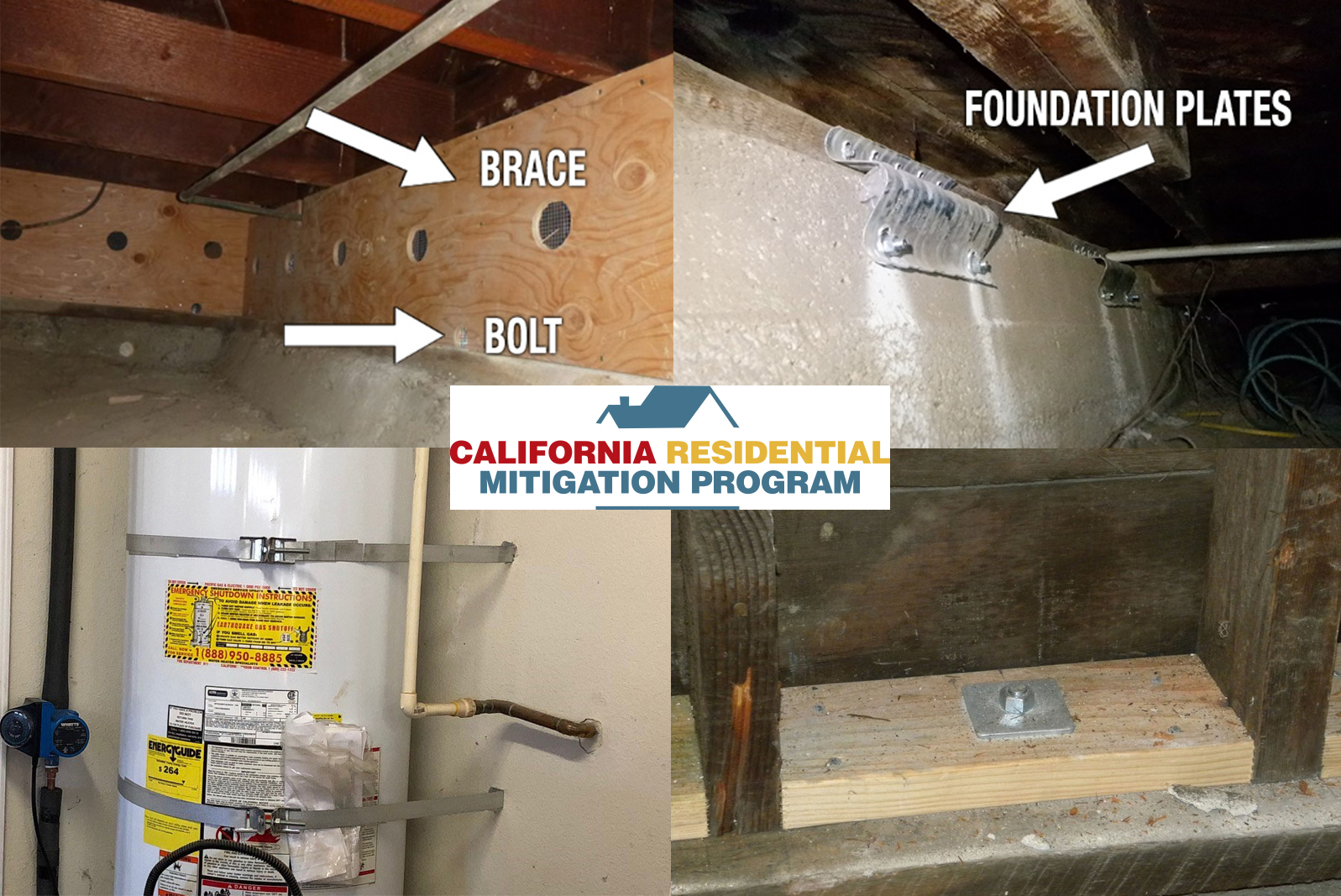
Brace your existing cripple walls (if you have them). If you have cripple walls, they carry the weight of your house. If they collapse during an earthquake, so will your home. Bracing your cripple walls strengthens them and may prevent your house from toppling. Strap your water heater. Properly strapping the water heater reduces the likelihood of water and fire damage that could result if your water heater is detached from water and gas lines. Bolt your home to its foundation. Most earthquake damage actually occurs when unsecured buildings slide off of their foundation. Bolting your home down helps prevent sliding. Photos: CRMP

Extension for grants of $3,000 to $7,000 aligns with California Great ShakeOut to boost earthquake preparedness awareness; now includes non-owner-occupied homes; more than $20 million available

Sacramento, CA – The California Residential Mitigation Program (CRMP) today announced that it is extending the registration period for its Earthquake Brace + Bolt (EBB) grant program to October 17, 2025, adding more than two weeks to the original October 1 deadline. The extension ensures that the program’s closing date now coincides with the California Great ShakeOut drill on October 16, when millions of Californians will be focused on earthquake preparedness.

Source: State of California

The program, which first opened this registration period on August 20, offers critical funding support for seismic retrofits that bolt houses to their foundations and brace crawl space walls—proven methods to reduce the risk of earthquake damage. With eligibility covering more than 1,100 ZIP Codes statewide, including 303 added earlier this year, the extension provides even more Californians with the opportunity to apply for up to $3,000 in grant funding. In fact, for the first time, CRMP has expanded EBB eligibility to include non-owner-occupied homes, allowing landlords to apply for this retrofit grant opportunity for their investment properties.

“Extending the deadline helps meet the high demand for earthquake retrofit assistance while drawing attention to the importance of preparedness as millions of Californians take part in the Great ShakeOut on October 16,” said Janiele Maffei, Chief Mitigation Officer of the California Earthquake Authority (CEA). “This extra time gives homeowners and rental property owners another chance to apply, choose a contractor, and begin strengthening their homes. Each retrofit improves safety not just for families but for entire communities.”

More than $20 million is available in this registration period to offset retrofit costs. Since the program’s launch in 2013, more than 33,500 California homeowners have received assistance through EBB.

Qualified income eligible households may also be eligible for supplemental grants of up to $7,000, which can cover as much as 100% of retrofit costs.

“Every retrofit makes California stronger and more resilient,” said Tom Welsh, CEO of the California Earthquake Authority. “By aligning with the Great ShakeOut, this extension ensures that more families are reminded of the simple but powerful steps they can take to protect their homes before the next big quake.”

The EBB grant program is administered by CRMP, a Joint Powers Authority between CEA and the California Governor’s Office of Emergency Services (Cal OES).

Interested property owners can learn more and register at EarthquakeBraceBolt.com. The updated registration period runs through October 17, 2025.

About Earthquake Brace + Bolt (EBB)

Established by the California Residential Mitigation Program, EBB offers up to $3,000 to help California homeowners retrofit their house to reduce potential damage from earthquakes. A residential seismic retrofit makes a house more resistant to earthquake activity, such as ground shaking and soil failure, by bolting the house to its foundation and adding bracing around the perimeter of the crawl space. For more information, please visit EarthquakeBraceBolt.com.

About the California Residential Mitigation Program (CRMP)

CRMP was established in 2011 to help Californians strengthen their homes against damage from earthquakes. CRMP is a joint powers authority created by the California Earthquake Authority and the California Governor’s Office of Emergency Services. For more information, please visit CRMP.org.

Filed Under: Finances, Housing, News, State of California

Lafayette awarded $19.5M in competitive state grant funds for permanent supportive housing project

September 27, 2025 By Publisher Leave a Comment

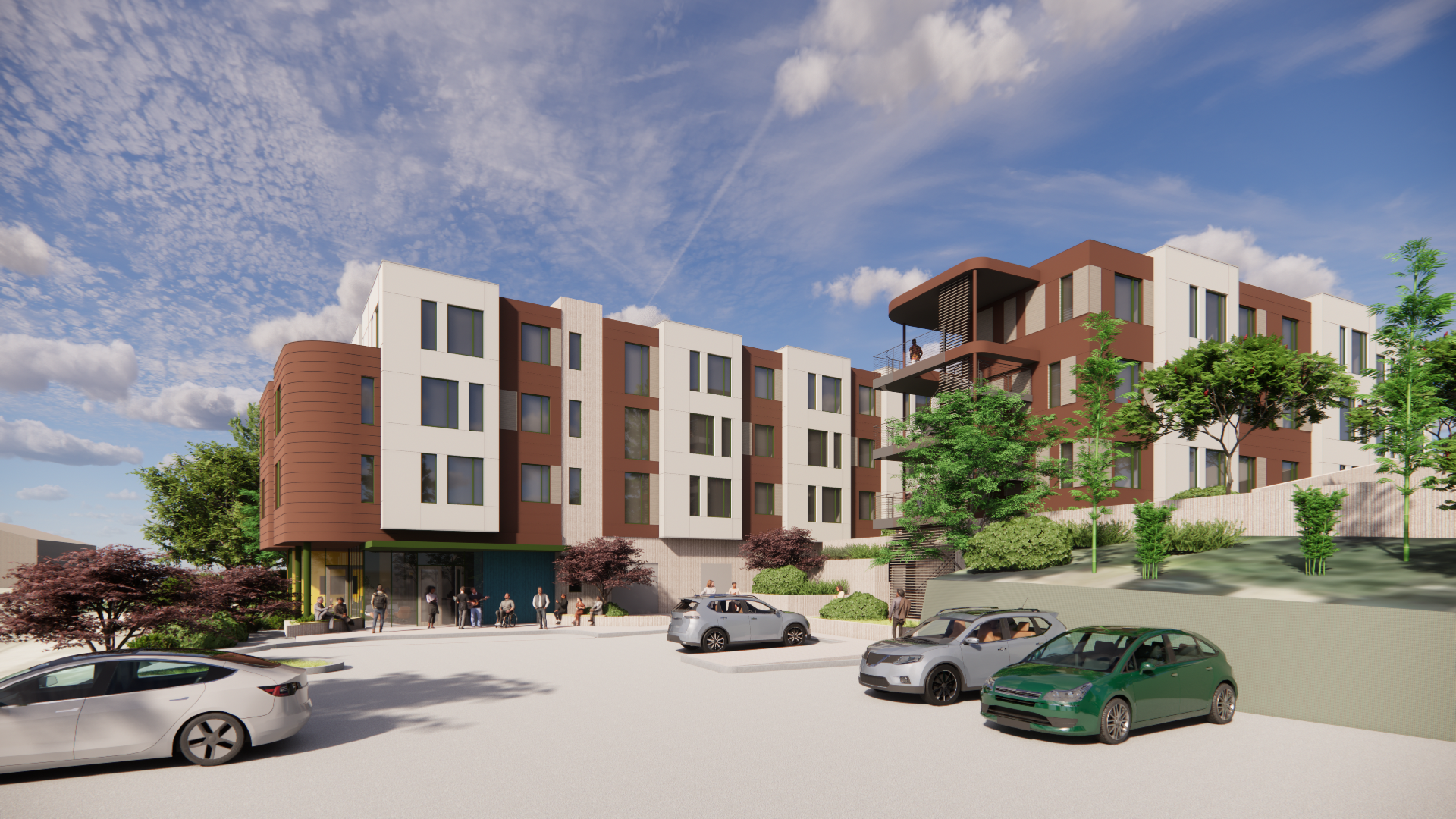
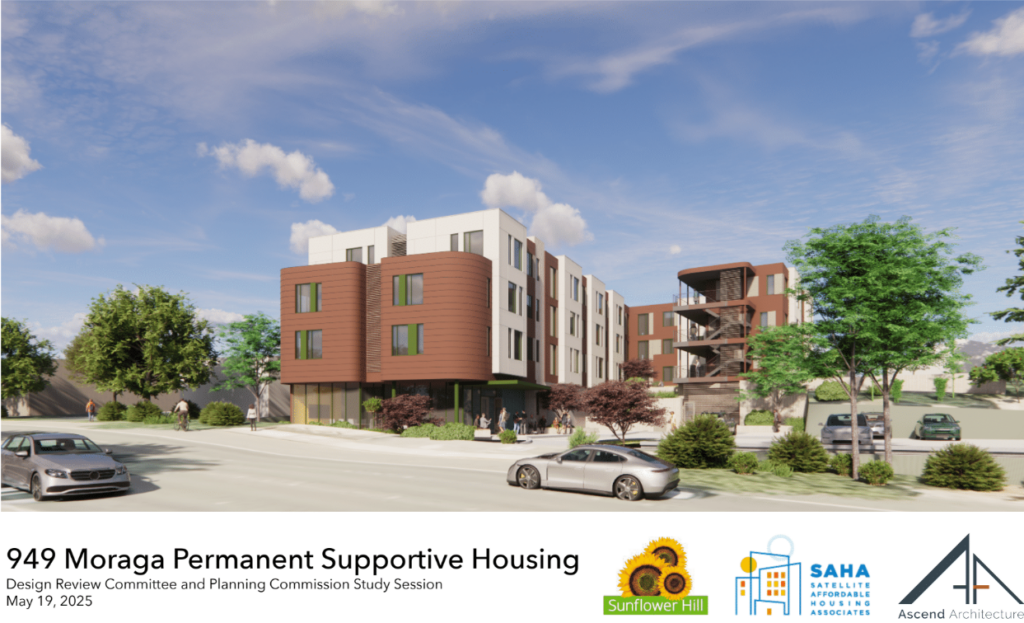
View from the parking lot rendering of the proposed Sunflower Hill Lafayette. Source: Sunflower Hill

For individuals with intellectual and developmental disabilities

Award from the California Department of Housing and Community Development Super NOFA funding brings the project one step closer to reality for Sunflower Hill and Satellite Affordable Housing Associates.

By Suzanne Iarla, Public Information Officer, City of Lafayette

Lafayette, CA: The vision to build 48 permanent supportive housing units in downtown Lafayette for individuals with intellectual and developmental disabilities (I/DD) is one step closer to becoming a reality after Governor Newson announced on September 22, 2025 that the California Department of Housing and Community Development (HCD) is awarding funding for 30 affordable housing projects across California, including the proposed development at 949 Moraga Road by non-profit co-developers, Sunflower Hill and Satellite Affordable Housing Associates (SAHA).

According to their website, founded in 2012, Sunflower Hill (SFH) is “a registered 501c3 non-profit co-developing affordable residential communities and creating programs and activities for people with intellectual and developmental disabilities that support independence and interdependence.” They have an affordable housing community in Pleasanton and multi-disciplinary in-person and virtual programs and activities in Pleasanton and Livermore.

Sunflower Hill Lafayette will be designed for people with I/DD, including autism, Down syndrome, cerebral palsy, epilepsy and other chromosomal abnormalities. The project would mark SFH’s first expansion into Contra Costa County. The 0.74 acre site was acquired by the city of Lafayette in 2010 and was designated as exempt surplus land by the City in early 2025. In April 2025, the Lafayette City Council unanimously approved an Exclusive Negotiating Agreement (ENA) with SFH/SAHA to help the project move forward. In May 2025, the team presented an initial version of the new community at a Planning Commission and Design Review Study Session.

The project team will continue to apply for competitive funding at the county, state and federal levels. If fully funded and realized, the community will offer one-bedroom and two-bedroom units, plus ample space for supportive activities and services such as a teaching kitchen, fitness room, community room, community garden and other flex space areas both inside and outdoors.

Source: Sunflower Hill

“Lafayette truly is a community of character,” said Rosemary Kirbach, Sunflower Hill board member and land committee chair. “We are very grateful to the City, our partner SAHA, and the greater Lafayette community. There is a long history of support in Lafayette for individuals with I/DD, including Las Trampas and Futures Explored and we are proud to build on that legacy. 949 Moraga will be Sunflower Hill’s first expansion into Contra Costa County.”

The application for the State’s Multifamily Finance Super NOFA funding was incredibly competitive, with only two awards in Contra Costa County.

The City of Lafayette had previously identified this city-owned site, currently a parking lot, as an opportunity site for housing under its Housing Element. The City has entered into an Exclusive Negotiating Rights Agreement and intends to contribute the land for the development, conditioned on the project acquiring full funding.

Lafayette Mayor Susan Candell said, “We are proud to partner with Sunflower Hill and SAHA to build stable, supportive, 100% affordable housing for adults with intellectual and developmental disabilities. We are excited to see this project coming to our community and have pledged to support the project by donating the land for this project.”

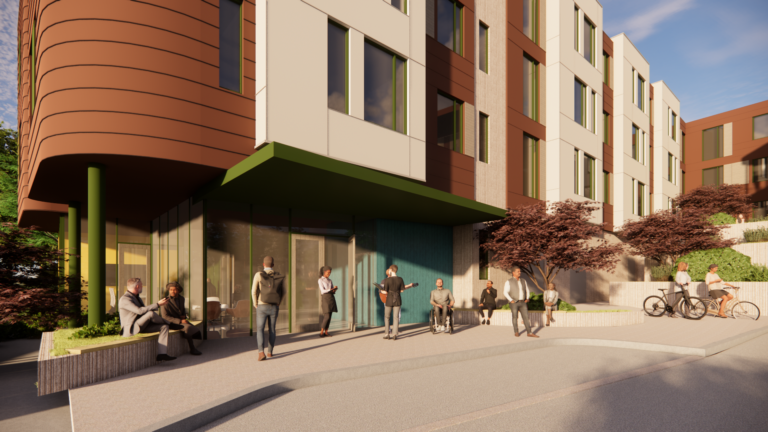
Entry view rendering of the proposed Sunflower Hill Lafayette housing project. Source: Sunflower Hill

“We’re thrilled to reach this funding milestone – while there is still plenty of work ahead, this is a monumental step forward and shows what we can accomplish working together,” commented Eve Stewart, SVP of Real Estate for SAHA.

“We are so grateful to the Governor and HCD for providing this much-needed funding to build affordable housing,” added Mayor Candell.

Sunflower Hill’s designs for the new community include one- and two-bedroom apartments, a community room, fitness room, teaching kitchen and small garden.

“I am thrilled that Sunflower Hill has chosen to build supportive housing in Lafayette and we look forward to working together with them and the other project partners to build much needed homes for people with developmental disabilities,” added City Manager Niroop Srivatsa.

See Governor’s Office funding announcement.

About Sunflower Hill:

Sunflower Hill’s mission is to provide affordable housing, life skills and enrichment programs for people with intellectual and developmental disabilities in the Bay Area. The 949 Moraga project team for Sunflower Hill includes Kathy Layman and land use expert Brian Griggs.

Irby Ranch, Sunflower’s first community in Pleasanton, opened in 2020. Plans are now underway for two new developments in the City of Dublin.

Website: sunflowerhill.org/communities/lafayette

About Satellite Affordable Housing Associates:

SAHA is a Berkeley-based non-profit with over 50 years’ experience developing and managing affordable housing. SAHA operates nearly 80 Bay Area communities for families, low-income seniors and people with special needs, providing services to more than 3,500 households

Allen D. Payton contributed to this report.

Filed Under: Finances, Housing, Lamorinda, News, State of California

Country music stars help raise funds for Concord organization’s affordable housing efforts

July 17, 2025 By Publisher Leave a Comment

Country music stars Lee Brice, Michael Ray and David Tolliver perform during the Yellow Roof Foundation’s “Raise the Roof” fundraiser on June 22, 2025. Photo: Yellow Roof Foundation

Lee Brice, Michael Ray, David Tolliver help bring in more than $1 million at “Raise the Roof” for Yellow Roof Foundation

By Mike Hoye

CONCORD, CA – Yellow Roof Foundation’s annual “Raise the Roof” fundraiser was once again an overwhelming success, generating more than $1 million to advance the non-profit organization’s mission to create affordable, income-based rental housing for families and individuals at risk of homelessness.

Yellow Roof Foundation is a 501(c)(3) public charity based in Concord, Calif. The organization was founded by Dave and Lori Sanson, owners of DeNova Homes, also headquartered in Concord. Yellow Roof has built several communities in the greater Bay Area to provide affordable housing to those who are hardworking, contributing members of society but are experiencing hard times due to circumstances beyond their control and are at risk of becoming unhoused. As the serious housing crisis continues to grow in California, especially in the affordable housing arena, so has the population who may be on the verge of homelessness.

The sold-out “Raise the Roof” was held on June 22, 2025, at The CIA at Copia in Napa, where sponsors and special guests gathered for an evening of giving and celebration. Attendees enjoyed a beautifully prepared dinner and heartwarming presentations that showcased the life-changing impact of Yellow Roof’s work.

During the program, Yellow Roof announced its next new project in the East Bay town of Pittsburg, made possible a land donation from The Sanson Family. The land is approved for 81 multi-family units, which will make it the largest Yellow Roof community to date. In addition, local businessman and philanthropist, Steve Gonsalves, for whom two of Yellow Roof’s communities are named, shared that because 100% of donations go directly to projects and that accountability is instilled in residents are key factors as to why he believes so strongly in and is committed to Yellow Roof’s mission.

Among the evening’s other highlights was the presentation of the 2025 Champion Award to Valerie Sanders, Homeless Liaison for the Pittsburg Unified School District, in recognition of her remarkable partnership in helping to place deserving families into stable housing.

One of those families was represented on stage by resident Araceli Solis, who, joined by her three daughters, shared her powerful story of resilience following the sudden loss of her husband and how Yellow Roof’s income-based rental housing and financial education programs have restored her family’s hope.

Jasmine Strange, a recent graduate from Yellow Roof housing, also moved the audience, describing how the three years she and her family spent with the non-profit prepared them for a brighter future and helped them secure permanent affordable housing.

The concert portion of the evening featured an unforgettable singer-songwriter performance donated by Lee Brice, Michael Ray, and David Tolliver. A special moment came when Lee and Sara Brice’s two youngest children, Ryker and Trulee, took the stage, with Ryker returning for an encore to rally the crowd to bid generously on an autographed guitar signed by all the artists.

“Raise the Roof has become a beacon of hope and a testament to what is possible when compassionate people come together,” said Lori Sanson, President and Director of Yellow Roof Foundation. “We are deeply grateful to our sponsors, guests, artists, and volunteers whose commitment makes it possible for us to provide families with a foundation of safety, dignity, and opportunity. The funds raised this year will help us build more homes and change more lives.”

For more information about Yellow Roof Foundation, to stay updated on its communities and events, or to make a valuable donation to support its efforts, please visit YellowRoofFoundation.org.

Raise the Roof 2025 Sponsors

Diamond Sponsors: BIA Bay Area, California Retaining Walls, Cemcon, Inc., Covenant Technical Solutions, DeNova Homes, Inc., Rescue Electric, RPM, Sanco Pipelines, SDG Architects, The Conco Companies, The Garaventa & Colvis Families, The Graham Family and The Resmark Companies

Platinum Sponsors: Brookfield Residential, Calex Drywall, California Bank & Trust, cbg Civil Engineers – Surveyors – Planners, Discovery Wall Systems, DPAE Structural, Independent Construction, Legacy Risk & Insurance Services, Lew and Sara Carpenter, Miller Starr Regalia, OAG Architects, Pacific Coast Landscape Management, UBS, Waymark Development and Weber Christensen & Heinrichs, LLP

Gold Sponsors: Blazona Concrete Construction, Inc., California Building Industry Association, Gately Family Foundation, J&M, Inc., Meridian Associates, OJ Insulation, Silvermark Construction Services and vanderToolen Associates

Filed Under: Arts & Entertainment, Central County, Concord, Finances, Housing, News, Non-Profits

Shelter Inc offering low income apartments in Pittsburg

December 5, 2024 By Publisher Leave a Comment

Paid advertisement

For more information visit www.shelterinc.org.

Filed Under: Ads & Coupons, East County, Housing

Glazer announces $2.5 million incentive program for construction of 350 ADUs in Contra Costa, Alameda counties

September 6, 2024 By Publisher Leave a Comment

15 cities eligible to participate in ADU Accelerator Program

By Steven Harmon, Policy Analyst/Communications, Office of State Senator Steve Glazer

SACRAMENTO – Senator Steve Glazer, D-Contra Costa, announced a newly created program to encourage the construction of hundreds of Accessory Dwelling Units in Contra Costa and Alameda Counties.

The ADU Accelerator Program, secured in the budget through Senator Glazer’s efforts, offers rebates of up to $15,000 for qualifying ADU plans and projects. This $2.5 million state-funded initiative is intended to facilitate the construction of 350 ADUs among the 15 cities and towns in the East Bay.

“It is no secret the State of California is facing a shortage of available and affordable housing, and no one knows this better than our local cities and towns,” Glazer said. “From my first days in the State Senate, I have been a staunch supporter of cities seeking new and unique ways to spur the production of housing while blending new developments within the fabric of their communities.”

“I’m hoping that cities in my district can show what can be achieved when cities work together with the state on an incentivized program aimed at producing more affordable housing,” Senator Glazer said.

The program, approved in the 2023 budget, will be administered by the California Department of Housing and Community Development.

The 15 cities are: Antioch, Brentwood, Clayton, Concord, Danville, Dublin, Lafayette, Moraga, Oakley, Orinda, Pittsburg, San Ramon, Walnut Creek in Contra Costa County and Livermore and Pleasanton in Alameda County.

Qualifying cities must have a Certified Housing Element that meets the substantial compliance requirements of Housing and Community Development.

Following is an overview of the new program along with guidelines to apply and receive funds. ADU-Program-Overview

Senate District 7 – ADU Accelerator Program | GUIDELINES

Program Overview

Some cities are taking steps to encourage and facilitate the construction of ADUs through the development of permit-ready plans, including architectural design work. Other cities are waiving processing fees to bring down the cost of housing.

This new program will be piloted by Senator Glazer’s District 7, composed of 15 cities in the East Bay of the San Francisco Bay Area. The program will be administered by the California Department of Housing and Community Development for the purpose of advancing or “accelerating” the production of 350 ADUs through a series of programs.

Program Funding

Section 19.564 of the Budget Act of 2023 provides $2,500,000 to be allocated by the California Department of Housing and Community Development for implementation of the ADU Accelerator Program (“Program”) to grant funds to cities for the creation of pre-approved permit-ready accessory dwelling unit plans and an incentive program.

Program Eligibility

  • Fifteen (15) cities located in Senate District 7, including: Antioch, Brentwood, Clayton, Concord, Danville, Dublin, Lafayette, Livermore, Moraga, Oakley, Orinda, Pittsburg, Pleasanton, San Ramon, and Walnut Creek.
  • Qualifying cities must have a Certified Housing Element that meets the substantial compliance requirements of Housing and Community Development.

Program Details

  1. Incentive Program. Available Funding: $1,725,000
  2. Low-Income Restricted ADUs

Provide individual rebates of up to $15,000 to property owners who obtain building permits to construct an ADU and receive a certificate of occupancy within 18 months of issuance. Rebates will be provided for units that are deed restricted to low-income households for a minimum of 20 years; based upon the following sliding scale:

  • $15,000 for units < 50 square feet
  • $10,000 for units between 501-750 square feet
  • $5,000 for units between 751-1,000 square feet
  • No rebates for units over 1,000 square feet.
  1. Non-restrictedADUs

Provide individual rebates of up to $7,500 to property owners who obtain building permits to construct an ADU and receive a certificate of occupancy within 18 months of issuance. Rebates will be provided for units that are deed restricted to low-income households for a minimum of 20 years. Funds are awarded based upon the following sliding scale:

  • $7,500 for units < 50 square feet
  • $5,000 for units between 501-750 square feet
  • $2,500 for units between 751-1,000 square feet
  • No rebates for units over 1,000 square feet.

Example:

  • City of Dublin has a population of 72,917 (as of January 1, 2024)
  • Per Capita: $1.87
  • Eligible for Award of $136,352 ($1.87 per capita x 72,917 population)
  • Divided by average of $5,000 per unit (unrestricted)

Potential ADUs Added: 27 ADUs

  1. Permit Ready Prototype ADU Plans. Available Funding: $750,000

Qualified cities receive funding toward preparing prototypical permit-ready ADU plans (“ADU Plans”), including design elevations and construction drawings. Permit-ready plans are intended to streamline the ADU development process and facilitate additional ADU development in the community. Cities may partner with other cities on applications in this category to leverage investment. The maximum grant per city will be $50,000.

Cities may not be reimbursed for permit-ready ADU plans that were prepared prior to the launch of this program. Program funds may be used to modify or update existing permit-ready ADU plans or to create additional permit-ready ADU plans. Cities may also seek compensation from other eligible cities they share plans with.

Application Process

To receive funds, qualified cities must complete and submit an electronic application to the Town of Danville, Fiscal Agent. All funds must be expended as prescribed below and no later than September 30, 2026, after which these funds would be considered unexpended “Excess Funds” subject to re-allocation.

Incentive Program

An application must include (a) the anticipated number of units proposed to be produced through the program; and (b) amount requested based on the per capita amount identified in the Funding Eligibility section.

Funding will be distributed to cities upon receipt of the application. Any unused funding must be returned to the Town of Danville, Fiscal Agent, at the end of the 18-month period and may be reallocated to cities that meet their targets and have additional need.

Permit-Ready Prototype ADU Plans

An application must include (a) brief description of the plans to be developed including the number of floor plans and ADU sizes; and (b) requested funding amount. The maximum funding is $50,000 per agency. Cities may partner with other eligible cities on applications in this category to leverage funding investment.

Funding will be distributed to cities upon receipt of the application. Permit-ready plans must be completed and available to prospective permittees within 12 months of grant award and include a city resolution adopting the ADU Plans.

Excess Funds

Any funding that has not been expended pursuant to these program guidelines by September 30, 2026, must be returned to the Fiscal Agent, the Town of Danville. These Excess Funds will be reallocated to other eligible agencies pursuant to the Incentive Program Guidelines. Funds will be re-allocated on a first come, first served basis. In the event of multiple requests, consideration will be given to which city or cities will generate the largest number of affordable units.

Application Deadlines

Applications are accepted via electronic submittal only

Incentive Program: September 1, 2024 – March 31, 2025 (may be extended if additional funds are available to be rolled over from the Permit-Ready program).

Permit-Ready Prototype ADU Plans: September 1, 2024 – March 31, 2025.

Program Administration

As authorized through the California Budget Act of 2023 and the California Department of Housing and Community Development, the Town of Danville will act as the fiscal agent (“Fiscal Agent”) to receive funding applications and distribute Program funds. The Town of Danville will receive a 1% fee ($25,000) for administering the program.

General program questions can be directed to Planning Division c/o Jessica Lam, Town of Danville at jlam@danville.ca.gov or (925) 314-3337.

Applications and application-related correspondence can be directed to SD7.ADUProgram@danville.ca.gov.

Biannual Reporting

Eligible recipients will be required to submit Biannual Progress Reports which summarize the number of ADUs that have been permitted and finaled for the reporting period as well as cumulatively for the life of the program through September 30, 2027.

Biannual Progress Reports will be filed with the Fiscal Agent at SD7.ADUProgram@danville.ca.gov.

*Applications are accepted via electronic submittal only

Filed Under: East Bay, Finances, Housing, Legislation, News, State of California

CA legislature passes bill to give home loan assistance to illegal immigrants

August 28, 2024 By Publisher Leave a Comment

Up to $150,000 for a 20% down payment, awaits Newsom’s signature or veto

Glazer against, Skinner votes for, Grayson, Wilson, Bauer-Kahan, Wilson also in favor

By Allen D. Payton

The California State Senate passed the bill, on Tuesday, August 27, 2024, to give home loan down payments to illegal immigrants on a 25-14 vote with 1 Democrat abstaining from voting. It follows the action in May by the Assembly, which passed it on a 56-15 vote with 6 Democrats and 3 Republicans not voting. Now the controversial Assembly Bill 1840 is on Governor Newsom’s desk awaiting his decision.

State Senator Nancy Skinner (D-SD9) who represents portions of West Contra Costa County voted yes, while State Senator Steve Glazer (D-SD7), who represents the rest of the county, voted against the bill authored by Assemblyman Joaquin Arambula (D-AD31) of Fresno. As previously reported, all four Assemblymembers representing Contra Costa County, including Tim Grayson (D-AD15), Lori Wilson (D-AD11), Rebecca Bauer-Kahan (D-AD16) and Buffy Wicks (D-AD14), voted to pass the bill.

It would expand eligibility of the California Dream for All Shared Appreciation Loan program, to be renamed under the bill to the Home Purchase Assistance Program, by removing any disqualifications based on an applicant’s immigration status. If approved, illegal immigrants could enter the lottery system under the program and qualify for the 20% in down payment assistance up to $150,000.

However, not all illegal immigrants would qualify for the program. Under AB 1840, only those with taxpayer ID numbers or Social Security numbers could apply. According to the language of the bill “This bill would specify that an applicant who meets all other requirements for a loan under the program and who is otherwise eligible under applicable federal and state law, shall not be disqualified solely based on the applicant’s immigration status.”

According to a June 28, 2024, press release from the governor’s office, out of 18,000 people who applied to the program this year, only 1,700 were chosen and according to a report by KQED, in 2013, the program ran out of money in the first 11 days. The bill would greatly expand the number of applicants, due to the California Dream program targeting low- to middle-income first-time buyers.

According to the program details, “The Dream for All Shared Appreciation Loan is a down payment assistance program for first-time homebuyers to be used in conjunction with the Dream For All Conventional first mortgage for down payment and/or closing costs. Upon sale or transfer of the home, the homebuyer repays the original down payment loan, plus a share of the appreciation in the value of the home.” In addition, one borrower must be a first-generation homebuyer and all borrowers must be first-time homebuyers.

Contact the Governor

To contact the governor to offer your input on how he should respond to the bill use the online form on the office’s website at www.gov.ca.gov/contact/. But you’ll have to select Immigration Issues/Concerns and write AB1840 in the comment as it is not currently in the Active Bills list. You can also call Newsom’s office at (916) 445-2841 and leave a message with or for his staff.

Filed Under: Finances, Government, Housing, Immigration, Legislation, News, State of California

Monica's-Riverview-Jan-2026
Liberty-Tax-Jan-Apr-2026
Deer-Valley-Chiro-06-22

Copyright © 2026 · Contra Costa Herald · Site by Clifton Creative Web