• Home
  • About The Herald
  • Local Agencies
  • Daily Email Update
  • Legal Notices
  • Classified Ads

Contra Costa Herald

News Of By and For The People of Contra Costa County, California

  • Arts & Entertainment
  • Business
  • Community
  • Crime
  • Dining
  • Education
  • Faith
  • Health
  • News
  • Politics & Elections
  • Real Estate

Police confiscate “imitation weapon” brought by student to Liberty High in Brentwood

August 19, 2026 By Publisher Leave a Comment

Police responded to Liberty High School Wednesday morning, Aug. 19, 2026. Photo source: Liberty High School Facebook

By Brentwood Police Department

The Brentwood Police Department is aware of a report involving a possible weapon at Liberty High School today, Wednesday, August 19, 2026.

School administrators immediately notified law enforcement, and officers responded to investigate. The item involved was determined to be an imitation weapon and was confiscated. The investigation determined there was no active threat to students, staff or the campus, and the matter was resolved without disruption to the school day.

We appreciate the students, staff, and community members who promptly report safety concerns. Reports of possible threats are taken seriously and investigated in coordination with our school partners.

Because this incident involves a student, no additional information will be released at this time.

The Brentwood Police Department remains committed to working with our schools to help maintain a safe and secure learning environment.

Filed Under: East County, Education, News, Police, Youth

Lafayette Police lock down Acalanes High, middle school due to “swatting” calls Monday

August 17, 2026 By Publisher Leave a Comment

Acalanes High School and Stanley Intermediate were placed on lockdown by Lafayette police Monday, Aug. 17, 2026. Photo sources: acalanes61.com and Stanley Wildcats PTA Facebook page

By Allen D. Payton

The Lafayette Police Department placed Acalanes High School and Stanley Intermediate School on lockdown Monday afternoon, Aug. 17, 2026, due to an anonymous called in threat.

At 12:59 p.m. and 1:29 p.m. the Department posted alerts on Nixle, a service that sends out text messages about critical events in the community, with links on the department’s Facebook page.

They read:

“Officers are working a potential threat that was called into Acalanes High School by an annomoyous [sic] automated call. The lock down is a precaution. Avoid the area. Updates will be sent via Nixle.

“Oficers [sic] are on site and have drones over the school.”

and

“POLICE ACTIVITY – Officers are at Stanley Intermediate School while they determine if there is a viable threat that was called in.   It appears to be a swatting call, but are taking it seriously.

Officers will remain on campus and updates will be sent via Nixle.

If you see something call 9-1-1

94549TIP@gmail.com
925-284-5010 24 hour dispatch.”

By 1:47 p.m. and 1:52 p.m. All Clear messages were posted.

They read:

“All Clear – Acalanes High School Lockdown has been lifted. officers have completed a thorough search of the school, campus clear.

UPDATE: School Campus Cleared

Law enforcement officers have completed a thorough search of the school and determined that the campus is clear. There is no active threat to students, staff, or the surrounding community.

Officers will remain on site as a precaution while the incident is investigated. Preliminary information indicates this was likely a ‘swatting’ call—a false report intended to prompt a large emergency response.

Thank you for your patience and cooperation.”

and:

“All Clear- Stanley Intermediate School lockdown has been lifted, officers have completed a search of the school.

UPDATE: School Campus Cleared

Law enforcement officers have completed a thorough search of the school and determined that the campus is clear. There is no active threat to students, staff, or the surrounding community.

Officers will remain on site as a precaution while the incident is investigated. Preliminary information indicates this was likely a ‘swatting’ call—a false report intended to prompt a large emergency response.

Thank you for your patience and cooperation.”

According to the FBI, “Swatting is the malicious tactic of making hoax calls or reports to emergency services, typically feigning an immediate threat to life. Swatting is intended to draw a large response from SWAT teams or other law enforcement resources to an unsuspecting victim’s location, causing chaos and the potential for injury or violence.

“Targets of swatting often include high-profile public figures, as well as schools, hospitals, places of worship, and centers of mass transportation, but anyone can be a victim. A swatting incident may be an isolated event targeting one victim or part of a larger coordinated effort to target multiple victims.”

Filed Under: Crime, Education, Lamorinda, News, Police

Proposed overhaul could fundamentally change Head Start. Here’s how

August 15, 2026 By Publisher Leave a Comment

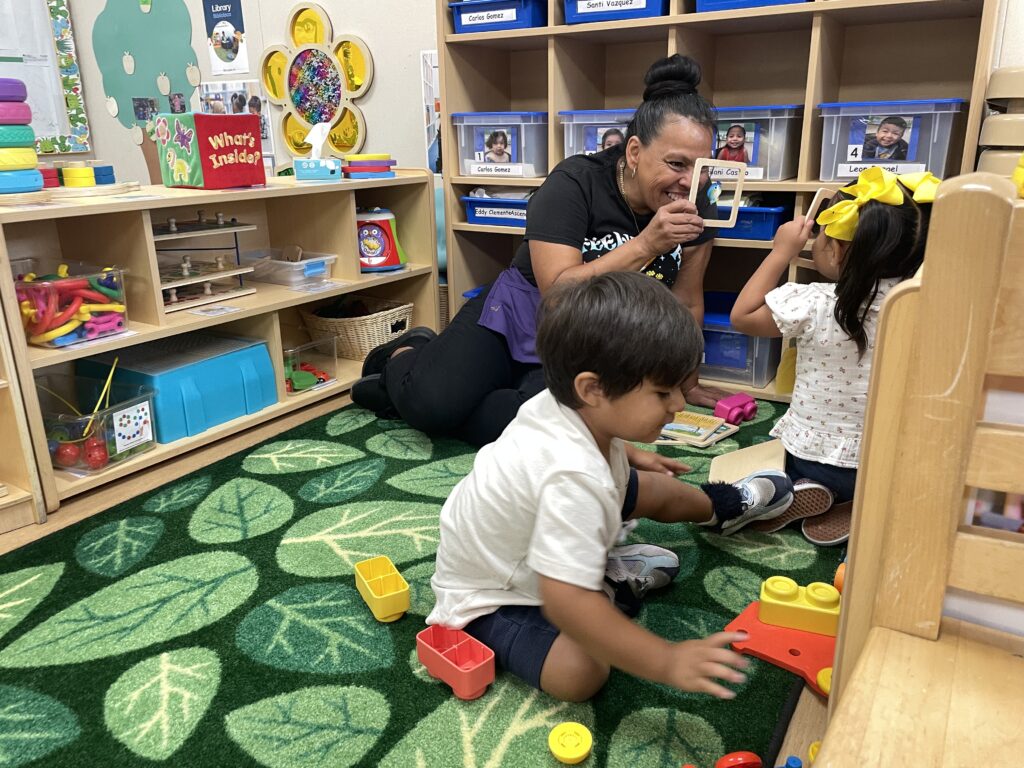
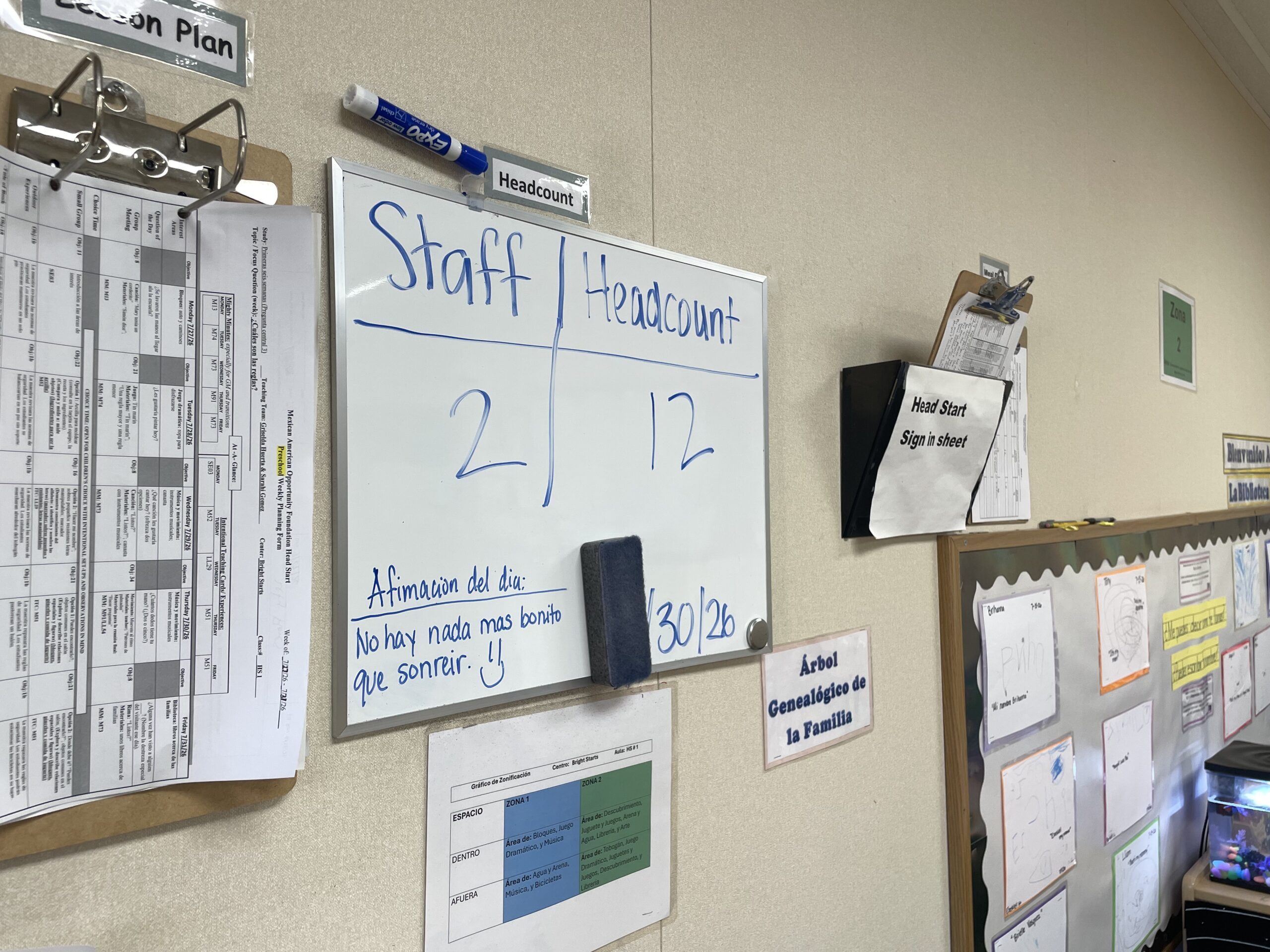
Bright Starts Center, a Head Start site in south Los Angeles, provides learning opportunities via play, meals and dual language instruction. Photos credit: Betty Márquez Rosales

Top Takeaways

  • Current regulations aim to ensure consistency across Head Start sites regardless of geographical location or other local factors.
  • The proposed changes would cut over 100 pages of regulations down to about 10 pages.
  • Federal officials say program quality would not be jeopardized; proposal’s critics say Head Start’s standards are what make it high quality.

By Betty Márquez Rosales, EdSource, republished with permission

On a recent Thursday morning, 12 preschoolers at Bright Starts Center in south Los Angeles moved between Spanish and English as they cleaned up after painting and playing with blocks. They stretched before outdoor play and reviewed how to stay safe on the slide, at the water station and while riding bikes.

A teacher and assistant stayed with the children throughout the morning. A third adult prepared meals in the kitchen — mini banana loaf with apple, homestyle cheese pizza with mixed veggies and apple chips with a colby jack cheese stick.

The routines at Bright Starts illustrate the holistic approach toward educating children while caring for them that has defined Head Start for more than six decades. Federal rules set standards for staffing, nutrition, physical activity and services for children who are learning English, among other areas, with the goal of providing low-income children and their families with education as well as behavioral screenings, parent engagement opportunities and other support.

Now, the Trump administration seeks to dramatically reduce those federal regulations with a shorter set of rules, and give states and local programs more authority over how Head Start operates.

The proposal’s critics say it would cut down present regulations, over 100 pages long, to about 10 pages, and fundamentally change Head Start as it’s known now. The changes, if approved, would eliminate regulatory requirements governing classroom ratios, group sizes and services for children who speak languages other than English. It would also require English-only instruction.

The changes could theoretically add, according to federal officials, over 200,000 slots for children nationwide while reducing administrative costs. Federal officials say the changes would reduce administrative burdens, give programs greater flexibility and could allow Head Start to serve more children. Critics say the proposed changes could lead to lower quality and considerable variation from program to program, even within states.

Federal officials disagree. Lizbeth Casco White, director of the federal Office of Head Start, said in announcing the proposed changes that they would not “create a patchwork of standards” or compromise quality.

“Head Start would still exist, but it would not be Head Start as we know it and love it today,” said Melanee Cottrill, executive director of Head Start California.

“One-size-fits-all mandates from Washington cannot fully account for the realities facing more than 1,600 local grantees serving vastly different communities across America,” Casco White said. Her remarks echoed statements from Alex Adams, who leads the federal Administration for Children and Families that controls billions in childcare and preschool funding.

The proposed changes are subject to a 60-day public comment period. Hundreds of comments have already been submitted, and the administration must review public feedback before deciding whether to finalize the changes.

A child enrolled in Head Start at Bright Starts Center cleans his workstation after finishing a painting.

Critics say Head Start would fundamentally change

Federal officials have said that lower administrative burden and greater flexibility for local programs are, in part, why the regulatory changes must be made.

Luis Bautista, executive director of the Head Start and Early Learning Division at the Los Angeles County Office of Education, said reducing some administrative requirements could allow programs to spend more resources on children and families — but only if they do not risk quality.

“I think all of us who are in the program will welcome the opportunity to reduce any unnecessary administrative burden, especially when those changes allow us to spend more time serving children and families,” Bautista said. “But flexibility should never come at the expense of quality or safety or equitable access. And some of these proposed changes are going to actually impact all of those things.”

The L.A. County education office is the state’s largest Head Start grantee — teaching thousands of babies, toddlers and young children — and works with the Mexican American Opportunity Foundation, the nonprofit that oversees the Bright Starts Center.

While federal officials say the changes would give local programs flexibility, critics question how much discretion programs would have in practice if federal funding does not increase.

Head Start programs receive federal grants, and their budgets are tied to the number of children they are funded to serve, and the requirements attached to those grants. Cottrill, of Head Start California, said that could limit how much flexibility programs actually have.

Head Start programs are currently required to meet specific staff-to-child ratios.

“When we ask for that grant, we have to justify it. We can pay that many teachers because we’re required to. While the Office of Head Start is saying ‘you’ll have flexibility,’ they still have the ultimate say on those grants,” she said.

Cottrill said she fears that if the federal office requests local programs to serve more children without increased funding, the proposed changes could lead to reduced staffing or services to accommodate the additional enrollment.

“How do you do that? Well, you hire people who are less qualified. You give them more children. You cut services like toothbrushing and monitors on buses and all those wraparound things that make Head Start such a unique program that really creates positive results for those kids,” said Cottrill.

The Office of Head Start did not immediately respond to a request for comment.

Casco White of the federal Office of Head Start has said federal regulations are not what solely drive early education services like Head Start.

“Federal regulations establish minimum requirements. They do not define the ceiling of excellence,” she said in announcing the proposed regulatory changes.

The proposed changes come after months of uncertainty for Head Start, including a federal budget proposal that called for eliminating funding altogether. After opposition from Head Start’s advocates, Congress ultimately restored funding to roughly its previous level. Some local Head Start programs temporarily shut down because furloughed federal staff were not able to process grants during last year’s historic federal shutdown.

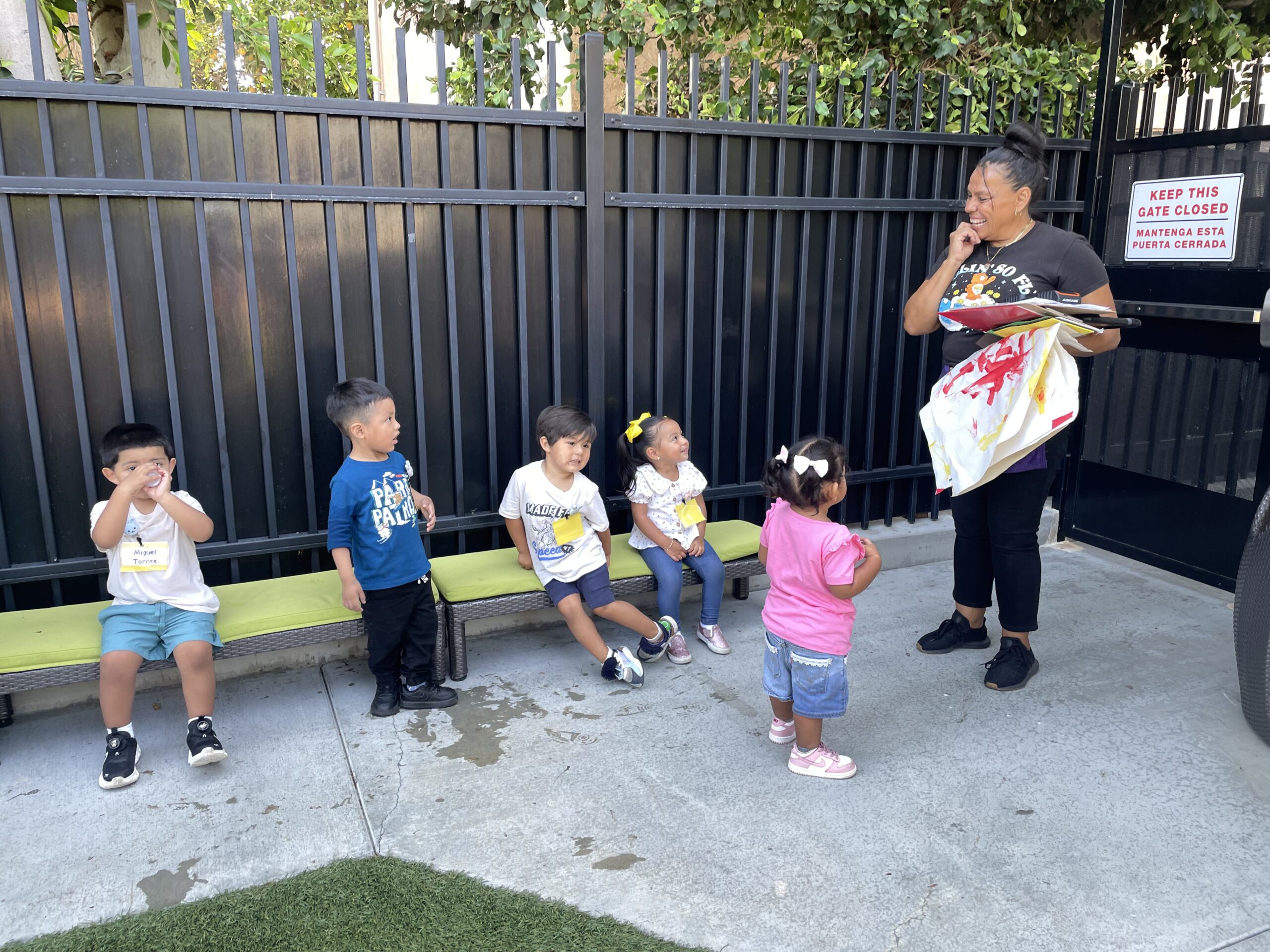
Five 2-year-olds enrolled at Bright Starts Center in Los Angeles at the end of outdoor activity time.

The Trump administration has pursued other changes to the program as well. In May, federal officials proposed removing certain wage and benefits requirements for Head Start staff, saying the move would “restore needed flexibility and autonomy to local programs” while reducing paperwork.

Most recently, in June, right-wing think tank The Heritage Foundation published a report outlining why Head Start should be deregulated “until officials end it.”

Back at Bright Starts, the children returned to their classroom after outdoor play, moving between Spanish and English as they settled into their next activity.

For now, the routines that shape their day remain in place — two adults in the classroom, time for physical activity, meals and snacks, and opportunities for children to learn English while maintaining their home language.

Whether those practices remain federal standards or are left to states and local programs to decide could depend on what happens next. If the changes are approved, legal challenges are likely, particularly in response to new requirements such as English-only instruction.

Bautista said the outcome should ultimately be measured by what happens to children in classrooms like Bright Starts.

“Will these changes improve outcomes for children?” he said. “I think we have to stay rooted in that.”

Betty Márquez Rosales is based in Los Angeles and covers juvenile justice, youth homelessness and other education topics.

Filed Under: Children & Families, Education, News

11 ways to help kids start school strong

August 7, 2026 By Publisher Leave a Comment

Photos: Sutter Health

Advice from pediatric experts across Sutter Health on helping children and teens thrive this school year.

By Monique Binkley-Smith, Manager, Media Relations, Sutter Health 

The countdown to a new school year has begun. For many families, that means shopping for supplies, filling out forms and preparing for busy schedules. It’s also the perfect time to reset healthy habits.

Pediatricians across Sutter Health share 11 back-to-school tips to help children and teens stay healthy, focused and ready to learn.

  1. Start adjusting sleep schedules now

One of the biggest mistakes families make is waiting until the night before school starts to reset bedtime.

“As the school year approaches, it’s time to start adjusting your sleep routine,” says Dr. Dan Brennan, Greater Central Coast Children’s Service Line medical director with Sansum Santa Barbara Medical Group in Santa Barbara. “In the weeks leading up to the start of school, start moving bedtime up by 15 minutes a night until you get to the expected school-year bedtime.”

  1. Know how much sleep children really need

Adequate sleep helps regulate metabolism, maintain a healthy weight, promote positive mood and behavior, and support memory retention and mental alertness needed for academic success, says Dr. Jessica Tsai, with Sutter East Bay Medical Group in Antioch.

Dr. Rakhi Mehrotra, with Palo Alto Foundation Medical Group in Livermore, also recommends helping kids and teens stay on track by keeping the same bedtime and wake-up time every day, including weekends.

Drs. Tsai and Mehrotra recommend the following hours of sleep by age:

  • Preschoolers: 10-13 hours daily, including naps
  • Children age 6-12: 9-12 hours nightly
  • Teens: 8-10 hours nightly
  1. Fuel kids for learning and growth

Healthy eating habits help children get the nutrients they need for energy, growth, focus and overall well-being, according to Dr. Mehrotra.

She recommends:

  • Starting the day with breakfast
  • Eating a variety of fruits, vegetables, whole grains, protein and dairy each day
  • Choosing colorful fruits and vegetables throughout the week
  • Filling half the plate with fruits and vegetables, one-quarter with whole grains and one-quarter with healthy protein
  • Choosing healthy snacks such as fruit, yogurt, nuts, vegetables and whole-grain options
  1. Make water the beverage of choice

Hydration becomes especially important as children spend more time outdoors and return to sports.

“With kids outside more, we want to encourage families to provide as much hydration as possible, water being our first choice,” explains Dr. Brennan.

Sugary and caffeinated beverages should be avoided. Caffeinated beverages work against hydration and generally lead to more dehydration, he notes.

  1. Encourage kids to get moving

Physical activity supports both physical and mental health.

“Whether it’s organized sports, riding bikes, walking the dog or playing at the park, daily physical activity supports both physical and mental health,” says Dr. David Tejeda, with Sutter West Bay Medical Group in San Francisco.

For children interested in organized athletics, Dr. Brennan suggests recreational sports leagues and individual activities such as swimming, running, biking, gymnastics, and rock climbing.

  1. Avoid specializing in one sport too soon

Playing the same sport year-round may sound like a path to success, but pediatricians often see the downside.

“I discourage my pediatric patients from specializing in one sport too early,” emphasizes Dr. Brennan. “High-level athletes benefit from cross training that comes with playing a variety of sports.”

He notes that children who play one sport year-round can develop chronic overuse injuries.

  1. Prepare young athletes before the season begins

As children return to practices, tryouts and games, Dr. Anita Juvvadi, with Sutter West Bay Medical Group in San Francisco, encourages families to focus on the basics:

  • Increase activity gradually before organized practices begin
  • Stay hydrated throughout the day
  • Prioritize consistent sleep
  • Eat enough to support increased activity

“The body needs time to acclimate to new movement and sustained activity,” she says.

  1. Warm up the right way

Before sports and physical activity, Dr. Liang Xue, with Sutter East Bay Medical Group in Brentwood, recommends active, dynamic warm-ups rather than static stretching.

Dynamic warm-ups use movements such as jogging, skipping, lunges and arm circles to increase blood flow, raise body temperature and prepare muscles and joints for activity.

In contrast, holding static stretches before exercise may temporarily reduce strength and power. Saving static stretching for after activity, when muscles are warm, can help improve flexibility and support recovery.

  1. Protect growing bodies and brains

Protective gear matters, according to Dr. Brennan.

“A helmet when riding a bike, skateboard, or scooter can protect that precious brain, and don’t forget to buckle the helmet,” he advises.

He also cautions parents about e-bikes and electric scooters, which account for a growing number of serious injuries, emergency room visits and hospitalizations.

“When possible, skip the electric version and stick to good old-fashioned pedaling,” he says.

  1. Know the signs of concussion

As children return to school sports, parents should familiarize themselves with concussion symptoms.

Dr. Angela Lumba-Brown, a pediatric emergency medicine physician with Palo Alto Foundation Medical Group in Palo Alto, reminds parents to watch for:

  • Worsening headaches
  • Repeated vomiting
  • Balance problems
  • Seizures
  • Neck pain
  • Unusual behavior

“If a concussion is suspected, children should be removed from play and evaluated before returning to sports,” she says.

  1. Don’t forget vaccines and sun protection

The start of the school year is an ideal time to review routine immunizations.

“Vaccines save lives and keep children healthy by building immunity to many serious viral and bacterial infections,” advises Dr. Brennan.

He stresses the importance of families staying up to date on routine vaccinations and annual flu vaccines.

For outdoor activities, Dr. Yvonne Nicole Lee, with Palo Alto Foundation Medical Group in Santa Clara, recommends broad-spectrum sunscreen with SPF 30 or higher, hats, UV-protective clothing and sunglasses. Sunscreen should be applied 10 to 15 minutes before sun exposure and reapplied every two hours.

The Bottom Line

Healthy school years don’t happen by accident. Good sleep, nutritious meals, physical activity, hydration, injury prevention and routine healthcare all work together to help children learn, grow and thrive.

Filed Under: Children & Families, Education, Health, Youth

CA’s mixed-sex bathroom law kicks in just before school starts

July 23, 2026 By Publisher Leave a Comment

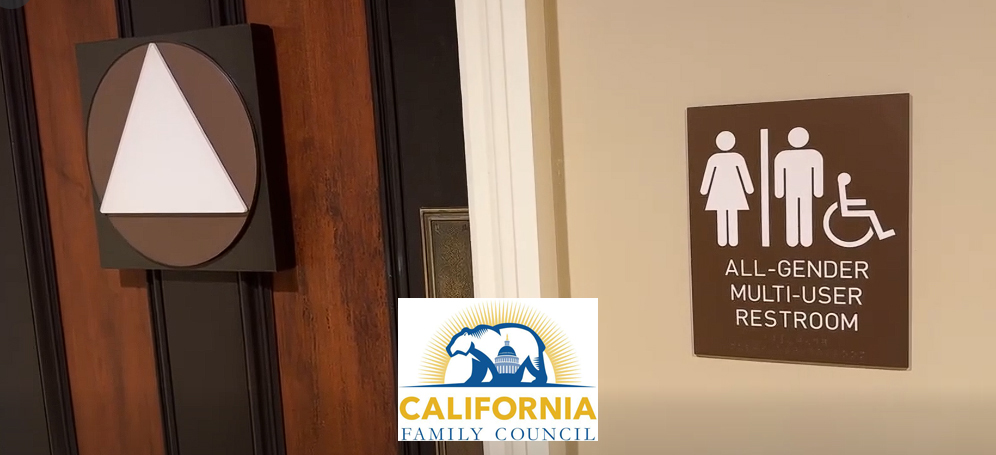
All-gender restroom in California’s State Capitol building. Video screenshot source: CA Family Council

“The law requires that every school campus have at least one all-gender restroom option available to students.”

By Greg Burt, California Family Council

SACRAMENTO, CA — California is quietly moving toward mixed-sex bathrooms in K-12 public schools, and the state’s own Department of Education is leading the way.

A new law California Family Council opposed, SB 760, now requires schools to provide at least one “all-gender” restroom option on campus.

Passed in September 2023, the bill was cosponsored by then-State Senator Steve Glazer (D-Orinda). He, then-State Senator Nancy Skinner, now-State Sen. Tim Grayson and Assemblymembers Rebecca Bauer-Kahan, Buffy Wicks and Lori Wilson who represent Contra Costa County, voted for the bill.

The stated goal was to make transgender-identified students feel safer from bullying. But in the rush to accommodate those students’ feelings, lawmakers apparently gave little thought to a different safety question: what happens when boys are given access to girls’ bathrooms and locker rooms?

The State Is Already Building the Roadmap

The California Department of Education has an entire webpage dedicated to “All Access Restrooms,” describing it as a resource offering background information, planning and design resources, laws and regulations, and references for implementing “gender-inclusive” restrooms in K-12 schools.

The background information on that page acknowledges that “the designs of all-access restrooms have been trending in schools throughout the state, the country, and the world,” while noting there are currently no California design standards for these facilities. In other words, the trend is already underway, and the standards are still catching up.

The planning section of the CDE page is even more candid about the scope of what is being proposed. It describes “shifting from multi-user gendered restrooms and single-user all-gender restrooms to offering blocks of restroom facilities for all students;” meaning the goal is not just a single converted nurse’s bathroom tucked in a hallway. The ambition is to redesign entire blocks of school restroom facilities so that boys and girls share the same space.

What Would It Look Like?

The new all-gender bathroom designs typically eliminate urinals entirely, replacing them with individual private stalls accessible to everyone. The CDE’s resources page recommends an academic article published in the Education Sciences Journal titled “Expanding the Scope of Universal Design: Implications for Gender Identity and Sexual Orientation,” by Ellyn Couillard and Jeanne L. Higbee (2018), as a guide for implementation. That an academic paper on gender identity ideology is among the state’s recommended planning resources tells you something about the ideological framework driving these design decisions.

But keep in mind, SB 760 doesn’t require a complete redesign of a single-sex bathroom for it to become all-gender.

You Already Saw It at the State Capitol

If you want to get a glimpse of what legislators have in mind when they convert a single sex bathroom into an all gender bathroom, take a look at one of the converted male bathrooms at the state capitol, used by legislative staffers, adult visitors, and elementary school children visiting on field trips. California Family Council Vice President Greg Burt recently took a video of the empty bathroom located to one side of the Capitol Dome. “I’m pretty sure most parents would object to their young children sharing a bathroom while men are using the urinals,” Burt said. “Even without the adult issue, I’ve witnessed the chaos that occurs when young boys are pouring into the same bathrooms as the girls while visiting the Capitol. The girls are not happy about it.” (Watch video tour of Capitol bathroom https://www.youtube.com/watch?v=okTcKcP3ACQ)

So, what should parents expect when multi-stall bathrooms are converted to all gender at their child’s school?

What the Law Actually Requires — And What It Doesn’t

It is important to be clear about what SB 760 does and does not mandate. The law requires that every school campus have at least one all-gender restroom option available to students. It could be single-stall or multi-stall. It must be supplied with menstrual products starting in 3rd grade, and it must be unlocked and easily accessible. But there are no requirements that urinals be removed or that additional privacy measures be added to stalls.

Sex-separated restrooms are still permitted, and most schools will continue to have them.

Burt explained what this means in practice for families. “How each school fulfills this new requirement is entirely up to the local school board. A conservative district might simply relabel a single-occupancy nurse’s bathroom and call it done. A progressive district could use this law as a green light to convert entire multi-stall restroom facilities to mixed-sex use. Parents need to find out right now what their district is planning,” he said.

The CDE’s planning resources make clear that the broader vision goes well beyond a single-stall accommodation in the corner of the building. It points toward a wholesale redesign of school bathroom facilities, one that treats sex-separated restrooms as a problem to be solved rather than a common-sense protection for children.

The Question Nobody in Sacramento Answered

SB 760’s supporters argued the law was needed to protect transgender-identified students from harassment, but the legislature never seriously asked the parallel question: does giving boys access to girls’ bathrooms and locker rooms create new opportunities for harassment and assault of girls?

California has seen case after case in recent years where policies designed to accommodate gender identity have created unsafe situations for female students. The discomfort of girls sharing intimate spaces with biological males is not a lesser concern. Lawmakers who refused to weigh it have not protected children. They have simply chosen which children’s safety matters.

Parents: Now Is the Time to Speak Up

Because each school board will decide how to implement SB 760 on its own campuses, parents have a real opportunity to influence what happens at their child’s school, but that window will not stay open indefinitely. Decisions about restroom redesigns and facility changes get made early in the budget and planning process, often before most parents are even aware the conversation is happening.

If you want a say in how your district handles this new requirement, call your school board member and school administrators now. Ask them directly: how does our district plan to fulfill the SB 760 all-gender restroom requirement? Will existing sex-separated restrooms be preserved? Will multi-stall facilities be converted? Every parent deserves to know the answers.

Here is one of the committee hearings from 2023, when SB 760 was discussed, and CFC provided opposition testimony. https://www.youtube.com/watch?v=Bwk7J82Prn8&t=1s

About California Family Council

California Family Council works to advance God’s design for life, family, and liberty through California’s Church, Capitol, and Culture. By advocating for policies that reinforce the sanctity of life, the strength of traditional marriages, and the essential freedoms of religion, CFC is dedicated to preserving California’s moral and social foundation.

Allen D. Payton contributed to this report.


Filed Under: Children & Families, Education, Legislation, News, Opinion, State of California, Youth

Travis Credit Union awards over $40,000 in scholarships to local high school seniors 

July 2, 2026 By Publisher Leave a Comment

Including 7 Contra Costa recipients

By Kristin Schaeffer, Piccadilly

VACAVILLE, Calif. —  Travis Credit Union (TCU) is proud to announce the recipients of its 2026 Community Impact Scholarship. In recognition of their academic achievements and dedication to community service, 20 Northern California graduating high school seniors, with seven in Contra Costa County, will receive a $2,000 scholarship to support their college education.

The TCU Community Impact Scholarship program has awarded more than $677,000 to over 400 students since it was established 22 years ago, reinforcing the credit union’s ongoing commitment to empowering the next generation of leaders through education and civic engagement.

“We are proud to support these outstanding students as they embark on their next chapter,” said Kevin Miller, president and CEO of Travis Credit Union. “Their hard work, resilience and passion for giving back to their communities truly embody the spirit of Travis Credit Union’s Community Impact Scholarship.”

The 2026 winners are:

Contra Costa County

Preet Singh – Hercules High School

Gabrielle Love – Ygnacio Valley High School – Concord

Mia Garcia Arce – Concord High School

Mary Sakshita Reddy Yeruva – California High School – San Ramon

Lola Abdugapparov – Middle College High School – San Pablo

Javier Gutierrez – El Cerrito High School

Saira Trehan – Monte Vista High School – Danville

Solano County

Jamison Abrenica – Dixon High School

Taylor Connelley – Buckingham Collegiate Charter Academy

Anika Jadhav – Benicia High School

Daniel Gonzalez – Fairfield High School

Mary Alyssa Glaiza Nuñez – Will C. Wood High School

Isabella McNelis – Vacaville High School

Jadyn Voorwinden – Vanden High School

Emily Sanchez – Armijo High School

Napa County

Hunter Knight – Napa High School

Yolo County

Aidan Rieger – Davis Senior High School

Mia Borges – Winters High School

Merced County

Colette Collins – El Capitan High School

Owen Reed – Atwater High School

The scholarship program is open to all high school seniors with a minimum GPA of 3.0 who are credit union members and pursuing higher education. The money may be applied toward tuition, supplies or other costs associated with attending college. Each winner was required to submit a completed application, a certified high school transcript and a written or recorded personal statement describing their background, academic goals and post-college plans.

For more information about Travis Credit Union and its services, please visit www.traviscu.org.

About Travis Credit Union

Since 1951, Travis Credit Union focuses on improving the lives of our members. As a full-service financial institution, TCU helps members reach financial goals as their trusted local partner throughout their financial journey. Today, TCU is the 12th largest credit union in California, with 270,000 members and $5 billion in assets. We use financial strength to champion financial education and advocacy, earning recognition at the national, state and local levels. This includes being certified as a Great Place to Work in 2025 and 2026, being named one of Newsweek’s Best Regional Credit Unions in 2025, U.S. Air Force Distinguished Credit Union of the Year, and one of Forbes Best-in-State Credit Union.

Filed Under: Business, Education, Finances, Honors & Awards, News

Three San Ramon students win at National Speech & Debate Tournament

June 24, 2026 By Publisher Leave a Comment

2026 Middle School National Champions

By Shelby Young, Marketing & Communications, National Speech & Debate Association

The National Speech & Debate Association is proud to announce the 2026 Middle School National Speech & Debate Champions! Three students from Windmere Ranch Middle School Argumentative Debate and Academic Competition Club (ADACC) in San Ramon. Lillian Liu won the Congressional Debate competition, and Zidaan Barodawala and Iris Ai won the Public Forum Debate competition. The school is in the San Ramon Valley Unified School District.

Around 1,000 middle school students from 39 states and six countries traveled to Richmond, Virginia to compete in the National Speech & Debate Tournament, the “superbowl” of academia.

“Speech and debate equips students with skills that will serve them for a lifetime—confidence, communication, critical thinking, and the ability to engage respectfully with different perspectives,” said J. Scott Wunn, Executive Director of the National Speech & Debate Association. “These skills help students succeed not only in school, but also as future leaders, professionals, and active members of their communities.”

2026 Middle School National Speech & Debate Champions:

Congressional Debate

Lillian Liu of Windmere Ranch Middle School ADACC, San Ramon, California

Public Forum Debate

Zidaan Barodawala and Iris Ai, Windmere Ranch Middle School ADACC, San Ramon, California

Declamation

Leah Domar, Gutierrez Middle School of Arts & Sciences, Texas

Dramatic Interpretation

Lauren Elliott, Gutierrez Middle School of Arts & Sciences, Texas

Duo Interpretation

Lauren Elliott & Vesper Garza, Gutierrez Middle School of Arts & Sciences, Texas

Humorous Interpretation

Tiegen Fryberger, Duluth Marshall School, Minnesota

Impromptu Speaking

Taj Brown, The Village Middle School, Texas

Informative Speaking

Aivah Dauzart, David Thibodaux STEM Magnet Academy, Louisiana

Lincoln-Douglas Debate

Bailey Wong, El Roble Intermediate, California

Mixed Extemporaneous Speaking

Liam Sahli, Friendly Hills Middle School, Minnesota

Original Oratory

Maahi Ailawadhi, Alice B. Landrum Middle School, Florida

Original Spoken Word Poetry

Damilola Adeoshun, E. A. Olle Middle School, Texas

Poetry

Cetlalli Valenzuela Gonzalez, Edgewood Middle School, California

Policy Debate 

Tariq Abdul-Jami and Nicholas Hinkhouse, Solar Preparatory School for Boys, Texas

Program Oral Interpretation

Vesper Garza, Gutierrez Middle School of Arts & Sciences, Texas

Prose

Madden Davis, LaRue County Middle School, Kentucky

Storytelling

Lauren Elliott, Gutierrez Middle School of Arts & Sciences, Texas

World Schools Debate

Team China Gold

Ryan Yan, Miranda Chen and Yunran Geng, Dialogy, China

With more than 100,000 student members across the country, the NSDA is the premier platform for speech and debate, preparing generations of young people to engage in the public sphere through academically rigorous speech and debate training, competitions, and education.

Over the next five years, the NSDA has a goal to double the number of students involved in speech and debate to 200,000 students across the country.

The 2027 National Tournament will be held in Phoenix, Arizona, from June 13–18, 2027. To learn more about Nationals, visit www.speechanddebate.org/nationals.

About the National Speech & Debate Association

The National Speech & Debate Association is the authority on public speaking and debate in the United States. The Association builds the infrastructure for speech and debate competitions around the world by providing topics, educational resources, and training for students and coaches. For 100 years, the National Speech & Debate Association has built a platform for youth voices that culminates in the National Tournament, the largest academic competition in the world. For more information, visit www.speechanddebate.org.

Allen D. Payton contributed to this report.

Filed Under: Contests, Education, Honors & Awards, News, San Ramon Valley

Monte Vista High student is National Speech & Debate Tournament champion

June 22, 2026 By Publisher Leave a Comment

Anadita Upadhyaya is a 2026 National Speech & Debate Champion. Photo: LinkedIn

By Shelby Young, Marketing & Communications, National Speech & Debate Association

After five days of rigorous competition at the National Speech & Debate Tournament, six students have earned the title of national finalist in the Rep. Barbara Jordan Congressional Debate – House competition. Anadita Upadhyaya, a sophomore at Monte Vista High School in Danville, is the National Champion. The competition is part of the 2026 Main Debate Event.

The Tournament, presented by the National Speech & Debate Association (NSDA), is the world’s largest academic competition. More than 7,000 students from 48 states, the District of Columbia, two U.S. territories, and eight countries traveled to Richmond, Virginia, to compete this past week.

“Speech and debate equips students with the skills to engage meaningfully with the world—to question, advocate, understand diverse perspectives, think critically, and communicate with purpose,” said J. Scott Wunn, Executive Director of the NSDA. “These students are the next generation of leaders and changemakers, and their voices will build a stronger future.”

Congressional Debate is a group debate event simulating the U.S. legislative process. Students meet in chambers and debate legislation over a session typically lasting two to three hours.

Source: NSDA

The NSDA is proud to recognize the top six students in the country in the Rep. Barbara Jordan Congressional Debate – House:

National Champion

Anadita Upadhyaya

Monte Vista High School, California

According to her LinkedIn profile she wrote, “A high school sophomore driven by a curiosity for how AI and innovative technology can solve real-world problems. Whether I’m diving into STEM projects, breaking down complex ideas into engaging stories through public speaking, or practicing discipline on the martial arts mat as a third-degree black belt, I love taking on new challenges. Always open to public speaking opportunities and eager to connect with peers, mentors, and innovators!

Anadita has been a member of the California Scholarship Federation Danville, is currently the On-site Co-President beginning this month and served as the Director of Student Activities from June 2025 to May 2026.

She is a Third Degree Black Belt in Taekwondo and has worked as a referee for World Taekwondo in the San Francisco Bay Area since August 2024.

2nd Place

Alysia Aldea

Medina Senior High School, Ohio

3rd Place

Chaith Mittal

Archbishop Mitty High School, California

4th Place

Enan Khan

American Heritage Schools, Palm Beach Campus, Florida

5th Place

Hayley Fung

Los Osos High School, California

6th Place

Vedant Hathalia

Bellarmine College Preparatory, California

These students represent the top 1% of speech and debate competitors in the National Speech & Debate Association. Students must compete in local, regional, or online district competitions throughout the school year to qualify for the National Speech & Debate Tournament. Finalists are selected after multiple rounds of competition with students from across the country.

See more about the various competitions and the finalists on the NSDA Facebook page.

The NSDA is the largest speech and debate organization in the United States, supporting interscholastic tournaments, schools, coaches, and students since 1925. For more than 100 years, the NSDA has prepared generations of young people to engage in the public sphere through academically rigorous speech and debate training, competitions, and education.

The NSDA plans to expand access to this life-changing activity through the National Speech & Debate Initiative. Over the next five years, the NSDA has a goal to increase participation in speech and debate to 200,000 students by 2030. To learn more about the NSDA, visit www.speechanddebate.org.

The 2027 National Tournament will be held in Phoenix, Arizona, June 13-18, 2027. To learn more about Nationals, visit www.speechanddebate.org/nationals.

About the National Speech & Debate Association

The National Speech & Debate Association is the authority on public speaking and debate in the United States. The Association builds the infrastructure for speech and debate competitions around the world by providing topics, educational resources, and training for students and coaches. For more than 100 years, the National Speech & Debate Association has built a platform for youth voices that culminates in the National Tournament, the largest academic competition in the world. For more information, visit www.speechanddebate.org.

Allen D. Payton contributed to this report.


Filed Under: Contests, Education, News, Youth

Free college access program opportunity for high school juniors and sophomores

June 12, 2026 By Publisher Leave a Comment

Source: 10,000 Degrees

To support students from low-income backgrounds

At SF State July 18 – Limited spots available, first come, first served! 

By Rachel Clark, Senior Marketing & Communications Manager, 10,000 Degrees

The 10,000 Degrees College Access Program presents The Summit, a FREE one-day, in-person summer event on Saturday, July 18 | 9:00 – 5:00 PM, where students will visit San Francisco State University.

Lunch and transportation will be provided for FREE.

Open to Juniors and Sophomores who attend a high school in the following counties: Contra Costa, Sonoma, Lake, Napa, Marin, San Francisco, San Mateo and Santa Clara.

Students will: Dive into action-oriented college workshops. Get an insider’s look at SF State. Explore essential student resources at a resource fair. Connect with the 10,000 Degrees team and learn about our scholarship. Bonus: Win raffle prizes.

About 10,000 Degrees College Access Program

We are dedicated to helping high school students from low-income backgrounds get to college, whether you enroll at a four-year university or community college. Students at our partner schools can receive support from Fellows right on campus and attend financial aid and college readiness workshops and events all year.

Our College Access Program for high school students starts with The Summit, an incredible college immersion program held in the summer before your senior year. You can participate in our programming as early as the spring of your junior year by checking out our program application! From there, we provide informational, action-oriented workshops to help you explore your college options, apply for free financial aid and the 10,000 Degrees Scholarship, complete college application, and more. Throughout your senior year, we also offer comprehensive college support at our partner high school directly on campus.

Limited spots available for The Summit college tour – first come, first served!

For more information visit https://10000degrees.org/students-alumni/high-school-students/#summit.

Filed Under: Education, Youth

Dana Eaton seeks promotion to Contra Costa County Superintendent of Schools

May 29, 2026 By Publisher Leave a Comment

Source: Eaton campaign

Brentwood Union School District Superintendent will apply his student-centered approach countywide

“We have a moral responsibility to make sure our children’s education is better than the one that we received,” – Dr. Dana Eaton

By Lisa Tucker

BRENTWOOD – In January, Dana Eaton launched his candidacy for Contra Costa County Superintendent of Schools.  This is an open seat.

“Students and learning are at the center of my work as superintendent of schools for the Brentwood Union School District and in my previous roles as a teacher and principal,” said Eaton.  “I have consistently championed early literacy, student mental health, supporting the whole child, and school safety as foundational priorities, and will continue to do so as Contra Costa Superintendent of Schools.”

Dr. Eaton is serving his 13th year as superintendent of schools for the Brentwood Union School District and his 17th year as a superintendent overall.  According to his LinkedIn profile, he previously worked as Superintendent for the Jefferson School District in Tracy from 2009 to 2013. Eaton has a nearly 30-year career in education including as a teacher and principal.

He earned his Bachelor’s degree in Liberal Arts and Sciences/Liberal Studies from San Francisco State University, a Master’s degree in Educational Leadership from Saint Mary’s College of California and a Doctor of Education – EdD degree in Educational Leadership from the University of La Verne.

Dr. Dana Eaton with his wife, Renee and their children, James and Emily. Source: Eaton campaign.

Eaton currently serves on the Fiscal Crisis and Management Assistance Team State Governing Board, the state’s school finance oversight organization; the California Collaborative for Educational Excellence Superintendent Advisory Panel, the state’s support provider to school districts in need of academic assistance; and, is state president of the Association of California School Administrators (ACSA) Superintendency Council, where he advocates on behalf of students, teachers, and educational leaders at the state and federal level.

“This experience has prepared me to help districts maintain sound fiscal practices and improve their Local Contral and Accountability Plans (LCAPs) to provide outstanding educational opportunities to every student,” said Eaton.

Current Contra Costa Superintendent of Schools, Lynn Mackey, is retiring and will not run for re-election. She has endorsed Eaton, stating “Dana is a highly experienced, well-respected superintendent here in Contra Costa County.  He is deeply committed to public education, understands the role of the County Office, and brings steady, student-centered leadership.”

During a campaign fundraiser on April 7th, the candidate said, “I really believe in the power of public education. At the same time, I think we’re in a time when we are at risk for our children and our children’s children having an inferior education. I think that as adults who have benefited from a public education that we have a moral responsibility to make sure our children’s education is better than the one that we received. And that’s why I’m running for County Superintendent of Schools.”

Dr. Dana Eaton speaks during a campaign fundraiser at McCauley Estate Vineyards in Brentwood on April 7, 2026. Photos by Allen D. Payton

In recognition of Eaton’s leadership, he was named ACSA Superintendent of the Year for Alameda and Contra Costa Counties in both 2016 and 2023.  He was also named Brentwood Citizen of the Year in 2019 by the Brentwood Chamber of Commerce.

“As Superintendent, I will work to attract and support high-quality teachers and prioritize student success and learning whether in general education, special education, or alternative settings,” said Eaton.

Eaton comes from a long line of educators. His grandparents, mother, sister and wife, Renee, all served their communities as teachers. Eaton lives in Brentwood with his family.

The primary election is in June in which he faces one opponent. Whoever receives a majority of the vote wins and will begin their term in December.

For more information about Dr. Eaton and his campaign visit www.eatonforschools.com.

Allen D. Payton contributed to this report.

Filed Under: Education, News, Politics & Elections

  • « Previous Page
  • 1
  • 2
  • 3
  • 4
  • …
  • 35
  • Next Page »
Free Kids Fishing Derby 10-10-26
RepublicServices-Antioch-ad (1)
Monica's Riverview 09-26 A (1)
Celia's-09-26B
Delta-RC-B 07-26
Deer-Valley-Chiro-06-22

Copyright © 2026 · · Contra Costa Herald · All Rights Reserved