• Home
  • About The Herald
  • Local Agencies
  • Daily Email Update
  • Legal Notices
  • Classified Ads

Contra Costa Herald

News Of By and For The People of Contra Costa County, California

  • Arts & Entertainment
  • Business
  • Community
  • Crime
  • Dining
  • Education
  • Faith
  • Health
  • News
  • Politics & Elections
  • Real Estate

Bay Area Toll Authority extends public comment period on proposed 2026 toll hike, carpool policy changes

November 21, 2024 By Publisher Leave a Comment

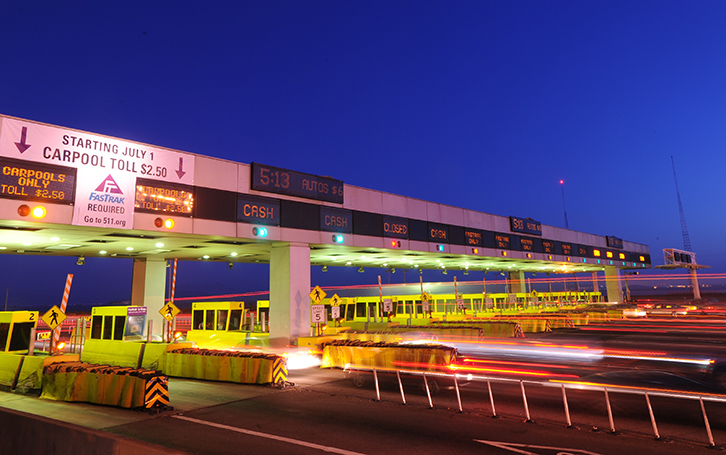
Bay Bridge Toll Plaza from MTC website. By Noah-Berger

Until Dec. 18

Authority board considering increasing to as high as $11.50 to pay “exclusively for bridge preservation and operations” in spite of three voter-approved $1 increases

“A Thanksgiving/holiday season decision is a hide the ball strategy. Not good.” – State Senator Steve Glazer

By John Goodwin & Rebecca Long, MTC

November 20, 2024 update: The public comment period on the Bay Area Toll Authority’s proposed toll increase and HOV policy changes is extended through the end of public comment heard on the agenda item for BATA’s December 18, 2024 meeting.  All public written and oral comments provided through that time will be incorporated into the record. However, in order for comments to be summarized and published in the agenda packet and distributed in advance of consideration of this item at the December 11, 2024, BATA Oversight Committee meeting, they must be submitted by 5 p.m. December 3, 2024. 

BATA — which is required by state law to fund projects to preserve and protect the Bay Area’s seven state-owned toll bridges — today heard again a proposal for a toll increase that would be used only to pay for the maintenance, rehabilitation and operation of the San Francisco-Oakland Bay Bridge and the Antioch, Benicia-Martinez, Carquinez, Dumbarton, Richmond-San Rafael and San Mateo-Hayward bridges. If approved by BATA at its December 18 meeting, the toll increase would be phased in over five years, beginning Jan. 1, 2026. 

Source: BATA

The toll increase proposal includes a tiered rate structure aimed at encouraging more customers to pay electronically with FasTrak® toll tags, as this form of payment carries lower administrative costs than payment through a license plate account or returning payment with an invoice received by mail. Under the proposal, customers would pay a premium for using a pre-registered license plate account or for invoiced tolling. To give customers ample time to sign up for FasTrak, this premium would not begin until 2027. 

The proposed toll hike is separate from the $3 increase approved by Bay Area voters in 2018 through Regional Measure 3 to finance a comprehensive suite of highway and transit improvements around the region. The first of the three $1 Regional Measure 3 toll increases went into effect in 2019, followed by another in 2022. The last of the RM 3 toll hikes will go into effect Jan. 1, 2025, bringing the toll for regular two-axle cars and trucks to $8.

The proposal heard today by BATA calls for tolls for all regular two-axle cars and trucks to increase to $8.50 on Jan. 1, 2026. Tolls for customers who pay with FasTrak tags would then rise to $9 in 2027; to $9.50 in 2028; to $10 in 2029; and then to $10.50 in 2030. Tolls for customers who use a pre-registered license plate account would rise to $9.25 in 2027; to $9.75 in 2028; to $10.25 in 2029 and to $10.75 in 2030. Invoiced tolls would rise to $10 in 2027; $10.50 in 2028; $11 in 2029; and $11.50 in 2030. The Golden Gate Bridge has used a tiered pricing schedule since 2014. Golden Gate Bridge tolls by July 2028 will range from $11.25 for FasTrak to $11.50 for license plate accounts to $12.25 for invoice customers.

Under the proposed toll increase, tolls for large freight trucks and other vehicle/trailer combinations with three or more axles would rise by 50 cents per axle each year from 2026 through 2030. 

Removing spalled on concrete on pier cap 305. Photo: CalTrans

“I’m sensitive to the overall cost of living in the Bay Area,” acknowledged Napa County Supervisor Alfredo Pedroza, who also serves as chair of both BATA and the Metropolitan Transportation Commission (MTC). “Working families really feel the impact, not just in transportation but back at home with utilities, groceries, children. This one is hard. But it’s the right thing to do.”

BATA and MTC invite members of the public to weigh in on the proposed toll increase during a comment period that begins Monday, Nov.4, and continues through the end of BATA’s Dec. 18 meeting. Comments may be sent via email to info@bayareametro.gov. As part of its regular November meeting, BATA today held a public hearing in San Francisco to receive testimony about the proposal from Bay Area residents, businesses and other interested parties. 

Today’s presentation by BATA and MTC staff also proposed updates to the policies for high-occupancy vehicles on approaches to the Bay Area’s state-owned toll bridges. These updates would take effect Jan. 1, 2026, concurrent with the proposed toll increase. BATA’s  existing toll schedule allows vehicles with three or more occupants (HOV 3+) a discounted toll, with a two-person (HOV 2) occupancy requirement for half-price tolls at the Dumbarton and San Mateo-Hayward bridges. BATA and MTC staff propose to establish a uniform three-person occupancy requirement for half-price tolls during weekday commute periods at all seven bridges. Carpool vehicles at all state-owned bridges must use a dedicated carpool lane and pay their tolls with a FasTrak Flex toll tag set to the ‘3’ position to receive the 50 percent discount available weekdays from 5 a.m. to 10 a.m. and from 3 p.m. to 7 p.m.

Source: BATA

The proposed carpool policy changes also would allow vehicles with two occupants and a switchable FasTrak Flex toll tag set to the ‘2’ position to use the carpool lanes on the approaches to the Antioch, Benicia-Martinez, Carquinez, Dumbarton, Richmond-San Rafael and San Mateo-Hayward bridges. These two-occupant vehicles would not receive the 50 percent carpool discount but would be able to use the carpool lanes to save time traveling through the toll plazas. Use of the carpool lanes on approaches to the San Francisco-Oakland Bay Bridge still would require a minimum of three occupants.

The new carpool policy proposals are designed to improve safety on the toll bridge approaches by minimizing ‘weaving’ between lanes and to increase person-throughput by prioritizing access for buses and carpools. The policy change also would optimize lane configurations as now-obsolete toll booths are removed as part of the coming transition to open-road tolling.  

BATA, which is directed by the same policy board as MTC, administers toll revenues from the Bay Area’s seven state-owned toll bridges. Toll revenues from the Golden Gate Bridge are administered by the Golden Gate Bridge, Highway and Transportation District, which joined with BATA to operate a single regional FasTrak customer service center in San Francisco. MTC is the transportation planning, financing and coordinating agency for the nine-county San Francisco Bay Area.

In response to a post of the link to this press release on X/Twitter on Wednesday, Nov. 30, State Senator Steve Glazer, who represents most of Contra Costa County, protested the proposed toll hikes writing, “Why was this need not identified and incorporated during the last toll increase in 2018? You don’t buy a boat and a new car when you don’t have the $ to fix the roof! A Thanksgiving/holiday season decision is a hide the ball strategy. Not good.”

Allen D. Payton contributed to this report.


Filed Under: Bay Area, Government, Infrastructure, News, Taxes, Transportation

Senator Padilla welcomes National Semiconductor Technology Center headquarters to California

November 4, 2024 By Publisher Leave a Comment

Credit: CHIPS for America

In Sunnyvale

WASHINGTON, D.C. — On Friday, Nov. 2, 2024, U.S. Senator Alex Padilla (D-Calif.) issued the following statement after the Department of Commerce announced that the CHIPS for America Design and Collaboration Facility (DCF), the official headquarters of the National Semiconductor Technology Center (NSTC), will be established in California. Earlier this year, Padilla led the entire California Democratic delegation in urging Secretary of Commerce Gina Raimondo to establish the NSTC headquarters in California.

The DCF in Sunnyvale, California, will be a colocation of the NSTC headquarters and the flagship design hub from where all NSTC R&D work will be coordinated. The headquarters will serve as a site to host NSTC member and semiconductor ecosystem convenings, NSTC programmatic activities, the Workforce Center of Excellence, the future investment fund, and more. The national design facility will include the NSTC Design Enablement Gateway and an institution for design research focused on chip design, electronic design automation, hardware security, and chip system architecture.

“California is the clear choice to lead NSTC’s semiconductor innovation and R&D. Our state has built a world-class innovation economy and has been at the forefront of the semiconductor industry for decades. We are uniquely positioned to leverage our R&D, manufacturing capacity, and end-users to drive this industry forward.

“Establishing the NSTC headquarters in California will capitalize on our state’s unparalleled assets to grow a highly skilled workforce and develop next-generation advancements. I am confident that this CHIPS Act funding will propel emerging technologies and protect America’s global semiconductor leadership, all while bringing good-paying jobs to our state.”

Santa Clara County alone holds 20 percent of all semiconductor utility patents granted in the last decade, and California is home to more semiconductor R&D, design, intellectual property (IP), and electronic design automation (EDA) firms than Texas, New York, and Oregon combined – with over 175 companies operating out of Silicon Valley. The design facility is one of three planned major NSTC centers. The Department of Commerce recently announced the Extreme Ultraviolet (EUV) Accelerator in New York, and said a Prototyping and NAPMP Advanced Packaging Piloting Facility is still forthcoming.

In April, Padilla, Senator Laphonza Butler (D-Calif.), Representative Zoe Lofgren (D-Calif.-18), and Representative Doris Matsui (D-Calif.-07) led the entire California Democratic delegation in urging Secretary of Commerce Gina Raimondo to establish the NSTC headquarters in California. The letter came after Padilla and Governor Gavin Newsom issued a statement rebuking the CHIPS Program Office’s (CPO) cancellation of the third CHIPS Act Notice of Funding Opportunity (NOFO) for advanced commercial research and development facilities in the United States.

In 2022, Senator Padilla and Senator Reverend Raphael Warnock (D-Ga.) sent a letter urging Senate leadership to support provisions in the final version of the United States Innovation and Competition Act that would require semiconductor companies receiving federal assistance for research, design, and manufacturing to invest in a more diverse workforce and improve procurement from minority-, veteran-, and women-owned businesses. Padilla and Warnock applauded the passage of one of these provisions through the Creating Helpful Incentives to Produce Semiconductors (CHIPS) for America Act later that year.

To view the release online, click here.


Filed Under: Bay Area, Jobs & Economic Development, News, Technology

MTC, SPUR to hold webinar on Bay Area transit planning Sept. 3

August 31, 2024 By Publisher Leave a Comment

Source: MTC

Making Transit Work for the Region — Now and In The Future

September is Transit Month

Join MTC and SPUR online and attend a webinar to learn about progress on two regional initiatives — Transit 2050+ and Transit Priority Improvements.

Tuesday, September 3, 2024 – 12 p.m. to 1:30 p.m.

Transit 2050+ is the region’s first connected network plan for Bay Area Transit and is also a key component of Plan Bay Area, the region’s sustainable community strategy and regional transportation plan. Unlike prior versions of the Regional Transportation Plan, Transit 2050+ focuses on the overall transit network of the Bay Area and prioritizes near term improvements to transit service, speed and reliability.

MTC is working with transit agencies and with Caltrans, cities and counties to plan and implement Transit Priority Improvements, infrastructure that increases the speed and reliability of Bay Area buses and light rail trains.

Staff from the Metropolitan Transportation Commission (MTC) will provide an update on Transit 2050+’s progress and will also talk about the plan’s relationship to ongoing work expanding and accelerating transit priority projects across the region.

About SPUR

SPUR — the San Francisco Bay Area Planning and Urban Research Association — is a nonprofit public policy organization. We bring people together from across the political spectrum to develop solutions to the big problems cities face. Based in San Francisco, San José, and Oakland, we are recognized as a leading civic planning organization and respected for our independent and holistic approach to urban issues.

About MTC

The Metropolitan Transportation Commission was created by the California Legislature in 1970 to plan, finance and coordinate the Bay Area’s transportation system. The Commission’s scope over the years has expanded to address other regional issues, including housing and development.

MTC provides planning, funding, coordination and technical assistance to the Bay Area’s 101 cities and nine counties, plus, transit agencies and other partners to bring the region together — to make life better for residents and make the Bay Area’s transportation system more resilient to future challenges.

Register for the event here.

Filed Under: Bay Area, Government, Transportation

Housing, transit advocates decry $20 billion regional housing bond measure pulled from Bay Area ballot

August 21, 2024 By Publisher Leave a Comment

Photo source: Transform

Transform’s leader calls it “a tragic missed opportunity” and “major setback for our climate and transportation goals”; labels opponents who successfully challenged measure, “extremist anti-housing and anti-government activists”

“RM4 barely polled 54% before we even had a chance to open our mouths about it. Are 46% of the citizens of the Bay Area ‘extremist anti-housing and anti-government activists’?” – 20 Billion Reasons campaign opposition leader Gus Mattammal

By Allen D. Payton

In an email to supporters and an announcement this week, Jenn Guitart, Executive Director of Transform decried the removal of the $20 billion Bay Area housing measure from the November ballot and demonized those who successfully challenged it. According to polling commissioned by the Bay Area Housing Finance Authority which placed the measure on the ballot, they found that only 54% of likely voters supported the bond. That’s much lower than the 66.7% support of voters required for it to pass. (See related articles here and here)  CCH: (See related articles here and here)

Labeled “What It Means for Our Movement” Guitart’s email and identical announcement on the Transform’s website read:

On Wednesday morning, the Bay Area Housing Finance Authority (BAHFA) unanimously voted to remove Regional Measure 4 from the 2024 ballot. The measure would have raised $20 billion to alleviate the Bay Area’s housing and homelessness crisis. Unfortunately, the measure was scuttled in response to a series of eleventh-hour challenges by extremist anti-housing and anti-government activists. This is a tragic missed opportunity for voters to say yes to urgently needed affordable housing and homelessness funding.

This decision is heartbreaking for Transform and other housing advocates, and, more importantly, for the hundreds of thousands of people in our region who now must wait longer for the affordable housing and homelessness solutions Bay Area residents need and deserve.

The decision is also a major setback for our climate and transportation goals. By funding the construction of over 40,000 new affordable homes near transit, the measure would have reduced greenhouse gas emissions by over three million tons and spurred an additional five million transit trips per year.

While it is frustrating that a well-resourced group of naysayers halted progress on housing and homelessness this election, Transform and our partners will continue to build the necessary power to win big on these critical issues.

Looking Forward

All is not lost in the fight for affordable housing. Transform and our partners will be working hard to pass Prop 5 this November, which will lower the voter approval threshold for housing and public infrastructure bond measures (from a two-thirds vote) to 55%. This measure is critical to advancing future affordable housing bond measures across the state.

Beyond November, our region continues to face significant challenges, from the housing and homelessness crisis to a looming transit fiscal cliff. New regional funding measures for both transportation and affordable housing are urgently needed. Passing both measures in the coming years will take unprecedented collaboration, creativity, and courage.

Transform will play a leading role in both these efforts as we continue our work to empower communities of color, innovate solutions, and advocate for policies and funding — all with the aim of helping people thrive and averting climate disaster. And we will need supporters like you in this fight to build up the necessary resources, political will, and movement organizing to beat the anti-taxers in future election cycles.

In the meantime, get ready to vote yes on Prop 5 in November, and stay tuned for future calls to action in the fight for housing, transportation, and climate justice for our region.

Transform Executive Asked Why She Demonized Measure’s Opponents

Guitart was asked why she would demonize the opponents to the measure when it only polled at 54% support prior to it being placed on the ballot, which is much lower than the 2/3rds vote currently required and also less than the 55% threshold required for a future vote should Prop 5 pass. She was also asked if she’s claiming 46% of the public who opposed it in the poll are also “extremist anti-housing and anti-government activists” and isn’t she risking angering those who opposed the measure from the start, some of whose support will be needed for passage of a future ballot measure.

Guitart was then asked with such a low level of support, shouldn’t the measure have been revised before it was placed on the ballot in order to address some of the concerns of the opposition to ensure a better possibility of it passing.

She was also asked instead wouldn’t it be better if Transform worked with the opponents to try and find common ground or a ballot measure that will be less anathema to them for a possible future vote or to achieve her organization’s goals

Finally, Guitart was asked if she is willing to offer a public apology to the measure’s opponents, revise her public statement removing the swipes at them and tone down the divisive rhetoric.

However, in response Guitart shared that she is unable to respond right now due to a family issue but wrote, “I will pass your concerns on to our team.”

Ballot Measure Opponent Leader Responds

When asked about the swipes at the opponents made by Transform’s executive director, Gus Mattammal, the leader of the opposition campaign, 20 Billion Reasons, responded, “I have a couple of responses to that characterization:

1) 20 Billion Reasons comprised Democrats, Republicans, Libertarians, and Independents – the entire political spectrum. And to be clear, Democrats were about half the group.

2) Almost everyone in the group has willingly voted for tax increases before, so it’s silly to label folks as ‘anti-tax’. If someone comes to you with an idea for a pizza with pickles, sardines, and mayonnaise, and you say ‘um, no thanks!’, does that make you anti-pizza? Or are you just anti- “this particular idea for pizza”?

No one in this group is against well-constructed policies to alleviate housing unaffordability. Unfortunately, nothing about Regional Measure 4 was ‘well-constructed policy’.

3) RM4 barely polled 54% before we even had a chance to open our mouths about it, and the polling was destined to only go down from there. That means 46% of the voters were against this from the beginning. Are 46% of the citizens of the Bay Area ‘extremist anti-housing and anti-government activists’? I’m a registered Republican, and I feel like our fortunes as a party would be very different here in the Bay Area if that were true.”

About Transform

Founded in 1997 as Bay Area Transportation and Land Use Coalition (BATLUC), according to the organization’s website, Transform works “with organizations, advocates, and community members for improved transportation and housing policies and funding. Together, we can invest in climate and equity, promote innovative transportation, support transportation shifts, and address climate-related housing issues.”

The group claims to have moved “the Overton window”, which is an approach to identifying the ideas that define the spectrum of acceptability of governmental policies that says politicians can act only within the acceptable range, “steadily toward equity and climate resilience.”

They, “envision vibrant neighborhoods, transformed by excellent, sustainable mobility options and affordable housing, where those historically impacted by racist disinvestment now have power and voice.”

For more information about Transform visit www.TransFormCA.org or call (510) 740-3150.

Filed Under: Bay Area, Growth & Development, News, Politics & Elections, Taxes

New plan maps route for finishing Bay Trail

August 21, 2024 By Publisher Leave a Comment

Existing Bay Trail map (left), Bay Trail sign and Bay Trail Gaps map (right). Source: MTC

The Bay Trail Gap Closure Implementation Plan (BTGCIP) sets priorities for future work to complete the remaining 150 miles of the vision of a 500-mile trail network around the bay.

By MTC & ABAG staff

Staff from the Association of Bay Area Governments (ABAG) and the Metropolitan Transportation Commission (MTC) this summer released the Bay Trail Gap Closure Implementation Plan (BTGCIP) final report, which establishes prioritization criteria to rank the benefit of closing the remaining gaps in the San Francisco Bay Trail.

The vision for a complete Bay Trail is a total of 500 miles of trails that circle the San Francisco and San Pablo Bays. To date, more than 350 miles have been completed.

The BTGCIP inventories the remaining gaps, identifies priorities and ranking of gaps for future investment, and develops cost estimates for closing those gaps.

A segment of the existing Bay Trail. Photo credit: Arup

A multi-year process, the BTGCIP featured engagement with a working group of more than 100 participants, with representation from all nine Bay Area counties. The working group included staff from cities, counties, state, federal, transit and advocacy organizations, as well as partnership with nine community-based organizations that engaged with members of the public in Equity Priority Communities.

The process reviewed the entire Bay Trail through the lens of these identified priorities:

  • Center Equity Priority Communities in building out future segments of the Bay Trail
  • Connect segments that create the longest continuous sections of trail
  • Connect job centers to housing
  • Increase access to transit-rich and connected communities
  • Improve access to parks and open space
  • Preserve the shoreline environment and access to the shoreline
  • Consider impacts of sea level rise in the coming decades

Project area map showing the existing and proposed locations of the Bay Trail and Connector Trails. Source: MTC BTGCIP

Project History

In 2005, MTC and the ABAG conducted an evaluation of the Bay Trail network, The San Francisco Bay Trail Project Gap Analysis Study. This study identified gaps in the Bay Trail network, scored and prioritized them, developed cost estimates for future construction, and presented an overall timeframe for completion of the full 500-mile vision of the Bay Trail.

The purpose of the BTGCIP is to build upon the work from 2005 to identify and evaluate existing missing segments of Bay Trail (trail gaps) and prioritize their construction in the remaining build-out of the Bay Trail.

In this updated gap analysis study, a greater emphasis was placed on Equity Priority Community engagement and needs along with aligning the prioritization criteria with Plan Bay Area 2050.

Finally, the study updated cost estimates for closing gaps and conducted sea level rise analysis to begin the discussion about how certain segments of the Bay Trail may need to consider adaptation strategies in the future.

Source: MTC BTGICP

Engagement

The BTGCIP focused on working with the San Francisco Bay Trail Board and Steering Committee, partner agency stakeholders and the community to identify new criteria for prioritizing gap closures and assessing the projects identified to address existing gaps.

This process involved:

  1. A Working Group with agency staff and advocates from throughout the region. The working group had more than 100 participants – staff from cities, counties, state, federal, transit and advocacy organizations – with representation from all nine Bay Area counties.
  2. Paid partnerships with nine community-based organizations (CBOs) who work within and represent communities within Equity Priority Communities (EPCs). The CBO partners hosted nine public engagement events throughout the region with over 200 participants. Two events were held in Spanish, and Spanish translation was available at all events. The engagement events were held in many formats, including: bike rides, tabling at existing community events, zoom meetings, farm gatherings, dinners and picnics.

Existing and proposed locations of the Bay Trail and Connector Trails in Contra Costa County. Source: MTC

See Gap Closure Implementation Plan Prioritization Map – This map visualizes the existing Bay Trail network, the Bay Trail gaps symbolized by priority score, and the existing and proposed connector trails to the Bay Trail network.

See Bay Trail Fieldwork Review Map – This map visualizes the trail conditions data collected from a field review of all existing off-street Bay Trail segments (nearly 300 miles).

Staff Contact – Lily Brown, Associate Planner/Analyst ‐ Equitable and Active Transportation

Phone: 415-778-6721 Email: lbrown@bayareametro.gov

The Bay Trail is a joint project of the ABAG and MTC. To learn more click, here.

Filed Under: Bay Area, News, Recreation

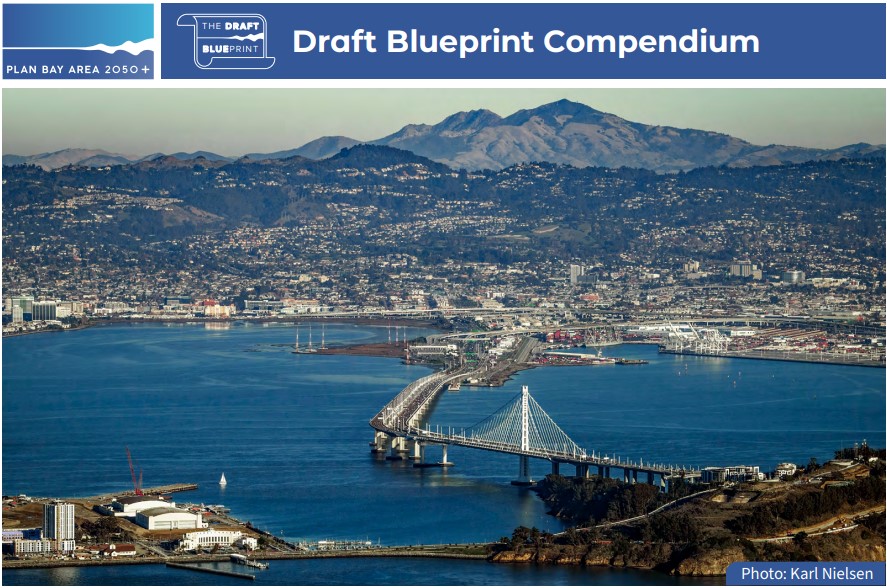
Draft Plan Bay Area 2050+ Blueprint includes 840,000 more affordable homes, guaranteed monthly income

July 8, 2024 By Publisher Leave a Comment

Source: MTC & ABAG

“Demonstrates continued progress toward key plan goals” of housing, transportation, economy and environment in the nine counties including “a gradual shift away from the use of single-occupancy cars and trucks.”

Includes over $1.2 trillion to maintain existing transportation system, build and buy affordable housing, “Provide an income-based monthly payment to all Bay Area households” and to “Adapt to Sea Level Rise.”

Also working on parallel Transit 2050+ plan

Public input opportunities

By MTC & ABAG staff

The Metropolitan Transportation Commission (MTC)’s and the Association of Bay Area Governments (ABAG)’s newly released Plan Bay Area 2050+ Draft Blueprint analysis outlines how the nine-county region can advance an affordable, connected, diverse, healthy and vibrant Bay Area for all residents by the year 2050.

The Blueprint is essentially a draft version of the plan. It is a foundational framework for a future vision of the Bay Area that includes:

  • Forecasts and Assumptionsabout the Bay Area’s future (population, jobs, financial needs and revenues, sea level rise, etc.);
  • Strategiesfor public investment and policy reform; and
  • Geographieswhere future housing and/or job growth can be focused under the plan’s Strategies.

The Blueprint is then analyzed through computer-generated models and simulations to measure how successful the strategies are in achieving shared goals for the future, such as housing affordability, reduced greenhouse gas emissions and much more.

As the first draft of the Bay Area’s next long-range plan, the Draft Blueprint demonstrates significant progress toward reaching key goals for housing affordability, post-pandemic economic recovery and environmental health and sustainability. This includes the addition of 840,000 affordable homes, with a total of nearly 1 million permanently affordable homes regionwide by 2050; a 17 percent increase in the number of lower-income households living within a half-mile of transit service; and a gradual shift away from the use of single-occupancy cars and trucks. MTC and ABAG planning staff stress that the expected progress would only come about if all the strategies to be detailed in Plan Bay Area 2050+ are implemented.

Source: MTC & ABAG

The full range of performance and equity outcomes from the Plan Bay Area 2050+ Draft Blueprint analysis may be found in the Draft Blueprint Compendium, which also demonstrates how the Bay Area can accommodate some 1.3 million additional jobs and nearly 1 million new households by the year 2050.

The Compendium shows the following proposed budget highlights for three of the Plan’s categories:

Transportation Strategies

$382 billion for T1 – Operate and Maintain the Existing System. Commit to operate and maintain the Bay Area’s roads and transit infrastructure while transitioning to zero-emission transit vehicles.

Housing Strategies

$250 billion for H2 – Preserve Existing Affordable Housing. Acquire homes currently affordable to low- and middle-income residents for preservation as permanently deed-restricted affordable housing, including opportunities for resident ownership.

$302 billion for H4 – Build Adequate Affordable Housing to Ensure Homes for All. Construct enough deed-restricted affordable homes to fill the existing gap in housing for the unhoused community and to meet the needs of low-income households.

Economic Strategies

$205 billion for EC1 – Implement a Statewide Guaranteed Income. Provide an income-based monthly payment to all Bay Area households to improve family stability, promote economic mobility and increase consumer spending.

Environment Strategies

$94 billion for EN1 – Adapt to Sea Level Rise. Adapt shoreline communities, infrastructure and ecosystems affected by sea level rise.

These outcomes were first presented at the May meeting of MTC’s Policy Advisory Council, and then at the June 14 joint meeting of the MTC Planning Committee and the ABAG Administrative Committee.

The Draft Blueprint also identifies challenges that will have to be addressed as part of the Final Blueprint process over the coming months. More work is needed to reduce greenhouse gas emissions as well as to identify transportation investment priorities for the plan’s fiscally constrained transportation project list. The Draft Blueprint does not include significant transportation expansion or enhancement investments, as these will be identified through Transit 2050+ and the Final Blueprint process.

Photo source: MTC. Credit: Joey Kotfica

What’s Next?

In light of the pandemic’s lasting impact to public transportation, MTC is collaborating with the region’s transit operators on Transit 2050+ , a parallel planning effort to re-envision the future of public transit in the nine-county Bay Area. Two key updates in this process will be released in July: the Draft Project Performance Assessment and the Transit 2050+ Draft Network. It will be a comprehensive overhaul of the six transit-related strategies included in Plan Bay Area 2050.

The Draft Project Performance Assessment will analyze the costs and benefits of major capacity-increasing projects being considered for inclusion in Plan Bay Area 2050+, the vast majority of which are transit projects. These investments, including those adopted in Plan Bay Area 2050, now face a significantly reduced projected revenue stream. This is due largely to slow post-pandemic transit ridership recovery and other economic changes.

The Transit 2050+ Draft Network will identify strategies and investments (capital and operating) envisioned through 2035 and over the long term through 2050. Development of the Draft Network has been guided in part by public engagement conducted in summer 2023, when nearly 3,000 Bay Area residents provided input on the future of Bay Area transit. The Draft Network also is being informed by an existing needs and gaps assessment conducted in partnership with local transit agencies, the Draft Project Performance Assessment, local priorities and improvements to transit network connectivity and customer experience.

Source: MTC & ABAG

Summer 2024 Public Engagement

Beginning in August, MTC staff will conduct a second round of public engagement for Plan Bay Area 2050+, the content of which will focus on:

  • Sharing both the Draft Blueprint outcomes and the Transit 2050+ Draft Network
  • Gathering feedback to inform the development of the Final Blueprint and address identified Draft Blueprint challenges
  • Identifying early priorities for implementing Plan Bay Area 2050+

There will be a variety of in-person and virtual opportunities for the public to participate. Stay up-to-date on upcoming engagement activities in your community by subscribing to the Plan Bay Area 2050+ mailing list. There also will be dedicated engagement opportunities for technical partners and stakeholders, which will be publicized on the Plan Bay Area website’s Partner Engagement page.

Following an analysis of public input, the Commission and the ABAG Executive Board are expected to consider approval of the Final Blueprint in late 2024.

Allen D. Payton contributed to this report.

Filed Under: Bay Area, Economy, Environment, Government, Growth & Development, Infrastructure, News, Transportation

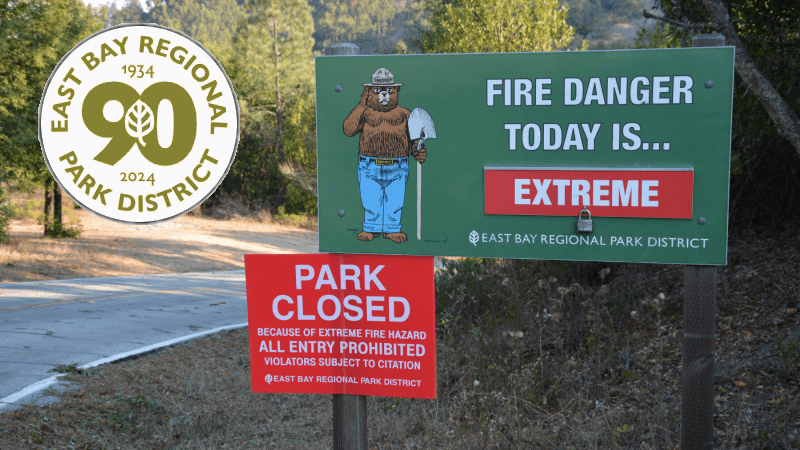
Swim facilities, shoreline regional parks to remain open through heat event

July 3, 2024 By Publisher Leave a Comment

Source: EBRPD

Hills and inland East Bay Regional Parks closed due to extreme fire conditions, excessive heat

By Dave Mason, Public Information Supervisor, Public Affairs, East Bay Regional Park District

Many East Bay Regional Parks will remain open for visitors during this week’s increased temperatures. Park guests are encouraged to take special precautions to prepare for the heat while enjoying the open shoreline parks and swimming facilities.

The National Weather Service-Bay Area issued a Red Flag Warning and Excessive Heat Warning for inland East Bay areas and an Excessive Heat Watch for coastal and bayside areas beginning Monday, July 1, at 11 p.m. The Red Flag Warning means that dry and windy conditions are expected, leading to extreme fire weather risks.

Due to possible high fire risk, the Park District will be closing the parks/areas below beginning Tuesday, July 2, through Friday morning (subject to change).

Park Closures:

•   Wildcat Canyon

•   Tilden (trails only)

•   Huckleberry

•   Sibley

•   Leona Canyon

•   Claremont Canyon

•   Anthony Chabot

•   Sobrante Ridge

•   Sunol

•   Ohlone

•   Mission Peak

•   Vargas Plateau

•   Five Canyons

•   Garin/Dry Creek

•   Pleasanton Ridge

•   Dublin Hills

•   Sycamore Valley

•   Bishop Ranch

•   Las Trampas

•   Briones

•   Carquinez/Crockett Hills

•   Black Diamond Mines

•   Contra Loma

•   Deer Valley

•   Round Valley

•   Morgan Territory

•   Brushy Peak

•   Vasco Hills

•   Vasco Caves

•   Waterbird

Swim facilities and Shoreline Regional Parks will remain open. Follow these safety rules and tips:

  • Avoid the hottest part of the day. If you do visit, go in the morning or early evening when it is cooler.
  • Drink plenty of fluids to stay hydrated.
  • Wear sunscreen and lightweight, light-colored clothing.
  • Avoid drinking alcohol and caffeine, which can worsen the heat’s effects on your body.
  • Don’t forget your pets! Carry water for them.
  • Swim only in designated areas.
  • No smoking. Smoking is prohibited in all regional trails, parks, and shorelines.
  • No open fires or barbecues of any type. Gas-fueled stoves are permitted.
  • Stay on designated roads – no off-road driving. Heat from a vehicle’s undercarriage can start a fire.
  • Secure all tow chains – dragging tow chains can spark fires.

East County: Contra Loma Swimming Lagoon in Antioch Closed, Ambrose Aquatic Center Open

The Contra Loma Swim Lagoon is closed for the 2024 swim season and has been closed for the past few years due to ongoing renovations.

However, the Park District has partnered with the City of Pittsburg and the Ambrose Parks and Recreation District to provide alternative swim access and programs at Ambrose Aquatic Center in Pittsburg. The District’s support allows the Aquatic Center to be opened seven days a week during the 2024 swim season. Visit www.ambroserec.org/ambrose-aquatic-center for more information.

See updated list of park closures.

The East Bay Regional Park District is the largest regional park system in the nation, comprising 73 parks, 55 miles of shoreline, and over 1,330 miles of trails for hiking, biking, horseback riding, and environmental education. The Park District receives an estimated 30 million visits annually throughout Alameda and Contra Costa counties in the San Francisco Bay Area.

Filed Under: Bay Area, Fire, News, Parks, Recreation, Weather

BAHFA to place $20 billion affordable housing bond measure on Nov. ballot in Bay Area counties

June 27, 2024 By Publisher Leave a Comment

Source: BAHFA

First-of-its-kind measure to help build, preserve more than 70,000 additional homes

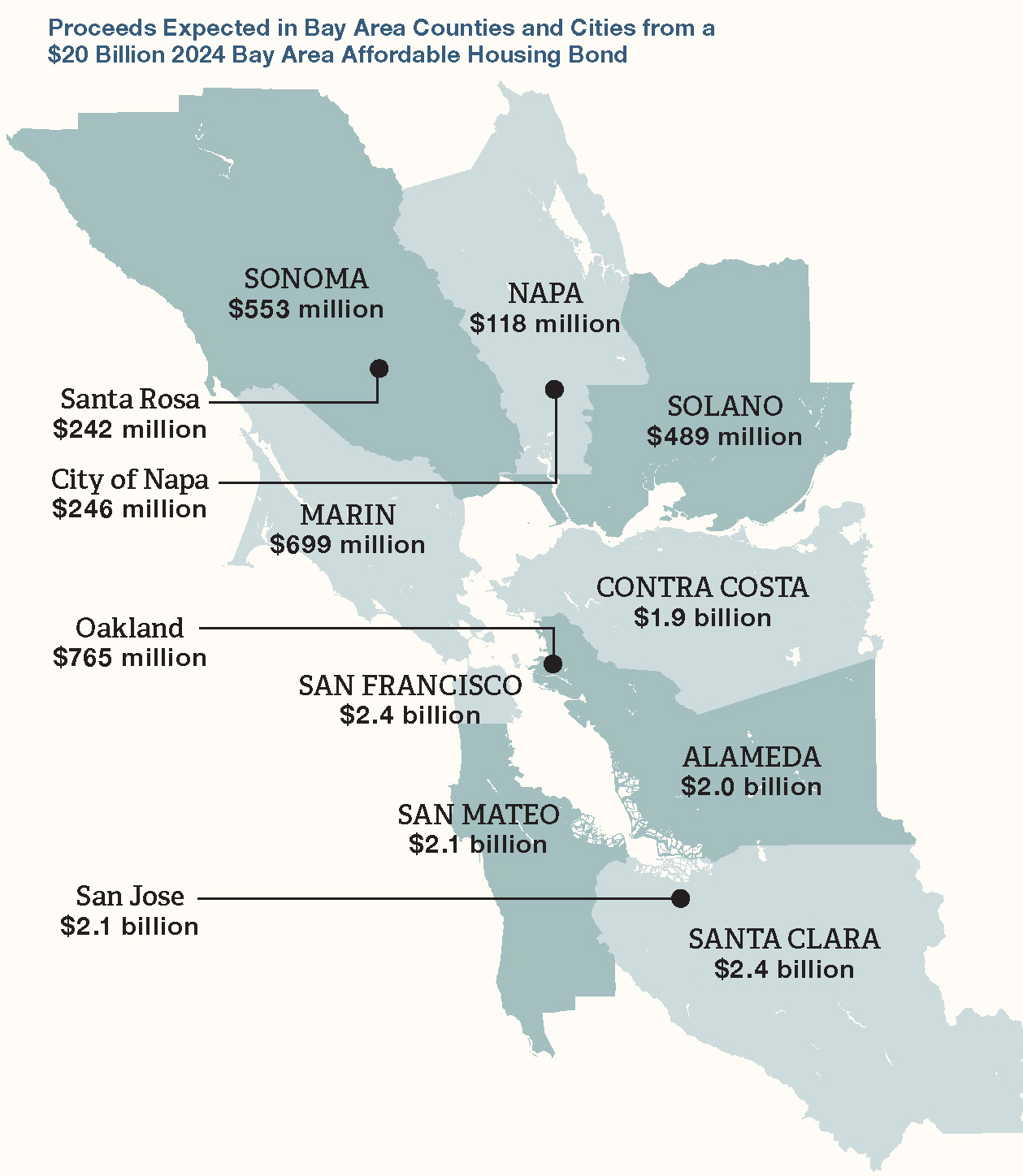
Contra Costa County would receive $1.9 billion

By John Goodwin, Assistant Director of Communications & Rebecca Long, Director, Legislation & Public Affairs, Metropolitan Transportation Commission

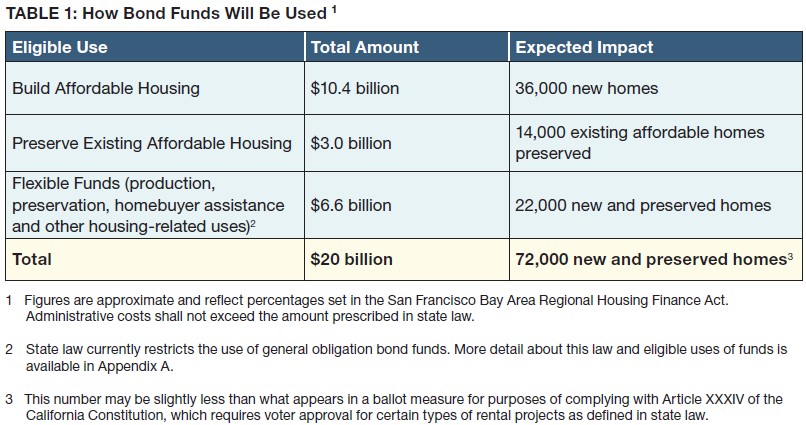
The Bay Area Housing Finance Authority (BAHFA) on Wednesday, June 26, 2024, adopted a resolution to place a general obligation bond measure on the November 5 general election ballot in each of the nine Bay Area counties to raise and distribute $20 billion for the production of new affordable housing and the preservation of existing affordable housing throughout the region. BAHFA is jointly governed by the Association of Bay Area Governments (ABAG)’s Executive Board and by the BAHFA Board, which is comprised of the same membership as the Metropolitan Transportation Commission (MTC).

The bond could create 72,000 new affordable homes – more than double what would be possible without a bond. Without more funding, only about 71,000 affordable homes will be built or preserved in the Bay Area over the next 15 years – a status quo that is failing to meet the needs of the people who live and work here.

Currently, the Bay Area doesn’t have enough homes for the people who live here. As a result of the region’s housing shortage:

  • In 2022, 37,000 people were unhoused in the Bay Area.
  • 1.4 million people—23% of Bay Area renters—spend over half their income on rent.
  • High rents and home prices force people to live far from work, making congestion and pollution much worse, and putting a major strain on working families.
  • Too many Bay Area residents live in overcrowded and unsafe housing.
  • Vital employees and community members are leaving the area.

Wednesday’s unanimous vote by the BAHFA Board marks the final discretionary step in the process to place the measure on the November ballot. Under state law, each Bay Area county will now take a non-discretionary, ministerial vote to place the measure on the ballot in that county, in accordance with election deadlines.

The BAHFA bond measure currently would require approval by at least two-thirds of voters to pass. Voters throughout California this November will consider Assembly Constitutional Amendment 1 (ACA 1) — which would set the voter threshold at 55 percent for voter approval of bond measures for affordable housing and infrastructure. If a majority of California voters support ACA 1, the 55 percent threshold will apply to the BAHFA bond measure.

“Today’s vote is the culmination of so many years of effort by so many people all around our region,” observed BAHFA Chair and Napa County Supervisor Alfredo Pedroza. “The Bay Area’s longstanding housing affordability problems affect all of us, our friends, our neighbors and our family members. This vote is about preserving opportunity for everyone.”

Source: BAHFA

The proposed BAHFA bond measure calls for 80 percent of the funds to go directly to the nine Bay Area counties (and to the cities of San Jose, Oakland, Santa Rosa and Napa, each of which carries more than 30 percent of their county’s low-income housing need), in proportion to each county’s tax contribution to the bond. In consultation with its cities and towns, each county would determine how to distribute bond funds to best meet its jurisdictions’ most pressing housing needs. These distributions would include:

  • Contra Costa County: $1.9 billion
  • Alameda County: $2 billion
  • Marin County: $699 million
  • Napa County: $118 million
  • San Francisco County: $2.4 billion
  • San Mateo County: $2.1 billion
  • Santa Clara County: $2.4 billion
  • Solano County: $489 million
  • Sonoma County: $553 million
  • City of Napa: $246 million
  • City of Oakland: $765 million
  • City of San Jose: $2.1 billion
  • City of Santa Rosa: $242 million

The remaining 20 percent, or $4 billion, would be used by BAHFA to establish a new regional program to fund affordable housing construction and preservation projects throughout the Bay Area. Most of this money (at least 52 percent) must be spent on new construction of affordable homes, but every city and county receiving a bond allocation must also spend at least 15 percent of the funds to preserve existing affordable housing. Almost one-third of funds may be used for the production or preservation of affordable housing, or for housing-related uses such as infrastructure needed to support new housing.

Source: BAHFA

The California Constitution currently does not allow bond funds to be used for tenant protections such as rental assistance, but planned investments in new housing and affordable housing preservation will protect tens of thousands of low-income renters and vulnerable residents.

The BAHFA Board also adopted on Wednesday, resolutions approving the Authority’s Business Plan and its Regional Expenditure Plan, which explain the prioritization for use of the funds that would be directly administered by BAHFA.

Oversight and accountability provisions to be included in the BAHFA bond measure include the creation of a special bond proceeds account; establishment of a Citizens’ Oversight Committee that would review the expenditure of bond proceeds and report to the BAHFA and ABAG Executive Boards on whether the funds were spent appropriately; an independent annual performance audit; a requirement that all bond-projects be consistent with state laws on labor standards; a requirement that administrative costs not exceed the amount prescribed in state law; and a prohibition against any public official who voted to send the ballot measure to the voters bidding on any work funded with proceeds from the bond.

The ABAG Executive Board voted unanimously at its April meeting to adopt a resolution approving BAHFA’s Business Plan and its Expenditure Plan, as well as to endorse placement of the bond measure on the November ballot. In her remarks preceding the vote, ABAG President and Napa County Supervisor Belia Ramos noted, “This is a remarkable milestone moment for our region. Housing stability is essential for our community to thrive, and this proposal is a once-in-a-generation opportunity.”

Read the Bond Report and learn more about the bond measure, here and here.

Filed Under: Bay Area, Finances, Growth & Development, Homeless, News, Politics & Elections

Cal Maritime-Cal Poly SLO integration: A bold step towards sustainability

June 25, 2024 By Publisher Leave a Comment

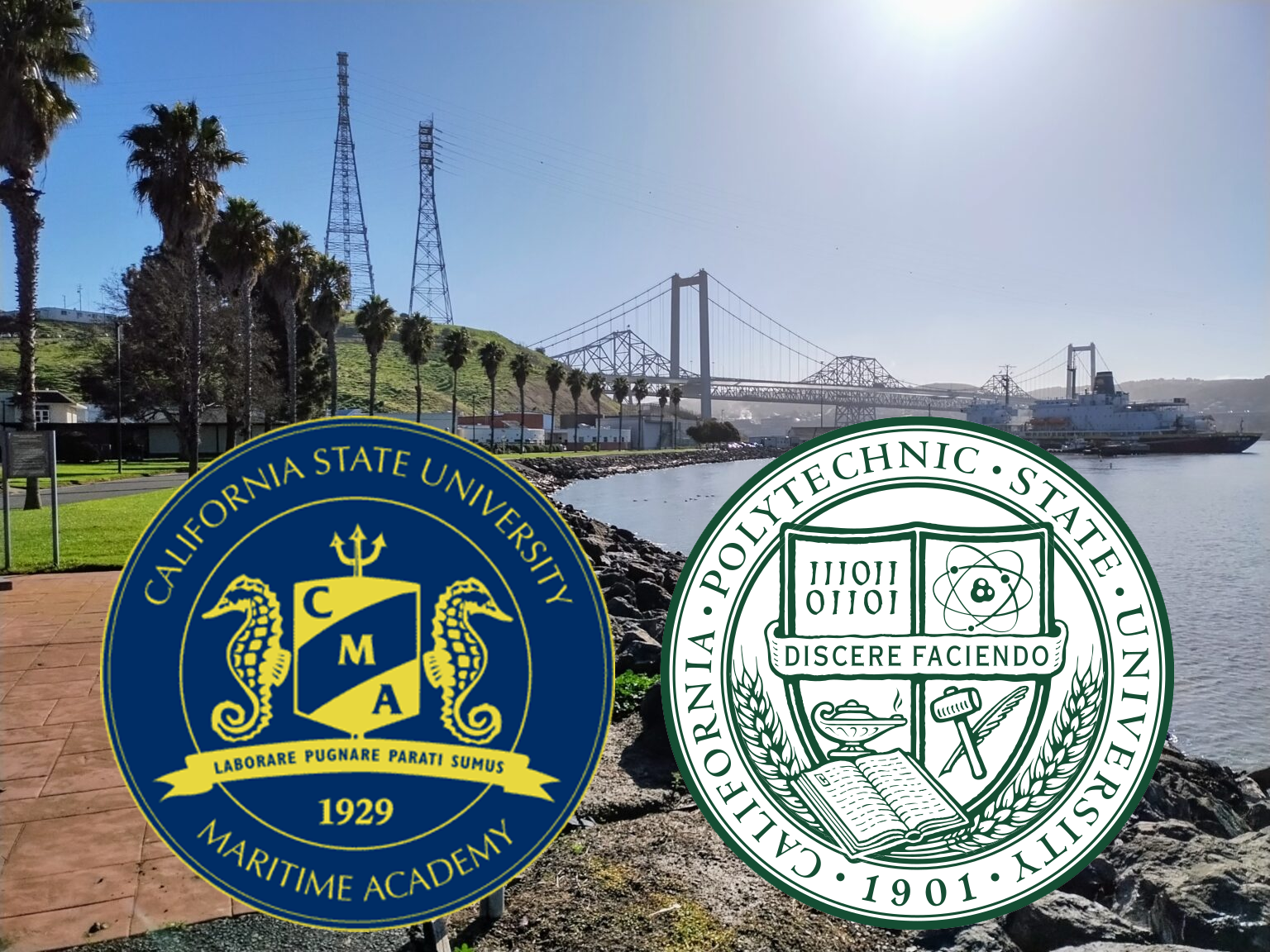
California State University Maritime Academy, aka Cal Maritime, may be merging with California Polytechnic State University San Luis Obispo, aka Cal Poly SLO. Photo by Neil Sterud

By Neil Sterud

The Spring 2024 semester at California State University Maritime Academy (Cal Maritime) has been marked by regular sessions inviting all interested parties to propose ideas for institutional improvement and cost-saving measures. Students have been kept well-informed about the institution’s state through regular emails, fostering a sense of community and transparency.

In a significant development, the Chancellor’s Office has recommended the integration of Cal Maritime with California Polytechnic State University, San Luis Obispo (Cal Poly SLO). This proposal, if approved by the CSU Board of Trustees, aims to address Cal Maritime’s financial and enrollment challenges. Interim President Michael J. Dumont, J.D., shared the news with the Cal Maritime community, highlighting the potential benefits of this integration for advancing the educational mission of both institutions, increasing enrollment, and safeguarding critical academic programs.

The proposed integration is seen as a strategic response to the fiscal crisis and declining enrollment, which Cal Maritime has been grappling with. Over the past seven years, enrollment has decreased by 31%, from 1,107 students in 2016 to just over 750 in 2023. The financial instability has reached a point where further budget reductions risk compromising Cal Maritime’s unique educational mission. President Dumont noted, “Our ability to obtain additional permanent funding in an amount sufficient to make a marked impact is impossible given the current budget environment.”.

Despite the challenges, the integration with Cal Poly SLO is viewed as a promising opportunity. Cal Poly SLO, with its renowned engineering programs and dynamic enrollment management capabilities, was chosen due to its programmatic similarities with Cal Maritime. The integration is expected to enhance the core educational missions of both institutions, providing greater stability and creating more opportunities for students. It will also allow for increased research opportunities and the potential to compete for greater federal funding in areas such as national security and renewable energy.

However, it is important to acknowledge that most mergers fail to achieve their objectives. The success of this integration will depend on careful planning and execution, along with the active involvement and support of all stakeholders. As President Dumont emphasized, “The integration will allow both institutions to fully leverage our mutual strengths and build upon similarities, including a shared foundation in applied learning.”

The CSU Board of Trustees will consider the proposed integration at their meetings in July and September, with a final vote expected in November 2024. If approved, the integration would begin in July 2025, with the first maritime academy students enrolling as Cal Poly SLO students in fall 2026.

Despite these financial difficulties, Cal Maritime consistently ranks as a top university for return on investment and high-paying jobs. As the institution approaches this critical juncture, the community’s involvement and input will be essential in shaping a sustainable and successful future. The regular sessions held during the spring semester have set the stage for an inclusive and collaborative process, ensuring that the voices of students, faculty, staff, and alumni are heard and considered in this transformative journey.

Assemblywoman Wilson Supportive of Merger

On June 6, Assemblywoman Lori Wilson who represents the 11th Assembly District, which includes Vallejo, released the following statement regarding the CSU Chancellor’s proposal to integrate Cal Maritime in Vallejo with Cal Poly SLO:

“The recent news of California State University Maritime Academy (Cal Maritime) integrating into California Polytechnic State University, San Luis Obispo, is a significant development for our community. My office will be closely monitoring the details of this proposal and will remain actively engaged. We encourage the community and stakeholders to vet this proposal as well. My primary concerns are ensuring that administrators, faculty, and students are well taken care of and preserving Cal Maritime as a beacon of excellence in our community.

While this proposed transition on the surface may not be ideal, it may be necessary to prevent Cal Maritime’s closure, which would be a huge loss for our community. I am optimistic that changing the university’s administrative structure and integrating it with a renowned CSU campus will allow Cal Maritime to thrive well into the future. We, as a community, must remain vigilant to ensure this process of integration is transparent and meets the needs of our community.”

Neil Sterud is an Antioch resident and a senior at Cal Maritime.

Allen D. Payton contributed to this report.

Filed Under: Bay Area, Education, News, State of California

CORRECTION: McDonald’s® Golden Grants Program to award $60K in Contra Costa, SF Bay Area, Eureka, Central Coast

June 12, 2024 By Publisher Leave a Comment

Supporting educators, programs, and organizations serving grades K-12. Apply today! Deadline: Oct. 13

By Madelyn Schieder, PR Coordinator, H/L Agency

SAN FRANCISCO, CA – Applications are now open for the 2024 McDonald’s Golden Grants program. To apply, eligible entities can visit McDonald’s Golden Grants through October 13.

CORRECTION: McDonald’s Owner/Operators across the San Francisco Bay Area, Eureka, and the Central Coast will be selecting deserving educators, non-profit organizations, and the like, who represent programs that fuel the imagination, education, and growth of students, as recipients of a McDonald’s Golden Grant. Entering its third year, the program has awarded $65,000 in its first two years.

In 2023, 17 grants were awarded throughout San Francisco Bay Area, Eureka and the Central Coast. Amongst these grants was Sonoma recipient, Kid Scoop News.

“With the generous funding from the McDonald’s Golden Grants, we were able to supply 10 classrooms, or 250 students in Contra Costa County monthly copies of their very own Kid Scoop News, providing access to engaging reading materials and literacy-supporting activities is key to a student’s success in reading,” said Kid Scoop News.

This year, grants will be awarded in the amounts of $10,000, $5,000, $2,500, and $1,000 based on creativity and hands-on application of projects. Please see below for applicable counties.*

Qualifying activities include arts programs, education initiatives, mentorship and empowerment programs, after-school programs, community service, sports activities, and technology.

Recipients of a Golden Grant will be announced on October 13.

*In California: Contra Costa, Alameda, Humboldt, Lake, Marin, Mendocino, Monterey, Napa, San Benito, San Francisco, San Luis Obispo, San Mateo, Santa Barbara, Santa Clara, Santa Cruz, Solano, Sonoma.

About McDonald’s USA

McDonald’s USA, LLC, serves a variety of menu options made with quality ingredients to millions of customers every day. Ninety-five percent of McDonald’s approximately 13,500 U.S. restaurants are owned and operated by independent business owners. For more information, visit www.mcdonalds.com, or follow us on Twitter @McDonalds and on Facebook at www.facebook.com/mcdonalds.

Filed Under: Bay Area, Business, Education, Finances, News, Non-Profits

  • « Previous Page
  • 1
  • 2
  • 3
  • 4
  • 5
  • 6
  • …
  • 11
  • Next Page »
Furniture-Clearance-02-26B
Liberty-Tax-Jan-Apr-2026
Deer-Valley-Chiro-06-22

Copyright © 2026 · Contra Costa Herald · Site by Clifton Creative Web