• Home
  • About The Herald
  • Local Agencies
  • Daily Email Update
  • Legal Notices
  • Classified Ads

Contra Costa Herald

News Of By and For The People of Contra Costa County, California

  • Arts & Entertainment
  • Business
  • Community
  • Crime
  • Dining
  • Education
  • Faith
  • Health
  • News
  • Politics & Elections
  • Real Estate

Martinez City Council approves exclusive negotiating agreement to advance Waterfront and Marina revitalization

December 27, 2025 By Publisher 2 Comments

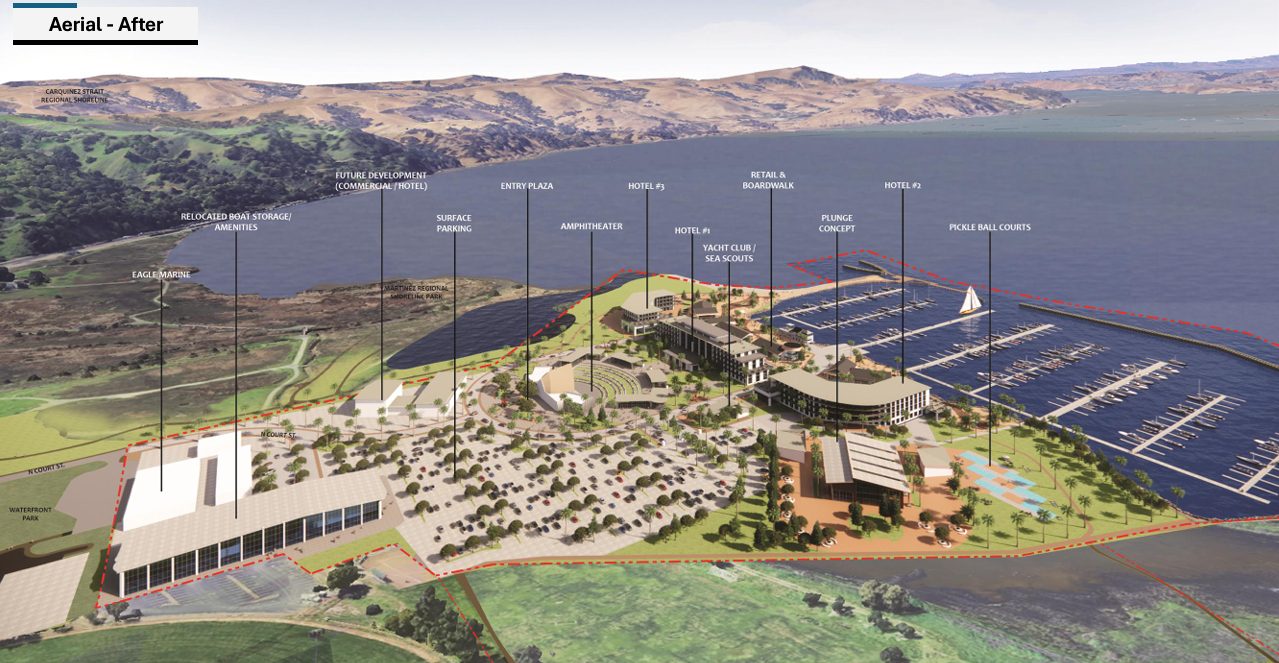
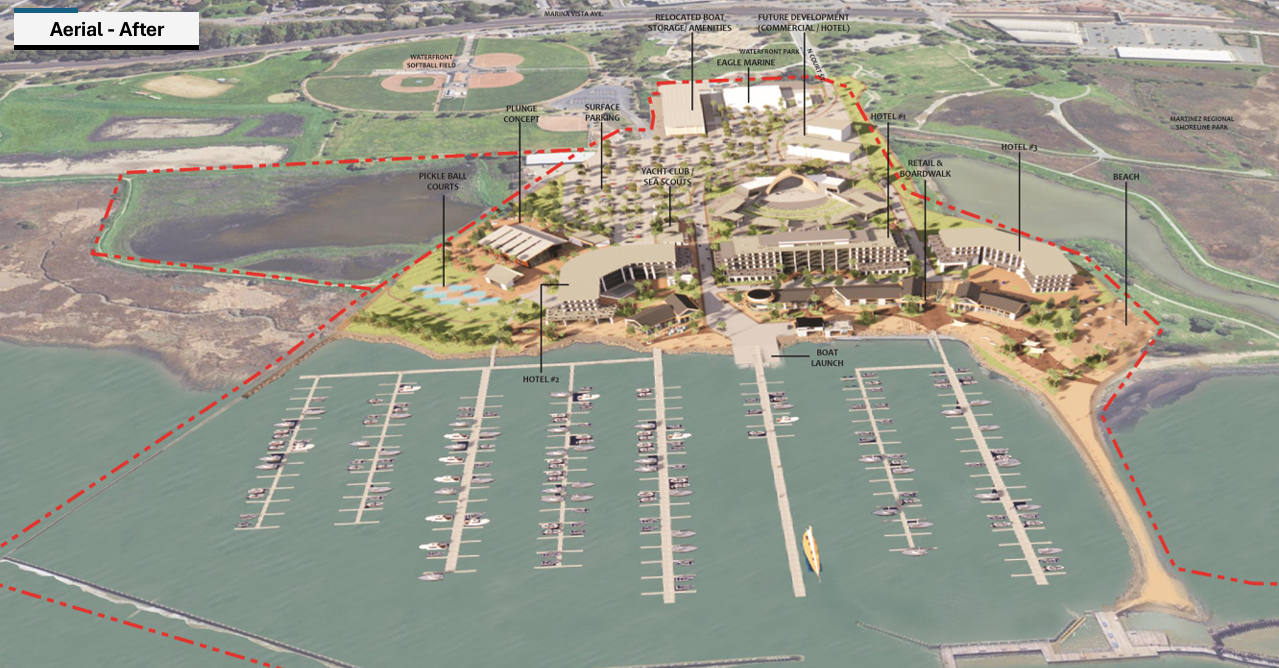
Front view aerial rendering by Tucker Sadler of the proposed Martinez Waterfront and Marina Plan presented to the city council on July 16, 2025. Source: City of Martinez

Private developer proposes vision, model, master plan for collaboration

By Eve Kearney, City Manager’s Office, City of Martinez

Martinez, CA — At their December 17, 2025, Regular meeting, the Martinez City Council unanimously approved an Exclusive Negotiating Agreement (ENA) with Tucker Sadler Architects, marking an important milestone toward revitalization of the Martinez Waterfront and Marina. The agreement sets in motion a new phase of study and collaborative planning that will evaluate the project’s feasibility, refine design concepts, and lay the groundwork for decisions on the future of the Waterfront and Marina.

Revitalizing the Waterfront and Marina has been a top community priority for decades. With aging infrastructure, deteriorating facilities, limited resources, and a marina well beyond its useful life, the City has faced growing operational and financial pressures that necessitate a broader reimagining through a private-public partnership.

Tucker Sandler, a San Diego-based architectural planning, design and development firm, has decades of experience delivering private and public sector development projects in California and in other states, including waterfront projects.

Now, with the ENA approval, the City and Tucker Sadler begin a formal 24-month period to collaboratively refine a transformative vision for the waterfront, conduct environmental review, engage the community, and negotiate a potential Development Agreement.

“Tonight’s approval is an important step for unlocking the potential of our Waterfront and Marina. We are excited to refine the project vision in the coming months with input from our community,” said Mayor Brianne Zorn. “This partnership gives us a path to activate our Waterfront, rebuild the Marina, and create a regional landmark that reflects Martinez’s identity, without placing the financial burden on our residents.”

Side aerial view rendering. Source: City of Martinez

A Vision for a Reimagined Waterfront

In July 2025, Tucker Sadler presented a conceptual vision for a comprehensive revitalization of the Waterfront and Marina. After extensive public comment and Council discussion, the Council directed staff to pursue an ENA to further explore the opportunity. (See City staff report and PowerPoint presentation)

Pursuant to the ENA, the City will work exclusively with Tucker Sadler to develop a comprehensive plan to create a vibrant, accessible, sustainable, and community-serving waterfront. The project is envisioned to include a broad range of landside and waterside improvements reflecting the Martinez identity and including thoughtfully-scaled commercial elements necessary to support and sustain the long-term financial viability of the project.

During this next phase, the City and Tucker Sadler will engage the community to garner input on the project’s features and undertake detailed analyses, technical studies, and design evaluations to determine how best to bring these concepts from vision to buildable reality.

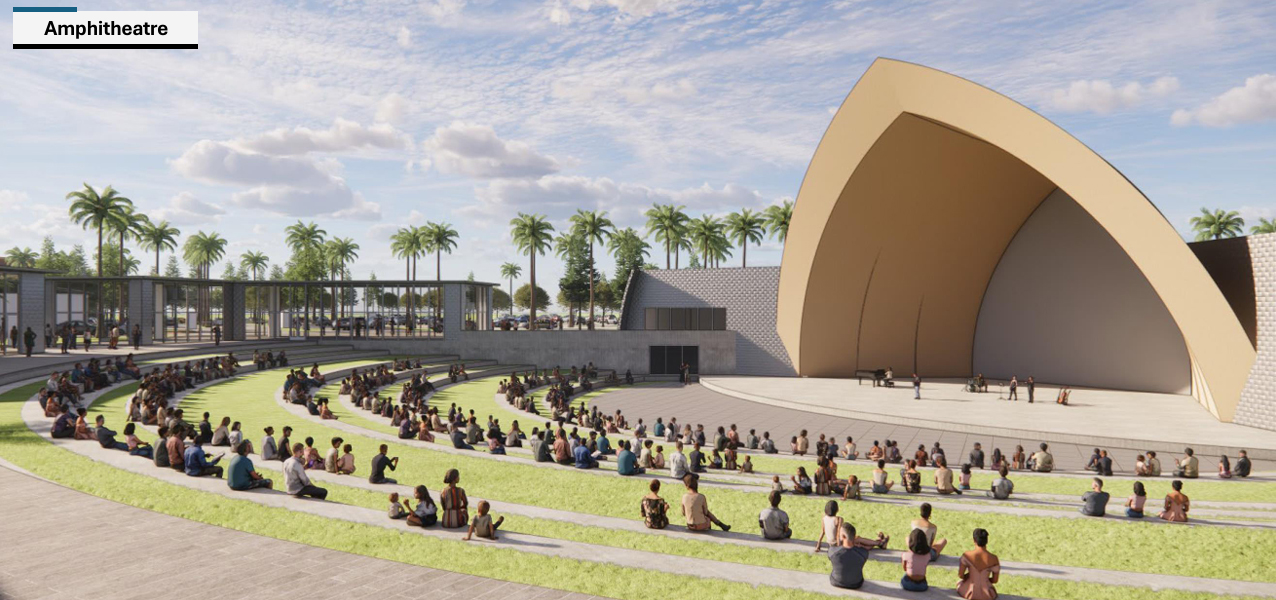
On the landside, the project envisions new recreation amenities such as sport fields, a dog park, kite area, and public art installations, along with expanded open spaces featuring plazas, pedestrian pathways, marshland restoration, and stronger connections to downtown. Hospitality and community facilities, including hotels, restaurants, a community/event center, a new Martinez Yacht Club and Sea Scouts’ facility, and an outdoor amphitheater, are also included. These project elements would complement new commercial and retail spaces and support boating, fishing, recreation, and other waterfront activities, and would be supported by upgraded infrastructure, including surface and underground parking, utilities, and lighting.

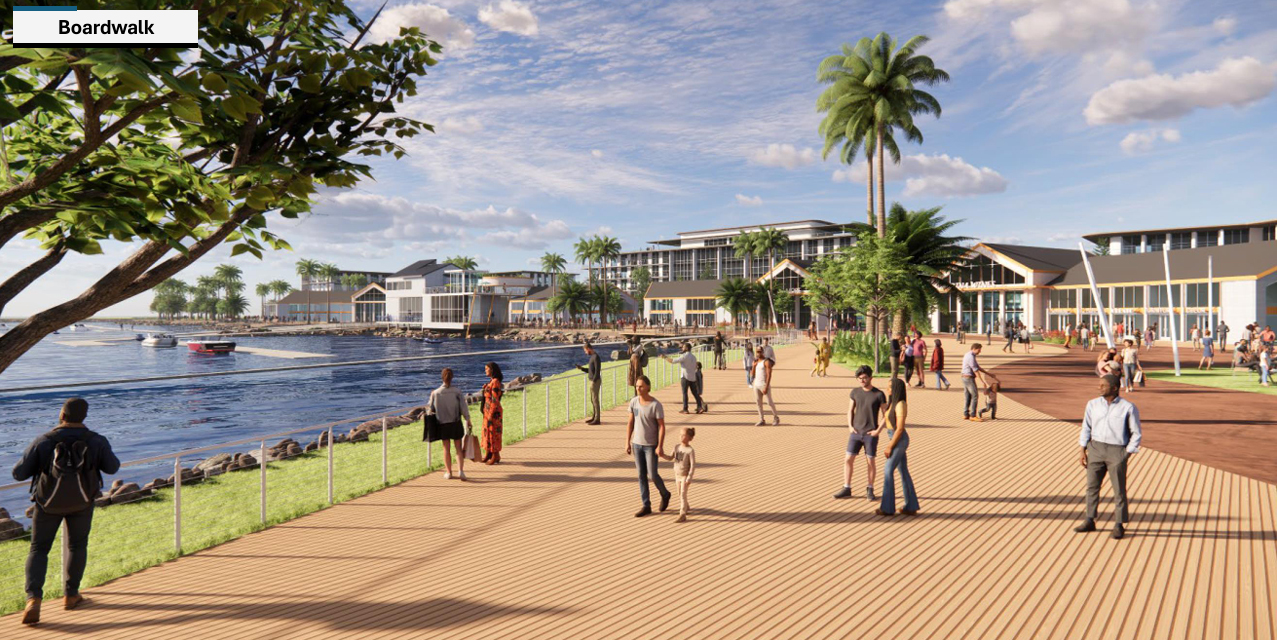
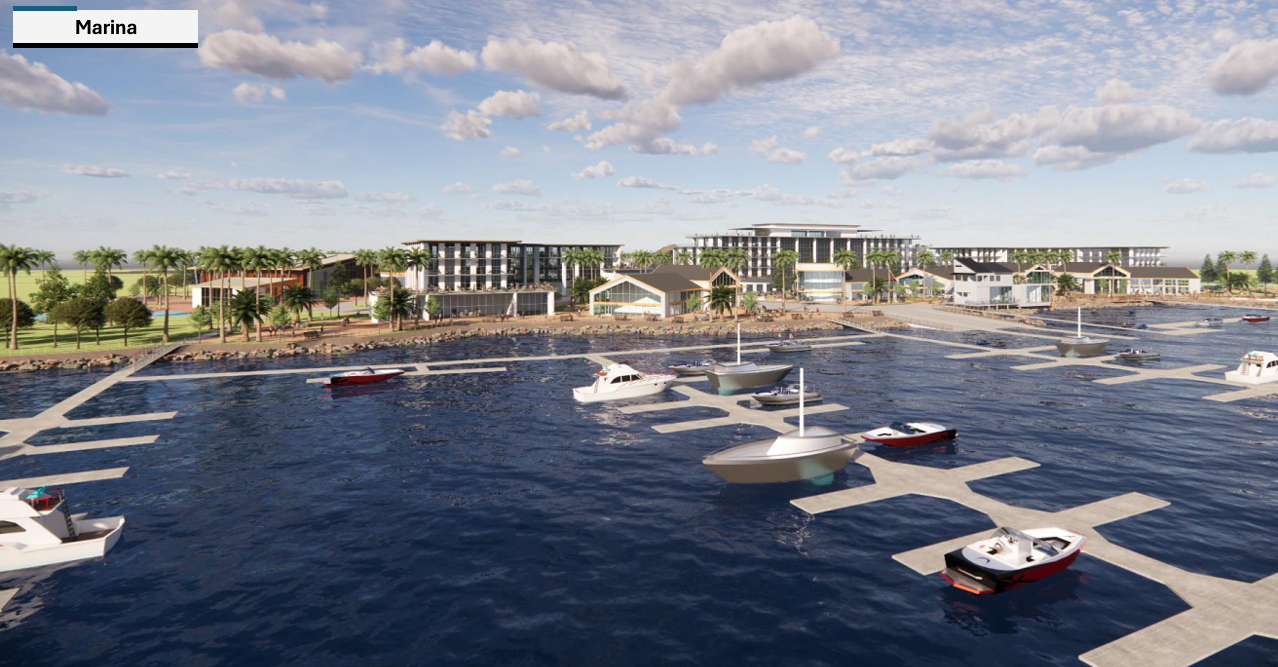
On the waterside, the plan calls for a full reconstruction of the Marina with new and upgraded boat slips, fueling stations, and improved access for both motorized and nonmotorized vessels. It also includes repairing or redesigning the aging northern breakwater and eastern seawall, as well as adding new public amenities such as launch points for nonmotorized watercraft, accessible promenades, viewing decks, open spaces along the waterfront, and an area reserved for potential future ferry service.

Rendering of the proposed Boardwalk design for the Martinez Waterfront and Marina. Source: City of Martinez

A Financially Sustainable Path Forward

The ENA also establishes that the proposed project must be privately financed and self-sustaining, with no City subsidy and no financial risk to Martinez taxpayers. Tucker Sadler will reimburse the City for all staff, legal, and consultant costs during the negotiation period.

If a future Development Agreement is approved, the project could:

  • Eliminate the City’s ongoing General Fund subsidy for Marina operations (savings of about $650,000+ per year)
  • Shift responsibility for Marina reconstruction, including dredging and seawall/breakwater replacement, to the developer
  • Generate new long-term revenue for the City through transient occupancy tax, sales tax, possessory interest tax, and lease payments

“This is a once-in-a-generation opportunity to secure the future of our Waterfront and Marina,” said City Manager Michael Chandler. “The ENA allows us to fully evaluate a revitalization effort that could eliminate ongoing subsidies, strengthen the City’s long-term fiscal health, and deliver an enhanced public asset the community can benefit from and enjoy for decades to come.”

Rendering of the proposed Marina design for the Martinez Waterfront. Source: City of Martinez

Next Steps: Community Engagement and Environmental Review

Under the ENA, the City and Tucker Sadler,  will manage and participate in a robust public engagement process that invites residents, businesses, waterfront users, and regional partners to provide input into the final vision. There will be multiple opportunities for community feedback as the project is designed and undergoes extensive studies and review processes.

The first round of outreach will begin in early 2026 as part of the City’s Sesquicentennial Community Sessions. These early conversations will help provide insight into the project process and initial concepts; dates and times of these sessions will be released later in 2025.

The City will also maintain ongoing information and feedback opportunities on its website at www.cityofmartinez.org/MarinaProject, ensuring the community can stay informed and participate at every stage.

Following the community engagement efforts, the project vision will be finalized and the formal environmental review processes required under the California Environmental Quality Act (CEQA) will commence. This analysis will evaluate potential environmental impacts, explore project alternatives, and ensure the planning process is grounded in transparency, data, and regulatory compliance.

“We’re grateful for the opportunity to move forward in partnership with the City and the community,” said Greg Mueller, Design Principal and CEO of Tucker Sadler Architects. “The ENA allows us to work collaboratively on a waterfront vision that honors the area’s history while creating new opportunities for the future.”

Rendering of the proposed Amphitheatre design for the Martinez Waterfront and Marina. Source: City of Martinez

History of the Martinez Marina

Constructed in the 1960s, the Marina has exceeded its useful life, with facilities closing due to safety concerns and environmental factors, such as sea level rise causing frequent flooding. Viewed as a unique and valuable community asset, the City Council has expressed a commitment to take measures to ensure it is safe and create a vibrant place for recreation and commerce benefiting residents and visitors alike.

The City assumed direct management of the Marina in August 2024 after the previous operator’s contract ended, revealing the need for a comprehensive rebuild rather than costly repairs. Maintaining the Marina has been a financial challenge for the City, which has been subsidizing the Marina for years, a scenario that is no longer sustainable. The Marina threatens to become a financial drain on the City’s general fund if a different course of action is not pursued.

“Our City’s Marina is a vital community asset that has faced decades of infrastructure deterioration and increasing financial strain on the City,” said Mayor Brianne Zorn. “An investment in Martinez by a private developer may offer a transformational opportunity to fund a comprehensive plan for our Marina and Waterfront.”

Additional background and the full scope of the ENA are detailed in the Staff Report included with the December 17, 2025 Regular City Council Meeting agenda. The complete ENA document is also available for public review as part of the meeting materials.

Resources:
Project Webpage – http://www.cityofmartinez.org/MarinaProject

Agenda – https://granicus_production_attachments.s3.amazonaws.com/martinez/63ac58a09b7b4c207dfe66160741c6d90.pdf

Staff Report –
https://www.cityofmartinez.org/home/showdocument?id=5410&t=639016149231794854

Council Resolution –
https://www.cityofmartinez.org/home/showdocument?id=5414&t=639016460677029956

Exclusive Negotiating Agreement –https://www.cityofmartinez.org/home/showdocument?id=5412&t=639016149625840171

Filed Under: Arts & Entertainment, Business, Central County, Government, News, Parks, Recreation, Water

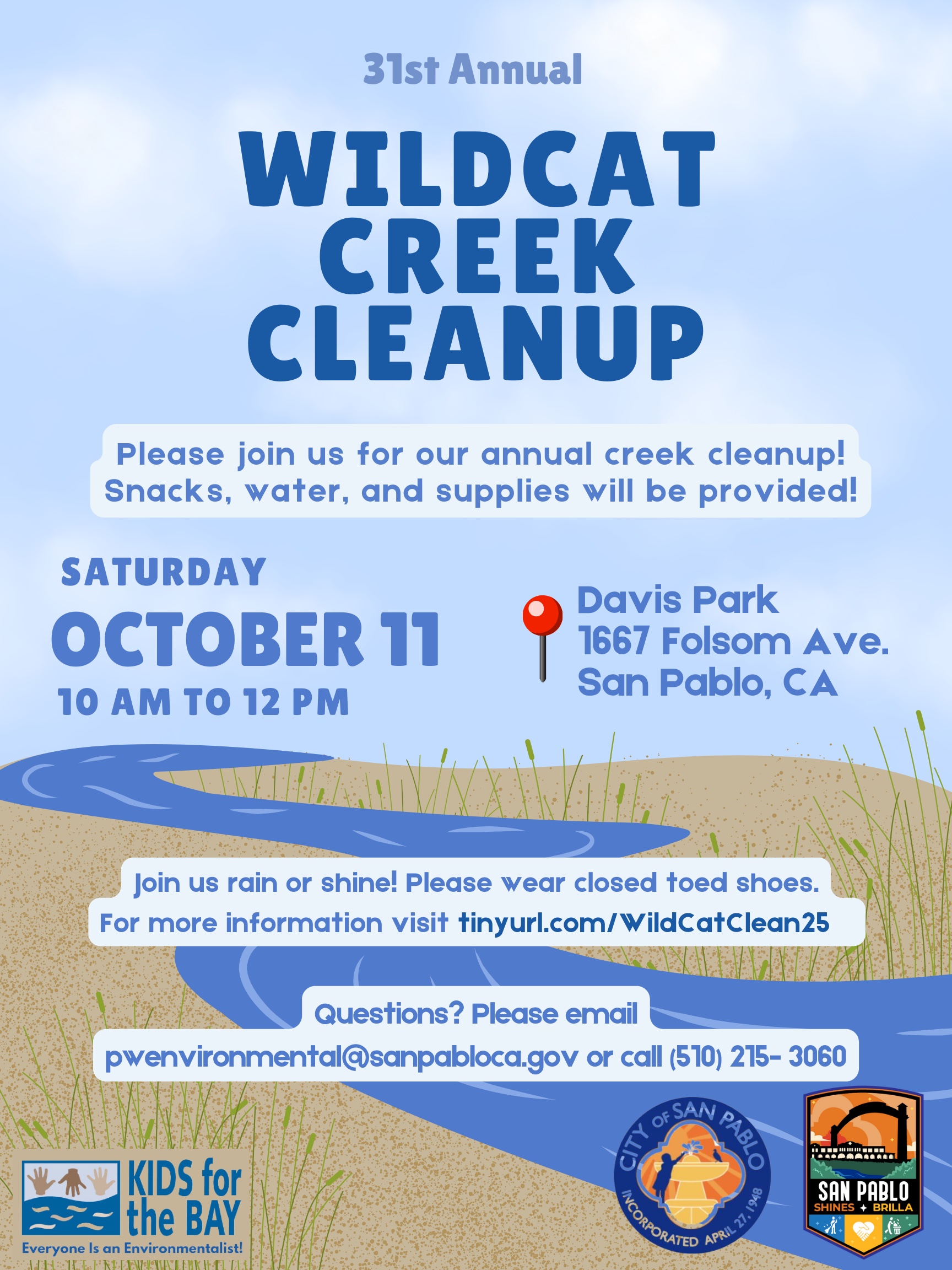
31st Annual Wildcat Creek Cleanup in San Pablo Oct 11

October 9, 2025 By Publisher Leave a Comment

By City of San Pablo

We hope you can join Saturday! Join Kids for the Bay & the City of San Pablo for the 31st Annual Wildcat Creek Cleanup!

  • Saturday, October 11, 2025
  • 10 AM – 12 PM
  • Davis Park, 1667 Folsom Ave.

This family-friendly event welcomes all ages to help care for our creek and community. Snacks, water, and cleanup supplies will be provided. Please remember to wear closed-toe shoes and bring your community spirit! We’ll see you there, rain or shine.

Únete a Kids for the Bay y a la Ciudad de San Pablo para la 31ª Limpieza Anual de Wildcat Creek

  • Sábado, 11 de octubre de 2025
  • 10 AM a 12 PM
  • Davis Park, 1667 Folsom Ave.

Este evento familiar da la bienvenida a todas las edades para ayudar a cuidar nuestro arroyo y nuestra comunidad. Se proporcionarán bocadillos, agua y suministros de limpieza. Por favor recuerde usar zapatos cerrados y traer su espíritu comunitario. ¡Nos vemos allí, llueva o truene! #WildcatCreekCleanup #SanPabloShines #SanPabloBrilla

Filed Under: Community, Environment, Water, West County

Contra Costa Water District working to repair canal for $1 billion

June 9, 2025 By Publisher 1 Comment

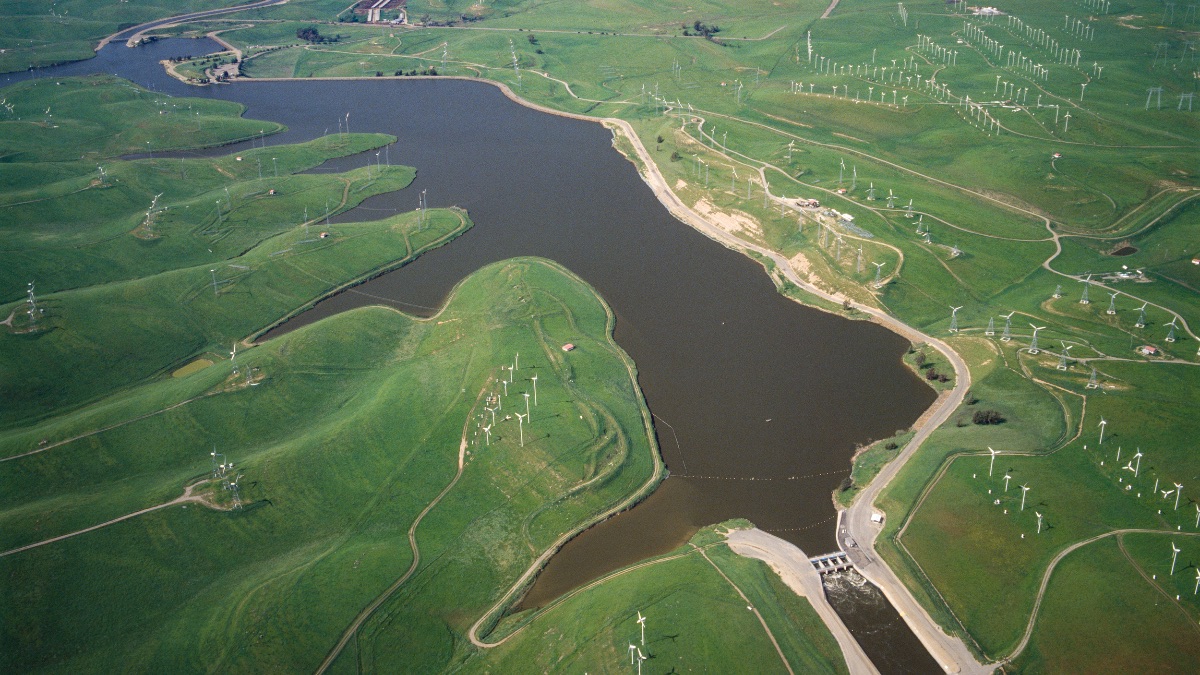
The Contra Costa Water District Canal Replacement Project includes 20 miles of the waterway. Photo: CCWD

Lake Shasta is source of all water, Los Vaqueros Reservoir will not be expanded, CoCoTax members learn

By Allen D. Payton

During the Contra Costa Taxpayers Association Members and Leaders monthly luncheon in May, Contra Costa Water District Board President, Ernesto Avila provided an update on the district’s current work and plans. They include repairing 20 of the 48-mile canal at a cost of $1 billion, keeping water rates as low as possible and expanding service to keep up with growth.

The district includes the Central County cities and communities of Martinez, Pleasant Hill, Concord, Clayton, Pacheco, Clyde, Port Costa and portions of Walnut Creek, and in East County, the cities and communities of Pittsburg, Antioch, Oakley, Bay Point, and portions of Brentwood.

CCWD Board President Ernesto Avila provides an update during the CoCo Taxpayers Association luncheon on May 23, 2025. Photo: Allen D. Payton

Half of the district’s water is provided to treated water customers and the other half to raw water customers, Avila stated and then spoke about ensuring adequate “water supply during disasters such as fire and earthquake emergencies.”

“When PG&E outages occur all of our tanks go full,” he shared. “Water only stays sweet for six to seven days to meet the water quality requirements of the state.”

“Lake Shasta is where we get all of our water from through the Central Valley Project,” he continued. “It’s currently 94% full.”

The district owns Los Vaqueros Reservoir for storage, which is currently 93% full. But “we can’t just draw water whenever we want,” Avila stated. “All of our intakes are screened to protect fish.”

“We are out of our drought,” Avila added. However, “during the drought there were no constraints on water supply for development and growth.”

Source: CCWD

Canal Replacement Program

There have been “landslides on the west side of the canal and repairs can cost millions,” he stated and spoke of the district’s “Canal Replacement Program” which will cost “$1 billion”.

“Nobody likes to raise rates,” Avila continued. “We’ve replaced four miles, so far and have 16 miles to go. It will be a pipeline”

Asked what happens to the pipe during an earthquake he said, “If it’s an older pipe, it will probably crack. We’re looking at a very ductile pipe that can move easily.”

Asked if there will be solar panels over the canl

Click here to learn more about the Contra Costa Canal.

Water Supply

Avila then spoke about providing enough water to meet the demands of residential growth including “redevelopment of the Concord Naval Weapons station” where “15,000 homes” are projected to be built.

“Ten percent of the district’s water is provided through recycling,” he stated. “We want to bump that up to fifteen percent.”

Budget & Water Costs to Users

“Energy costs have been the greatest increases from 2020 to 2024, medical coverage is second greatest,” he shared. Those are followed by “pension and OPEB (other post employee benefit) liabilities.”

“The average customer spends about $3.00 per day for water,” Avila stated. “The cost is 1.3 cents per gallon per day.”

He compared that to EBMUD rates which are at 2.0 cents per gallon.

Contra Costa Water District Production Costs. Source: CCWD

According to the slide show from his presentation, costs to the district for water production include the following:

INVESTMENTS IN INFRASTRUCTURE – Pipeline Renewal, Canal Replacement, Water Treatment Plant Upgrades;

PURCHASED WATER

WATER SUPPLY AND RESOURCE PROTECTION – Water Supply Planning, Watershed Management, Recreation;

SYSTEM OPERATIONS & MAINTENANCE – Water Treatment, Water Delivery, Leak Inspection and Repair;

ADMINISTRATION – Human Resources, Safety, Accounting and Payroll;

CUSTOMER CARE – Customer Service, Billing, Water Efficiency Support, and Public Affairs; and

COMMUNITY EDUCATION AND WORKFORCE DEVELOPMENT K-12 Water Education and Field Trips, and Internships.

The district as an AAA Bond Rating which keeps interest costs on bonds down, Avila shared.

He was then asked about “money going to DEI programs. I this something you should be doing anymore?” Avila responded, “there are three employees dedicated to it. There are 317 employees which is 30-40% of the budget We have one person in Human Resources dedicated to it. We have a $200 million per year budget. Not even one percent is dedicated to it.”

“It’s about trying to enhance the culture for our employees to work together better,” he added. “We review it every six months. Our Master Plan is on the website.”

Asked about “EPA clean water requirements getting tougher each year” Avila spoke about “unfunded mandates we have to comply with. We work with various associations and collaborate on a national level as regulations are mostly at the federal level.”

“Our biggest concern is the issue of diminishing return on conservation,” he explained. “During the drought, people in our area reduced use by 25 percent while Southern California only reduced 2-3 percent.”

According to the chart in Avila’s presentation total water use has actually decreased over the past 17 years even though the population has significantly increased.

Source: CCWD

No Los Vaqueros Capacity Increase Due to Too Much Cost and Regulation, Offline for Too Long

Asked about increasing capacity at Los Vaqueros, Avila said, “The district spent $10 million on raising the…reservoir, for a cost/benefit analysis funded by the state. It was over subscribed with more customer demand than supply, 250,000 versus 120,000 acre feet.”

“But with so many constraints on pumping water into the reservoir, demand dropped to 50,000 acre feet then to zero,” he continued. “The cost increase with inflation went from $800 million to $1.6 billion, mainly from more material and labor cost increases, plus, engineering costs.”

Finally, Avila shared, “Los Vaqueros Reservoir would have had to be offline for six to seven years. It just wasn’t viable. They knew that, going in. The issue was negotiating supply from EBMUD and others” who “couldn’t guarantee any water.”

He also spoke about future supply including the proposed offstream Sites Reservoir project west of Colusa in the Sacramento Valley.

“In California, for every one million acre-feet of storage, there is eight to nine acre-feet of surface storage,” Avila stated.

Finally, in response to a question, he said, “Water from a canal behind a house is not grandfathered in if the home is sold.”

See Avila’s complete CCWD CocoTax Presentation 052325.

CoCoTax June Luncheon

The next CoCoTax Members and Board Luncheon will be held on Friday June 27, 2025, at 11:45 AM at Denny’s Restaurant, 1313 Willow Pass Road in Concord, and will feature Oakland Mayor recall leader Seneca Scott as the speaker. Advance registration is available on the CoCoTax website where you can pay online, or bring cash or check on Friday and pay at the door: $25 for members, $30 for guests. www.cocotax.org/event-6189658/Registration

About CoCoTax

Founded in 1937, CoCoTax leads the way in providing fiscal oversight of local government.  We actively resist unwarranted taxes and fees, discriminatory regulations, ill-advised public expenditures and government secrecy, inefficiency and waste. For more information and membership visit www.cocotax.org.

About CCWD

The Contra Costa Water District delivers safe, clean water to approximately 520,000 people in central and eastern Contra Costa County in Northern California. Formed in 1936 to provide water for irrigation and industry, we are now one of the largest urban water districts in California and a leader in drinking-water treatment technology and source water protection. For more information visit www.ccwater.com.


Filed Under: Finances, Government, Growth & Development, News, Water

CoCoTax Lunch with Contra Costa Water District Board President Ernie Avila May 23

May 16, 2025 By Publisher Leave a Comment

Contra Costa Taxpayers Association’s May Luncheon will feature CCWD Board President Ernesto Avila as speaker. Photo: CCWD

  • When: May 23, 2025
  •  Time: 11:45 AM – 1:10 PM
  • Location: DENNY’S, 1313 Willow Pass Road, Concord
  • Spaces is Limited.

Registration

  • Member – $25.00
  • Non-Member – $30.00

The Contra Costa Taxpayers Association (CoCoTax) invites you to attend a Board and Members Luncheon Meeting at Denny’s Restaurant, 1313 Willow Pass Road in Concord, on Friday May 23, 2025, at 11:45 am. Please register in advance on the CoCoTax website where you can pay ONLINE, or bring cash or check on Friday and pay at the door – $25 for members, $30 for guests.

In addition to our speaker, we will be discussing planned updates to the County’s Urban Limit Line (which restricts development in unincorporated areas) and El Cerrito’s forthcoming library parcel tax measure.

SPEAKER TOPIC

Contra Costa Water District 2025 Update

With recent fires in Southern California and ongoing discussions about California’s public water systems and supply, Contra Costa Water District continues to serve as a leader among water agencies throughout the state. CCWD Board President Ernesto “Ernie” Avila will join us May 23 to give updates about ongoing capital improvement projects, how customer rates are used to provide a stable, long-term water supply, what resources and rebates are available to customers, and other initiatives underway to improve the reliability of our local water system. For more information visit Contra Costa Water District, CA | Official Website.

Speaker Bio

Ernesto A. Avila, P.E., was appointed to CCWD’s board in March 2016 to represent Division 3, which includes eastern Concord, Clayton, and part of Walnut Creek and Pleasant Hill, and began serving as Board President in May 2022. He has over 40 years of professional experience in planning, environmental compliance, regulation, design, and construction of water, wastewater and recycled water works and municipal facilities. He is currently Principal/Vice-President of a private engineering firm.

As a member of the Board, he brings his dedication to the community, passion for water issues, and his experience in the private and public sectors. For the community, he has volunteered for many citizen-based committees/organizations including the Walnut Creek Transportation Commission, the Concord Planning Commission, the John Muir/Mount Diablo Community Health Fund, the Knights of Columbus, the East Bay Leadership Council, and the St. Francis of Assisi School Board. While working full time, he has made volunteering in the community a priority, representing his neighbors and family on important issues that affect their everyday life.

He is passionate about water issues in his professional life, working on a variety of issues statewide during his career. Among several relevant positions, he served as Director of Engineering at Contra Costa Water District before moving on to become General Manager of Monterey Peninsula Water Management District. He also served as Executive Director for the California Urban Water Agencies, Program Director for the Multi-State Salinity Coalition, and was elected as Vice President of the Association of California Water Agencies for a two-year term beginning January 1, 2024. He has experience on water projects of all shapes and sizes, including water treatment plant improvements, dam retrofits, and watershed management and habitat conservation projects.

He lives in Clayton with his family and is a licensed civil engineer with a Bachelor of Science in Civil Engineering from Santa Clara University and a master’s degree in Business Administration from St. Mary’s College of California.

About CoCoTax

Founded in 1937, CoCoTax leads the way in providing fiscal oversight of local government.  We actively resist unwarranted taxes and fees, discriminatory regulations, ill-advised public expenditures and government secrecy, inefficiency and waste. For more information and membership visit www.cocotax.org.

Paid advertisement

Filed Under: Central County, Government, Taxes, Water

Millions in the U.S. may rely on groundwater contaminated with PFAS for drinking water supplies

October 28, 2024 By Publisher Leave a Comment

USGS national estimates of the probability for PFAS in groundwater at the depth of private drinking water supply. Source: USGS

Estimates according to a new USGS predictive model. Exposure to some PFAS may lead to adverse health risks.

Contra Costa has some of the highest levels

Approximately 71 to 95 million people in the Lower 48 states – more than 20% of the country’s population – may rely on groundwater that contains detectable concentrations of per- and polyfluoroalkyl substances, also known as PFAS, for their drinking water supplies. These findings are according to a U.S Geological Survey study published Oct. 24. The predictive model results can help members of the public, water suppliers and regulators understand the potential for PFAS contamination, guide future studies and inform strategic planning for water resources. USGS scientists are the first to report national estimates of PFAS occurrence in untreated groundwater that supplies water to public and private wells. This research also provides the first estimate of the number of people across the country who are potentially affected by PFAS-contaminated groundwater. Along with a scientific report, the USGS published an interactive, online map so users can see probability estimates of PFAS occurrence. Note that predictive results are intended to be evaluated at state, regional and national scales rather than at individual household levels. Probability estimates are for the presence of PFAS in groundwater and do not account for any subsequent actions taken by states, municipalities or individuals to treat drinking water. The model does not include estimates of PFAS concentrations; testing is the only way to confirm the presence of contaminants.

Levels of contaminated groundwater in Contra Costa County. Source: USGS PFAS in US Groundwater Interactive Dashboard

Exposure to certain PFAS may lead to adverse health risks in people, according to the U.S. Environmental Protection Agency. PFAS are a group of synthetic chemicals used in a wide variety of common applications, from the linings of fast-food boxes and non-stick cookware to fire-fighting foams and other purposes. PFAS are commonly called “forever chemicals” because many of them do not easily break down and can build up over time, making them a concern for drinking water quality. “This study’s findings indicate widespread PFAS contamination in groundwater that is used for public and private drinking water supplies in the U.S.,” said Andrea Tokranov, USGS research hydrologist and lead author of this study. “This new predictive model can help prioritize areas for future sampling to help ensure people aren’t unknowingly drinking contaminated water. This is especially important for private well users, who may not have information on water quality in their region and may not have the same access to testing and treatment that public water suppliers do.” The EPA has established legally enforceable levels, called maximum contaminant levels, for six types of PFAS in drinking water. The EPA regulates public water supplies, and some states have additional regulations for drinking water. Some homes use private water supplies, where residents are responsible for the maintenance, testing and treatment of their drinking water. Those interested in treatment processes and testing options can read EPA’s guidance or contact their state officials or water supplier. The states with the largest populations relying on public water supplies with potentially contaminated groundwater sources are Florida and California. Regarding private wells, Michigan, Florida, North Carolina, Pennsylvania, New York and Ohio have the largest populations relying on potentially contaminated groundwater. The study also presents data according to population percentage. In Massachusetts, for example, the source water for 86 to 98% of people who rely on groundwater from public water supplies could be contaminated with PFAS. In Connecticut, the source water for 67 to 87% of the people who rely on groundwater from private wells could be affected. Details by state can be seen in the report’s tables S6 through S8. “To derive these estimates, the team analyzed 1,238 groundwater samples collected by USGS scientists and determined how factors such as urban development and well depth can impact PFAS occurrence,” continued Tokranov. “With that information, a detailed machine learning model was developed and used to identify which geographic areas have a higher likelihood for contamination. That information was combined with existing USGS research on the number of people in a given area who rely on groundwater for drinking water to establish population estimates.” Scientists present separate estimates for public and private wells because they typically receive water from different groundwater depths. Public wells using groundwater as the primary water source are usually deeper than private wells. There are more than 12,000 types of PFAS, not all of which can be detected with current tests; the USGS study tested for the presence of 24 common types. The USGS estimates consider the presence of at least one of those 24 types of PFAS. The most frequently detected compounds were perfluorobutane sulfonate known as PFBS, perfluorooctane sulfonate known as PFOS and perfluorooctanoate known as PFOA. This research provides a broad outlook for the Lower 48 states and presents state-level estimates. Scientists did not look in detail at specific cities or provide estimates for the types of PFAS present or PFAS concentrations. The new USGS study was published in Science. Learn more about USGS research on PFAS by reading the USGS strategy for the study of PFAS in the environment and visiting the USGS PFAS Integrated Science Team’s website. For more information about PFAS regulations, visit the EPA’s website on addressing PFAS.

Filed Under: Environment, Health, News, Water

Tracy man sentenced for computer attack on Discovery Bay Water Treatment Facility

May 22, 2024 By Publisher Leave a Comment

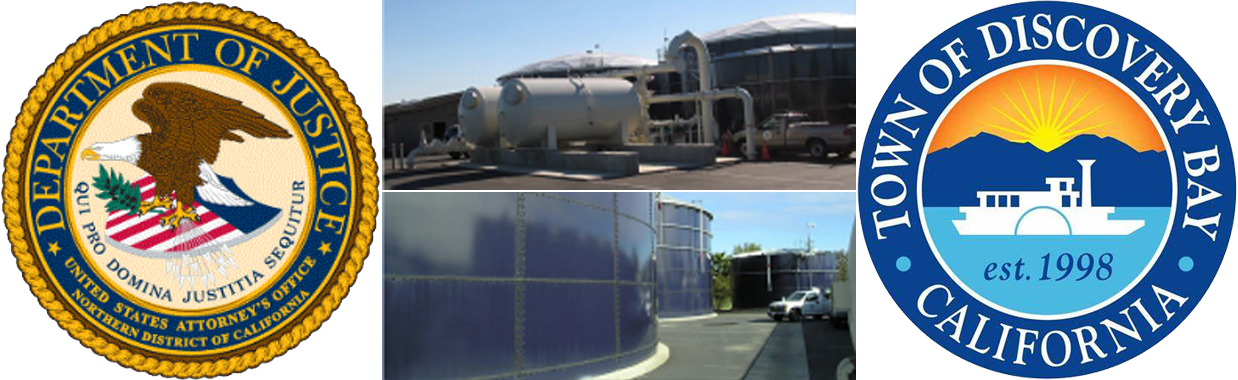
Photos source: Town of Discovery Bay

To serve home confinement and probation, pay restitution

Defendant was former employee of contractor and admitted to unleashing attack

By U.S. Attorney, Northern District of California

OAKLAND – Rambler Gallo was sentenced to serve six months of home confinement and 36 months of probation for intentionally causing damage to the computer network for the Discovery Bay Water Treatment Facility, located in the Town of Discovery Bay, Calif., and thereby threatening public health and safety. Specifically, Gallo intentionally uninstalled the main operational system for the water treatment plant that operates the automated monitoring system that protects the entire water treatment system, including monitoring and controlling the chemical levels and filtration of the water across all the Discovery Bay water service facilities. The sentence was handed down on Wednesday by Haywood S. Gilliam Jr., United States District Judge. The announcement was made by United States Attorney Ismail J. Ramsey and Federal Bureau of Investigation Special Agent in Charge Robert K. Tripp.

Gallo, 53, of Tracy, Calif., was a full-time employee of a private Massachusetts-based company identified in the indictment as Company A, which contracted with Discovery Bay to operate the town’s wastewater treatment facility. The facility provides treatment for the water and wastewater systems for the town’s 15,000 residents. During his employment with Company A, from July of 2016 until December of 2020, Gallo was the company’s “Instrumentation and Control Tech,” with responsibility for maintaining the instrumentation and the computer systems used to control the electromechanical processes of the facility in Discovery Bay.

According to his plea agreement, while Gallo was employed with Company A, he installed software into his own personal computer and into Company A’s private internal network that allowed Gallo to gain remote access to Discovery Bay’s Water Treatment facility computer network. Gallo resigned from his employment with Company on November 25, 2020, giving two weeks’ notice. Approximately five weeks later, Gallo accessed the facility’s computer system remotely and transmitted a command to uninstall certain software which was designed to perform as the main hub of the facility’s computer network.

The software that Gallo accessed protected the entire water treatment system, including water pressure, filtration, and chemical levels. Documents filed by the government in connection with Gallo’s sentencing describe how Gallo’s actions took the monitoring software offline into the following day when it was discovered by employees. Employees thereafter took steps to rectify the situation and mitigate any potential damage to the water treatment system. The government argued that Gallo’s actions “were well thought out to be as disruptive as possible” and “caused a potential threat to the health and safety of the community’s water supply.”

A federal grand jury indicted Gallo on June 27, 2023, charging him with one felony count of transmitting a program, information, code, and command to cause damage to a protected computer, in violation of 18 U.S.C. §§ 1030(a)(5)(A) and (c)(4)(B)(i). Gallo pleaded guilty to the charge.

In addition to the prison term, Judge Gilliam ordered Gallo to forfeit his computer and to pay $44,250 restitution.

Assistant United States Attorney Cynthia Frey is prosecuting this case with assistance from Kathy Tat and Kevin Costello. The case is being investigated by the FBI.


Filed Under: Crime, DOJ, East County, News, U S Attorney, Water

WETA includes four more Contra Costa ferry stops in 2050 Service Vision

May 10, 2024 By Publisher Leave a Comment

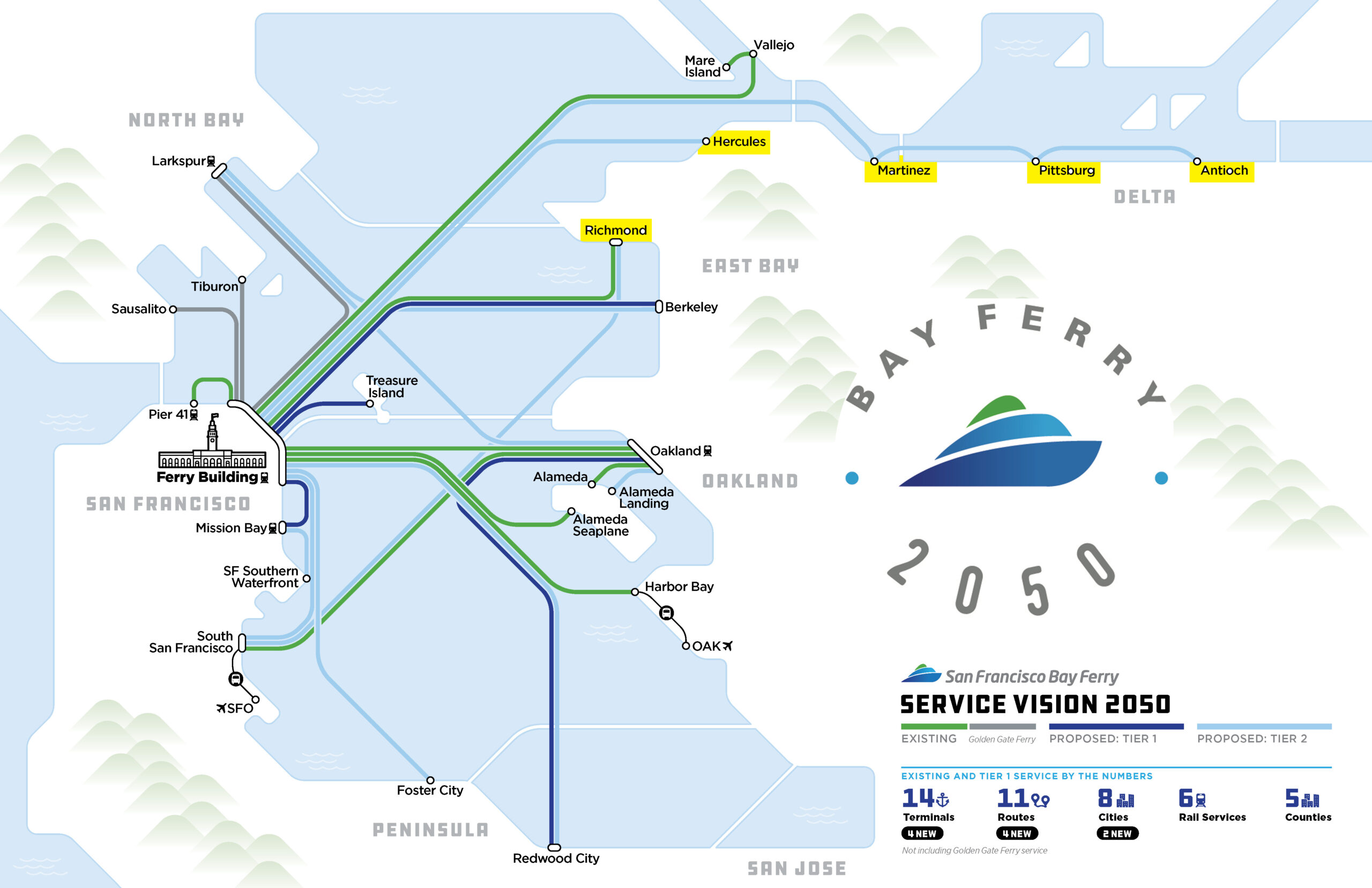
Source: WETA

Terminals proposed in Hercules, Martinez, Pittsburg and Antioch; plus, additional route for existing Richmond terminal

“A Vision for Water-Based Transportation and Emergency Response on the San Francisco Bay”

By Allen D. Payton

The Bay Area’s Water Emergency Transportation Authority (WETA) board adopted the 2050 Service Vision and Expansion Policy during its meeting on Thursday, May 9 and the plan includes future, possible stations in Hercules, Martinez, Pittsburg and Antioch. Also included is an additional route for the existing terminal in Richmond, which currently offers WETA’s only ferry service in Contra Costa County.

The plan includes two tiers, with the four additional Contra Costa terminals in Tier 2 which will be added based on demand and current, technological barriers to service. The Vision includes one route between the San Francisco Ferry Building to the Hercules terminal and a separate route to and from the Martinez, Pittsburg and Antioch terminals.

The Vision explains that first, “WETA will enhance existing route frequency to continue growing markets for all-day service.” Then, “WETA will expand by implementing the Tier 1 projects from the map including regional priority projects such as those included in regional plans – including Mission Bay and Treasure Island to the San Francisco Ferry Building, Berkeley to San Francisco, and Oakland to Redwood City.”

That will be followed by WETA exploring “development of Tier 2 projects from the map to further expand the reach of the ferry system as market demand matures and technologies evolve to overcome current barriers to operating service.”

In the plan, “WETA will provide at minimum three types of service on the ferry network: Local service consisting of short distance trips connecting dense urban hubs; Regional service consisting of medium and long-distance trips connecting activity centers; and Special Event service to major venues with existing terminals.”

In addition, “WETA will electrify the ferry system to reduce greenhouse gas emissions.”

According to their website, “Water transit is a vital part of life in the San Francisco Bay Area. WETA has been developing a shared vision of the San Francisco Bay Area ferry system in 2050, including the level of service and extent of WETA ferry operations and emergency response.

This ‘Service Vision’ informs how WETA operates in the future and what changes will need to be made to get there. The vision will serve as the foundation of WETA’s Business Plan, which will present the specific strategies and actions required to achieve the 2050 Service Vision. Strategies and goals are divided across six Focus Areas.

This service visioning effort is a unique opportunity to re-imagine water transit and address emerging priorities concerning the environment, equity, economic development, emergency response and quality of life throughout the Bay Area.”

According to the staff report for the agenda item #11, the plan was “developed to define a long-term service vision based on input from agency stakeholders, the public, and other parties with an interest in the future of the agency. The goal of this project is to create clear direction for the agency and its staff concerning future expansion efforts, prioritize the use of limited funds, identify resource needs, and help build a broad coalition to advocate for future investment in the regional ferry network. The WETA Board received a presentation on a draft Policy at its last meeting in April 2024. Following that meeting, staff incorporated comments from Directors into the final 2050 Service Vision and Expansion Policy—including more detailed information about emergency response and first/last mile connections.

During an initial stakeholder and public outreach effort in 2021, staff identified six focus areas

for consideration in the Business Plan. These include:

  1. Regional Ferry Network
  2. Emergency Response
  3. Environmental Stewardship
  4. Community Connections
  5. Organizational Capacity
  6. Financial Capacity

At Business Plan Workshop #1 held in August 2022, the Board identified a set of network expansion concepts for consideration in defining a 2050 Service Vision. Staff undertook a technical evaluation of these concepts and conducted broad stakeholder and public engagement to create a proposal to develop a draft 2050 Service Vision that was presented to the Board during Workshop #2 in April 2023.

Upon receiving direction from the Board to look more broadly at opportunities to expand the ferry network, staff worked with its consultant team to incorporate this feedback into an updated draft 2050 Service Vision and set of feasibility criteria for future expansion projects.

The draft service vision and feasibility criteria were refined upon review with key project stakeholders, the Community and Business Advisory Groups, and the WETA Business Plan Subcommittee. A consistent source of feedback during the outreach process was support for a WETA pilot program to test the feasibility of new technologies and emerging markets. The product of this process is the final 2050 Service Vision and Expansion Policy.”

The Vision also includes Terminal Rehabilitation & Replacement, improvements to Terminal Access, encouraging Transit-Supportive Land Uses in close proximity to each candidate ferry terminal, and Emergency Response. “WETA serves as the coordinator of water-based emergency response activities in the Bay Area in the event of a major disaster or disruptive event. In this capacity, WETA will work closely with the California Office of Emergency Services and/or the United States Coast Guard and will be directed to perform activities coordinated on a regional and state-wide basis. These include deploying WETA’s fleet resources to evacuate dangerous areas, to move first responders, and to deliver needed supplies. WETA will coordinate with other regional maritime partners to add to this fleet response, and terminal facilities must have sufficient capacity and facilities to accommodate these partner vessels. All new expansion terminals must be designed and built to Essential Facilities Standards. Emergency service to individual terminals will be guided based on state and regional direction.”

In addition to Thursday’s meeting, WETA held a public Board of Directors workshop on the 2050 Service Vision in April. The service vision evaluation memo and presentation slides are available, here:

  • Service Vision Evaluation Memo
  • Presentation

Here’s the public survey summary report, first published in May 2023.

To learn more about the project, visit Bay Ferry 2050 microsite where you can subscribe to updates, share your feedback and more.

Filed Under: Bay Area, Central County, East County, News, Transportation, Water, West County

Delta Conveyance (tunnel) Project issues Final Environmental Impact Report

December 8, 2023 By Publisher Leave a Comment


Source: CA DWP

To public agencies prior to certification per CEQA requirements

Haga clic aquí para ver este aviso en español

按一下這裡檢視此通知的中文版本。

By California Department of Water Resources

The California Department of Water Resources (DWR) is today releasing the Final Environmental Impact Report to public agencies that commented on the Draft EIR, per the California Environmental Quality Act (CEQA).* Proposed responses to comments, as well as the Final EIR and accompanying informational resources, can be accessed at www.deltaconveyanceproject.com. This action signifies the last step DWR is required to take under CEQA prior to deciding whether to certify the EIR and approve the proposed project.

The Final EIR was prepared by DWR as the lead agency to comply with the requirements of CEQA. The Final EIR is presented in two volumes: 1) the contents of the entire Draft EIR, as revised, and 2) all comments received on the Draft EIR and responses to substantive comments.

At the conclusion of the CEQA process, DWR will determine if the Final EIR has been completed in compliance with CEQA and whether to certify that the Final EIR reflects DWR’s independent judgment and analysis. Following certification of the Final EIR, DWR would then determine whether to approve the proposed project, an alternative or no project. Learn more about the CEQA process here.

The proposed project identified in the Final EIR would modernize the state’s water infrastructure in the Delta to help protect the reliability of this important water supply for 27 million Californians and 750,000 acres of farmland from earthquakes and climate-driven weather extremes.

Accessing the Final EIR

The Final EIR is available online at www.deltaconveyanceproject.com/planning-processes/california-environmental-quality-act/final-eir/final-eir-document.

Informational Materials and Resources

  • Final EIR Overview Fact Sheet

Project Planning Next Steps

  • Community Benefits Program: Should DWR certify the Final EIR and approve the proposed project, DWR plans to release the Community Benefits Program Implementation Plan and Guidelines Discussion Document next year for review. There will be associated public engagement opportunities announced when that document is released.
  • Additional Permitting: DWR continues to pursue additional required federal and state planning processes, including but not limited to federal and state Endangered Species Act compliance, adding points of diversion to existing water rights and Delta Plan consistency. Information and updates related to these processes can be found on the project’s permit portal website.
    *DWR is releasing the Final EIR to public agencies prior to certification per CEQA requirements. While CEQA does not require—and DWR is not providing—a public comment period on a Final EIR, it does require DWR to send its proposed responses at least 10 days prior to a decision on certification of the EIR.

If you need further assistance, contact
Si necesita ayuda adicional, comuníquese con
如果您需要進一步的協助,請洽
Yog koj xav tau kev pab ntxiv, txuas lus rau
ប្រសិនបើអ្នកត្រូវការជំនួយបន្ថែម សូមទាក់ទង
Kung kailangan mo ng karagdagang tulong, kontakin ang
Nếu quý vị cần thêm trợ giúp, vui lòng liên hệ
1-866-924-9955
deltaconveyance@water.ca.gov

Filed Under: Environment, News, The Delta, Water

Los Vaqueros Reservoir Expansion Project receives $10 million from Bureau of Reclamation

July 27, 2023 By Publisher Leave a Comment

Los Vaqueros Reservoir and Dam. Source: LVREP JPA

Funding to benefit regional water supply improvements and protection of critical bird populations

Expansion will increase capacity by 115,000 acre-feet, cost about $1.25 billion

The Los Vaqueros Reservoir Expansion Project Joint Powers Authority today (July 27, 2023) was notified that it will receive $10 million in federal funding from the U.S. Department of the Interior, Bureau of Reclamation. The funding will be used to further the project’s goals of improving Bay Area and Central Valley water supply and supporting wildlife refuges along the Pacific Flyway, a vital migratory route for critical bird populations.

According to the National Audubon Society, each year at least one billion birds migrate along the flyway, which is only a fraction of those that used it a century ago. Wildlife refuges along the Pacific Flyway provide protection against habitat loss, water shortages, diminishing food sources and climate change.

Additionally, the expansion will increase the Los Vaqueros Reservoir capacity from 160,000 acre-feet to 275,000 acre-feet and add new and modified conveyance facilities to provide environmental, water supply reliability, operational flexibility, water quality and recreational benefits.

The dam will be increased by 55 feet from its current height of 226 feet to 281 feet from toe to crest.

“We are grateful to Reclamation for acknowledging the importance of the Los Vaqueros Reservoir Expansion Project and the role it will play in providing water supply reliability for 11 million customers and protection of critical bird populations from the Bay Area to the Central Valley,” said Board Chair Angela Ramirez Holmes. “Our partnership with Reclamation is invaluable and will help ensure quality of life now and for future generations.”

Source: LVREP Fact Sheet

The $10 million allocation today is authorized under the Bipartisan Infrastructure Law, approved by Congress in November 2021, and is in addition to a previously awarded $164 million from all federal sources for the reservoir expansion project. The project was previously authorized for federal funding under the Water Infrastructure Improvements for the Nation (WIIN) Act of 2016.

According to the project Fact Sheet, the total development and construction cost of the expansion is budgeted at approximately $980 million in 2022 dollars and $1.25 billion in escalated costs through the end of construction. Construction is expected to last from 2023 through 2030.

“We appreciate the ongoing federal support of this project that is vital to millions of Californians and key wildlife refuges,” said Los Vaqueros Reservoir Joint Powers Authority Executive Director Taryn Ravazzini. “The allocation of these funds marks another milestone and allows the LVR JPA and its members to continue our progress toward regional resilience.”

Source: LVREP Fact Sheet

About the LVRJPA

The Los Vaqueros Reservoir Joint Powers Authority (JPA) was formed in 2021 and provides governance and administration for the Phase 2 Los Vaqueros Reservoir Expansion Project (Project).  The Los Vaqueros Reservoir is an off-stream reservoir owned and operated by the Contra Costa Water District.

The Project will increase Bay Area and Central Valley water supply reliability, develop water supplies for wildlife refuges, and improve water quality while protecting Delta fisheries and providing additional Delta ecosystem benefits. When completed, it will increase the Los Vaqueros Reservoir capacity from 160,000 acre-feet to 275,000 acre-feet and add new and modified conveyance facilities to provide environmental, water supply reliability, operational flexibility, water quality, and recreational benefits.

Allen D. Payton contributed to this report.
Filed Under: Animals & Pets, East County, Environment, News, Water

In response to DEIR Restore the Delta claims tunnel project “will not save the Delta”

December 16, 2022 By Publisher Leave a Comment

Source: Restore the Delta

“The Tunnel Project will not save the Delta, and it probably will not save the State Water Project’s and Central Valley Project’s reliance on Delta exports either.” – letter from Restore the Delta on DEIR

The proposed Delta Conveyance Project (Delta Tunnel) would construct new water intake facilities on the Sacramento River in the north Delta to fill a single tunnel with diverted freshwater flows. That water would be shipped to large farming operations and water wholesalers south of the Delta. The Delta Conveyance project would divert up to 6,000 cubic feet of water per second. The project is estimated to cost between $16-40 billion and won’t be completed until at least 2040.

After the Draft Environmental Impact Report for the Delta Conveyance Project was released in July, the comment period was extended to today, Friday, December 16, 2022. The Draft EIR was prepared by the state Department of Water Resources (DWR) as the lead agency to comply with the requirements of the California Environmental Quality Act by evaluating a range of alternatives to the proposed project and disclosing potential environmental effects of the proposed project and alternatives, and associated mitigation measures for potentially significant impacts.

No decisions will be made on whether to approve the project until the conclusion of the environmental review process, after consideration of public comments submitted on the Draft EIR and issuances of a Final EIR. At that time, DWR will determine whether to approve the proposed project an alternative or no project.

On Wednesday, Dec. 14, 2022, Restore the Delta submitted detailed comments on the DEIR to the DWR.

“The California Department of Water Resources should be embarrassed by the lack of climate change planning in the DEIR for the proposed Delta Tunnel. The DEIR was out of date for climate change science when it was released in July 2022,” said Tim Stroshane, Policy Analyst, Restore the Delta. “If completed in 2040 it will be obsolete, then. Meanwhile, California will have spent big money on a project the state will be unable to use as Delta water levels rise. Instead, we should invest in the resilience of Delta environmental justice communities and the rest of the state for flood and water supplies, reducing the big projects’ reliance on the Delta for future water needs, using water use efficiency and water recycling, and increasing local and regional water supply self-sufficiency to ward off drought and megafloods.”

“DWR has learned nothing since California WaterFix. Their sales pitch, that the tunnel is a climate project, is built on incomplete data and faulty analysis,” said Barbara Barrigan-Parrilla, Executive Director of Restore the Delta. “They have continued their pattern of erasing how the project will impact Delta urban environmental justice communities. And they are minimizing how construction will ruin small Delta farming towns, and the natural resources essential to the cultural and spiritual practices of historic Delta tribes. The tunnel is a failed idea that nobody supports, except for the Department of Water Resources.”

Read the comment letter and attachments by Restore the Delta.

Highlights from the Comments

Environmental impact of Tunnel:

“Reviewing the Executive Summary, we count 17 significant and unavoidable impacts of the proposed Tunnel project on the environment. Among these impacts will be loss of prime agricultural farmland, loss of local non-tribal cultural resources, transportation and air quality impacts, and painful loss of tribal cultural resources. There are other impacts omitted, belittled, or greenwashed by the Tunnel DEIR.”

Flow and salinity impacts when Tunnel in operation:

“The Tunnel Project has region-scale impacts on the Delta, should it be built. The Tunnel DEIRacknowledges that a major operational impact will be, reducing Sacramento River flows (and hence flows to its distributaries in north and central Delta channels) and reducing the estuary’s ability to repel tidal salt waters which are ever-present (see Attachment 9 to this letter). Such operational impacts will have economic and ecological impact on the Delta region, and a Community Benefits Program must be developed to mitigate the economic and ecological effects of Tunnel operations on Delta communities, especially environmental justice communities.”

Failure to consider alternatives:

“DWR in particular is hide-bound in its loyalty to a Delta conveyance approach eclipsed by the emerging and growing effects of extreme heat and extreme storms.

“A huge failure of imagination by DWR is on display in this DEIR. Each of these alternatives is vulnerable to the slings and arrows of expected climate change effects, which we will go into further below when commenting on project modeling methods and results. But what we see displayed in the Tunnel DEIR is a complete failure of state water officials to imagine alternative approaches these last few years since the demise of California WaterFix in early 2019.”

Faulty consideration of Delta Environmental Justice impacts:

“We are deeply disappointed that DWR resorted to ignoring its ‘Your Delta, Your Voice’ Survey as a basis for informing how and what kind of environmental, environmental justice, and community impacts the Delta Tunnel Project would impose on the Delta EJ community both of the direct Legal Delta and of the Delta Region as a whole. It is plainly obvious that 1) the Legal Delta as well as the Delta Region are bona fide environmental justice communities, with relatively small proportions of white and wealthy populations; 2) Delta residents AND Delta region community members rely substantially on the Delta directly, and the north Delta in particular, for subsistence fishing, and it is thus an environmental impact to have both fishing spots taken away from anglers and fish removed from the vicinity for North Delta Intakes construction activities; and 3) in the operational phase, lost flows in the Delta will increase salinity in the Delta as it reduces flows in north and central Delta channels, and thereby contributing to the spread of harmful algal blooms which will disproportionately injure Delta people who rely on fishing and broad outdoor activities to enjoy the Delta. In sum, the Delta Tunnel Project will harm such beneficial users of water as fish, outdoor water-contact recreation, and environmental justice communities.”

About Restore the Delta
Restore the Delta (RTD) is a grassroots campaign of residents and organizations committed to restoring the Sacramento-San Joaquin Delta so that fisheries, communities, and family farming can thrive there together again; so that water quality is protected for all communities, particularly environmental justice communities; and so that Delta environmental justice communities are protected from flood and drought impacts resulting from climate change while gaining improved public access to clean waterways. Ultimately our goal is to connect communities to our area rivers and to empower communities to become the guardians of the estuary through participation in government planning and waterway monitoring. RTD advocates for local Delta stakeholders to ensure that they have a direct impact on water management decisions affecting the well-being of their communities, and water sustainability policies for all Californians.

ICYMI 12/10/22: Delta Tunnel Meeting, Greenhouse Gaslighting, HABs in 2022 

Allen D. Payton contributed to this report.
Filed Under: East County, Environment, News, The Delta, Water

  • 1
  • 2
  • 3
  • …
  • 5
  • Next Page »
Monica's-Riverview-Jan-2026
Liberty-Tax-Jan-Apr-2026
Deer-Valley-Chiro-06-22

Copyright © 2026 · Contra Costa Herald · Site by Clifton Creative Web