• Home
  • About The Herald
  • Local Agencies
  • Daily Email Update
  • Legal Notices
  • Classified Ads

Contra Costa Herald

News Of By and For The People of Contra Costa County, California

  • Arts & Entertainment
  • Business
  • Community
  • Crime
  • Dining
  • Education
  • Faith
  • Health
  • News
  • Politics & Elections
  • Real Estate

Delta Conveyance (tunnel) Project Case Study Workshop on community benefits programs Nov. 17

November 6, 2021 By Publisher 1 Comment

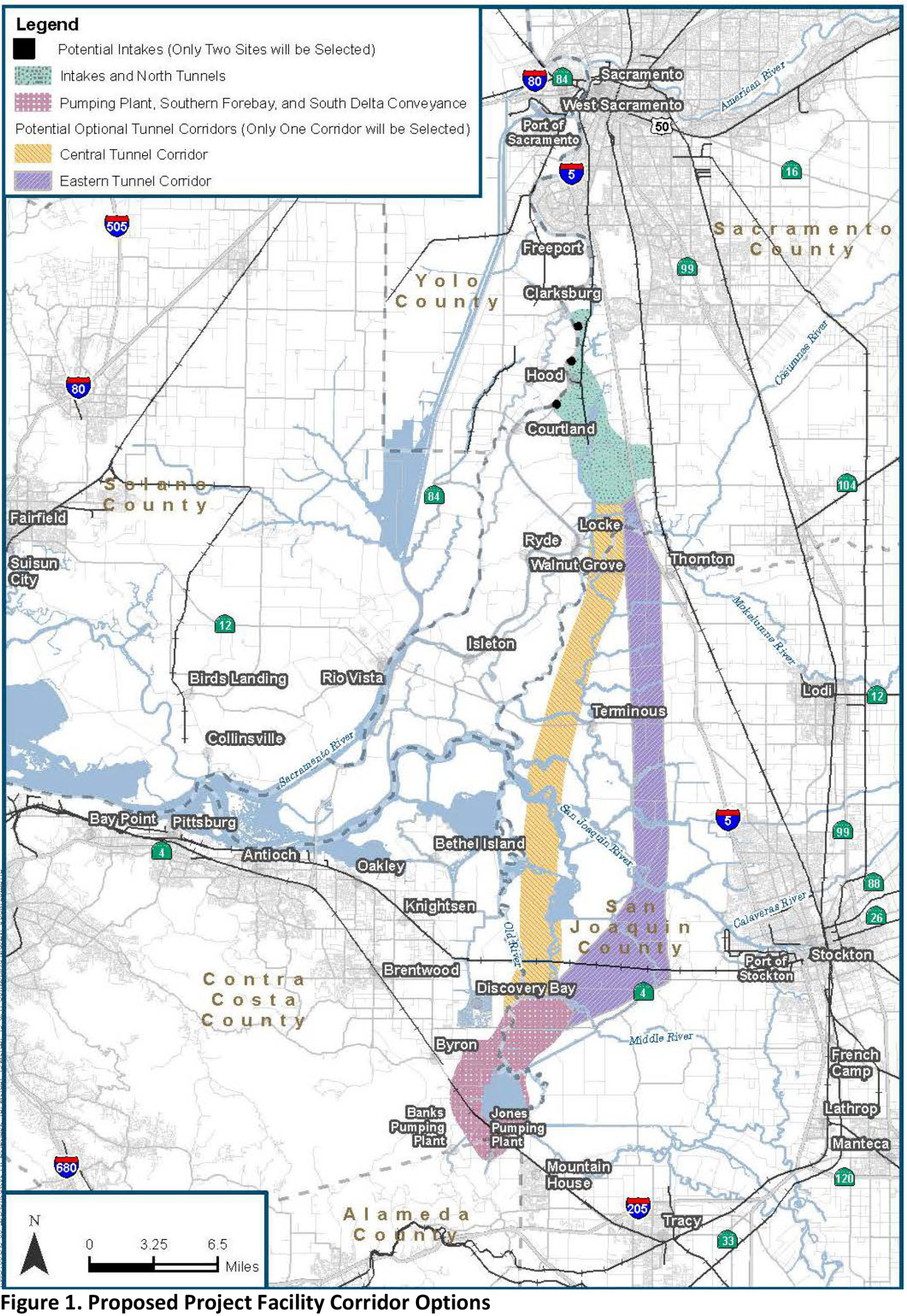
Proposed Delta Conveyance Project Facility Corridor Options. From Scoping Summary Report.

Learn from other projects

Haga clic aquí para ver este aviso en español.

As part of ongoing development of the Community Benefits Program for the proposed Delta Conveyance (tunnel) Project, the Department of Water Resources (DWR) is holding a virtual workshop on Wednesday, November 17th from 6:00pm – 8:00pm to hear and learn from representatives of several different example community benefits programs around the country. (See related articles here and here)

Members of the local Delta community are encouraged to attend this event and hear firsthand experiences about the development and implementation of these programs, including different organizational structures, development timing, important milestones and lessons learned.

There will also be an opportunity to ask the panelists questions and engage in dialogue about their experiences and insights. Although these types of programs are not uncommon, there are various ways to go about setting them up. This workshop gives both DWR and the local community the chance to learn more about how it could be done for the proposed Delta Conveyance Project. (See details of the proposed system, here)

The workshop panelists represent a diverse set of projects and community benefits programs from different parts of the country:

  • Oakland, California, Partnership for Working Families 
    • Ben Beach, Legal Director
  • North Charleston, South Carolina, LowCountry Alliance for Model Communities Port Authority Redevelopment and Transfer Station
    • Omar Muhammed, Executive Director, LowCountry Alliance for Model Communities
  • Morro Bay, California, Castle Offshore Wind Project 
    • Scott Collins, City Manager, City of Morro Bay

While no other project or community benefits program exactly matches the specifics of the proposed Delta Conveyance Project and what might be most appropriate for the Community Benefits Program for this project, the example projects that will be discussed in this workshop offer different and valuable perspectives and examples with varying structures, locations and challenges. In preparing for this workshop, DWR researched community benefits programs for large infrastructure projects that had long-term construction impacts, where the benefits of the project were not local, but impacts of the project were, and where location and potential for environmental justice and economically disadvantaged community concerns were also involved.

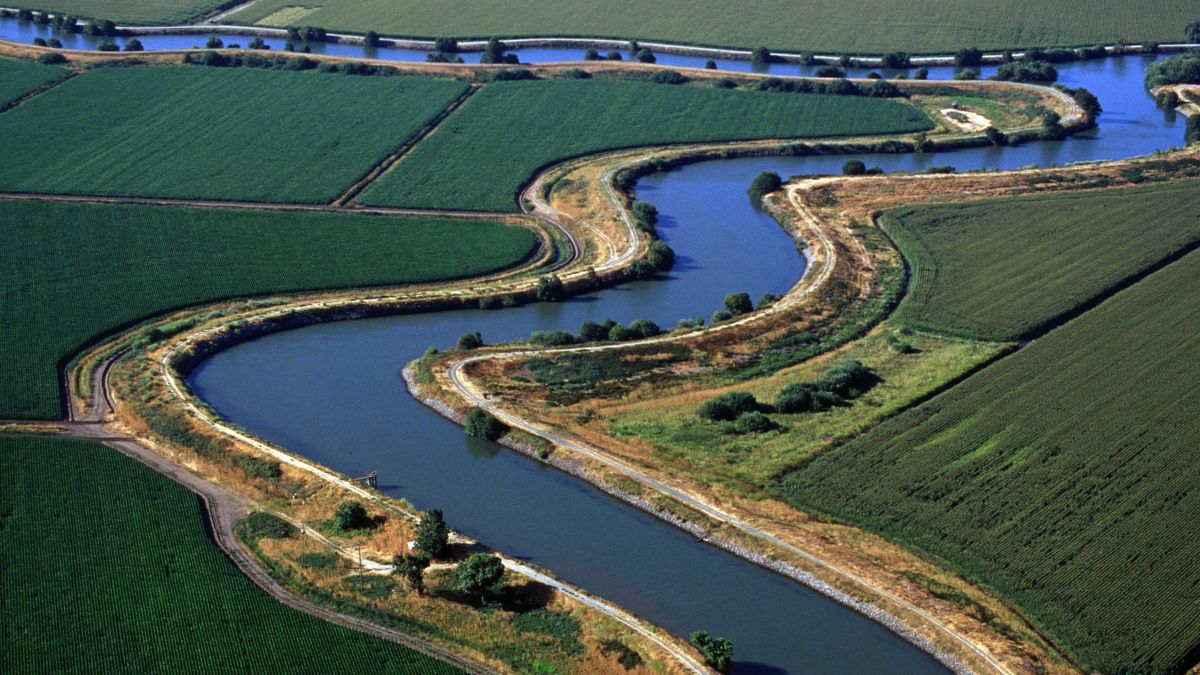
Photo: CA Dep’t of Water Resources.

Workshop Details & Registration

  • Wednesday, November 17, 2021 | 6:00pm – 8:00pm | REGISTER HERE
  • Workshop will be conducted on Zoom with a call-in option available

Agenda

  • Welcome and Introductions
  • Presentations from the three project representatives
  • Focused panelist discussion:
    • How did the idea develop in your project?
    • How did the community come together to provide input?
    • When in the project lifecycle did people come together?
    • How did you solicit priorities?
    • How did you formalize the program?
    • How are community benefit funds distributed?
    • How are you measuring and monitoring community benefits?
  • Public questions/discussion

Participation Accommodations & Additional Information

  • Closed captioning will be provided
  • Workshop materials will be available in English and Spanish, and a simultaneous Spanish translation will be offered
  • Workshop access information and materials will be sent out prior to the workshop through Eventbrite
  • If you cannot participate in the workshop but have questions, please email us at DeltaConveyanceCBP@water.ca.gov
  • A recording of the workshop will be posted on the project website, along with the background material, when available

To register, click here.

Filed Under: East County, Environment, News, Recreation, State of California, The Delta

ABAG, MTC adopt final Plan Bay Area 2050 and Environmental Impact Report

October 25, 2021 By Publisher 1 Comment

“$1.4 trillion vision for a more equitable and resilient future for Bay Area residents” in the areas of housing, the economy, transportation and the environment

“Roadmap toward a more affordable, connected, diverse, healthy and vibrant region for all”

Includes “strategies that would produce more than 1 million new permanently affordable homes” and an effort to “Implement a statewide universal basic income” to “provide an average $500 per month payment to all Bay Area households”

The Association of Bay Area Governments (ABAG) and the Metropolitan Transportation Commission (MTC), during their joint meeting Thursday evening, Oct. 21, 2021, unanimously adopted Plan Bay Area 2050 and its associated Environmental Impact Report. The unanimous votes by both boards cap a nearly four-year process during which more than 20,000 Bay Area residents contributed to the development of the new plan.

All six representatives from Contra Costa County, including Supervisors Candace Andersen and Karen Mitchoff, Richmond Mayor Tom Butt and San Ramon Councilman Dave Hudson, who serve on ABAG, as well as Supervisor Federal Glover and Contra Costa City Representative Amy Worth, Mayor of Orinda, who serve on MTC, voted to adopt the plan.

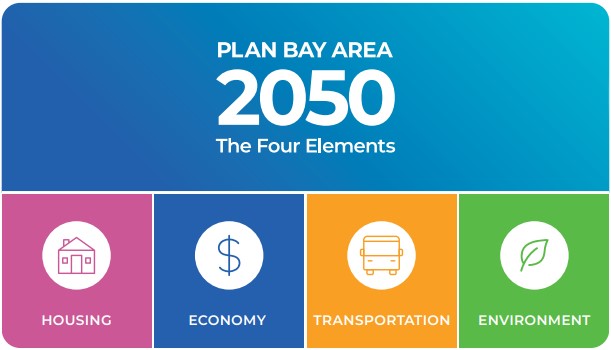
Defined by 35 strategies for housing, transportation, economic vitality and the environment, Plan Bay Area 2050 lays out a $1.4 trillion vision for policies and investments to make the nine-county region more affordable, connected, diverse, healthy and economically vibrant for all its residents through 2050 and beyond. From housing strategies that would produce more than 1 million new permanently affordable homes by 2050 to transit-fare reforms that would reduce cost burdens for riders with low incomes and paths to economic mobility through job training and a universal basic income, the goal of a more equitable Bay Area is interwoven throughout the plan. With a groundbreaking focus on climate change, strategies also are crafted for resilience against future uncertainties, including protection from hazards such sea-level rise and wildfires.

It is a long-range plan charting the course for the future of the nine-county San Francisco Bay Area. Plan Bay Area 2050 will focus on four key issues—the economy, the environment, housing and transportation—and will identify a path to make the Bay Area more equitable for all residents and more resilient in the face of unexpected challenges. Building on the work of the Horizon initiative, this new regional plan outlines strategies for growth and investment through the year 2050, while simultaneously striving to meet and exceed federal and state requirements. The Metropolitan Transportation Commission and the Association of Bay Area Governments are expected to adopt Plan Bay Area 2050 in fall 2021.

“Plan Bay Area 2050 reflects a shared vision that can’t be implemented by any single agency,” explained ABAG Executive Board President and Berkeley Mayor Jesse Arreguín. “To bring all these strategies to fruition will require ABAG and MTC to strengthen our existing partnerships and to form new ones — not just with our cities and counties and the state government, but also with the federal government, businesses and nonprofits.”

What will Plan Bay Area 2050 do? What won’t it do?

Plan Bay Area 2050 outlines a roadmap for the Bay Area’s future. While it pinpoints policies and investments necessary to advance the goal of a more affordable, connected, diverse, healthy and vibrant Bay Area, Plan Bay Area 2050 neither funds specific infrastructure projects nor changes local policies. Cities and counties retain all local land use authority. Plan Bay Area 2050 does identify a potential path forward for future investments – including infrastructure to improve our transportation system and to protect communities from rising sea levels – as well as the types of public policies necessary to realize a future growth pattern for housing and jobs.

Ultimately, Plan Bay Area 2050 reflects a shared vision – one that cannot be implemented by any single organization or government agency. Only through partnership with local, state and federal governments – as well as with businesses and non-profit organizations – will the Plan’s vision come to fruition. Before the Plan is adopted in 2021, MTC and ABAG, along with partner organizations, will create an implementation plan that will advance the strategies outlined in Plan Bay Area 2050.

MTC Chair and Napa County Supervisor Alfredo Pedroza acknowledged the work ahead. “Building and preserving affordable housing. Adapting to sea level rise. Getting more people closer to their jobs and more jobs closer to the people. Sharing prosperity equitably. All of these are big lifts. But the new plan can serve as a north star for the Bay Area’s journey to 2050.”

Among the features that distinguish Plan Bay Area 2050 from previous regional plans is an associated Implementation Plan that details the specific actions ABAG and MTC can take in the next five years to put the new plan into action.

“The Implementation Plan is a commitment to do hard things, not just think about them,” said ABAG-MTC Executive Director Therese W. McMillan. “Even if these steps have to be taken incrementally, they will lead us to a more equitable and resilient Bay Area.”

Housing Strategies

Costs for housing are estimated at $468 billion, with $237 billion budget to preserve existing affordable housing by acquiring “homes currently affordable to low- and middle-income residents for preservation as permanently deed-restricted affordable housing”. An additional $219 billion is budgeted for new, deed-restricted affordable housing and $2 billion to “further strengthen renter protections beyond state law” by limiting “annual rent increases to the rate of inflation, while exempting units less than 10 years old.”

Economic Strategies

The total cost for economic strategies in the plan is $234 billion. Of that amount $205 billion is budgeted to “Implement a statewide universal basic income” and “provide an average $500 per month payment to all Bay Area households to improve family stability, promote economic mobility and increase consumer spending.”

Transportation Strategies

The plan projects to spend a total of $578 billion is projected to be spent on transportation over the next 20 years, with most of that, $389 billion, to “restore, operate and maintain the existing system”. An additional $81 billion will be spent to “expand and modernize the regional rail network” to “better connect communities while increasing frequencies by advancing the Link21 new transbay rail crossing, BART to Silicon Valley Phase 2, Valley Link, Caltrain Downtown Rail Extension and Caltrain/High-Speed Rail grade separations, among other projects.” The third largest budget item for transportation is $32 billion to “enhance local transit frequency, capacity and reliability. Improve the quality and availability of local bus and light rail service, with new bus rapid transit lines, South Bay light rail extensions, and frequency increases focused in lower-income communities.”

Environmental Strategies

A total of $108 billion is programmed for Environmental Strategies. The largest portion of that is $30 billion to “modernize and expand parks, trails and recreation facilities”. An additional $19 billion is budgeted to “adapt to sea level rise” by protecting affected “shoreline communities…prioritizing low-cost, high-benefit solutions and providing additional support to vulnerable populations.

In addition, the plan includes $18 billion to “fund energy upgrades to enable carbon neutrality in all existing commercial and public buildings” through “electrification and resilient power system upgrades”, and another $15 billion to “provide means-based financial support to retrofit existing residential buildings.” To “protect and manage high-value conservation lands”, an additional $15 billion is included in the plan.

The adopted final Plan Bay Area 2050, the EIR, and all the supplemental reports accompanying the new plan are available online at planbayarea.org/finalplan2050.

ABAG is the council of governments and the regional planning agency for the 101 cities and towns, and nine counties of the Bay Area. MTC is the transportation planning, financing and coordinating agency for the nine-county San Francisco Bay Area.

Filed Under: Bay Area, Economy, Environment, Government, Growth & Development, News, Transportation

Contra Costa County Fish and Wildlife Committee accepting grant applications

October 10, 2021 By Publisher Leave a Comment

Source: California Department of Fish & Wildlife

By Maureen Parkes, Office of Communications & Media, Contra Costa County

The Contra Costa County Fish and Wildlife Committee is now accepting applications from individuals and groups interested in enhancing the fish and wildlife resources of the County. Grant applications must be received by Wednesday, January 5, 2022, at 5:00 pm.

The Fish and Wildlife Committee strongly encourages applications related to public education, improving habitat, scientific research, threatened and endangered species, and resolving human/wildlife interaction issues. In addition, the Committee wishes to fund one or more projects that increase collaboration with law enforcement agencies, the court, and community cultural organizations on enforcement issues and education, focusing on communities that may be unaware of local fish and game laws. Projects that provide multilingual signage and educational materials are encouraged.

The Fish and Wildlife Committee awards grants for prospective expenditures to non-profit organizations, schools and government agencies. The Committee generally does not recommend funding for operating costs and overhead, such as benefits or utilities, or ongoing staff support for an organization. Further, projects awarded monies from the Fish and Wildlife Propagation Fund must meet the requirements of Section 13103 of the Fish and Game Code.

Funding for the grant program is generated from fines for violations of the Fish and Game Code and Title 14 of the California Code of Regulations. The Contra Costa County Board of Supervisors receives the Committee’s recommendations and holds final decision-making authority over the awarding of grants.

During the 2021 grant cycle, a total of $60,830.71 was awarded to seven projects. The awards ranged from $4,973.00 to $16,000.00. Application materials may be obtained on the Fish and Wildlife Committee website or by contacting Maureen Parkes of the Contra Costa County Conservation and Development Department by phone at 925-655-2909 or e-mail maureen.parkes@dcd.cccounty.us.


Filed Under: Environment, News

Settlement reached with Ulta Beauty stores for hazardous waste violations

September 20, 2021 By Publisher Leave a Comment

$752,000 in civil penalties

By Scott Alonso, PIO, Contra Costa County Office of the District Attorney

Contra Costa County District Attorney Diana Becton announced today that the Contra Costa County District Attorney’s Office, together with 33 other California District Attorneys and City Attorneys, have reached a settlement for violations of hazardous waste regulations with Ulta Beauty, Inc., Ulta Salon, Cosmetics & Fragrance, Inc., Ulta, Inc., and Possibilities AB, Inc., (collectively referred to as “Ulta”) that includes $752,000 of civil penalties, supplemental environmental projects, and costs. Ulta has five stores in Contra Costa County and 161 facilities overall in California. The settlement follows an investigation of Ulta stores’ improper storage, handling, and disposal of hazardous and other regulated waste and inadequate employee training.

Ulta stores in Contra Costa County are located in Brentwood, Concord, Pinole Pleasant Hill and San Ramon.

“Companies must be held responsible for business practices that pose a harm to the environment.,” said DA Becton. “Ulta was cooperative throughout the investigation and in correcting the issues.”

In fact, Ulta stores in California have adopted and implemented new policies and procedures and enhanced existing training programs designed to properly manage and dispose of hazardous waste products, other regulated waste, and confidential customer consumer information.

Under the settlement, which includes a Final Judgment and Permanent Injunction entered in Solano County Superior Court Case No. FCS057080, by the Honorable Alesia Jones, the corporations must pay $439,500 in civil penalties, $250,000 in costs and $62,500 in supplemental environmental projects. Defendants must also implement certain compliance assurance programs.

Filed Under: Business, Crime, District Attorney, Environment, News

Thousands of acres of East Bay wilderness to be preserved under agreement

September 8, 2021 By Publisher Leave a Comment

Tesla Park ridgetops. Photos courtesy Friends of Tesla Park

Governor, Senator Glazer and Assembly Member Bauer-Kahan reach accord on protecting Tesla’s 3,100-acre unique habitat

CONTRA COSTA – Thousands of acres of East Bay wilderness threatened by the expansion of an off-highway vehicle park will instead be preserved under an agreement reached Monday by Gov. Gavin Newsom and the Legislature, state Sen. Steve Glazer (D-Contra Costa) and Assembly Member Rebecca Bauer-Kahan (D-Orinda) announced.

Carnegie SVRA Trails Only Area. Feb. 2012

The agreement, if approved by the Legislature next week, will end plans to expand the Carnegie State Vehicular Recreation Area into the 3,100-acre Tesla parcel in the southeast corner of Alameda County, east of Livermore along the San Joaquin County line, which scientists have described as a biologically unique habitat and Native Americans have long considered to be a sensitive historical site.

That land will now become a new state park closed to motorized recreation. The state will reimburse the Off-Highway Vehicle fund for the purchase price of the land, its appreciation in value, and the money spent planning the expansion, which was opposed from the start 20 years ago by nearby residents and public agencies. That money will go toward the purchase and development of an off-road park at another location.

“This is a win-win for all involved,” Sen. Glazer said. “Our community and region gets to preserve this natural and cultural treasure while the off-road enthusiasts will keep their current park and receive funding to develop another park on land that’s more suitable to that kind of recreation.”

Assembly Member Bauer-Kahan said she was pleased that the agreement will end years of doubt about the fate of the area’s rich biological and cultural resources.

“We are incredibly thankful that the governor has seen Tesla Park’s value and included it in the ongoing protection of critical natural resources,” Bauer-Kahan said. “It has been my great honor to fight alongside Senator Glazer, the Sierra Club, Friends of Tesla Park and countless organizations and individuals to ensure this land will be protected and enjoyed by all of California’s citizens.”

Preserving the Tesla land was a major priority for environmentalists, including the Sierra Club.

East Bay Regional Park District 2013 Master Plan Map designating Tesla site (yellow area) as a potential regional preserve. Source: EBRPD

“We applaud the decision by the California Legislature and Administration to preserve the important ecological value and biodiversity of Tesla Park by banning off-highway vehicle recreational use,” said Brandon Dawson, director of the Sierra Club California. “Sierra Club California and our local allies have advocated for decades to protect Tesla Park. This agreement represents a major victory for environmentalists across the state.”

“I want to thank Senator Steve Glazer and Assembly member Rebecca Bauer-Kahan for their persistence to protect this valued land,” Dawson said. “This would not be possible without their championing of the area.”

Nancy Rodrigue, a leading member of the Friends of Tesla Park steering committee and Livermore resident, said she was proud that years of hard work and persistence paid off.

“Tesla Park will now forever be protected with no motorized recreation. The future holds Tesla as a protected native landscape for hikers, history buffs, nature lovers, research and education,” Rodrigue said. “Saving Tesla Park has been a long, difficult, and now rewarding journey. We want to thank the many local officials, public agencies, community organizations and citizens who saw Tesla’s true value – its irreplaceable biodiversity and cultural riches. We are grateful for the tremendous work of so many, including Senator Glazer and Assemblymember Bauer-Kahan, for saving Tesla Park as a legacy for future generations.”

Historic Tesla townsite.

Senator Glazer has been a leading voice in the Legislature to preserve Tesla and turn it into a park for non-motorized use. He has carried legislation every year since 2018 to allow or require the Department of Parks and Recreation to end its plans to expand the Carnegie off-road park and instead preserve the Tesla land, either by selling it to a third party or keeping it under state control.

That effort began as a partnership with former Assembly Member Catharine Baker of Livermore. Baker helped rally local officials to the cause, but Glazer’s early bills, while passing in the Senate, were blocked in the Assembly despite Baker’s support.

Assembly Member Bauer-Kahan joined the battle to save the Tesla parcel after her 2018 election and was able to persuade her fellow Assembly members, including the leadership, to join the Senate’s effort to preserve the land.

With both houses of the Legislature united, Glazer and Bauer-Kahan were finally able to convince the Newsom Administration this year that the idea of expanding the Carnegie park was doomed to failure.

 Their argument was bolstered by a Superior Court judge’s ruling that the State Department of Parks and Recreation’s 2016 environmental impact report and general plan for Carnegie State Vehicular Recreation Area, which included opening the Tesla land to off highway vehicle (OHV) recreation, was legally invalid.

Corral Hollow Creek in Tesla Park.

“I want to thank Senate President Pro Tem Toni Atkins and Assembly Speaker Anthony Rendon for their vision in seeing that this land was not appropriate for off-road vehicle use and for finding a way to preserve it,” Glazer said. “I also want to thank Gov. Newsom for taking a fresh look at this issue and agreeing to move in a new and better direction.”

The agreement will repay the Off-Highway Vehicle Trust Fund $18.3 million for the estimated current value of the land plus $2.4 million that the fund used for planning the current park’s expansion. Another $11.5 million will be set aside for planning and construction of an alternative off-road park, while $1 million will go toward turning the Tesla property into a non-OHV park.

The Tesla land offers rare and valuable diversity such as Blue Oak woodland, mountain savannah grassland, scrub sage, and riparian woodlands. It is a richly biodiverse area that has drawn naturalists, ecologists, zoologists, and other scientists to that land for more than 100 years to study nature and natural systems.

It has been known by generations of scientists for its extraordinary biodiversity, including numerous threatened and endangered species. It is a critical linkage wildlife habitat corridor, a California Native Plant Society botanical priority protection area and Audubon important bird area. Native Californian archaeological and ceremonial sites and the historic town site and coal mine of Tesla are also located on the 3,100-acre Tesla site.

See more photos and information at SaveTeslaPark.org.

Filed Under: Environment, News, Parks

Save Mount Diablo earns national recognition

August 27, 2021 By Publisher 1 Comment

Save Mount Diablo’s stunning Curry Canyon Ranch is surrounded on three sides by Mount Diablo State Park. Save Mount Diablo currently owns and manages 19 properties and, with its partners, has protected more than 120,000 acres in 50 parks and preserves in the region. Photo credit: Al Johnson.

Strong commitment to public trust and conservation excellence

By Laura Kindsvater, Communications Manager, Save Mount Diablo

One thing that unites us as a nation is land: Americans strongly support saving the open spaces they love. Since 1971, Save Mount Diablo has been doing just that for the people of the San Francisco Bay Area. Save Mount Diablo has just earned an important recognition and distinction receiving its renewed national land trust accreditation award – proving once again that, as part of a network of over 450 accredited land trusts across the nation, it is committed to professional excellence and to maintaining the public’s trust in its conservation work.

Save Mount Diablo provided extensive documentation and was subject to a comprehensive third-party evaluation prior to achieving this distinction. The Land Trust Accreditation Commission awarded renewed accreditation, signifying its confidence that Save Mount Diablo’s lands will be protected forever. Accredited land trusts now steward almost 20 million acres – the size of Denali, Yellowstone, Grand Canyon, Glacier, Everglades, and Yosemite National Parks combined.

“It is exciting to recognize Save Mount Diablo’s continued commitment to national standards by renewing this national mark of distinction,” said Melissa Kalvestrand, executive director of the commission. “Donors and partners can trust the more than 450 accredited land trusts across the country are united behind strong standards and have demonstrated sound finances, ethical conduct, responsible governance, and lasting stewardship.”

Save Mount Diablo is one of 1,363 land trusts across the United States according to the Land Trust Alliance’s most recent National Land Trust Census. A complete list of accredited land trusts and more information about the process and benefits can be found at www.landtrustaccreditation.org.

“Renewing our national accreditation shows Save Mount Diablo’s ongoing commitment to permanent land conservation in the Mount Diablo area,” said Ted Clement, Executive Director. “We are a stronger organization than ever for having gone through the rigorous accreditation renewal process. Our strength means the special natural places we protect have a better chance of being protected forever, making the Mount Diablo area an even greater place for us and our children.”

About Save Mount Diablo

Save Mount Diablo is a nationally accredited, nonprofit land trust founded in 1971 with a mission to preserve Mount Diablo’s peaks, surrounding foothills, watersheds, and connection to the Diablo Range through land acquisition and preservation strategies designed to protect the mountain’s natural beauty, biological diversity, and historic and agricultural heritage; enhance our area’s quality of life; and provide educational and recreational opportunities consistent with the protection of natural resources. Learn more at www.savemountdiablo.org.

About the Land Trust Accreditation Commission

The Land Trust Accreditation Commission inspires excellence, promotes public trust, and ensures permanence in the conservation of open lands by recognizing organizations that meet rigorous quality standards and strive for continuous improvement. The commission, established in 2006 as an independent program of the Land Trust Alliance, is governed by a volunteer board of diverse land conservation and nonprofit management experts. For more, visit www.landtrustaccreditation.org.

Filed Under: Environment, News

Public workshops, hearings announced for Draft Plan Bay Area 2050

May 26, 2021 By Publisher Leave a Comment

Regional plan for transportation, housing, the economy, and the environment

Interested agencies, organizations and individuals are invited by the Metropolitan Transportation Commission (MTC) and the Association of Bay Area Governments (ABAG) to comment on the Draft Plan Bay Area 2050. As required by state and federal law, MTC and ABAG have jointly developed this regional plan for transportation, housing, the economy, and the environment, which will serve as the San Francisco Bay Area’s Regional Transportation Plan (RTP) and Sustainable Communities Strategy (SCS) upon its adoption. Draft Plan Bay Area 2050 is defined by 35 integrated strategies designed to advance the region towards a more equitable and resilient future.

A Draft Environmental Impact Report (DEIR) prepared on the Draft Plan Bay Area 2050 will be subject to public review pursuant to a separate notice.

The following online public workshops have been scheduled to receive comment on the Draft Plan Bay Area 2050:

ONLINE PUBLIC WORKSHOP

East Bay Workshop
Contra Costa and Alameda Counties
Monday, June 14, 5:00 to 6:30 p.m.
https://bit.ly/33uXj0y
Passcode: 179826
Webinar ID: 862 3482 0389

ONLINE PUBLIC HEARINGS

Additionally, MTC and ABAG will hold three (3) public hearings to receive oral testimony and written comments about the Draft Plan Bay Area 2050. Copies of the draft plan are on file with the Secretary of the Board of MTC and open to public inspection at planbayarea.org/learnmore. Should you require a hard copy of the draft plan, please submit your request to info@bayareametro.gov or call 415-778-6757 and one will be mailed to you.

The first public hearing will be held during the regular meeting of the Joint MTC Planning Committee with the ABAG Administrative Committee on:

Friday, June 11, 2021 at 9:40 a.m. (Remotely)
https://bit.ly/33xhpav
Webinar ID: 874 2787 4017
Bay Area Metro Center
Board Room, 1st Floor
375 Beale Street, San Francisco, CA 94105

In light of Governor Newsom’s State of Emergency declaration regarding the COVID-19 outbreak and in accordance with Executive Order N-29-20 issued by Governor Newsom on March 17, 2020 and the Guidance for Gatherings issued by the California Department of Public Health, the meeting will be conducted via webcast, teleconference, and Zoom for all participants. Detailed instructions on participating via Zoom are available at: https://mtc.ca.gov/how-provide-public-comment-board-meeting-zoom. The meeting accessibility instructions also will be posted to: https://mtc.ca.gov/whats-happening/events/public-hearings no less than 72 hours prior to the hearing.

Two additional online public hearings have been scheduled for:

Hearing 2
Tuesday, June 22, 5:30 p.m.
https://bit.ly/3y0ZiYp
Passcode: 177176

Webinar ID: 812 0345 4209

Hearing 3
Wednesday, July 7, 1:30 p.m.
https://bit.ly/2SIduFK
Passcode: 908706

Webinar ID: 854 5833 8822

The Draft Plan Bay Area 2050 will be available for public review beginning Wednesday, May 26, 2021, online at https://mtc.ca.gov/whats-happening/events/public-hearings,  https://abag.ca.gov/meetings-events/public-hearings, and planbayarea.org. In an effort to reduce printing costs and conserve paper and in accordance with EO N-29-20 and the Guidance for Gatherings issued by the California Department of Public Health, you are urged to review the Draft Plan Bay Area 2050 on the website listed above. Should you require a hard copy of the Draft Plan Bay Area 2050, please submit your request to info@bayareametro.gov or call 415-778-6757 and one will be mailed to you.

The public comment period for the Draft Plan Bay Area 2050 begins on Wednesday, May 26, 2021 and ends on Tuesday, July 20, 2021 by 5:00pm. All written comments must be received no later than Tuesday, July 20, 2021 by 5:00pm. All written comments on the Draft Plan Bay Area 2050 are being accepted via mail to MTC Public Information, Attn: Draft Plan Comments, 375 Beale Street, Suite 800, San Francisco, CA 94105; via e-mail to info@planbayarea.org; and online at planbayarea.org/learnmore. Comments also are being accepted by phone by leaving a voicemail at (415) 778-2292.

Public comment on the Draft Environmental Impact Report (DEIR) for the Draft Plan Bay Area 2050 will be sought pursuant to a separate notice. After considering public comment, MTC and ABAG are slated to adopt Plan Bay Area 2050 in fall 2021. For more information, call the MTC Public Information Office at (415) 778-6757.

Do you need an interpreter or any other assistance to participate? Please call 415-778-6757. We require at least three working days’ notice to accommodate assistance requests. For TDD or hearing impaired, call 711, California Relay Service, or 1-800-735-2929 (TTY), 1-800-735-2922 (voice) and ask to be relayed to 415-778-6700.

您需要口譯員或任何其他幫助才能參加嗎?請致電415-778-6757。我們要求至少提前三個工作日通知,以便滿足您的請求。對於TDD或聽障人士,請致電711,加州中繼服務,或1-800-735-2929(TTY),1-800-735-2922(語音),並要求轉接到415-778-6700。

¿Necesita un intérprete o cualquier otra ayuda para participar? Llame al 415-778-6757. Requerimos un aviso de al menos tres días hábiles para atender las solicitudes de asistencia. Para personas con discapacidad auditiva o TDD, llame al 711, California Relay Service, o al 1-800-735-2929 (TTY) o al 1-800-735-2922 (voz) y pida que lo comuniquen al 415-778-6700.

Filed Under: Bay Area, Economy, Environment, Growth & Development, News, Transportation

Save Mount Diablo sues Discovery Builders over development on major ridgeline shared with new regional park

May 21, 2021 By Publisher 2 Comments

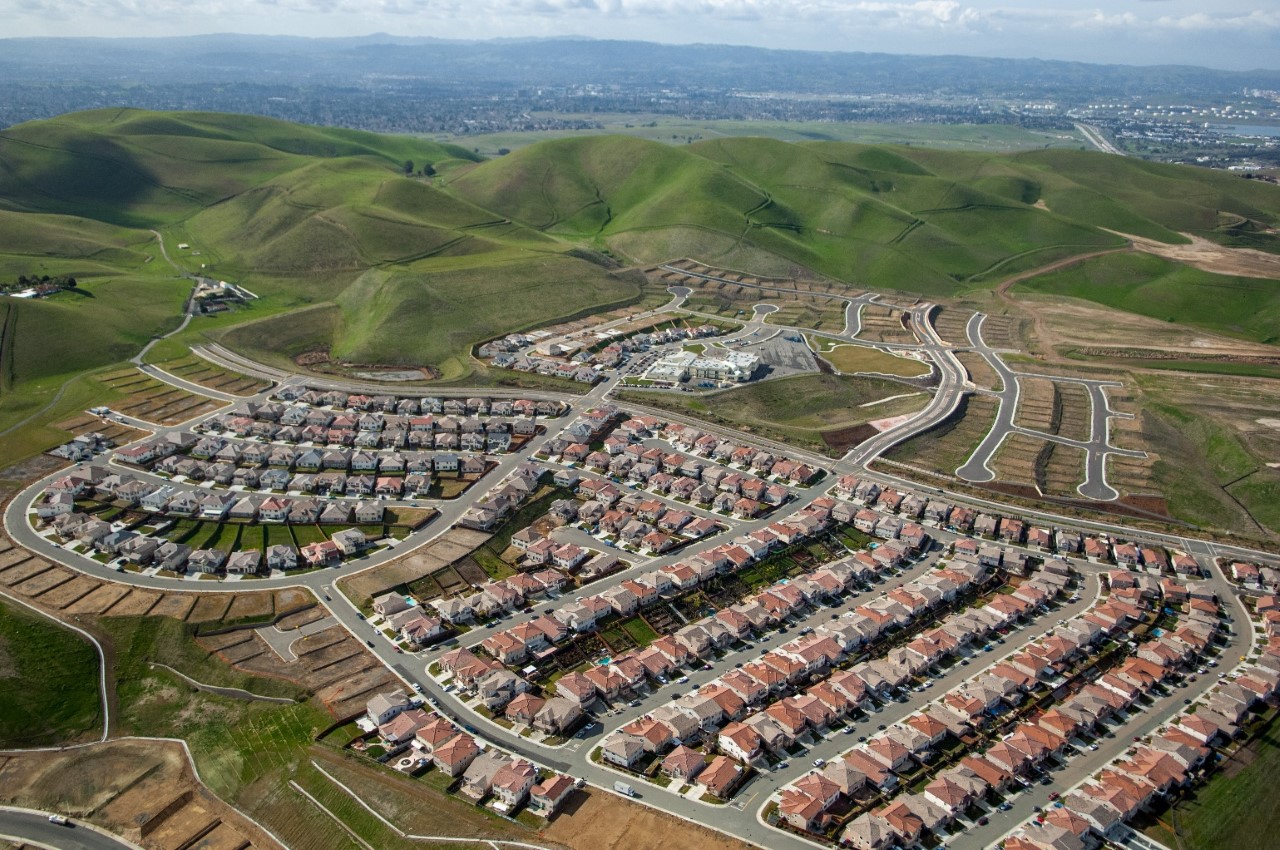
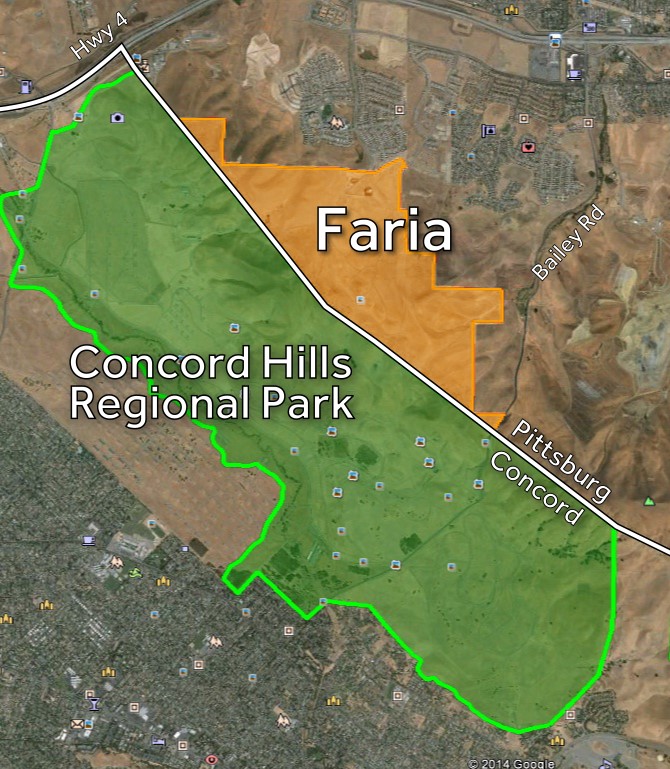
The new Concord Hills Regional Park is directly adjacent to the approved Faria project. Credit: Save Mount Diablo/Google Earth.

Developer’s attorney calls lawsuit “poorly drafted and baseless”; 1,650-home project requires LAFCO annexation approval

Save Mount Diablo issued a statement, Thursday, May 20, 2021 announcing they are suing the developer of the recently approved large housing project on the edge of Pittsburg’s southwest hills that abuts the future regional park on the Concord side of the ridge. The organization claims that Discovery Builders’ Faria project would damage the major ridgeline between east and central Contra Costa County, threaten views from throughout the region, and impact the new regional park.

The Pittsburg City Council voted 5-0 during a special meeting on Feb. 22, 2021 to approve the project, following approval by the city’s planning commission.

On March 30, 2021, Save Mount Diablo filed the lawsuit challenging the City of Pittsburg’s approval of the 1,650-unit Faria project, on the ridgeline between Pittsburg and Concord. According to the agenda item documents, the master plan overlay district encompasses approximately 607 acres of land. The district is generally bounded by Bailey Road and the approved but not yet constructed, “Bailey Estates” subdivision to the east; the Concord City Limits and recently closed Concord Naval Weapons Station (CNWS) property to the south and west; and the San Marco and Vista Del Mar residential subdivisions (substantially developed) along the northern boundary and other open space areas along the northeastern boundary.

Faria SW Hills Master Plan map. Source: City of Pittsburg

“Save Mount Diablo is simply trying to protect one of the East Bay’s most prominent and well-known ridgelines. The Pittsburg City Council approved Seeno-owned Discovery Builders’ Faria project.  If we do nothing, massive grading will take place; the project will be built; the ridge damaged; other natural resources, including scenic vistas, will be harmed; and the new regional park, which we advocated for over many years, will be negatively impacted,” said Ted Clement, Executive Director, Save Mount Diablo.

Asked why it took so long for the organization to respond to the project’s approval, Seth Adams, Land Conservation Director for Save Mount Diablo responded, “things take time.” Asked if they had a court date set, yet, he said, “No. We’re at the stage where we have a mandatory settlement conference and where the preparation of the administrative record, which includes all the public comments, etc. That’s what the whole trial is about.”

According to Save Mount Diablo, the Faria project violates Pittsburg’s General Plan, state planning and zoning law, and the California Environmental Quality Act (CEQA). CEQA requires legally adequate environmental review, consideration of appropriate alternatives, and implementation of mitigations to reduce impacts.

Save Mount Diablo’s lawsuit challenges the approval of the Faria project claiming the city council ignored hundreds of letters and public comments that opposed the project.

The Faria site is rugged, landslide prone, and badly suited for development, which will only be possible with massive grading, the environmental organization contends. The project as approved by the city authorizes the development of a major, new residential subdivision on 607 acres of ridgeline and hillside grazing land in what is currently unincorporated Contra Costa County, immediately south of the City of Pittsburg.

The biologically rich site supports sensitive wildlife species and rare plants and is in one of the most visible and most environmentally constrained areas of the county.

The Faria project would change the beautiful green hills forever by annexing the property to the City of Pittsburg and locating 1,650 new residences far from jobs, transit, and services, Save Mount Diablo claims. As a result, rare habitat for special status species would be lost. The extensive grading would increase landslide risks and degrade creeks and streams. Building in the wildland urban interface would create new wildfire risks and strain the City of Pittsburg’s existing firefighting services. Traffic on Bailey Road, San Marco Blvd., and Highway 4 would be made much worse.

The Pittsburg hills where the Faria project has been approved for construction, as seen from the San Marco neighborhood in Pittsburg. Photo: Scott Hein

Save Mount Diablo claims the Faria project would also impact the new Concord Hills Regional Park, which the East Bay Regional Park District (EBRPD) has long planned at the former Concord Naval Weapons Station at the Faria site’s southwestern edge. The Faria project would sit directly above the new park on a ridgeline, degrading views from surrounding areas. It would fragment open space and damage wildlife corridors.

The East Bay Regional Park District adopted the Land Use Plan for the new park last year on July 7, 2020. Discovery Builders and Faria Land Investors filed suit to stop the new regional park.

The Concord Hills Regional Park Land Use Plan provides for public access, preserves 95 percent of the area’s natural habitat, and honors the unique natural and human history of the land.

According to an August 21, 2020 media release by EBRPD: “This approval paved the way for the Park District to begin work on park and trail development of the 2,540-plus-acre regional park at the former Concord Naval Weapons Station and was the product of two decades of community advocacy and partnership amongst the Park District, U.S. Navy, National Park Service, City of Concord, with overwhelming support from the residents of Central Costa County.

“Despite a thorough environmental analysis of the new Regional Park’s plans, which include public access for recreation, permanent preservation of the land as natural habitat, and a joint visitor center with the National Park Services that will also honor the Black sailors who died in the massive Port Chicago explosion, Mr. Seeno’s Discovery Builders and Faria Land Investors filed suit to stop the new regional park. In their lawsuit, Mr. Seeno alleges that the Park, after a decades long collaborative planning efforts to protect and preserve open space, would cause undisclosed impacts on the environment and would impact their planned Faria residential development in Pittsburg on a 606-acre parcel adjacent to the ridgeline of the park,” stated the media release.

By comparison, next door and above the new park, Faria would include hundreds of acres of impacts, Save Mount Diablo claims. The City of Pittsburg prepared an Environmental Impact Report (EIR) that fell far short of CEQA’s requirements. Among other flaws, the EIR lacks adequate analysis of numerous impacts, including biological resources, water supply, wildfire, traffic, and land use. The EIR failed to provide an adequate project description, for example, by omitting information about the location of elements of the planned residential development and about related public services, such as water consumption rates. It also failed to discuss appropriate alternatives. And the mitigation adopted for many impacts is plainly inadequate or ineffective.

Save Mount Diablo is not opposed to all growth. Pittsburg has thousands of housing units already approved but not yet built, including units at Seeno’s San Marco, Sky Ranch II, Montreux, and Tuscany Meadows projects and now including Faria. A smaller or more compact Faria project could easily protect the beautiful ridge, expand the new regional park onto the Pittsburg side, and provide easy public access for Pittsburg residents.

According to Pittsburg’s Current Project Pipeline List, there are currently 5,853 housing units approved or under construction, 88 percent of them by Seeno’s Discovery Builders (5,141 housing units). Those units represent approximately 60,000 new car trips per day that will soon impact local roads and Highway 4, Save Mount Diablo claims.

According to Clement, “Throughout the East Bay, residents have worked hard to protect our ridges and views, and to defend our parks. Pittsburg residents deserve the same protections and quality of life.”

City of Pittsburg General Plan December 2011.

Developer’s Attorney Responds

In response, Discovery Builders’ attorney, Kristina Lawson, Managing Partner of Hanson Bridgett issued the following statement:

“The City of Pittsburg, as the lead agency, and the City’s environmental consultant have performed a comprehensive and extensive analysis of potential impacts of this project.  Their work was thorough and well done.  Following that analysis, planning and engineering staff at the City recommended approval of this project; the Pittsburg Planning Commission recommended approval of this project; and the City Council voted unanimously to approve this project.

Furthermore, Pittsburg voters approved this land to become part of the City of Pittsburg, and to be developed with much needed housing, consistent with the City’s General Plan which has long provided for this land to be developed for housing.

My client knows that the City Manager, City employees and City-appointed and elected officials all have the best interests of the City in mind and agrees with the many staff recommendations and City approvals for the project.  Given the City and their consultant diligently analyzed potential impacts of this project, my client is not concerned with this poorly drafted and baseless lawsuit filed solely for the purpose of delay.”

Allen Payton contributed to this report.


Filed Under: Central County, East County, Environment, Growth & Development, Legal, News

Delta Conveyance aka tunnel Project Community Benefits Program Workshop 1 of 3 April 14

April 12, 2021 By Publisher Leave a Comment

Opportunity for neighboring community members to offer input of what they want from the impacts of the project

If you live or work in the Delta, we’d like to invite you to join an online workshop to provide feedback to the Department of Water Resources about the Community Benefits Program of the Delta Conveyance (tunnel) Project. On April 14, between 6:00 and 8:00 pm, Ag Innovations will facilitate a large online workshop to gather feedback from Delta residents on the Department of Water Resources (DWR), Community Benefits program.

To Register for the April 14 Workshop Email DeltaConveyanceCBP@water.ca.gov
Click Here for more information.

However, as of Monday, April 12, the day the Herald received the notification of the meeting on the 14th, registrations are closed. If you would still like to participate, please email us at DeltaConveyanceCBP@water.ca.gov. If you cannot participate in the workshop, but would like to provide input, please email us at DeltaConveyanceCBP@water.ca.gov. A recording of each workshop will be posted, along with the background material, at https://water.ca.gov/Programs/State-Water-Project/Delta-Conveyance/Community-Benefits-Program

About the workshop: DWR is developing a community benefits program to acknowledge that if the Delta Conveyance project is approved it could have potential adverse effects on communities through construction of major capital projects. The Community Benefits program could create economic, social, and other benefits in the local community. A Community Benefits Program could go beyond what traditional “environmental mitigation” typically affords.

Why participate: While people oppose the Delta Conveyance Project, DWR has no expectation that participating in the workshops signals any support for the Delta Conveyance Project. The community benefits program would only proceed if the project were approved. But participating now provides community members a chance to shape the program to best suit the needs of the local community.

Ag Innovations is a 501c3 nonprofit and is committed to reaching out to underrepresented voices and creating meaningful opportunities to provide input, including at a time when the COVID-19 pandemic makes this challenging.  Please let us know if you have ideas for how we might work with you to bring your input into this process.

Stay tuned for additional workshops on the Community Benefits Program future workshops will be on:

Thursday, May 6, 2021 | 6:00pm – 8:00pm.

CLICK HERE to REGISTER

Tuesday, May 25, 2021 | 6:00pm – 8:00pm.

CLICK HERE to REGISTER

What is the Delta Conveyance Project?

The state is studying the potential impacts and benefits of two possible routes for a tunnel in the Delta, labeled the Delta Conveyance Project. The proposal aims to protect the reliability of the State Water Project to deliver clean water to homes, farms, and businesses in the Bay Area, Central Coast, and Southern California.

The project would catch fresh water in the northern Delta – especially during storms – through two new intakes near the town of Hood. A deep underground tunnel would carry that water 40 miles to the southern Delta where it would be pumped into the State Water Project. The project would be constructed over approximately 16 years.

DWR is currently studying potential impacts on traffic, noise, air quality, and historical, cultural, recreational, and other resources.

They have launched the Environmental Justice Community Survey to better understand how the project may affect the resources, values, and priorities that are most important you.

(See related articles here and here)

Filed Under: Environment, News, The Delta, Water

Contra Costa Flood Control completes first phase of Three Creeks Parkway Restoration Project in Brentwood

April 2, 2021 By Publisher Leave a Comment

Screenshot of Three Creeks Parkway Restoration Project Phase 1 completion video.

Releases video instead of holding ribbon cutting

The Contra Costa County Flood Control District is proud to announce that the widening of Marsh Creek is complete and planting has begun on the Three Creeks Parkway Restoration Project.  Noticeable improvements include a trail extension under Central Blvd. in Brentwood, foundation and abutments for a future pedestrian bridge at Sand Creek, and an integrated water quality basin and expanded trail system at Sungold Park.

The Three Creeks Parkway Restoration Project is a multi-benefit, multi-agency, public-private partnership to plant trees and vegetation along a nearly one-mile, treeless stretch of Marsh Creek near downtown Brentwood.

Source: CCC Flood Control District

As part of the first phase, approximately 19,500 cubic yards of soil were excavated and removed from the creek’s banks and the creek’s channel was widened on average by about 25 feet.  The next phase of the project, the planting of native vegetation and installation of landscape features by American Rivers, is expected to be completed by the end of August 2021, weather permitting.

In lieu of an in-person ribbon cutting event, a video was produced showcasing key partners and features of the project.

To learn more about this project visit www.contracosta.ca.gov/5814/Three-Creeks-Parkway-Project.

About Contra Costa County Public Works Department:

Contra Costa County Public Works Department (CCCPWD) maintains over 660 miles of roads, 150 miles of streams, channels and other drainage and over 200 County buildings throughout Contra Costa County. CCCPWD provides services such as Parks and Recreation, Sand Bag Distribution and Flood Control throughout unincorporated areas of Contra Costa County. For more information about CCCPWD, please visit us at www.cccpublicworks.org


Filed Under: East County, Environment, News

  • « Previous Page
  • 1
  • …
  • 4
  • 5
  • 6
  • 7
  • 8
  • …
  • 13
  • Next Page »
Deer-Valley-Chiro-06-22

Copyright © 2026 · · Contra Costa Herald · All Rights Reserved