• Home
  • About The Herald
  • Local Agencies
  • Daily Email Update
  • Legal Notices
  • Classified Ads

Contra Costa Herald

News Of By and For The People of Contra Costa County, California

  • Arts & Entertainment
  • Business
  • Community
  • Crime
  • Dining
  • Education
  • Faith
  • Health
  • News
  • Politics & Elections
  • Real Estate

Explore regional parks on “Green Friday” Nov. 24

November 17, 2023 By Publisher Leave a Comment

All entrance activity fees waived in East Bay Regional Parks

By Dave Mason, Public Information Supervisor, Public Affairs, East Bay Regional Park District

Thursday, November 16, 2023 (Oakland, CA) – Celebrate Green Friday, November 24, with an East Bay Regional Parks FREE Park Day. Green Friday provides healthy and fun ways to enjoy the day after Thanksgiving with family and friends.

On Green Friday, all entrance activity fees are waived in Regional Parks, including parking, dogs, horses, boat launching, and fishing, as well as entrance to Ardenwood Historic Farm. The fee waiver does not include state fees for fishing licenses and watercraft inspections or concessions, such as the Tilden Merry-Go-Round and Redwood Valley Railway steam train.

For the past nine years, the East Bay Regional Park District has celebrated Green Friday to encourage the public to spend time in nature.

Green Friday activities in Regional Parks include:

Hike It Off, 9:00 a.m. – Reinhardt Redwood, Oakland

Fall Scavenger Hunt, 9:00 a.m. – Sunol, Sunol

Green Friday Hike, 10:00 a.m. – Del Valle, Livermore

History Hike ABOVE the Mines!, 10:00 a.m. – Black Diamond Mines, Antioch

Farm Chores for Kids, 10:30 a.m. – Ardenwood, Fremont

Meet The Bunnies, 11:30 a.m. – Ardenwood, Fremont

Stilts, 1:30 p.m. – Ardenwood, Fremont

Woodland Wonderland, 3:30 p.m. – Del Valle, Livermore

For more information about Green Friday, visit www.ebparks.org/green-friday.

The East Bay Regional Park District is the largest regional park system in the nation, comprising 73 parks, 55 miles of shoreline, and over 1,300 miles of trails for hiking, biking, horseback riding, and environmental education. The Park District receives more than 25 million visits annually throughout Alameda and Contra Costa counties in the San Francisco Bay Area.


Filed Under: Bay Area, News, Parks, Recreation

State Public Utilities Commission approves 12.8% PG&E rate increase

November 17, 2023 By Publisher Leave a Comment

Claims typical residential customer will pay $32.62 more for combined monthly electric and natural gas bill beginning January 1, 2024.

By CPUC

The California Public Utilities Commission (CPUC) on Thursday, Nov. 16, 2023, resolved Pacific Gas and Electric Company’s (PG&E) General Rate Case (GRC), which covers its operational and infrastructure revenue requirement for 2023-2026. The decision marks a crucial step in fortifying the future of California’s electric grid while prioritizing customer affordability.

Based on the evidence presented, the CPUC today unanimously approved the Alternate Proposed Decision of Commissioner John Reynolds. This decision approves investments in the safety and reliability of PG&E’s energy services. Inflation and a significant investment in undergrounding electric lines ranked among the top drivers in PG&E’s request. Over the past year and a half, numerous parties reviewed PG&E’s GRC request and provided input on each cost category and related proposed expenditures.

“I am proud of today’s decision because it represents the CPUC’s commitment to finding a reasonable balance in the face of incredibly challenging circumstances and competing objectives,” said Commissioner John Reynolds, who is assigned to the proceeding. “This decision ultimately represents both an historic investment in PG&E’s electric and natural gas systems as well as an expectation that PG&E must continue to be safer and more efficient. I am grateful to the many parties, and the scores of CPUC staffers, for their help as we grappled with this decision.”

Today’s decision propels PG&E’s energy infrastructure and operations into the future, addressing critical objectives such as mitigating wildfire risk, enhancing safety and reliability, and anticipating evolving electric grid demands. This comprehensive approach not only ensures PG&E’s capacity to maintain a safe and reliable energy system with a dedicated workforce, but also positions California for a more resilient energy future in the face of climate change. Moreover, the decision reflects rigorous oversight over hundreds of programs, and reduces PG&E’s request to more accurately reflect forecasts for prudent use of ratepayer funds.

Among the key initiatives covered in the decision:

  • Wildfire System Enhancement and Undergrounding
    • Approves 1,230 miles of electric line undergrounding, as well as 778 miles of covered conductor, totaling 2,008 hardened miles. This represents an historic opportunity for PG&E to invest in safer, reliable improvements for its customers while also achieving economies of scale to drive down costs; the revised undergrounding total also provides PG&E with a bridge to a future phase of undergrounding planning, through the Senate Bill 884 program.
  • Vegetation Management
    • Approves PG&E investing approximately $1.3 billion in vegetation management to reduce wildfire ignition risk and improve reliability on PG&E’s electrical system.
  • Capacity Upgrades
    • Approves PG&E investing more than $2.5 billion in upgrading the electric distribution system from 2023-2026, which will help prepare the grid to support initiatives for enhanced building electrification and new interconnections for electric vehicle charging stations and new housing and businesses.

“Today’s decision balances a myriad of competing interests—affordability, feasibility, safety, and reliability,” said CPUC President Alice Reynolds. “And in the face of increasingly turbulent climate-driven weather events, it gives PG&E the opportunity to prove it can underground electric lines at scale.  This will allow PG&E to achieve economies of scale, drive down costs, and reduce wildfire risk.”

Setting the pathway for critical investments in PG&E’s system

For PG&E customers, this approval by the CPUC translates to a continued commitment to safe, reliable, and affordable energy services. The GRC ensures that every dollar invested contributes to more resilient energy infrastructure, offering customers lasting benefits. Moreover, stringent accountability measures are embedded within the decision, assuring customers that their investment yields tangible and accountable improvements in PG&E’s operations and services.

PG&E requested $15.4 billion for 2023; Thursday’s decision cut that amount substantially, by $1.8 billion. Today’s decision sets the 2023 revenue requirement at $13.5 billion, reflecting an 11 percent increase from the authorized 2022 revenue requirement. For the typical residential customer, their combined monthly electric and natural gas bill will increase by $32.62 or 12.8 percent, compared to PG&E’s request of $38.73 or 17.9 percent increase.

PG&E’s 2022 Authorized Revenue Requirement Proposed 2023
Revenue Requirement
Percent Increase Dollar Increase
$12.2 billion PG&E Request $15.4 billion 26% $3.2 billion
Decision $13.5 billion 11% $1.3 billion

Customers can expect any changes to their bill to go into effect on January 1, 2024.

For further information on the proceeding, including today’s decision and a fact sheet, please visit the CPUC’s website.

About the California Public Utilities Commission

The CPUC regulates services and utilities, protects consumers, safeguards the environment, and assures Californians access to safe and reliable utility infrastructure and services. Visit www.cpuc.ca.gov for more information.


Filed Under: Energy, Finances, Government, News, State of California

ACA 1 going to voters in 2024 will make it easier to pass local special taxes, bonds if approved

November 17, 2023 By Publisher Leave a Comment

Source: MTC. Credit: Edmond Dantès photo via Pexels

Expected to boost Bay Area housing bond; Cal Chamber opposes; requires majority of voters to approve

By Allen D. Payton

MTC/ABAG-backed Assembly Constitutional Amendment 1, which would lower the vote threshold for local special taxes and bonds to fund affordable housing, transportation, resilience and other public infrastructure projects from two-thirds to 55%, will go to voters in November 2024.

The state Legislature in September approved sending the amendment, authored by Assemblymember Cecilia Aguiar-Curry, to voters with the backing of the entire Bay Area legislative delegation. MTC and ABAG sent letters of support to Sacramento and MTC/ABAG legislative staff actively lobbied the bill to help get it over the finish line.

Similar bills have been proposed over the past two decades but until now none were approved by the house of origin, a hurdle that itself requires a two-thirds vote. Other supporters included Nonprofit Housing Association of Northern California, Enterprise Community Partners, the California Professional Firefighters, and individual cities and counties.

The Bay Area is preparing to place a regional housing bond on the November 2024 ballot, with 80% of funds flowing to counties and several large cities and 20% designated for regionwide programs administered by the Bay Area Housing Finance Authority (BAHFA).

“While Bay Area voters have a long history of generously supporting taxes to fund transportation and housing improvements, measures in some parts of the region have repeatedly fallen short of the two-thirds margin,” MTC-ABAG Executive Director Andrew Fremier noted.  “ACA 1 would reinstate the ability of voting majorities to address vital community needs.”

The election of ACA 1 co-author Robert Rivas to the Assembly speakership helped build momentum for the proposed amendment, as did the nonprofit housing community’s raising of $10 million to gather signatures for a citizen’s initiative if the legislature didn’t approve the amendment.

California Chamber of Commerce Opposes

The constitutional amendment is opposed by the California Chamber of Commerce. In a report by policy advocate Preston Young before it passed, he claims ACA1 would increase costs for key sectors, will erode taxpayer safeguards and would harm California workers.

Preston wrote, “This would provide increased tax authority for many local government agencies in California—not just cities and counties, but thousands of potentially overlapping special districts.

In a letter sent to legislators recently, the CalChamber pointed out that while it’s important to improve infrastructure and increase housing availability, higher property, sales and parcel taxes on working Californians run counter to the goal of making the state more affordable for all.

Businesses engaged in manufacturing, research and development, teleproduction and post-production, and agriculture face a significant sales and use tax burden in California.

The sales and use tax is supposed to be a tax on the final point of sale of a product, yet many businesses—including businesses conducting research and development, manufacturing, filming activities, and agriculture—are taxed for equipment purchases.

Taxation of business inputs for these industries leads to a pyramiding effect throughout the production process, leading to higher costs for purchases made by consumers, the CalChamber explained in its letter. To counter this pyramiding effect and incentivize business growth in the state, California offers a partial state-level sales tax exemption for purchases made by these industries. However, purchases made by these businesses are still subject to local transactions and use taxes.

Equipment purchases represent a significant portion of capital investment for existing businesses and start-ups. Tax increases promoted by ACA 1 would defeat the purpose of the state-level exemption provided by the state and make it more cost-prohibitive to conduct these business activities in California, the CalChamber warned.

ACA 1 would allow local jurisdictions to approve Bradley-Burns sales tax increases with a 55% vote of the electorate, eliminating the uniformity and certainty provided by the Bradley-Burns sales tax.

This would represent a monumental change to sales and use tax policy in the state, the CalChamber said. Unlike the transactions and use tax—which is capped at 2% per county and requires statutory authority to exceed the cap—the local 1.25% sales tax (referred to as the Bradley-Burns sales tax) is uniformly applied across the state and voters are not authorized to approve increases to the rate.

“California already has the highest state-imposed sales tax in the country, and the combined sales tax rates in some jurisdictions are among the highest in the United States,” the CalChamber said. “Allowing localities to modify their Bradley-Burns sales tax rates, without a cap on rate increases, paves the way for excessive combined sales tax rates in parts of the state—increasing costs for residents and businesses.”

More than four decades ago, prompted by years of rising taxes, Californians resoundingly approved Proposition 13 to provide a check on local governments’ taxing authority, and to ensure a greater representative voice for those who would be taxed. Proposition 13 also limits taxes on property to 1% of the property’s assessed value.

Reducing the vote threshold would diminish the people’s voice on tax increases and would erode property tax safeguards. The CalChamber pointed out that a May 2022 Public Policy Institute of California poll found that 64% of registered voters believe Proposition 13 has benefitted taxpayers, and this support reaches across nearly every major demographic.

After comparing the costs of operating in California versus other states, many employers left the state in recent years. A Hoover Institution report found that from 2018 to 2022, at least 352 companies relocated their headquarters out of California—with many businesses citing the state’s tax burden as the deciding factor in their relocation.

The relocation of these companies and their employees to lower-cost states has a major impact on state and local tax revenue, causes unemployment for workers who cannot move to the new location, and is a sign that California must find ways to be more competitive, the CalChamber stressed.

“Tax increases such as those promoted in ACA 1 would be a step in the wrong direction and would encourage more companies to move workers and investments to other states,” the CalChamber said.

Indeed, Californians are sensitive to this problem. A 2020 Berkeley Institute of Governmental Studies poll found that 78% of voters “agreed that taxes in California were already so high that they were driving many people and businesses out of the state.”

Majority Vote Needed to Pass

According to a report by the California Globe,  Article XVIII, Section 4 of the California Constitution, “requires a proposed amendment or revision to be submitted to the electors and, if approved by a majority of votes, takes effect on the fifth day after the Secretary of State files the statement of the vote for the election at which the measure is voted on, but the measure may provide that it becomes operative after its effective date.”

Filed Under: Homeless, Infrastructure, News, Politics & Elections, State of California

MTC, Lyft announce plans to grow, improve Bay Wheels Regional Bikeshare System

November 17, 2023 By Publisher Leave a Comment

Photo by Joey Kotfica

Lower prices, thousands more e-bikes and 55 mew stations

By John Goodwin & Laura Krull, Metropolitan Transportation Commission

The Metropolitan Transportation Commission (MTC) and Lyft announced on Friday, Nov. 3, 2023, a drop in both annual membership prices for the Bay Area’s Bay Wheels regional bikeshare program and members’ e-bike usage fees, as well as the addition of more than 2,000 next generation e-bikes to the Bay Wheels fleet and the rollout of 55 additional docking stations in San Francisco, San Jose, Oakland, Berkeley and Emeryville. These measures are aimed at improving Bay Wheels’ long-term sustainability by growing ridership and reducing operational costs.

Beginning today, the cost of an annual Bay Wheels membership will drop to $150 from $169 and the cost for members to use a Bay Wheels e-bike will drop to 15 cents per minute from 20 cents per minute. In addition, monthly members will now automatically transition to an annual membership at no additional cost when they renew for five consecutive months. MTC next year will launch a pilot program to provide reduced-cost annual memberships for Bay Area college students.

“Bikesharing, and e-bikes in particular, play a central role in our Plan Bay Area 2050 strategy for reducing greenhouse gas emissions,” explained MTC Chair and Napa County Supervisor Alfredo Pedroza. “The Commission this year committed $20 million of federal climate investment money to promote the use of e-bikes for more of the short trips Bay Area residents make each day. These improvements to the Bay Wheels system are a big part of that commitment.”

The expansion of Bay Wheels’ e-bike fleet will begin this week in San Jose and San Francisco, with the addition of e-bikes to Bay Wheels locations in Oakland, Berkeley and Emeryville expected to begin in the coming months, pending local approval. E-bikes’ ability to climb hills, travel longer distances, and attract riders of varying physical abilities have made them a transformational mobility option for Bay Area residents and visitors alike.

“E-bikes are perfect for San Francisco — they make our steep hills flat. We’re grateful to MTC and Lyft for helping make e-bikes more accessible to more people,” said Jeff Tumlin, SFMTA Director of Transportation.

Bay Wheels’ existing e-bikes are used three times as often as classic pedal bikes. The system’s new generation e-bikes have double the battery life, a more powerful motor for going uphill, improved stability and ergonomics, and better theft deterrents. These new bikes will exclusively dock in stations to improve predictability and availability for riders.

“I’m thrilled that Lyft and MTC are helping San Jose expand access to alternative modes of transportation in our growing downtown,” said Mayor Matt Mahan. “E-bikes are a fun and affordable way to get around the city and they have the wonderful benefit of reducing traffic congestion and carbon emissions.”

“We are ready and eager to help make MTC’s plan a reality to strengthen Bay Wheels and benefit the regional transportation network,” said Caroline Samponaro, Vice President of Transit and Micromobility Public Policy at Lyft. “Our shared goal is get more people to choose bikes for their transportation needs and we’re taking action on the three things that will make the greatest impact: lower prices for members, new hill-climbing e-bikes and a more robust station network.”

To enhance the growth of Bay Wheels’ e-bike fleet, MTC and Lyft are piloting grid-connected charging stations using Lyft’s next generation station technology. Electrified stations improve e-bike availability for riders by increasing the number of bikes with sufficient battery charge and making operations more efficient. E-bike batteries currently are charged in a warehouse and manually swapped at the station.

MTC is the transportation planning, financing and coordinating agency for the nine-county San Francisco Bay Area. Launched in 2017, Bay Wheels is the Bay Area’s regional bikeshare program with over 6,000 bicyles  —  both pedal-powered and pedal-assist electrict bikes — at more than 500 stations in San Jose, San Francisco, Oakland, Berkeley and Emeryville. Lyft operates the Bay Wheels program under a contract managed by MTC.


Filed Under: Bay Area, News, Transportation

Former Contra Costa Supervisor enters race for Assembly

November 17, 2023 By Publisher Leave a Comment

Source: Mitchoff for Assembly

State Senator Glazer might also run

By Allen D. Payton

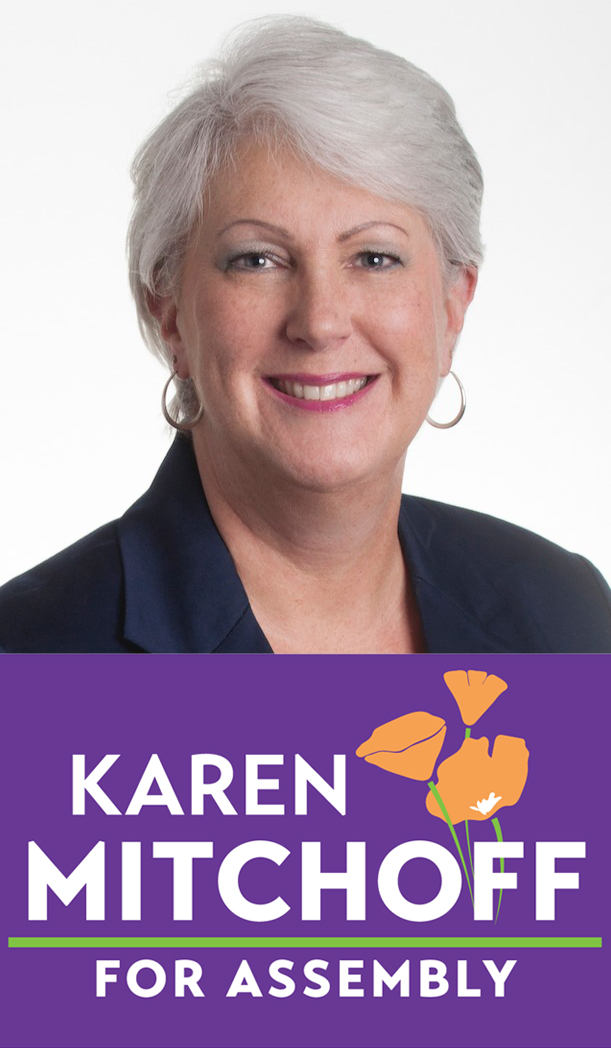
With the opening of the filing period for the March 4, 2024 primary election on Monday, Nov. 13, this week, former Contra Costa Supervisor Karen Mitchoff confirmed she is running for State Assembly District 15. Earlier this year a letter emailed to supporters that shared her intentions was obtained and published by other media. At that time, Mitchoff said she her campaign would be sending out a formal announcement later.

“Since it was out there, we decided not to send out a press release announcing my campaign,” she said in a brief interview with the Herald. “So, I’m definitely running.”

According to her campaign website, “Karen Mitchoff was elected to the Contra Costa County Board of Supervisors in 2010 and has twice been re-elected by substantial margins.

Karen has a long and varied career in public service and is known for her straightforward style and effective constituent service.  In her 12 years on the Board of Supervisors, Karen worked to improve water quality and save the Delta, championed aging issues, improved public safety, expanded access to County healthcare, and fought for transportation improvements.

As Supervisor, Karen served in leadership positions on regional bodies:  the Contra Costa Transportation Authority, the Delta Counties Coalition, the Sacramento-San Joaquin Delta Conservancy, the Bay Area Air Quality Management District, and the Association of Bay Area Governments.

Prior to her election to the Board of Supervisors, Karen served as Councilmember and Mayor of Pleasant Hill and was elected to the Pleasant Hill Recreation and Park District Board.

Karen began her career in the private sector as a Legal Secretary and Family Law Paralegal.  She transitioned to public service, working for former Contra Costa County Sheriff-Coroner Richard K. Rainey, as Chief of Staff to two former supervisors and as a fiscal and administrative analyst in the County’s social services department.

An avid reader, one of Karen’s proudest achievements was negotiating a complex land deal between the County and the City of Pleasant Hill to help finance and build a new library, which opened last year.”

According to her LinkedIn account, in 2002 Mitchoff earned a BA degree in Human Development from Cal State East Bay.

District 15 includes all of the following cities: Antioch, Brentwood, Clayton, Concord, Martinez, Pittsburg, Pleasant Hill and a portion of Walnut Creek. It also includes the communities of Bay Point, Clyde, Crockett, Pacheco, Port Costa, and Vine Hill.

She will face Antioch Councilwoman Monica Wilson and Contra Costa Board of Education Trustee Anamarie Avila Farias in the March 2024 primary election.

But Mitchoff shared that State Senator Steve Glazer might also enter the race as he has two more years of eligibility under term limits.

On Friday, Glazer said he mentioned it on one of his recent podcasts. Regarding his State Senate seat he said, “I’m in a grey area with term limits. The previous law said if you served less than half a term, then it doesn’t count. But the new law is silent on the matter. I made the decision to not be the test case. There might be candidates who might not file if I did, and I could the case.”

“Under the term limits I could run for the Assembly. I’m currently in my ninth year of twelve and I could serve one more term in the Assembly,” Glazer explained. “I have not decided, yet. Filing closes on December 13.”

To learn more about Mitchoff and her campaign visit www.karenmitchoff.com


Filed Under: News, Politics & Elections

MTC approves $776.2 million emergency transit operations funding plan from Senate Bill 125

November 16, 2023 By Publisher Leave a Comment

Includes $3.1 million for WestCAT, $741,000 for Tri Delta Transit, $352 million for BART

Funding distribution still is subject to state approval

The Metropolitan Transportation Commission (MTC) on Wednesday, Nov. 15, 2023, approved an emergency transit operations funding plan that, if approved by the state, will use state and regional funds for transit operations to address Bay Area transit agencies’ most dire funding shortfalls and help them avoid service cuts.

Today’s action by the Commission approves the principles informing the funding distribution, the funding distribution framework, and regional accountability measures(link is external) for funding from the Transit and Intercity Rail Program (TIRCP), Zero-Emission Transit Capital Program (ZETCP), and various regional funding sources according to the guidelines described in Senate Bill (SB) 125. The resolution also makes the transit agency boards’ acceptance of the accountability guidelines a requirement for receiving the funds. The actual distribution of the funds is subject to the submittal of these documents to the California State Transportation Agency (CalSTA) and CalSTA’s approval of the documents.

Distribution amounts will be reassessed annually to respond to changing conditions, and the disbursement of operating funds will be contingent upon transit agencies meeting or making significant progress toward a set of accountability requirements, including customer experience and efficiency enhancements.

For all agencies receiving emergency operating money, the accountability requirements will include participation in ongoing Transit Transformation Action Plan initiatives, and implementation of schedule coordination and real-time transit data improvements. Other accountability requirements are specific to individual operators and focus on safety and security, fare evasion reduction, and comprehensive service improvements.

Under this plan, MTC will contribute an additional $300 million in regional funds to help address the funding shortfall and to keep transit operational.

MTC will distribute funds according to the following framework:

MTC will distribute funds according to this framework.
Agency FY24-25 FY25-26 Total ($) Total (%)
SFMTA $99,477 $209,328 $308,805 40%
BART $58,211 $293,837 $352,048 45%
AC Transit $4,000 $28,569 $32,569 4%
Caltrain $0 $25,449 $25,449 3%
Golden Gate Transit $2,838 $38,263 $41,101 5%
Other Operators $4,661 $9,574 $14,235 2%
ACE $1,777 $1,829 $3,605 n/a
ECCTA (Tri Delta Transit) $503 $238 $741 n/a
LAVTA $897 $1,392 $2,289 n/a
NVTA $1,485 $966 $2,450 n/a
SolTrans $0 $2,036 $2,036 n/a
WestCAT (West Contra Costa) $0 $3,113 $3,113 n/a
Regional Network Management $2,000 $0 $2,000 0%
Bay Area Total $171,187 $605,020 $776,207 100%

Amounts shown in thousands ($1,000)

In June, Gov. Newsom signed into law California’s fiscal 2023-24 state budget, which includes $1.1 billion in flexible transportation funding to help support transit operations. The state investment will help transit agencies avoid a near-term ‘fiscal cliff’ that has resulted from the COVID-19 pandemic and associated changes in travel patterns and that likely would have led to deep service cuts as early as this year by Muni, BART and other agencies whose fare revenues remain well below pre-pandemic levels.

SB 125 also requires that MTC collect and summarize data from transit operators on a variety of topics, including expenditures on safety, opportunities for enhanced coordination and improvements, and monthly ridership statistics. MTC by June 30, 2026, must submit a Long-Term Financial Plan that demonstrates the implementation of ridership recovery strategies and provides a five-year operating funding outlook.

In order to meet the December 31, 2023, deadline to submit materials to CalSTA, staff will return to the Commission in December to request adoption of the Short-Term Financial Plan. MTC will receive FY2023-24 SB 125 funds no later than April 30, 2024, and will be eligible to receive FY2024-25 funds early in that fiscal year, pending CalSTA’s review of MTC’s allocation package.


Filed Under: BART, East County, News, Transportation, West County

Contra Costa DA issues statement on apprehension of mental health diversion program fugitive

November 16, 2023 By Publisher Leave a Comment

Kenneth David Mcisaac fled from court ordered program for Lafayette armed home invasion

By Ted Asregadoo, PIO, Contra Costa District Attorney’s Office

Mental Health Diversion fugitive Kenneth David Mcisaac was apprehended on November 14, 2023, in Oakland. Mcisaac fled from a court ordered mental health diversion program on October 24, 2023, and a warrant for his arrest was issued shortly after his disappearance. He is being held in custody without bail.

In September 2022, the Contra Costa District Attorney’s Office filed an in custody 12-count felony complaint against Mcisaac that was related to an armed home invasion incident in Lafayette wherein Mcisaac held a family hostage for hours. Mcisaac had remained in custody for a year. Then, on September 5, 2023, against a vigorous opposition from the DA’s Office, the court determined that a mental health diversion program would provide more effective treatment for Mcisaac’s condition and released him from custody. (See related article)

Following Tuesday night’s apprehension, Mcisaac was booked into the Martinez Detention Facility.

At a hearing on Wednesday, Nov. 15 in front of Judge Julia Campins, Mcisaac’s mental health diversion status was terminated at the District Attorney’s request. He remains in custody with no bail. Criminal proceedings will resume on November 29th in Martinez.

Mcisaac was located and apprehended by the Contra Costa County Sheriff’s Office and the Safe Streets Task Force, a joint law enforcement effort comprised of the Contra Costa District Attorney’s Office, federal partners, and local law enforcement agencies.

01-22-01678 | The People of the State of California vs. McIsaac, Kenneth Dav


Filed Under: Crime, District Attorney, Lamorinda, News, Sheriff

American Red Cross of the Bay Area announces 2023 Red Cross Gala honorees

November 15, 2023 By Publisher Leave a Comment

American Red Cross. (PRNewsFoto/American Red Cross)

Regional Blood Services Volunteer Committee and Delta Dental to be recognized for outstanding contributions at 29th Annual Gala

Now in its 29th year, the Red Cross Gala is a volunteer-led fundraiser dedicated to recognizing local heroes and supporting the Red Cross mission. This signature fundraising event, themed “Building Bridges of Hope,” will take place on Thursday, March 21, 2024 at Pier 27 in San Francisco and will celebrate its 2023 Honorees: Delta Dental and the Regional Blood Services Volunteer Committee.

 “As Co-Chair of this year’s Gala, I am honored to stand alongside individuals and organizations committed to making a difference” said Pat Hayes, who is serving alongside fellow Co-Chair Elizabeth J. Folger. “We hope you can join us for an unforgettable night where we not only applaud the accomplishments of the Red Cross but also inspire each other to continue the journey of positive change.”

THE HONOREES 

During the black-tie event, the Red Cross will present new and seasoned volunteers Michael Gregory, Kathryn W. Holmes, Nichole Jordan and Jasper Smith with the 2023 Red Cross Humanitarians of the Year Award for their work as members of the Regional Blood Services Volunteer Committee. Collectively, this committee has dedicated their time and talent to the Red Cross and supported Blood Services by donating blood, hosting blood drives, providing financial contributions and innovative ideas. This team is wholeheartedly committed to the Red Cross mission and serves as an inspiration to the organization.

“The committee’s commitment to our mission and their tireless dedication to saving lives is truly remarkable,” shared Justin Mueller, Donor Services Executive for the Red Cross Northern California Blood Services Region. “We are honored to recognize their selfless efforts, and we extend our heartfelt thanks as they serve as an inspiration to make an impact within our community.”

The Red Cross will also recognize Delta Dental as the 2023 Red Cross Philanthropic Company of the Year. “Delta Dental is proud to support the mission of the American Red Cross and honored to receive the 2024 Red Cross Philanthropic Company of the Year Award,” said Kenzie Ferguson, Vice President of Foundation and Corporate Social Responsibility for Delta Dental of California and affiliates. “Our partnership not only underscores our commitment to building resilient communities but also amplifies the efforts of the Red Cross in times of need.”

A major financial supporter for 34 years, Delta Dental has been a Red Cross Annual Disaster Giving Program partner since 2017, pledging $500,000 in annual giving, ensuring that the Red Cross is ready to respond whenever disaster strikes. But their dedication doesn’t stop there: they’re involved in other meaningful ways, including hosting blood drives and employee engagement events, building personal hygiene kits, providing skill-based volunteers for our Code4Good program, a first-of-its-kind volunteer workforce that gives software engineers and engineering leaders an opportunity to support the Red Cross, and engaging board members.
SPONSORS AND SUPPORTERS Hosted by Co-Chairs Patrick “Pat” Hayes and Elizabeth J. Folger, the 2024 Red Cross Gala will feature a cocktail reception, a three-course dinner curated by Componere Fine Catering, a live auction and entertainment. Since its inception, this fundraiser’s purpose has remained steadfast: to celebrate and sustain the lifesaving programs and services of the Red Cross. All proceeds raised through this event will support Red Cross Blood Services. The Gala is made possible by Gold Sponsor Delta Dental and Honorary Committee Members, Juan Benitez, Kathryn W. Holmes and Nichole Jordan.

To view our full list of Gala committee members and additional event details, please visit redcross.org/redcrossgalasf.

About the American Red Cross

The American Red Cross shelters, feeds, and provides emotional support to victims of disasters; supplies about 40 percent of the nation’s blood; teaches skills that save lives; provides international humanitarian aid; and supports military members and their families. The Red Cross is a not-for-profit organization that depends on volunteers and the generosity of the American public to perform its mission. For more information, please visit redcross.org/bayarea or find us on Facebook.

Filed Under: Bay Area, Business, Health, News

Contra Costa Education Board Trustee enters Assembly race

November 15, 2023 By Publisher Leave a Comment

Source: Avila Farias campaign.

By Allen D. Payton

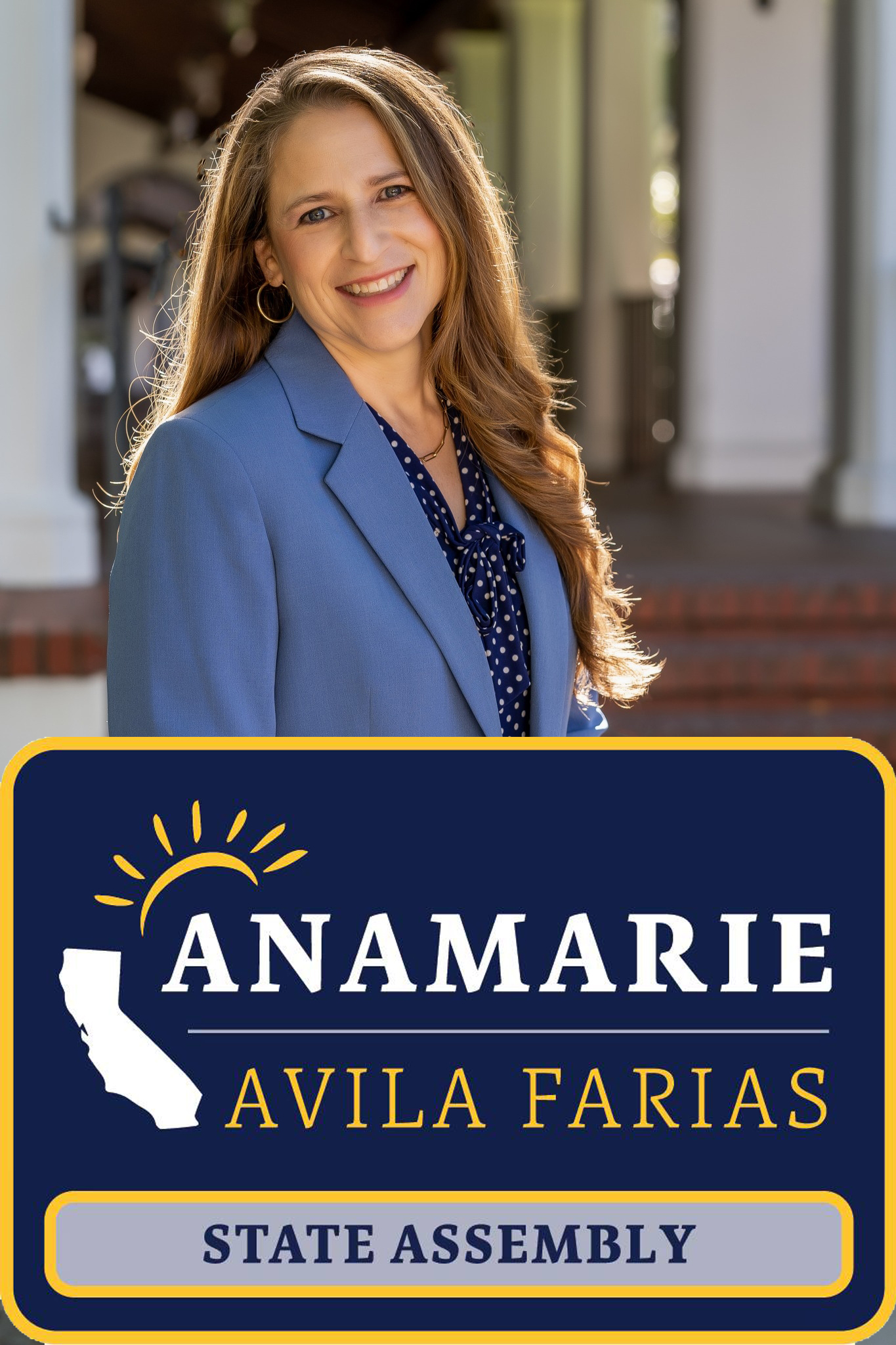
On October 30, Contra Costa County Board of Education Trustee and former Martinez Councilwoman Anamarie Avila Farias announced on social media her campaign for State Assembly for the seat currently held by Tim Grayson, who is running for State Senate.

She wrote: “I’m incredibly honored to share that I’m running for California State Assembly District 15. My lifelong commitment to public service has been a true privilege, and now, upon reflecting on my journey during Hispanic Heritage Month and celebrating another trip around the sun, I’m eager to give back even more.

I’m passionate about fighting for policies that uplift those who need it most, ensuring equal opportunity for all. Our community deserves strong leadership ready to tackle the biggest challenges our district has, and I’m ready to be that voice.

But I can’t do it alone.

I understand that the challenges you face are real, and they are urgent. I know that your dreams and aspirations for your families are just as important as anyone else’s. That’s why I’m asking you to join me to make sure I get to Sacramento, where I can fight for the changes our communities desperately need. I’m excited to announce that I’ve already gained the endorsement of the California Teachers Association, a testament to my commitment to education. CTA represents 300K teachers that stand with me! But to keep this momentum going, I need your support to make this vision a reality. Together, we can bring positive and necessary change to Assembly District 15.

Join me in this journey towards a brighter, more equitable future. Let’s work hand in hand to make our community even better. Every donation and every supporter brings us one step closer to our goals. Together, we can make a difference.

Donate today and let’s build a brighter tomorrow –> https://secure.actblue.com/…/avila-farias-for-state…

!Adelante con Anamarie!”

According to Avila Farias’ campaign website, “In 2012, she was the first Latina to be elected to the Martinez City Council, and in 2020 she was elected to the Contra Costa County Board of Education where she serves as one of only two Latinas elected to a state or county position in Contra Costa. She also chaired and served on the Martinez Planning Commission for nearly a decade and served on the Parks & Recreation and Marina Commission for 5-years.

In 2015, Anamarie was appointed by former Governor Brown to the Board of Directors of the California Housing Finance Agency” and re-appointed by Governor Newsom in 2021.

According to a Feb. 2021 press release by CalHFA, Avila Farias “has been Operations Director at Juvenile Hall Auxiliary of Contra Costa County since 2019. She held multiple positions at the Housing Authority of Contra Costa County from 1989 to 2018, including Housing Policy and Program Analyst and Central Waiting List Housing Manager. She was a City Councilmember for the City of Martinez from 2012 to 2016. Avila Farias was Program Manager of the Community Development Block Grant at the City of Concord from 2013 to 2014. She was Senior Management Analyst at Oakland Housing Authority in 2007. Avila Farias was Senior Community Development Specialist for the City and County of San Francisco at the San Francisco Mayor’s Office of Housing and Community Development from 1998 to 2007. She was Housing Program and Healthcare Policy Facilitator at the Contra Costa County Public Health Services Department from 1997 to 1998. Avila Farias earned a Master of Science degree in Information Systems Management from the University of San Francisco.”

In 2016, she ran unsuccessfully for District 5 County Supervisor against incumbent Federal Glover.

The married mother of two currently represents Area 3 on the county Board of Education which includes Bay Point, Clyde, Crockett, Hercules, Martinez, Pacheco, Pleasant Hill, Pittsburg, Port Costa, Rodeo and parts of El Sobrante.

District 15 includes the cities of Antioch, Brentwood, Clayton, Concord, Martinez, Pittsburg, Pleasant Hill, a portion of Walnut Creek and the unincorporated communities of Bay Point and Pacheco.

She will face Antioch Councilwoman Monica Wilson and former Supervisor Karen Mitchoff in the March primary election. Filing closes Dec. 13.

For more information about her background and campaign visit www.anamarie4assembly.com.


Filed Under: News, Politics & Elections

Kaiser Permanente Northern California rated highest in state for clinical and mental health care

November 15, 2023 By Publisher Leave a Comment

California’s Office of the Patient Advocate gives health plan 5 stars for “quality of medical care,” behavioral and mental health care, and other specialty areas

By Antonia Ehlers, PR and Media Relations, Kaiser Permanente Northern California

Kaiser Permanente Northern California’s health plan received the highest rating in the state for providing patients with high-quality clinical care and behavioral and mental health care in the annual Health Care Quality Report Card from California’s Office of the Patient Advocate (OPA).

Kaiser Permanente’s Northern California and Southern California health plans are the only two in the state to receive OPA’s highest rating – 5 stars – for “quality of medical care.”

For the fifth year in a row, Kaiser Permanente Northern and Southern California health plans are the only plans in the state to achieve 5 stars for overall clinical effectiveness in behavioral and mental health care.

“Kaiser Permanente is consistently recognized as a leader in the state for providing our patients and members with exceptional clinical and specialty care, which positively impacts their overall well-being,” Carrie Owen Plietz, FACHE, president of Kaiser Permanente’s Northern California region. “Our clinicians are dedicated to delivering the highest quality care to improve the health of our members, patients, and the communities we serve.”

Kaiser Permanente Northern California also received 5 stars in other specialty care areas including diabetes, cardiac, maternity, and pediatric care. The organization was also rated 5 stars for appropriateness of tests, treatments, and procedures and preventive screenings.

“Our physicians, nurses, and staff work diligently to help ensure that our patients receive the personalized, coordinated care they need to live longer and healthier lives,” said Maria Ansari, MD, FACC, CEO and executive director of The Permanente Medical Group. “These ratings reflect our ongoing commitment to providing our patients and members with comprehensive high-quality care across many specialty areas, which is having a positive and often life-changing impact on their mental, physical, and emotional health.”

The 2023-24 report card provides California consumers with side-by-side comparisons of the 16 largest HMOs and PPOs in the state. It rates health plans on national standard-of-care measures that involve treatment and prevention of a range of conditions that have significant implications for personal health.

The results from OPA concur with the recent Covered California ratings, which recognized Kaiser Permanente as the only health plan in the state to receive a 5-star “Overall Quality Rating”.

Covered California — the state’s marketplace for the Affordable Care Act — also gave Kaiser Permanente 5 stars for  “Members’ Care Experience,”  which is based on patient surveys asking about their recent experiences when visiting the doctor and getting medical care; “Getting the Right Care,” a measure of care that is given, comparing with the national standards for care and treatments proven to help patients; and “Plan Services for Members,” which analyzes a health plan’s efficiency, affordability, and management.

In addition, Kaiser Permanente Northern California’s health plans were also  the highest rated in California — and among the highest in the nation — for overall treatment, prevention and equity, and patient experience by the National Committee for Quality Assurance (NCQA) 2023 Health Plan Ratings.

About Kaiser Permanente

Kaiser Permanente is committed to helping shape the future of health care. We are recognized as one of America’s leading health care providers and not-for-profit health plans. Founded in 1945, Kaiser Permanente has a mission to provide high-quality, affordable health care services and to improve the health of our members and the communities we serve. We currently serve 12.6 million members in 8 states and the District of Columbia. Care for members and patients is focused on their total health and guided by their personal Permanente Medical Group physicians, specialists, and team of caregivers. Our expert and caring medical teams are empowered and supported by industry-leading technology advances and tools for health promotion, disease prevention, state-of-the-art care delivery, and world-class chronic disease management. Kaiser Permanente is dedicated to care innovations, clinical research, health education, and the support of community health. http://about.kaiserpermanente.org


Filed Under: Health, News, State of California

  • « Previous Page
  • 1
  • …
  • 100
  • 101
  • 102
  • 103
  • 104
  • …
  • 371
  • Next Page »
Furniture-Clearance-02-26B
Celia's-3-26-A
Delta-RC-A
Deer-Valley-Chiro-06-22

Copyright © 2026 · Contra Costa Herald · Site by Clifton Creative Web