• Home
  • About The Herald
  • Local Agencies
  • Daily Email Update
  • Legal Notices
  • Classified Ads

Contra Costa Herald

News Of By and For The People of Contra Costa County, California

  • Arts & Entertainment
  • Business
  • Community
  • Crime
  • Dining
  • Education
  • Faith
  • Health
  • News
  • Politics & Elections
  • Real Estate

Martinez refinery discloses toxic chemicals released during recent fire

February 11, 2025 By Publisher Leave a Comment

Fire at the Martinez refinery on Feb. 1, 2025. Photo: BAAQMD

“The combustion byproducts pose the greatest health concern.”

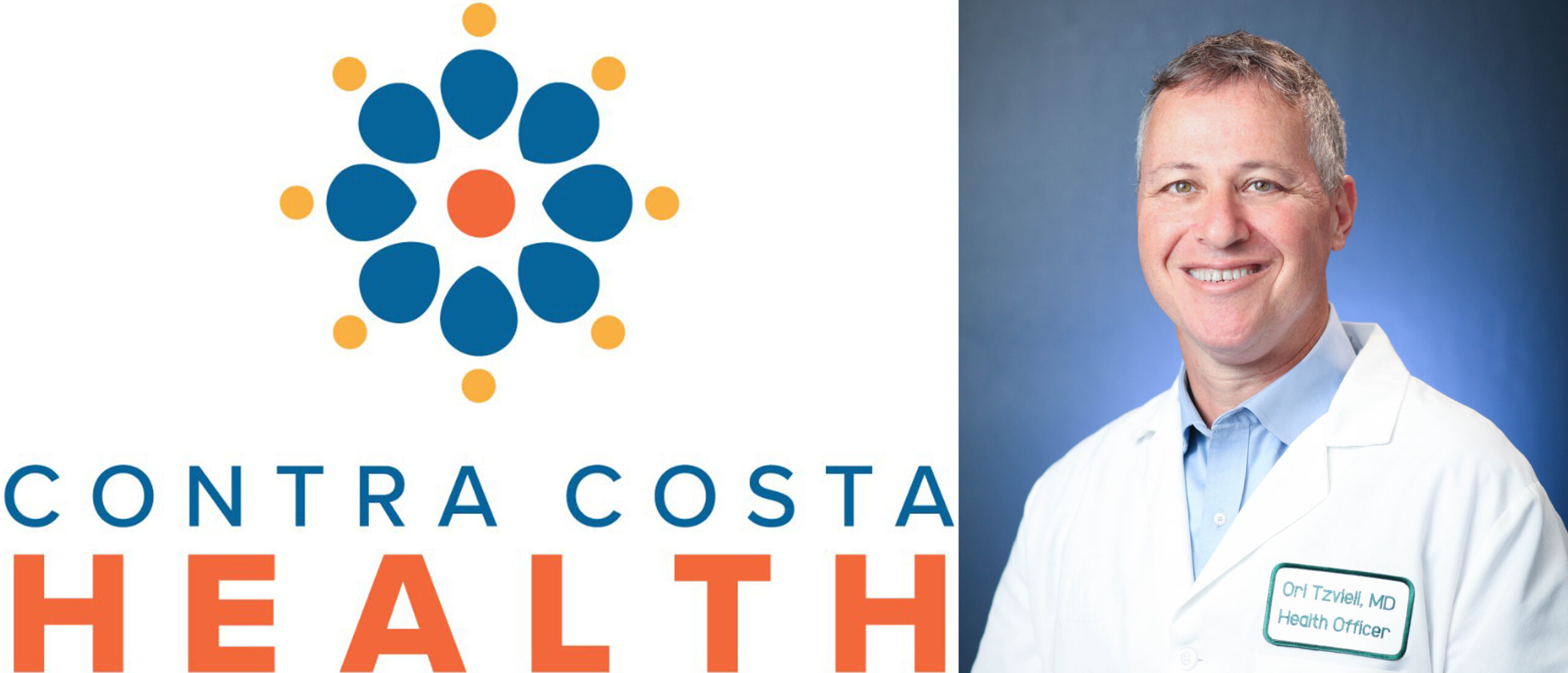
“This could have been much worse. We got lucky this time,” – County Health Officer Dr. Ori Tzvieli

By Contra Costa Health

The Martinez Refining Company (MRC), owned by PBF Energy, has told local health officials that chemicals and combustion byproducts from a recent fire at the refinery included chemicals that can cause cancer, as well as heart and lung disease.

Dr. Ori Tzvieli, the County’s health officer, said the community was fortunate that the wind blew most of the toxic smoke north of the refinery, away from populated areas.

“This could have been much worse,” Dr. Tzvieli said. “We got lucky this time. But our community shouldn’t have to rely on luck.”

Air-quality measurements taken by Contra Costa Health’s hazmat staff during the incident showed that concentrations of chemicals in the air during the event were mostly below the threshold considered dangerous. There was a short period when the smoke from the fire stayed closer to the ground and particulate matter immediately North of the refinery measured at a high level, but because that was not sustained over a long period it is not expected to have a significant health impact on most people. The Bay Area Air Quality Managment District (BAAQMD) also took air samples during the incident, which the health department will review after the results are available.

The blaze started at 1:30 p.m. on Feb. 1 as refinery workers prepared for a planned maintenance of a process unit that had been shut down earlier in the week. While opening equipment, hydrocarbon started to leak and ignited the fire, according to MRC’s 72-hour follow-up report to the County. Six refinery workers were evaluated by medical personnel and released.

The County initially issued a health advisory to residents in nearby Martinez, Pacheco and Clyde. Contra Costa Health later ordered a shelter-in-place to residents in Martinez north of the refinery when the smoke got closer to ground level. The shelter-in-place order was lifted later that night, although the health advisory remained in effect until the fire was completely put out on Feb. 4.

On Feb. 5, Contra Costa Health (CCH) sent MRC a letter asking the refinery to disclose what products were released or caught fire during the blaze.

In its response, MRC revealed that the following chemical products were involved: naphtha (petroleum), light thermal and light catalytic cracked; distillates (petroleum), light catalytic cracked; isobutane-rich C3-C4; diethanolamine; and distillates (petroleum), intermed cat cracked.

Combustion byproducts from the fire included particulate matter from the smoke, benzene, hydrogen sulfide, sulfur dioxide and xylene.

The combustion byproducts pose the greatest health concern. CCH will be working closely with a toxicologist to assess whether there may be any long-term health impacts, including potential impacts to soil and water.

MRC is scheduled to provide CCH a 30-day follow-up report in early March. The County is in the process of hiring a firm to do an independent root-cause analysis to determine why the accident happened and how it can be prevented from happening again.

“Like the community, I am concerned about the byproducts released during the fire and any health impacts they pose to residents,” said Contra Costa County Supervisor Shanelle Scales-Preston, whose district includes the area around the refinery. “I will work to ensure all reports and analyses done by or contracted by MRC, CCH, and the Air District are released fully and promptly. My top priority continues to be the health and safety of the community.”

“I want to thank all the first responders who bravely fought to contain the fire and monitored the incident for health impacts,” Scales-Preston added. “My goal for the future is that we don’t have accidents at the refinery that require first responders to get involved in the first place.”

The fire is the latest in a string of safety incidents at MRC over the past two-and-a-half years. In November 2022, the refinery accidentally released tons of toxic spent-catalyst dust in the surrounding community.

For more information, visit our Martinez Refining Company Oversight webpage.


Filed Under: Central County, Environment, Fire, Government, Health, Industry, News

Opinion – The National Mesothelioma Registry: Addressing misdiagnosis and its impact on California’s veterans

February 11, 2025 By Publisher Leave a Comment

Source: Asbestos.com

In Contra Costa County 1,198 asbestos-related deaths were reported from 1999 and 2017 at a rate of 63 deaths per year.

By Jonathan Sharp, Environmental Litigation Group, P.C.

Mesothelioma is a rare type of cancer triggered by exposure to asbestos. Each year, around 3,000 diagnoses are made in America, from which 900 are discovered in veteran populations. Exposure in this population occurred while serving in the army, as the military used asbestos across facilities as an insulator and fireproof material. Other cases similarly link directly to professional exposure because asbestos was used for decades in many industries, from the 1960s up until the 1990s, when its harmful effects were fully documented.

As the condition is rare, research progress to improve diagnosis and treatment is slow. It has been estimated that errors in diagnosing mesothelioma span between 14% and over 80%, where this condition is confused with other lung cancers or pneumonia. As a result, there are substantial delays in treatment, and mesothelioma is allowed to spread.

To address the high rates of misdiagnosis for mesothelioma, the Center for Disease Control and Prevention (CDC) proposed in 2019 the development of a shared database for all identified cases. This database is the National Mesothelioma Registry, and among its proposals is the use of a case-finding methodology, where populations at risk would receive periodic screening. The national registry would also function as a common database where researchers could get early access to diagnosed patients, expanding the available population pool for clinical trials that could improve current treatments and diagnosis procedures.

How Misdiagnosis Can Impact Claims
Over 80% of all mesothelioma cases can be traced back to professional exposure, while only around 12% can be attributed to a genetic mutation. Subsequently, the vast majority of people developing mesothelioma are entitled to claims, either from the government or from companies that did not offer sufficient protection to their workers while handling asbestos.

However, getting these claims can be a real struggle. The condition has a high mortality rate and short survival period, not only due to the aggressiveness of this cancer but also because of significantly high rates of misdiagnosis.

To date, claims are granted for veterans under the PACT Act following evaluation by a health commission. The commission’s analysis process can take up to four and a half months. Survival rates for pleural mesothelioma, which is the most aggressive and common form of this cancer, rarely expand past the one-year mark. For veterans, this means that accessing the healthcare benefits they need to improve care and their quality of life may come too late. For other professional categories, lengthy lawsuits can mean the same thing: healthcare and financial support that comes in too late.

Mesothelioma Epidemiology in Contra Costa County, California
California has one of the highest rates of mesothelioma and asbestos-related deaths in the country. As a natural material, asbestos was intensely mined across the state, hence resulting in an increased risk for local populations. Veterans were impacted the most, especially in coastal states, such as California, where the U.S. Navy used asbestos extensively for shipbuilding and insulation. These jobs were performed by soldiers with little to no protective equipment, albeit at the time, there was sufficient data the Navy was aware of to indicate that asbestos had a strong carcinogenic potential.

Data on asbestos mortality rates in the state indicate that between 1999 and 2017, a total of 27,080 asbestos-related deaths were recorded, of which 5,100 occurred due to mesothelioma. More recent data indicates that between 2015 and 2019, 317 died because of mesothelioma in California. In Contra Costa County, 1,198 asbestos-related deaths were reported, at a rate of 63 deaths per year.

With such high mortality rates, asbestos is considered an important public health issue in California. This state banned paintings and interior materials containing asbestos as early as 1977. Other asbestos products were banned, and asbestos mines were closed in 2002. However, since mesothelioma emerges decades after exposure, cases are very likely to continue being identified across the state.

Improving Diagnosis and Access to Claims for Veterans
Veterans can file for benefits under the PACT Act and have their documents analyzed by a health commission. Notably, this analysis can take a significantly long time. With a late diagnosis, waiting so long may not be an option for many. Nonetheless, the National Mesothelioma Registry has the potential to change this.

With more research and development on mesothelioma, veterans may be able to receive a diagnosis much sooner and initiate the benefits claim faster. This will not only speed up access to medical resources but would also ensure that each veteran would get a chance at an extended life expectancy resulting from an early diagnosis and intervention.

About the Author
Jonathan Sharp is the CFO of the Environmental Litigation Group, P.C., conducting asset oversight, financial analysis, and case evaluations for victims of toxic exposure.


Filed Under: Health, Military, News, Veterans

Contra Costa Health CEO caps historic career with County

February 8, 2025 By Publisher 1 Comment

Anna Roth, RN, MS, MPH. Photo: CC Regional Medical Center

Anna Roth starts new position in Tahoe area beginning of March

Following a distinguished 32-year career of service, Contra Costa Health Chief Executive Officer and Health Director Anna M. Roth has announced her intention to retire from the county.

A steadfast champion for health and addressing the needs of underserved communities, Ms. Roth will serve as president and CEO of Tahoe Forest Health System (TFHS) beginning in March.

Ms. Roth began working for Merithew Hospital in Martinez, now Contra Costa Regional Medical Center (CCRMC), as a registered nurse in 1993, assuming greater responsibilities until she was named CCRMC Chief Executive Officer in 2009. Her success operating CCRMC and its 11 community clinics led to her appointment in 2018 as county health director.

“Anna Roth has been a transformative leader for Contra Costa Health (CCH), and while we will deeply miss her visionary leadership, we are thrilled to see her take on this exciting opportunity,” said Contra Costa Board of Supervisors Chair Candace Andersen, who represents District 2. “Her tireless commitment to improving healthcare for Contra Costa’s residents, especially our most vulnerable populations, has made a lasting impact. Tahoe Forest Health System is fortunate to gain such an exceptional leader.”

As the county’s health director, Ms. Roth managed a staff of more than 4,400. During her tenure at CCH, she oversaw the growth of a $3 billion integrated health system serving more than 1 million residents. Under her guidance, the County expanded safety-net services, strengthened behavioral and physical health integration, and launched innovative programs to address homelessness, environmental health, and emergency medical services.

“I’ve worked with Anna Roth for 25 years and have seen her commitment to improving access to quality medical care for our County’s most vulnerable residents and her passion for closing the health equity gap that has impacted our African American and Latino residents,” said District 1 Supervisor John Gioia, who chairs the Health Services Joint Conference Committee. “She introduced landmark new programs to meet the evolving needs of our most health challenged community members resulting in improved health outcomes. Because of her dedication and talents, our county has been recognized nationally for the many innovative and life-saving programs that were pioneered under her leadership.”

Ms. Roth was instrumental in leading CCRMC to achieve high-quality standards while maintaining a strong focus on equity and access. CCH implemented its electronic health record on her watch and expanded access to healthcare to thousands of county residents through the Affordable Care Act. She also led Contra Costa County’s emergency response to the COVID-19 pandemic, which resulted in one of the lowest COVID-19 mortality rates in the U.S. among similar-sized counties.

“I loved my time with Contra Costa Health. I am excited about my next chapter, but I am going to miss working with so many amazing people, caring for the health of our community,” Ms. Roth said. “I am deeply grateful for the opportunity to serve the people of Contra Costa County and honored to continue my service with Tahoe Forest Health District.”

The Board of Supervisors will discuss the next steps for leadership of CCH at its next meeting.

Filed Under: Health, News, People

Contra Costa Health lifts Martinez Health Advisory following refinery fire

February 4, 2025 By Publisher Leave a Comment

Martinez Refining Company refinery fire on Saturday, Feb. 1, 2025. Photo source: Bay Area Air Quality Management District

Contra Costa Health (CCH) has lifted a public health advisory today at 3:00 p.m. following confirmation that the fire at Martinez Refining Company (MRC) is out. Residents in the affected area can now resume normal activities and should open doors and windows to air out buildings and homes. (See related article)

CCH was first notified of the event when MRC, owned by PBF Energy, reported the fire through the county’s Community Warning System (CWS) at 1:49 p.m. on Saturday, February 1. CCH’s Hazardous Materials Program has continued to monitor air quality since Saturday.

In addition to a 72-hour report, due to the County later today, and subsequent 30-day reports, MRC will be required to perform a Root Cause Analysis, which is an investigation aimed at identifying how the incident happened and what can be done to prevent future similar incidents from occurring.

CCH is investigating the cause of the incident, in accordance with state requirements and the county’s Industrial Safety Ordinance and will explore all options available under the regulatory authority provided through the state as a Certified Unified Program Agency (CUPA) to ensure safety issues are all addressed.

Filed Under: Business, Children & Families, Health, News

Martinez Refining Company issues update on refinery fire

February 4, 2025 By Publisher Leave a Comment

Graphic source: Martinez Refining Company. Refinery fire on Saturday, Feb. 1, 2025. Photo source: Bay Area Air Quality Management District

Monday, February 3, 2025

INCIDENT RESPONSE
Martinez Refining Company (MRC) continues to have the small residual fire under control. You may see minimal smoke until further notice. Because of significant progress made, all mutual aid firefighting crews have left the site, and we thank them for their tremendous response to the incident. Flaring continues with the potential for intermittent flaring throughout the week. Refinery operating units have been shut down except required utility systems.

At 5:10 p.m., on Sunday, February 2, 2025, MRC reported a Community Warning System Level 1 notification for firefighting water runoff containing hydrocarbons that overflowed one of the refinery’s wastewater containment ponds. The runoff continues to be contained on the refinery’s property, and we have boom deployed to keep it contained, as well as equipment removing the runoff and transporting it to the refinery’s water treatment system.

Our top priorities remain the safety and security of responders, as well as maximizing protection of public health and safety. As previously reported, six workers were evaluated by medical personnel and released.

INCIDENT BACKGROUND
At approximately 1:30 p.m. on Saturday, February 1, 2025, two workers were opening equipment in preparation for planned maintenance on one of the refinery’s process units, which had been shut down on Thursday, January 30, 2025. It is currently believed that, while opening the equipment, hydrocarbon material started to leak. The two workers immediately evacuated the area, and the material subsequently caught fire, which spread within the immediate vicinity. Both of those workers were transported offsite for medical evaluation and released.

MRC’s fire crews quickly responded and began suppressing the fire. They called for mutual aid from industry partners and support from Contra Costa Fire Protection District (ConFire).

To manage the response, MRC, ConFire, and the Martinez Police Department formed a Unified Command, which allows multiple agencies and organizations to effectively work together. By approximately 8:30 p.m., the fire had been suppressed to the point the Unified Command transitioned back to MRC, which continues to manage the incident response.

INVESTIGATION
We are deeply sorry for the disruption and concern we have caused the community. After the response is complete, we will thoroughly investigate the incident in accordance with the Contra Costa County Industrial Safety Ordinance (ISO) to identify the root cause and take appropriate corrective actions. We will continue to work collaboratively with all agencies involved, and thank our employees, mutual aid partners, and agency representatives for their support in responding to the incident.

HEALTH GUIDANCE
Contra Costa Health has issued the following message: “Contra Costa Health (CCH) recommends that residents of Martinez, parts of Pacheco and Clyde who have respiratory sensitivity remain indoors with doors and windows shut today while smoke continues to clear from a fire at Martinez Refining Company (MRC). A map of the affected area will be available at cwsalerts.com while this health advisory remains in effect. CCH will notify the community when the health advisory is lifted.”

ABOUT FLARING
Flares are an essential part of a refinery’s integrated, engineered safety systems, which are designed to safely manage excess gases through efficient, effective combustion. In addition to seeing the flare, you may feel a rumbling sound which is the result of the mixing of vapors, air and steam during the flaring process. You can learn more about flaring on our website: https://martinezrefiningcompany.com/about-flaring/.

MRC FENCELINE MONITORING
MRC’s fenceline air monitoring program uses high-tech sensors to monitor in “real time” specific emissions that may cross the facility’s fenceline. Our systems monitor, record, and report multiple compounds. You are welcome to view real-time fenceline measurements at our air monitoring website: http://www.fenceline.org/martinez/.

CLAIMS
If you have a concern related to the incident, MRC has set up a claims line. Please call 800-542-7113 and leave the following information:
· Full Name
· Complete Address
· Telephone Number
· Email address
In addition, please describe the concern you would like to discuss, and a company representative will return your call.

FUTURE UPDATES
Further updates will be posted on MRC’s social media and website (www.martinezrefiningcompany.com). Community inquiries can be made to 925-313-3601.

Sincerely,

Martinez Refining Company Community Relations Team


Filed Under: Business, Central County, Fire, Health, News

CA Office of Traffic Safety awards $208,475 grant to Contra Costa Health for Pedestrian and Bicycle Safety Program

February 1, 2025 By Publisher Leave a Comment

Graphics source: CA OTS

Contra Costa Health (CCH) announced Tuesday, Jan. 28, 2025, that it has received a grant from the California Office of Traffic Safety (OTS) for continued support of its Pedestrian and Bicycle Safety Program.

The program will promote safety among pedestrians and bicyclists and emphasize the drivers’ responsibility to look out for people using roads and paths. The grant program runs through September 2025.

Local data show an increase of nearly 30% in fatal crashes involving pedestrians over the past decade in Contra Costa County, and that pedestrians and bicyclists are 2.4 times more likely to be seriously injured or killed in a traffic crash compared to drivers. The OTS grant funds multiple efforts to improve safety for pedestrians and bicyclists.

“The safety of people walking and biking on our roads is a top priority for our office,” OTS Director Stephanie Dougherty said. “Everyone moves, and not always by car. It’s important that we invest in efforts to protect people walking, biking and rolling that helps establish a strong traffic safety culture where everyone on California roads can travel to and from places safely.”

Graphics source: CA OTS

Grant funds will support various activities focused on bicycle and pedestrian safety:
• Support for local jurisdictions to include public health principals in road safety plans and address the community conditions that create unsafe environments for non-motorized road users.
• Promote the CCH traffic safety campaign, “Slow Roads Save Lives.”
• Community bicycle and walk “audits” of streets with high rates of pedestrian or bicyclist fatalities and serious injury crashes.
• Bicycle training courses that teach youth skills to help them stay safe on the road.
• Community events that promote bicyclist and pedestrian visibility and the importance of sharing the road, slowing down, and staying alert to bicyclists and pedestrians while driving.

Funding for this program was provided by a grant from the California Office of Traffic Safety, through the National Highway Traffic Safety Administration.


Filed Under: Health, News, Recreation, State of California, Transportation

Kaiser Permanente Antioch Medical Center recognized as Top Hospital

December 24, 2024 By Publisher Leave a Comment

Photos source: Kaiser Permanente.

Among 6 Kaiser Nor Cal hospitals ranked as nation’s Top Hospitals by The Leapfrog Group

By Antonia Ehlers, PR & Media Relations, Kaiser Permanente Northern California

Six Kaiser Permanente Northern California hospitals are among the top hospitals in the nation for providing safe, high-quality patient care, according to the Leapfrog Group’s 2024 Top Hospital award.

The highest-performing hospitals on the Leapfrog Hospital Survey are recognized annually with the prestigious Leapfrog Top Hospital award, considered one of the most elite and competitive honors a hospital can receive. In 2024, only 134 hospitals nationwide, or less than 6% of the nearly 2,400 eligible hospitals, were recognized.

The six Kaiser Permanente Northern California hospitals to receive the award include: Antioch, Manteca, Modesto, San Jose, San Rafael and South San Francisco. The Leapfrog Group also recently recognized 14 Kaiser Permanente Northern California hospitals with an “A” rating for patient safety.

Kaiser Foundation Hospital Antioch was recognized as a Top Teaching Hospital.

View this hospital’s full score.

View this hospital’s Leapfrog Hospital Survey Results

“Our hospitals are recognized consistently as among the best in the nation for providing safe, equitable, high-quality patient care, which is a top priority for our care teams and the staff and employees who support them,” said Carrie Owen Plietz, FACHE, president of Kaiser Permanente’s Northern California region. “Focusing on safety and quality enhances clinical outcomes and supports our patients’ journey toward improved health.”

Only 29 California hospitals received the Leapfrog Top Hospital award. Kaiser Permanente Northern California’s 6 hospitals represent more than 20% that were recognized.

The Leapfrog Top Hospital award is based on excellence in upholding quality standards across several areas of patient care including staffing, hand hygiene, infection rates, practices for safer surgery, maternity care, and error prevention. Hospitals must have also received an “A” Leapfrog Hospital Safety Grade in the most recent round of scoring to be eligible for the Top Hospital award.

“This recognition reflects the dedication of our highly trained clinical teams who provide exceptional quality care with compassion,” said Maria Ansari, MD, FACC, chief executive officer and executive director of The Permanente Medical Group. “Kaiser Permanente continues to be ranked among the best for providing high-quality care, focusing on the overall health and well-being of those we serve.”

The annual Top Hospital award is given to both teaching and general medical centers. Kaiser Permanente Antioch, San Jose, and South San Francisco are named top teaching hospitals and Kaiser Permanente Manteca, Modesto, and San Rafael are named top general hospitals.

The Leapfrog Group is an independent national nonprofit run by employers and other large purchasers of health care benefits. It is an independent advocacy group working with a broad range of partners, including hospitals and insurers.

Allen D. Payton contributed to this report.

Filed Under: East County, Health, Honors & Awards, News

Gov. Newsom proclaims State of Emergency in response to “Bird Flu” outbreak

December 18, 2024 By Publisher Leave a Comment

To further enhance state’s preparedness and accelerate ongoing cross-agency response efforts following spread of Avian influenza A (H5N1) in 16 states, including California and outside the Central Valley,

“To date, no person-to-person spread of Bird Flu has been detected in California and nearly all infected individuals had exposure to infected cattle.” – Office of the California Governor

Sacramento, California – December 18, 2024 – Governor Gavin Newsom today proclaimed a State of Emergency to streamline and expedite the state’s response to Avian influenza A (H5N1), commonly known as “Bird Flu.” This action comes as cases were detected in dairy cows on farms in Southern California, signaling the need to further expand monitoring and build on the coordinated statewide approach to contain and mitigate the spread of the virus. The virus has spread in 16 states among dairy cattle, following its first confirmed detection in Texas and Kansas in March 2024.

To date, no person-to-person spread of Bird Flu has been detected in California and nearly all infected individuals had exposure to infected cattle. California has already established the largest testing and monitoring system in the nation to respond to the outbreak.

This emergency proclamation will provide state and local agencies with additional flexibility around staffing, contracting, and other rules to support California’s evolving response.

“This proclamation is a targeted action to ensure government agencies have the resources and flexibility they need to respond quickly to this outbreak. Building on California’s testing and monitoring system — the largest in the nation — we are committed to further protecting public health, supporting our agriculture industry, and ensuring that Californians have access to accurate, up-to-date information. While the risk to the public remains low, we will continue to take all necessary steps to prevent the spread of this virus,” said Newsom.

Ongoing efforts to prevent spread and serious infection

California has mobilized a comprehensive cross-agency response to Bird Flu in dairy cattle and poultry farms to minimize farm worker exposures, reduce raw dairy product contamination, and mitigate the spread of the virus. The state has enlisted local, state, and federal government technical and operational expertise to support all facets of the response; worked to educate the public, health professionals, employers, and workers on prevention and control measures to reduce the risk of exposure to Bird Flu; provided comprehensive information for employers and workers on personal protective equipment (PPE) requirements; and distributed millions of pieces of PPE to high-risk workers at dairy farms.

Through coordinated public awareness efforts between the California Department of Public Health (CDPH), the California Department of Food and Agriculture (CDFA), California Office of Emergency Services (CalOES), and other agencies, the state is leading a cross-agency response that includes timely public updates, multilingual outreach to dairy and poultry workers, targeted social media efforts to promote preventive practices, online and printed resources for the public, and media interviews to keep Californians informed. Additionally, the state is ensuring that agriculture workers have access to additional doses of seasonal flu vaccine from the Centers for Disease Control and Prevention (CDC) to reduce concurrent flu risks.

Officials have also been working in close collaboration with the Centers for Disease Control, the U.S. Food and Drug Administration, the U.S.  Department of Agriculture, and local health and agricultural officials, as part of a whole-of-government effort to coordinate, implement, and ensure timely surveillance and investigation of potential cases of Bird Flu.

Bird flu in the United States

Bird Flu was first detected in the United States in the wild bird population in South Carolina in January 2022, and in the wild bird population in California in July 2022. On March 25, 2024, an outbreak of Bird Flu in dairy cows was first reported in Texas and Kansas, and CDFA took immediate action to monitor for Bird Flu infections in California herds. Since then, there have been 61 total reported confirmed cases of Bird Flu infection in humans across seven states, including 34 reported human cases in California.

On August 30, 2024, following its detection in 13 other states, Bird Flu was confirmed in a dairy cow in Central California, and the California Department of Public Health immediately activated its Medical Health Coordination Center.

See CA Gov Bird Flu State of Emergency Proclamation 12-18-24


Filed Under: Agriculture, Animals & Pets, Health, News, State of California

Hill Physicians Medical Group honored for high-quality affordable care

December 15, 2024 By Publisher Leave a Comment

17th year receiving top ranking

SAN RAMON, CA.— Hill Physicians Medical Group, the largest Independent Physician Association (IPA) in California, has earned three prestigious honors for healthcare excellence, the organization announced on Dec. 5.

Two of the awards come from the Integrated Healthcare Association (IHA), which recognized Hill Physicians for its outstanding performance in the Sacramento and East Bay regions. In addition, Hill Physicians earned the top “Elite Status” designation in America’s Physicians Groups (APG) Standards of Excellence Survey, the highest honor the program offers. This marks the 17th year Hill Physicians has received the top ranking.

“These awards highlight Hill Physicians’ dedication and commitment to achieving the highest quality care while effectively managing costs for both patients and physicians alike,” said Hill Physicians Chief Medical Officer K. Gabrielle Gaspar, M.D. “Our success comes from our partnership with our practices, and makes it possible to provide comprehensive, top-quality care to members across 14 counties in Northern California.”

To qualify for the IHA Excellence in Healthcare awards, provider organizations must rank among the top 50 percent for clinical quality, patient experience and cost-efficiency for their commercial HMO populations. Only 22 out of nearly 200 eligible provider organizations in the state received the award, part of IHA’s “Align. Measure. Perform. (AMP)” program.

The APG’s “Elite Status” recognizes organizations excelling in value-based care models, including Medicare Advantage and the Medicare Shared Savings Program. This year, 119 IPAs applied for the award, and only 68 received the elite designation. Elite Status organizations are among the nation’s highest-performing healthcare organizations, excelling in primary care, patient-centered care and population health management, according to APG President and CEO Susan Dentzer.

APG’s Clinical Quality Leadership Forum adds new elements to each category every year in order to set a higher standard than the previous year, to continue to raise national health care standards and increase expectations of government agencies, purchasers, payers and patients.

“The capabilities that these groups possess in such areas as providing advanced primary care, delivering patient centered care, managing population health and being transparent about their quality and costs, place them at the forefront of U.S. physician practices and health systems,” said Dentzer.

About Hill Physicians Medical Group

Hill Physicians Medical Group is the largest Independent Physician Association in Northern California. For 40 years, the group has provided access to quality, patient-focused healthcare. With more than 6,000 primary care and specialty care physicians, Hill Physicians partners with leading health plans and hospitals, serving communities in 14 counties across Northern California, including Sacramento, Stockton, San Francisco and the East Bay. For more information, visit www.hillphysicians.com.

About IHA’s AMP programs

IHA’s Align. Measure. Perform. (AMP) programs use a fair and transparent approach to measurement and benchmarking to create a reliable assessment of performance for medical groups, and IPAs across health plans. For more information, visit www.iha.org.

About America’s Physician Groups

America’s Physician Groups is a national association representing approximately 360 physician groups with approximately 170,000 physicians providing care to nearly 90 million patients. For more information, visit www.apg.org.

Filed Under: Health, Honors & Awards, News, San Ramon Valley

Legal earthquake: Federal jury in SF awards millions to BART workers denied religious accommodations

November 16, 2024 By Publisher Leave a Comment

Fired for not taking COVID-19 vaccine, one employee from San Pablo

San Francisco, CA. –  A federal jury on Wednesday, Oct. 23, 2024, delivered a stunning blow to Bay Area officials who denied every religious accommodation requested by workers to its COVID-19 vaccine mandate.

The eight-person jury deliberated for two days before unanimously awarding six former employees of San Francisco Bay Area Rapid Transit District (BART) more than $1 million each, for a total of about $7.8 million. The employees have been represented by Pacific Justice Institute since 2022.

On Friday, Oct. 18, the jury first determined that BART failed to prove an undue hardship in denying any accommodations to the employees. Yesterday, the jury further concluded that all of the employees had met their burden of showing a genuine conflict between their faith and the vaccine requirement, which was implemented in late 2021. The jury then accepted the numbers calculated by the plaintiffs’ economic expert for lost wages and added $1 million to each of those figures.

Brad Dacus, president of PJI, commented, “These verdicts are seismic—a 7.8 San Francisco legal earthquake. This amazing outcome represents so much hard work by our team, perseverance by these clients, and fairness from our judicial system.”

Kevin Snider, PJI’s Chief Counsel who served as lead trial counsel, commented, “The rail employees chose to lose their livelihood rather than deny their faith. That in itself shows the sincerity and depth of their convictions. After nearly three years of struggle, these essential workers feel they were heard and understood by the jury and are overjoyed and relieved by the verdict.”

During the trial, jurors heard compelling testimony from dedicated employees. One of the plaintiffs had worked for more than 30 years for BART, with a stretch of 10 years perfect attendance, before being unceremoniously dismissed. Another had been out on workers comp for months, with no scheduled return date, when she was fired. BART had also argued that several of the employees’ conflicts with taking the vaccine were more secular than religious. The jury disagreed.

PJI’s trial attorneys in this case consisted of Kevin T. Snider, Matthew B. McReynolds, and Milton E. Matchak. PJI was joined at trial by co-counsel Jessica R. Barsotti. Nationwide, PJI continues to represent hundreds of dedicated employees who lost their jobs after they sought and were denied religious accommodations to the COVID-19 vaccines. This week’s verdicts are expected to impact many of those pending cases.

The BART employees’ case number is 3:22-cv-06119-WHA.

California Family Council Comments on Court Victory

In addition, the California Family Council wrote the following on their website (republished with permission):

Victory for Conscience: Fired BART Employees Secure Million-Dollar Settlement Over Vaccine Mandate

In a case that sends a powerful message on the importance of religious liberty, a San Francisco jury awarded more than $7 million to former Bay Area Rapid Transit (BART) employees who were terminated for refusing the COVID-19 vaccine on religious grounds. Represented by the Pacific Justice Institute (PJI), these employees sacrificed their careers rather than compromise their deeply held convictions—a stand that has now been vindicated in court, both legally and morally.

A Stand for Faith Over Career

This case, centered on BART’s refusal to accommodate employees’ sincere religious objections, highlighted the tensions between public health policies and individual rights to religious freedom. For these former BART workers, faith was not just a private belief but a guiding principle that defined how they lived and worked. In the face of mounting pressures, they made a difficult choice: to lose their jobs rather than violate their consciences. According to Kevin Snider, PJI’s Chief Counsel and lead trial attorney on the case, “The rail employees chose to lose their livelihood rather than deny their faith. That in itself shows the sincerity and depth of their convictions. After nearly three years of struggle, these essential workers feel they were heard and understood by the jury and are overjoyed and relieved by the verdict.”

This lawsuit is part of a broader trend in the courts, where cases involving COVID-19 mandates and religious objections are increasingly ruling in favor of those who held firm to their faith. The jury’s decision represents a milestone in affirming that religious accommodations cannot be set aside, even amid unprecedented health crises. As Reuters noted, similar cases across the country are starting to see victories for individuals who stood by their beliefs rather than comply with mandates they found objectionable on religious grounds.

Pacific Justice Institute Defends Religious Rights in Court

Brad Dacus, President of PJI, emphasized the wider impact of this ruling, saying, “This case sets a legal precedent ensuring that all government agencies honor religious exemptions.” His statement underscores that this case has implications far beyond California and BART; it signals a renewed commitment to protecting religious rights across all sectors, reminding government agencies and private employers alike that religious liberty is a constitutional right, not an optional privilege.

Greg Burt, Vice President of the California Family Council, echoed this sentiment, stating, “Employers have an obligation to respect their employees’ religious beliefs by providing reasonable accommodations whenever possible. Religious freedom is foundational, and this decision underscores the importance of honoring that freedom in all facets of public life.” Burt’s comments resonate in a climate where religious rights are often viewed as secondary to policy mandates, reinforcing the idea that true religious freedom requires active respect from employers and institutions.

Integrity and Conviction in the Face of Institutional Pressure

The jury’s award of over $7 million was not merely a financial victory but a resounding affirmation of the workers’ commitment to their principles. It serves as a powerful testament to the fact that religious liberty extends into the workplace and that individuals should not be coerced into choices that violate their faith. The workers’ triumph speaks to the courage it takes to defend one’s beliefs against institutional pressures. The defendants’ win also addresses a broader legal and societal question: How do we, as a nation, protect the conscience rights of individuals amid public mandates? By securing this verdict, the former BART employees underscore the critical importance of faith-based resilience in a culture that increasingly prioritizes compliance over conviction.

This case does more than validate the BART employees’ religious rights—it represents an undercurrent of resistance where faith and courage fuel social change. Their unwavering stance mirrors that of others in history who’ve faced institutional pressures for their beliefs, reminding us that when one group stands firm, they often pave the way for countless others to reclaim their rights. With this landmark decision, these workers have become symbols of integrity and resilience, showing us all that the call to live authentically—faith and all—can transform society in profound ways.

An effort to contact one of the six plaintiffs who lives in San Pablo was unsuccessful prior to publication time. Please check back later for any udpates to this report.


Filed Under: BART, Faith, Finances, Health, Legal, News

  • « Previous Page
  • 1
  • 2
  • 3
  • 4
  • 5
  • 6
  • …
  • 53
  • Next Page »
Liberty-Tax-Jan-Apr-2026
Deer-Valley-Chiro-06-22

Copyright © 2026 · Contra Costa Herald · Site by Clifton Creative Web