• Home
  • About The Herald
  • Local Agencies
  • Daily Email Update
  • Legal Notices
  • Classified Ads

Contra Costa Herald

News Of By and For The People of Contra Costa County, California

  • Arts & Entertainment
  • Business
  • Community
  • Crime
  • Dining
  • Education
  • Faith
  • Health
  • News
  • Politics & Elections
  • Real Estate

Regional housing needs proposal allocates 43,942 units for Contra Costa cities between 2023-31

October 20, 2020 By Publisher 5 Comments

Photo: ABAG.

Methodology emphasizes equity for projected 441,000 additional housing units needed Bay Area wide

“Housing Element Law emphasizes that all Bay Area communities have to share the increased state planning number…” – ABAG President and Berkeley Mayor Jesse Arreguin

Public comment period begins Oct. 25

The Association of Bay Area Governments (ABAG)’s Executive Board at its meeting Thursday evening, Oct. 15 passed the Regional Housing Needs Allocation (RHNA) proposed methodology — a mathematical formula by which the state Department of Housing and Community Development (HCD)’s requirement that the Bay Area plan for more than 441,000 additional housing units during the 2023-2031 RHNA cycle will be distributed among the region’s nine counties and 101 cities and towns. New state laws — as well as the region’s strong economy and related job and household growth over the past decade — are also a significant reason for the growth in HCD’s determination, which will require the Bay Area to plan for 253,000 more units than required in the 2015- 2023 RHNA cycle. ABAG RHNA 10-15-20

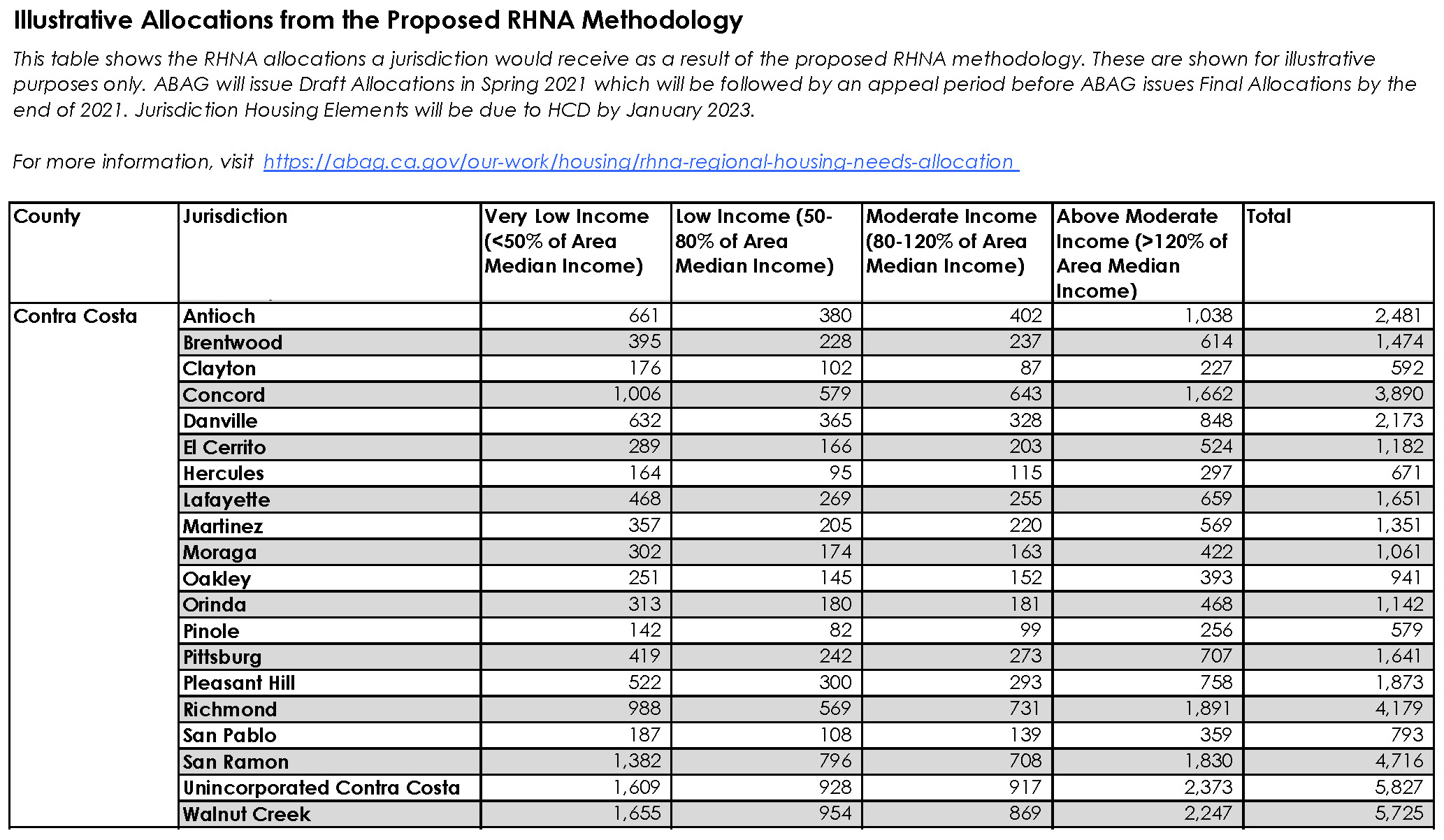
Under the proposed methodology, communities in Contra Costa County would be expected to add 43,942 housing units, about 10% of the total, during the time period, with Walnut Creek, San Ramon, Richmond and Concord being allocated the highest number of housing units. Communities in Santa Clara County would be expected to account for about one-third of all new units to be incorporated into the housing elements of Bay Area jurisdictions’ general plans, and San Francisco, San Jose and Oakland are expected to have the highest expected planning numbers for individual cities.

From RHNA dated Oct. 15, 2020

ABAG President and Berkeley Mayor Jesse Arreguin commented, “Housing Element Law emphasizes that all Bay Area communities have to share the increased state planning numbers.  The adopted proposed methodology is the best way to share the housing responsibility among all our region’s local governments, to encourage housing in areas with good access to jobs and in locations designated by the state as high-opportunity areas, and to meet fair housing and greenhouse gas reduction requirements.”

With the Executive Board’s action, ABAG on Oct. 25 will open a public comment period on the proposed RHNA methodology. The comment period will include a public hearing at the Thursday,  Nov. 12 meeting of ABAG’s Regional Planning Committee, after which both the committee and the Executive Board will again weigh in on the methodology. If approved, ABAG will submit this draft methodology to HCD for review, likely in January 2021, and then use the state agency’s recommendations to develop a final methodology and draft RHNA allocation in spring 2021. Release of the draft allocation would then kick off an appeals period in the summer of 2021, with the final RHNA allocation assigned to each of the Bay Area’s local governments in late 2021.

According to the California Department of Housing and Community Development, “Since 1969, California has required that all local governments (cities and counties) adequately plan to meet the housing needs of everyone in the community. California’s local governments meet this requirement by adopting housing plans as part of their ‘general plan’ (also required by the state). General plans serve as the local government’s ‘blueprint’ for how the city and/or county will grow and develop and include seven elements: land use, transportation, conservation, noise, open space, safety, and housing. The law mandating that housing be included as an element of each jurisdiction’s general plan is known as ‘housing-element law.’

California’s housing-element law acknowledges that, in order for the private market to adequately address the housing needs and demand of Californians, local governments must adopt plans and regulatory systems that provide opportunities for (and do not unduly constrain), housing development. As a result, housing policy in California rests largely on the effective implementation of local general plans and, in particular, local housing elements.” Each of the regions in the state must develop a plan for their Regional Housing Needs Allocation and Housing Elements.

The allocation methodology is a formula for accommodating the Bay Area’s total housing need by quantifying the number of housing units — separated into above-moderate, moderate, low and very-low income categories — that will be assigned to each city, town and county.  The allocation must meet statutory objectives and be consistent with the forecasted development pattern from Plan Bay Area 2050. The final result of the RHNA process is the allocation of housing units by income category to each jurisdiction. Each local government must then update the Housing Element of its General Plan and its zoning to show how it can accommodate its RHNA allocation.

The proposed RHNA methodology was developed by ABAG’s Housing Methodology Committee (HMC) after nearly a year of meetings and technical analysis. The HMC process provided a forum for local elected officials, staff from city and county governments, various stakeholder groups, and members of the general public to formulate a data-driven proposal.  Members of the HMC were selected from a diverse pool of applicants and included representatives from each of the nine Bay Area counties.

President Arreguin praised the HMC for its challenging work: “The proposed methodology represents a big accomplishment not only for the HMC or for ABAG, but also for our region.  The committee members’ involvement in this complicated and sometimes contentious process brought together very diverse voices to develop a methodology that works for the entire Bay Area.”

Additional information about the proposed methodology and the RHNA process is available on ABAG’s website:  https://abag.ca.gov/our-work/housing/rhna-regional-housing-needs-allocation.

Founded in 1961, ABAG is the regional planning agency for the Bay Area’s nine counties and 101 cities and towns, and is recognized as the first council of governments in California.

Allen Payton contributed to this report.

Filed Under: Growth & Development, News

Seeno partners with Brentwood school district, agreement reached on valuable land for school site

September 11, 2020 By Publisher 2 Comments

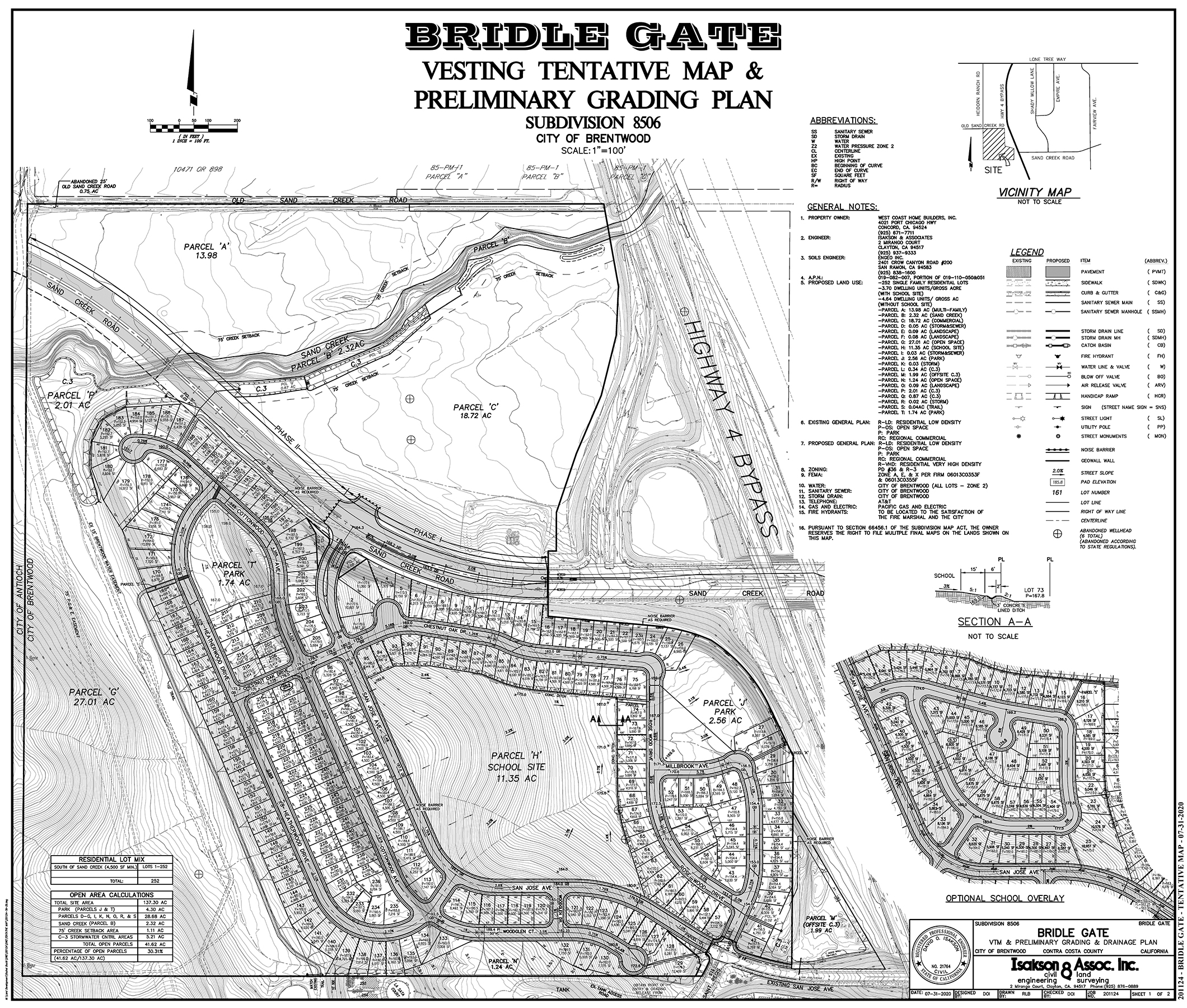
See the school site in the large open area toward the bottom of the site map, and the potential overlay of 63 additional homes to the right.

Results in 63 fewer homes built

BRENTWOOD, Calif., Sept. 11, 2020 – West Coast Home Builders, Inc., a development company owned by the Seeno family, and the Brentwood Union School District have entered into an agreement that opens the door for the district to acquire a prime piece of Bay Area real estate, well below market value, for the construction of a new elementary school.

School district staff recommended approval of the agreement, and the school board members unanimously approved the agreement on Aug. 19, 2020.

The Brentwood Union School District has been trying for years to find suitable land to build a much-needed elementary school to help relieve overcrowding at some of its elementary schools and accommodate future growth in the district. The agreement between West Coast Home Builders and the district is a significant step forward and an important opportunity toward making this new elementary school a reality.

The impact on the district will include reducing overcrowding, a lower student-teacher ratio, and reducing the use of portables.

“We’ve been negotiating a school site there for a very long time,” BUSD Board Trustee Emil Geddes confirmed. “We just hadn’t achieved the final solution with Seeno, until now.”

“We approved that we want that site,” he continued. “But we haven’t come to the final purchase price and agreement for the property.”

It will also mean 63 fewer homes will be built at the site, as was an option in the Vesting Tentative Map overlay. (See Site Plan above)

In 2016, Brentwood voters passed Measure B, a school bond measure that will fund much of the proposed elementary school construction costs. School construction costs have skyrocketed in California, so building a new school is very difficult for districts without some form of subsidy. In this case, West Coast Home Builders will be subsidizing the cost of the land, which is critical to making a new elementary school a reality.

The 11.35-acre school site is located within the proposed Bridle Gate community, west of Highway 4 (bypass) and south of Sand Creek Road in Brentwood, California. The proposed development will bring much-needed housing to the Bay Area, which has been chronically undersupplied for years, leading to the current affordability crisis. The project’s proximity to both highway and commercial areas, coupled with a school site that will be walkable for students and parents, also lowers environmental impacts to the area.

In a dramatic savings to the district, an appraiser will value the school site land as agricultural rather than residential. Residential land values are substantially higher than agricultural land values. This essentially means the district will be paying pennies on the dollar for the land. This is a true partnership between a growing school district and a longtime community builder, who is committed to supporting local schools and children.

The sale of this land to the district is contingent on West Coast Home Builders receiving the necessary environmental and project approvals from the Brentwood City Council for the Bridle Gate project. West Coast Home Builders has included this school site in its proposed development plan, and the city has included this school site in its environmental analysis of the housing project.

The project will be up for approval before the city council during a special meeting next Tuesday, Sept. 15 at 7:00 p.m. According to California Government Ethics Law in Government Codes §§ 87100 and 87103 a public official may not make, participate in, or influence a governmental decision that will have a reasonably foreseeable and material financial effect on the official, the official’s immediate family, or any of the official’s financial interests. Because Councilwoman Claudette Staton’s personal residence is too close to the project site, she will have to recuse herself and not participate in voting on the project, as it could affect the value of her home. The decision will therefore be left up to the other four council members.

State Letter Says Staton Can’t Vote on Project

UPDATE: Upon request from the Herald, Staton provided a copy of the August 10, 2020 letter from the state Fair Political Practices Commission (FPPC) to Brentwood Assistant City Attorney Katherine Wisinski which provides the reason why Staton cannot vote on the project due to her conflict of interest under the state’s Political Reform Act. In the letter, the FPPC asks the following question: “Under the Act, may Councilmember Staton take part in governmental decisions pertaining to a city development project that would involve the construction of hundreds of new homes, among other significant developments, and potentially affect property views, traffic levels, and air quality, given that she owns real property less than 1000 feet from the project site?”

The FPPC’s letter then answers the question writing, “No, given the scope and impacts of the project, as well as the proximity of Councilmember Staton’s real property, it is reasonably foreseeable that the project would have a material financial effect on Councilmember Staton’s property by changing its market value and income producing potential, and air quality. Accordingly, Councilmember Staton is disqualified from taking part in project decisions under the Act, and consequently must recuse herself from those decisions.” Read the entire four-page letter, here: FPPC Ltr re Staton Bridle Gate vote Final A-20-085

To read the agenda item and details click, here.

Allen Payton contributed to this report. 


’16 Measure B follow up, helping his budget etc.).

Filed Under: East County, Education, Growth & Development, News

Regional agencies seek input on the future of the Bay Area

July 10, 2020 By Publisher Leave a Comment

For transportation, housing, economy and environment for next three decades

Plan Bay Area 2050’s Draft Blueprint is available for public comment through August 10, 2020

SAN FRANCISCO, July 10, 2020 . . . The Metropolitan Transportation Commission (MTC) and the Association of Bay Area Governments (ABAG) are inviting the Bay Area public to provide input on the newly released Plan Bay Area 2050 Draft Blueprint, a 30-year regional vision that seeks to create a more affordable, connected, diverse, healthy and vibrant Bay Area for all. The Draft Blueprint is being released today for a public comment period that will run through August 10, 2020.

Given the myriad challenges the COVID-19 pandemic poses to the Bay Area, MTC and ABAG will hold virtual workshops and telephone town halls through August 7, 2020. Both organizations want to hear from all Bay Area residents in order to incorporate diverse voices from across our region. Input received by the agencies will be used to further refine the Final Blueprint to create a more resilient and equitable Bay Area for future generations. The Final Blueprint is slated for approval in late 2020 and will be integrated into Plan Bay Area 2050 prior to its adoption in 2021.

The Plan Bay Area 2050 Draft Blueprint weaves together transportation, housing, economic and environmental strategies, alongside an expanded set of growth geographies, to advance critical climate and equity goals. Designed to accommodate the 1.5 million new homes necessary to house future growth and address overcrowding, as well as 1.4 million new jobs, the Draft Blueprint integrates critical strategies to address our severe and longstanding housing crisis. With infrastructure investments in walking, biking and public transportation – as well as sea level protections designed to keep most Bay Area communities from flooding through 2050 – the Draft Blueprint makes meaningful steps towards the adopted Plan Bay Area 2050 Vision.

Plan Bay Area 2050 is a joint initiative of MTC and ABAG. For more information on Plan Bay Area 2050 or to provide comments on the Draft Blueprint, visit: www.planbayarea.org. The entire list of public events can be found here: www.planbayarea.org/meetings-and-events/upcoming-public-events.

See previous plans here – Plan 2040  Plan Bay Area

MTC is the transportation planning, financing and coordinating agency for the nine-county San Francisco Bay Area. ABAG’s mission is to strengthen cooperation and collaboration across local governments to build healthier, stronger communities.

Filed Under: Economy, Environment, Government, Growth & Development, Jobs & Economic Development, News, Transportation

Payton Perspective: If Brentwood voters don’t approve Measure L Antioch should annex the land and approve the homes

October 8, 2019 By Publisher 16 Comments

Area map showing the land for the planned development highlighted in gold that the passage of Measure L would annex to Brentwood. From the planning documents for the proposed Vineyards at Deer Creek development.

In November, Brentwood voters will have the opportunity to do what Antioch voters did in 2005 and that was to approve a new housing development and undo what the five members of the Board of Supervisors did to a few landowners and the plans by Antioch and Brentwood. On the ballot is Measure L, which will annex about 800 acres and approve 2,400 new, upscale homes, 80% of which will be for seniors.

The land in the Measure L plan has been inside both the City of Antioch’s and City of Brentwood’s planning areas for decades. However, it’s not been in either city’s sphere of influence or city limits. It was also inside the voter-approved Urban Limit Line, until the County Supervisors played political games and moved it out, in 2003. That included the land that was planned for the Roddy Ranch housing development surrounding the former Roddy Ranch golf course, as well as all the land north of the ridge line that runs on the south side of the former golf course and continues into Brentwood behind Heritage High School and Adams Middle School. So, it makes sense the land is moved back inside the Urban Limit Line and the homes built.

1998 was my final of four years serving on the Antioch City Council, the Contra Costa Transportation Authority, and the State Route 4 Bypass Authority. That year, while serving as chairman of the Bypass Authority, we bought the right-of-way for the extension to Highway 4 from Lone Tree Way to Balfour Road for four lanes of traffic and two lines of transit, down the center.

The plans and funding for the Highway 4 widening and bypass/extension, as well as the major roadways in Antioch, included those homes. In fact, a total of 12,000 homes were included in the planning for the regional roads in East County. Now, the plans in Antioch include only 4,000 homes, and the 700 homes at Roddy will never be built because that land was sold to the East Bay Regional Park District and is permanent open space.

The homes in Measure L will not create urban sprawl as some opponents are claiming. I laugh when I hear that about growth in Contra Costa County. I grew up in Southern California and was a chauffeur while attending college in Riverside, driving clients into Orange County and Los Angeles where I saw the results of urban sprawl. But, in our county, the Urban Limit Line protects about 65% of the land in the county from subdivision development. This land is inside the 35% of the land that the voters said could be built on. That’s why the land was purchased by developers years ago – before the Supervisors arbitrarily moved the line in.

It’s time either Brentwood or Antioch voters corrected their action.

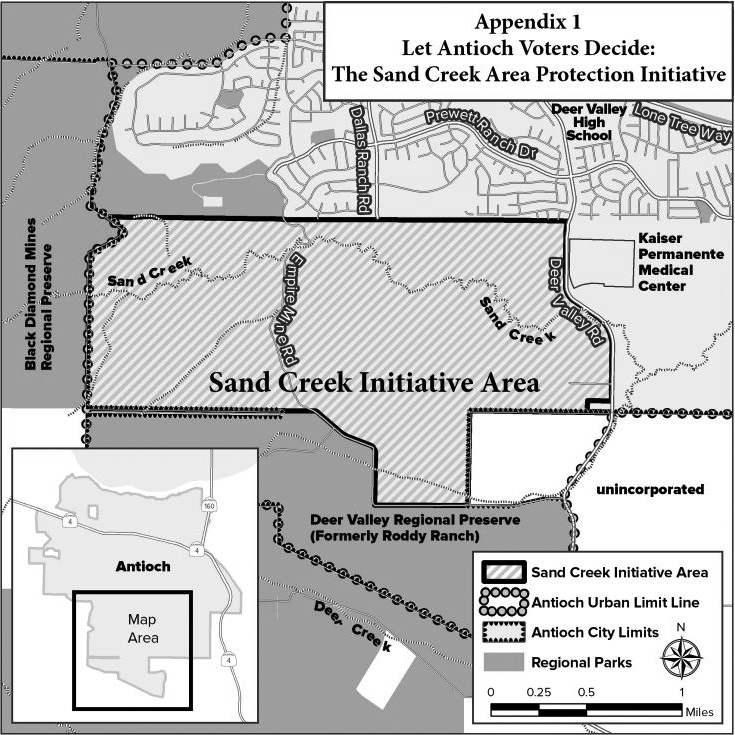
If Brentwood doesn’t want them, those are the kind of homes Antioch wants and needs for our housing mix, especially now that Roddy Ranch is permanent open space and the homes planned for the western Sand Creek area might never be built.

Filed Under: East County, Growth & Development, Opinion

On split vote by Supervisors county to temporarily stop collecting “discriminatory” adult criminal justice fees

September 19, 2019 By Publisher Leave a Comment

Direct DA’s office to reopen 2005 Lafayette murder case; approve new land development fees

By Daniel Borsuk

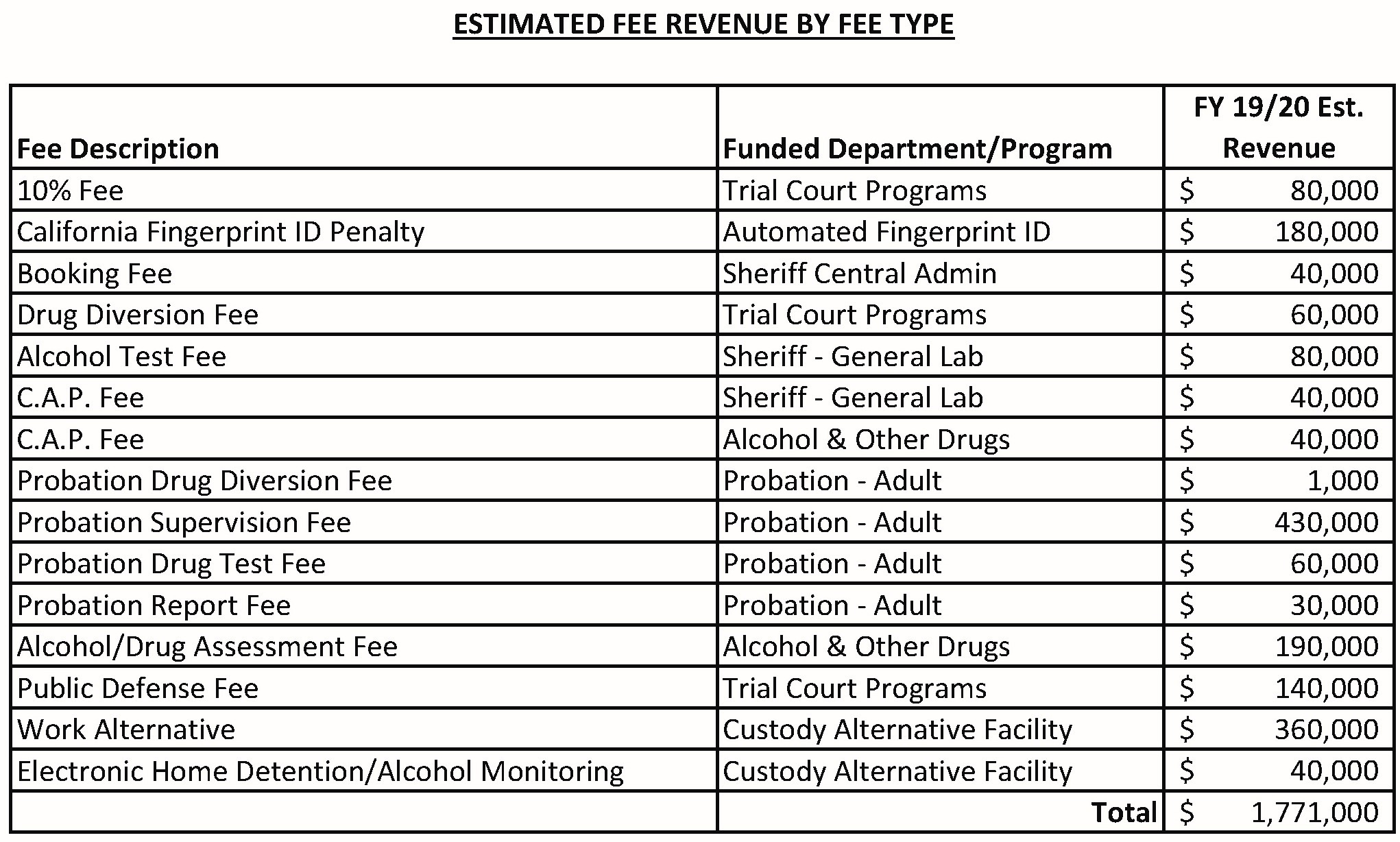
On a thin 3-2 vote, the Contra Costa County Board of Supervisors on Tuesday slapped a temporary moratorium on the County’s collection and assessment of 14 Adult Criminal Justice Fees that will cost the county $1.8 million in revenue a year should the moratorium become permanent.

During Public Safety Committee meetings, Chairperson John Gioia of Richmond and Supervisor Federal Glover of Pittsburg agreed with citizen committee members the fees are discriminatory to persons of color and likely result in longtime economic or financial hardship for persons who had a criminal record.

An “aye” vote from District 3 Supervisor Diane Burgis of Brentwood meant the county will temporarily stop the collection of fees, including the Sheriff Central Administration’s Booking Fee that will generate about $40,000 in 2019/2020, and the Adult Probation Supervision Fee that potentially could have generated nearly $1.8 million in 2019/2020 revenue.

The temporary moratorium will be effective immediately with the Board expecting to reevaluate the moratorium’s progress no later than Dec. 31, 2019. Supervisors will reassess the value of the moratorium at a December meeting.

Even though the county’s coffers are plentiful, with supervisors also officially adopting on a 5-0 vote the county’s $3.6 billion 2019-2020 final budget, the county is spending funds at a rapid pace through newly inked employee-union labor agreements like a 3.44 percent pay hike for social workers, an 8 percent salary raise for county supervisors that went into effect in July, and tacking on an additional $7.5 million in costs to the new Administration Building and new Emergency Operations Center/Public Safety Building to improve the security and communication capabilities during emergencies.

During a three-hour discussion on the item, Board Vice Chair Candace Andersen consistently opposed the moratorium on grounds that by dropping the fees for all persons, individual with the financial resources will benefit the most. “There are a lot of people who are committing these crimes who have the ability to pay these fees,” said the supervisor from Danville. “There is no reason why we shouldn’t be assessing these fees.”

In arguing against the proposal, District 4 Supervisor Karen Mitchoff said the elimination of $1.8 million of criminal justice fees could financially impact social and health programs such as drug diversion programs that assist persons with criminal records. “I cannot support the moratorium at this time,” the supervisor from Pleasant Hill declared.

But there were a number of citizens in support of the proposal to eliminate the fees.

“There are many people I have represented who 15 to 20 years later did not know that they’d have their wages garnished or face the ongoing inability to pay even though they have jobs and families,” said Mary Sylla, an attorney at Rubicon Programs.

“We urge you to do the right thing,” pleaded Ali Saidi, head of the Contra Costa Public Defenders Association, “These fees impact people of color.”

Request to Reopen Lafayette Murder Case Referred to DA’s Unit

Antioch private investigator and former Antioch Councilman Ralph Hernandez’s pitch, to have the 2005 murder case of Pamela Vitale of Lafayette reopened, got the thumbs up from the board of supervisors. The case was referred to Contra Costa District Attorney’s newly created conviction integrity unit. In this instance, Scott Dyleski, who Hernandez represents, was convicted for the October 2005 murder of Vitale.

“Your assistance in directing such from your two agencies (D.A.’s Office and Public Defender’s Office) is more than warranted,” Hernandez said. “Fourteen years of Scott’s youth has already been denied him and he still faces many more if this very serious matter is just ignored by all. Pamela Vitale’s memory deserves that the truth be determined, not ignored.”

Supervisors did not comment openly about the case, but Gioia consented that at least the DA’s new conviction integrity unit review the case.

New Land Development Fees Approved

Without opposition from either supervisors or the public, supervisors unanimously approved new land development fees charged for services performed by the Department of Conservation and Development and the Public Works Department starting March 1, 2020.

Some fees like encroachment fees have not been adjusted since 1995 and in many instances, rates are decreasing “due to economy of scale,” John Kopchik, director of the Contra Costa County Department of Conservation and Development told the Contra Costa Herald.

Supervisors withheld action on a proposal to charge a $1,000 fee for the time and materials needed to submit and process applications for nomination of a building or cultural resource for consideration before the Historical Landmarks Advisory Committee.

“The Historical Landmarks Advisory Committee believes that the current and proposed fees of $1,000 deposit and time and materials required to submit and process applications to nominate historical and cultural resources to the County’s Historic Resources Inventory (HRI) are a deterrent to public participation in the program.

“The HLAC voted at their meeting held on August 8, 2019 to make a formal recommendation to the Board of Supervisors to reduce these fees to encourage organizations or individuals to nominate potential resources to be designated to the HRI,” Historic Landmark Advisory Committee staff member Dominique Vogelpohl wrote on August 26.

Filed Under: Crime, Growth & Development, News, Supervisors

BART to Antioch, former Lafayette city manager honored with first-ever Bay Area Metro Awards

June 6, 2019 By Publisher Leave a Comment

A two-car eBART train in the middle of Highway 4 between Hillcrest Avenue and A Street/Lone Tree Way. Herald file photo.

Among 13 winners named from across the nine-county region

Steven Falk. Photo by City of Lafayette.

The Metropolitan Transportation Commission (MTC) and the Association of Bay Area Governments (ABAG) joined forces to present the first Bay Area Metro Awards Thursday, at a ceremony in Oakland recognizing 13 people, projects, organizations and local governments advancing solutions to ease the Bay Area’s housing crisis, improve the transportation system or make the nine-county region more resilient.

Winners include:

BART to Antioch: For the 10-mile rail extension from the former Pittsburg terminus along the Highway 4 median to a pair of new stations at Pittsburg Center and Antioch.

Steven Falk: For his years of committed service to the city of Lafayette as city manager. He retired last September after 38 years working for the city.

UC Berkeley’s Y-PLAN Team: For the program that brought young people’s ideas into a regional challenge to develop community-based solutions to climate change.

Sonoma-Marin Area Rail Transit (SMART): For the successful start of rail service connecting Sonoma and Marin counties.

HayWired Earthquake Scenario: To the U.S. Geological Survey and partners for studying a hypothetical 7.0 magnitude quake in the East Bay to help shape public policy for earthquake safety and planning.

Pacific Beach Coalition: For organizing volunteers over the past 21 years to clean up beaches along the San Mateo Coast.

Acquisition of the 23rd Avenue Community Building in Oakland: To the Oakland Community Land Trust and others, permanently preserving it as an affordable, mixed-use building.

San Francisco Bay Restoration Authority: For work on the Clean Water, Pollution Prevention and Habitat Restoration Measure – Measure AA – which was approved by voters in 2016 to tax themselves to help restore Bay Area wetlands.

Joint Workforce Investment Apprenticeship Program: To a partnership between the Santa Clara Valley Transportation Authority (VTA), its Amalgamated Transit Union (ATU) Local 265, and Mission College to support the professional development of VTA employees.

San Leandro Homeless Compact: For the efforts of three partner organizations to end homelessness in the city of San Leandro: the city, the Rental Housing Association of Southern Alameda County, and the non-profit Building Futures with Women and Children.

Carl Guardino, Gabriel Metcalf and Jim Wunderman: For their dedicated and tireless work advocating for Regional Measure 3, the voter-approved 2018 measure which raised bridge tolls to fund transportation improvements and congestion relief projects.

LEGISLATIVE AWARD: Hon. Jim Beall, California State Senator.

GRAND AWARD: Recognizes three public transit operators and a public energy program for their work to save lives, protect communities and aid in rebuilding in response to the October 2017 North Bay fires:

  • Santa Rosa CityBus
  • Sonoma Clean Power, Advanced Energy Rebuild Program
  • Sonoma County Transit
  • Vine Transit (Napa County)

Launched jointly by ABAG and MTC in September 2018 with a call for nominations, the new awards program honors positive impacts on the Bay Area’s mobility, affordability, resilience and community; and recognizes efforts that make the region a better place to live, work and play.

“We honor this year’s winners to say thank you for the work they are doing and we hope that the winners’ stories will inspire others to strive for excellence in their daily tasks,” said ABAG President and MTC Commissioner David Rabbitt.

Winners received a specially designed Bay Area Metro Award at the recognition ceremony.  A six-member jury that included members of ABAG’s and MTC’s governing boards, as well as staff and a community representative, met to consider some 80 nominations in early 2019. The list of winners, with more details, can be found here: https://mtc.ca.gov/whats-happening/news/special-features/2019-bay-area-metro-award-winners.


Filed Under: BART, East County, Growth & Development, Lamorinda, News, Transportation

Construction begins on new $90 million, 144-unit apartment community in downtown Danville

May 29, 2019 By Publisher 5 Comments

Rendering of the Alexan Downtown Danville project in downtown Danville. Courtesy of Trammell Crow Residential.

Trammell Crow Residential (TCR), the multifamily real estate developer, along with Town of Danville Mayor Robert Storer, City Councilmembers and other local leaders, recently celebrated a construction milestone on the first new residential rental community in Danville, the Alexan Downtown Danville, which will offer 144 luxury apartment homes located within walking distance of Danville’s Historic Downtown District. The new $90 million apartment community located at 375 Diablo Road in Contra Costa County commenced framing and is scheduled for completion in summer 2020.

“This is the first apartment development of scale that has been approved by the Town of Danville in decades,” said TCR’s Senior Managing Director Bruce Dorfman. “Danville is one of the East Bay’s most prestigious and supply-constrained communities. The existing apartment stock is very limited and does not contain any Class A product and, with an average vacancy of 1 percent, renters have very few options. Pair that with the lack of affordability of for-sale housing, and Alexan Downtown Danville will provide a favorable option for first-class living in a highly sought-after, walkable downtown location.”

Danville Town Councilmembers Newell Americh, Renee Morgan and Lisa Blackwell, Bruce Dorfman, Senior Managing Director, Trammell Crow Residential, Davnville Mayor Robert Storer, Vice Mayor Karen Stepper, Vice Mayor, and Town Manager Joe Calabrigo at the ceremony for the Alexan Riverwalk project, May 15, 2019. Photo courtesy of Trammel Crow Residential

Situated at the intersection of Diablo Road and I-680 on 3.75 acres, Alexan Downtown Danville will offer convenient access to I-680 freeway and the East Bay’s major job centers as well as the Walnut Creek BART Station, just eight miles north from the site. Danville’s community of nearly 48,000 people provides a small-town atmosphere, with highly regarded schools and an outstanding quality of life. Furthermore, Danville was once again named the safest city in the state of California, according to SafeWise, an online safety resource, which analyzed the state’s communities to find the 50 safest cities.

“This is truly a remarkable day in Danville history,” said Mayor Robert Storer, Town of Danville. “This project will allow Danville to achieve its workforce housing numbers, but more importantly, it will allow 144 families to appreciate the comfort and safety this town offers its residents. It’s a wonderful community to live, work and raise your family.”

According to Dorfman, TCR is working with the Town to build a pedestrian bridge over San Ramon Creek to provide a direct link from the new apartment community to Danville’s Historic Downtown District, the public library, Danville Community Center, quality schools, and other public amenities. Residents will also have convenient access to shopping, restaurants, services, entertainment, museums and parks, making this site an ideal location for individuals as well as families.

In addition to the amenities of the Town of Danville, residents of Alexan Downtown Danville can enjoy residential units that are well-appointed and offer finishes more frequently found in custom single-family homes. The apartment community’s amenities include a clubhouse with a lounge, conference room and business center, state-of-the-art fitness center, and a package concierge. Outdoor amenities include a resort-style pool and spa, fire pit, an outdoor kitchen, grill stations and dining area, a children’s play area, pet park, and vista overlooking the adjacent San Ramon Creek. Alexan Downtown Danville will also have gated, private subterranean parking with electric vehicle charging stations.

The unit mix consists of a wide variety of floor plans including studios, one-bedroom, two-bedroom and three-bedroom apartments and townhomes, ranging in size from approximately 500-square feet to 1,600-square feet. According to Dorfman, over half of the units will offer two- and three-bedroom configurations, which is not typical of apartment communities. “We think the townhomes and larger units will be very appealing to young families and single-parent households with children,” noted Dorfman.

“I appreciate the long-term relationship between Trammell Crow [Residential] and the Town of Danville and acknowledge your good work towards making apartment living in Danville a reality,” said Mayor Storer. “Together we will enjoy a place that will bring new families to Danville who will enjoy all of its splendor and allow the next generation of families to call Danville home.”

TCR’s equity partner for the Alexan Downtown Danville is Barings Real Estate Advisers and the construction lender is Wells Fargo. LCA Architects is the project architect; Gates + Associates is the landscape designer; and Carlson, Barbee & Gibson is the civil engineer.

About Trammell Crow Residential

Trammell Crow Residential (TCR) is a national multifamily real estate developer with a local presence in 13 key U.S. markets.  Over 40 years, TCR has built over 250,000 premier multifamily residences, delivering amenity-rich communities in economically thriving locations nationwide. TCR and Crow Holdings Industrial (CHI) are part of the development platform of Crow Holdings, a privately-owned real estate investment and development firm with a 70-year history and a proven track record of performance, partnership, and innovation. For more information, please visit TCR.com.

Filed Under: Growth & Development, News, San Ramon Valley

Supervisors give thumbs down to Seeno III’s proposed 13,888 square foot Alamo mansion

June 7, 2018 By Publisher 1 Comment

By Daniel Borsuk

After listening to 15 speakers knock down Concord-based Discovery Builders Inc. for allegedly skirting state environmental impact report laws and potentially imposing accessibility safety hazards in the tony Alamo Summit neighborhood, Contra Costa County Board of Supervisors axed the proposed 13,888 square foot mansion on a 5 to 0 vote Tuesday.

District 2 Supervisor Candace Andersen of San Ramon made the motion to deny Discovery Builders’ appeal to use its 1992 development’s environmental impact report for what was then a 32-unit housing development on three lots and to consolidate those lots for the construction of one massive dwelling.

According to the staff report, “the project site is located within the boundaries of Alamo Summit, a 37-lot subdivision (SD 7553) that was previously approved by the County. The Alamo Summit subdivision is located on a hillside at the southern terminus of Castle Crest Road, approximately ½ mile west of Danville Boulevard at Livorna Road.”

Concerned that the 1992 environmental impact report might not meet 2018 standards, the supervisor said, “I move to deny the appeal.  The developers must do a reversion. They must start CEQA (California Environmental Quality Act) from scratch.”

Supervisor John Gioia of Richmond seconded Andersen’s motion.

Supervisors backed a Planning Commission’s and Department of Conservation and Development recommendation that the development should be rejected because of the “significant hazards” to residents that would exist on Ridgewood Road, especially during construction of the proposed house.

Discovery Builders Inc. president Louis Parsons left the supervisors board hearing room so quickly after the supervisors vote that this reporter was unable to track him and down to ask him and Albert Seeno, III who was also present in the supervisors hearing chambers, whether the Seeno affiliate company plans to abide by the supervisors’ ruling and draft a new EIR that could cost thousands of dollars and delay the development for at least several years.  A telephone call to Discovery Builders Inc. went unanswered.

In looking for cost-cutting measures during construction, Discovery Builders plans to use gravel rather than paving the road with asphalt when construction trucks ramble up and down narrow Ridgeway Road that is 16 feet wide.

Prior to the supervisors’ action, speakers hammered away at the proposed Alamo Summit residential project.

“This is an incomplete proposal,” commented Brenda Hoppler of nearby Rossmoor “because the California Environmental Quality ACT has expired, and the developer would need to do a separate environmental review.”

Ken Hoffman of the Castlerock Homeowners Association said a new environmental review is necessary because Ridgeway Road is only 16 feet wide and would probably mean the temporary closure of the road during construction of the Discovery Builders development.  “This would mean some residents would be trapped in an emergency,” he said to the proposal to provide a gravel road during construction won’t work in an emergency.

Contra Costa Fire Protection Report Requested

Board Chair Karen Mitchoff has requested that the Contra Costa Fire Protection District submit a written report in response to a Bay Area News Group article that was published on Sunday, June 3, that more than 400 apartment buildings in the Bay Area have not undergone inspections by local fire departments.

The article said in Contra Costa County 25 percent of the apartment buildings have not undergone inspections.  Overdue apartment building inspections were found mainly in Walnut Creek, Lafayette, Concord, Martinez, Pittsburg, and Antioch.

Filed Under: Central County, Growth & Development, News

Save Mount Diablo partners with real estate firm to raise funds for land purchases

October 8, 2017 By Publisher Leave a Comment

The Sand Creek Focus Area inside Antioch’s and the county’s voter-approved Urban Limit Lines is planned for 4,000 new homes, including 1,200 that are already approved. Photo by Michael Amorosa

Paragon Real Estate Group and Save Mount Diablo are pleased to announce a creative new partnership to further the protection of the Mount Diablo area as the real estate industry depends on quality of place.

The beautiful natural open lands of the Mount Diablo area serve as the nourishing and distinguishing foundation for the East Bay’s communities – from affording us with outdoor recreational and educational opportunities, stunning scenic vistas, critical wildlife habitat, water resources, and local agriculture to making our area a desirable place to live, work and visit.

With this partnership Paragon Real Estate Group and Save Mount Diablo are putting into action the recognition that we cannot take our natural foundation and competitive economic advantage for granted.  According to At Risk: The Bay Area Greenbelt 2017: “Across the eight Bay Area counties addressed in this report, Contra Costa County has the most total land at risk; about one out of every five acres of threatened land in the region is in Contra Costa.  Contra Costa also has the most land at high risk, land that could be developed in the near term.”  Further, it is projected that about 2 million more people will move to the Bay Area by 2045 which will put further pressures on the natural resources of the Mount Diablo area.

Paragon Real Estate Group is the first real estate company in our area to join Save Mount Diablo’s new program for real estate professionals.  Under this program, Paragon will provide Save Mount Diablo membership gift packages to all its clients at closings and other special occasions.  This will provide a unique and meaningful way to welcome someone to their new community and get them involved with the local non-profit organization that is helping protect their recent real estate investment and quality of life through its efforts to conserve the lands of the Mount Diablo area. 

“We are grateful for Paragon’s leadership and long-term vision in stepping up to join Save Mount Diablo’s new program for real estate professionals,” said Ted Clement, Save Mount Diablo Executive Director. “The real estate industry can do much to help us protect the natural beauty of the Mount Diablo area for the benefit of all.”

“At Paragon, we believe in the value of open spaces. Even with the enormous pressure for housing in the bay area, it’s important that we focus as a business on what we can do to contribute to the overall quality of life for all of our residents,” added Hank Perry, President of Paragon Real Estate Group of Contra Costa. “Among the many reasons people choose to live here are the love of the mountain’s natural beauty, and the many places it provides us to enjoy outdoor recreation with our friends and family.  We know the mission of Save Mount Diablo contributes greatly to all of our residents in this regard, and we choose to support it.”

The Save Mount Diablo membership gift package menu that real estate professionals can choose from in putting together a gift for their clients at closings follows:

About Save Mount Diablo

Save Mount Diablo is a nationally accredited, non-profit land trust founded in 1971 with a mission to preserve Mount Diablo’s peaks, surrounding foothills, and watersheds through land acquisition and preservation strategies designed to protect the mountain’s natural beauty, biological diversity, and historic and agricultural heritage; enhance our area’s quality of life; and provide recreational opportunities consistent with the protection of natural resources. Located at 1901 Olympic Blvd., Ste. 320, Walnut Creek, CA, 94596. Learn more at www.savemountdiablo.org 

About Paragon Real Estate Group

Paragon Real Estate Group is known for representing the most beautiful homes in the Bay Area, but it is more than just a residential real estate company. Diverse by design, our breadth of expertise also covers investment, new developments, commercial, and leasing. Our agent bench is deep: we hire the right people and help turn them into solid, high-producing agents with second-to-none support and training resources. Located at 1400 Van Ness Avenue, San Francisco, CA, 94109. Learn more at https://www.paragon-re.com/

Filed Under: Business, Environment, Growth & Development, News

Supervisors approve $100 million mixed-use Saranap development between Walnut Creek and Lafayette

August 16, 2017 By Publisher 2 Comments

Artist’s rendering of the approved Saranap Village Development near Walnut Creek. Courtesy of Hall Equities Group.

By Daniel Borsuk

After five futile years, developer Mark Hall finally got the green light from the Contra Costa County Board of Supervisors to build his $100 million mixed-use Saranap Village Development in unincorporated Walnut Creek on Tuesday.

Site A

A jubilant Hall told the Contra Costa Herald after the supervisors voted 5-0 that he plans to begin construction of the major residential-commercial development in mid-2019. It will be located on 4.6 acres on the southwest side of the Highway 24 and Interstate 680 interchange, clustered around the intersection of Boulevard Way and Saranap Avenue.

Of the 45 persons speaking before the supervisors, 42 supported the proposed project, that will provide 122 rental apartment units and 76 residential condominium units, which were a key selling point for supervisors, especially Supervisor Candace Andersen whose District 2 includes the development site.

Longtime Saranap resident Jennifer Russell was one of the few opponents.  She said the development’s 71 feet height is too tall for the residential area.

“We’re really a residential area,” said Russell.  “Keep the development a bit smaller.”

Russell preferred that the project height be scaled down to 57 feet.

Sharon Lyons, a Saranap resident since 1958, welcomed the project that will bring about 21,522 square feet of commercial space.

“This development will make the area a destination area for us.  It will be a wonderful addition for our area,” she said.

Site B/B1

Giving the project an added architectural punch will be a traffic roundabout that will feature a piece of public art work on Boulevard Way.

“This is a beautiful project,” Supervisor Andersen said.  “We need all types of housing in the Bay Area.  One hundred ninety-eight new residential units is a good step forward.”

“This is a poster child project that shows how the community and developer can work as a team,” said District 1 Supervisor John Gioia of Richmond.  “Unfortunately, this project should not have taken this long, yet it is one of the best projects that I have seen.”

Mary Brooks of the Walnut Creek Chamber of Commerce urged supervisors to approve the development that will also include an outdoor seating area along Boulevard Way for commercial tenants.

As part of the deal with the county, Hall has established a Saranap Area Plan with a $50,000 startup fee.  The plan will serve as a guide for future commercial development, architecture, and the future location of a park for the Saranap area.

Other features of the Saranap Village Mixed-Use Project include:

  • 492 on-and off-street parking spaces
  • Narrowing of a portion of Boulevard Way from four lanes to two lanes.
  • Installation of diagonal on-street parking along Boulevard Way and Saranap Avenue.
  • New traffic median on Boulevard Way at Flora Avenue.
  • Earth moving activities consisting of about 26,500 cubic yards of cut and about 2,615 cubic yards of fill.

Site C

So far Hall’s Saranap Village Developers LLC has paid the county $26,095 in total fees for the General Plan amendment ($5,000), rezoning review ($14,745), tentative subdivision map review ($2,850), and for the final development plan ($3,500).

Five days after project approval, the developer is expected to pay the California Department of Fish and Wildlife a CEQA filing fees of $3,078.25 and a $50 processing fee with the county clerk.

Once the project is completed, Contra Costa County estimates to draw $864,416 in yearly tax revenue from the development, an increase from the estimated $14,000 a year in tax revenue that the county now draws.

For more information on the project, visit http://www.cccounty.us/5195/Saranap-Village and http://saranapvillage.com/.

Filed Under: Central County, Growth & Development, News, Supervisors

  • « Previous Page
  • 1
  • …
  • 3
  • 4
  • 5
  • 6
  • Next Page »
RepublicServices-Antioch-ad (1)
Furniture-Clrnc-Outlet-0626
Monica's dinner 05-26 CCH
Celia's-06-26
Delta-RC-A (2)
Deer-Valley-Chiro-06-22

Copyright © 2026 · · Contra Costa Herald · All Rights Reserved