• Home
  • About The Herald
  • Local Agencies
  • Daily Email Update
  • Legal Notices
  • Classified Ads

Contra Costa Herald

News Of By and For The People of Contra Costa County, California

  • Arts & Entertainment
  • Business
  • Community
  • Crime
  • Dining
  • Education
  • Faith
  • Health
  • News
  • Politics & Elections
  • Real Estate

Contra Costa Transportation Authority, Beep launch autonomous shuttle service at Rossmoor

August 2, 2024 By Publisher Leave a Comment

Rossmoor residents try out the new PRESTO autonomous vehicle on Thursday, Aug. 1, 2024. Video screenshot source: CCTA

PRESTO serving Walnut Creek’s 55+ active senior community

Second pilot program conducted by partnership, data collected to help advance autonomous vehicle standards nationwide

WALNUT CREEK, Calif., August 1, 2024, – Contra Costa Transportation Authority (CCTA) launched its second PRESTO autonomous shuttle service today that increases transportation access for seniors with Beep, Inc., a leading provider of autonomous shared mobility solutions. With this launch, residents of the active senior Rossmoor 55+ community can now take advantage of the free pilot shuttle program aimed at providing easy, stress- and emission-free transportation. The shuttle will run on a pre-programmed loop Monday to Friday from 7 a.m. to 5 p.m. with a trained attendant on board.

“CCTA is proud to offer nationally recognized mobility solutions, while also championing local communities, making it easier and safer to travel,” CCTA Chair Newell Arnerich said. “CCTA is committed to making transportation accessible for all. We chose Rossmoor to pilot an alternative to driving so residents can maintain activities that keep them socially connected while experiencing a cutting-edge transportation network.”

As a spacious gated community, Rossmoor is an ideal testing ground for an autonomous vehicle program. Driven by Oxa, a global provider of self-driving vehicle software, the shuttles carry seven seated and secured passengers, plus a trained attendant to provide riders with a safe and informed experience. The shuttle network is also remotely monitored by the Beep Command Center to ensure operational safety at all times.

Source: CCTA.

By demonstrating at Rossmoor, CCTA can learn what works best for the 55+ community. Passenger feedback will help shape the future of this technology, as federal transportation officials plan to use PRESTO pilot data to advance standards in automated mobility. The pilot is funded by a grant from the U.S. Department of Transportation.

“We are excited to partner with CCTA again, bringing the PRESTO autonomous mobility network to Rossmoor,” said Joe Moye, Beep CEO. “This collaboration underscores our shared vision of leveraging innovative technologies and services to enhance community access to first- and last-mile transportation. Beep autonomous shuttles in Rossmoor will provide reliable and safe transit options, connecting residents to key destinations, people, and opportunities within the community.”

Rossmoor is the second site where CCTA has launched an autonomous vehicle pilot. The first of four proposed pilots was launched in 2023 by CCTA at Bishop Ranch business park in San Ramon. To date, the Bishop Ranch autonomous shuttles have safely transported more than 1,600 passengers. CCTA is expected to introduce a future autonomous vehicle program in the City of Martinez this summer. (See related article)

The new PRESTO autonomous vehicle is now serving Rossmoor in Walnut Creek. Photo: CCTA

To learn more about PRESTO at Rossmoor, visit https://ridepresto.com/rossmoor/

About the Contra Costa Transportation Authority

The Contra Costa Transportation Authority (CCTA) is a public agency formed by Contra Costa voters in 1988 to manage the county’s transportation sales tax program and oversee countywide transportation planning efforts. CCTA is responsible for planning, funding, and delivering critical transportation infrastructure projects and programs that connect our communities, foster a strong economy, increase sustainability, and safely and efficiently get people where they need to go. CCTA also serves as the county’s designated Congestion Management Agency, responsible for putting programs in place to keep traffic levels manageable. More information about CCTA is available at ccta.net.

About Beep

Beep, Inc. delivers the next generation of autonomous, electric, shared mobility networks through its AI-enabled AutonomOS™ software platform and mobility-as-a-service offerings. Specializing in planning, deploying and managing autonomous transportation services for private and public communities, Beep safely connects people, places, goods and services with solutions that reduce congestion, eliminate carbon emissions, improve roadway safety and enable mobility for all. Beep utilizes artificial intelligence insights and vast data learnings from its deployments to enhance and advance the safety, rider experience, and operating capabilities of autonomous transportation platforms. For more information visit www.ridebeep.com.

Filed Under: Central County, News, Seniors, Technology, Transportation

CHP announces first arrest using state-of-the-art smart Flock cameras in Bay Area

July 5, 2024 By Publisher Leave a Comment

The Flock Safety camera system technology was used to ID the shooting suspect’s vehicle. He was stopped, arrested and his gun, ammunition and drugs were confiscated. Photos (left & center) by Flock Safety, (right) by CHP

Bay Bridge road-rage shooting suspect from San Pablo identified, arrested by Contra Costa Sheriff’s Deputies

6’7″ felon charged with attempted murder, multiple gun crimes

By Jaime Coffee, Director of Communications, CHP Office of Media Relations

A freeway shooting suspect is in custody and a firearm has been recovered after a road rage incident on the San Francisco – Oakland Bay Bridge (SFOBB) early Monday morning, July 1, 2024. The suspect was identified through one of the newly installed high-tech “Flock” cameras, which provide law enforcement with real-time information and alerts to identify and locate vehicles associated with criminal activity. California Governor Gavin Newsom announced the purchase of the cameras as part of the state’s ongoing public safety investments and work in the East Bay to combat criminal activity and freeway violence.

“Through new state-of-the-art technology and the deployment of officers, California is doubling down in our efforts to keep our communities safe. I thank the California Highway Patrol and allied agencies for their persistent work to secure accountability in this case and help ensure that Californians are safe and secure,” said Governor Gavin Newsom.

“The CHP is excited to have this new technology located on freeways in the Bay Area,” said Commissioner Sean Duryee. “Our investigators will utilize this technology to identify and apprehend those who engage in criminal activity and put California’s motorists at risk.”

On Monday, July 1, 2024, at approximately 6:40 a.m., officers assigned to the CHP’s San Francisco Area office were dispatched to a call of a freeway shooting on westbound Interstate-80, just west of the Treasure Island on-ramp. Officers were advised, the victim in the incident was not struck by the bullet; however, she received lacerations from flying glass inside the vehicle. The victim was able to safely exit the freeway, into the city of San Francisco, where he was met by officers and paramedics.

Detectives from the CHP’s Golden Gate Division Special Investigations Unit (SIU) responded to the scene and spoke with the victim, who mentioned the shooting took place following a merging conflict on the Treasure Island on ramp. A description of the suspect vehicle was obtained, allowing detectives to begin a review of Flock camera data. Detectives quickly identified the suspect vehicle and obtained a license plate number, which allowed them to issue a “Be on the lookout” (BOLO) broadcast to Bay Area law enforcement agencies.

At approximately 10:20 a.m., Contra Costa County Sheriff’s deputies located the vehicle traveling on 7th Street near Pennsylvania Avenue in Richmond and conducted an enforcement stop. The driver, 42-year-old Adrian Martinez Emerson of San Pablo, Calif., was detained and turned over to SIU detectives for questioning. A search of Emerson’s 2016 Honda Accord resulted in the recovery of a pistol believed to have been used in the shooting.

Emerson was subsequently booked into San Francisco County Jail on felony charges of attempted murder, assault with a firearm, and discharging a firearm from a vehicle.

According to localcrimenews.com, the six-foot, seven-inch, 170-pound Emerson is Black and was previously arrested by Richmond Police in 2014 on felony parole violation while he was an Antioch resident. No additional information could be located from an online search about Emerson’s previous conviction.

According to the San Francisco Sheriff’s Office, he is being held on no bail and is also include discharge of a firearm at an inhabited enclosure or vehicle, possession of firearm with prior conviction and by a felon, assault with a semi-automatic firearm, carrying a loaded firearm when not the registered owner, possession of ammunition, having a concealed firearm in a vehicle and carrying a loaded firearm. His court date has not yet been set.

The mission of the CHP is to provide the highest level of Safety, Service, and Security.

Allen D. Payton contributed to this report.

Filed Under: CHP, Crime, News, Sheriff, Technology, West County

Four Bay Area students form company, create award-winning app to diagnose Parkinson’s disease

July 3, 2024 By Publisher Leave a Comment

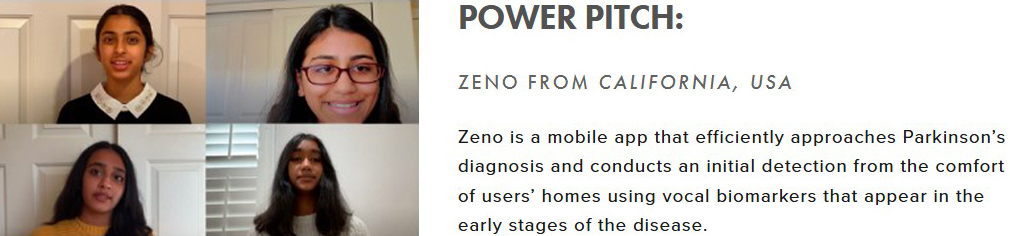
The Zeno team: (left to right) Amala Valiveti, Anya Iyer, Eshaani Singh and Diya Vatsavai. Photo courtesy of Anya Iyer

Including Dougherty Valley High senior; is voice activated

By Allen D. Payton

Four high school friends from San Ramon and San Jose have formed a company and developed an app to help diagnose Parkinson’s disease. Zeno was formed by Anya Iyer, incoming senior at Dougherty Valley High School in San Ramon, who serves as the company’s CEO, Diya Vatsavai, incoming junior at Valley Christian High School in San Jose, who is the company’s Chief Technology Officer, Amala Valiveti, an incoming senior at Silver Creek High School in San Jose, Zeno’s Chief Financial Officer, and Eshaani Singh, an incoming senior at Evergreen Valley High School, also in San Jose, who serves as the Chief Marketing Officer for the company.

The four girls met in elementary school. “We all four had been friends in elementary and middle school before going off to different high schools,” the young CEO shared.

“We formed the company before fully developing the app,” Iyer explained. “We started the actual idea itself in June 2021, established Zeno as a company in June 2022, and then finished developing the prototype and testing around June 2023.”

Company Description:

Zeno’s technology provides an efficient method of diagnosis for Parkinson’s disease based on vocal biomarkers. By detecting and analyzing early vocal impairments, Zeno’s system enables accurate and timely detection of the condition. This innovative tool enhances the diagnostic process, allowing for prompt interventions and treatment.

Zeno team won the Power Pitch Award at the 2022 Conrad Challenge. Source: Conrad Challenge

Their Story:

“We developed this application after our families were hit hard by Parkinson’s disease a few years ago,” Iyer shared. “This huge emotional toll on our families caused us to look into solutions for early diagnosis of Parkinson’s disease.”

“Looking into current market solutions, we noticed that many existing products either had low accuracy or were time-consuming and inaccessible for patients,” she continued. “After thorough research, we came across vocal impairments and biomarkers being one of the earliest hallmarks of Parkinson’s disease.”

Speaking with neurologists and medical professionals further deepened their understanding of the disease, and soon after, the team went to work developing their app. We spent months developing a machine learning algorithm and creating a viable business plan.

Eventually, they not only were able to share this app with their community, but the team also won the 2022 Power Pitch Award at the Conrad Challenge, an international business competition, in the Health & Nutrition Category, and became a Semi-Finalist in the Diamond Challenge, a national competition. (See the team’s virtual pitch video)

Speaking at the NEXUS Global Summit were team members Eshaani Singh (right) and Anya Iyer (left). Photo courtesy of Anya Iyer

“Soon after, we were invited to speak at the NEXUS Global Business Summit in New York City as the youngest speakers there,” Iyer stated. “At the summit, we were exposed to various venture capitalists, industry professionals and fellow entrepreneurs, all who encouraged and inspired us to continue innovating and creating.”

Since then, we have worked on testing our product with patients and improving our current diagnosis performance, while also focusing on funding,” the young CEO shared. Our hope is for Zeno to improve the lives of families everywhere, one diagnosis at a time.”

Asked for more details about the company, Iyer shared, “Our company is privately held, but we are raising funds through PayPal and Venmo within our community.”

Filed Under: Business, Education, Health, News, Seniors, Technology

A $12.5 billion problem: California ranks #1 for cybercrime losses in 2023

May 29, 2024 By Publisher Leave a Comment

Source: FBI

Unveiling the top 10 U.S. states with highest cybercrime losses last year

By CyberNut

Cybercrime surged to unprecedented levels in 2023, resulting in over $12.5 billion in losses across the United States. Discover which states suffered the most significant financial impacts and delve into the factors driving these staggering losses in our comprehensive analysis.

  • California ranks #1 among states that experienced cybercrime loss
  • California lost around $2.16 billion in 2023. due to cybercrimes
  • California alone accounted for approximately 17.3% of the total cybercrime losses in the U.S. in 2023

Cybercrime has become a growing threat to businesses, schools, and individuals all over the United States, with more than $12.5 billion in potential losses incurred in the last year alone. But some states are bearing the brunt of the financial losses – is your state one of them?

“This can be attributed to the state’s large population (the largest in the U.S.), thriving tech industry, and high concentration of affluent individuals and businesses, making it an attractive target for cybercriminals,” notes Oliver Page, CEO of CyberNut.

Photo by Kaur Kristjan on Unsplash

Page delves into the top ten U.S. states that experienced the highest cybercrime losses in 2023, exploring the potential reasons behind these staggering figures.

Rank State Loss (in USD)
1 California 2,159,454,513
2 Texas 1,021,547,286
3 Florida 874,725,493
4 New York 749,955,480
5 New Jersey 441,151,263
6 Pennsylvania 360,334,651
7 Illinois 335,764,223
8 Arizona 324,352,644
9 Georgia 301,001,997
10 Washington 288,691,091
  1. Washington

Washington’s thriving tech industry makes it a prime target for cybercriminals. Oliver Page says, ‘With major tech companies like Microsoft and Amazon headquartered here, the state holds vast amounts of valuable data.’ Attacks on these giants and smaller businesses contributed to the state’s losses in 2023, which amounted to over $288 million.

  1. Georgia 

Atlanta’s status as a significant financial hub plays a role in Georgia’s cybercrime losses, which reached over $300 million last year. Oliver Page notes, ‘The state houses numerous banks and financial institutions, attracting cybercriminals seeking to exploit vulnerabilities in the financial sector.’

  1. Arizona

Arizona’s growing population and businesses make it susceptible to cyber threats. Small to medium-sized companies, often with fewer cybersecurity resources, become easy targets. The state’s focus on healthcare and education makes it a prime target for ransomware attacks.

Arizona lost over $320 million to cybercrimes last year.

  1. Illinois 

Illinois, particularly Chicago, is a center for business and commerce. The state’s diverse economy, including finance, healthcare, and manufacturing, offers cybercriminals a variety of lucrative targets. Cybercrimes in Illinois in 2023 reached over $335 million.

  1. Pennsylvania 

‘Pennsylvania’s large number of healthcare providers and insurance companies make it a prime target for data breaches,’ said Oliver Page. Cybercriminals exploit vulnerabilities in these sectors to steal sensitive information, leading to significant financial losses. In 2023, these losses amounted to some $360 million.

  1. New Jersey

New Jersey, in fifth place, experienced over $441 million in cybercrime losses, potentially due to its proximity to New York and its own thriving financial and pharmaceutical sectors.

  1. New York

Oliver Page says, ‘New York, the fourth-highest state, suffered nearly $750 million in losses, reflecting its status as a global financial hub and the presence of numerous high-profile companies and organizations, all of whom are a prime target for cybercriminals.’

  1. Florida 

Florida ranks third, with nearly $875 million suffered in cybercrime losses. ‘The state’s reliance on tourism, real estate, and financial services, as well as its large elderly population, make it vulnerable to scams and data breaches,’ Oliver Page says.

  1. Texas 

The state of Texas comes in second with over $1.02 billion in losses, likely due to its large population, diverse economy, and significant presence in industries like energy, finance, and healthcare, all of which are prime targets for cyberattacks.

  1. California 

California tops the list as the state with the highest cybercrime losses in 2023, reaching a staggering amount of nearly $2.16 billion.

Oliver Page notes, ‘This can be attributed to the state’s large population (the largest in the U.S.), thriving tech industry, and high concentration of affluent individuals and businesses, making it an attractive target for cybercriminals.’

Cybercrime’s Devastating Impact

These staggering cybercrime losses have a significant impact on the overall economy and financial system. Oliver Page says, ‘The theft of sensitive data, financial fraud, and disruption of critical infrastructure can lead to decreased consumer confidence, higher insurance premiums, and increased costs in every area for businesses and individuals.’

To mitigate these risks, businesses, organizations, and individuals in these high-risk states should implement robust cybersecurity measures, such as:

  • Regularly updating software and systems to address known vulnerabilities.
  • Implementing strong access controls, including multi-factor authentication and password management.
  • Providing comprehensive cybersecurity training for employees to recognize and respond to phishing attempts and other social engineering tactics.
  • Regularly backing up data and testing incident response plans to ensure business continuity in the event of a breach.
  • Cyber insurance should be considered to transfer some of the financial risk associated with cyber threats.

About CyberNut

CyberNut is a security awareness training solution built exclusively for schools. CyberNut’s automated campaigns train your school’s faculty, staff, & students to recognize and report the phishing emails and deep fake Al scams that are targeting your school district, making CyberNut the easiest and the most painless security awareness training solution to implement and manage for school IT departments.

Methodology

The data on U.S. states with the highest cybercrime losses is taken from the FBI’s Internet Crime Report 2023, Page 25 (https://www.ic3.gov/Media/PDF/AnnualReport/2023_IC3Report.pdf).  After collecting the data, we ranked it based on the highest losses to the respective state. The total amount of money lost ($12.5 billion) was taken from the same report.

Filed Under: Crime, FBI, News, Technology

Autonomous vehicles take center stage at annual Contra Costa Redefining Mobility Summit

May 9, 2024 By Publisher Leave a Comment

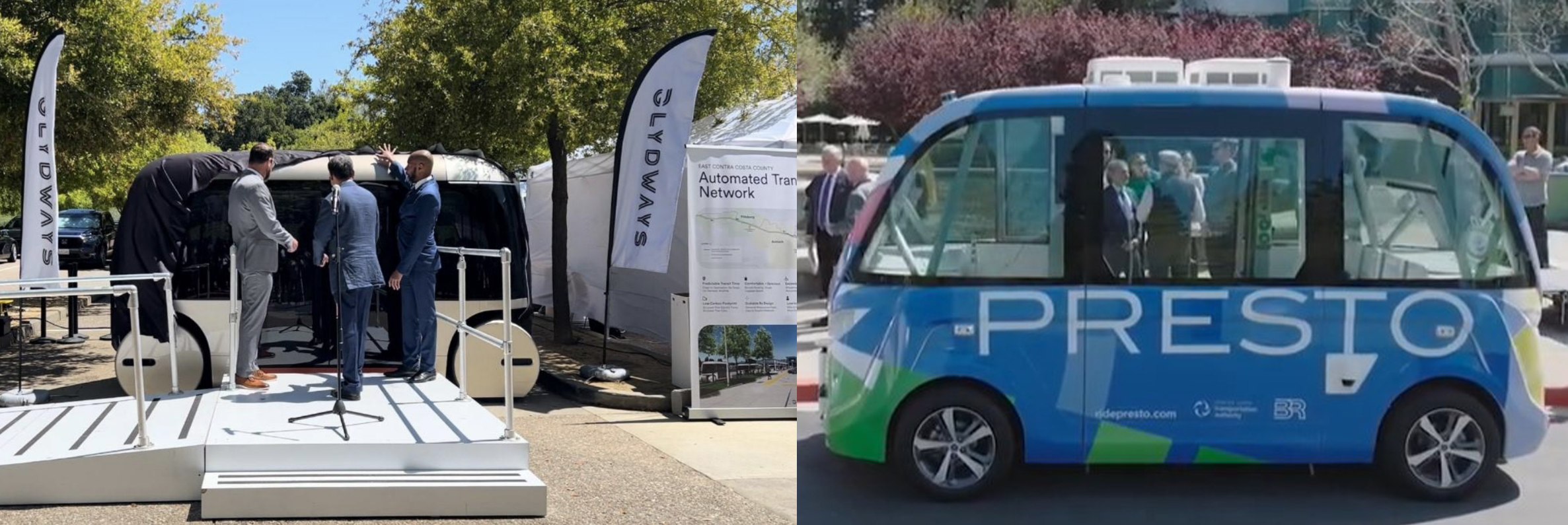
Glydways and BEEP automated vehicles were on display at the summit. Photo (left) and video screenshot by CCTA.

Transportation leaders convened in San Ramon to share strategies to build public trust, redefine mobility & develop the future workforce of transit

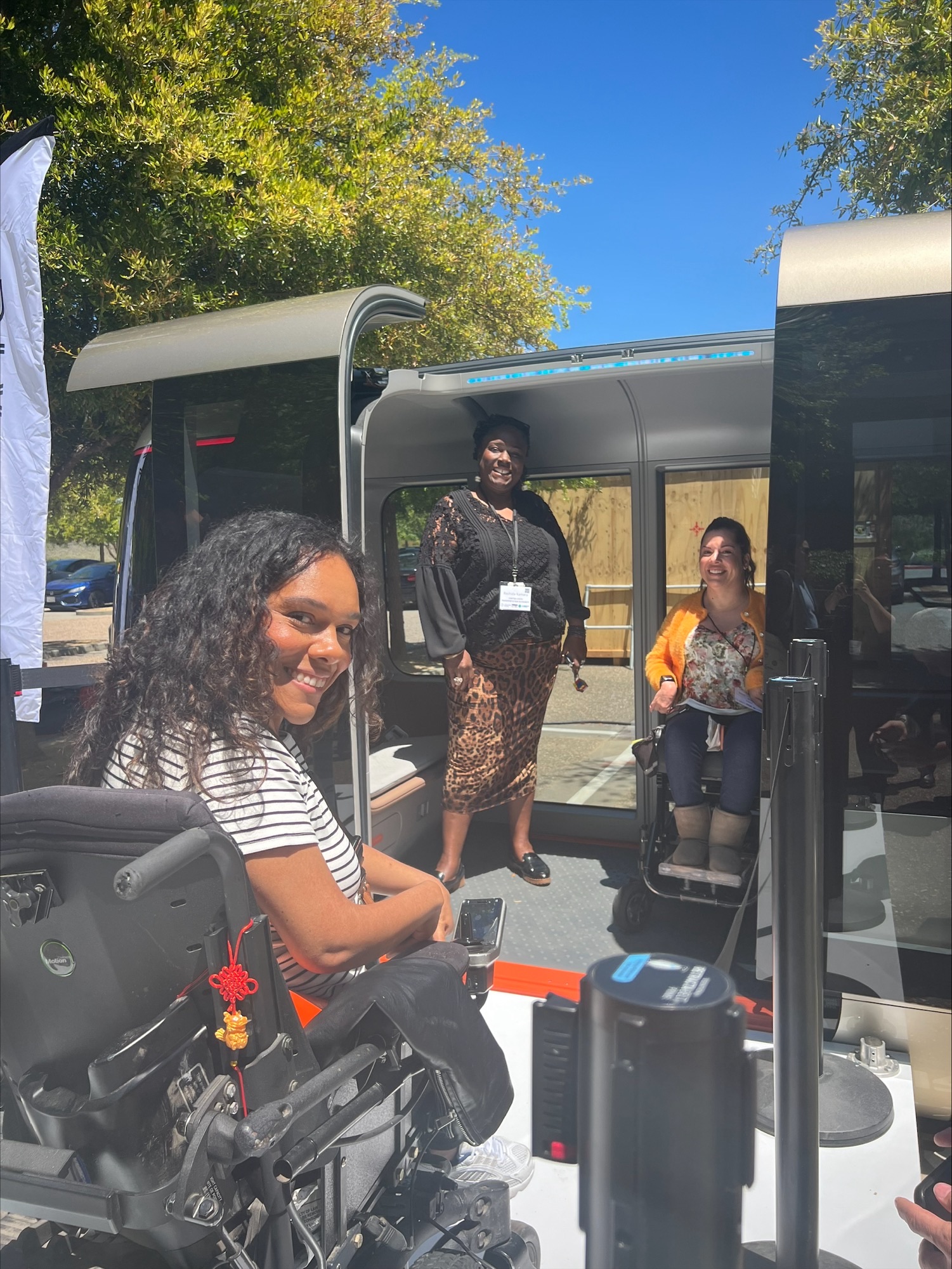
Glydways vehicles offer wheelchair access. Photo: CCTA

On Tuesday, May 7, 2024, the Contra Costa Transportation Authority (CCTA), GoMentum Station and Bay Area LEEDS joined forces to host the ninth annual Redefining Mobility Summit. Transportation officials from regional, state and federal agencies gathered with private industry innovators, local youth and workforce development experts in San Ramon’s Bishop Ranch business park to share vital information aimed to advance mobility. Autonomous vehicles took center stage as Glydways, BEEP and May Mobility unveiled transit options of the future in the Demonstration Exhibit Zone.

“This year’s panel topics: fostering public trust for new innovations like autonomous vehicles, connecting communities through technology, building the workforce of the future, and solving the challenges of our transportation systems are the very touchstones CCTA embraces every day to improve the quality of lives for those who live and work in Contra Costa County,” said CCTA Vice Chair and Antioch Mayor Lamar Hernandez-Thorpe.

The summit included a youth showcase where high school aged students shared their STEM projects and the midday Demonstration Exhibit Zone, which was powered by smart, clean generators supplied by Richmond-based Moxion. All the day’s activities connected the dots between innovation and future benefits not just for transportation but for the region.

“Innovation in transportation leads to improved productivity, enhanced trade, infrastructure development, increased regional commerce and job creation—all of which contribute to economic growth,” Contra Costa Supervisor Candace Andersen said.

Filed Under: News, Technology, Transportation

DeSaulnier announces 2023 Congressional App Challenge winner

January 8, 2024 By Publisher Leave a Comment

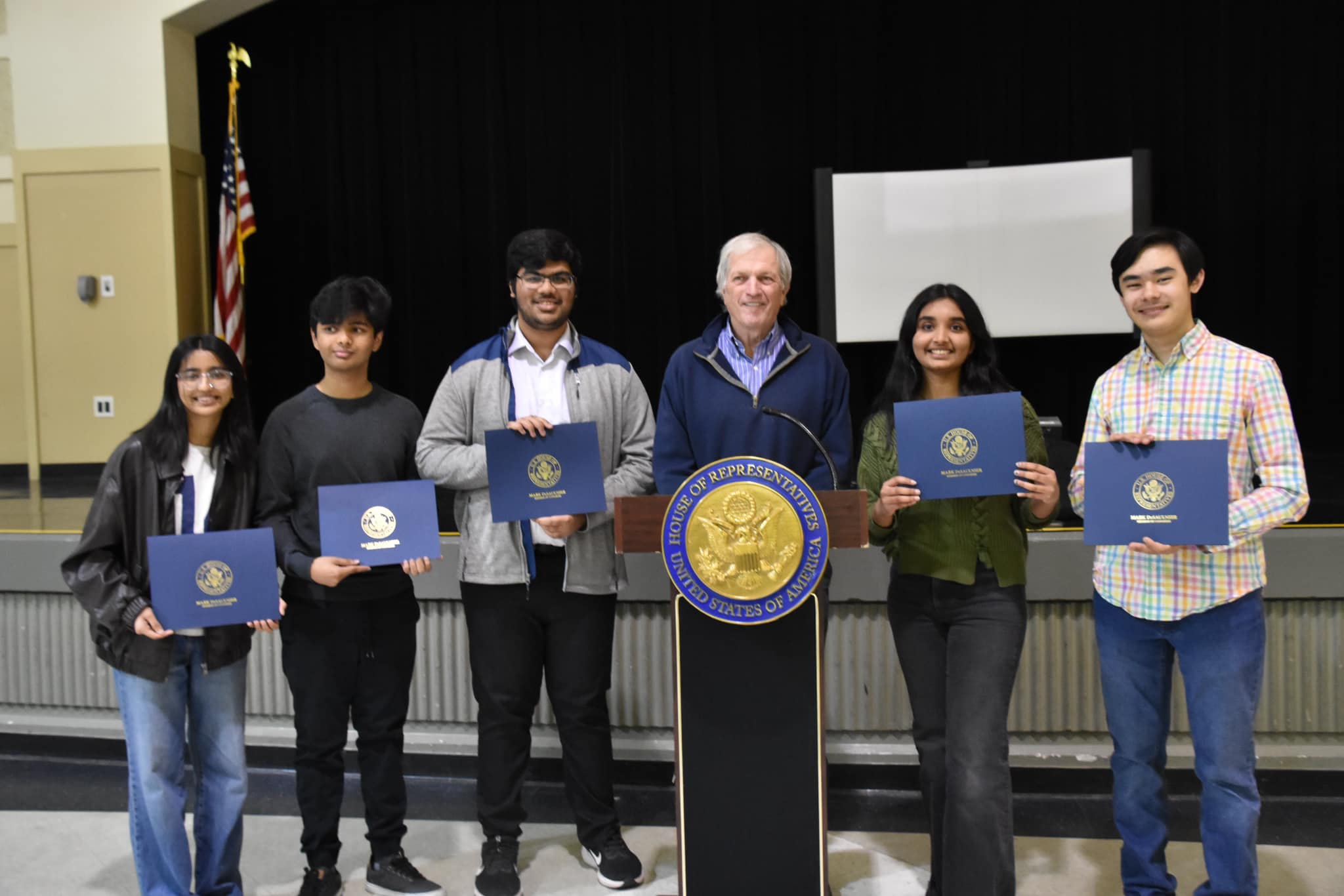
U.S. Rep. Mark DeSaulnier held a reception Friday to announce the winner of the 2023 Congressional App Challenge, Sania Bidurukontam of Dougherty Valley High School. Four Dougherty Valley students tied for second place. Photo: Office of U.S. Rep. Mark DeSaulnier

Dougherty Valley High junior from San Ramon invents CogniPro

3 other Dougherty Valley students and Dublin High team tie for second, third place winner from Monte Vista High

On Friday, Jan. 5, 2024, Congressman Mark DeSaulnier (CA-10) announced that Sania Bidurukontam of San Ramon is the winner of the 2023 Congressional App Challenge (CAC) for California’s 10th Congressional District. Bidurukontam, is a junior at Dougherty Valley High School. She invented the CogniPro app, which aims to reduce misdiagnoses of attention-deficit/hyperactivity disorder (ADHD) and help mental health professionals properly diagnose ADHD. The app includes a 2D platform game and embedded eye tracking to monitor levels of hyperactivity, impulsivity, and inattention, the most common symptoms of ADHD.

“It’s such a joy to see students’ creativity and talent on display each year during our Congressional App Challenge,” said DeSaulnier. “As a proud advocate in Congress for improving youth mental health, I am proud to see young people like Sania working on ways to better identify and address the challenges faced by her peers. Congratulations, Sania!”

Second place was a four-way tie with Advita Goyal (Dougherty Valley High School), Aryan Agrawal (Dougherty Valley High School), Prisha Marpu (Dougherty Valley High School), and a team comprised of Rohan Vij, Ayush Garg, Mohit Varikuti, and Jimin Lim (Dublin High School)—all recognized for their apps SkinScan, WellTeen, Med Track, and Politica AI, respectively. SkinScan helps to identify and monitor skin conditions, WellTeen helps to manage stress and promote mental wellbeing, Med Track helps users track their daily medications, and Politica AI helps users identify political biases and misinformation while reading the news. Third place was awarded to Jacob Trentini (Monte Vista High School) for his app BreatheFree, which monitors air quality and pollen levels.

This year’s winners were chosen by a panel of judges from the STEM and education fields, all of whom live or work in California’s 10th Congressional District.

The CAC is a public initiative to encourage young people to learn how to code in an effort to inspire creativity and encourage interest in STEM education. In the eight years of the CAC, the program has yielded 46,928 applicants across all 50 states.

Filed Under: Education, News, San Ramon Valley, Technology, Youth

New BART schedule with minor changes effective January 15

January 6, 2024 By Publisher Leave a Comment

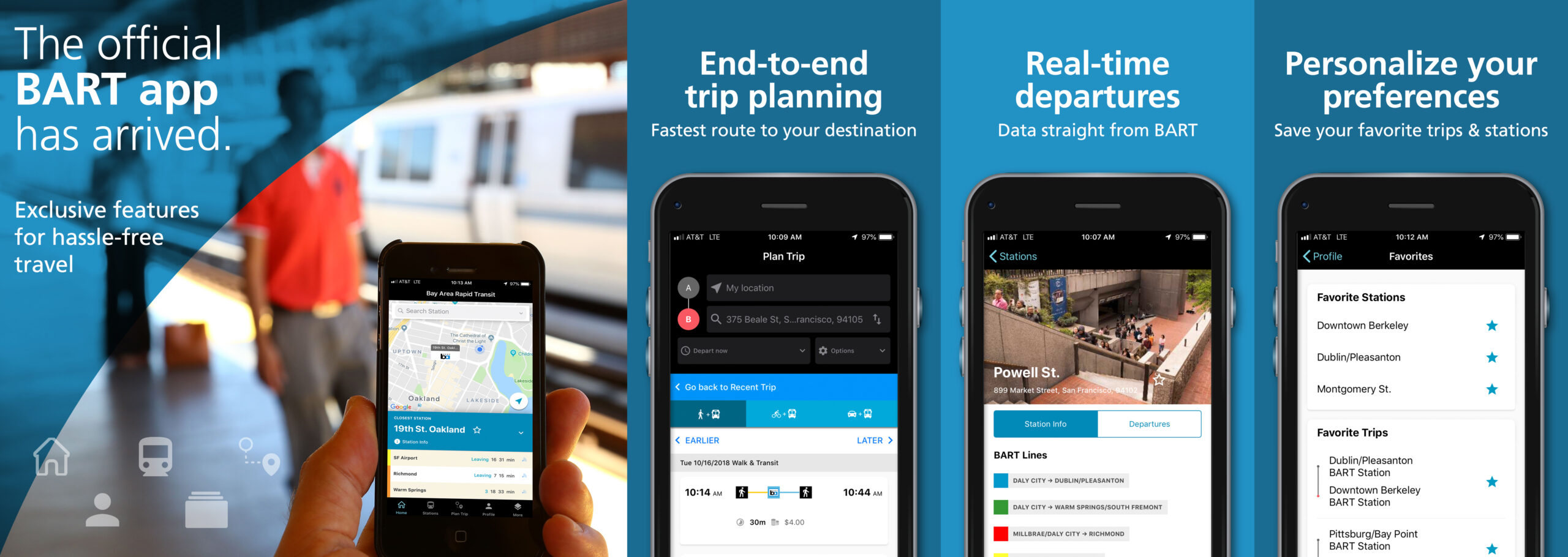
Get customized notifications with the BART app

By Bay Area Rapid Transit District

Some departure times will shift by a few minutes, and we encourage riders to check the schedule before January 15th to see if their trip is impacted.

BART’s Trip Planner has been updated for trips beginning January 15, 2024, and PDF timetables are available here.

The Official BART App offers customized in-app notifications about BART service and news.

Riders can personalize what type of information they get through the app based on when and where they ride BART and what information they care most about.

For example, you can select service advisories for your line and direction of travel and specific times of day. Or you can get real time departures pushed as notifications for the 15 minutes before arriving to a station on the days you ride.

To turn on these features, select the person icon in the upper-right, then select “Notification Settings” and starting adding what you want. This is a great option for people who don’t want to subscribe to text/email alerts or for people who remain on Twitter (X) only for BART Service Advisories.

We also made it easier to pay for parking with the new Tap-and-Go feature on the app that allows customers to pay for parking with just one tap. Check it out!

Filed Under: BART, News, Technology, Transportation

Opinion: CCTA experiment with “low cost” transit option could prove costly

December 26, 2023 By Publisher Leave a Comment

Glydways podcars and station rendering. Source: Glydways

By Marc Joffe

The Contra Costa Transportation Authority (CCTA) has announced plans to install a new type of transit system in a suburban area 45 miles northeast of San Francisco. The system, created by transportation startup Glydways, offers some compelling efficiencies, but its application in a relatively low‐​density area does not appear to be cost‐​effective. As such, CCTA’s plan merits a hard look from both local and federal taxpayers who will be obliged to fund it.

Glydways’ system uses small driverless vehicles (with a capacity of up to four passengers) on a narrow, dedicated guideway. Because the vehicles use rubber tires, there is no need to install rail tracks. Vehicles are available on demand, typically within two to five minutes of being summoned on the Glydways app.

The Glydways solution addresses several criticisms of traditional rail transit projects, which involve large (often empty) vehicles operating on fixed schedules piloted by operators entitled to generous pension benefits. Projects of this type, including New York’s Second Avenue Subway and BART’s Silicon Valley extension, not only cost billions to build but they are also expensive to operate.

As such, Glydways offers much needed innovation in public transportation, perhaps because it is looking at the challenge from a startup lens. Formed in 2019, the company has raised over $70 million from a group of investors that includes Bill Gates and Vinod Khosla. Their solution is an interesting attempt to apply ideas pioneered by Uber and Waymo to the requirements of public transit.

But innovation alone is no assurance that government will use taxpayer money effectively. Incentives also have a role to play. When companies simply sell products and services to a public agency, they do not have a strong motive to economize. Indeed, they often benefit from cost overruns.

But the CCTA project promises to resolve this incentive problem by using the public‐​private‐​partnership (or P3) model. The P3 charged with delivering the East Contra Costa County Dynamic Personal Micro Transit (DPMT) project includes Glydways and four other companies, along with CCTA and the local public sector bus operator.

Under a P3, companies are supposed to take some ownership of the project. If a P3 truly transfers risk to the corporate partners, their interests better align with those of the taxpayer. In a transportation context, risk transfer means that private sector players should be required to absorb construction cost overruns, excess operational costs, and lower‐​than‐​expected fare revenues. But from the CCTA press release, it is not clear what risk Glydways and the other companies will be expected to shoulder.

And the risks are substantial. Because this is a system that has yet to be tried in a real‐​world setting, a lot can go wrong with the vehicles and the dispatching technology. The unattended vehicles will be especially vulnerable to vandalism, which, unfortunately, is common in the San Francisco Bay Area.

Further, the cost and ridership projections for DPMT do not look promising. A 2021 presentation listed an annual ridership estimate of seven million, which works out to about 20,000 rides per weekday. The same presentation provided a capital cost estimate of $451 million. That seems like a lot of money to transport not too many people, and this is before operating costs are considered.

Further, if these numbers were re‐​estimated in 2024, they will probably look worse. General inflation has pushed up costs for all construction projects. Meanwhile, ridership on the connecting mass transit line (known as eBART) is running about half of 2019 levels. Since the ridership model for DPMT appears to be based on 2019 transit utilization rates, it is likely that a new model based on post‐​COVID transit use would project more modest ridership.

Potential utilization for DPMT is limited by the area’s relatively low population density. The four cities that would be served by the new transit system average about 4000 people per square mile, compared to over 7500 in Oakland and 17,700 in San Francisco.

Applying a new transit solution to this area sounds intriguing, but the relatively limited number of potential users may be more economically served by a new multi‐​use trail with shared e‑scooter and e‑bike stations.

This column first appeared on the CATO Institute website.

A resident of Walnut Creek, CA Joffe is a Federalism and State Policy Analyst with the CATO Institute.


Filed Under: East County, Opinion, Technology, Transportation

East Bay Parks use groundbreaking technology to reduce wildfire risks

October 28, 2023 By Publisher 1 Comment

As part of fuels reduction work for fire suppression a dead tree is removed then burned in a low-emission, Tigercat 6050 carbonator machine, resulting in biochar used to enrich soil in the East Bay parks. Photos: EBRPD

Thinking Outside the Box: Leading the Way on Wildfire Protection for the Community

By Dave Mason, Public Information Supervisor, East Bay Regional Park District

The East Bay Regional Park District held a special briefing and tour at Anthony Chabot Regional Park on Tuesday, Oct. 24, 2023, highlighting a first-of-its-kind fuels reduction project (365 acres) in the East Bay hills. The Park District’s wildfire fuels reduction project uses an innovative and climate-friendly carbonator to dispose of vegetation with extremely low emissions, rather than conventional open-pile burning or transporting it long distances in diesel trucks.

In the fall of 2020, while conducting ongoing vegetation management work, Park District staff noticed significant tree die-off in its parks. Further investigation identified over 1,500 acres of tree mortality within Regional Parks, mostly eucalyptus, but also bay and pine. While there are many contributing factors, the overarching cause is believed to be drought-stress due to climate change.

“We were facing a crisis,” said Park District General Manager Sabrina B. Landreth. “I directed staff to assess the situation quickly and come together with a plan of action, including obtaining the necessary funding to begin addressing the die-off.”

The Park District spans Alameda and Contra Costa counties in the San Francisco Bay Area and manages 73 parks, 1,330 miles of trails, and over 125,000 acres. The District has its own fire department and fuels management crew.

“As the largest regional park district of its kind in the nation and a local wildfire prevention leader, we knew we needed to lead the way in finding solutions,” added Landreth.

Much of the identified tree die-off was within the Park District’s approved Wildfire Hazard Mitigation and Resource Management Plan, which meant environmental approvals for fuels reduction work were already in place. However, significant funding was needed.

In 2021, shortly after discovery of tree die-off, the District approached state officials for help addressing the situation, and the state responded with a critical $10 million direct appropriation from the legislature through Senator Nancy Skinner, D-Berkeley, and then-Senator Bob Wieckowski, D-Fremont. The total cost estimate to address the tree die-off issue is over $30 million.

“For a public agency to get a $10 million direct appropriation in the state budget for a specific purpose is extraordinary,” said Landreth.

Groundbreaking, Environmentally Friendly Tool for Fuels Reduction

As efforts to secure funding proceeded, estimates also soared for removal costs and the amount of organic material (biomass) that would need to be disposed of. Adding to the complexity of the situation was the fact that removing so much dead and dying vegetation by traditional means required hauling it in trucks to plants that would burn it for fuel. Transporting the dead trees was cost-prohibitive, disruptive to the residential areas, and potentially dangerous. It would also create greenhouse gases and pollution, causing some of the same environmental factors leading to increasing wildfire risks and perhaps even tree die-off itself.

The innovative solution the Park District found for processing large amounts of biomass was a carbonator. The carbonator machine, a Tigercat 6050, resembles a trucking container with a box-like metal chamber. The device burns organic matter with very little oxygen and at very high temperatures (about 1,300 degrees Fahrenheit), which breaks down the molecules of organic matter into a smaller material called biochar. The process creates extremely low emissions.

The resulting biochar – essentially elemental carbon – provides benefits, such as enriching soil by improving its water retention or pH, accelerating composting of green waste, and filtering toxins from water. The carbonator, having never been used in a metropolitan area for biomass disposal at this scale, was tested as part of an 80-acre pilot project at Anthony Chabot Regional Park in 2022, with the lessons learned being shared with the state and other partner agencies facing similar challenges. When completed in March 2023, the pilot project proved to be a net positive, with only a tiny fraction of emissions compared to open-pile burning or hauling off-site.

“As a large regional park district with a full-time fire department and biologists and ecologists on staff, we can do work that other agencies can’t,” said Park District Fire Chief Aileen Theile.

“The carbonator is another tool for our toolbox to reduce wildfire risks and combat climate change. Going forward, up to half of the biomass removed from parks could be converted into biochar,” said Park District Assistant Fire Chief Khari Helae.

Based on the success of the pilot project, a major fuels reduction project is underway at Anthony Chabot Regional Park on 365 acres and including the use of a carbonator for biomass disposal. The project is using $7.5 million of the $10 million direct appropriation from the state legislature, plus federal funds of $1.5 million secured by U.S. Senator Alex Padilla (D-Calif.).

The 365-acre project currently underway at Anthony Chabot Regional Park involves heavy equipment, including a felling team removing trees from the top down and a mastication team thinning vegetation and trees from the ground up. The resulting biochar is being used at the Park District’s Ardenwood Farms in Fremont to enhance soil health, improve water retention, and ultimately increase productivity.

The innovative, strong partnership approach to securing funding, the use of the carbonator in a pilot project and its subsequent use in a large-scale effort to reduce wildfire danger, and our desire to find a sustainable science-based solution in East Bay Regional Parks “is being seen as a model statewide, as well as nationally,” said Landreth.

“By doing this work now, we will gain a more sustainable eco-system in the long-term to benefit generations to come. We are working and planning for both now and the future, and we’re committed to playing the long game,” said Landreth.

The Park District’s leadership team, firefighters, scientists, park rangers, and dedicated staff across departments continue to focus on wildfire mitigation strategies and the innovative, large-scale fuels management program, all while seeking new partnerships and ways to protect the community.

Read the full-length feature article at www.ebparks.org/sites/default/files/carbonator-feature-article.pdf.

The East Bay Regional Park District is the largest regional park system in the nation, comprising 73 parks, 55 miles of shoreline, and over 1,300 miles of trails for hiking, biking, horseback riding, and environmental education. The Park District receives more than 25 million visits annually throughout Alameda and Contra Costa counties in the San Francisco Bay Area.


Filed Under: East Bay, Environment, Fire, Parks, Technology

Better Business Bureau warns of spooky risks during National Cybersecurity Awareness Month

October 17, 2023 By Publisher Leave a Comment

Source: BBB

October is National Cybersecurity Awareness Month, and the Better Business Bureau (BBB) is sounding the alarm on digital ghouls and cyber predators that could haunt the corners of our everyday digital lives. Recent data from the BBB Scam Tracker reveals concerning statistics, emphasizing the urgency for consumers to be vigilant and take proactive steps to protect themselves.

One of the most alarming threats is the rise of social media scams where scammers exploit consumer trust, with a staggering 91% engagement rate and 53% resulting in financial loss. “Social media platforms are full of suspicious characters,” warns Lori Wilson, President and CEO of BBB serving the San Francisco Bay Area and Northern Coastal California. “Be especially careful if you spot offers in your social media channels that look too good to be true – scammers often lure victims that way.”

Another menacing threat is the proliferation of hacked “smart” devices, exposing households to potential intrusions by cybercriminals. The “Internet of Things” has expanded to include an array of devices, ranging from cars to refrigerators, becoming potential security and privacy vulnerabilities. Intruders can exploit these devices, turning them into conduits for unauthorized access.

Phishing attacks also pose a danger, where individuals and organizations fall victim to disguised evildoers posing as trusted contacts, resulting in data breaches and financial losses. Additionally, the rapidly growing cryptocurrency markets have become a playground for tricksters, making it vital for consumers to exercise caution and conduct thorough research before considering any investments.

The BBB offers several essential cybersecurity tips to protect against these ominous threats:

  • Be cautious with social media ads that seem too good to be true and research companies before making purchases.
  • Safeguard smart devices by using anti-malware, encrypting WiFi, and regularly updating software.
  • Verify the identity of online contacts to mitigate the risk of phishing attacks.
  • Educate yourself about cryptocurrency and verify information before investing to avoid scams.

For more cybersecurity tips and resources, visit BBB.org/cybersecurity.

ABOUT BBB: Better Business Bureau is a non-profit organization striving to advance marketplace trust. For over a century, BBB has been fostering an ethical marketplace where buyers and sellers can trust each other. BBB sets standards for ethical business behavior and monitors compliance. BBB helps consumers identify trustworthy businesses and those that aren’t and encourages its Accredited Businesses to uphold these standards.


Filed Under: Business, Technology

  • « Previous Page
  • 1
  • 2
  • 3
  • 4
  • 5
  • Next Page »
Monica's-Riverview-Jan-2026
Liberty-Tax-Jan-Apr-2026
Deer-Valley-Chiro-06-22

Copyright © 2026 · Contra Costa Herald · Site by Clifton Creative Web