• Home
  • About The Herald
  • Local Agencies
  • Daily Email Update
  • Legal Notices
  • Classified Ads

Contra Costa Herald

News Of By and For The People of Contra Costa County, California

  • Arts & Entertainment
  • Business
  • Community
  • Crime
  • Dining
  • Education
  • Faith
  • Health
  • News
  • Politics & Elections
  • Real Estate

Tech helps catch driver with stolen license plate in Danville

December 27, 2025 By Publisher Leave a Comment

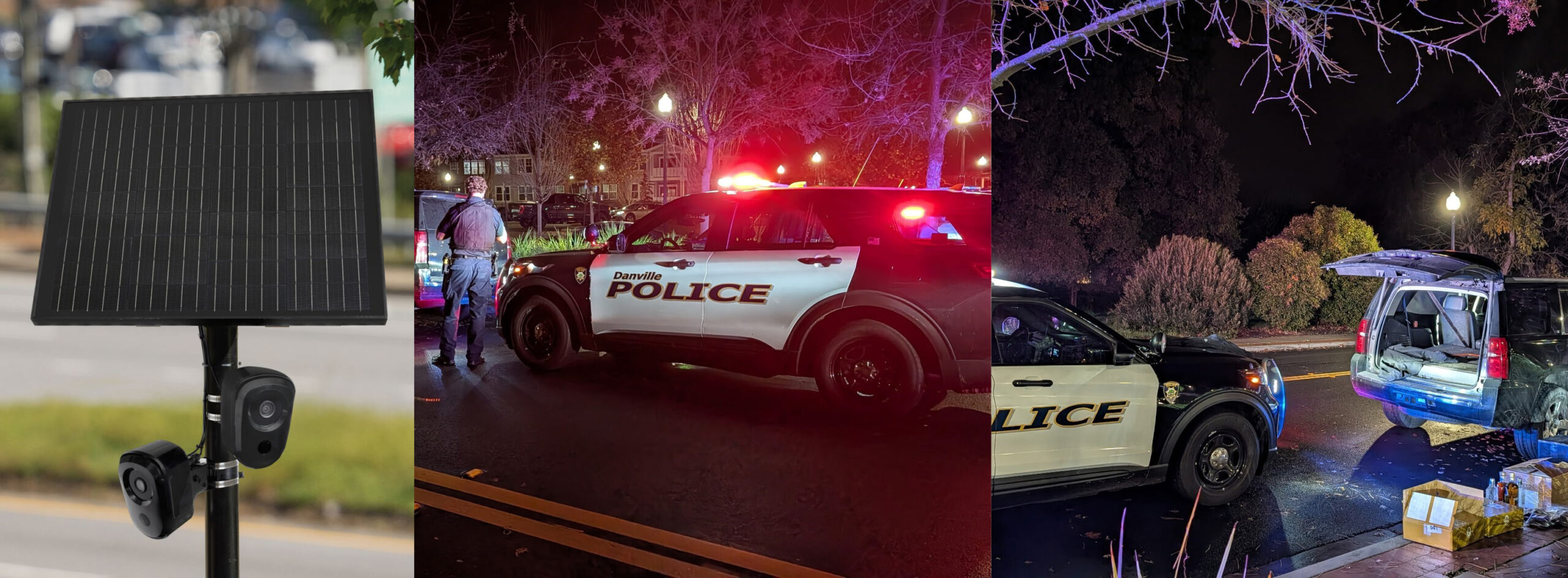
Flock Safety camera technology helped police stop a license plate thief Dec. 20, 2025. Photos: (Left) Flock Safety; (Center & Right) Danville PD

Great Police Work!

By Danville Police Department

On Saturday, December 20, 2025, a Danville resident reported their license plate stolen from their vehicle. Using Flock Safety license plate reader technology, our officers quickly located the stolen plate on another vehicle near I-680 and Diablo Road.

Officers conducted a traffic stop and detained the driver, who was also found in possession of stolen merchandise from a neighboring city.

Excellent work by our officers and a reminder that technology and teamwork help keep our community safe!

Filed Under: Crime, News, Police, San Ramon Valley, Technology

CA legislature again attempts to limit speech on social media by fining platforms that “amplify” user-generated content

September 25, 2025 By Publisher Leave a Comment

SB771 attempts to curb online “hate speech”, awaits Newsom’s decision by Oct. 12; second effort in two years to limit online speech, first one failed

Computer & Communications Industry Association warns California bill “could undermine free speech online”

“It effectively incentivizes broad suppression of speech through the threat of legal action.” – TechNet

“sets stage for…fight” and “could create a messy, drawn-out legal battle” – Washington Examiner

CalChamber also opposes

By Allen D. Payton

SB 771, by State Senator Henry Stern, entitled “Personal rights: liability: social media platforms” has passed both the State Assembly and Senate and currently awaits the governor’s decision as of September 22, 2025, would allow fines of up to $1 million per violation for social media companies that generate more than $100 million in annual gross revenues, whose algorithms amplify content violating California’s civil rights and anti-discrimination laws. (Source: compliancehub.wiki)

The platforms could also face fines of up to three months of the platform’s gross revenue preceding the judgment for intentional violations, or up to $500,000 per violation for reckless violations, which is designed to address platforms that show disregard for potential harm without specific intent.

Newsom has until Oct. 12, 2025, to either sign or veto the bill. If he signed, bill would become operative on January 1, 2027, giving social media platforms time to prepare.

According to the Legislative Counsel’s Digest, “Existing law generally regulates social media platforms, including by requiring a social media company to post terms of service for each social media platform owned or operated by the company in a manner reasonably designed to inform all users of the social media platform of the existence and contents of the terms of service, as prescribed.

Existing law generally prohibits a person from using violence or intimidation to interfere with another person’s enjoyment of certain rights or because of certain attributes of that person, including the person’s political affiliation, race, or sexual orientation, and punishes violations of that law with certain civil penalties or as misdemeanors, as prescribed.

This bill would make a social media platform, as defined, that violates the above-referenced provisions of law relating to personal rights through its algorithms that relay content to users or aids, abets, acts in concert, or conspires in violation of those laws, or is a joint tortfeasor in an action alleging a violation of those laws, liable for specified civil penalties. The bill would declare its provisions to be severable and would declare attempted waiver of its provisions to be void and unenforceable.”

The bill specifically references violations of:

  • Penal Code Sections 31 and 422.6 (hate crimes and interference with civil rights)
  • Civil Code Section 51.7 (Ralph Civil Rights Act)
  • Civil Code Section 51.9 (Civil rights protections against violence or intimidation)
  • Civil Code Section 52 and 52.1 (Tom Bane Civil Rights Act)

According to a report by Reason.com, “The Legislature says the bill is needed because of a rise in documented hate crimes. It cites a report by the Human Rights Campaign that found “anti-LGBTQ+ disinformation and harmful rhetoric” increased by 400 percent following the passage of Florida’s “Don’t Say Gay” bill in 2022, as well as a report by the Los Angeles County Commission on Human Relations that found that “hate crimes involving anti-immigrant slurs increased by 31 percent” in FY 2024, the highest number since tracking began in 2007.

“The bill additionally cites the Anti-Defamation League’s 2024 Audit of Antisemitic Incidents, which found an 893 percent increase in antisemitic incidents over the previous 10 years, and a 2023 study by nonprofit Global Witness, which found that paid advertisements promoting violence toward women were placed and distributed across social media platforms.”

However,  the report continues, “the bill is sure to face scrutiny under Section 230 of the Communications Decency Act, which largely protects platforms from being held liable for user speech.”

Sets State for Free Speech Fight

According to a Washington Examiner report, the bill “sets stage for free speech fight” and “could create a messy, drawn-out legal battle with multibillion-dollar tech companies over what people can post on their platforms.”

CCIA Warns California SB 771 Could Undermine Free Speech Online

The Computer & Communications Industry Association (CCIA), whose members include Meta, the parent company of Facebook, Instagram, WhatsApp, Messenger and Threads; Google and Apple, is opposed to the bill. It testified in July “before the California Assembly Judiciary Committee…reiterating its opposition to SB 771. The association warns that the proposal could limit access to lawful content, discourage open dialogue online, and conflict with key constitutional and federal legal protections.

SB 771 would allow lawsuits against large social media platforms if their recommendation systems are accused of amplifying unlawful content targeting protected groups. But the bill’s broad language and legal uncertainty could force platforms to take down more content than necessary — not because it’s harmful, but to avoid the risk of litigation.

CCIA believes this approach would reduce the availability of protected speech and place platforms in a legally precarious position. The bill also raises serious concerns about First Amendment protections and may conflict with Section 230 of the Communications Decency Act, which shields online services from liability for content moderation carried out in good faith.

“We all want to create safer online spaces and are concerned that SB 771 takes the wrong approach,” said Aodhan Downey, State Policy Manager for CCIA. “The bill creates vague legal standards that could prompt platforms to over-remove content out of fear of lawsuits. That would limit access to important conversations and weaken free expression online. California lawmakers should reject this bill and pursue targeted, effective solutions that protect users while respecting constitutional rights.”

According to the company’s website, CCIA is an international, not-for-profit trade association representing a broad cross section of communications and technology firms. For more than 50 years, CCIA has promoted open markets, open systems, and open networks. CCIA members employ more than 1.6 million workers, invest more than $100 billion in research and development, and contribute trillions of dollars in productivity to the global economy.

TechNet, CalChamber Oppose SB771

In a July 10, 2025, letter to Assemblywoman Buffy Wicks, Chair of the Assembly Appropriations Committee, and who represents portions of Western Contra Costa County, TechNet, whose members include Comcast NBC Universal, Google and Meta, was joined by CCIA and the California Chamber of Commerce in writing, “TechNet and the following organizations must respectfully oppose SB 771, as it raises significant concerns about potential conflicts with longstanding internet law by exposing social media platforms to substantial liability, calculated in the billions, for user-generated content.

TechNet is the national, bipartisan network of technology CEOs and senior executives that promotes the growth of the innovation economy by advocating a targeted policy agenda at the federal and 50-state level. TechNet’s diverse membership includes dynamic American businesses ranging from startups to the most iconic companies on the planet and represents over 4.5 million employees and countless customers in the fields of information technology, artificial intelligence, e commerce, the sharing and gig economies, advanced energy, transportation, cybersecurity, venture capital, and finance.

Although SB 771 does not explicitly mandate content removal, it effectively incentivizes broad suppression of speech through the threat of legal action. In practice, the elevated liability risk could compel platforms to take down content based solely on unsubstantiated allegations of violence. This dynamic sets the stage for a heckler’s veto, in which bad actors or politically motivated users can flag content they disagree with, knowing the platform may err on the side of removal to avoid potential lawsuits.

This bill’s implicit concern is harmful content. It is impossible for companies to identify and remove every potentially harmful piece of content because there’s no clear consensus on what exactly constitutes harmful content, apart from clearly illicit content. Determining what is harmful is highly subjective and varies from person to person, making it impossible to make such judgments on behalf of millions of users. Faced with this impossible task and the liability imposed by this bill, some platforms may decide to aggressively over restrict content that could be considered harmful.

Furthermore, platforms would need to evaluate whether to eliminate their fundamental features and functions, which are the reasons users go to their platforms, due to the legal risk involved. For instance, direct messaging features could potentially be misused for contacting and bullying other teens; such features would likely be removed.

Serious First Amendment concerns.

It is well established that the companies covered by this legislation have constitutional rights related to content moderation, including the right to curate, prioritize, and remove content in accordance with their terms of service. By exposing these companies to civil liability for content they do not remove, SB 771 creates a chilling effect on their editorial discretion. The significant, prescribed civil penalties – potentially amounting into the billions for each violation – would lead platforms to over-remove lawful content to mitigate legal exposure. Therefore, if this law passes, it will almost certainly be struck down in court (see NetChoice v Paxton) because it imposes liability on social media platforms for whether certain types of third-party content are shown to users, as well as the expressive choices social media platforms make in designing the user experience. This violates the First Amendment rights of users and social media platforms.

Moreover, the proposed liability framework likely conflicts with Section 230 of the Communications Decency Act, which provides strong federal protections for platforms against civil liability for third-party content and for good-faith content moderation. Courts (see Twitter,inc V. Taamneh, 598 U.S.__ (2023)) have consistently upheld Section 230 as preempting state-level attempts to impose liability for content hosting or moderation decisions.

For these reasons, we respectfully oppose SB 771. If you have any questions regarding our position, please contact Robert Boykin at rboykin@technet.org or 408.898.7145.”

The letter was signed by Robert Boykin, Executive Director for California and the Southwest TechNet, Ronak Daylami attorney and Policy Advocate with the California Chamber of Commerce and Aodhan Downey of the CCIA.

Second Legislative Attempt to Limit Online Speech, First Failed in Court

This is the second attempt by the California legislature and Newsom to limit online speech in the last two years. Last year, AB2839 and AB2655 were signed into law, banning deceptive elections-related media, known as “deep-fakes”, in advertisements including those containing parody.

AB2839 would have “prohibited a person, committee, or other entity from knowingly distributing an advertisement or other election communication, as defined, that contains certain materially deceptive content, as defined, with malice, as defined, subject to specified exemptions. The bill would apply this prohibition within 120 days of an election in California and, in specified cases, 60 days after an election.”

AB2655 would have required “a large online platform, as defined, to block the posting of materially deceptive content related to elections in California, during specified periods before and after an election…and to label certain additional content inauthentic, fake, or false.”

However, parody website, The Babylon Bee sued the state and according to the Alliance Defending Freedom which represented the media outlet, “California officials agreed they cannot enforce one of those laws (AB2839) against The Babylon Bee and Kelly Chang Rickert, a California attorney and blogger, after a federal district court ruled that the law likely violates the First Amendment.”

Contact Governor Newsom

To contact the governor’s office to offer your opinion on the legislation, use the website form at www.gov.ca.gov/contact and select Legislation Issues/Concerns in the drop down menu, mail Governor Gavin Newsom at 1021 O Street, Suite 9000 Sacramento, CA 95814 or call (916) 445-2841.

Filed Under: Business, Legislation, News, State of California, Technology

Contra Costa Transportation Authority hosts 10th Annual Redefining Mobility Summit April 22

April 18, 2025 By Publisher Leave a Comment

Featuring latest innovations in transportation technology  

San Ramon, Calif.- The Contra Costa Transportation Authority (CCTA) will host the 10th annual Redefining Mobility Summit (RMS) in San Ramon on Tuesday, April 22. RMS, which started in 2015, has grown from a regional meeting to a global gathering of government, industry, and international (from Finland to Japan among others) transportation leaders. The day-long summit features interactive sessions and dynamic and virtual-reality demonstrations of how cutting-edge technology is paving the way for the future of transportation.

CCTA’s Executive Director, Tim Haile, will present awards to two Contra Costa County students who entered an art and design contest. The first-place winner designed an “ideal” intersection using the online gaming platform Roblox, and the second-place winner created a short film of how they use Bay Area Rapid Transit (BART) daily.

Also in attendance will be Contra Costa County’s Teacher of the Year and Dr. Cristian Gaedicke, who will discuss how they use STEM education to inspire their students to imagine and design what’s next for transit.

The Summit will be held from 8:00 AM – 4:30 PM at the Roundhouse at Bishop Ranch, 2600 Camino Ramon in San Ramon.

A welcome reception will be held Monday, April 21 at 6:00 p.m.

Agenda

8:00 AM – 8:45 AM Breakfast and Networking

8:45 AM – 9:00 AM Welcome

9:00 AM – 10:00 AM Panel: Smart Cities, Smart Solutions

10:00 AM – 10:30 AM Student Showcase

10:30 AM – 11:30 AM Panel: Building the Workforce of Tomorrow

11:30 AM – 12:00 PM Art & Design Awards

12:00 PM – 1:30 PM Lunch and Demo Zone

1:30 PM – 2:30 PM Panel: New Innovative Business Models

2:30 PM – 3:00 PM Coffee and Conversation Break

3:00 PM – 4:00 PM Panel: The Next Frontier of Autonomous Mobility

4:00 PM – 4:30 PM Closing Remarks

Tickets are $395 per person plus fee to attend. To register and for more information visit The 10th Annual Redefining Mobility Summit, Tuesday, April 22, 2025.

Filed Under: San Ramon Valley, Technology, Transportation

Contra Costa County Clerk-Recorder’s Office forms partnership to ensure extra security for property recordings

March 18, 2025 By Publisher Leave a Comment

Photo: Granicus LLC

With Granicus, LLC developed notification program

By Dawn Kruger, Community and Media Relations Coordinator, Contra Costa County Clerk-Recorder’s Office

Martinez, CA-The Contra Costa County Clerk-Recorder’s Office is pleased to announce the launch of a new online tool that property owners can use to add an extra layer of security for recordings. The opt-in tool allows those with recorded documents to be notified of any new recording activity related to property. Property owners who go online to our Real Estate Recording Notification Alert page https://www.contracostavote.gov/recorder/fraud-protection/real-estate-recording-notification-program/ can sign up to receive an email notification anytime a document related to the property address, parcel number, or name associated with the property is indexed after recording.

As part of the department’s commitment to transparency, the Contra Costa Clerk-Recorder Division staff worked closely with Granicus, LLC, a longtime vendor, to develop a real estate recording notification program to help customers stay informed about any activity related to their property recordings. The notification program is optional, and property owners can sign up on the Clerk-Recorder website.

“Our office is always looking for ways to offer as much security as possible to property owners,” said Kristin B. Connelly, Clerk-Recorder for Contra Costa County. “This real estate recording notification program, along with our partnership with the District Attorney’s office to protect homeowners from fraudulent transfers of ownership, offers an important layer of security to Contra Costa County property owners.”

The launch of the real estate recording notification program is just one of the many ways that the Contra Costa County Clerk-Recorder works tirelessly to ensure our residents are informed and protected from fraud.

Filed Under: Government, News, Real Estate, Technology

DeSaulnier denounces U.S. Dep’t of Transportation’s upending electric vehicle use as “reckless”

February 7, 2025 By Publisher Leave a Comment

Rep. Mark DeSaulnier. Official photo.

Rescinds National Electric Vehicle Infrastructure Formula Program Guidance dated June 11, 2024, and all prior versions of this guidance

Congressman issues statement saying it, “leaves American drivers and consumers in the lurch.”

On Friday, February 7, 2025, Congressman Mark DeSaulnier (D-CA10) issued the following statement after the Trump Administration suspended implementation of the National Electric Vehicle Infrastructure (NEVI) Formula Program.

“The transportation sector is the leading source of greenhouse gas emissions in the United States. Electric vehicles (EVs) are crucial to reducing GHG emissions and curbing the existential threat of climate change while also having the potential to save drivers hundreds or even thousands of dollars in gas money annually. Given the obvious benefits of EVs, it is in everyone’s best interest to make it easier for Americans to drive them.

As a former member of the California Air Resources Board and Chairman of the transportation committees in both the California State Assembly and the California State Senate, I have seen firsthand how California’s forward-looking policies on climate change and greenhouse gas emissions drive innovation, economic growth, and job creation. That’s why I authored the Clean Corridors Act, which helped create and fund a $2.5 billion landmark new EV charging infrastructure program through the 2021 Bipartisan Infrastructure Law to make hydrogen fuel cell and electric battery powered cars more accessible and affordable for Americans.

The decision by the Federal High Administration of the Department of Transportation to suspend approvals of State Electric Vehicle Infrastructure Deployment Plans, which are required to receive NEVI funding, undoes the progress these two programs achieved, sets us back in the fight against climate change, and leaves American drivers and consumers in the lurch.

In 2024, China’s share of the global EV market grew to 76%, outpacing the U.S. in sales, and vastly surpassed the U.S. in number of public EV chargers with over 3.2 million public charge points. If the U.S. wants to be a leader in the transportation and energy sectors, we need a strong federal investment in electric vehicles and their charging infrastructure to meaningfully address climate change, help lower energy and transportation costs for Americans, and maintain global competitiveness. As a senior member of the Transportation and Infrastructure Committee, I urge the Secretary of Transportation to reverse this myopic and reckless decision.”

In a Feb. 6, 2025, letter to State Department of Transportation Directors, Emily Biondi, Associate Administrator of the Office of Planning, Environment and Realty wrote:

“The Federal Highway Administration (FHWA) administers several grant programs under which the applicable statutes require the Secretary to apportion grant funds to States under a prescribed statutory formula. The National Electric Vehicle Infrastructure (NEVI) Formula Program is one such program. Most statutory formula programs require the Secretary to make the prescribed apportionments to the States on a specific date and then make the funds available for obligation. See, e.g., 23 U.S.C. 104. The NEVI Formula Program, however, is unique in that this Program requires the Secretary to approve a plan for each State describing how the State intends to use its NEVI funds.1 The State plans are to be developed in accordance with guidance the Secretary provides on how States are to strategically deploy the electric vehicle (EV) charging network.2 The NEVI Formula Program requires the Secretary to approve each State’s plan prior to the obligation of NEVI Formula Program funds for each fiscal year.3

“The new leadership of the Department of Transportation (U.S. DOT) has decided to review the policies underlying the implementation of the NEVI Formula Program. Accordingly, the current NEVI Formula Program Guidance dated June 11, 2024, and all prior versions of this guidance are rescinded. The FHWA is updating the NEVI Formula Program Guidance to align with current U.S. DOT policy and priorities, including those set forth in DOT Order 2100.7, titled “Ensuring Reliance Upon Sound Economic Analysis in Department of Transportation Policies, Programs, and Activities.” The FHWA aims to have updated draft NEVI Formula Guidance published for public comment in the spring. After the public comment period has closed, FHWA will publish updated final NEVI Formula Guidance that responds to the comments received. As result of the rescission of the NEVI Formula Program Guidance, FHWA is also immediately suspending the approval of all State Electric Vehicle Infrastructure Deployment plans for all fiscal years.

“Therefore, effective immediately, no new obligations may occur under the NEVI Formula Program until the updated final NEVI Formula Program Guidance is issued and new State plans are submitted and approved. Instructions for the submission of new State plans for all fiscal years will be included in the updated final NEVI Formula Program Guidance. Since FHWA is suspending the existing State plans, States will be held harmless for not implementing their existing plans. Until new guidance is issued, reimbursement of existing obligations will be allowed in order to not disrupt current financial commitments.”

The letter includes the following footnotes and references:

1 See National Electric Vehicle Infrastructure Formula Program provisos 4-9 of paragraph (2) under the Highway Infrastructure Programs heading in Title VIII, Division J of the Infrastructure Investment and Jobs Act, Pub. L. 117-58; November 15, 2021; 135 Stat.1422. See also Paragraph 5c of FHWA Notice N 4510.895 Apportionment of Fiscal Year 2025 Highway Infrastructure Program Funds for the National Electric Vehicle Infrastructure Formula Program Pursuant to the Infrastructure Investment and Jobs Act as well as Paragraph 5c of FHWA Notices N 4510.863, N 4510.873, and N 4510.883 for the apportionments for Fiscal Years 22, 23 and 24, respectively. 2 See National Electric Vehicle Infrastructure Formula Program provisos 14-15 of paragraph (2) under the Highway Infrastructure Programs heading in Title VIII, Division J of the Infrastructure Investment and Jobs Act, Pub. L. 117- 58; November 15, 2021; 135 Stat.1423. 3 See National Electric Vehicle Infrastructure Formula Program provisos 4-9 of paragraph (2) under the Highway Infrastructure Programs heading in Title VIII, Division J of the Infrastructure Investment and Jobs Act, Pub. L. 117-58; November 15, 2021; 135 Stat.1422. See also Paragraph 5c of FHWA Notice N 4510.895 Apportionment of Fiscal Year 2025 Highway Infrastructure Program Funds for the National Electric Vehicle Infrastructure Formula Program Pursuant to the Infrastructure Investment and Jobs Act as well as Paragraph 5c of FHWA Notices N 4510.863, N 4510.873, and N 4510.883 for the apportionments for Fiscal Years 22, 23 and 24, respectively.

DeSaulnier represents California’s 10th Congressional District in the U.S. House of Representatives.

Allen D. Payton contributed to this report.

Filed Under: Environment, Government, News, Technology, Transportation

Innovative freight and transit plan proposed for Port of Oakland

January 11, 2025 By Publisher Leave a Comment

Renderings source: CyberTran International

Colliers and partners present practical underground solution to ease traffic, reduce emissions and boost regional economy with two West Contra Costa companies

In response to the Port of Oakland Request for Qualifications (RFQ) for use of the Charles P. Howard Property, the global real estate and investment brokerage firm Colliers is spearheading a proposal and negotiations for a joint collaboration between CyberTran International, EarthGrid PBC, UC Berkeley Partners for Advanced Transportation Technology (PATH), the County of Alameda, and the Corporation for Manufacturing Excellence (MANEX) and has submitted a visionary proposal to move freight underground from the Howard Property to an inland port to be established in Tracy, California area.

EarthGrid has developed patented plasma-boring technology that cuts through the hardest rock types exponentially faster than, and at a fraction of the cost of traditional tunnel boring techniques. The plasma boring system cuts through hard rock using a process called spallation, induced by thermal shock on the rock face. CyberTran International, Inc. is the final stage developer for full-scale demonstration and deployment of their Ultra-Light Rail Freight and Transit (ULRF&T) system technology which was originally developed by the US Department of Energy. Their innovative autonomous vehicle transit solution can provide both passenger and goods movement services at a quarter of the cost of a traditional transit system, with half the cost to operate and maintain, while providing on-demand and direct-to-destination travel without having to make stops.

EarthGrid’s groundbreaking plasma-boring technology allows for unprecedented flexibility in tunnel sizes, enabling the co-location of freight, power and fiber in the same reliable, resilient and efficient tunnel. This breakthrough drastically reduces our carbon footprint, taking millions of trucks transporting freight off the road. Together, the two cutting-edge technologies are poised to have a significant impact across multiple industry platforms.

“Yesterday’s transit technologies aren’t serving us well today; Automobiles have evolved, Aviation has evolved, Aerospace has evolved, it’s time for rail to evolve,” says Dexter Vizinau, CEO of Richmond, CA-based CyberTran. “Today’s grid cannot handle the rapidly rising demand for energy, freight transport, fiber, and water. This is an opportunity to evolve our infrastructure through a network of resilient underground tunnels that can efficiently distribute freight, power, water and fiber; all in one utility tunnel built for the 21st century. We must move away from relying on current vulnerable above-ground infrastructure prone to increasingly frequent weather events.”

“Our plasma-boring machines are the solution to our aging, inefficient grid.” says Troy Helming, CEO of Richmond, CA-based EarthGrid.

Renderings source: CyberTran International

Today, trucks are the only way to carry goods to the Tracy and Central Valley regions. Highway 580 is heavily congested with traffic, which also impacts air quality.

“The Port of Oakland has every right to increase cargo throughput. It’s key to maintaining a productive port, but not at the expense of more trucks on the road. My constituents don’t want to see more trucks added to an existing problem and will vehemently oppose it,” said Alameda County Supervisor Nate Miley. “Going underground to move goods and reducing truck traffic appears to be a viable solution and I hope all the Port of Oakland community embrace it and make use of the proposed system!”

“UC Berkeley PATH has been on the cutting edge of autonomous vehicle transportation for over 30 years. Going from vehicles in traffic to rail is a natural fit for the engineering science of PATH. Lately, we’ve been working on analysis and studies. We’re ready to build something and we believe the CyberTran ULRF&T system is it!” according to James Fishelson PATH Director and Lead Researcher. MANEX will be an instrumental factor in the design, planning, and implementation of a factory being proposed at an additional Port of Oakland site. The federally backed organization is well suited to assist in virtually every aspect of the vehicle production process. MANEX has experience with both transit and automobile vehicle manufacturing practices.

Vizinau added, “The Port must consider the needs of their customers during the proposal selection process. These companies want their goods quickly, more efficiently, and at the best possible cost obtainable. They must have a voice in this process!”

CyberTran is committed to having the factory and logistics facilities be Union Shops. Dockside operations will be negotiated with the ILWU, and construction jobs will be negotiated with the Building Trades. The In-Land Port will be a Union facility with which the union is yet to be identified.

The three massive structures being proposed will generate a significant amount of construction and permanent jobs that will add to the East Bay regional economy. The Howard Property proposes to house a 1,000,000 square foot on-dock logistics center, with a Ship to Shore operation where Ships, ULRF&T, Trucks, and possibly Heavy Rail will converge for import and export activity. The operation will result in approximately 1000 construction jobs, and 1500 permanent jobs. The structure is named IMODAL1.

A second property two doors west of the Howard Property called The Roundhouse is being proposed to be CyberTran’s Manufacturing Operations and Maintenance facility, aptly named M.O.M. This facility will birth transit vehicles for a global market. M.O.M. will also maintain the transport system. The 800,000 square foot M.O.M. facility will generate approximately 1000 construction jobs and 1200 permanent jobs.

IMODAL2 is proposed as a property site yet to be determined in the Tracy California area. It will operate as an In-Land Port for both import and export goods movement activities. The 1,000,000 square foot structure will employ 1000 construction jobs and 1500 permanent jobs.

Colliers International is pleased to be spearheading the Public Private Partnership proposal package and is available for questions.

About EarthGrid

EarthGrid, founded in 2016, is a plasma boring technology and infrastructure company specializing in proprietary, groundbreaking plasma tunnel-boring technology that can revolutionize the grid infrastructure in the U.S. Its goal is to create a network of underground tunnels to transmit clean energy, goods, and high-speed broadband across the U.S. In addition to expanding electricity capacity, EarthGrid aims to enhance the safety, security, and reliability of grid infrastructure, housing critical infrastructure underground to avoid the crippling effects of natural disasters. Follow EarthGrid on LinkedIn and YouTube.

(NOTE: The publisher of the Herald has a financial interest in CyberTran International.)


Filed Under: Business, News, Technology, Transportation, West County

Senator Padilla welcomes National Semiconductor Technology Center headquarters to California

November 4, 2024 By Publisher Leave a Comment

Credit: CHIPS for America

In Sunnyvale

WASHINGTON, D.C. — On Friday, Nov. 2, 2024, U.S. Senator Alex Padilla (D-Calif.) issued the following statement after the Department of Commerce announced that the CHIPS for America Design and Collaboration Facility (DCF), the official headquarters of the National Semiconductor Technology Center (NSTC), will be established in California. Earlier this year, Padilla led the entire California Democratic delegation in urging Secretary of Commerce Gina Raimondo to establish the NSTC headquarters in California.

The DCF in Sunnyvale, California, will be a colocation of the NSTC headquarters and the flagship design hub from where all NSTC R&D work will be coordinated. The headquarters will serve as a site to host NSTC member and semiconductor ecosystem convenings, NSTC programmatic activities, the Workforce Center of Excellence, the future investment fund, and more. The national design facility will include the NSTC Design Enablement Gateway and an institution for design research focused on chip design, electronic design automation, hardware security, and chip system architecture.

“California is the clear choice to lead NSTC’s semiconductor innovation and R&D. Our state has built a world-class innovation economy and has been at the forefront of the semiconductor industry for decades. We are uniquely positioned to leverage our R&D, manufacturing capacity, and end-users to drive this industry forward.

“Establishing the NSTC headquarters in California will capitalize on our state’s unparalleled assets to grow a highly skilled workforce and develop next-generation advancements. I am confident that this CHIPS Act funding will propel emerging technologies and protect America’s global semiconductor leadership, all while bringing good-paying jobs to our state.”

Santa Clara County alone holds 20 percent of all semiconductor utility patents granted in the last decade, and California is home to more semiconductor R&D, design, intellectual property (IP), and electronic design automation (EDA) firms than Texas, New York, and Oregon combined – with over 175 companies operating out of Silicon Valley. The design facility is one of three planned major NSTC centers. The Department of Commerce recently announced the Extreme Ultraviolet (EUV) Accelerator in New York, and said a Prototyping and NAPMP Advanced Packaging Piloting Facility is still forthcoming.

In April, Padilla, Senator Laphonza Butler (D-Calif.), Representative Zoe Lofgren (D-Calif.-18), and Representative Doris Matsui (D-Calif.-07) led the entire California Democratic delegation in urging Secretary of Commerce Gina Raimondo to establish the NSTC headquarters in California. The letter came after Padilla and Governor Gavin Newsom issued a statement rebuking the CHIPS Program Office’s (CPO) cancellation of the third CHIPS Act Notice of Funding Opportunity (NOFO) for advanced commercial research and development facilities in the United States.

In 2022, Senator Padilla and Senator Reverend Raphael Warnock (D-Ga.) sent a letter urging Senate leadership to support provisions in the final version of the United States Innovation and Competition Act that would require semiconductor companies receiving federal assistance for research, design, and manufacturing to invest in a more diverse workforce and improve procurement from minority-, veteran-, and women-owned businesses. Padilla and Warnock applauded the passage of one of these provisions through the Creating Helpful Incentives to Produce Semiconductors (CHIPS) for America Act later that year.

To view the release online, click here.


Filed Under: Bay Area, Jobs & Economic Development, News, Technology

EarthGrid announces $18B funding to deploy U.S. underground utility projects

September 21, 2024 By Publisher Leave a Comment

EarthGrid’s 2-Torch Plasma-Boring System Operating on Limestone. Source: EarthGrid

Groundbreaking joint venture with Kuwait-based EnerTech will use Point Richmond company’s plasma boring technology

Enables critical infrastructure improvements, increased grid capacity and resiliency to meet rising clean power demands

POINT RICHMOND, Calif./PRNewswire/ — EarthGrid, a Bay-area plasma tunnel-boring technology and infrastructure development company, announced Tuesday, Sept. 17, 2024, that it has signed a joint venture agreement with EnerTech, a Kuwait Investment Authority (KIA) entity, to deploy infrastructure projects in four phases across the United States, Europe and the Middle East.

https://earthgrid.io/

The first two phases consist of, in estimate, $18 billion in U.S. infrastructure improvement projects. Utilizing EarthGrid’s patented plasma-powered machines, this joint venture will develop a network of underground tunnels designed to upgrade the current power grid and fiber networks with reliability, efficiency, and resiliency while accelerating the clean power transition.

To meet the U.S. goal of reaching net-zero economy-wide greenhouse gas emissions by 2050, more than a million miles of new transmission will be required over the span of three decades. Compounding this challenge is that more than 70% of current transmission lines are over 25 years old, aged over half their 50-year expected lifetime. Through this joint venture, EarthGrid will enable more than 100 gigawatts of new renewable energy to be added to the U.S. grid while also solving grid congestion in strategic locations.

“On average, it takes 10 to 20 years to develop, permit, and build new overhead transmission lines, making it evident that an alternative approach is critical to meet the needs of U.S. environmental goals,” said Troy Helming, EarthGrid founder and CEO. “Through our joint venture with EnerTech, a cleantech and infrastructure developer, we are proud to support the much-needed evolution of the U.S. power grid, enabling clean energy and improving core infrastructure development.”

While overhead transmission lines are time-consuming to complete, traditional undergrounding is also slow, more costly than overhead lines, and performs poorly against hard rock, which can, in turn, result in abandoned or very delayed projects. EarthGrid’s plasma-boring technology and proprietary approach significantly reduces the time and costs of undergrounding methods without harmful chemicals, primarily powered by clean energy.

EarthGrid’s cleantech undergrounding approach aligns with EnerTech’s goals to deploy breakthrough technology globally, with projects initiated first in the U.S., and subsequently, in Europe and the Middle East, to accelerate the deployment of clean energy options worldwide. “We are thrilled to announce this partnership with EarthGrid to deploy what we believe is the fastest and most cost-efficient tunnel boring technology by far to improve core infrastructure,” said Abdullah Al Mutairi, EnerTech CEO.

As a registered telecommunications utility in 46 states (CPCN), EarthGrid offers its customers and partners preferred access to rights of way alongside public roadways to expedite underground fiber projects. EarthGrid intends to secure permits, as needed, to add additional infrastructure to its tunnels and trenches, including power, water, and robotic freight tubes.

Ultimately, this joint venture’s project pipeline will be deployed in collaboration with an ecosystem of key capital, strategic and government stakeholders globally, including utilities, data centers, and clean energy companies.

EarthGrid was represented by a U.S law firm, Glaser Weil, with Jeff Joyner, senior partner of the firm, playing a key role in executing the deal through his extensive experience in sustainable solutions.

About EarthGrid

EarthGrid, founded in 2016, is a plasma boring technology and infrastructure company specializing in proprietary, groundbreaking plasma tunnel-boring technology that can revolutionize the grid infrastructure in the U.S. Its goal is to create a network of underground tunnels to transmit clean energy and high-speed broadband across the U.S. In addition to expanding electricity capacity, EarthGrid aims to enhance the safety, security, and reliability of grid infrastructure, housing critical infrastructure underground to avoid the crippling effects of natural disasters. Follow EarthGrid on LinkedIn and YouTube.

About EnerTech

Established in 2012, EnerTech’s mission is to initiate its own development projects and participate in projects within the energy, clean technology, recycling, water, waste management, and renewable energy sectors. EnerTech is a Kuwait-based state-owned entity with full ultimate ownership by Kuwait Investment Authority (KIA), currently one of the world’s oldest and largest sovereign wealth funds.

Media Contact: jocelyn@warnerpr.com

Filed Under: Business, News, Technology, West County

Extended Reality: Shaping our technological landscape

August 13, 2024 By Publisher Leave a Comment

 Artificial intelligence-generated designs including one of the author’s glasses. By Neil Sterud.

By Neil Sterud

Having recently attended the 2024 Augmented World Expo (AWE) in Long Beach, I was struck by the growing prevalence of extended reality (XR) in our society. XR, an umbrella term encompassing virtual reality (VR), augmented reality (AR), and mixed reality (MR), is making significant inroads into various aspects of our lives.

Notable examples of XR are becoming increasingly visible. The Sphere in Las Vegas, with its immersive displays, showcases the potential of large-scale XR experiences. Virtual home tours have revolutionized the real estate industry, while Snapchat filters have made AR a daily reality for millions. Meta’s Quest headsets continue to push the boundaries of consumer VR. Even Facebook, recognizing the potential of this technology, rebranded itself as Meta in 2021, signaling a strong commitment to the “metaverse.”

While many desks currently feature multiple monitors, the future may look quite different. AR laptops and headsets promise to create virtual screens, potentially reducing the need for physical displays. Microsoft’s HoloLens and the rumored Apple AR/VR headset are examples of how major tech companies are investing in this vision.

After the conference, I experimented with Ray-Ban Meta smart glasses for a month. While their capabilities were impressive, including hands-free photo and video capture, I noticed that some features overlapped with voice assistants like Google Assistant. However, it’s important to note that smart glasses and voice assistants serve different purposes – the former provides visual augmentation, while the latter focuses on audio interactions.

This observation highlights a challenge in the XR industry: ensuring that new technologies offer clear value propositions to avoid being shelved. Nevertheless, using smart glasses is a form of augmented intelligence, a subset of artificial intelligence that focuses on enhancing human capabilities rather than replacing them. This concept promotes a collaborative partnership between humans and AI technologies, aiming to assist in decision-making and problem-solving.

XR is not limited to personal use. Industries such as healthcare, education, and manufacturing are exploring its potential. In healthcare, AR is being used for surgical planning and guidance. In education, VR field trips are making immersive learning experiences possible. Manufacturing companies are using AR for complex assembly processes and remote expert assistance.

However, the widespread adoption of XR faces challenges. Privacy concerns, particularly around data collection from AR devices, need to be addressed. Technological limitations, such as battery life and processing power, are ongoing issues. Social acceptance of wearable XR devices in public spaces remains a hurdle.

Despite these challenges, the collaborative nature of XR makes us all integral to the future of technology. As XR becomes more common, it promises to revolutionize how we interact with both digital and physical worlds. From enhancing workplace productivity to transforming entertainment experiences, XR has the potential to reshape numerous aspects of our daily lives in the coming years.

As we move forward, it’s crucial to stay informed about XR developments and consider their implications. Whether we’re early adopters or cautious observers, XR is a technological trend that will likely impact us all in the near future.

Filed Under: News, Technology

Guest Column: This little-known federal agency is key to out-competing China

August 5, 2024 By Publisher Leave a Comment

International Trade Commission protecting America’s innovation edge

By Frank Cullen

A little-known federal agency might be our most powerful asset in the race for global tech leadership. The International Trade Commission has the power to deter patent infringement abroad and at home by blocking infringers’ access to the huge American market.

It’s up to policymakers to make sure this asset gets deployed to the full extent of the law.

Here’s the problem: In today’s knowledge economy, ideas are the coin of the realm. But America’s intellectual property is under constant attack.

That’s because a 2006 Supreme Court decision, eBay v. MercExchange, severely curtailed the rights of IP owners. Previously, patent holders could easily stop infringers with court orders, called injunctions, preventing the sale of knock-off products that illegally incorporated patented technology.

But the eBay case changed the procedure for obtaining a court injunction. Patent holders now must prove that money alone can’t make them whole for the damage the infringement caused. Though intended to curb certain types of abuse of injunctive authority, the decision unintentionally made it nearly impossible for legitimate innovators to stop infringement, often leaving them with the sole option of pursuing lengthy legal battles for financial compensation.

Enter the ITC. This body wields the power to swiftly bar infringing foreign-manufactured products from the U.S. market entirely. For a government body, the ITC moves fast, typically resolving cases in 12 to 18 months, compared to the years-long slog of district court litigation.

Its administrative law judges are experts in complex patent issues and can grant exclusion orders now mostly unavailable in federal courts. This combination of speed, expertise, and decisive action makes the ITC an increasingly important venue for companies seeking to protect their innovations from copycats.

Established in 1916 as the U.S. Tariff Commission, the ITC has evolved alongside the American economy as we transitioned from a manufacturing powerhouse to an innovation-driven economy.

This evolved role was on full display in a recent high-profile case. When medical device maker Masimo accused the Apple Watch of infringing its blood oxygen monitoring patents, it turned to the ITC. The result? An import ban on infringing Apple Watch models that held Apple to account promptly. The ban demonstrates the ITC’s ability to check the power of even one of the world’s most dominant companies.

The ITC’s role is crucial to preserving America’s innovative edge. When a biotech startup pours its resources into a potentially life-saving drug, or when a telecom company invests billions in 5G technology, they need to know their intellectual property will be protected. The ITC’s ability to swiftly block infringing products creates a powerful deterrent against IP theft.

Critics of the ITC argue that its powers could potentially be used to stifle competition or harm consumers. But while there’s always a delicate balance between protecting innovation and protectionism, the ITC has built-in safeguards, starting with a public-interest requirement to weigh factors like health, safety, and competitive conditions into its decisions. It’s not a blunt instrument, but a precision tool designed to protect innovation while preserving fair competition.

As we look to the future, strengthening and modernizing the ITC should be a priority. This could involve increasing its resources to handle a growing caseload, streamlining its procedures, and potentially expanding its authority. We also need to educate our innovators more fully about the ITC as a forum for IP protection.

The future of American technological leadership depends on the choices we are making now — in policy, investment, and legal strategy.

Frank Cullen is executive director of the Council for Innovation Promotion. This originally ran in The Hill.

Filed Under: Business, International, Opinion, Technology

  • 1
  • 2
  • 3
  • …
  • 5
  • Next Page »
Monica's-Riverview-Jan-2026
Liberty-Tax-Jan-Apr-2026
Deer-Valley-Chiro-06-22

Copyright © 2026 · Contra Costa Herald · Site by Clifton Creative Web