• Home
  • About The Herald
  • Local Agencies
  • Daily Email Update
  • Legal Notices
  • Classified Ads

Contra Costa Herald

News Of By and For The People of Contra Costa County, California

  • Arts & Entertainment
  • Business
  • Community
  • Crime
  • Dining
  • Education
  • Faith
  • Health
  • News
  • Politics & Elections
  • Real Estate

Former Contra Costa Clerk-Recorder Joe Canciamilla pleads guilty to 9 counts

July 13, 2021 By Publisher Leave a Comment

Will serve one year in county jail

By Scott Alonso, Public Information Officer, Contra Costa County Office of the District Attorney

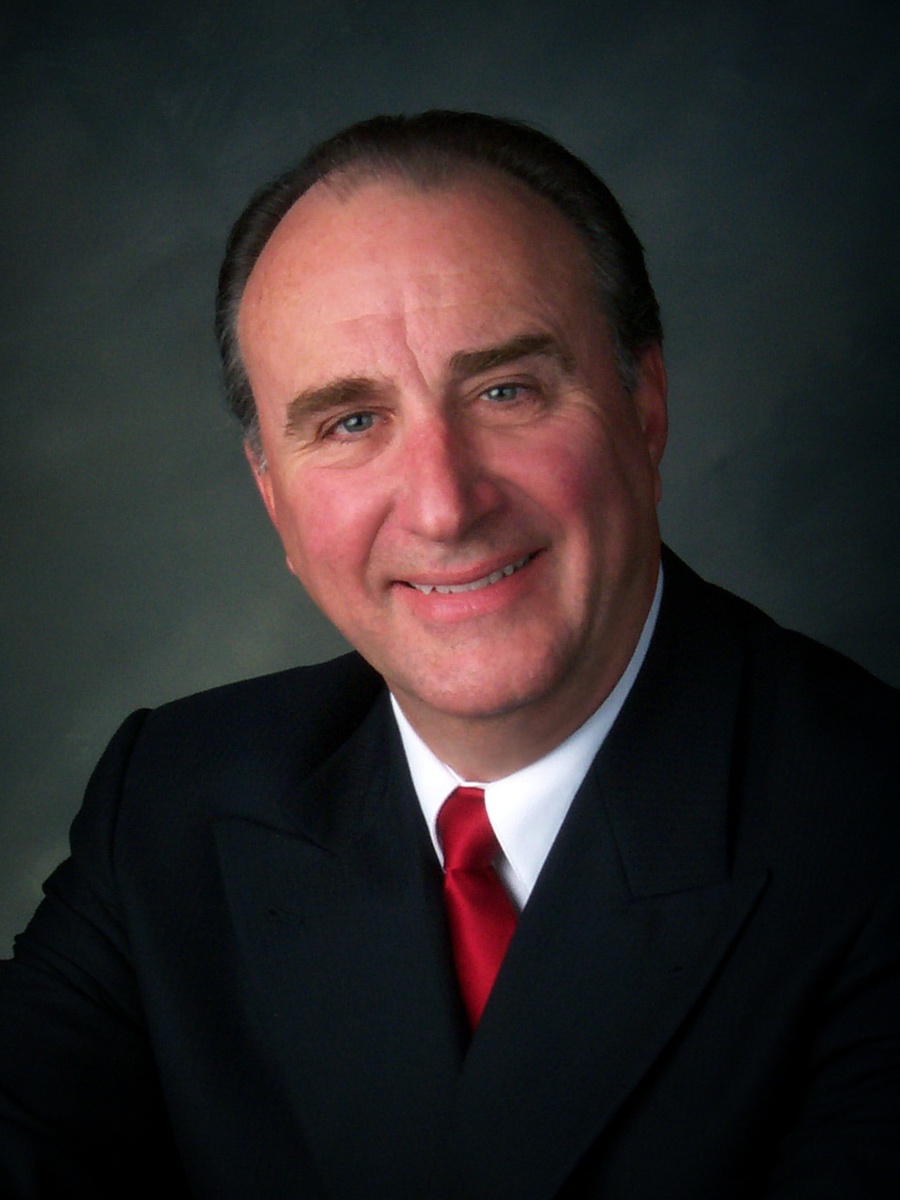
Joe Canciamilla

Martinez, Calif. – Yesterday, Monday, July 12, 2021, former Contra Costa County Clerk-Recorder Joe Canciamilla pled guilty to perjury and grand theft, totaling nine counts, for illegal activity tied to his multiple political campaign bank accounts. The District Attorney’s Office filed criminal charges against Canciamilla last year. Canciamilla resigned in 2019.

Canciamilla will serve 365 days in county jail per his guilty plea. Per the court, the Sheriff’s Office will determine how the custody time will be served. In addition, he was sentenced to two years formal probation by the Honorable Leslie G. Landu.  Due to his felony conviction, Canciamilla will not be able to act as an attorney and he will report his criminal conviction to the California State Bar. Further, he may no longer hold public office or any other elected office.

Canciamilla committed felony perjury for his misstatements on campaign disclosure statements (Form 460s). Canciamilla signed these campaign finance statements under the penalty of perjury. The illegal activity was conducted from 2010 to 2016. The grand theft counts against Canciamilla related to the use of campaign funds for his personal use.

The personal expenditures made by Canciamilla’s campaign committees for his own personal use were:

  • Personal vacation to Asia
  • Restaurants
  • Airfare via Southwest Airlines and American Airlines
  • Repayment of a Personal Loan
  • Transfers from his Campaign Bank Accounts to his Personal Accounts

In 2019, Canciamilla was fined $150,000 by the California Fair Political Practices Commission in a civil stipulation for his inaccurate campaign finance statements, which concealed the personal use of campaign funds for his own benefit.

The case was prosecuted by Deputy District Attorney Steven Bolen. DDA Bolen is assigned to our Office’s Public Corruption Unit.

Case information: People v. Joseph Canciamilla, Docket Number 01-193934-7.

Filed Under: Crime, District Attorney, Legal, News

California court rules in favor of churches, sets state-wide injunction against Newsom’s “discriminatory restrictions”

May 24, 2021 By Publisher Leave a Comment

Governor must pay $1.35 million to reimburse churches’ attorney’s fees and costs

Photo courtesy of Liberty Counsel.

By Liberty Counsel

On Monday, May 17, 2021 a California District Court entered an order approving Liberty Counsel’s settlement of the lawsuit on behalf of Harvest Rock Church and Harvest International Ministry against California Gov. Gavin Newsom. The full and final settlement was approved today the District Court and thus is the first state-wide permanent injunction in the country against COVID restrictions on churches and places of worship.

This is the first state-wide permanent injunction in the country against COVID restrictions on churches and places of worship. Under the agreed state-wide permanent injunction, all California churches may hold worship without discriminatory restrictions.

Under the settlement, California may no longer impose discriminatory restrictions upon houses of worship. The governor must also pay Liberty Counsel $1,350,000 to reimburse attorney’s fees and costs.

The settlement references several Supreme Court opinions, including Harvest Rock Church v. Newsom, that include a long list of similar nonreligious activity the High Court set forth as comparable gatherings. These include grocery stores, warehouses, big box stores, transportation, infrastructure, telecommunications, and much more. In other words, churches and places of worship may never again have discriminatory restrictions placed on them that are not equally applied to a long list of “critical infrastructure” or “essential services” as outlined in several Supreme Court precedents cited in the settlement agreement.

Pastor Ché Ahn, founder of Harvest Rock Church and Harvest International Ministry, received a letter from the Pasadena Criminal Prosecutor threating him, the staff, and anyone who attends church with daily criminal charges each up to one year in prison, and daily fines of $1,000. Despite this intense opposition, Pastor Ahn stood against these unconstitutional executive orders. He risked criminal charges and fines, as did those who worked for the church and those who attended. Thanks to his leadership, every church in California is now free.

Newsom originally imposed the most severe restrictions on churches and even home Bible studies and worship in the nation. Now after multiple reprimands from the U.S. Supreme Court, including two on behalf of Harvest Rock Church and Harvest International Ministry, Gov. Newsom will be the first governor in America to have a permanent injunction against him on behalf of houses of worship.

This case involved three emergency injunctions pending appeal at the Ninth Circuit Court of Appeals, two oral arguments before a panel of three judges, two orders from the U.S. Supreme Court, including an injunction pending appeal issued by the High Court on February 5, 2021.

The timeline for actions regarding California’s worship restrictions include:

March 19, 2020 – May 25, 2020: No Worship

May 26, 2020 – July 12, 2020: 25 percent capacity but no more than 100 people

July 13, 2020 – April 8, 2021: No worship for over 90 percent of California

April 9, 2021 – April 12, 2021: Restrictions on home Bible study lifted but not on singing and chanting

April 13, 2021 – May 9, 2021: Mandatory attendance limits are lifted

May 17, 2021 – and Forever: Discriminatory restrictions on churches permanently removed

Under the settlement agreement, discriminatory restrictions on worship and religious gatherings may no longer be applied to churches and places of worship.

Last year, the U.S. Supreme Court granted an emergency petition for an injunction pending appeal on behalf of New York City synagogues and Roman Catholic churches in Roman Catholic Diocese of Brooklyn v. Cuomo and Agudath Israel v. Cuomo. On December 3, 2020, the High Court granted the petition by Harvest Rock Church and Harvest International Ministry, setting aside all the lower court orders and directing them to follow its ruling in Roman Catholic Dioceses. When the lower courts refused to strike down California’s restrictions, the case returned to the Supreme Court.

On February 5, 2021, the U.S. Supreme Court ruled in favor of Harvest Rock Church and Harvest International Ministry by enjoining California’s total ban on indoor worship. This was the second time Liberty Counsel appealed to the High Court on behalf of these churches. The ruling also included South Bay United Pentecostal Church.

On April 9, the U.S. Supreme Court granted an emergency injunction pending appeal in Tandon v. Newsom and ruled that Gov. Newsom’s restrictions on home Bible study and worship violate the First Amendment.

Pastor Ché Ahn said, “This is a momentous day for churches in America! After nearly a yearlong battle defending our religious freedoms, our lawsuit has reached a permanent settlement in our favor. I am thrilled to see the complete reversal of the last discriminatory restrictions against churches in California, knowing this case will act as a precedent, not only in our state, but also in our nation. We are incredibly grateful to our attorney Mat Staver and to Liberty Counsel for their relentless support and fierce determination. Most of all, we give all the glory to God for moving mightily in this historic season!”

Liberty Counsel Founder and Chairman Mat Staver said, “Governor Gavin Newsom’s COVID restrictions intentionally discriminated against churches while providing preferential treatment to many secular businesses and gatherings. The Supreme Court intervened multiple times to provide relief. California may never again place discriminatory restrictions on churches and places of worship. Gov. Gavin Newsom has now been permanently quarantined and may not violate the First Amendment rights of churches and places of worship again. We are grateful for Pastor Ché Ahn, Harvest Rock Church, and Harvest International Ministry. Pastor Ahn’s leadership and courage has toppled the tyranny and freed every pastor and church in California.”


Filed Under: Faith, Government, Legal, News, State of California

Save Mount Diablo sues Discovery Builders over development on major ridgeline shared with new regional park

May 21, 2021 By Publisher 2 Comments

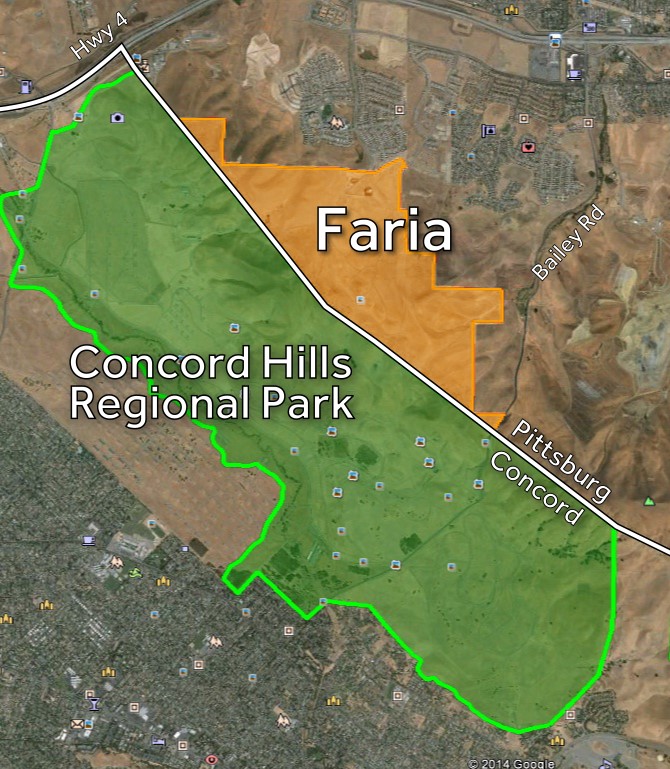
The new Concord Hills Regional Park is directly adjacent to the approved Faria project. Credit: Save Mount Diablo/Google Earth.

Developer’s attorney calls lawsuit “poorly drafted and baseless”; 1,650-home project requires LAFCO annexation approval

Save Mount Diablo issued a statement, Thursday, May 20, 2021 announcing they are suing the developer of the recently approved large housing project on the edge of Pittsburg’s southwest hills that abuts the future regional park on the Concord side of the ridge. The organization claims that Discovery Builders’ Faria project would damage the major ridgeline between east and central Contra Costa County, threaten views from throughout the region, and impact the new regional park.

The Pittsburg City Council voted 5-0 during a special meeting on Feb. 22, 2021 to approve the project, following approval by the city’s planning commission.

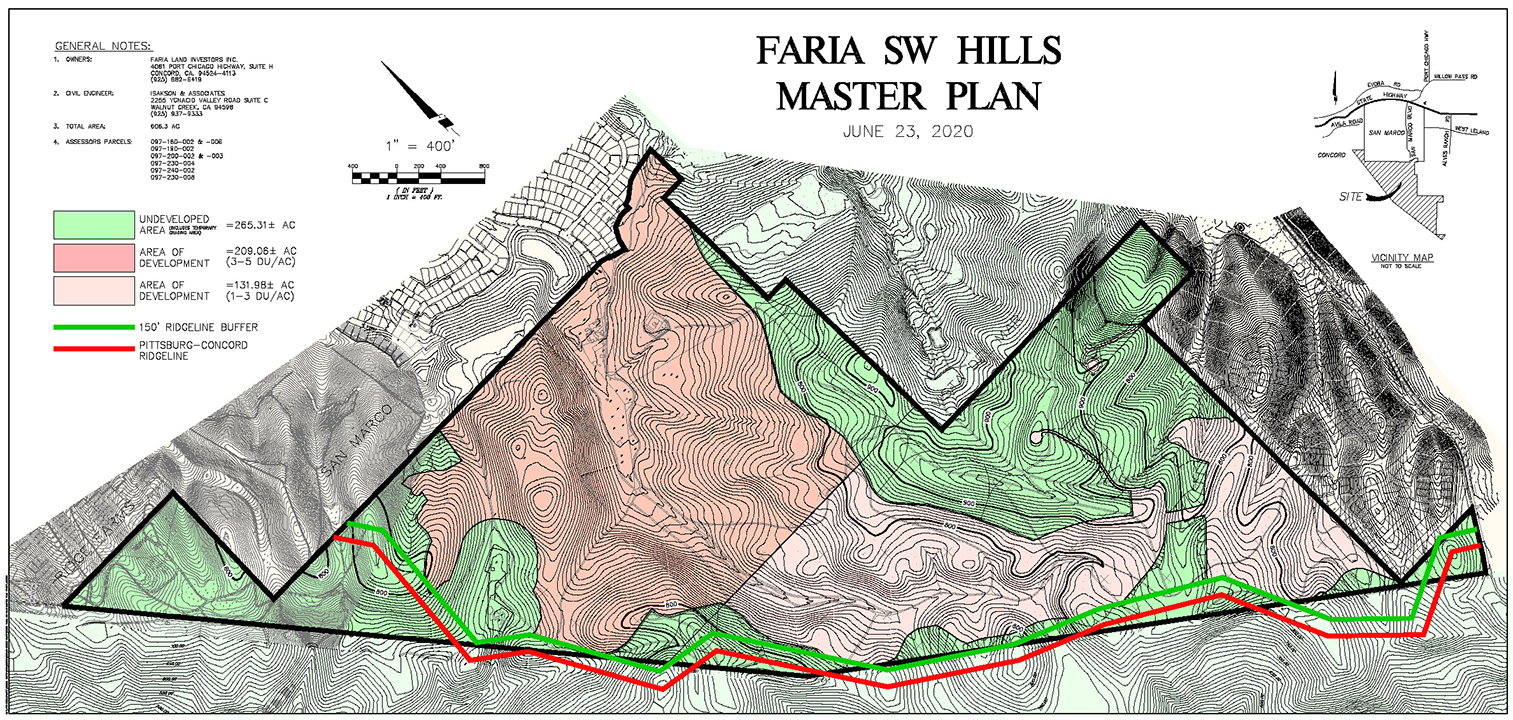
On March 30, 2021, Save Mount Diablo filed the lawsuit challenging the City of Pittsburg’s approval of the 1,650-unit Faria project, on the ridgeline between Pittsburg and Concord. According to the agenda item documents, the master plan overlay district encompasses approximately 607 acres of land. The district is generally bounded by Bailey Road and the approved but not yet constructed, “Bailey Estates” subdivision to the east; the Concord City Limits and recently closed Concord Naval Weapons Station (CNWS) property to the south and west; and the San Marco and Vista Del Mar residential subdivisions (substantially developed) along the northern boundary and other open space areas along the northeastern boundary.

Faria SW Hills Master Plan map. Source: City of Pittsburg

“Save Mount Diablo is simply trying to protect one of the East Bay’s most prominent and well-known ridgelines. The Pittsburg City Council approved Seeno-owned Discovery Builders’ Faria project.  If we do nothing, massive grading will take place; the project will be built; the ridge damaged; other natural resources, including scenic vistas, will be harmed; and the new regional park, which we advocated for over many years, will be negatively impacted,” said Ted Clement, Executive Director, Save Mount Diablo.

Asked why it took so long for the organization to respond to the project’s approval, Seth Adams, Land Conservation Director for Save Mount Diablo responded, “things take time.” Asked if they had a court date set, yet, he said, “No. We’re at the stage where we have a mandatory settlement conference and where the preparation of the administrative record, which includes all the public comments, etc. That’s what the whole trial is about.”

According to Save Mount Diablo, the Faria project violates Pittsburg’s General Plan, state planning and zoning law, and the California Environmental Quality Act (CEQA). CEQA requires legally adequate environmental review, consideration of appropriate alternatives, and implementation of mitigations to reduce impacts.

Save Mount Diablo’s lawsuit challenges the approval of the Faria project claiming the city council ignored hundreds of letters and public comments that opposed the project.

The Faria site is rugged, landslide prone, and badly suited for development, which will only be possible with massive grading, the environmental organization contends. The project as approved by the city authorizes the development of a major, new residential subdivision on 607 acres of ridgeline and hillside grazing land in what is currently unincorporated Contra Costa County, immediately south of the City of Pittsburg.

The biologically rich site supports sensitive wildlife species and rare plants and is in one of the most visible and most environmentally constrained areas of the county.

The Faria project would change the beautiful green hills forever by annexing the property to the City of Pittsburg and locating 1,650 new residences far from jobs, transit, and services, Save Mount Diablo claims. As a result, rare habitat for special status species would be lost. The extensive grading would increase landslide risks and degrade creeks and streams. Building in the wildland urban interface would create new wildfire risks and strain the City of Pittsburg’s existing firefighting services. Traffic on Bailey Road, San Marco Blvd., and Highway 4 would be made much worse.

The Pittsburg hills where the Faria project has been approved for construction, as seen from the San Marco neighborhood in Pittsburg. Photo: Scott Hein

Save Mount Diablo claims the Faria project would also impact the new Concord Hills Regional Park, which the East Bay Regional Park District (EBRPD) has long planned at the former Concord Naval Weapons Station at the Faria site’s southwestern edge. The Faria project would sit directly above the new park on a ridgeline, degrading views from surrounding areas. It would fragment open space and damage wildlife corridors.

The East Bay Regional Park District adopted the Land Use Plan for the new park last year on July 7, 2020. Discovery Builders and Faria Land Investors filed suit to stop the new regional park.

The Concord Hills Regional Park Land Use Plan provides for public access, preserves 95 percent of the area’s natural habitat, and honors the unique natural and human history of the land.

According to an August 21, 2020 media release by EBRPD: “This approval paved the way for the Park District to begin work on park and trail development of the 2,540-plus-acre regional park at the former Concord Naval Weapons Station and was the product of two decades of community advocacy and partnership amongst the Park District, U.S. Navy, National Park Service, City of Concord, with overwhelming support from the residents of Central Costa County.

“Despite a thorough environmental analysis of the new Regional Park’s plans, which include public access for recreation, permanent preservation of the land as natural habitat, and a joint visitor center with the National Park Services that will also honor the Black sailors who died in the massive Port Chicago explosion, Mr. Seeno’s Discovery Builders and Faria Land Investors filed suit to stop the new regional park. In their lawsuit, Mr. Seeno alleges that the Park, after a decades long collaborative planning efforts to protect and preserve open space, would cause undisclosed impacts on the environment and would impact their planned Faria residential development in Pittsburg on a 606-acre parcel adjacent to the ridgeline of the park,” stated the media release.

By comparison, next door and above the new park, Faria would include hundreds of acres of impacts, Save Mount Diablo claims. The City of Pittsburg prepared an Environmental Impact Report (EIR) that fell far short of CEQA’s requirements. Among other flaws, the EIR lacks adequate analysis of numerous impacts, including biological resources, water supply, wildfire, traffic, and land use. The EIR failed to provide an adequate project description, for example, by omitting information about the location of elements of the planned residential development and about related public services, such as water consumption rates. It also failed to discuss appropriate alternatives. And the mitigation adopted for many impacts is plainly inadequate or ineffective.

Save Mount Diablo is not opposed to all growth. Pittsburg has thousands of housing units already approved but not yet built, including units at Seeno’s San Marco, Sky Ranch II, Montreux, and Tuscany Meadows projects and now including Faria. A smaller or more compact Faria project could easily protect the beautiful ridge, expand the new regional park onto the Pittsburg side, and provide easy public access for Pittsburg residents.

According to Pittsburg’s Current Project Pipeline List, there are currently 5,853 housing units approved or under construction, 88 percent of them by Seeno’s Discovery Builders (5,141 housing units). Those units represent approximately 60,000 new car trips per day that will soon impact local roads and Highway 4, Save Mount Diablo claims.

According to Clement, “Throughout the East Bay, residents have worked hard to protect our ridges and views, and to defend our parks. Pittsburg residents deserve the same protections and quality of life.”

City of Pittsburg General Plan December 2011.

Developer’s Attorney Responds

In response, Discovery Builders’ attorney, Kristina Lawson, Managing Partner of Hanson Bridgett issued the following statement:

“The City of Pittsburg, as the lead agency, and the City’s environmental consultant have performed a comprehensive and extensive analysis of potential impacts of this project.  Their work was thorough and well done.  Following that analysis, planning and engineering staff at the City recommended approval of this project; the Pittsburg Planning Commission recommended approval of this project; and the City Council voted unanimously to approve this project.

Furthermore, Pittsburg voters approved this land to become part of the City of Pittsburg, and to be developed with much needed housing, consistent with the City’s General Plan which has long provided for this land to be developed for housing.

My client knows that the City Manager, City employees and City-appointed and elected officials all have the best interests of the City in mind and agrees with the many staff recommendations and City approvals for the project.  Given the City and their consultant diligently analyzed potential impacts of this project, my client is not concerned with this poorly drafted and baseless lawsuit filed solely for the purpose of delay.”

Allen Payton contributed to this report.


Filed Under: Central County, East County, Environment, Growth & Development, Legal, News

Contra Costa Supervisors defer action on Assessor Kramer’s $325K legal cost claim; sets stage for new court battle

April 28, 2021 By Publisher Leave a Comment

Approve $233 million Regional Action Plan for unsheltered homeless; $12.99 million Buchanan Field Terminal project; ban retractable dog leashes

Contra Costa County Assessor Gus Kramer.

By Daniel Borsuk

The Contra Costa County Board of Supervisors decided in closed session on Tuesday to take “no action” on Contra Costa County Assessor Gus Kramer’s claim to pay him $325,000 in legal fees stemming from a misconduct trial that was declared a mistrial in November in Superior Court.

“This is going to cost the county much more money,” commented Kramer, who was unaware of the supervisors’ executive session decision when contacted by the Contra Costa Herald.

The supervisors’ inaction on his claim means Kramer will appeal the executive session “no decision” to Superior Court.

In his claim, Kramer says former Contra Costa County Administrator David Twa had told him on several occasions that the attorney costs for the misconduct trial would be paid by the county.

“I took him (i.e., Twa) at his word,” the 70-year-old Kramer said. “He said this to me up to 10 different times. Just how does a person who was responsible for managing the county’s money can make promises like that and then the county does not come through with the money?”

Twa, who retired as Contra Costa County Administrator earlier this year and returned to his native Minnesota, continues to work as a consultant on the county’s redistricting that needs to be completed by the end of this year.

Supervisors honored Twa by dedicating the new 3 ½ story, 72,000 square foot administration building in Martinez in his name.

Supervisors did not comment on their executive session decision on Tuesday, especially District 5 Supervisor Federal Glover of Pittsburg, who when contacted by the Contra Costa Herald, refrained from issuing any remarks other than informing this reporter on the board’s executive board decision on the Kramer claim.

Supervisor Glover defeated Kramer in last November’s election for the supervisorial District 5 seat.  Glover is currently serving his sixth four-year term as a county supervisor, the longest tenure of any supervisor now on the board.

Supervisors Approved Regional Action Plan for Unsheltered Homeless

During their regular meeting on Tuesday, on a 5-0 vote, supervisors accepted an ambitious regional action plan, by All Home, that aims to shelter the homeless at a cost of about $223 million, partly covered by Measure X sales tax revenues over the next three years. If funded and properly implemented as planned it will reduce by 75 percent the unsheltered homeless population by 2024.

According to the presentation to the board, “All Home is a Bay Area organization advancing regional solutions that disrupt the cycle of poverty and homelessness, redress the disparities in outcomes as a result of race, and create more economic mobility opportunities for extremely low-income (ELI) individuals and families.”

The action plan is based on a statement by the Regional Impact Council that the Bay Area is a “Region in Crisis.”

Board Chair Burgis, who represents the county on the nonprofit’s board of directors, called the plan a “bold plan” several times in addressing the complex issue of homelessness in the county.

Supervisors Gioia of Richmond and Burgis admitted that any effort to adequately house the homeless will require spending Measure X dollars, a new source of sales tax revenue county officials is expecting to come into county coffers later this year.

“This is a great time of opportunity to get people off the streets by leveraging our tax dollars,” said Gioia. “Contra Costa County is a great leader.”

“I am really excited Contra Costa County is shining the light on this crisis (i.e., homelessness). This will be presented to the Mayors’ Council and the Measure X Committee,” added District II Supervisor Candace Andersen of Danville.

Buchanan Field Terminal Project Approved

Supervisors approved as a consent item the $12.99 million construction of a new Buchanan Field Terminal to replace the existing terminal at 181 John Glenn Dr. in Concord. Supervisors approved a construction contract submitted by W.E. Lyons Construction Co.

The Federal Aviation Administration will cover $6.1 million or 47 percent of the project’s cost.  CalTrans will provide $150,000 or 1 percent of the construction cost and the Airport Enterprise Fund will fund $6.74 million or 52 percent.

The new building will replace the existing terminal structure at the north end of John Glenn Drive.  The new terminal will include space for the Airports Divisions Administrative staff, Airport Rescue and Fire Fighting staff and equipment, public space to support scheduled and unscheduled air service providers, office space for aviation businesses, and general public meeting space.

The W.E. Lyons Construction Co. bid topped six other bids for the Buchanan airport project to be found to be responsive and in good faith.  The other six bids submitted for the project were:

Marcon Builders, $14,489,355; Zovich & Sons Inc., $14,559,000; Thompson Builders, $14,680,000; Patriot Contracting, $14,990,000; Rodam Builders, $15,315,000; and CWS Construction, $15,975,000.

Ordinance Bans Retractable Dog Leashes

With no public comment, supervisors approved a new Ordinance No. 2021-13, allowing community members to care for found dogs and cats and establishing new leash restrictions. Dog and cat leashes cannot be longer than six feet under the newly adopted ordinance.

Ordinance 2021-13 provides that a dog will be deemed to be “at large” if it is on a leash that is longer than six feet or that is extendable or retractable.  A long, retractable, or extendable leash allows a dog to get too far away from its handler, which does not allow for effective control of the dog.

Ensuring that a dog is walked on a leash that is six feet or less could reduce dog bites to children due to helping to ensure more effective control. According to a Consumer Reports and Consumer Union’s analysis of statistics collected in 2007, there were 16,564 hospital treated injuries associated with pet leashes, 10.5 percent of those injuries were to children less than 10 years old.

Antioch Library Closure

Supervisors approved the temporary closure of the Antioch Library to the public from April 21 through May 31 so that Public Works workers can paint the interior of the library and install new carpet and new shelving. The library is slated to reopen on Tuesday, June 1.

“Although initially planned to take place the prior fiscal year, the improvements were postponed for several months due to impacts of the COVID-19 pandemic,” said County Librarian Alison McKee. “Despite the initial delay, shelving has been purchased and scheduled for installation, and work requests have been submitted for Public Works for the paint and carpet work.”

During the closure, Antioch library staff will be temporarily reassigned to other libraries to fill vacant positions.  The book drop will not be open at the Antioch library, and holds will not be available for pickup. Those needing library services during the closure should visit the nearby Prewett or Oakley libraries or any other county library.

EHSD Language Line Contract

Supervisors approved a $1.1 million contract with Language Line Services, Inc. to provide interpretation and translation services for the Employment and Human Services Department from July 1, 2021 through June 30, 2022. Language Line Services provides telephone interpretation, on-site interpretation, and document translation services to the Employment and Human Services Department and to the clients serviced by the department.

Over One Million COVID-19 Vaccines Given in County

On the COVID-19 news front, Contra Costa Health Services Director Anna Roth announced the county has administered over one million vaccines, the second highest in the state.  That translates into 90,000 vaccines a week were administered, said Roth.

Persons 16 years old and older can now get the vaccine, said Roth.  “No appointment is necessary.”

“A million doses are amazing!” said board chair Diane Burgis of Brentwood. “I want to acknowledge the hard work.”

“I also want to acknowledge everyone in Public Health on one million vaccinations,” said District 1 Supervisor John Gioia of Richmond, a frequent critic of the department’s inability to adequately vaccinate minorities in underserved communities like Richmond, El Sobrante, Bay Point, Pittsburg, Antioch, and Oakley.

“County Equity Officer Gilbert Salinas has done a great job in closing the equity gap,” Gioia said.

Contra Costa County Health Officer Dr. Chris Farnitano said people will have a choice of vaccines when they report for their shots. Dr. Farnitano said last Friday the CDC and FDA had accepted the Advisory Committee on Immunization Practices recommendations to lift pausing on the Johnson & Johnson COVID-19 vaccine for all adults.  The region’s health officers agreed that the risk of developing the rare clotting disorder in females is extremely low.

“According to the CDC, to date there have been only 15 confirmed cases of the rare clotting event among nearly 8 million total doses administered in the United States, all in females, which translates to a risk less than 2 cases per million doses overall and 7 cases per million doses among women between 18 and 49 years of age,” a joint press release of Bay Area Health Officers states.


Filed Under: Animals & Pets, Legal, News, Supervisors

San Ramon’s California High wins Contra Costa County High School Mock Trial Championship, again

February 20, 2021 By Publisher Leave a Comment

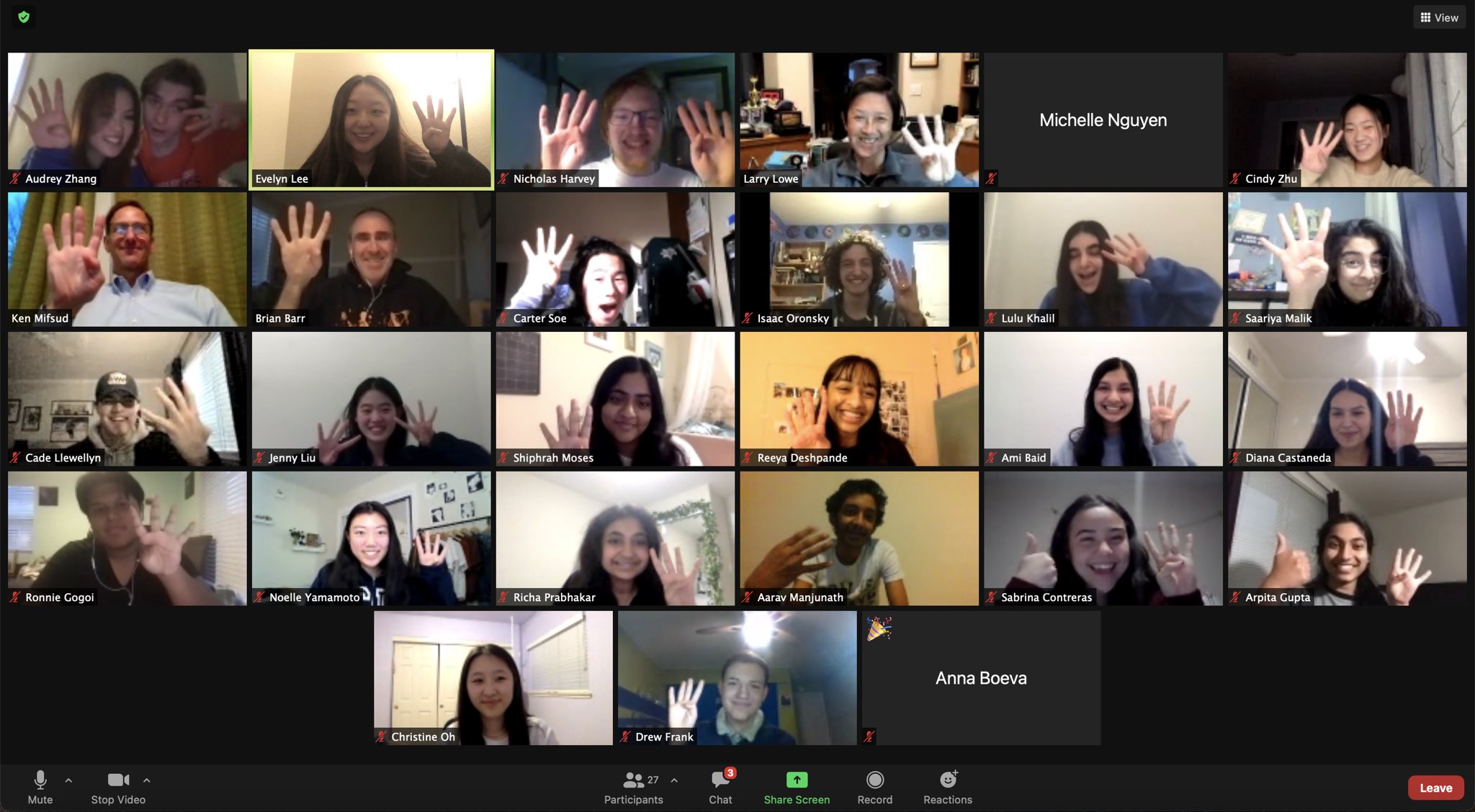
Members of the Cal High Mock Trial Team and coaches flash the number four following their repeat victory during the virtual mock trial Tuesday night. Photo from The Californian Twitter feed.

Their fourth win in a row; Art and Journalism Contest winners also from Cal High

Held virtually, this year 17 schools and 300 students participated;

Acalanes High placed 2nd, Miramonte High 3rd and Hercules High 4th

The 40th Annual Contra Costa County High School Mock Trials were held virtually, this year from January 26 through the final round on Tuesday, Feb. 16. The team from California High School of San Ramon won their fourth straight championship, beating Acalanes High of Lafayette in the final round. California High team played the role of the Prosecution while the Acalanes team fulfilled the role of the Defense. The match was judged and scored by former judge and current Contra Costa County District Attorney Diana Becton, along with five Bay Area attorneys, serving as Mock Trial scorers.

Also, noteworthy, Miramonte High (Orinda) defeated Hercules High (Hercules) during the same evening’s consolation match. This trial was judged and scored by Contra Costa County Superior Court Judge Steve Austin, along with five attorney scorers.

The 2021 top four teams were ranked in this order: 1) California High, 2) Acalanes High, 3) Miramonte High, 4) Hercules High. California High has now won four consecutive championships.

The Mock Trials Awards Ceremony were also held virtually, on Thursday, Feb. 18. Opening the event, Contra Costa County Superintendent of Schools Lynn Mackey gave the welcome and message to the attendees, followed by remarks made by Contra Costa County Superior Court Presiding Judge Rebecca Hardie, and the Mock Trial coaches presented their Coaches Awards to their exceptional-performing students. This was followed by the announcement of individual awards that were recorded by the volunteer Mock Trial judges and attorney scorers during the four opening preliminary rounds. The ceremony concluded with naming of this year’s championship team from Cal High. (Video begins at the 6:45 mark)

“As like numerous other counties in California, this was a challenging year for our High School Mock Trial program,” said Superintendent Mackey. “Due to COVID-19, this was the first time in 40 years that we were not able to hold our trials in one of the Martinez courthouses, but instead held the competitions via Zoom Meetings. This year’s Mock Trial success was because of a group effort between our volunteer judges and attorneys and our staff, as well as the patient and dedicated team coaches and their determined students. Congratulations to all of you!”

Directed by their teaching coach, Brian Barr, California High will now represent Contra Costa County at the California State Mock Trial competition, March 18-22. The California state finalist team will then compete in the National Mock Trial Competition, held May 13-15.

Courtroom art by winner Michelle Nguyen of California High School.

Art Contest

In the Courtroom Art Contest, students participated as courtroom artists, a companion program to Mock Trials. As courtroom artists, students accompanied their Mock Trial teams and sketched courtroom scenes that were later judged by a team of art judges. The winner was Michelle Nguyen from California High School and will represent Contra Costa County at the state finals.

Journalism Contest

In the Courtroom Journalism Contest, participating students were given an opportunity to report on a Mock Trial from the perspective of a journalist. As courtroom reporters, students accompanied their school’s Mock Trial teams to the preliminary rounds of the competition. Courtroom reporters then wrote and submitted one 500-word news article on the trial they attended. Articles were judged by a panel of specialists. The winner, Nicholas Harvey, also from California High, will represent Contra Costa County at the state finals. Read  his winning article.

The honored guest speaker, Judge Hardie, told the audience, “Congratulations to all of the students, teachers, and coaches for a wonderful competition. I’m so pleased that we didn’t let COVID-19 get in the way of our historic and annual tradition. We are so proud of our longstanding partnership with the Mock Trial program. Here at the county’s Superior Court, Mock Trials is one of our favorite times of the year. And, I heard so many wonderful stories from this year’s volunteering judges. They all agreed about how seamless the trials went this year, especially adapting the competition from our physical courtrooms to virtual courtrooms. The students did not miss a beat!

Coordinated by the Contra Costa County Office of Education (CCCOE) and sponsored by the Constitutional Rights Foundation, Mock Trial is an academic event provided for high school students. The hands-on educational program was created to help students acquire a working knowledge of our judicial system, develop analytical abilities and communication skills, and gain an understanding of their obligations and responsibilities as participating members of our society.

This year’s case, People v. Croddy, is the trial of Lee Croddy who hosts a popular YouTube channel called The Right Choice of News (RCN). Croddy has been charged with two counts: (1) aiding and abetting in the commission of first-degree burglary by another, and (2) accessory after the fact. This case will also feature a pre-trial argument on the Fifth Amendment protection against self-incrimination and as set forth in Miranda v. Arizona.

Since the beginning of the school year, teams of high school students worked with teacher coaches and volunteer coaches to prepare their version of the criminal case, from both the prosecution and defense perspectives. Students assumed the roles of trial attorneys, pre-trial motion attorneys, witnesses, clerks, bailiffs, artists, and court journalists. During the Zoom Meetings, Mock Trial judges and attorneys scored the students’ presentations and provided immediate feedback.

This year, there were 18 teams from the following 19 Contra Costa County high schools competed: Acalanes High (Lafayette), Alhambra High (Martinez), California High (San Ramon), Campolindo High (Moraga), Carondelet High (Concord), De La Salle (Concord), De Anza High (Richmond), De La Salle (Concord), Deer Valley Law Academy (Antioch), Dougherty Valley High (San Ramon), El Cerrito High (El Cerrito), Hercules High (Hercules), Heritage High (Brentwood), Kennedy High (Richmond), Las Lomas High (Walnut Creek), Miramonte High (Orinda), Monte Vista High (Danville), Richmond High (Richmond). *Richmond High and Kennedy High combine students for one team.

Approximately 60 Bay Area practicing and retired attorneys and sworn judges volunteered their time and expertise to serve as Mock Trial attorney scorers and judges. These volunteers represented judges from the Contra Costa County Superior Courts, and attorney scorers included attorneys from Bay Area county District Attorney and Public Defender offices, the State Attorney General’s Office, and the California Department of Justice. Also serving as attorney scorers, were non-profit, public, private, and corporate attorneys. Because this year’s competition was virtual, there were attorneys volunteering from their offices in Los Angeles; San Diego; Truckee; and Olympia, Washington. In addition, senior students from two Bay Area law schools also lent a hand in scoring.

For all the team and individual results, visit the Contra Costa County Office of Education’s Mock Trial results web page. #cocomocktrial

In 1977, the Constitutional Rights Foundation (CRF) introduced the concept of mock trials to the Los Angeles schools. In 1980, the program expanded to the state level. The California Mock Trial Program currently involves more than 36 counties and over 8,000 student participants from more than 400 teams. Approximately 1,500 attorney volunteers serve as team coaches and scorers, and 500 Municipal, Superior, and Appellate Court judges preside over the trials.

Filed Under: Education, Legal, News, San Ramon Valley

Did you receive a tax form for unemployment benefits you never applied for? Fraud attorney outlines the steps to take

February 11, 2021 By Publisher Leave a Comment

By Newsroom Newswire

Now that it’s tax season, and tax forms are arriving in the mail, many people are beginning to find a nasty surprise in their mailbox: an IRS form 1099-G reporting unemployment benefit income that they did not actually apply for or receive.

If you receive a form 1099-G but did not file for unemployment, someone may have stolen your identity to commit unemployment fraud.

Attorney David Fleck, who has extensive experience in fraud cases, said this is one of the easiest frauds to perpetrate, which is why it has suddenly become common during the pandemic. As unemployment numbers swelled, unemployment departments across the country became overwhelmed with applications and made thorough background checks of applicants fall by the wayside.

“I’ve seen so many different scams in my career, and frankly there is nothing new under the sun,” he said. “Because these are unusual times, con artists are just using this moment as a way to take advantage of the system.”

Learning that your identity has been used to perpetrate a fraud can be a stressful experience, Fleck said, but there are steps you can protect yourself and mitigate the damage:

  1. Report the fraud to the California employment development department, https://www.edd.ca.gov/. California EDD has a form on their website to use for reporting identity theft and unemployment fraud. You can also call the EDD Fraud Hotline at 1-800-229-6297.
  2. File your taxes as normal, and do NOT report the fraudulent income. If you’ve reported the fraud to EDD, that’s all you need to do. You don’t need to also report it to the IRS.
  3. If you suspect you may be a victim of a broader identify theft, you may want to check the website of The Identity Theft Resource Center, a nonprofit in San Diego. Visit idtheftcenter.orgor call 888-400-5530.

“Fraudsters never let a crisis go to waste,” Fleck said. “But hopefully, now that state officials know this fraud is going on in such large numbers, innocent victims won’t be on the hook.”


Filed Under: Crime, Finances, Legal, News

Limited Contra Costa Superior Court closure beginning Monday, Dec. 7

December 5, 2020 By Publisher Leave a Comment

By Matt Malone, Public Information Officer, Superior Court of California, Contra Costa County

COVID-19 cases have spiked, resulting in a new stay-at-home order for the county effective this weekend. To limit the risk of COVID-19 transmission, the Court will enact a LIMITED COURT CLOSURE effective Monday, December 7, 2020, and until further notice.

THE COURT WILL BE CLOSED TO THE PUBLIC. Exceptions are criminal preliminary hearing witnesses, attorneys, and defendants in matters with time not waived. Masks are required for entry.

JURY TRIALS ARE SUSPENDED. Criminal preliminary hearings with time not waived will proceed.

JURY SERVICE. Jurors summonsed to report on or before January 11, 2021: Your service has been completed. You do not need to call or report for jury duty.

THE COURT WILL NOTIFY YOU OF RESET HEARINGS. If your matter is to be reset, the Court will notify you of the new date, with hearings to be by Zoom or CourtCall. Instructions and links for Zoom/CourtCall, public access to audio streaming where available, and court calendars may be found on our Court Calendar webpage.

ALL CLERK’S OFFICES WILL BE CLOSED TO THE PUBLIC. FILINGS WILL BE ACCEPTED BY MAIL OR DROP BOX ONLY. The limited closure is NOT a Court holiday for filing deadlines. Drop boxes will be available from 8 A.M. – 4 P.M at the following locations:

Civil: Main Street entrance of the Wakefield Taylor Courthouse in Martinez. o Criminal: Main Street entrance of the Wakefield Taylor Courthouse in Martinez.

  • Family: Main entrance of Family Law building in Martinez.
  • Juvenile: Main entrance of the Walnut Creek Courthouse.
  • Probate: Main Street entrance of the Wakefield Taylor Courthouse in Martinez.
  • Pittsburg and Richmond courthouses: These drop boxes are available only for filings in case types heard at those locations.

ALL COURT RECORDS OFFICES WILL BE CLOSED. See the Criminal Records and Civil Records webpages for the process for records requests by mail.

This public health situation is urgent and constantly changing. Accordingly, the Court anticipates further press releases providing more details on Court operations over the next 30-60 days. Please visit the Court website for updated information.

Filed Under: Health, Legal, News

U.S. Supreme Court sides with California church overturns Newsom’s ban on indoor services, Bible studies

December 4, 2020 By Publisher 1 Comment

Pastor Ché Ahn speaks at Harvest Rock Church in Pasadena, California in 2019 (left) and on Feb. 28, 2020. Photos: Harvest Rock Church Facebook page.

“This order frees up churches in all of California to have indoor services, again.” – Liberty Counsel

By Allen Payton

In the lawsuit by Pasadena-based Harvest Rock Church and Harvest International Ministry against Governor Gavin Newsom over his ban on all worship services and Bible studies in California, the U.S. Supreme Court ruled, yesterday, Thursday, Dec. 3, 2020, in favor of the church. The decision vacates the September 2 order by the U.S. Ninth Circuit Court of Appeals and directs that court to the Supreme Court’s recent 5-4 decision in favor of the Roman Catholic Diocese of Brooklyn in their lawsuit against New York Governor Andrew Cuomo.

The U.S. Supreme Court granted cert and vacated the lower court orders involving the emergency petition of Harvest Rock Church and Harvest International Ministry. The Court stated in its order:

“The application for injunctive relief, presented to Justice Kagan and by her referred to the Court, is treated as a petition for a writ of certiorari before judgment, and the petition is granted. The September 2 order of the United States District Court for the Central District of California is vacated, and the case is remanded to the United States Court of Appeals for the Ninth Circuit with instructions to remand to the District Court for further consideration in light of Roman Catholic Diocese of Brooklyn v. Cuomo, 592 U. S. ___ (2020).”

Tuesday, Liberty Counsel filed the final reply brief to the U.S. Supreme Court regarding its request for an injunction pending appeal in the churches’ federal lawsuit against California Governor Gavin Newsom’s unconstitutional worship ban and discriminatory treatment. The emergency petition also requested the extraordinary relief that the Court alternatively consider it as a petition for writ of cert before judgment. Today, the Supreme Court granted the petition, vacated the lower court orders, and remanded the case for further consideration in light of its ruling last week that granted an injunction pending appeal for churches and synagogues in New York.

According to the complaint by the church and ministry, referred to as the plaintiffs, “On July 17, 2020, Plaintiffs filed their complaint against Defendant California Governor Gavin Newsom. (“Complaint,” Dkt. No. 1.) The Complaint alleges six causes of action: (1) Violation of Free Exercise Clause of First Amendment to U.S. Constitution; (2) Violation of First Amendment Freedom of Assembly Clause; (3) Violation of Free Speech Clause of First Amendment to U.S. Constitution; (4) Violation of Establishment Clause of First Amendment to U.S. Constitution; (5) Violation of Equal Protection Clause of Fourteenth Amendment to U.S. Constitution; and (6) Violation of the Guarantee Clause of the U.S. Constitution.”

Then, “On July 18, 2020, Plaintiffs filed a Motion for Temporary Restraining Order and Preliminary Injunction.”

According to Liberty Counsel, the firm representing the church and ministry, they then appealed the case to the Ninth Circuit Court of Appeals regarding Governor Gavin Newsom’s unconstitutional orders. The governor’s orders prohibit all indoor worship, including home Bible studies and fellowship with anyone who does not live in the home. Yet, Gov. Newsom continues to encourage mass gatherings of protestors throughout the state.

Following the argument on August 12, Judge Jesus G. Bernal orally denied the request for a preliminary injunction. However, he waited until September 2 to release the written order. The appeal was filed, but it could not be effective until a written order was issued.

Once the order had been issued, the appeal was able to proceed. Liberty Counsel also filed for an injunction pending appeal. That is what the Supreme Court granted.

Background

On August 13, the Pasadena Assistant Prosecutor in the Criminal Division sent Harvest Rock Church and Pastor Che’ Ahn a letter demanding that all, indoor, in-person worship services cease. The letter threatens daily criminal charges and fines to Pastor Ahn, the church, staff, and parishioners. The letter states that each criminal charge is punishable by up to one year in prison.”

The lawsuit challenges both the total ban on indoor, in-person worship (including in private homes) in the counties on the “County Monitoring List,” and the ban on singing and chanting in the remaining counties. In addition to in-person worship at Harvest Rock Church, the church also has many “Life Groups,” which are home Bible studies and fellowship groups. These too are prohibited under Gov. Newsom’s July 6 (no singing and chanting) and July 13 (no worship) orders. Yet while he discriminates against churches, home Bible studies and fellowship meetings, the governor continues to encourage thousands of protestors to gather throughout the state. Like Gov. Newsom, Pasadena has allowed hundreds and thousands of protestors. Neither the Pasadena Public Health Department nor the Pasadena Prosecutor have attempted to stop the protests in which people are crowded together, many of them not wearing masks.

In Governor Newsom’s response to the motion for the temporary restraining order and preliminary injunction, he argues that churches are not “essential.” Regarding feeding, counseling and housing people in the same building where worship services occur, Newsom argues that only the worship services should be prohibited while the other non-religious services should be allowed.

Concerning home Bible studies, Newsom argues that he has authority to prohibit home fellowship groups. As to protests, Newsom publicly encourages them, saying “God bless you. Keep doing it.”

The restrictions against places of worship in California are more severe than those in New York. Governor Gavin Newsom’s orders ban all indoor, in-person worship for 99.1 percent of Californians.

Harvest Rock Church has multiple campuses in California, including in Pasadena, Los Angeles, Irvine and Corona. Harvest International Ministries (HIM) has 162 member churches throughout the state. Irreparable harm is being suffered every day as the churches remain subject to the unconstitutional restrictions, coupled with daily criminal threats, fines, and closure.

The Code Enforcement Division for the City of Pasadena and the Criminal Prosecutor have threatened criminal charges, fines, and closure for being open for worship against the governor’s orders and local health orders. The letters threaten up to one year in prison, daily criminal charges and $1,000 fines against the pastors, staff, and parishioners.

The discrimination has become more obvious and severe in Gov. Newsom’s new “Blueprint” issued on August 28, 2020, which established a system of four Tiers. The “Blueprint” discriminates against religious meetings in churches and places of worship in every Tier. The chart attached to the petition makes this discrimination very clear. For example, the consequence of the sea of purple in the “color-coded executive edict” is that indoor worship services are completely prohibited for 99.1 percent of Californians, including most of Harvest Rock and HIM churches. However, warehouses, big box centers, shopping malls, liquors stores, family entertainment and destination centers, gyms, fitness centers, and museums receive preferential treatment with either no capacity limits or no numerical limits.

Liberty Counsel Founder and Chairman Mat Staver said, “Today’s ruling by the Supreme Court provides great relief for churches and places of worship. The handwriting is now on the wall. The final days of Governor Gavin Newsom’s ‘color-coded executive edicts’ banning worship are numbered and coming to an end. It is past time to end these unconstitutional restrictions on places of worship.”

This order frees up churches in all of California to have indoor services, again.


Filed Under: Faith, Health, Legal, News, State of California

Contra Costa DA issues joint statement on 11 criminal justice reform commitments

September 2, 2020 By Publisher 1 Comment

“…change needed to upend a system rooted in slavery.” – District Attorney Diana Becton

By Allen Payton

Contra Costa District Attorney Diana Becton. From CCC website.

In a joint commentary published on Politico.com last week, Contra Costa County District Attorney Diana Becton and four other district attorneys from across the country, issued a statement on 11 criminal justice reform commitments. However, the commentary states they want to transform and no longer reform the system. The commentary was not sent to local media which covers Contra Costa County.

One of the points reiterates what Becton promoted in June, with other prosecutors in California, which is to ban political contributions from police unions to candidates for district attorney. However, questions to her about that issue, including asking if Becton would also support banning contributions from criminal defense attorneys, were never responded to.

The commentary begins with the claim, “Our criminal legal system was constructed to control Black people and people of color. Its injustices are not new but are deeply rooted in our country’s shameful history of slavery and legacy of racial violence. The system is acting exactly as it was intended to, and that is the problem. We should know: We’re Black, we’re female, and we’re prosecutors. We work as the gatekeepers in this flawed system.”

In that commentary, the five elected prosecutors also wrote, “Each level of the legal system reflects a level of inherent bias, and unless we stop trying to reform the system and instead work to transform it, we will never achieve the kind of change needed to upend a system rooted in slavery. Working from within, we have begun the steps to rectify past wrongs. We are implementing policies that include declining to prosecute minor offenses, overturning wrongful convictions, refusing to take cases from officers with a history of racial bias and expunging marijuana convictions.”

“Now we are pushing even further. We have decided to make the following 11 commitments, and we urge our fellow prosecutors to join us:

  1. Do not prosecute peaceful protesters. Citizens have a right to protest, and prosecutions can antagonize marginalized communities.
  2. Do not accept any funding from police unions. This will ensure our offices’ independence, and the ability to hold police accountable for injustice and misconduct.
  3. Require the review of all available evidence — including body-worn camera and other video footage — in cases that rest solely on the testimony of an officer. One officer’s perspective cannot guarantee the full truth, and therefore all available evidence must be reviewed for the cases that come across our desks.
  4. Ban “No Knock” warrants and reexamine our policies for issuing warrants. “No Knock” warrants are a violation of individual rights and represent an overreach of police power. They often result in unnecessary and tragic fatalities, as we saw in the case of Breonna Taylor.
  5. Hold police accountable by pursuing criminal charges against officers unlawfully using excessive force and other forms of state-sanctioned violence.Each member of law enforcement must do their part to hold officers accountable for unlawful practices and misconduct to ensure the safety of every person who comes in contact with the legal system.
  6. Expand our office policies on declining low-level offenses to cover decisions regarding charging and issuing warrants. By increasing our efforts to decline to prosecute certain low-level offenses, we can work to reverse the disproportionate impact the legal system has on Black people and low-income communities.
  7. Financially support and advocate for increases in funding to community-led and community-defined responses, restorative justice and violence prevention programs. Investing in community-led programs is crucial to addressing the racist origins of our legal system.
  8. Commit to using our office’s power and platform to advance discussions of divestment from the criminal legal system and toward community-led and community-defined responses to harm. Strong community support, restorative justice practices and diversion practices are key to dismantling the current legal system and shifting its focus from punishment toward justice.
  9. Develop grant-based community reinvestment programs to be administered in partnership with community-based partners. Community programs have proved to lessen recidivism and keep people out of contact with the criminal legal system, while keeping communities safer, overall.
  10. Solicit feedback from Black and brown community groups we were elected to serve through public, virtual forums in the next two weeks. Only by listening to the most impacted communities and advocates and bringing them to the table, will we truly understand their greatest needs and biggest challenges. Then, we will work together to rectify them.
  11. Commit to budget transparency.A budget is a moral document, and our constituents have the right to see how we allocate our budget and what we are funding to invest in community supports and safety.

To read the entire commentary on Politico, click here.

Filed Under: Crime, District Attorney, Legal, News

California Judicial Council rescinds ban on eviction hearings after lawsuit

August 21, 2020 By Publisher Leave a Comment

Following a lawsuit filed by Pacific Legal Foundation on behalf of California landlords, the California Judicial Council announced last week that it will end its illegal ban on eviction hearings.

By creating a de facto ban on evictions, the Judicial Council undermined the state’s separation of powers and seized policymaking power from the legislature and governor to block landlords’ access to courts.

“Constitutional limitations on government are never more important than during an emergency,” said PLF senior attorney Damien Schiff. “In this case, we challenged an eviction moratorium enacted not by the politically responsible branches of California’s government, but rather by the judiciary. Because it attempted to codify policy rather than merely regulate the practice of state courts, the rule exceeded the Judicial Council’s authority under the California Constitution. We are pleased not only that the Judicial Council has voted to rescind the rule, but also that the Council recognized, as the Chief Justice put it, that the ‘judicial branch cannot usurp the responsibility of the other two branches on a long-term basis to deal with the myriad impacts of the pandemic.’”

About Pacific Legal Foundation

Pacific Legal Foundation is a national nonprofit legal organization that defends Americans threatened by government overreach and abuse. Since our founding in 1973, we challenge the government when it violates individual liberty and constitutional rights. With active cases in 39 states plus Washington, D.C., PLF represents clients in state and federal courts, with 12 victories out of 14 cases heard by the U.S. Supreme Court

Filed Under: Legal, News

  • « Previous Page
  • 1
  • …
  • 4
  • 5
  • 6
  • 7
  • 8
  • Next Page »
Monica's-Riverview-Jan-2026
Liberty-Tax-Jan-Apr-2026
Deer-Valley-Chiro-06-22

Copyright © 2026 · Contra Costa Herald · Site by Clifton Creative Web