• Home
  • About The Herald
  • Local Agencies
  • Daily Email Update
  • Legal Notices
  • Classified Ads

Contra Costa Herald

News Of By and For The People of Contra Costa County, California

  • Arts & Entertainment
  • Business
  • Community
  • Crime
  • Dining
  • Education
  • Faith
  • Health
  • News
  • Politics & Elections
  • Real Estate

Four of five Contra Costa County Supervisors, DA support Ken Chew for BART Board

September 16, 2016 By Publisher Leave a Comment

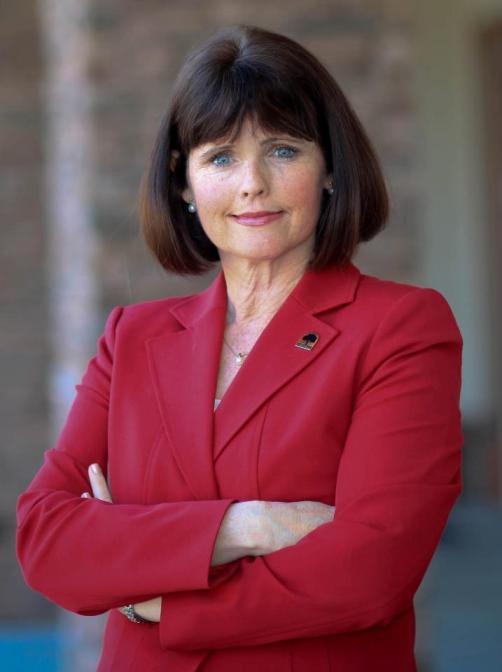
Candace Andersen

Candace Andersen

Former Moraga Mayor and candidate for District 3 BART Director, Ken Chew – endorsed by over 50  public officials, community leaders and business owners – has added two more leaders to his endorsement list.

With the addition of Candace Andersen, Contra Costa County Supervisor, District 2, and Federal Glover, Contra Costa County Supervisor, District 5, four out of the five Contra Costa County Supervisors have endorsed Ken Chew for District 3 BART Board.

“Ken will be a great representative on the BART Board for District 3 to begin the necessary reform,” said Supervisor Anderson. “He is a fiscal conservative and a champion for transparency and accountability in government.  He has the expertise as a transportation professional and public policy leadership experience to be our BART Director.”

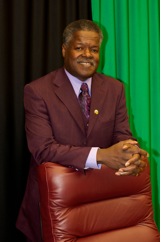
Federal Glover

Federal Glover

Contra Costa County District Attorney Mark Peterson, has also endorsed Chew.

“As an elected official, Ken has served with honesty and integrity,” Peterson said. “I respect his independence in making tough decisions to protect the tax payers and the community he represents. A fine example of a true leader.”

In response, Ken Chew said, “I am honored and humbled by their endorsements. Now I have an important mission to complete, that is, to help bring real improvements to our beloved BART system. By holding ourselves, the BART Board and Management fiscally responsible and accountable, we will make BART safe, clean and have trains that run on-time.”

Chew was elected to the Moraga Town Council in November 2006, and re-elected to a second term in November 2010. He also served as Mayor in 2010 and 2014. During his terms, he insisted on and achieved a balanced budget for Moraga from 2006 to 2014. As a member of the Board of Directors representing Moraga, he negotiated and awarded a new 10 year, $500 million contract in 2014 for the Joint Powers Authority of RecycleSmart (Central Contra Costa Solid Waste Authority). In 2012, with the help of many community leaders, he jointly initiated a successful Moraga Measure K, the 1% sales tax in Moraga for infrastructure (street and storm drains) maintenance and renewal.

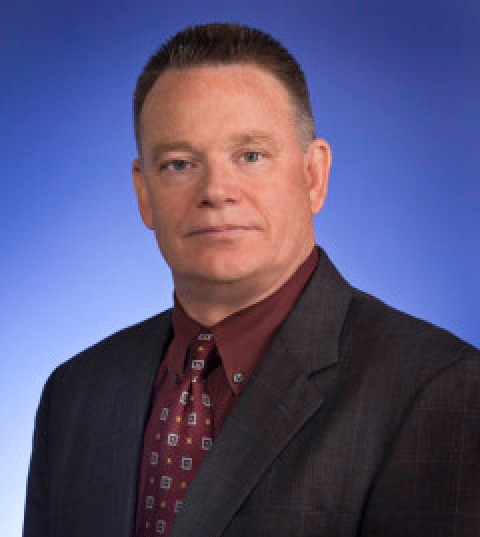
Mark Peterson

Mark Peterson

District 3 includes the following BART Stations: Bay Fair, Downtown Berkeley, El Cerrito del Norte, El Cerrito Plaza, North Berkeley, Orinda, Rockridge, San Leandro; and all or portions of the following cities and communities: Albany, Ashland, Berkeley, Castro Valley, Cherryland, El Cerrito, Kensington, Lafayette, Moraga, Oakland, Orinda, Piedmont, San Lorenzo See map of District 3, here: www.bart.gov/sites/default/files/docs/bart_3.pdf

For more information about Chew’s campaign visit www.electkenchew.com.

Filed Under: BART, Politics & Elections

Thirty current and former Contra Costa leaders endorse Allen over incumbent Murray in race for BART Director

September 15, 2016 By Publisher 1 Comment

As incumbent District 1 BART Board Director Gail Murray officially announced her campaign for re-election on Wednesday, her challenger Debora Allen announced the endorsement of 30 current and former East Bay elected leaders.

The endorsements are:
Steve Glazer State Senator, California
Catharine Baker State Assemblywoman, California
Candace Andersen Supervisor, Contra Costa County
Ben Johnson Mayor, City of Pittsburg
Bill Clarkson Mayor, City of San Ramon
Dan Walden Former Board Member, Walnut Creek School Board
Ed Duarte Director, Dublin-San Ramon Services District
Eve Phillips Vice‐Mayor, City of Orinda
Greg Marvel President, Board of Education, San Ramon Valley Unified School District
H. Abram Wilson Former Mayor, City of San Ramon
Howard Geller Mayor, City of Clayton
Jack Weir Former City Council Member, City of Pleasant Hill
Jim Diaz Vice Mayor, Clayton
John Phillips Chairman, Contra Costa County Pension Board
Julie Pierce Council Member, City of Clayton
Justin Wedel Council Member, City of Walnut Creek
Lynne Leach Former CA State Assemblywoman AD15 (1996‐2002)
Mark Peterson District Attorney, Contra Costa County
Merle Hall Former Mayor, Walnut Creek
Mike McGill Board Member,  Central Contra Costa Sanitary District
Pete Laurence Former Mayor, City of Clayton
Richard Rainey Former CA State Senator, Assemblyman, and Contra Costa County Sheriff
Robert Storer Council Member, Danville Town Council
Russell Watts Treasurer‐Tax Collector, Contra Costa County
Sal Evola Council Member, City of Pittsburg
Scott Gordon Secretary, Contra Costa County Pension Board
Scott Perkins Vice Mayor, City of San Ramon
Steve Barr Council Member, City of Brentwood
Steve Mick Alamo Municipal Advisory Council
Vicki Gordon Board President, Contra Costa Community College District

In the 12 years Murray has served as a BART Director, the system has seen the largest decline in quality of service in its 40+ year history, accord to Allen.

“Over the last decade, the BART experience has deteriorated with increased crime, system delays, labor strikes, equipment malfunctions, fake security cameras, high fares, budget shortfalls and overall public dissatisfaction,” she said. “BART is so antiquated, their control system is from 1972 and they buy replacement parts on eBay.”

Following are what some of her supporters have to say:

Senator Steve Glazer: “Debora Allen will bring an important voice and fiscally responsible vote into the BART boardroom. She’s smart, she’s tough, and she’s a problem solver. She will stand up to special interests and management incompetence and fight to improve BART while protecting the interest of taxpayers.”

Assemblywoman Catharine Baker: “Debora Allen brings a refreshing new energy and approach to getting BART’s fiscal house in order. She will be a champion for the transit rider and taxpayer!”

City Council Member of Clayton Julie Pierce: “Our BART system is incredibly important to the residents of Contra Costa County. I am confident that Debora Allen will be strong leadership on the Board of Directors and a loud voice for transparency and financial accountability to the stakeholders as we rebuild BART into a world class transportation system of which we can all be proud.”

Contra Costa County Supervisor Candace Andersen: “Debora Allen brings the business experience and financial acumen we need to lead BART in the right direction.”

Contra Costa County District Attorney Mark Peterson: “I trust Debora Allen to protect the taxpayers’ investment in BART, for the riders, the workers, and for the future of Bay Area living.”

Former CA State Assemblywoman Lynne Leach: “Debora Allen is a talented, trusted and experienced businesswoman.  Her background of working to stem the ever increasing growth of public pension costs prepares her well to serve on the BART Board.”

Former Mayor of Walnut Creek Merle Hall: “Debora will help get BART off welfare, and run it like a proper railroad in a business-like manner.”

Allen is Murray’s only challenger in the November election. BART District 1 includes the BART stations in Concord, Lafayette, Pleasant Hill/Contra Costa Centre and Walnut Creek and all or portions of the Contra Costa County cities and communities of Alamo, Alhambra Valley, Blackhawk, Camino Tassajara, Clayton, Concord, Danville, Diablo, Lafayette, Martinez, Pacheco, Pleasant Hill, Port Costa, San Ramon and Walnut Creek.

Filed Under: BART, Central County, Lamorinda, Politics & Elections

See the new BART to Antioch train during preview, Wednesday, Sept. 21

September 6, 2016 By Publisher Leave a Comment

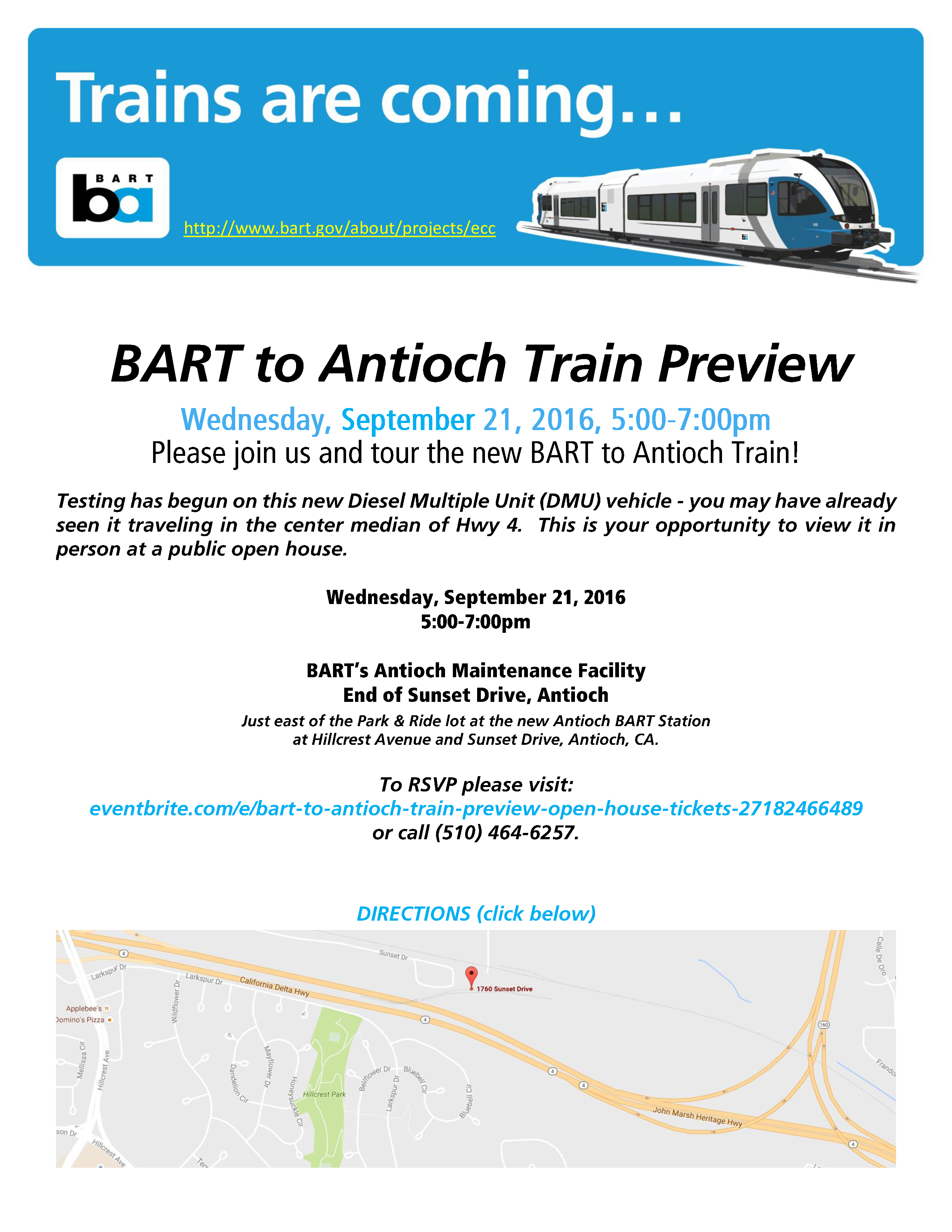
eBART_train_previewWednesday, September 21, 2016, 5:00-7:00pm

Please join us and tour the new BART to Antioch Train!

Testing has begun on this new Diesel Multiple Unit (DMU) vehicle – you may have already seen it traveling in the center median of Hwy 4.

This is your opportunity to view it in person at a public open house.

Wednesday, September 21, 2016

5:00-7:00pm

BART’s Antioch Maintenance Facility

End of Slatten Ranch Road (formerly Sunset Drive), Antioch

Just east of the Park & Ride lot at the new Antioch BART Station at Hillcrest Avenue and Sunset Drive, Antioch, CA.

To RSVP please visit:  eventbrite.com/e/bart-to-antioch-train-preview-open-house-tickets-27182466489 or call (510) 464-6257.

For more information about the project: http://www.bart.gov/about/projects/ecc

Filed Under: BART, East County, Transportation

Debora Allen announces strong bi-partisan support in campaign for BART Director

August 17, 2016 By Publisher Leave a Comment

Debora Allen

Debora Allen

Challenging three-term incumbent Gail Murray

County pension board trustee Debora Allen announced, Wednesday morning, that she is running for District 1 BART Director, in the 2016 general election. The chief financial officer of East County Glass is challenging incumbent Gail Murray who is seeking her fourth term on the BART board. District 1 includes the Concord, Pleasant Hill/Contra Costa Centre, Walnut Creek and Lafayette BART stations, and the cities of Martinez, Lafayette, Walnut Creek, Concord, Danville, San Ramon and Clayton, as well as Alamo and Blackhawk.

“Over the last decade, the BART experience has deteriorated with increased crime, system delays, labor strikes, equipment malfunctions, fake security cameras, high fares, budget shortfalls and overall public dissatisfaction,” Allen said. “BART is so antiquated, their control system is from 1972 and they buy replacement parts on eBay.”

Allen’s campaign platform is focused on five primary objectives:

  • DEMAND accountability from management for the financial stability, affordability, and cost effectiveness of BART.
  • REBUILD the old infrastructure to provide a renewed, sustainable, and durable transportation system for future generations.
  • REPLACE obsolete, broken equipment with clean, innovative, modern replacements, and maintain them.
  • INTEGRATE the current system with our numerous other Bay Area transit systems to create greater accessibility and efficiency in our lives.
  • PROVIDE a better BART experience to the customer, the rider, and the workers.

In an email, last week, Allen stated “BART needs strong leadership that is willing to stand up for change and hold management accountable for its revitalization.”

Numerous, prominent East Bay leaders have joined in supporting Allen’s campaign, including California State Senator Steve Glazer, a Democrat who has been an outspoken critic of strikes by BART employees, as well as BART operations and finances.

“Debora Allen will bring an important voice and fiscally responsible vote into the BART boardroom.  She’s smart, she’s tough, and she’s a problem solver,” Glazer said. “She will stand up to special interests and management incompetence and fight to improve BART while protecting the interest of taxpayers.”

“Debora Allen brings a refreshing new energy and approach to getting BART’s fiscal house in order,” said Assemblywoman Catharine Baker, a Republican. “She will be a champion for the transit rider and taxpayer.”

President of the Association of Bay Area Governments (known as ABAG) and Vice Mayor of Clayton Julie Pierce also endorsed Allen, stating “Our BART system is incredibly important to the residents of Contra Costa County. I am confident that Debora Allen will be strong leadership on the Board of Directors and a loud voice for transparency and financial accountability to the stakeholders as we rebuild BART into a world class transportation system of which we can all be proud.”

Contra Costa County Supervisor Candace Andersen also offered her support.

“Debora Allen brings the business experience and financial acumen we need to lead BART in the right direction,” she stated.

Contra Costa County District Attorney Mark Peterson also endorsed Allen, stating “I trust Debora Allen to protect the taxpayers’ investment in BART, for the riders, the workers, and for the future of Bay Area living.”

Former California State Assemblywoman (1996-2002) Lynne Leach added her support.

“Debora Allen is a talented, trusted and experienced businesswoman,” Leach said. “Her background of working to stem the ever increasing growth of public pension costs prepares her well to serve on the BART Board.”

Also endorsing Allen are Mayor of Pittsburg Ben Johnson, Mayor of Clayton Howard Geller, Pittsburg City Council Member Sal Evola, Contra Costa Community College District Board President Vicki Gordon, Central Contra Costa Sanitary District Board Member and Past President Contra Costa Taxpayers Association Michael McGill, attorney and Contra Costa County Employees Retirement System Board Trustee Scott Gordon, Alamo Municipal Advisory Council Member Steve Mick, Former Mayor of Clayton Pete Laurence, former Walnut Creek School Board Member Dan Walden, and retired BART employee Robert Leach.

“I am an independent, thoughtful, outsider, willing to take on the challenges of the troubled BART system,” Allen said. “I have spent over 25 years in a career in various financial management and board level positions. I now want to use that experience and knowledge to help the BART stakeholders, the riders, the taxpayers, and the BART employees.”

This is Allen’s second run for public office. She ran for State Assembly in the 14th District in the June primary, but did not make the run-off, placing a close third in the race behind the top-two candidates. She has a college degree from Sac State in Business Administration with a concentration in Accounting, is married to Tim Allen and they have two adult sons. They live just outside of Clayton, next to Mt. Diablo State Park.

For more information visit www.deboraallen.com or www.facebook.com/deboraallenforbart, or email her at debora@fixourbart.com.

The election will be on Tuesday, November 8.

Allen Payton contributed to this report.

Filed Under: BART, Central County, Concord, Lamorinda, News, Politics & Elections, San Ramon Valley, Transportation

BART’s $3.5 billion bond measure for repair, maintenance and upgrades of system on November ballot

July 11, 2016 By Publisher Leave a Comment

BART photo

By Allen Payton

In June, the BART Board voted 9-0 to place a $3.5 billion bond measure on the November ballot to provide funding for repair and maintenance of and upgrades to the existing system. The measure will appear on ballots in the three counties of Contra Costa, Alameda and San Francisco that make up the BART District, and requires a two-thirds vote to pass.

The system improvements will take 21 years to complete, according to the brochure about the measure. To see the brochure, click here: BetterBART_Brochure

“BART anticipates that the 2016 System Renewal Program Plan will be implemented over the course of twenty-one years, commencing in Fiscal Year 2017 and concluding in Fiscal Year 2038. Projects will be accelerated as practical to maximize the benefit of planned improvements as quickly as possible.”

However, the bonds will take as long as 50 years to pay off.

“We’re not likely to sell $3.5 billion of bonds in the first year or even the first 10 years,” stated BART Director Joel Keller, who represents Concord and Eastern Contra Costa County.  “There are laws that you spend bond proceeds before you issue more bonds. What we’ll do is sell the bonds in what’s called tranches. Let’s say the first tranche is $1 billion and it takes us five to 10 years to spend that money. That tranche will last 30 years. If we do that three or four times, that could take the final payment out years. That’s really an unknown. It could take 40 to 50 years. It will be 30 years after the last bond is sold.”

According to a BART press release, “Estimates show the bond will cost Alameda, Contra Costa and San Francisco county homeowners less than a pack of gum a week.” More specifically, the cost will increase the average property tax bill by $37.21 per year in Contra Costa County if the measure is approved, according to Keller.

The annual cost is based on the appraised of property values, both residential and similar to the BART earthquake retrofit bond measure, which is what property owners are currently paying on the property tax bills.

For the BART earthquake safety measure, which voters approved in 2004, the projected annual cost was between $4.85 and $12.65 per $100,000 of assessed value. However, the actually cost was $2.60 to $9 per $100,000 of assessed value.

“It’s an ad valorem tax with a fixed cost to pay off the bonds,” Keller explained. “So, if property values increase, the cost per $100,000 decrease.”

The 2016 bond measure is projected to cost $8.98 per $100,000 of assessed value. So a property in Contra Costa County with an average value of $414,399 will be assessed $37.21 per year.

Use of Bond Proceeds

The use of funds from the bond measure is split into two categories, according to the BART System Renewal Program Plan 2016.

Repair and Replace Critical Safety Infrastructure – $3.165 billion, 90.43%

“We want to upgrade our computer equipment from Pong-era technology to a modern train control system—which means less waiting for trains on crowded platforms and less frustration from delays. New maintenance facilities will keep the maximum number of cars out serving customers, so that fewer cars clog our congested highways,” from “The Plan” brochure about the measure.

This category is further divided into six sub-categories, with explanations in the brochure.

Renew Power System – $1.225 billion, 35%

Replacing Worn Track – $625 million, 17.85%

Waterproofing & Repairing Tunnels & Structures – $570 million, 16.29%

Modernizing & Replacing Train Control – $400 million, 11.43%

Renovating Stations – $210 million, 6%

Renewing Mechanical Infastructure – $135 million, 3.86%

Safer Station Access – $335 million, 9.57%

Design Future Projects to Reduce Crowding & Reduce Traffic Congestion – $200 million, 5.71%

Expand Opportunities to Safely Access Stations – $135 million, 3.86%

The bond measure brochure clearly states No general operating expenditures: The proceeds of the bond measure cannot be used to support BART’s general operating needs, but must be dedicated to the capital program outlined in this Program Plan.” Therefore none of the funds can be used for employee salaries or benefits.

According to a press release from BART:

The bond measure is a key funding component of BART’s plan to rebuild and renew its aging system, which faces increasing problems as various physical parts of the 44-year-old railway reach the end of their useful lives.  The plan replaces and repairs 90 miles of deteriorating tracks and other aging infrastructure in order to maintain BART’s excellent safety record and protects our environment by keeping thousands of cars off the road.

“This bond measure is practical; it’s dedicated to fixing what we have,” said Board President Tom Radulovich. “We have a responsibility to keep our system safe and reliable while getting the maximum value out of taxpayers’ investment.”

Over the past year, BART’s community outreach department has held over 230 community meetings with local stakeholders and civic groups to ensure widespread understanding of BART’s needs, and to hear the public’s thoughts about its capital reinvestment program.

Due to record-breaking ridership, BART has been able to find funding for many of the solutions needed to increase capacity, meet modern demand, relieve crowding, and upgrade the system.  That includes the newly arriving Fleet of the Future, the Hayward Maintenance Complex, and some of the groundwork for a cutting-edge train control system.

However, the cost of the capital projects needed to repair, fix, and replace worn rail, leaking tunnels, unreliable track circuitry, and failing power transmission equipment outpaces revenue growth.  BART’s plan is to dedicate funds from the bond measure solely to fixing what we have first – without earmarks, pet projects, or frills.

If voters choose to pass the measure in November, great care will be taken to ensure the public’s money is protected and spent wisely.  An independent audit committee will be commissioned to publish regular, transparent reports on how the money is being spent, with open, frequent and public meetings.

BART has proven itself to be a prudent and effective steward of public bond funds in the past, executing its 2004 Earthquake Safety and Retrofitting effort under budget with better and more robust results than expected.

Public transportation continues to be at the intersection of many of the great issues facing cities in the 21st century – and voters were wise in choosing to build such an extraordinary work as BART back in 1962.  Since then, BART has been a staple of this region’s culture, workforce, and values. As both riders and service providers, BART appreciates and is deeply grateful for the opportunity to connect residents to the people and places they care about.

Kerry Hamill, Government Relations Manager for BART offered additional comments regarding the cost and length of the bond measure, in response to an editorial by Dan Borenstein published in the East Bay Times:

The East Bay Times editorialist’s headline – that our bond measure will cost double what we are saying – is flatly incorrect, a conclusion drawn from a selective interpretation of our analysis. In order to assist BART’s Board of Directors in making an informed executive decision, a variety of scenarios were created with different variables relevant to particular presentations. The East Bay Times piece incorrectly appropriated data from these scenarios, resulting in an inaccurate characterization of the bond’s effects. BART has long taken care to illustrate the repayment structure of this bond in a standardized way; we have been doing so through all our exhibits and resolutions since the Board discussions began in earnest this past February.

The editorial also takes issue with how staff described the bond to the Board of Directors and the public, claiming we provided inaccurate information out of either incompetence or deceit – a charge which has absolutely no merit. Bonds are issued over time in subsets called tranches, each lasting 30 years (hence the name ’30-year bond’). This is done to coordinate the timing of bond issuance as closely as possible with construction progress payments, which minimizes interest costs and keeps the annual tax rates as low as possible – a prudent and responsible financial management practice. The editorialist was given this point of clarification multiple times as he repeatedly misrepresented the meaning of a ’30-year bond’ to mean the total span of time property owners would be paying – a false claim BART has never made. We were disappointed to see the author’s misunderstanding make the final printing, despite our best efforts.

The bond measure is projected to cost between $0.80 and $17.49 per $100,000 of a property’s assessed value, for a weighted average of $8.98 per $100,000 over the life of the bond – and for further explanation, that minimum and maximum range is based on the structure of BART’s projected debt service. The editorial’s repeated point that BART made a mathematical error in not compounding the increase in AV is also flatly incorrect, based on a misunderstanding of how the cost of bonds increase or decrease over time. The more the District’s assessed value increases (as housing supply, ownership changes, improvements increase), the lower the rate property owners would pay as the cost is spread over a larger base of assessed values. Furthermore, our models and estimates are built on the assumption of a 4% yearly increase in assessed value. $3.5B Scenario C Tax Rate At 4% AV Escalation

This is not our first bond – when the Earthquake Safety measure went before voters in 2004, the District projected that rates would vary between $4.85 to $12.79 per $100,000 of a property’s assessed value. Since approval, the actual annual cost has ranged between $2.60 (current year) and $9.00 per $100,000 of assessed value. Contrary to popular opinion, we have a proven track record of responsible fiscal stewardship. $3.5B Bond Financing

Concerned property owners are encouraged to do their own math for the sake of accuracy: $8.98 per $100,000 of assessed property value. When we provide averages for particular scenarios, we run the risk of appearing to conceal changes in amounts due to the many variables that can be introduced. Our goal is to provide people with a general understanding of a complex issue based on the best information available, which we have done and will continue to do. We are a transparent organization with deep ties to the community, and have held hundreds of meetings to ensure people understand what this bond is and how it will work. In that vein, we appreciate the opportunity to draw attention to our plan to rebuild the core of the BART system for improved safety, reliability, and traffic congestion relief.

Complete details of what is in the bond and how it relates to safety, reliability, and relief of traffic congestion can be found at bart.gov/betterbart.

Filed Under: BART, News, Politics & Elections

BART unveils, begins testing new DMU train for upcoming service to Antioch

July 2, 2016 By Publisher Leave a Comment

A two-car eBART train undergoes testing in the middle of Highway 4 between Hillcrest Avenue and A Street/Lone Tree Way on Friday evening, July 1st. photo by Allen Payton

A two-car eBART train undergoes testing in the middle of Highway 4 between Hillcrest Avenue and A Street/Lone Tree Way on Friday evening, July 1st. photo by Allen Payton

First of many tests over the next two years

The BART to Antioch Extension Project marked another important milestone Thursday morning, June 30th, with BART unveiling its sleek new diesel-powered trains, soon to be seen linking Pittsburg/Bay Point and Antioch down Highway 4’s median.

“We’ve been working on the arrival of BART to this part of the Bay Area for years, so it’s both thrilling and a bit surreal to finally be here aboard these amazing new vehicles,” said BART Director Joel Keller. “We couldn’t have made BART to Antioch happen without the long-term dedication of East County residents, and the commitment of the many leaders at the local, regional, state, and federal levels who came alongside us to help turn this visionary project into reality.”

The new train cars will run on separate tracks extending past the existing Pittsburg/Bay Point Station, and are a different type than those arriving in BART’s new Fleet of the Future.  This Diesel Multiple Unit (DMU) was chosen to bring rail service to East County residents while remaining cost-effective; the $525 million, 10-mile extension to Antioch is 60% less expensive than conventional BART. Stations for the new service will be located along Highway 4 near the Railroad Ave. intersection in Pittsburg and the Hillcrest Ave. intersection in Antioch, with all eight new vehicles set to arrive by this December prior to a year of state-mandated testing for safety and functionality.

A two-car eBART train could be seen undergoing testing in the middle of Highway 4 heading westbound from Hillcrest Avenue, about 6:15 p.m. Friday evening, July 1st.

“This is an exciting milestone with the first testing of the train on the tracks,” Keller added in a brief interview. “We’re still shooting for a May, 2018 opening, once we get the state approvals. This is the first of many tests.”

The new train cars, rated the most environmentally friendly out of all diesel-powered trains, will be able to move an estimated 2,400 people per hour during commute times, and boast a variety of amenities including six digital signs per vehicle (with multiple language support), automated audio announcements, clear station arrival / destination signage, and modern climate control systems.  Daily ridership of the BART extension to Antioch is expected to exceed 10,100 by 2030 through the Highway 4 corridor, with an initial expected daily ridership of 5,600.

BART to Antioch is part of the nearly-complete Highway 4 Widening Project, which expands Highway 4 from four to eight lanes between Loveridge Road in Pittsburg to just west of State Route 160 in Antioch, and from two to four lanes from Lone Tree Way in Oakley to Balfour Road in Brentwood.  The project provides greater mobility and access to multi-modal transportation, not only expanding lanes and building missing connector ramps at the State Route 160 interchange, but also providing funds for BART to Antioch.

The project has been carefully staged to keep the daily traffic of 130,000 cars moving, even as major construction and demolition work continue.

“The arrival of these new BART vehicles and the beginning of testing is a visible reminder of the progress being made to further economic growth and improve access to jobs and vital services for East County’s 250,000 residents,” said Dave Hudson, Chair of the Contra Costa Transportation Authority. “The Highway 4 Widening and BART to Antioch projects would not have been possible without either the backing of Contra Costa voters in 2004, or the help of partner agencies. We look forward to continued public support for additional innovations and improvements on the Highway 4 corridor in the future.”

Average travel time between stations is expected to be seven minutes between Antioch and Pittsburg Stations, and three minutes between Pittsburg and Pittsburg/Bay Point Stations.  The new stations will use the same BART fare collection machines and gates used elsewhere in the BART system, with full service set to begin winter 2017/2018.

For more information visit the project page.

Allen Payton contributed to this report.

Filed Under: BART, News, Transportation

Sen. Glazer says BART union agreement is “positive step forward”

April 15, 2016 By Publisher Leave a Comment

State Senator Steve Glazer released the following statement, this week, about the agreement the BART has entered with its labor unions:

“About 60 days ago, 40 state and local elected leaders joined me in sending a letter to the BART Board and their unions calling on them to take steps to restore the public’s trust in the financial management of the BART system.

Specifically, we asked that BART negotiate an extension to its labor contract that would ensure that the trains would keep running without a work stoppage for the next five years and to do so in a financially responsible way.

Given what we know today, this proposed agreement takes a positive step forward in delivering on those requirements. If approved by the unions and the BART Board, we can be confident that there will be continuous train operations for the next five years without debilitating strikes.

The BART unions and management should be commended for doing this.

Strikes are too debilitating for BART riders and commuters. That is why transit strikes are banned in New York, Chicago, Washington DC, Boston and San Francisco.

There is still much more that BART should do to raise the level of confidence in the financial and operational management of the system. And I encourage them to continue the momentum with these confidence-building steps.

They are:

  1. Do not apply these cost of living raises to highly-paid managers. Their pay should be based on merit, not a “Me Too” clause.
  2. Commit to undertaking a salary study before the expiration of the next contract so that that we can closely examine each position’s compensation with the marketplace.
  3. Set up a capital depreciation fund so that savings for repair and replacement is funded every year rather than in a balloon payment through new bond proposals.
  4. Present clear projections of retirement costs and how they will be funded.
  5. Support legislation banning future BART strikes.
  6. Explore ways to train replacement managers to operate the system in the case of future work stoppages.

The financial elements of this proposed deal are not what I would have negotiated. BART workers are highly paid and system financial needs are great. However, I respect the collective bargaining process, and even if I disagree with some of the financial terms, I appreciate that compromise is required to bring all parties together.

This proposed contract represents the start of a turnaround for BART. We were going down the tracks, these past few years, in a very negative direction. The actions today have stopped that negative train and we are now heading in a positive direction. Let’s keep that momentum going with the confidence building steps that I have outlined.”

Glazer represents most of Contra Costa County in the California State Senate.

Filed Under: BART, Transportation

East Bay Leadership Council: BART labor agreement a welcome development

April 14, 2016 By Publisher Leave a Comment

EBLC logoBy The East Bay Leadership Council

On Monday morning, BART and its major unions announced that a tentative agreement had been reached on a new four-year contract, a deal that helps put the brinkmanship of the 2013 strike behind us and five strike-free years ahead of us.

That is a welcome development, but a stoppage is still a threat. BART is plagued by $9.6 billion in deferred maintenance and a shutdown caused by equipment problems would be no better for riders than a strike.

The degraded condition of the BART system did not develop overnight and it is fair to question past decisions made by the Board and management. Ultimately, the Board is accountable for the system’s performance.

The East Bay must invest in this vital public service and demand accountability from an organization that our region needs to be at its best.

While the East Bay may not be pushed to the brink by a BART labor dispute for the next five years, its infrastructure is still at the brink of breakdown.

The EBLC has not endorsed the possible BART bond measure and will not take a formal position until the measure is approved by the Board, but we do believe it is time to face our reality and make wise infrastructure investments.

ABOUT THE EAST BAY LEADERSHIP COUNCIL

The East Bay Leadership Council (EBLC) is a private-sector, public-policy organization that advocates on issues affecting economic vitality and quality of life and represents leaders of business, industry, education, government, and the nonprofit community. For more information visit www.eastbayleadershipcouncil.com.

Filed Under: BART, Business

Rep. DeSaulnier, MTC Commissioner Amy Worth support BART labor agreement, Glazer will study it

April 13, 2016 By Publisher Leave a Comment

On Monday, Congressman Mark DeSaulnier (CA-11) issued the following statement on the agreement between Bart and the transit unions:

“I am grateful a tentative agreement has been reached between Bart and the transit unions. If approved, there will be no interruptions in services for  Bay Area commuters. I look forward to reviewing full details of the 5-year deal with an eye towards the long-term financial stability and sustainability of Bart. On the federal level, I will continue to advocate for meaningful performance standards for transit agencies to ensure the public is getting its value.”

Orinda City Councilmember Amy Rein Worth, who serves on the Metropolitan Transportation Commission (MTC) as the representative of the cities of Contra Costa County, on Monday issued this statement following the announcement of a tentative agreement between BART management and labor leaders:

“This morning BART announced a tentative agreement with its labor unions to extend BART labor contracts until 2021.I am pleased to support this financially prudent agreement that provides security to BART workers and service reliability to the BART riding public.

BART is a critical part of the East Bay economy and is relied upon by hundreds of thousands of East Bay commuters.I am hopeful that this agreement portends a future without service disruptions not just for the next five years, but sets a tone for the future beyond as well.

The critical role of BART service goes far beyond those who depend on it for a ride each day, as we have learned; the East Bay highway and transit network is not able to replace BART during a strike or a service disruption, which is why this agreement is so important.

BART, its workers and the public now can focus on the important shared task of rebuilding the system as its major priority.

I am grateful to state Senator Steve Glazer and the other local elected leaders in the East Bay who urged both BART’s management and labor to keep faith with the riding public by negotiating a new labor contract that recognizes the fiscal needs of the system and ensures that trains will keep running on schedule throughout the system.”

However, State Senator Steve Glazer, a critic of BART spending and strikes by BART employees issued the following statement on the tentative agreement:

“I have just been given an outline of the proposed 2017-21 labor agreement. I look forward to reviewing the details of the agreement and its implications to commuters and taxpayers,” he stated. “I will be consulting today with the 40 elected officials who co-signed my letter urging that BART rebuild its public trust with concrete, fiscally responsible actions before the November elections when BART is expected to ask voters for a multi-billion dollar bond.”

Filed Under: BART, Transportation

  • « Previous Page
  • 1
  • …
  • 10
  • 11
  • 12
Monicas-11-25
Deer-Valley-Chiro-06-22

Copyright © 2026 · Contra Costa Herald · Site by Clifton Creative Web