• Home
  • About The Herald
  • Local Agencies
  • Daily Email Update
  • Legal Notices
  • Classified Ads

Contra Costa Herald

News Of By and For The People of Contra Costa County, California

  • Arts & Entertainment
  • Business
  • Community
  • Crime
  • Dining
  • Education
  • Faith
  • Health
  • News
  • Politics & Elections
  • Real Estate

Sabrina Landreth named new East Bay Regional Park District General Manager

March 4, 2021 By Publisher Leave a Comment

Fifth generation East Bay native, former Oakland City Administrator, Emeryville City Manager

By Dave Mason, Public Information Supervisor, East Bay Regional Park District

Sabrina Landreth. Source: EBRPD

The East Bay Regional Park District’s Board of Directors today approved the appointment of Sabrina Landreth as General Manager. She is the first female and the tenth General Manager appointed in the Park District’s 87-year history.

“Our Board is thrilled to have Sabrina join our organization,” said Dee Rosario, President of Park District Board of Directors. “She has all the right elements of urban public sector leadership experience and especially understands the diversity of the East Bay communities we serve.”

Ms. Landreth has deep roots in the East Bay as a fifth generation native who has held the top executive leadership positions managing the cities of Oakland and Emeryville.  She is a U.C. Berkeley graduate with a master’s degree in Public Policy, in addition to receiving a B.S. in Mechanical Engineering from the Massachusetts Institute of Technology (MIT).

“I am honored to be appointed by the Board as the District’s next General Manager,” Landreth said. “I look forward to continuing to build upon the great work the District does to improve the quality of life for our East Bay community, while adhering to its social and environmental responsibilities.”

Most recently Ms. Landreth served as City Administrator in Oakland from 2015- 2020, where she is credited with strong fiscal management and developing a capital improvement program that included community equity goals and has become a model program for local governments around the country.  She also worked for Oakland as Deputy City Administrator, Budget Director, and Legislative Analyst to the City’s Finance Committee.

Previously Ms. Landreth served as City Manager of Emeryville and as staff in the California State Assembly advancing state and local legislative initiatives.

Ms. Landreth succeeds Robert Doyle, who retired as General Manager after a 47-year career with the Park District.  She will begin her new position at the Park District on Monday, March 15 just four days after her 45th birthday.

Allen Payton contributed to this report.


Filed Under: Government, News, Parks, Recreation

Dredging up the past at Antioch Dunes National Wildlife Refuge

January 7, 2021 By Publisher 1 Comment

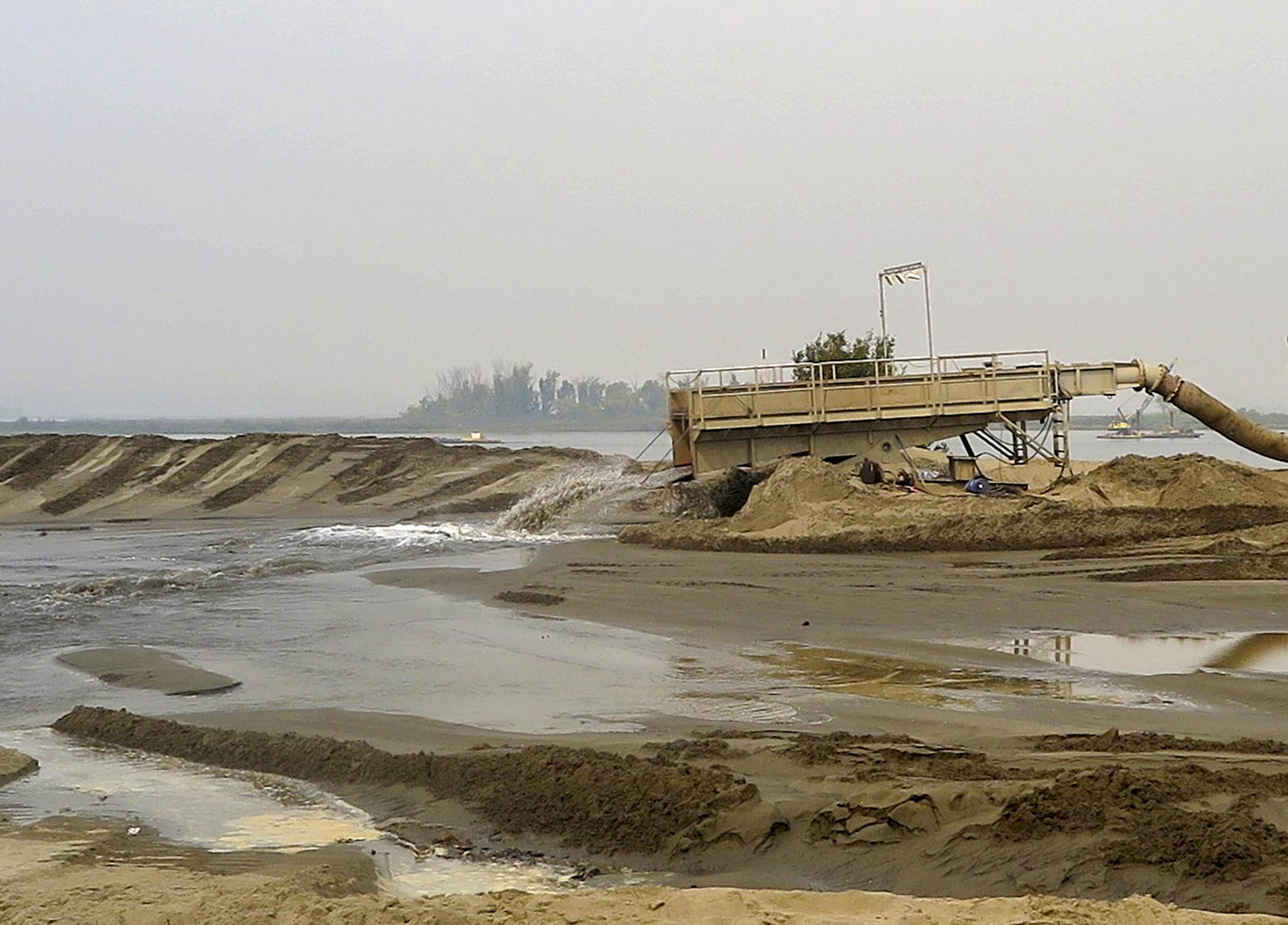
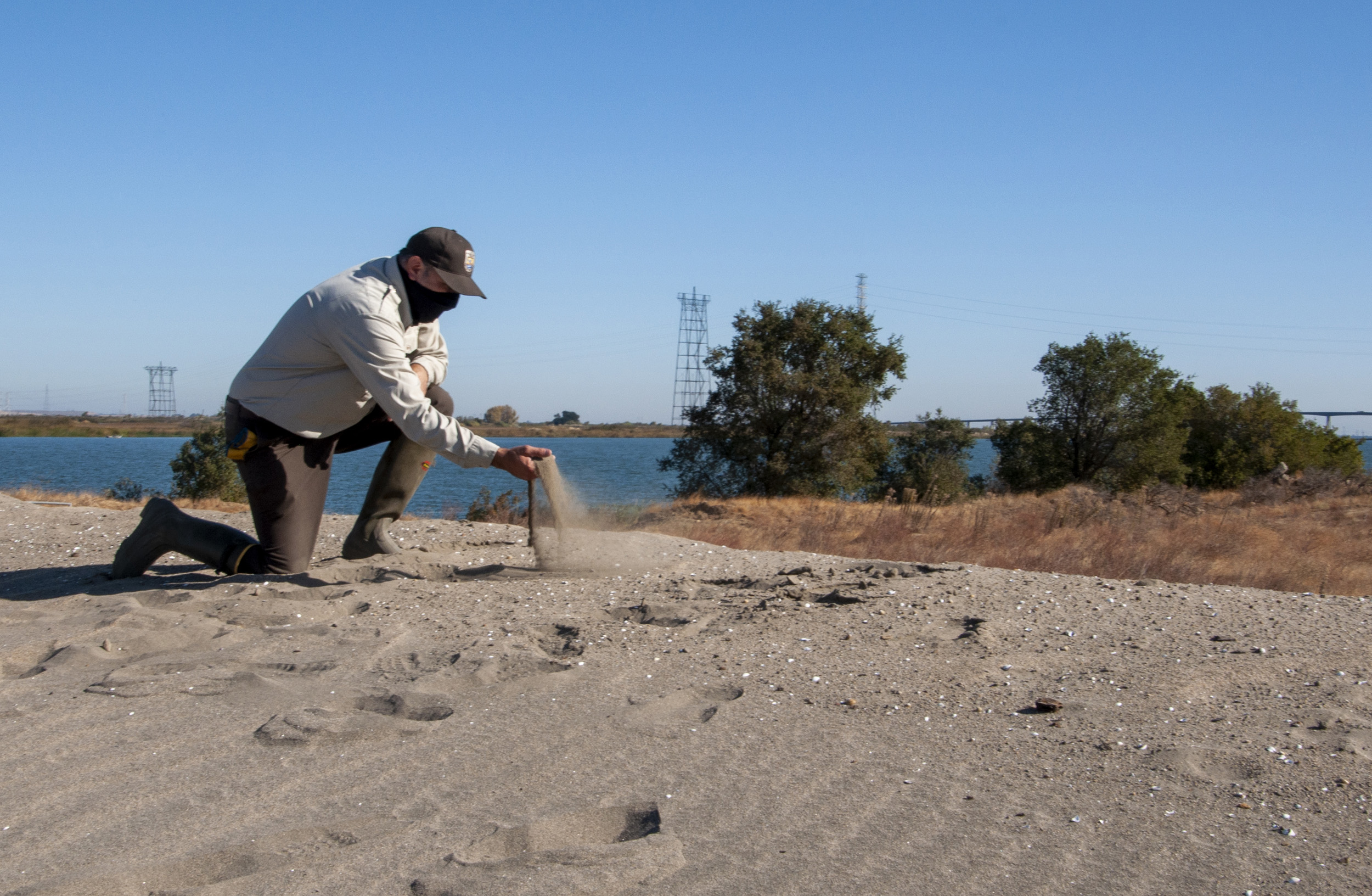
Sand and water dredged from the San Joaquin River are pumped onto Antioch Dunes National Wildlife Refuge in October. The water will return to the river through outfall pipes, leaving the sand behind. Credit: Mark Hayes/USFWS

Sand from the Port of Stockton is restoring a unique refuge

By Brandon Honig, External Affairs Specialist, U.S. Fish and Wildlife Service

Over thousands of years, the shifting sands of time built dunes that reached 120 feet high and stretched for two miles along the San Joaquin River, about 35 miles east of San Francisco. Isolated from similar habitats, the Antioch Dunes slowly developed species found nowhere else in the world.

The gradual shifting of sand, however, was replaced by a rapid effort to turn it into bricks in 1906, after a devastating earthquake and fires demolished buildings in San Francisco. As industry depleted the sand over the next 70 years, the dunes’ unique species struggled to survive on dunes that eventually topped out at 50 feet.

Now the U.S. Fish and Wildlife Service (USFW) and Port of Stockton are trying to turn back the clock, one load of sand at a time. Since 2013, the Port has pumped nearly 92,000 cubic yards of sand — enough to fill more than 6,500 dump trucks — onto the dunes to support three endangered species: the Lange’s metalmark butterfly, Antioch Dunes evening primrose and Contra Costa wallflower.

There may be fewer than 50 Lange’s metalmark butterflies remaining today, down from an estimated 25,000 between 50 and 100 years ago. The butterfly is only found at Antioch Dunes National Wildlife Refuge. Credit: Steve Martarano/USFWS

“The population of Lange’s has been trending downward for a couple of decades now,” said Mark Hayes, a biologist with the Service’s San Francisco Bay-Delta Office. “We counted about 10 butterflies in 2020, and the total population is very likely less than 50 currently. This is precariously low.”

The orange, black and white butterfly with a wingspan of 1 to 1.5 inches, whose population likely numbered 25,000 less than a century ago, was listed as endangered in 1976. The white-petaled primrose and yellow-petaled wallflower followed with listings in 1978.

The Service established Antioch Dunes National Wildlife Refuge for the three species in 1980, making it the first national refuge for insects and plants. At the time, the 55-acre urban refuge with two non-adjacent units was also the nation’s smallest.

partnership with the Port of Stockton. The landscape to the right shows refuge land that has not yet been restored with sand. Credit: Brandon Honig/USFWS

“This is a very industrial neighborhood we’re tucked into,” Louis Terrazas, a wildlife resource specialist for the refuge, said of Antioch Dunes. “There’s a shipyard on one side, a gypsum-processing plant, an old water-treatment facility over there and two strips of land owned by Pacific Gas and Electric.”

As sand disappeared in the 20th century, non-native grasses and plants took hold, crowding out the primrose, the wallflower and the Antioch Dunes buckwheat, which is the only plant where the Lange’s butterfly will lay its eggs. In the early 2000s, a series of wildfires further cut the butterfly population, leaving only about 100 alive in 2010 — all on the refuge’s 14-acre eastern unit.

With no butterflies to protect on the western unit, the Service decided to overhaul that site and try to restore the conditions that had once enabled the dunes’ endangered species to thrive. Refuge staff began looking for sources of sand in 2012 and were soon contacted by the Port of Stockton.

Beachgoers lounge on an Antioch, California, sand dune in the early 1900s, before much of the sand was mined for building materials. Credit: Contra Costa County Historical Society

The Army Corps of Engineers dredges sand from the San Joaquin River each year to clear passage for cargo ships, and the Port is responsible for finding sites to place the sand. The Port typically sent sand to nearby Sherman Island, but saw an opportunity to make a real impact at Antioch Dunes.

“Our board has been pushing us to reach out and find projects like this — ways we can go above and beyond the normal regulations to try to have a beneficial impact on the [Sacramento-San Joaquin River] Delta,” said Jeff Wingfield, the Port of Stockton’s director of environmental and public affairs. “It costs us a little extra in time and prepping the site and some other little work, but for us it’s important to beneficially reuse the material.”

Since the Port’s first delivery in 2013, the evening primrose has experienced a huge jump in numbers, Terrazas said, and the wallflower and buckwheat are also reappearing. Eventually the refuge hopes to re-establish the Lange’s butterfly on the western unit as well.

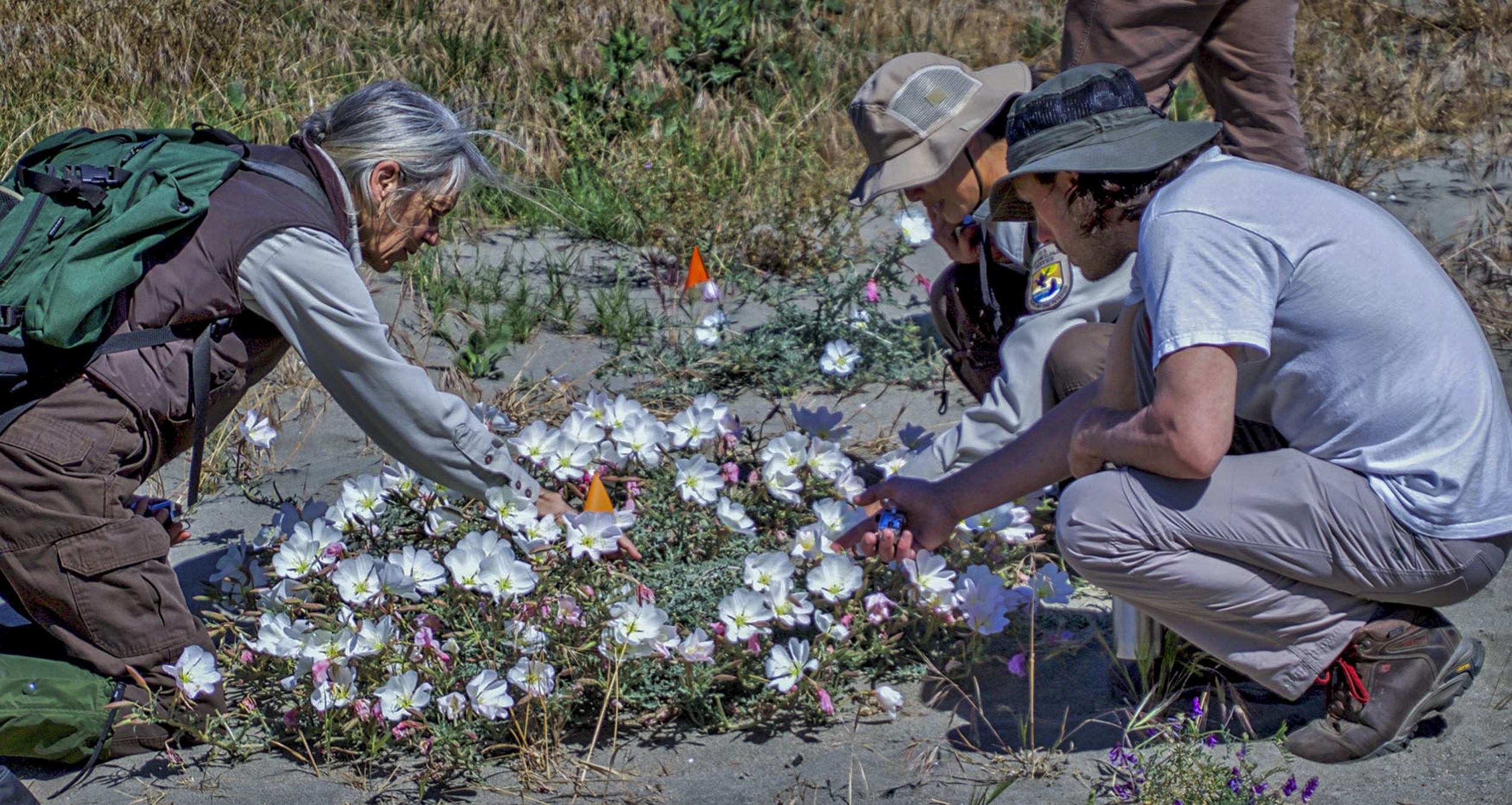
The Contra Costa Wallflower, right, and Antioch Dunes evening primrose live side by side at Antioch Dunes National Wildlife Refuge, the only national refuge established to protect plants and insects. Credit: Susan Euing/USFWS

To fully restore the refuge’s dune system, the Service could continue taking sand deposits for a couple of decades, Terrazas said, which might not be possible without the Port partnership.

“We bought some sand from another site in 2009, but it was really expensive, and the sand material had some non-native species in it,” he said. “We decided it was not the best method of restoring the site.”

The endangered Antioch Dunes evening primrose has shown a huge jump in numbers since dune-restoration began in 2013. Credit: Steve Martarano/USFWS

Under the current method, the Port provides and delivers clean sand, and it doesn’t cost the Service a dollar. USFW staff devotes a great deal of time to this project, but the sand itself and the labor to place it at the Antioch Dunes are donated.

“Restoring the dunes is vitally important to the refuge’s ecosystem and could be the key to long-term preservation of its endangered species,” Hayes said. “We value our partnership with the Port and hope this continues as we implement our restoration plan.”

Filed Under: East County, Environment, News, Parks, Recreation

East Bay Regional Park District facilities closing Dec. 6 due to rise in COVID-19 cases

December 5, 2020 By Publisher 1 Comment

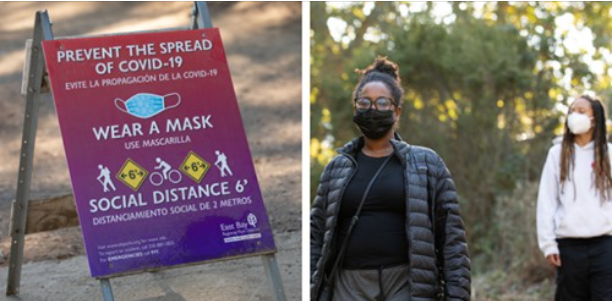
Photos by EBRPD.

By Dave Mason, Public Information Supervisor, East Bay Regional Park District

Effective 6:00 p.m. Sunday, December 6, 2020, all campgrounds, outdoor museums (visitor centers), and children’s playgrounds at East Bay Regional Park District locations will be closed until further notice as mandated by the six Bay Area county regional health officers’ order announced yesterday.

Facility Closures Include:

  • Ardenwood Historic Farm
  • Regional Parks Botanic Garden
  • Regional Park visitor centers remain closed, including Black Diamond, Big Break, Coyote Hills, Crab Cove, Sunol and Tilden

Campgrounds Closures Include:

  • Del Valle Regional Park (Livermore)
  • Anthony Chabot Regional Park (Oakland)
  • Robert Sibley Regional Preserve Backpack Campground (Oakland)

Future camp reservations through made through January 4 will be cancelled, including for the Sibley backpack camp, and customers will receive full refunds.

Outdoor activity is encouraged by health officials during the new Regional Stay Home Order. The Park District reminds visitors that spending time in nature is important for mental and physical health and wellbeing. To keep yourselves and Park District staff safe when visiting regional parks and trails, please wear masks when within six feet of others and recreate responsibly. Please keep parks safe for everyone by following all COVID-19 safety requirements.

The California sector closures and restrictions on activity under the State’s Regional Stay Home Order are described here.

Filed Under: Health, News, Parks, Recreation

After 18 months Bay Point Regional Shoreline reopens with improved visitor facilities, Delta water access

December 2, 2020 By Publisher Leave a Comment

By Dave Mason, Public Information Supervisor, East Bay Regional Park District

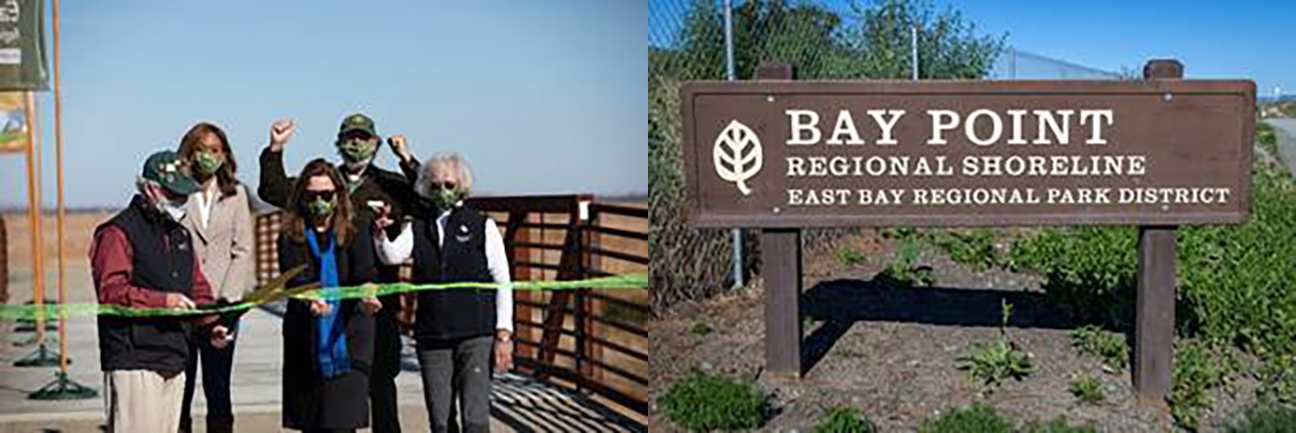
Bay Point Regional Shoreline reopened to the public Friday, November 20, 2020, after being closed for 14 months to restore habitat and construct public access improvements. The project, officially known as the Bay Point Regional Shoreline Habitat

Restoration and Public Access Project, includes additional parking, bathrooms, picnic areas, drinking fountains, elevated walking and hiking trails, and a kayak launch.

Bay Point Regional Shoreline provides access to open space and marsh habitat in an area surrounded by residential, military, and industrial development. The nearly 150-acre park is at the approximate midpoint of the San Francisco Bay Estuary and the Sacramento/San Joaquin River Delta. The East Bay Regional Park District acquired the park property in 1996.

The Park District celebrated the reopening of Bay Point Regional Shoreline with a live virtual program on Friday, November 20, at 10:00 a.m. with a naturalist-lead virtual tour, behind the scenes video, and featured speakers, including Park District General Manager Robert Doyle, Board President Ellen Corbett, Board Member Colin Coffey who represents the area, Board Member Beverley Lane who has long-advocated for more recreational opportunities in East Contra Costa County, Congressman Mark DeSaulnier, Assemblymember Tim Grayson and Pittsburg Council Member Shanelle Scales-Preston. Virtual program available at https://youtu.be/bHT7GGzXpNM?t=44.

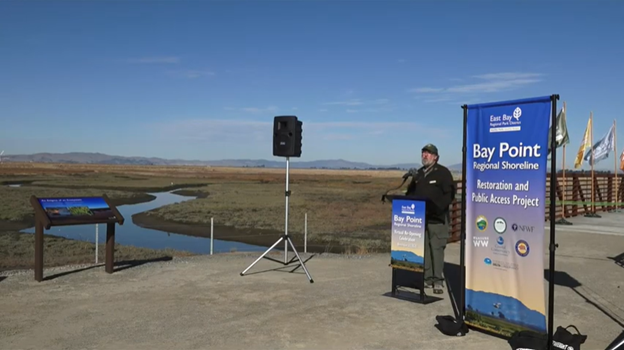
Park District General Manager Robert Doyle speaks at the virtual re-opening ceremony on Nov. 20, 2020. Video screenshot.

“Parks like Bay Point Regional Shoreline are essential for the community’s physical and mental health, now more than ever,” said Park District General Manager Robert Doyle. “COVID has shown us just how important parks are for recreation, respite, and rejuvenation.”

“More than 4,000 residents live within a half-mile of the improved shoreline park. The project significantly expands access to nature for the neighboring community, which has historically had limited access to parks and open space,” added Doyle.

The project restored tidal emergent marshes and transitional uplands, preserving natural habitat for endangered species like the California black rail and salt marsh harvest mouse.

“The improvements at Bay Point Regional Shoreline, both to public access and habitat, provide eastern Contra Costa County residents and the neighboring community with better opportunities to experience nature nearby for enjoyment, learning, and health,” said Park District Board Director Colin Coffey. “Access to parks and nature close to home are more important than ever due to the COVID-19 pandemic.”

East Bay Regional Park District Board Member Colin Coffey prepares to cut the ribbon, with Pittsburg City Councilwoman Shanelle Scales-Preston, District Board President Ellen Corbett, District General Manager Robert Doyle, and Board Member Beverley Lane, to officially re-open the park. Photos by EBRPD.

Climate change impacts were also taken into account by the project. New trails, visitor improvements, and interpretive signage were all elevated to withstand future sea levels and environmental restoration designed to provide quality habitat even at anticipated 2080 sea levels.

“The Park District is excited to highlight Bay Point Regional Shoreline as one of the Park District’s climate-resilient parks, with habitat restoration and recreational amenities designed and built to withstand climate change impacts, including extreme weather and sea level rise,” said Park District Board President Ellen Corbett. “We are working to adapt to climate change and protect our parks and trails from coastal flooding due to sea level rise”

Funding for the park was from the Shell Oil spill mitigation fund.

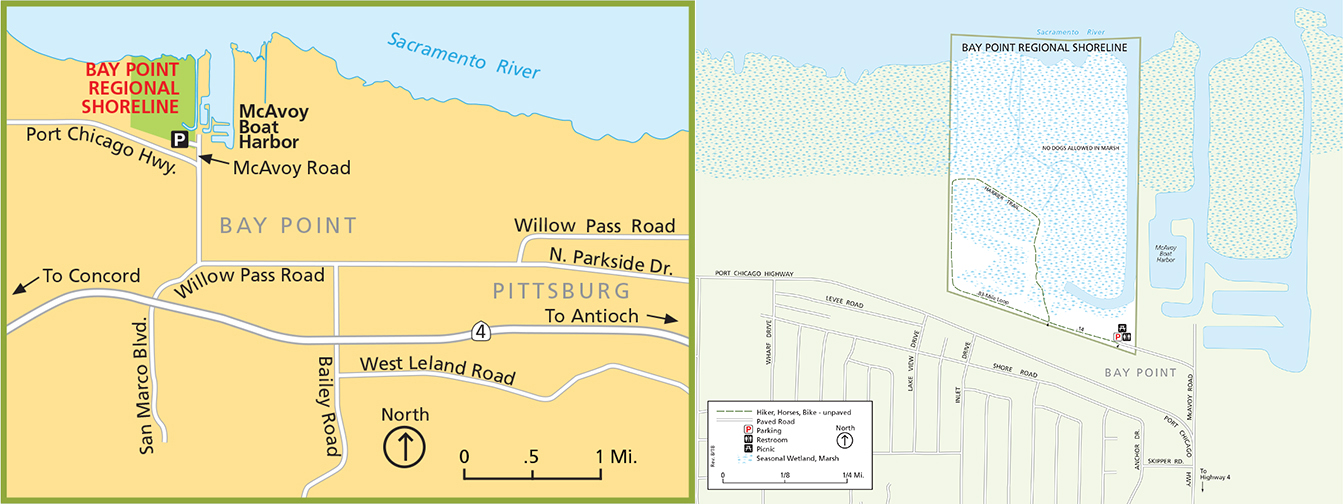
Regional and site maps of the Bay Point Regional Shoreline. From EBRPD BPRS brochure.

The Park is now open to the public from 5:00 a.m. to 10:00 a.m. For more information about Bay Point Regional Shoreline, visit EBRPD – Bay Point (ebparks.org).

The East Bay Regional Park District is the largest regional park system in the nation, comprising 73 parks, 55 miles of shoreline, and over 1,300 miles of trails for hiking, biking, horseback riding, and environmental education. The Park District receives more than 25 million visits annually throughout Alameda and Contra Costa counties in the San Francisco Bay Area.

Filed Under: East County, News, Parks, The Delta

County high school students explore new ways to connect with nature

November 23, 2020 By Publisher Leave a Comment

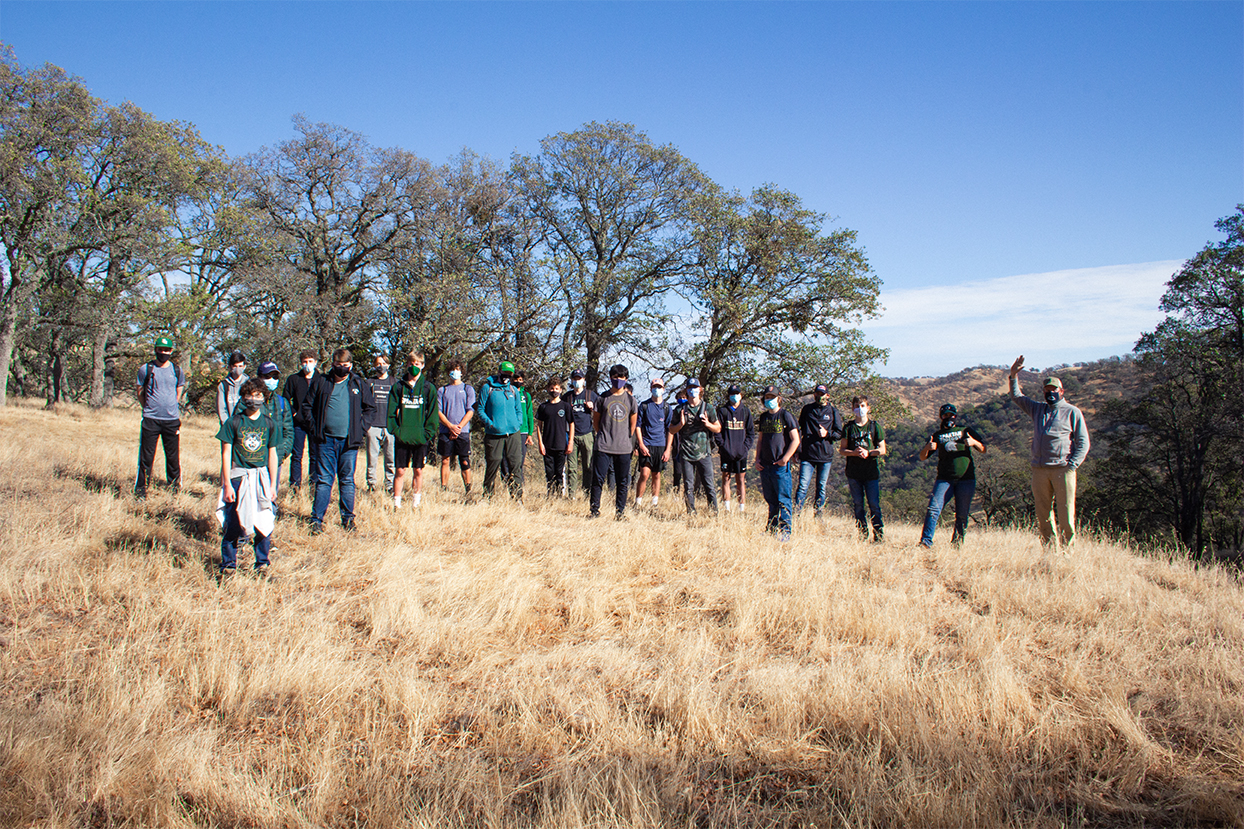
De La Salle students gather with Save Mount Diablo Executive Director Ted Clement at SMD’s Big Bend property east of Clayton to prepare for their solo experiences in nature. Photo by Al Johnson.

De La Salle High School students team up with Save Mount Diablo to learn about nature while staying safe during the pandemic

By Laura Kindsvater, Communications Manager, Save Mount Diablo

De La Salle High School students, eager to get outdoors, leapt at the chance to be part of Save Mount Diablo’s newly revised, hands-on Conservation Collaboration Agreement program designed  to connect young people to nature while keeping them safe during the pandemic. “Students are geniuses at adapting,” said Ted Clement, Executive Director of Save Mount Diablo (SMD). “When we had to change the way we deliver our experiential Conservation Collaboration Agreement (CCA) education program, they and their teachers took up the challenge and are making it work.”

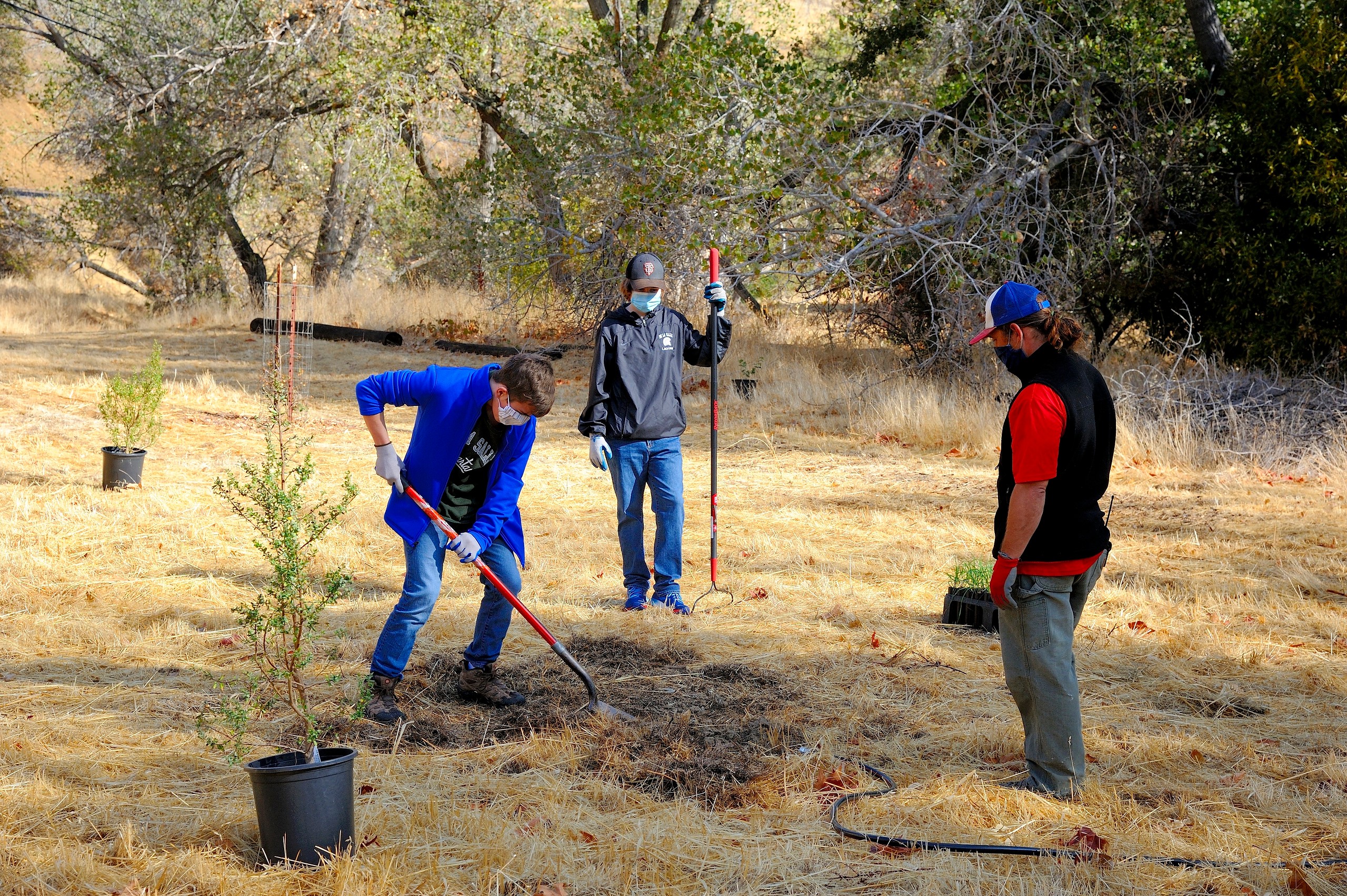
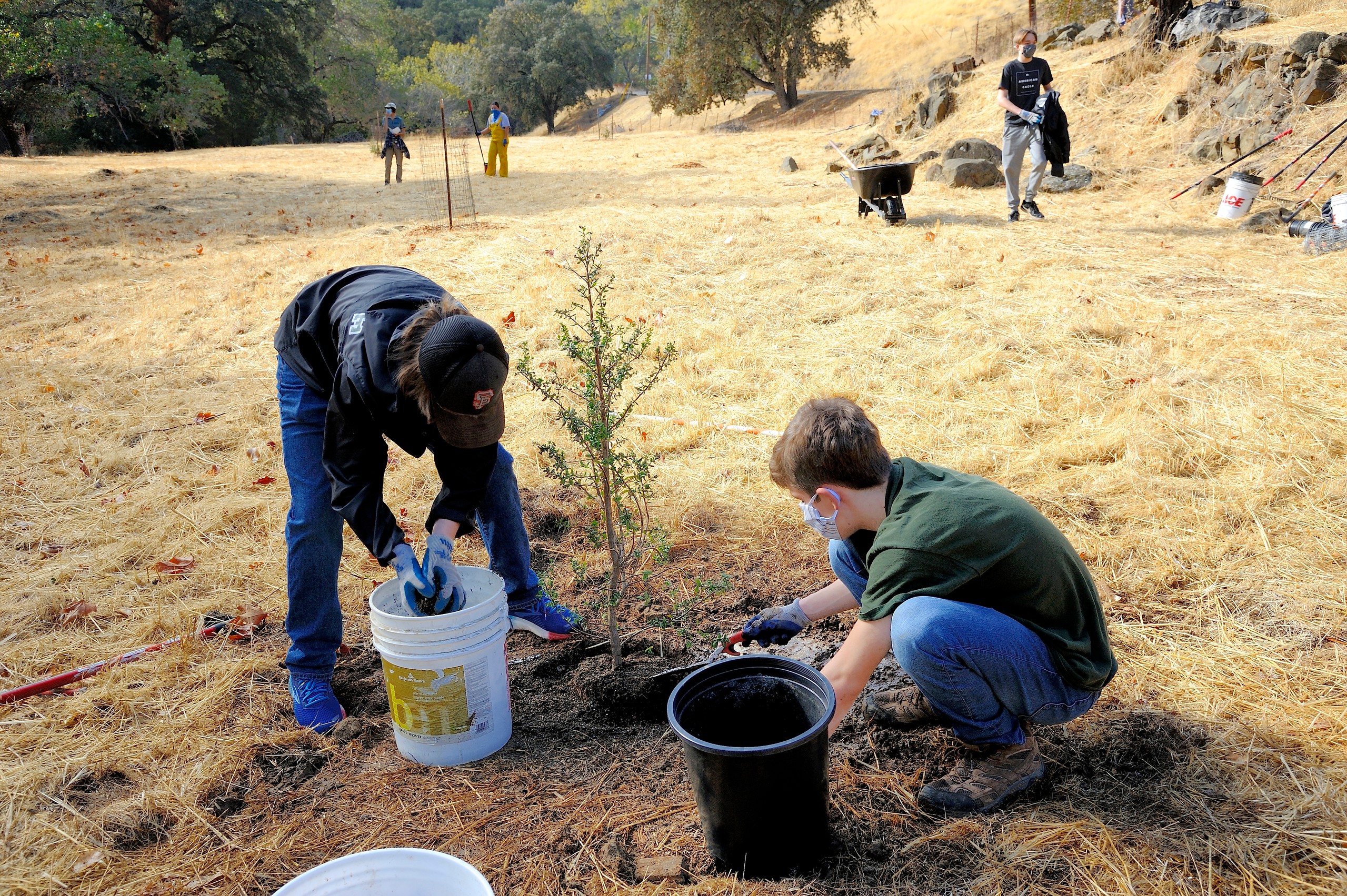
Two De La Salle students breaking ground to plant some native coyote brush as part of restoring Save Mount Diablo’s Big Bend property during an environmental service project. Photo by Al Johnson.

De La Salle High School is not new to the CCA program. An earlier class took part in 2018, when the program’s traditional three-part format was in place. Then, students learned basic information during classroom presentations by SMD staff and, on a separate day in the field, completed a hands-on stewardship project along with a hike, a presentation by an environmental educator, and a solo journaling experience. The impact was powerful: Students’ knowledge and intentions to spend more time outdoors skyrocketed.

Now SMD has moved presentations to a Zoom platform, and outdoors activities take place with social distancing and masks. Plus, students can opt for self-directed outdoors projects under the guidance of SMD and their teacher instead of gathering with their classmates. The question is: Will the new format be as effective?

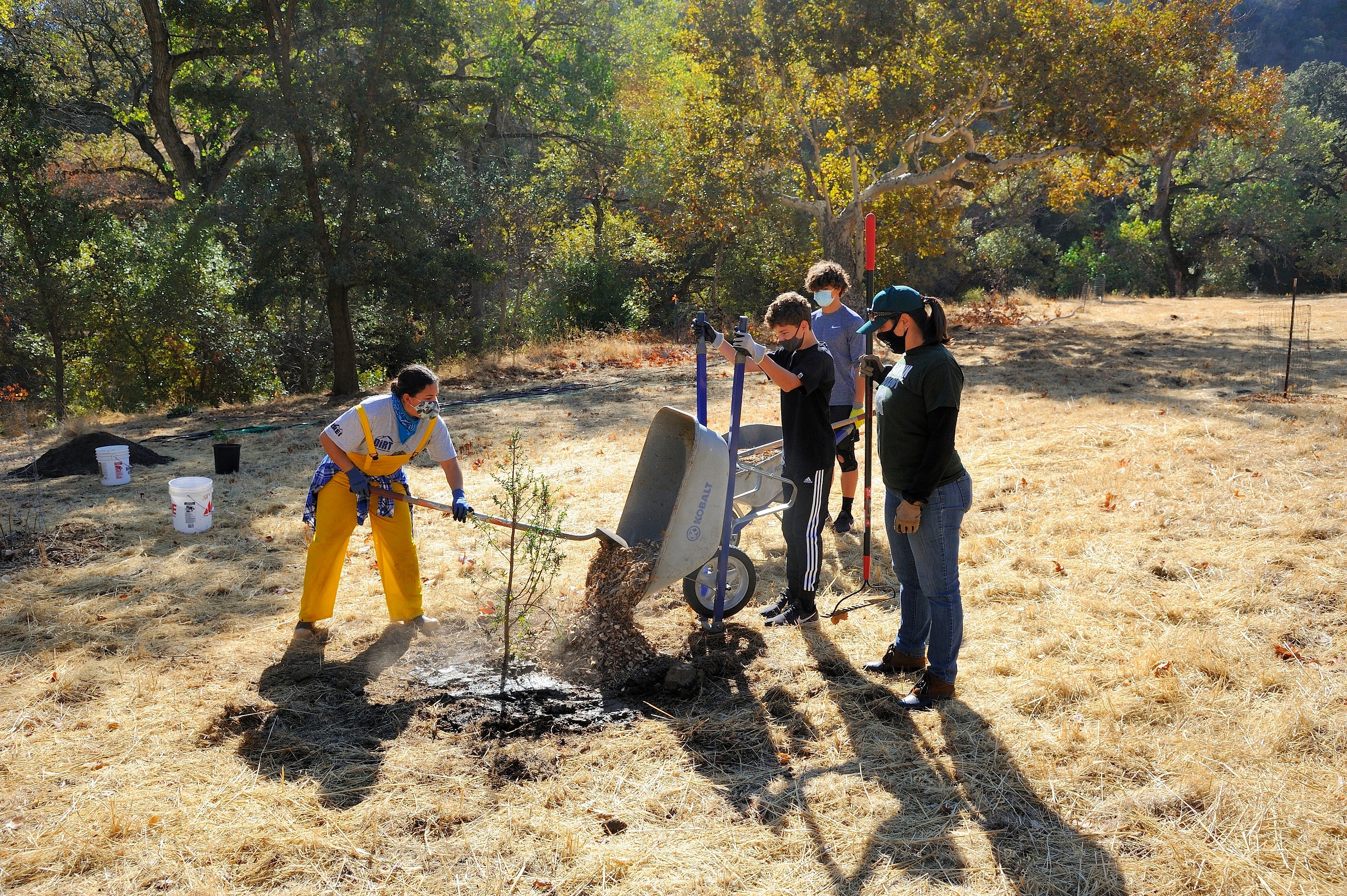
Save Mount Diablo Land Stewardship Manager Roxana Lucero pulls mulch out of a wheelbarrow as De La Salle students and Honors Biology Teacher Henriette Howett prepare to rake it around a newly planted native coyote brush shrub. Photo by Al Johnson.

So far, yes. This year’s class – a total of 54 Honors Biology students – is jumping right in to the new CCA format. After two initial Zoom presentations, the class spent a day outdoors – a group of 21 completed a restoration project on Save Mount Diablo’s Big Bend property, and 33 created their own hands-on nature service projects. Save Mount Diablo gave these 33 students a list of project ideas, such as creating art from trash, cleaning up their neighborhoods, planting native plants in their gardens, removing invasive weeds with landowners’ permission, and reducing energy usage in their homes.

Wearing masks and distancing themselves socially, the group of 21 worked hard to restore habitat at Save Mount Diablo’s Big Bend property, planting yarrow, coyote bush, Pacific blackberry, and California rose. They also potted up blue oak acorns for planting next year. The 33 students who completed the program as an independent study project will report on their experience in the class’s upcoming, and final, Zoom meetings today and tomorrow.

Two De La Salle students planting some native coyote brush on November 14 at Save Mount Diablo’s Big Bend property in the Marsh Creek watershed. Photo by Al Johnson.

“On Saturday, November 14th, 2020, I was fortunate to take 21 of my Honors Biology students on a field trip to work on a Conservation Collaboration Agreement with Save Mount Diablo. This is my second year doing a CCA and it was a wonderful experience. I’m currently teaching remotely, so this was the first time for me to see my students in person. As always, it was so nice to be out in nature, but more so now because of the pandemic. Many students are feeling isolated being home in front of the computer all day long for virtual meetings. I’ve been encouraging them to go out for hikes and to get some fresh air, but it was nice to have the experience together. My favorite part of the day was the solo in nature. I watched eagerly as 10 of my students walked up the oak-covered hillside and selected a tree to sit by. They reflected on their prompts about nature, as did I. In this busy time where all the days seem to drag together, day after day, it was a meaningful experience to sit and slow down. I’m so grateful to have had this opportunity with my students and the Save Mount Diablo staff,” stated Henriette Howett, De La Salle High School Honors Biology Teacher.

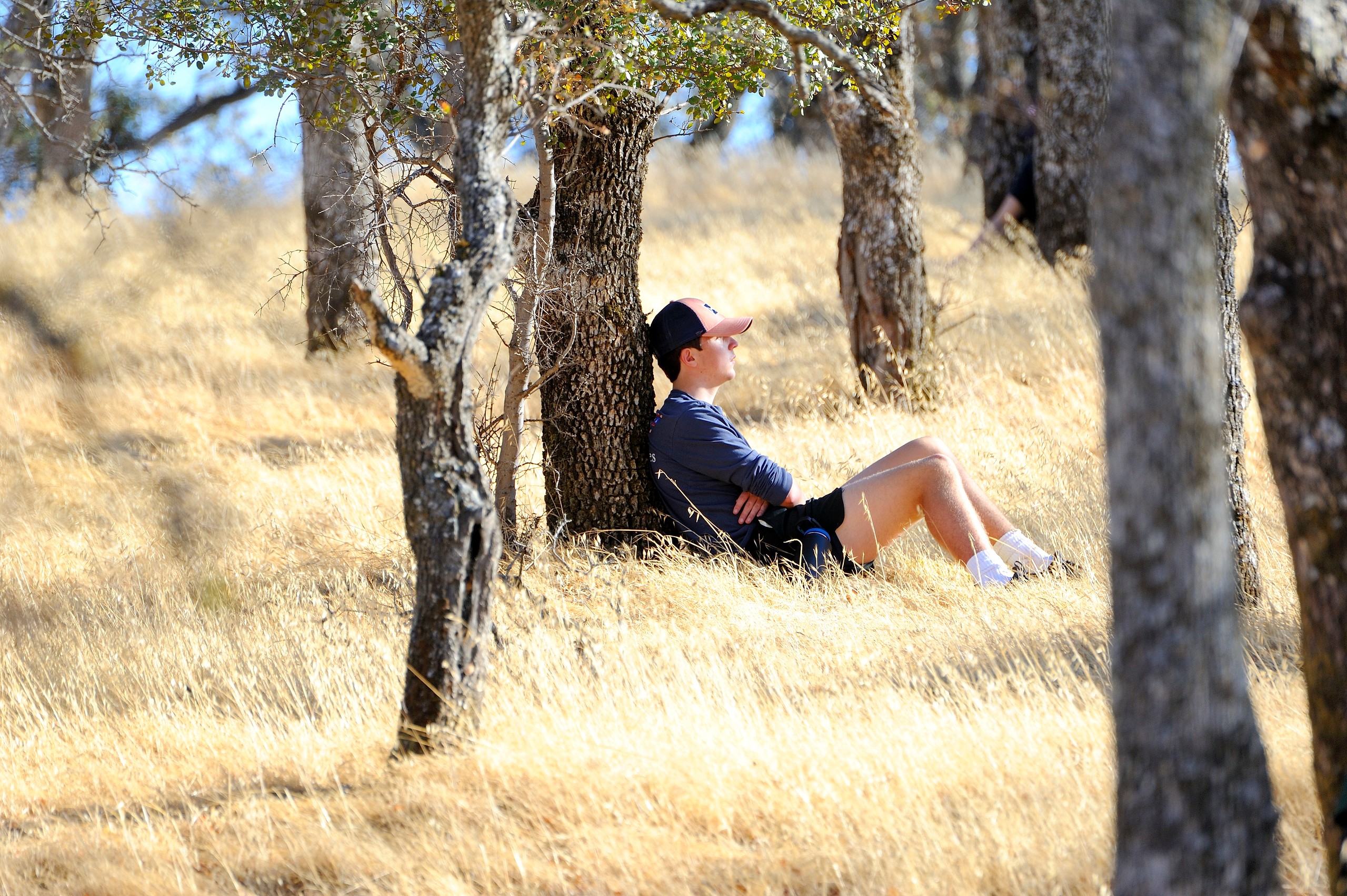
A De La Salle student contemplating nature amid a forest of blue oak trees during the solo part of the field experience. Photo by Al Johnson.

This enthusiasm is important because youth today, “spend less time outside than prison inmates, with the average child playing freely outside for just four to seven minutes a day,” according to a 2017 report commissioned by REI Co-op, The Path Ahead. This report notes that the average American now spends about 95 percent of their life indoors. It further reports that we are becoming an “indoor species,” which comes with consequences: “Our health and well-being may suffer. And the less we value our outdoor spaces, the less likely we are to protect them.”

Clement considers De La Salle one of the CCA program’s benchmark participants. “It’s clear that De La Salle students embrace new challenges, and their teachers support them every step of the way,” he noted. “Having this group use our new CCA format, so we can continue to connect kids to nature during the pandemic, is a privilege and will pave the way for other classes to be successful.” He continued, “Save Mount Diablo thanks De La Salle High School for its commitment to getting young people connected to the beautiful Mount Diablo natural areas through our Conservation Collaboration Agreement program. This type of leadership is directly addressing the disturbing trend of ‘nature deficit disorder’ in our modern culture.”

De La Salle students work with Save Mount Diablo Land Stewardship Manager Roxana Lucero to gather mulch for native planting sites. Photo by Al Johnson.

In the final portion of the CCA program, designed to engage students in educational and participatory philanthropy, the class will work to raise funds to become members of SMD through SMD’s discounted youth membership program.

About Save Mount Diablo

SMD is a nationally accredited, nonprofit land trust founded in 1971 with a mission to preserve Mount Diablo’s peaks, surrounding foothills, and watersheds through land acquisition and preservation strategies designed to protect the mountain’s natural beauty, biological diversity, and historic and agricultural heritage; enhance our area’s quality of life; and provide recreational opportunities consistent with the protection of natural resources. Learn more at www.savemountdiablo.org.

DeLaSalle students with Save Mt. Diablo Executive Director Ted Clement. Photo by Floyd McCluhan.

About De La Salle High School

De La Salle High School is a private Roman Catholic school for boys in Concord, California. The school was founded in 1965. De La Salle currently enrolls 1,039 students, and roughly 99 percent of each graduating class goes on to attend a university or college. Learn more at www.dlshs.org.


For other photos, please credit photographer in image file name. For video files, please credit Floyd McCluhan.


Filed Under: Central County, Education, Environment, Parks

East Bay Park District Board approves land use plan for new regional park on former Concord Naval Weapons Station land

July 10, 2020 By Publisher Leave a Comment

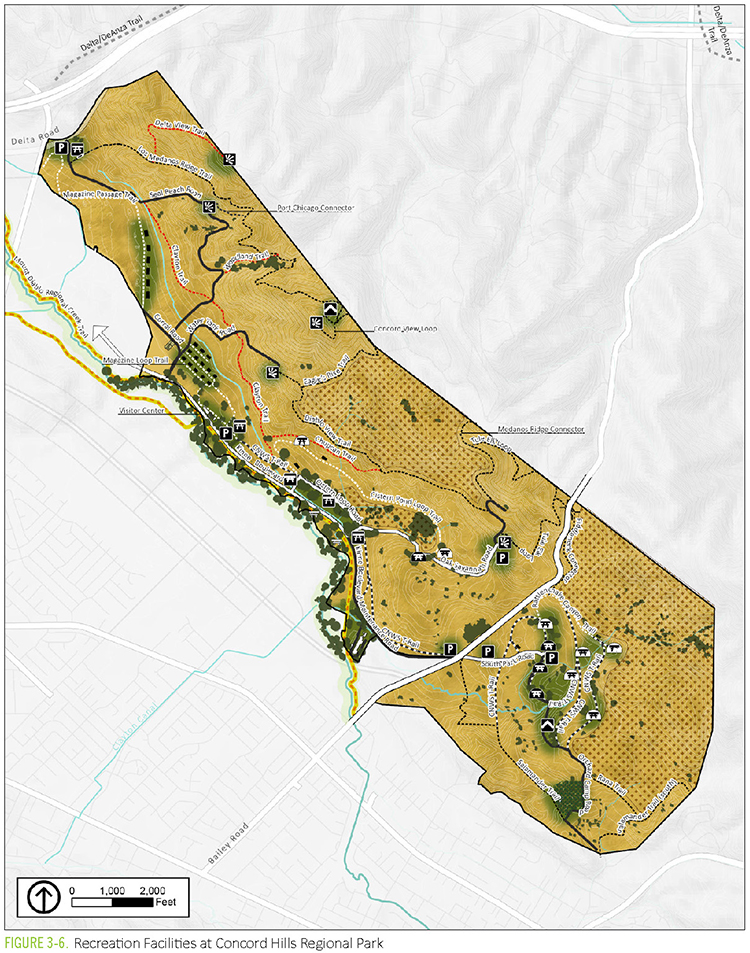
Concord Hills Regional Park Land Use Plan Recreational Facilities map. By EBRPD.

Official naming of park will happen later following more public input

By Dave Mason, Public Information Supervisor, Public Affairs, East Bay Regional Park District

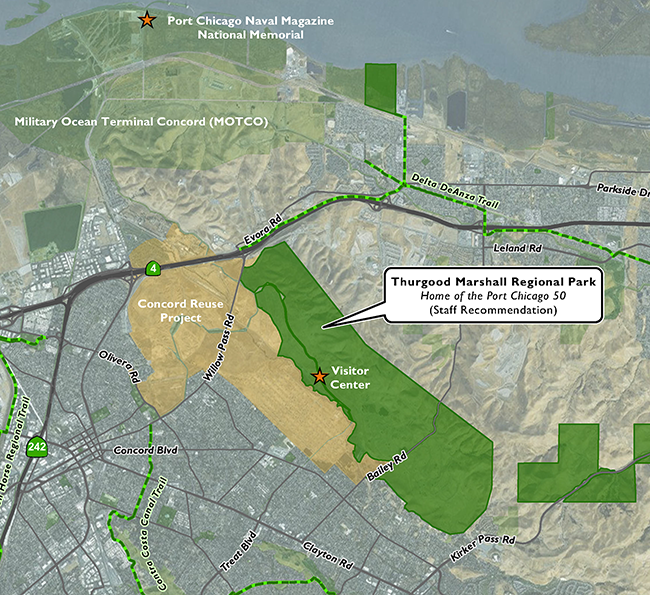
On Tuesday, July 7, 2020, the East Bay Regional Park District Board of Directors unanimously approved the final land use plan for public access improvements and open space preservation at the Park District’s new 2,540-plus-acre regional park, with the working name of Concord Hills. The final land use plan includes a joint visitor center with the National Park Service highlighting the history of the Port Chicago Naval Magazine National Memorial and the Diablo Valley, staging areas, and miles of recreational trails for hiking, biking, and nature viewing.

Rendering of the reuse of one of the many bunkers on the property. By EBRPD.

“This is the true culmination of a decades-long community effort,” said Beverly Lane, who has represented Concord on the East Bay Regional Park District Board since 1994. “I’m proud to be part of the Park District and its effort to produce a truly fabulous plan for a new Regional Park in the Diablo Valley.”

“This important land use plan will provide public access, preserve natural habitat, and honor the unique natural and human history of the land,” added Lane.

In July 2019, after a 20+ year community effort, the Park District received possession of 2,216 acres of U.S. Navy property at the Concord Naval Weapons Station. An additional 327 acres will transfer to the District at a later time.

The final land use plan utilizes existing developed areas and buildings to the greatest extent possible. The final approved plan and the associated environmental analysis permanently preserve 95% of the land as open space and protected habitat.

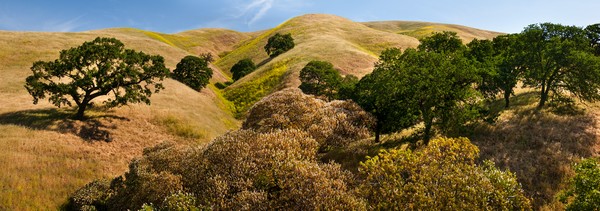
Photo by Stephen Joseph Fine Art Photography.

“Turning the former military base into a world-class park will take very many years and millions of dollars to restore and open,” said East Bay Regional Park District General Manager Robert Doyle. “However, thanks to the Park District and community’s efforts, 2,500 plus acres of scenic Diablo Valley landscape is permanently protected.”

“The opportunity to partner with the National Park Service to tell the unique and important natural and historic story of the land in a future joint visitor is exciting and rare. We thank National Park Service and all of our partners for their help in making this world-class park a reality,” added Doyle.

Rattlesnake Canyon in the South of Bailey Road Area. Photo by Stephen Joseph

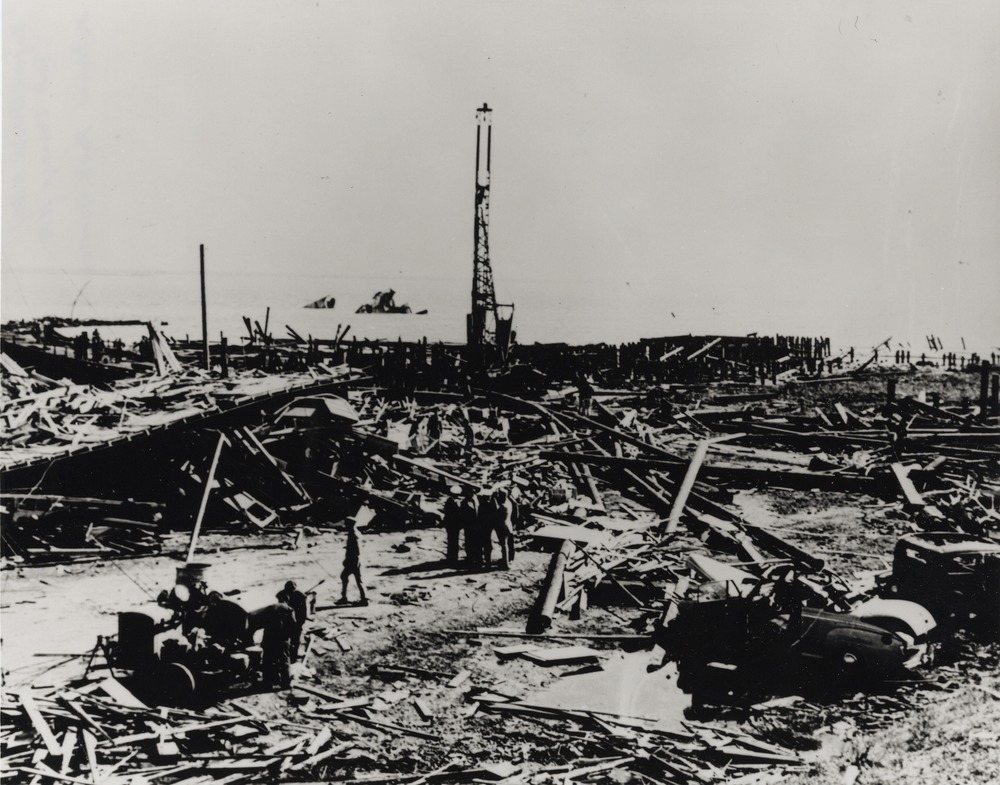
On July 17, 1944, over 5,000 tons of munitions at Port Chicago exploded, killing 320 mostly enlisted African American sailors. The tragic explosion accounted for a quarter of all African American deaths in World War II and highlighted racial inequality within the Navy. On July 26, 1948, President Truman signed Executive Order 9981, ordering the desegregation of all military forces. The National Park Service operates the Port Chicago Naval Magazine National Memorial at the site of the explosion, recognizing those that perished.

Creating a new Regional Park in the Diablo Valley has been a partnership between the Park District, U.S. Navy, National Park Service, City of Concord, and Save Mount Diablo. Public access is expected to come first to the southern portions of the park consisting of 900 acres south of Bailey Road.

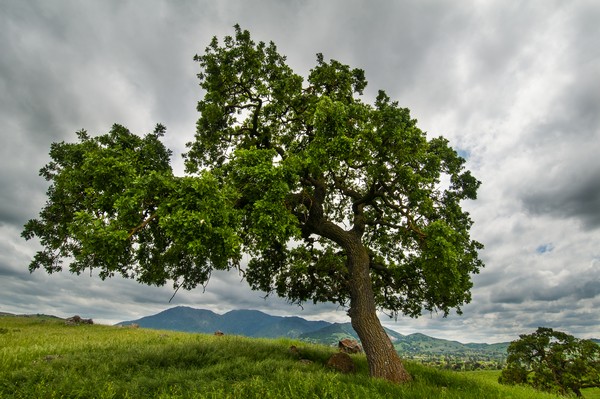
Oak Tree with a view of Mount Diablo. Photo by Stephen Joseph.

The Board will consider the official naming of the new Regional Park at a later time after additional community outreach and engagement.

The East Bay Regional Park District is the largest regional park system in the nation, comprising 73 parks, 55 miles of shoreline, and over 1,300 miles of trails for hiking, biking, horseback riding, and environmental education. The Park District receives more than 25 million visits annually throughout Alameda and Contra Costa counties in the San Francisco Bay Area.

Filed Under: Central County, Concord, News, Parks, Recreation

Danville woman dies in fatal rollover crash off road on Mt. Diablo Saturday

July 6, 2020 By Publisher Leave a Comment

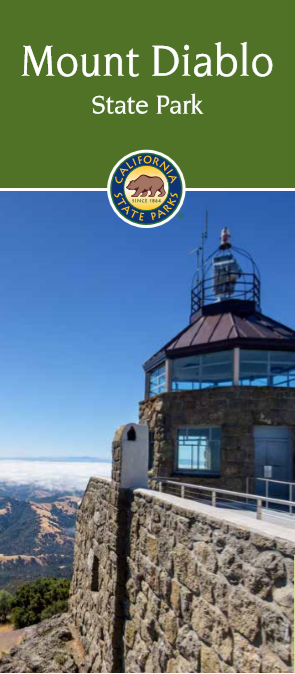
Front page of Mt. Diablo State Park brochure.

Vehicle plunged 300 feet down; removal may require helicopter

By Allen Payton

According to Cameron Morrison, Supervising State Park Peace Officer,

“On July 4th at around 2:47 pm we received a 9-11 call of a vehicle over the edge on Summit Road,” he said. “Three officers responded. I responded from the summit from Mt. Diablo and was the first one on scene.

From Summit Road I could see an SUV several hundred feet down the hillside and I made my way down,” Morrison continued. “When I got down to where the vehicle was located, I found a woman in her 70’s who had been ejected from the SUV.”

“We provided medical care for her. At approximately 3:30 pm San Ramon Valley Protection Fire District personnel arrived and at that time they pronounced her deceased,” he stated.

“There was nothing that was found that would indicate that there was any intoxication of any kind,” said Morrison. “We found where she left the road. You can see the tracks and right below you can see the broken brush and trees. It’s an extremely steep roadside.”

On Monday, the Contra Costa County Coroner’s Office identified the woman as “Julie Watson, a white female out of Danville.”

Vehicle Removal May Require Helicopter

Asked about the removal of the SUV, he responded, “We are working with her insurance agency regarding removing the vehicle. It’s about 300 feet at elevation from where it went off the road, but about 700 feet from the road. It will be very difficult for a tow truck company to have enough cable to reach.”

“We are also concerned about the resources of the park. We have a variety of sensitive species of plants. We don’t want to damage the side of the road, either,” Morrison explained. “So, we’re trying to look at getting it out with the least amount of impact on the park as possible.

“All of the roads were built back in the ‘30’s. So, the edges of the road are not engineered like normal roads. If we disturb that, we could lose the whole road in the winter,” he continued. “It’s possible it will have to be removed with a helicopter. We had the same thing happen with an airplane crash in the park a couple years ago.”

Filed Under: Central County, News, Parks, San Ramon Valley, Seniors

Save Mt. Diablo acquires 29-acre Smith Canyon near Clayton for future recreational gateway to state park

May 7, 2020 By Publisher Leave a Comment

Smith Canyon’s oak woodlands. Photo by Scott Hein.

By Laura Kindsvater, Communications Manager, Save Mt. Diablo

Save Mount Diablo (SMD) has successfully closed escrow and become the proud new owner of the beautiful and strategic 28.73-acre Smith Canyon, east of Clayton. It could eventually be a recreational gateway to Curry Canyon and Mount Diablo State Park from Morgan Territory Road. It is one of several properties Save Mount Diablo is raising funds to protect with the final $2 million in fundraising of its $15 million Forever Wild Capital Campaign. (See related article).

Protection of 28.73-acre Smith Canyon provides legal and practical access from a public road to Save Mount Diablo’s conserved 1,080.53-acre Curry Canyon Ranch. Narrow Curry Canyon and Curry Canyon Road have been contemplated as an eastside entrance to Mount Diablo for more than 110 years, but complicated legal access issues have made public access difficult. Smith Canyon provides a second, alternate access route into Curry Canyon with clear legal access rights.

“The Smith Canyon property is an incredible recreational gateway to the magical Curry Canyon on the east side of Mount Diablo,” said Ted Clement, SMD’s Executive Director. “But what also strikes me about the property is that it has great potential as a beautiful stand-alone preserve by itself.

“You can imagine groups of school children experiencing it, working with volunteers to replant trees to restore former building pads, taking care of the land together, and hiking its trails up to the stunning view spots where they can sit to appreciate and connect with nature. I didn’t expect the beautiful vistas of North Peak and Mount Diablo that we discovered on the high points of the land.”

“How often do you get to save an entire canyon,” said Seth Adams, SMD’s Land Conservation Director. “Smith Canyon is lovely. It’s one main lushly wooded stream canyon with several smaller drainages rising to ridges on either side and toward a small peak on our neighboring Curry Canyon Ranch.

“Despite limited rain this spring, it’s bright green and wildflowers are appearing everywhere. There were several approved subdivisions on the property that luckily never took place, but the large building pads show how threatened it has been. Its purchase is another piece in our Curry Canyon puzzle and ends that threat forever.”

In addition to its value for recreational and other access, Smith Canyon is important from a conservation perspective. The land has blue oak woodlands, grasslands, and a live oak-bay riparian corridor. California red-legged frog and Alameda whipsnake are special status species likely to be present on the property. Further, the land is contiguous with Save Mount Diablo’s conserved Curry Canyon Ranch, so its protection adds to the important corridor of conserved lands in the Mount Diablo area, which is critical for wildlife and water resources. The land also affords beautiful scenic vistas to passersby on the public Morgan Territory Road.

View of Mount Diablo’s peaks from Smith Canyon. Photo by Scott Hein.

Further, the oak woodland, oak savanna, and grasslands on the property serve as a carbon sink. In August 2019, the UN Intergovernmental Panel on Climate Change issued a new report, Climate Change and Land, that focused on how land is under increased pressure from humans and climate change but also noted land is a critical part of the solution to climate change. Land conservation mitigates against climate change in lasting ways. For example, forests and other undeveloped lands absorb greenhouse gases, thereby acting as carbon sinks, keeping those gases out of the atmosphere.

“We’re looking for angels,” said Karen Ferriere, SMD’s Development Director, about the need to raise the $650,000 purchase price and replenish the acquisition funds that were used to cover the real estate closing, “and talking to everyone we can.”

The money that Save Mount Diablo is raising for this acquisition project is part of the organization’s Forever Wild Capital Campaign. This campaign has an ambitious $15 million goal to help Save Mount Diablo expedite its land acquisition efforts while also giving the organization the resources to steward and defend its conserved lands in perpetuity. To date, just over $13 million has been raised against the $15 million goal. These funds have enabled Save Mount Diablo to do strategic land acquisition projects, like its Curry Canyon Ranch and North Peak Ranch projects, while also building a sizable permanent Stewardship Endowment Fund for the ongoing care of the organization’s protected lands.

As part of the Forever Wild Capital Campaign, Save Mount Diablo also recently signed an option agreement that gave the organization two years to raise a little over $1.04 million to purchase a perpetual conservation easement on about 154 critical open space acres on the northeast slopes of Mount Diablo, a mile-wide property owned by the Concord Mt. Diablo Trail Association.

Map of the Smith Canyon acquisition and Concord Mt. Diablo Trail Ride Association planned conservation easement showing their adjacency to other protected lands as well as lands still potentially threatened with development. Map by Save Mt. Diablo.

History

Curry Canyon became well-known to generations of East Bay residents visiting the Curry Creek Park picnic area, which operated from 1925 to 1979, and then to the present day as a small trailer park. Sylvester Olofson, his wife Louise, and his brother Albert Olofson bought 1,430 acres on Curry Canyon in 1895; ran cattle; and in 1925, opened Curry Creek Park. Over time Curry Canyon was divided between the two brothers’ heirs. After World War II, Curry Creek Park and neighboring Wright Canyon were owned and operated by Sylvester and Louise Olofson’s grandson, Martin Wright, and his wife, Dorothy. The larger part of the property was a cattle ranch run by Albert’s sons Raymond and Robert Olofson.

In 1961 Ettore and Geraldine Bertagnolli bought most of the Olofson cattle ranch and renamed it Curry Creek Ranch, but it included limited access for anything but ranching. Ettore Bertagnolli soon started proposing small subdivisions, but he was blocked by the Wrights’ ownership of the road lower in the canyon. In 1968 he subdivided Smith Canyon off his property but retained a 60’ road easement, to be located and constructed later.  He used that “paper road” to complete several subdivisions in the canyon.

Albert and Bouwina Reyenga bought Smith Canyon in 1968 and proposed a four-unit subdivision there. Roads and large building pads were graded but without professional engineering.

The subdivision was approved in 1970, but subject to various improvements including engineering improvements to the roads and pads, and paving of the access easement to the Bertagnollis’ Curry Creek Ranch. The improvements were never completed, and the approval lapsed.

The same subdivision was proposed again by the Reyengas in 1992, but building regulations had become more stringent. For the first time Save Mount Diablo was involved, requesting that a public access into Curry Canyon be reserved.

The second subdivision wasn’t completed, once again because of the cost of the roads and other building improvements. In 2000 the Reyengas sold the property to the current owners, E & B Farms, who faced similar constraints including the access easement into Curry Canyon.

In 2013 Save Mount Diablo bought the 1,080-acre Bertagnolli property and renamed it Curry Canyon Ranch. The purchase included the partly improved and unrestricted access easement up Smith Canyon. Purchase of Smith Canyon has eliminated the threat of houses and further subdivision and avoided potential conflicts with access and recreational use.

Save Mount Diablo

Save Mount Diablo is a nationally accredited, nonprofit land trust founded in 1971 with a mission to preserve Mount Diablo’s peaks, surrounding foothills, and watersheds through land acquisition and preservation strategies designed to protect the mountain’s natural beauty, biological diversity, and historic and agricultural heritage; enhance our area’s quality of life; and provide recreational opportunities consistent with the protection of natural resources. Learn more at www.savemountdiablo.org.

Filed Under: Central County, Environment, News, Parks

Op-Ed: Help keep East Bay regional parks safe and open

March 29, 2020 By Publisher Leave a Comment

View from the Stewartville Trail in the Black Diamond Mines Regional Preserve on Sunday, March 22, 2020. Photos by Allen Payton.

A message from East Bay Regional Park District General Manager Robert E. Doyle

In the Bay Area we are blessed with over a million acres of beautiful public parkland. Californians love to get outdoors to enjoy nature and exercise, in fact they depend on it. For residents and their families, it is an essential and fundamental part of their daily lives. Parks make lives better.

We are all currently facing the greatest health pandemic of the last 100 years, and a “Shelter in Place” order that must be taken seriously.

View from the Stewartville Trail on Sunday, March 22, 2020.

We want to help get everyone through this crisis by keeping our parks open, but the safety of the public – and that of our employees – has to be the highest priority. Like you, many of our staff are sheltering in place, taking care of themselves and their loved ones. This creates a significant challenge for keeping our parks open.

We have tried to keep our 73 parks and over 1,300 miles of trails open through this crisis, but what happened this past weekend was unsafe and distressing. Thousands of Bay Area residents headed to nature – overwhelming parks, parking areas, and staff. Overcrowding has already forced many of our fellow park agencies to consider closing.

Our current limited staff is doing its best to keep up with the community’s need to exercise and get outside. However, staff still needs to respond to emergencies, remove hazardous trees, and work on fuels reduction as we prepare, along with CalFire, for another serious fire season. I want to express my appreciation to all park staff everywhere, working hard during this emergency.

Many of our building facilities have been closed for some time to reduce the potential spread of the virus, including children’s play areas and structures, picnic areas, visitor centers, and campgrounds. For health and safety reasons, park restrooms and drinking fountains are also not available.

View of Mt. Diablo from the Stewartville Trail in the Black Diamond Mines Regional Preserve on Sunday, March 22, 2020.

Bend The Curve

We need your help to keep our parks safe for you and our staff. Because of recent park overcrowding, use of picnic areas, and unsafe group gatherings and meet-ups, we have decided to “Temporarily Close” specific parks and park areas from Friday, March 27 through Thursday, April 30. A few parks are fully closed, while only some parking lots and access points are closed at others. We hope this will help us limit overcrowding and help “Bend the Curve.” For up-to-date information on park area closures go to www.ebparks.org/coronavirus.

We are coordinating with health departments daily. If unsafe overcrowding continues, or the public does not maintain social distancing – even for dogs – we may be forced to close additional areas. As Governor Newsom said last Monday, “We can’t bend the curve if everyone is out. I don’t want to close big, beautiful open spaces. But we can’t see what we saw over the weekend.”

I have received many emails, since we announced additional closures, concerned that their favorite park or parking area has been closed, or that restrooms are not open. On behalf of the Park District, I would like to thank the public for their understanding and cooperation. We have tried to spread closures across the District as best we can. However, safety is the priority.

The good news: as the largest regional park system in the nation, the vast majority of our parks, open space, and trails remain open, as are our 300-miles of paved regional trails.

If they are to remain open, we need your help. Together we can BEND THE CURVE!

Also, check our website before you go to see updates on any closures. Be sure to “go” before you go and wash your hands before and after your visit a park or trail. Bring hand sanitizer if you have it.

While the park district normally allows dogs off leash in many parks, because of the high use, for public safety and to maintain social distancing, the district is asking that dogs be on a leash.

Robert Doyle is general manager of the East Bay Regional Park District. Doyle has been with the Park District since 1975 and has served as General Manager since 2011. The East Bay Regional Park District is the largest park district of its kind in the United States with 73 regional parks on over 125,000 acres of open space.

Filed Under: Health, News, Parks, Recreation

Park District closes regional parks, restricts parking to limit overcrowding for public and staff safety, trails still open

March 29, 2020 By Publisher Leave a Comment

Additionally, park picnic areas are closed, and all group gatherings prohibited.

By Dave Mason, Public Information Supervisor, East Bay Regional Park District

The COVID-19 health emergency remains a serious and evolving situation. This past weekend, the Park District saw more people in parks than on a busy holiday. “We can’t bend the curve if everyone is out. I don’t want to close big, beautiful open spaces. But we can’t see what we saw over the weekend,” California Governor Gavin Newsom said Monday. On Monday, March 23, 2020, Governor Newsom ordered temporary closures for vehicular traffic at State parks in five California counties: Los Angeles County, Marin County, San Mateo County, Sonoma County, and San Diego County.

Unsafe overcrowding is a concern. While the Park District hopes to keep parks and trails open, some closures are necessary to limit overcrowding and maintain social distancing. The list below of parks, developed park areas, parking lots, and entrance points will be closed beginning Friday, March 27, 2020, through Thursday, April 30, 2020. Trails will remain accessible on a walk-in, bike-in basis.

“We are all in this together,” said Park District General Manager Robert Doyle. “We want to help everyone during this crisis by keeping parks open, but safety of the public and our employees is our top priority.”

“If parks are too crowded, please help us keep people safe by going home,” added Doyle.

Ways the public can help keep parks open include:

  • Maintain a 6-foot distance from other people
  • No picnicking, groups, gatherings, or meetups (only immediate households should be together)
  • Pack-in, pack-out trash, including dog poop (there is limited trash collection during COVID-19)

Park visitation and park use will continue to be monitored closely, with additional closures possible. Currently, state and county health departments have told us they want East Bay Regional Parks to remain open and accessible for outdoor activity if possible. However, it may also be necessary to close more park areas based on overcrowding or additional orders from State or local health agencies.

We thank the public for their cooperation and understanding during the COVID-19 public health emergency. Keeping parks open for the public is challenging with limited staffing and the Park District is doing its best to balance the requirements of State and local health agencies’ “Shelter in Place” orders, and the community’s need for exercise and stress relief.

The public is encouraged to check ebparks.org for up-to-date information on closures.

COVID-19 CLOSURES THROUGH THURSDAY, APRIL 30, 2020:

(All picnic areas, restrooms, water fountains, swim facilities/areas, playgrounds, campgrounds, group campsites, backcountry campsites, sports fields, kiosks, and reservable facilities are closed.)

NEW CLOSURES BEGINNING FRIDAY, MARCH 27:

  • Black Diamond – Upper Parking Lot Closed (Parking available at Sidney Flat)
  • Castle Rock Recreation Area Closed
  • Contra Loma Closed (Trails Open from Frederickson Lane)
  • Crown Beach – Otis Parking Lot Closed (Walk-In Access Only)
  • Del Valle Closed (Trail Access from Arroyo Staging Area Only)
  • Diablo Foothills (Limited Parking for Trail Access)
  • Garin/Dry Creek – Meyer’s Garden Closed
  • Point Isabel – Main Parking Area Closed (Walk-In Access Only
  • Reinhardt Redwood Regional Park – Redwood Road Gate Closed
  • Piedmont Stables (Boarders Allowed to Care for Horses)
  • Roberts Regional Recreation Main Park Area Closed (Walk-In Access Only)
  • Shadow Cliffs Closed (Walk-In Access Only)
  • Sibley Volcanic Regional Preserve – Tunnel Road Entrance Closed (All Other Access Points Open)
  • Sunol Regional Wilderness Closed
  • Tilden Botanic Garden – Garden Closed

PREVIOUS CLOSURES (STILL IN EFFECT):

Anthony Chabot Closures

  • Marciel Gate
  • Chabot Equestrian Center Parking Lot (Boarders Allowed for Care for Horses)
  • Skyline Stables (Boarders Allowed for Care for Horses)

Ardenwood Closures

  • Ardenwood Closed

Bay Point Shoreline Closures

  • Closed Due to Construction

Big Break Closures

  • Big Break Visitor Center

Black Diamond Closures

  • Mine Closed
  • Sidney Flats Visitor Center
  • Greathouse Visitor Center

Briones Closures

  • Bear Creek Staging Area

Regional Trails Closures

  • Lafayette-Moraga Old Moraga Ranch Trail (Closed due to Landslide)

Coyote Hills Closures

  • Main Parking Lots
  • Coyote Hills Visitor Center

Crown Beach Closures

  • McKay Parking Lot (Walk-In Access Only)
  • Crab Cove Visitor Center

Del Valle Closures

  • Del Valle Visitor Center

Garin/Dry Creek/Pioneer Closures

  • Visitor Center
  • Apple Orchard

Lake Chabot Closures

  • Boat Ramp (No Boating/No Quagga Inspection)

Lake Temescal Closures

  • South Parking Lot

Leona Canyon Closures

  • Main Staging Area

MLK Shoreline Closures

  • Tidewater Staging Area
  • Tidewater Outdoor Recreation Office
  • Tidewater Oakland Strokes Operations

Quarry Lakes Closures

  • Boat Ramp (No Boating/No Quagga Inspection)

Sunol Closures

  • Sunol Visitor Center

Tidewater Closures (See MLK Shoreline)

  • All Areas Closed

Tilden Closures

  • All Picnic Areas Along Lake Anza and Brook roads
  • Fern Picnic Area Parking
  • Indian Camp Parking Lot, Playground, and Picnic Area
  • Lone Oak Parking Area
  • Lakeview Parking Lot
  • Mineral Springs Parking Lot – No Trails
  • Lake Anza Road and Parking Area
  • Tilden Golf Course
  • Golf Course Gated Lot (Bottom Half)
  • Steam Trains/Golden Gate Live Steamers
  • Merry-Go-Round
  • Native Here Nursery
  • South Park Drive (Continued Newt Closure Past April 1)

Tilden Botanic Garden Closures

  • Botanic Garden Visitor Center

Tilden Nature Area Closures

  • Tilden Nature Area Closed (Walk-In Access Only)
  • Tilden Little Farm
  • Environmental Education Center
  • Indian Camp Parking Lot

Wildcat Canyon Closures

  • Walk-In Entrance Trail into the Alvarado Picnic Area

The East Bay Regional Park District is the largest regional park system in the nation, comprising 73 parks, 55 miles of shoreline, and over 1,300 miles of trails for hiking, biking, horseback riding, and environmental education. The Park District receives more than 25 million visits annually throughout Alameda and Contra Costa counties in the San Francisco Bay Area.

Filed Under: Health, News, Parks, Recreation

  • « Previous Page
  • 1
  • …
  • 11
  • 12
  • 13
  • 14
  • 15
  • Next Page »
Monicas-11-25
Deer-Valley-Chiro-06-22

Copyright © 2026 · Contra Costa Herald · Site by Clifton Creative Web