• Home
  • About The Herald
  • Local Agencies
  • Daily Email Update
  • Legal Notices
  • Classified Ads

Contra Costa Herald

News Of By and For The People of Contra Costa County, California

  • Arts & Entertainment
  • Business
  • Community
  • Crime
  • Dining
  • Education
  • Faith
  • Health
  • News
  • Politics & Elections
  • Real Estate

Kaiser issues update on labor negotiations, strikes to begin Thursday and Friday

November 18, 2021 By Publisher Leave a Comment

By Antonia Ehlers, PR and Media Relations, Kaiser Permanente Northern California

In response to the planned healthcare worker strikes beginning today and tomorrow, Thursday and Friday, Nov. 18 and 19, Kaiser Permanente issued the following statement:

We are extremely grateful for all our frontline health care workforce, whose commitment to providing care and service throughout the COVID-19 pandemic has been nothing short of inspiring. We recently reached successful agreements with dozens of unions that represent more than 60,000 Kaiser Permanente employees that demonstrate our commitment to providing excellent wages and benefits for all employees while meeting our commitment to delivering high-quality, affordable care for our members and patients. These are market-leading contracts, reached through constructive and reasonable bargaining.

Bargaining with Local 39 IUOE

Kaiser Permanente has been bargaining in good faith with Local 39 IUOE, the union that represents about 600 Kaiser Permanente operating engineers, for several months. The union decided to call a strike and have kept employees out for more than two months. We are offering Local 39 employees wages that are similar to our other employees’ and that, on top of Local 39’s generous medical and the richest retirement benefits, will keep our engineers among the best compensated in their profession, at an average of more than $180,000 in total wages and benefits. We are not proposing any take-aways and our proposals do not differentiate between current and future employees. But union leadership wants more, asking for unreasonable increases far beyond any other union at Kaiser Permanente.

UPDATE: Unfortunately, after many hours bargaining on Tuesday and Wednesday, there is no movement in negotiations with Local 39. The union insists it receive much more – in some cases nearly 2 times more – than other union agreements covering Kaiser Permanente employees.

Michelle Gaskill-Hames, Senior Vice President of Hospital and Health Plan Operations for Kaiser Permanente Northern California spoke via video about the workers and patient care during the strike.

We are optimistic that we can resolve the remaining issues with Local 39 at the bargaining table and reach an agreement that continues to reward our employees and supports health care affordability, just as we have with several unions this week.

Sympathy strikes

As one of the largest health care union employers in the United States — with nearly 75% of our employees working under collective bargaining agreements — we fully understand solidarity among unions. But given the demands of Local 39, on top of the already market-leading compensation and highest retirement benefit of any represented employee in our organization, we believe that sympathy strikes are not appropriate in this case. We are asking our staff to choose to be there for our patients, and to come to work.

We question why leaders of other unions are asking their members to walk out on patients on Nov. 18 and 19 in sympathy for Local 39. This will not bring us closer to an agreement and most important, it is unfair to our members and patients to disrupt their care when they most need our employees to be there for them.

Several unions have submitted sympathy strike notices: SEIU-UHW, Local 20, and Local 29 on Thursday, November 18 and the California Nurses Association, Friday, November 19. Kaiser Permanente is not in bargaining with these unions, and each has a current contract. In fact, we have informed SEIU-UHW, Local 20, and Local 29 union leaders that we believe in accordance with their contracts, these sympathy strikes are not protected by law.

We are also in bargaining with NUHW, the union that represents our mental health professionals. NUHW has announced a one-day strike for Friday, November 19.

We have taken steps to ensure that our members and patients will continue to receive high-quality, safe care and service should these strikes occur.

We have prepared thoroughly to care for our patients in the event of a strike and are working diligently to reduce the impact.

  • During the strike, care will be provided by physicians and experienced clinical managers and staff, with the support of trained and qualified contingency staff.
  • Some non-urgent medical appointments or procedures may be affected, and we will reach out to patients to reschedule or convert appointments to phone or video if that is appropriate. We will not postpone any urgent or emergency care, or critical medical appointments.
  • We encourage members to schedule an appointment should they need lab, optometry, or radiology services this week as some of our locations will be temporarily closed or operating with reduced hours. If a member has an urgent need for services, they should call the Appointment and Advice Call Center, which is available 24 hours a day, 7 days a week.
  • Some outpatient pharmacies will be temporarily closed from Nov. 18 and 19.  If a member does not need their refill right away, any closed pharmacies will reopen on Saturday, Nov. 20. Our Mail Delivery pharmacy will remain open during the strike to order refills at kp.org or by phone.
  • In the event an urgent prescription is needed and the outpatient pharmacy is closed, Kaiser Permanente staff will provide members with direction on how to fill their prescription at an open Kaiser Permanente pharmacy or at a retail pharmacy. Hospital pharmacies for inpatient care and critical infusion services will remain in operation.
  • All our hospitals and emergency departments will continue to be open during a strike and remain safe places to receive care.

As this is an evolving situation, we will continue to communicate directly with our members and post updates on kp.org as they are available.

We are very sorry for any disruption members may experience as we take steps to ensure that we continue to provide high-quality, safe care during this union strike.

Kaiser Permanente is indisputably one of the most labor-friendly organizations in the United States.

Our history and our future are deeply connected to organized labor. Labor unions have always played an important role in our efforts to provide more people with access to high-quality care and to make care more affordable.

It’s unconscionable that union leaders would ask health care workers to walk away from the patients who need them and deliberately disrupt their care.


Filed Under: Health, Labor & Unions, News

14 children in Antioch given wrong, high doses of COVID-19 vaccine at Sutter Delta clinic last weekend

November 17, 2021 By Publisher Leave a Comment

Source: CDC

At least two at “home sick Monday with bad stomachaches”

By Allen Payton

Fourteen children were given higher doses of the Pfizer-BioNTech COVID-19 vaccine than they should have received at Sutter Health’s Antioch Urgent Care clinic in the Blue Rock Center over the weekend.

A statement was issued by Dr. Jimmy Hu, a pediatrician and Chair of the Sutter Health COVID-19 Vaccine Task Force:

“This weekend 14 patients at our Antioch pediatric vaccine clinic received vaccines with an incorrect amount of diluent. As soon as we learned of this, we contacted the parents and advised them of CDC guidance in this situation. The safety of our patients is our top priority, and we immediately reviewed our processes to help make sure this doesn’t happen again. According to the CDC, patients who receive vaccine with an incorrect diluent volume may experience more arm soreness, fatigue, headache, or a fever in response to the dose given.”

According to Sutter Health spokesperson, Monique Binkley-Smith, the children received more than the 5- to 11-year-old dose of 10 micrograms, and approximately two-thirds the dose of what a 12-year-old or older would get of 30 micrograms.

The vaccine dilution/prep process is done on-site-at the clinics, the same day it’s administered.

According to an ABC news report, two of the children got sick after receiving the vaccine.

“I’m here tonight to report my story because it’s unacceptable; you expect your medical professionals to give you correct doses,” parent Denise Iserloth said.

Denise and her husband Shawn’s eight and 11-year-old children were among the kids given the wrong amount of coronavirus vaccine.

“The Iserloths, whose children were both home sick Monday with bad stomachaches, say their two children were given 20 micrograms of dosage instead of the recommended 10. They’re now very concerned about any long-term effects,” according to the ABC report.

The children are expected to be fine.

“According to the CDC, patients who receive vaccine with an incorrect diluent volume may experience more arm soreness, fatigue, headache, or a fever in response to the dose given,” Binkley-Smith shared.

Also according to the CDC, “Scientists have conducted clinical trials with about 3,000 children, and the Food and Drug Administration (FDA) has determined that the Pfizer-BioNTech COVID-19 Vaccine has met the safety and efficacy standards for authorization in children ages 5 through 11 years old.  The safety of COVID-19 vaccines continues to be monitored.”

Filed Under: Children & Families, East County, Health, News

Pharmacy strike canceled as tentative agreement reached with Kaiser Permanente and the Guild for Professional Pharmacists

November 15, 2021 By Publisher Leave a Comment

Statement from Kaiser Permanente

November 15, 2021

By Deniene Erickson, Issues Manager, Kaiser Permanente Northern California

We are very pleased to announce that at about 1:00 a.m. this morning, Kaiser Permanente and the Guild for Professional Pharmacists reached a tentative agreement for a new 3-year contract for pharmacists in our Northern California region. The tentative agreement reflects our respect for Kaiser Permanente pharmacy professionals and the exceptional care they provide and provides industry-leading wage and benefit packages. The agreement is aligned with our commitment to high quality, affordable health care and to being the best place to work in health care, and includes the following:

  • Wage increases: Guaranteed across-the-board wage increases each year through the duration of the three year contract
  • Health benefits: No reductions or takeaways to already low-cost family medical and dental coverage with the same low copays for prescriptions and office visits
  • Retirement benefits: Maintains generous retirement income benefits and employer-subsidized retiree medical.
  • Bonus opportunities: Higher incentive bonus opportunities
  • Agreement on important operational matters

In light of this, the Guild for Professional Pharmacists has canceled the strike that was expected to begin November 15 and our pharmacies will return to normal operations later today.

This agreement comes on the heels of Saturday’s landmark tentative agreement between Kaiser Permanente and the Alliance of Health Care Unions, affecting nearly 50,000 Kaiser Permanente employees across the enterprise.

We are continuing to bargain in good faith with Local 39 Operating Engineers and the National Union of Healthcare Workers (NUHW), and are confident we will reach agreements with these unions very soon. At this time there is no change in the Local 39 Operating Engineers strike. Other unions have not yet rescinded their one-day sympathy strike notices for Thursday, November 18 and Friday, November 19. NUHW, the union that represents our mental health professionals has also announced a one-day strike for Friday, November 19, which remains in effect.

As always, our first priority is our members and patients and we have taken steps to ensure they will continue to receive high-quality, safe care and service should these strikes take place.

Filed Under: Health, Labor & Unions, News

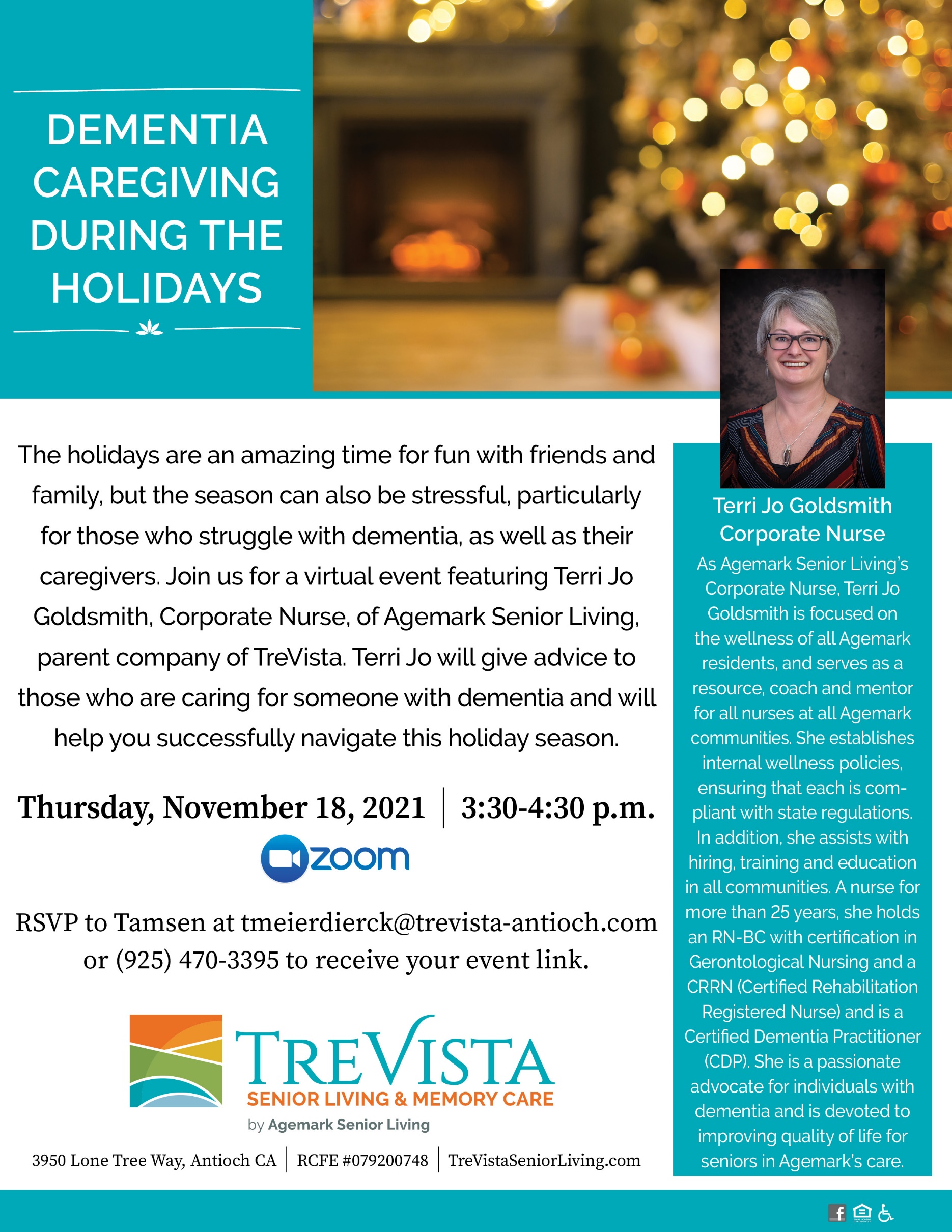
Learn about dementia caregiving during the holidays from Tre Vista Antioch Nov. 18

November 9, 2021 By Publisher Leave a Comment

CLICK HERE TO RSVP: https://bit.ly/HolidayCaregiving

Filed Under: Community, East County, Health, Holiday, Seniors

Meals on Wheels Diablo Region seeks volunteers to deliver grocery bags to seniors

October 30, 2021 By Publisher Leave a Comment

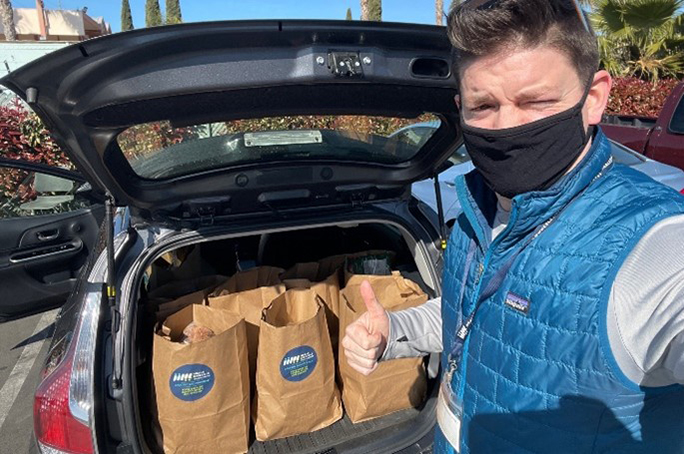
Meals on Wheels volunteer Ted Dason. Photo: MOWDR

By Rachel Heggen, Community Relations & Development Specialist, MOWDR

At 66, Dianne never imagined she would depend on others to do her grocery shopping.  Walking is difficult for her, which makes going to the supermarket challenging, and because she lives on a fixed income, she faces yet another obstacle to obtaining healthy food.

“I didn’t plan on my life coming down to this.” says Dianne. “I had a well-paying job, but now, I’m on disability. With the high cost of living nowadays, it’s really been tough.”

In 2020, Meals on Wheels Diablo Region (MOWDR) partnered with the Food Bank of Contra Costa and Solano to launch the Grocery Bag Program to help seniors like Dianne who face food insecurity. Twice a month, a MOWDR volunteer is able to deliver healthy groceries and fresh produce along with her weekly meals.

“It’s a wonderful program,” says Dianne. “It’s been life-saving.”

The Grocery Bag Program provides food to low-income seniors in Antioch, Bethel Island, Brentwood, Oakley, Pittsburg, Concord, Martinez and Walnut Creek. MOW Diablo Region Grocery Bag Coordinator Casey Claibourne says, “the program currently serves 160 clients, but there are many more people who need the service. The only way we can offer it is to find more volunteers.”

“You can tell most of the seniors are struggling, and from the looks of things, most likely they do not have a lot in their refrigerator,” says Ted Dason, who’s been volunteering since February. “If anyone is considering being a volunteer, I tell them, it’s super rewarding and it literally only takes about two hours every month.”

If you would like to learn more or volunteer for the Meals on Wheels Diablo Region’s Grocery Bag program, contact Casey Claibourne at cclaibourne@mowdr.org.

About

MOW Diablo Region delivers meals to seniors, 60 years or older, who are homebound, not able to drive, unable to prepare food themselves, and do not have a caregiver that prepares their meals. Meals are provided based on need, not on income. Volunteer drivers deliver over 1,000 hot, nutritious meals to homebound seniors every day. Meal deliveries also provide a needed safety-check and is often the only human interaction a senior will have all day.

Filed Under: Central County, Community, East County, Health, News, Seniors

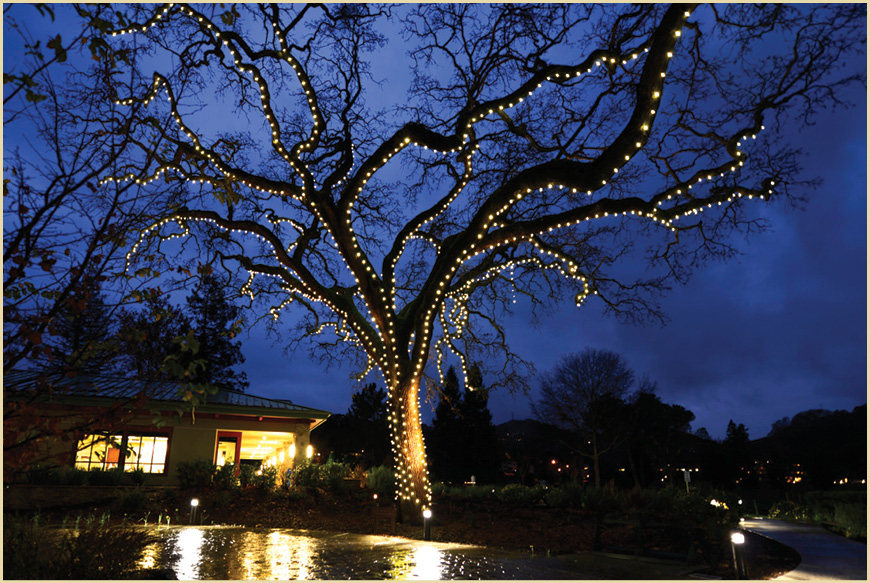
35th Annual Hospice Tree of Lights to be held Nov. 4 through Dec. 22

October 29, 2021 By Publisher Leave a Comment

Source: East Bay Hospice

Fundraiser supports efforts to provide hospice and palliative care services

By Cindy Hatton, President & CEO

Hospice East Bay has been caring for patients and their families in our community since 1977. We are proud to be celebrating our 35th annual Tree of Lights. These ceremonies set aside time for families and friends to honor their loved ones through the symbolism of light and the reading of names.

Funds raised by these events help Hospice East Bay provide hospice and palliative care services to everyone in our communities, regardless of their ability to pay. Through your gifts, we also offer additional supportive services and programs, such as music therapy and children’s grief programs, which are not covered by insurance.

I wish to thank the many community groups that make these events so special and unique. A special thank you to Rudney Associates for their ongoing support as a Sustaining Light Sponsor.

This year, we are hoping to see you in person at a ceremony near you. However, due to growing concerns about the Delta variant, we may need to hold these events virtually once again. I hope you will join us either way and gather with others to remember or honor someone special in your life.

About

Hospice East Bay provides compassionate end-of-life care to terminally ill patients, while offering emotional, spiritual, and grief support for the entire family. As a not-for-profit organization, we accept all medically qualified patients, regardless of their insurance status or ability to pay. Proceeds from our thrift shoppes support our programs.


Filed Under: Community, Health

Kaiser Permanente recognized for having one of California’s best Medicare Advantage health plans

October 28, 2021 By Publisher Leave a Comment

Follows Kaiser Permanente’s Medicare health plan in California receiving a 5 out of 5-star rating making it among the highest rated in the nation

By Antonia Ehlers, PR and Media Relations, Kaiser Permanente Northern California

Kaiser Permanente’s Medicare Advantage health plan is one of the best in California for quality care and service, according to U.S. News & World Report’s Best Insurance Companies for Medicare Advantage Plans 2022.

To create its 2022 list of best insurance companies for Medicare Advantage, U.S. News & World Report analyzed Medicare Advantage offerings in each state based on the Centers for Medicare & Medicaid Services (CMS) annual Star Quality Ratings for 2022.

In the CMS 2022 ratings, Kaiser Permanente’s Medicare health plan in California received a 5 out of 5-star rating – making it among the highest rated in the nation – for providing expert medicine, seamless care, and outstanding service to its Medicare health plan members. This is the 11th straight year Kaiser Permanente’s Medicare health plan in California has been rated 5 out of 5 stars.

According to U.S. News & World Report, a “best” Medicare Advantage insurance company is defined as a health care organization whose plans were all rated at least 3 out of 5 stars by CMS and whose plans have an average rating of 4.5 or more stars within the state.

With Kaiser Permanente, Medicare members get high-quality medical services, hospital care, prescription drug coverage, preventive care, and more in one easy-to-use plan. We also offer convenient care options, such as video visits, phone appointments, and secure email.

Learn more about Medicare, explore Kaiser Permanente’s Medicare Advantage plans, and get information on enrolling. 

About Kaiser Permanente

Kaiser Permanente is committed to helping shape the future of health care. We are recognized as one of America’s leading health care providers and not-for-profit health plans. Founded in 1945, Kaiser Permanente has a mission to provide high-quality, affordable health care services and to improve the health of our members and the communities we serve. We currently serve almost 12.5 million members in 8 states and the District of Columbia. Care for members and patients is focused on their total health and guided by their personal Permanente Medical Group physicians, specialists, and team of caregivers. Our expert and caring medical teams are empowered and supported by industry-leading technology advances and tools for health promotion, disease prevention, state-of-the-art care delivery, and world-class chronic disease management. Kaiser Permanente is dedicated to care innovations, clinical research, health education, and the support of community health. http://about.kaiserpermanente.org

Filed Under: Health, News

91 research studies affirm naturally acquired immunity to COVID-19: Documented, linked, and quoted

October 27, 2021 By Publisher 3 Comments

Source: humanimmuneresponse.webnode.com

BY PAUL ELIAS ALEXANDER

This article was first published by Brownstone Institute. Republished with permission.

We should not force COVID vaccines on anyone when the evidence shows that naturally acquired immunity is equal to or more robust and superior to existing vaccines. Instead, we should respect the right of the bodily integrity of individuals to decide for themselves.

Public health officials and the medical establishment with the help of the politicized media are misleading the public with assertions that the COVID-19 shots provide greater protection than natural immunity.  CDC Director Rochelle Walensky, for example, was deceptive in her October 2020 published LANCET statement that “there is no evidence for lasting protective immunity to SARS-CoV-2 following natural infection” and that “the consequence of waning immunity would present a risk to vulnerable populations for the indefinite future.”

Immunology and virology 101 have taught us over a century that natural immunity confers protection against a respiratory virus’s outer coat proteins, and not just one, e.g. the SARS-CoV-2 spike glycoprotein. There is even strong evidence for the persistence of antibodies. Even the CDC recognizes natural immunity for chicken-pox and measles, mumps, and rubella, but not for COVID-19.

The vaccinated are showing viral loads (very high) similar to the unvaccinated (Acharya et al. and Riemersma et al.), and the vaccinated are as infectious. Riemersma et al. also report Wisconsin data that corroborate how the vaccinated individuals who get infected with the Delta variant can potentially (and are) transmit(ting) SARS-CoV-2 to others (potentially to the vaccinated and unvaccinated).

This troubling situation of the vaccinated being infectious and transmitting the virus emerged in seminal nosocomial outbreak papers by Chau et al. (HCWs in Vietnam), the Finland hospital outbreak (spread among HCWs and patients), and the Israel hospital outbreak (spread among HCWs and patients). These studies also revealed that the PPE and masks were essentially ineffective in the healthcare setting. Again, the Marek’s disease in chickens and the vaccination situation explains what we are potentially facing with these leaky vaccines (increased transmission, faster transmission, and more ‘hotter’ variants).

Moreover, existing immunity should be assessed before any vaccination, via an accurate, dependable, and reliable antibody test (or T cell immunity test) or be based on documentation of prior infection (a previous positive PCR or antigen test). Such would be evidence of immunity that is equal to that of vaccination and the immunity should be provided the same societal status as any vaccine-induced immunity. This will function to mitigate the societal anxiety with these forced vaccine mandates and societal upheaval due to job loss, denial of societal privileges etc. Tearing apart the vaccinated and the unvaccinated in a society, separating them, is not medically or scientifically supportable.

The Brownstone Institute previously documented 30 studies on natural immunity as it relates to Covid-19.

This follow-up chart is the most updated and comprehensive library list of 91 of the highest-quality, complete, most robust scientific studies and evidence reports/position statements on natural immunity as compared to the COVID-19 vaccine-induced immunity and allow you to draw your own conclusion.

I’ve benefited from the input of many to put this together, especially my co-authors:

  • Harvey Risch, MD, PhD (Yale School of Public Health)
  • Howard Tenenbaum, PhD ( Faculty of Medicine, University of Toronto)
  • Ramin Oskoui, MD (Foxhall Cardiology, Washington)
  • Peter McCullough, MD (Truth for Health Foundation (TFH)), Texas
  • Parvez Dara, MD (consultant, Medical Hematologist and Oncologist)

Evidence on natural immunity versus COVID-19 vaccine induced immunity as of October 15, 2021:

Study / report title, author, and year published Predominant finding on natural immunity
1) Necessity of COVID-19 vaccination in previously infected individuals, Shrestha, 2021 “Cumulative incidence of COVID-19 was examined among 52,238 employees in an American healthcare system. The cumulative incidence of SARS-CoV-2 infection remained almost zero among previously infected unvaccinated subjects, previously infected subjects who were vaccinated, and previously uninfected subjects who were vaccinated, compared with a steady increase in cumulative incidence among previously uninfected subjects who remained unvaccinated. Not one of the 1359 previously infected subjects who remained unvaccinated had a SARS-CoV-2 infection over the duration of the study. Individuals who have had SARS-CoV-2 infection are unlikely to benefit from COVID-19 vaccination…”
2) SARS-CoV-2-specific T cell immunity in cases of COVID-19 and SARS, and uninfected controls, Le Bert, 2020 “Studied T cell responses against the structural (nucleocapsid (N) protein) and non-structural (NSP7 and NSP13 of ORF1) regions of SARS-CoV-2 in individuals convalescing from coronavirus disease 2019 (COVID-19) (n = 36). In all of these individuals, we found CD4 and CD8 T cells that recognized multiple regions of the N protein…showed that patients (n = 23) who recovered from SARS possess long-lasting memory T cells that are reactive to the N protein of SARS-CoV 17 years after the outbreak of SARS in 2003; these T cells displayed robust cross-reactivity to the N protein of SARS-CoV-2.”
3) Comparing SARS-CoV-2 natural immunity to vaccine-induced immunity: reinfections versus breakthrough infections,Gazit, 2021 “A retrospective observational study comparing three groups: (1) SARS-CoV-2-naïve individuals who received a two-dose regimen of the BioNTech/Pfizer mRNA BNT162b2 vaccine, (2) previously infected individuals who have not been vaccinated, and (3) previously infected and single dose vaccinated individuals found para a 13 fold increased risk of breakthrough Delta infections in double vaccinated persons, and a 27 fold increased risk for symptomatic breakthrough infection in the double vaccinated relative to the natural immunity recovered persons…the risk of hospitalization was 8 times higher in the double vaccinated (para)…this analysis demonstrated that natural immunity affords longer lasting and stronger protection against infection, symptomatic disease and hospitalization due to the Delta variant of SARS-CoV-2, compared to the BNT162b2 two-dose vaccine-induced immunity.”
4) Highly functional virus-specific cellular immune response in asymptomatic SARS-CoV-2 infection, Le Bert, 2021 “Studied SARS-CoV-2–specific T cells in a cohort of asymptomatic (n = 85) and symptomatic (n = 75) COVID-19 patients after seroconversion…thus, asymptomatic SARS-CoV-2–infected individuals are not characterized by weak antiviral immunity; on the contrary, they mount a highly functional virus-specific cellular immune response.”
5) Large-scale study of antibody titer decay following BNT162b2 mRNA vaccine or SARS-CoV-2 infection, Israel, 2021 “A total of 2,653 individuals fully vaccinated by two doses of vaccine during the study period and 4,361 convalescent patients were included. Higher SARS-CoV-2 IgG antibody titers were observed in vaccinated individuals (median 1581 AU/mL IQR [533.8-5644.6]) after the second vaccination, than in convalescent individuals (median 355.3 AU/mL IQR [141.2-998.7]; p<0.001). In vaccinated subjects, antibody titers decreased by up to 40% each subsequent month while in convalescents they decreased by less than 5% per month…this study demonstrates individuals who received the Pfizer-BioNTech mRNA vaccine have different kinetics of antibody levels compared to patients who had been infected with the SARS-CoV-2 virus, with higher initial levels but a much faster exponential decrease in the first group”.
6) SARS-CoV-2 re-infection risk in Austria, Pilz, 2021 Researchers recorded “40 tentative re-infections in 14, 840 COVID-19 survivors of the first wave (0.27%) and 253 581 infections in 8, 885, 640 individuals of the remaining general population (2.85%) translating into an odds ratio (95% confidence interval) of 0.09 (0.07 to 0.13)…relatively low re-infection rate of SARS-CoV-2 in Austria. Protection against SARS-CoV-2 after natural infection is comparable with the highest available estimates on vaccine efficacies.” Additionally, hospitalization in only five out of 14,840 (0.03%) people and death in one out of 14,840 (0.01%) (tentative re-infection).
7) mRNA vaccine-induced SARS-CoV-2-specific T cells recognize B.1.1.7 and B.1.351 variants but differ in longevity and homing properties depending on prior infection status, Neidleman, 2021 “Spike-specific T cells from convalescent vaccinees differed strikingly from those of infection-naïve vaccinees, with phenotypic features suggesting superior long-term persistence and ability to home to the respiratory tract including the nasopharynx. These results provide reassurance that vaccine-elicited T cells respond robustly to the B.1.1.7 and B.1.351 variants, confirm that convalescents may not need a second vaccine dose.”
8) Good news: Mild COVID-19 induces lasting antibody protection, Bhandari, 2021 “Months after recovering from mild cases of COVID-19, people still have immune cells in their body pumping out antibodies against the virus that causes COVID-19, according to a study from researchers at Washington University School of Medicine in St. Louis. Such cells could persist for a lifetime, churning out antibodies all the while. The findings, published May 24 in the journal Nature, suggest that mild cases of COVID-19 leave those infected with lasting antibody protection and that repeated bouts of illness are likely to be uncommon.”
9) Robust neutralizing antibodies to SARS-CoV-2 infection persist for months, Wajnberg, 2021 “Neutralizing antibody titers against the SARS-CoV-2 spike protein persisted for at least 5 months after infection. Although continued monitoring of this cohort will be needed to confirm the longevity and potency of this response, these preliminary results suggest that the chance of reinfection may be lower than is currently feared.”
10) Evolution of Antibody Immunity to SARS-CoV-2, Gaebler, 2020 “Concurrently, neutralizing activity in plasma decreases by five-fold in pseudo-type virus assays. In contrast, the number of RBD-specific memory B cells is unchanged. Memory B cells display clonal turnover after 6.2 months, and the antibodies they express have greater somatic hypermutation, increased potency and resistance to RBD mutations, indicative of continued evolution of the humoral response…we conclude that the memory B cell response to SARS-CoV-2 evolves between 1.3 and 6.2 months after infection in a manner that is consistent with antigen persistence.”
11) Persistence of neutralizing antibodies a year after SARS-CoV-2 infection in humans, Haveri, 2021 “Assessed the persistence of serum antibodies following WT SARS-CoV-2 infection at 8 and 13 months after diagnosis in 367 individuals…found that NAb against the WT virus persisted in 89% and S-IgG in 97% of subjects for at least 13 months after infection.”
12) Quantifying the risk of SARS‐CoV‐2 reinfection over time, Murchu, 2021 “Eleven large cohort studies were identified that estimated the risk of SARS‐CoV‐2 reinfection over time, including three that enrolled healthcare workers and two that enrolled residents and staff of elderly care homes. Across studies, the total number of PCR‐positive or antibody‐positive participants at baseline was 615,777, and the maximum duration of follow‐up was more than 10 months in three studies. Reinfection was an uncommon event (absolute rate 0%–1.1%), with no study reporting an increase in the risk of reinfection over time.”
13) Natural immunity to covid is powerful. Policymakers seem afraid to say so, Makary, 2021 Makary writes “it’s okay to have an incorrect scientific hypothesis. But when new data proves it wrong, you have to adapt. Unfortunately, many elected leaders and public health officials have held on far too long to the hypothesis that natural immunity offers unreliable protection against covid-19 — a contention that is being rapidly debunked by science. More than 15 studies have demonstrated the power of immunity acquired by previously having the virus. A 700,000-person study from Israel two weeks ago found that those who had experienced prior infections were 27 times less likely to get a second symptomatic covid infection than those who were vaccinated. This affirmed a June Cleveland Clinic study of health-care workers (who are often exposed to the virus), in which none who had previously tested positive for the coronavirus got reinfected. The study authors concluded that “individuals who have had SARS-CoV-2 infection are unlikely to benefit from covid-19 vaccination.” And in May, a Washington University study found that even a mild covid infection resulted in long-lasting immunity.”
14) SARS-CoV-2 elicits robust adaptive immune responses regardless of disease severity, Nielsen, 2021 “203 recovered SARS-CoV-2 infected patients in Denmark between April 3rd and July 9th 2020, at least 14 days after COVID-19 symptom recovery… report broad serological profiles within the cohort, detecting antibody binding to other human coronaviruses… the viral surface spike protein was identified as the dominant target for both neutralizing antibodies and CD8+ T-cell responses. Overall, the majority of patients had robust adaptive immune responses, regardless of their disease severity.”
15) Protection of previous SARS-CoV-2 infection is similar to that of BNT162b2 vaccine protection: A three-month nationwide experience from Israel, Goldberg, 2021 “Analyze an updated individual-level database of the entire population of Israel to assess the protection efficacy of both prior infection and vaccination in preventing subsequent SARS-CoV-2 infection, hospitalization with COVID-19, severe disease, and death due to COVID-19… vaccination was highly effective with overall estimated efficacy for documented infection of 92·8% (CI:[92·6, 93·0]); hospitalization 94·2% (CI:[93·6, 94·7]); severe illness 94·4% (CI:[93·6, 95·0]); and death 93·7% (CI:[92·5, 94·7]). Similarly, the overall estimated level of protection from prior SARS-CoV-2 infection for documented infection is 94·8% (CI: [94·4, 95·1]); hospitalization 94·1% (CI: [91·9, 95·7]); and severe illness 96·4% (CI: [92·5, 98·3])…results question the need to vaccinate previously-infected individuals.”
16) Incidence of Severe Acute Respiratory Syndrome Coronavirus-2 infection among previously infected or vaccinated employees, Kojima, 2021 “Employees were divided into three groups: (1) SARS-CoV-2 naïve and unvaccinated, (2) previous SARS-CoV-2 infection, and (3) vaccinated. Person-days were measured from the date of the employee first test and truncated at the end of the observation period. SARS-CoV-2 infection was defined as two positive SARS-CoV-2 PCR tests in a 30-day period… 4313, 254 and 739 employee records for groups 1, 2, and 3…previous SARS-CoV-2 infection and vaccination for SARS-CoV-2 were associated with decreased risk for infection or re-infection with SARS-CoV-2 in a routinely screened workforce. The was no difference in the infection incidence between vaccinated individuals and individuals with previous infection.”
17) Having SARS-CoV-2 once confers much greater immunity than a vaccine—but vaccination remains vital, Wadman, 2021 “Israelis who had an infection were more protected against the Delta coronavirus variant than those who had an already highly effective COVID-19 vaccine…the newly released data show people who once had a SARS-CoV-2 infection were much less likely than never-infected, vaccinated people to get Delta, develop symptoms from it, or become hospitalized with serious COVID-19.”
18) One-year sustained cellular and humoral immunities of COVID-19 convalescents, Zhang, 2021 “A systematic antigen-specific immune evaluation in 101 COVID-19 convalescents; SARS-CoV-2-specific IgG antibodies, and also NAb can persist among over 95% COVID-19 convalescents from 6 months to 12 months after disease onset. At least 19/71 (26%) of COVID-19 convalescents (double positive in ELISA and MCLIA) had detectable circulating IgM antibody against SARS-CoV-2 at 12m post-disease onset. Notably, the percentages of convalescents with positive SARS-CoV-2-specific T-cell responses (at least one of the SARS-CoV-2 antigen S1, S2, M and N protein) were 71/76 (93%) and 67/73 (92%) at 6m and 12m, respectively.”
19) Functional SARS-CoV-2-Specific Immune Memory Persists after Mild COVID-19, Rodda, 2021 “Recovered individuals developed SARS-CoV-2-specific immunoglobulin (IgG) antibodies, neutralizing plasma, and memory B and memory T cells that persisted for at least 3 months. Our data further reveal that SARS-CoV-2-specific IgG memory B cells increased over time. Additionally, SARS-CoV-2-specific memory lymphocytes exhibited characteristics associated with potent antiviral function: memory T cells secreted cytokines and expanded upon antigen re-encounter, whereas memory B cells expressed receptors capable of neutralizing virus when expressed as monoclonal antibodies. Therefore, mild COVID-19 elicits memory lymphocytes that persist and display functional hallmarks of antiviral immunity.”
20) Discrete Immune Response Signature to SARS-CoV-2 mRNA Vaccination Versus Infection, Ivanova, 2021 “Performed multimodal single-cell sequencing on peripheral blood of patients with acute COVID-19 and healthy volunteers before and after receiving the SARS-CoV-2 BNT162b2 mRNA vaccine to compare the immune responses elicited by the virus and by this vaccine…both infection and vaccination induced robust innate and adaptive immune responses, our analysis revealed significant qualitative differences between the two types of immune challenges. In COVID-19 patients, immune responses were characterized by a highly augmented interferon response which was largely absent in vaccine recipients. Increased interferon signaling likely contributed to the observed dramatic upregulation of cytotoxic genes in the peripheral T cells and innate-like lymphocytes in patients but not in immunized subjects. Analysis of B and T cell receptor repertoires revealed that while the majority of clonal B and T cells in COVID-19 patients were effector cells, in vaccine recipients clonally expanded cells were primarily circulating memory cells…we observed the presence of cytotoxic CD4 T cells in COVID-19 patients that were largely absent in healthy volunteers following immunization. While hyper-activation of inflammatory responses and cytotoxic cells may contribute to immunopathology in severe illness, in mild and moderate disease, these features are indicative of protective immune responses and resolution of infection.”
21) SARS-CoV-2 infection induces long-lived bone marrow plasma cells in humans, Turner, 2021 “Bone marrow plasma cells (BMPCs) are a persistent and essential source of protective antibodies… durable serum antibody titres are maintained by long-lived plasma cells—non-replicating, antigen-specific plasma cells that are detected in the bone marrow long after the clearance of the antigen … S-binding BMPCs are quiescent, which suggests that they are part of a stable compartment. Consistently, circulating resting memory B cells directed against SARS-CoV-2 S were detected in the convalescent individuals. Overall, our results indicate that mild infection with SARS-CoV-2 induces robust antigen-specific, long-lived humoral immune memory in humans…overall, our data provide strong evidence that SARS-CoV-2 infection in humans robustly establishes the two arms of humoral immune memory: long-lived bone marrow plasma cells (BMPCs) and memory B-cells.”
22) SARS-CoV-2 infection rates of antibody-positive compared with antibody-negative health-care workers in England: a large, multicentre, prospective cohort study (SIREN), Jane Hall, 2021 “The SARS-CoV-2 Immunity and Reinfection Evaluation study… 30 625 participants were enrolled into the study… a previous history of SARS-CoV-2 infection was associated with an 84% lower risk of infection, with median protective effect observed 7 months following primary infection. This time period is the minimum probable effect because seroconversions were not included. This study shows that previous infection with SARS-CoV-2 induces effective immunity to future infections in most individuals.”
23) Pandemic peak SARS-CoV-2 infection and seroconversion rates in London frontline health-care workers, Houlihan, 2020 “Enrolled 200 patient-facing HCWs between March 26 and April 8, 2020…represents a 13% infection rate (i.e. 14 of 112 HCWs) within the 1 month of follow-up in those with no evidence of antibodies or viral shedding at enrolment. By contrast, of 33 HCWs who tested positive by serology but tested negative by RT-PCR at enrolment, 32 remained negative by RT-PCR through follow-up, and one tested positive by RT-PCR on days 8 and 13 after enrolment.”
24) Antibodies to SARS-CoV-2 are associated with protection against reinfection, Lumley, 2021 “Critical to understand whether infection with Severe Acute Respiratory Syndrome Coronavirus 2 (SARS-CoV-2) protects from subsequent reinfection… 12219 HCWs participated…prior SARS-CoV-2 infection that generated antibody responses offered protection from reinfection for most people in the six months following infection.”
25) Longitudinal analysis shows durable and broad immune memory after SARS-CoV-2 infection with persisting antibody responses and memory B and T cells, Cohen, 2021 “Evaluate 254 COVID-19 patients longitudinally up to 8 months and find durable broad-based immune responses. SARS-CoV-2 spike binding and neutralizing antibodies exhibit a bi-phasic decay with an extended half-life of >200 days suggesting the generation of longer-lived plasma cells… most recovered COVID-19 patients mount broad, durable immunity after infection, spike IgG+ memory B cells increase and persist post-infection, durable polyfunctional CD4 and CD8 T cells recognize distinct viral epitope regions.”
26) Single cell profiling of T and B cell repertoires following SARS-CoV-2 mRNA vaccine, Sureshchandra, 2021 “Used single-cell RNA sequencing and functional assays to compare humoral and cellular responses to two doses of mRNA vaccine with responses observed in convalescent individuals with asymptomatic disease… natural infection induced expansion of larger CD8 T cell clones occupied distinct clusters, likely due to the recognition of a broader set of viral epitopes presented by the virus not seen in the mRNA vaccine.”
27) SARS-CoV-2 antibody-positivity protects against reinfection for at least seven months with 95% efficacy, Abu-Raddad, 2021 “SARS-CoV-2 antibody-positive persons from April 16 to December 31, 2020 with a PCR-positive swab ≥14 days after the first-positive antibody test were investigated for evidence of reinfection, 43,044 antibody-positive persons who were followed for a median of 16.3 weeks…reinfection is rare in the young and international population of Qatar. Natural infection appears to elicit strong protection against reinfection with an efficacy ~95% for at least seven months.”
28) Orthogonal SARS-CoV-2 Serological Assays Enable Surveillance of Low-Prevalence Communities and Reveal Durable Humoral Immunity, Ripperger, 2020 “Conducted a serological study to define correlates of immunity against SARS-CoV-2. Compared to those with mild coronavirus disease 2019 (COVID-19) cases, individuals with severe disease exhibited elevated virus-neutralizing titers and antibodies against the nucleocapsid (N) and the receptor binding domain (RBD) of the spike protein…neutralizing and spike-specific antibody production persists for at least 5–7 months… nucleocapsid antibodies frequently become undetectable by 5–7 months.”
29) Anti-spike antibody response to natural SARS-CoV-2 infection in the general population, Wei, 2021 “In the general population using representative data from 7,256 United Kingdom COVID-19 infection survey participants who had positive swab SARS-CoV-2 PCR tests from 26-April-2020 to 14-June-2021…we estimated antibody levels associated with protection against reinfection likely last 1.5-2 years on average, with levels associated with protection from severe infection present for several years. These estimates could inform planning for vaccination booster strategies.”
30) Antibody Status and Incidence of SARS-CoV-2 Infection in Health Care Workers, Lumley, 2021 “12,541 health care workers participated and had anti-spike IgG measured; 11,364 were followed up after negative antibody results and 1265 after positive results, including 88 in whom seroconversion occurred during follow-up…a total of 223 anti-spike–seronegative health care workers had a positive PCR test (1.09 per 10,000 days at risk), 100 during screening while they were asymptomatic and 123 while symptomatic, whereas 2 anti-spike–seropositive health care workers had a positive PCR test… the presence of anti-spike or anti-nucleocapsid IgG antibodies was associated with a substantially reduced risk of SARS-CoV-2 reinfection in the ensuing 6 months.”
31) Researchers find long-lived immunity to 1918 pandemic virus, CIDRAP, 2008
and the actual 2008 NATURE journal publication by Yu
“A study of the blood of older people who survived the 1918 influenza pandemic reveals that antibodies to the strain have lasted a lifetime and can perhaps be engineered to protect future generations against similar strains…the group collected blood samples from 32 pandemic survivors aged 91 to 101..the people recruited for the study were 2 to 12 years old in 1918 and many recalled sick family members in their households, which suggests they were directly exposed to the virus, the authors report. The group found that 100% of the subjects had serum-neutralizing activity against the 1918 virus and 94% showed serologic reactivity to the 1918 hemagglutinin. The investigators generated B lymphoblastic cell lines from the peripheral blood mononuclear cells of eight subjects. Transformed cells from the blood of 7 of the 8 donors yielded secreting antibodies that bound the 1918 hemagglutinin.” Yu: “here we show that of the 32 individuals tested that were born in or before 1915, each showed sero-reactivity with the 1918 virus, nearly 90 years after the pandemic. Seven of the eight donor samples tested had circulating B cells that secreted antibodies that bound the 1918 HA. We isolated B cells from subjects and generated five monoclonal antibodies that showed potent neutralizing activity against 1918 virus from three separate donors. These antibodies also cross-reacted with the genetically similar HA of a 1930 swine H1N1 influenza strain.”
32) Live virus neutralisation testing in convalescent patients and subjects vaccinated against 19A, 20B, 20I/501Y.V1 and 20H/501Y.V2 isolates of SARS-CoV-2, Gonzalez, 2021 “No significant difference was observed between the 20B and 19A isolates for HCWs with mild COVID-19 and critical patients. However, a significant decrease in neutralisation ability was found for 20I/501Y.V1 in comparison with 19A isolate for critical patients and HCWs 6-months post infection. Concerning 20H/501Y.V2, all populations had a significant reduction in neutralising antibody titres in comparison with the 19A isolate. Interestingly, a significant difference in neutralisation capacity was observed for vaccinated HCWs between the two variants whereas it was not significant for the convalescent groups…the reduced neutralising response observed towards the 20H/501Y.V2 in comparison with the 19A and 20I/501Y.V1 isolates in fully immunized subjects with the BNT162b2 vaccine is a striking finding of the study.”
33) Differential effects of the second SARS-CoV-2 mRNA vaccine dose on T cell immunity in naïve and COVID-19 recovered individuals, Camara, 2021 “Characterized SARS-CoV-2 spike-specific humoral and cellular immunity in naïve and previously infected individuals during full BNT162b2 vaccination…results demonstrate that the second dose increases both the humoral and cellular immunity in naïve individuals. On the contrary, the second BNT162b2 vaccine dose results in a reduction of cellular immunity in COVID-19 recovered individuals.”
34) Op-Ed: Quit Ignoring Natural COVID Immunity, Klausner, 2021 “Epidemiologists estimate over 160 million people worldwide have recovered from COVID-19. Those who have recovered have an astonishingly low frequency of repeat infection, disease, or death.”
35) Association of SARS-CoV-2 Seropositive Antibody Test With Risk of Future Infection, Harvey, 2021 “To evaluate evidence of SARS-CoV-2 infection based on diagnostic nucleic acid amplification test (NAAT) among patients with positive vs negative test results for antibodies in an observational descriptive cohort study of clinical laboratory and linked claims data…the cohort included 3 257 478 unique patients with an index antibody test…patients with positive antibody test results were initially more likely to have positive NAAT results, consistent with prolonged RNA shedding, but became markedly less likely to have positive NAAT results over time, suggesting that seropositivity is associated with protection from infection.”
36) SARS-CoV-2 seropositivity and subsequent infection risk in healthy young adults: a prospective cohort study, Letizia, 2021 “Investigated the risk of subsequent SARS-CoV-2 infection among young adults (CHARM marine study) seropositive for a previous infection…enrolled 3249 participants, of whom 3168 (98%) continued into the 2-week quarantine period. 3076 (95%) participants…Among 189 seropositive participants, 19 (10%) had at least one positive PCR test for SARS-CoV-2 during the 6-week follow-up (1·1 cases per person-year). In contrast, 1079 (48%) of 2247 seronegative participants tested positive (6·2 cases per person-year). The incidence rate ratio was 0·18 (95% CI 0·11–0·28; p<0·001)…infected seropositive participants had viral loads that were about 10-times lower than those of infected seronegative participants (ORF1ab gene cycle threshold difference 3·95 [95% CI 1·23–6·67]; p=0·004).”
37) Associations of Vaccination and of Prior Infection With Positive PCR Test Results for SARS-CoV-2 in Airline Passengers Arriving in Qatar, Bertollini, 2021 “Of 9,180 individuals with no record of vaccination but with a record of prior infection at least 90 days before the PCR test (group 3), 7694 could be matched to individuals with no record of vaccination or prior infection (group 2), among whom PCR positivity was 1.01% (95% CI, 0.80%-1.26%) and 3.81% (95% CI, 3.39%-4.26%), respectively. The relative risk for PCR positivity was 0.22 (95% CI, 0.17-0.28) for vaccinated individuals and 0.26 (95% CI, 0.21-0.34) for individuals with prior infection compared with no record of vaccination or prior infection.”
38) Natural immunity against COVID-19 significantly reduces the risk of reinfection: findings from a cohort of sero-survey participants, Mishra, 2021 “Followed up with a subsample of our previous sero-survey participants to assess whether natural immunity against SARS-CoV-2 was associated with a reduced risk of re-infection (India)… out of the 2238 participants, 1170 were sero-positive and 1068 were sero-negative for antibody against COVID-19. Our survey found that only 3 individuals in the sero-positive group got infected with COVID-19 whereas 127 individuals reported contracting the infection the sero-negative group…from the 3 sero-positives re-infected with COVID-19, one had hospitalization, but did not require oxygen support or critical care…development of antibody following natural infection not only protects against re-infection by the virus to a great extent, but also safeguards against progression to severe COVID-19 disease.”
39) Lasting immunity found after recovery from COVID-19, NIH, 2021 “The researchers found durable immune responses in the majority of people studied. Antibodies against the spike protein of SARS-CoV-2, which the virus uses to get inside cells, were found in 98% of participants one month after symptom onset. As seen in previous studies, the number of antibodies ranged widely between individuals. But, promisingly, their levels remained fairly stable over time, declining only modestly at 6 to 8 months after infection… virus-specific B cells increased over time. People had more memory B cells six months after symptom onset than at one month afterwards… levels of T cells for the virus also remained high after infection. Six months after symptom onset, 92% of participants had CD4+ T cells that recognized the virus… 95% of the people had at least 3 out of 5 immune-system components that could recognize SARS-CoV-2 up to 8 months after infection.”
40) SARS-CoV-2 Natural Antibody Response Persists for at Least 12 Months in a Nationwide Study From the Faroe Islands, Petersen, 2021 “The seropositive rate in the convalescent individuals was above 95% at all sampling time points for both assays and remained stable over time; that is, almost all convalescent individuals developed antibodies… results show that SARS-CoV-2 antibodies persisted at least 12 months after symptom onset and maybe even longer, indicating that COVID-19-convalescent individuals may be protected from reinfection.”
41) SARS-CoV-2-specific T cell memory is sustained in COVID-19 convalescent patients for 10 months with successful development of stem cell-like memory T cells, Jung, 2021 “ex vivo assays to evaluate SARS-CoV-2-specific CD4+ and CD8+ T cell responses in COVID-19 convalescent patients up to 317 days post-symptom onset (DPSO), and find that memory T cell responses are maintained during the study period regardless of the severity of COVID-19. In particular, we observe sustained polyfunctionality and proliferation capacity of SARS-CoV-2-specific T cells. Among SARS-CoV-2-specific CD4+ and CD8+ T cells detected by activation-induced markers, the proportion of stem cell-like memory T (TSCM) cells is increased, peaking at approximately 120 DPSO.”
42) Immune Memory in Mild COVID-19 Patients and Unexposed Donors Reveals Persistent T Cell Responses After SARS-CoV-2 Infection, Ansari, 2021 “Analyzed 42 unexposed healthy donors and 28 mild COVID-19 subjects up to 5 months from the recovery for SARS-CoV-2 specific immunological memory. Using HLA class II predicted peptide megapools, we identified SARS-CoV-2 cross-reactive CD4+ T cells in around 66% of the unexposed individuals. Moreover, we found detectable immune memory in mild COVID-19 patients several months after recovery in the crucial arms of protective adaptive immunity; CD4+ T cells and B cells, with a minimal contribution from CD8+ T cells. Interestingly, the persistent immune memory in COVID-19 patients is predominantly targeted towards the Spike glycoprotein of the SARS-CoV-2. This study provides the evidence of both high magnitude pre-existing and persistent immune memory in Indian population.”
43) COVID-19 natural immunity, WHO, 2021 “Current evidence points to most individuals developing strong protective immune responses following natural infection with SARSCoV-2. Within 4 weeks following infection, 90-99% of individuals infected with the SARS-CoV-2 virus develop detectable neutralizing antibodies. The strength and duration of the immune responses to SARS-CoV-2 are not completely understood and currently available data suggests that it varies by age and the severity of symptoms. Available scientific data suggests that in most people immune responses remain robust and protective against reinfection for at least 6-8 months after infection (the longest follow up with strong scientific evidence is currently approximately 8 months).”
44) Antibody Evolution after SARS-CoV-2 mRNA Vaccination, Cho, 2021 “We conclude that memory antibodies selected over time by natural infection have greater potency and breadth than antibodies elicited by vaccination…boosting vaccinated individuals with currently available mRNA vaccines would produce a quantitative increase in plasma neutralizing activity but not the qualitative advantage against variants obtained by vaccinating convalescent individuals.”
45) Humoral Immune Response to SARS-CoV-2 in Iceland, Gudbjartsson, 2020 “Measured antibodies in serum samples from 30,576 persons in Iceland…of the 1797 persons who had recovered from SARS-CoV-2 infection, 1107 of the 1215 who were tested (91.1%) were seropositive…results indicate risk of death from infection was 0.3% and that antiviral antibodies against SARS-CoV-2 did not decline within 4 months after diagnosis (para).”
46)  Immunological memory to SARS-CoV-2 assessed for up to 8 months after infection, Dan, 2021 “Analyzed multiple compartments of circulating immune memory to SARS-CoV-2 in 254 samples from 188 COVID-19 cases, including 43 samples at ≥ 6 months post-infection…IgG to the Spike protein was relatively stable over 6+ months. Spike-specific memory B cells were more abundant at 6 months than at 1 month post symptom onset.”
47) The prevalence of adaptive immunity to COVID-19 and reinfection after recovery – a comprehensive systematic review and meta-analysis of 12 011 447 individuals, Chivese, 2021 “Fifty-four studies, from 18 countries, with a total of 12 011 447 individuals, followed up to 8 months after recovery, were included. At 6-8 months after recovery, the prevalence of detectable SARS-CoV-2 specific immunological memory remained high; IgG – 90.4%… pooled prevalence of reinfection was 0.2% (95%CI 0.0 – 0.7, I2 = 98.8, 9 studies). Individuals who recovered from COVID-19 had an 81% reduction in odds of a reinfection (OR 0.19, 95% CI 0.1 – 0.3, I2 = 90.5%, 5 studies).”
48) Reinfection Rates among Patients who Previously Tested Positive for COVID-19: a Retrospective Cohort Study, Sheehan, 2021 “Retrospective cohort study of one multi-hospital health system included 150,325 patients tested for COVID-19 infection…prior infection in patients with COVID-19 was highly protective against reinfection and symptomatic disease. This protection increased over time, suggesting that viral shedding or ongoing immune response may persist beyond 90 days and may not represent true reinfection.”
49) Assessment of SARS-CoV-2 Reinfection 1 Year After Primary Infection in a Population in Lombardy, Italy, Vitale, 2020 “The study results suggest that reinfections are rare events and patients who have recovered from COVID-19 have a lower risk of reinfection. Natural immunity to SARS-CoV-2 appears to confer a protective effect for at least a year, which is similar to the protection reported in recent vaccine studies.”
50) Prior SARS-CoV-2 infection is associated with protection against symptomatic reinfection, Hanrath, 2021 “We observed no symptomatic reinfections in a cohort of healthcare workers…this apparent immunity to re-infection was maintained for at least 6 months…test positivity rates were 0% (0/128 [95% CI: 0–2.9]) in those with previous infection compared to 13.7% (290/2115 [95% CI: 12.3–15.2]) in those without (P<0.0001 χ2 test).”
51) mRNA vaccine-induced T cells respond identically to SARS-CoV-2 variants of concern but differ in longevity and homing properties depending on prior infection status, Neidleman, 2021 “In infection-naïve individuals, the second dose boosted the quantity and altered the phenotypic properties of SARS-CoV-2-specific T cells, while in convalescents the second dose changed neither. Spike-specific T cells from convalescent vaccinees differed strikingly from those of infection-naïve vaccinees, with phenotypic features suggesting superior long-term persistence and ability to home to the respiratory tract including the nasopharynx.”
52) Targets of T Cell Responses to SARS-CoV-2 Coronavirus in Humans with COVID-19 Disease and Unexposed Individuals, Grifoni, 2020 “Using HLA class I and II predicted peptide “megapools,” circulating SARS-CoV-2-specific CD8+ and CD4+ T cells were identified in ∼70% and 100% of COVID-19 convalescent patients, respectively. CD4+ T cell responses to spike, the main target of most vaccine efforts, were robust and correlated with the magnitude of the anti-SARS-CoV-2 IgG and IgA titers. The M, spike, and N proteins each accounted for 11%–27% of the total CD4+ response, with additional responses commonly targeting nsp3, nsp4, ORF3a, and ORF8, among others. For CD8+ T cells, spike and M were recognized, with at least eight SARS-CoV-2 ORFs targeted.”
53) NIH Director’s Blog: Immune T Cells May Offer Lasting Protection Against COVID-19, Collins, 2021 “Much of the study on the immune response to SARS-CoV-2, the novel coronavirus that causes COVID-19, has focused on the production of antibodies. But, in fact, immune cells known as memory T cells also play an important role in the ability of our immune systems to protect us against many viral infections, including—it now appears—COVID-19.An intriguing new study of these memory T cells suggests they might protect some people newly infected with SARS-CoV-2 by remembering past encounters with other human coronaviruses. This might potentially explain why some people seem to fend off the virus and may be less susceptible to becoming severely ill with COVID-19.”
54) Ultrapotent antibodies against diverse and highly transmissible SARS-CoV-2 variants, Wang, 2021 “Our study demonstrates that convalescent subjects previously infected with ancestral variant SARS-CoV-2 produce antibodies that cross-neutralize emerging VOCs with high potency…potent against 23 variants, including variants of concern.”
55) Why COVID-19 Vaccines Should Not Be Required for All Americans, Makary, 2021 “Requiring the vaccine in people who are already immune with natural immunity has no scientific support. While vaccinating those people may be beneficial – and it’s a reasonable hypothesis that vaccination may bolster the longevity of their immunity – to argue dogmatically that they must get vaccinated has zero clinical outcome data to back it. As a matter of fact, we have data to the contrary: A Cleveland Clinic study found that vaccinating people with natural immunity did not add to their level of protection.”
56) Protracted yet coordinated differentiation of long-lived SARS-CoV-2-specific CD8+ T cells during COVID-19 convalescence, Ma, 2021 “Screened 21 well-characterized, longitudinally-sampled convalescent donors that recovered from mild COVID-19…following a typical case of mild COVID-19, SARS-CoV-2-specific CD8+ T cells not only persist but continuously differentiate in a coordinated fashion well into convalescence, into a state characteristic of long-lived, self-renewing memory.”
57) Decrease in Measles Virus-Specific CD4 T Cell Memory in Vaccinated Subjects, Naniche, 2004 “Characterized the profiles of measles vaccine (MV) vaccine-induced antigen-specific T cells over time since vaccination. In a cross-sectional study of healthy subjects with a history of MV vaccination, we found that MV-specific CD4 and CD8 T cells could be detected up to 34 years after vaccination. The levels of MV-specific CD8 T cells and MV-specific IgG remained stable, whereas the level of MV-specific CD4 T cells decreased significantly in subjects who had been vaccinated >21 years earlier.”
58) Remembrance of Things Past: Long-Term B Cell Memory After Infection and Vaccination, Palm, 2019 “The success of vaccines is dependent on the generation and maintenance of immunological memory. The immune system can remember previously encountered pathogens, and memory B and T cells are critical in secondary responses to infection. Studies in mice have helped to understand how different memory B cell populations are generated following antigen exposure and how affinity for the antigen is determinant to B cell fate… upon re-exposure to an antigen the memory recall response will be faster, stronger, and more specific than a naïve response. Protective memory depends first on circulating antibodies secreted by LLPCs. When these are not sufficient for immediate pathogen neutralization and elimination, memory B cells are recalled.”
59) SARS-CoV-2 specific memory B-cells from individuals with diverse disease severities recognize SARS-CoV-2 variants of concern, Lyski, 2021 “Examined the magnitude, breadth, and durability of SARS-CoV-2 specific antibodies in two distinct B-cell compartments: long-lived plasma cell-derived antibodies in the plasma, and peripheral memory B-cells along with their associated antibody profiles elicited after in vitro stimulation. We found that magnitude varied amongst individuals, but was the highest in hospitalized subjects. Variants of concern (VoC) -RBD-reactive antibodies were found in the plasma of 72% of samples in this investigation, and VoC-RBD-reactive memory B-cells were found in all but 1 subject at a single time-point. This finding, that VoC-RBD-reactive MBCs are present in the peripheral blood of all subjects including those that experienced asymptomatic or mild disease, provides a reason for optimism regarding the capacity of vaccination, prior infection, and/or both, to limit disease severity and transmission of variants of concern as they continue to arise and circulate.”
60) Exposure to SARS-CoV-2 generates T-cell memory in the absence of a detectable viral infection, Wang, 2021 “T-cell immunity is important for recovery from COVID-19 and provides heightened immunity for re-infection. However, little is known about the SARS-CoV-2-specific T-cell immunity in virus-exposed individuals…report virus-specific CD4+ and CD8+ T-cell memory in recovered COVID-19 patients and close contacts…close contacts are able to gain T-cell immunity against SARS-CoV-2 despite lacking a detectable infection.”
61) CD8+ T-Cell Responses in COVID-19 Convalescent Individuals Target Conserved Epitopes From Multiple Prominent SARS-CoV-2 Circulating Variants, Redd, 2021and Lee, 2021 “The CD4 and CD8 responses generated after natural infection are equally robust, showing activity against multiple “epitopes” (little segments) of the spike protein of the virus. For instance, CD8 cells responds to 52 epitopes and CD4 cells respond to 57 epitopes across the spike protein, so that a few mutations in the variants cannot knock out such a robust and in-breadth T cell response…only 1 mutation found in Beta variant-spike overlapped with a previously identified epitope (1/52), suggesting that virtually all anti-SARS-CoV-2 CD8+ T-cell responses should recognize these newly described variants.”
62) Exposure to common cold coronaviruses can teach the immune system to recognize SARS-CoV-2,La Jolla, Crotty and Sette, 2020 “Exposure to common cold coronaviruses can teach the immune system to recognize SARS-CoV-2”
63) Selective and cross-reactive SARS-CoV-2 T cell epitopes in unexposed humans, Mateus, 2020 “Found that the pre-existing reactivity against SARS-CoV-2 comes from memory T cells and that cross-reactive T cells can specifically recognize a SARS-CoV-2 epitope as well as the homologous epitope from a common cold coronavirus. These findings underline the importance of determining the impacts of pre-existing immune memory in COVID-19 disease severity.”
64) Longitudinal observation of antibody responses for 14 months after SARS-CoV-2 infection, Dehgani-Mobaraki, 2021 “Better understanding of antibody responses against SARS-CoV-2 after natural infection might provide valuable insights into the future implementation of vaccination policies. Longitudinal analysis of IgG antibody titers was carried out in 32 recovered COVID-19 patients based in the Umbria region of Italy for 14 months after Mild and Moderately-Severe infection…study findings are consistent with recent studies reporting antibody persistency suggesting that induced SARS-CoV-2 immunity through natural infection, might be very efficacious against re-infection (>90%) and could persist for more than six months. Our study followed up patients up to 14 months demonstrating the presence of anti-S-RBD IgG in 96.8% of recovered COVID-19 subjects.”
65) Humoral and circulating follicular helper T cell responses in recovered patients with COVID-19, Juno, 2020 “Characterized humoral and circulating follicular helper T cell (cTFH) immunity against spike in recovered patients with coronavirus disease 2019 (COVID-19). We found that S-specific antibodies, memory B cells and cTFH are consistently elicited after SARS-CoV-2 infection, demarking robust humoral immunity and positively associated with plasma neutralizing activity.”
66) Convergent antibody responses to SARS-CoV-2 in convalescent individuals, Robbiani, 2020 “149 COVID-19-convalescent individuals…antibody sequencing revealed the expansion of clones of RBD-specific memory B cells that expressed closely related antibodies in different individuals. Despite low plasma titres, antibodies to three distinct epitopes on the RBD neutralized the virus with half-maximal inhibitory concentrations (IC50 values) as low as 2 ng ml−1.”
67) Rapid generation of durable B cell memory to SARS-CoV-2 spike and nucleocapsid proteins in COVID-19 and convalescence, Hartley, 2020 “COVID-19 patients rapidly generate B cell memory to both the spike and nucleocapsid antigens following SARS-CoV-2 infection…RBD- and NCP-specific IgG and Bmem cells were detected in all 25 patients with a history of COVID-19.”
68) Had COVID? You’ll probably make antibodies for a lifetime, Callaway, 2021 “People who recover from mild COVID-19 have bone-marrow cells that can churn out antibodies for decades…the study provides evidence that immunity triggered by SARS-CoV-2 infection will be extraordinarily long-lasting.”
69) A majority of uninfected adults show preexisting antibody reactivity against SARS-CoV-2, Majdoubi, 2021 In greater Vancouver Canada, “using a highly sensitive multiplex assay and positive/negative thresholds established in infants in whom maternal antibodies have waned, we determined that more than 90% of uninfected adults showed antibody reactivity against the spike protein, receptor-binding domain (RBD), N-terminal domain (NTD), or the nucleocapsid (N) protein from SARS-CoV-2.”
70) SARS-CoV-2-reactive T cells in healthy donors and patients with COVID-19, Braun, 2020 “The results indicate that spike-protein cross-reactive T cells are present, which were probably generated during previous encounters with endemic coronaviruses.”
71) Naturally enhanced neutralizing breadth against SARS-CoV-2 one year after infection, Wang, 2021 “A cohort of 63 individuals who have recovered from COVID-19 assessed at 1.3, 6.2 and 12 months after SARS-CoV-2 infection…the data suggest that immunity in convalescent individuals will be very long lasting.”
72) One Year after Mild COVID-19: The Majority of Patients Maintain Specific Immunity, But One in Four Still Suffer from Long-Term Symptoms, Rank, 2021 “Long-lasting immunological memory against SARS-CoV-2 after mild COVID-19.”
73) IDSA, 2021 “Immune responses to SARS-CoV-2 following natural infection can persist for at least 11 months… natural infection (as determined by a prior positive antibody or PCR-test result) can confer protection against SARS-CoV-2 infection.”
74) Assessment of protection against reinfection with SARS-CoV-2 among 4 million PCR-tested individuals in Denmark in 2020: a population-level observational study, Holm Hansen, 2021 Denmark, “during the first surge (ie, before June, 2020), 533 381 people were tested, of whom 11 727 (2·20%) were PCR positive, and 525 339 were eligible for follow-up in the second surge, of whom 11 068 (2·11%) had tested positive during the first surge. Among eligible PCR-positive individuals from the first surge of the epidemic, 72 (0·65% [95% CI 0·51–0·82]) tested positive again during the second surge compared with 16 819 (3·27% [3·22–3·32]) of 514 271 who tested negative during the first surge (adjusted RR 0·195 [95% CI 0·155–0·246]).”
75) Antigen-Specific Adaptive Immunity to SARS-CoV-2 in Acute COVID-19 and Associations with Age and Disease Severity, Moderbacher, 2020 “Adaptive immune responses limit COVID-19 disease severity…multiple coordinated arms of adaptive immunity control better than partial responses…completed a combined examination of all three branches of adaptive immunity at the level of SARS-CoV-2-specific CD4+ and CD8+ T cell and neutralizing antibody responses in acute and convalescent subjects. SARS-CoV-2-specific CD4+ and CD8+ T cells were each associated with milder disease. Coordinated SARS-CoV-2-specific adaptive immune responses were associated with milder disease, suggesting roles for both CD4+ and CD8+ T cells in protective immunity in COVID-19.”
76) Detection of SARS-CoV-2-Specific Humoral and Cellular Immunity in COVID-19 Convalescent Individuals, Ni, 2020 “Collected blood from COVID-19 patients who have recently become virus-free, and therefore were discharged, and detected SARS-CoV-2-specific humoral and cellular immunity in eight newly discharged patients. Follow-up analysis on another cohort of six patients 2 weeks post discharge also revealed high titers of immunoglobulin G (IgG) antibodies. In all 14 patients tested, 13 displayed serum-neutralizing activities in a pseudotype entry assay. Notably, there was a strong correlation between neutralization antibody titers and the numbers of virus-specific T cells.”
77) Robust SARS-CoV-2-specific T-cell immunity is maintained at 6 months following primary infection, Zuo, 2020 “Analysed the magnitude and phenotype of the SARS-CoV-2 cellular immune response in 100 donors at six months following primary infection and related this to the profile of antibody level against spike, nucleoprotein and RBD over the previous six months. T-cell immune responses to SARS-CoV-2 were present by ELISPOT and/or ICS analysis in all donors and are characterised by predominant CD4+ T cell responses with strong IL-2 cytokine expression… functional SARS-CoV-2-specific T-cell responses are retained at six months following infection.”
78) Negligible impact of SARS-CoV-2 variants on CD4+ and CD8+ T cell reactivity in COVID-19 exposed donors and vaccinees, Tarke, 2021 “Performed a comprehensive analysis of SARS-CoV-2-specific CD4+ and CD8+ T cell responses from COVID-19 convalescent subjects recognizing the ancestral strain, compared to variant lineages B.1.1.7, B.1.351, P.1, and CAL.20C as well as recipients of the Moderna (mRNA-1273) or Pfizer/BioNTech (BNT162b2) COVID-19 vaccines… the sequences of the vast majority of SARS-CoV-2 T cell epitopes are not affected by the mutations found in the variants analyzed. Overall, the results demonstrate that CD4+ and CD8+ T cell responses in convalescent COVID-19 subjects or COVID-19 mRNA vaccinees are not substantially affected by mutations.”
79) A 1 to 1000 SARS-CoV-2 reinfection proportion in members of a large healthcare provider in Israel: a preliminary report, Perez, 2021 Israel, “out of 149,735 individuals with a documented positive PCR test between March 2020 and January 2021, 154 had two positive PCR tests at least 100 days apart, reflecting a reinfection proportion of 1 per 1000.”
80) Persistence and decay of human antibody responses to the receptor binding domain of SARS-CoV-2 spike protein in COVID-19 patients, Iyer, 2020 “Measured plasma and/or serum antibody responses to the receptor-binding domain (RBD) of the spike (S) protein of SARS-CoV-2 in 343 North American patients infected with SARS-CoV-2 (of which 93% required hospitalization) up to 122 days after symptom onset and compared them to responses in 1548 individuals whose blood samples were obtained prior to the pandemic…IgG antibodies persisted at detectable levels in patients beyond 90 days after symptom onset, and seroreversion was only observed in a small percentage of individuals. The concentration of these anti-RBD IgG antibodies was also highly correlated with pseudovirus NAb titers, which also demonstrated minimal decay. The observation that IgG and neutralizing antibody responses persist is encouraging, and suggests the development of robust systemic immune memory in individuals with severe infection.”
81) A population-based analysis of the longevity of SARS-CoV-2 antibody seropositivity in the United States, Alfego, 2021 “To track population-based SARS-CoV-2 antibody seropositivity duration across the United States using observational data from a national clinical laboratory registry of patients tested by nucleic acid amplification (NAAT) and serologic assays… specimens from 39,086 individuals with confirmed positive COVID-19…both S and N SARS-CoV-2 antibody results offer an encouraging view of how long humans may have protective antibodies against COVID-19, with curve smoothing showing population seropositivity reaching 90% within three weeks, regardless of whether the assay detects N or S-antibodies. Most importantly, this level of seropositivity was sustained with little decay through ten months after initial positive PCR.”
82) What are the roles of antibodies versus a durable, high- quality T-cell response in protective immunity against SARS-CoV-2? Hellerstein, 2020 “Progress in laboratory markers for SARS-CoV2 has been made with identification of epitopes on CD4 and CD8 T-cells in convalescent blood. These are much less dominated by spike protein than in previous coronavirus infections. Although most vaccine candidates are focusing on spike protein as antigen, natural infection by SARS-CoV-2 induces broad epitope coverage, cross-reactive with other betacoronviruses.”
83) Broad and strong memory CD4+ and CD8+ T cells induced by SARS-CoV-2 in UK convalescent COVID-19 patients, Peng, 2020 “Study of 42 patients following recovery from COVID-19, including 28 mild and 14 severe cases, comparing their T cell responses to those of 16 control donors…found the breadth, magnitude and frequency of memory T cell responses from COVID-19 were significantly higher in severe compared to mild COVID-19 cases, and this effect was most marked in response to spike, membrane, and ORF3a proteins…total and spike-specific T cell responses correlated with the anti-Spike, anti-Receptor Binding Domain (RBD) as well as anti-Nucleoprotein (NP) endpoint antibody titre…furthermore showed a higher ratio of SARS-CoV-2-specific
CD8+ to CD4+ T cell responses…immunodominant epitope clusters and peptides containing T cell epitopes identified in this study will provide critical tools to study the role of virus-specific T cells in control and resolution of SARS-CoV-2 infections.”
84) Robust T Cell Immunity in Convalescent Individuals with Asymptomatic or Mild COVID-19, Sekine, 2020 “SARS-CoV-2-specific memory T cells will likely prove critical for long-term immune protection against COVID-19…mapped the functional and phenotypic landscape of SARS-CoV-2-specific T cell responses in unexposed individuals, exposed family members, and individuals with acute or convalescent COVID-19…collective dataset shows that SARS-CoV-2 elicits broadly directed and functionally replete memory T cell responses, suggesting that natural exposure or infection may prevent recurrent episodes of severe COVID-19.”
85) Potent SARS-CoV-2-Specific T Cell Immunity and Low Anaphylatoxin Levels Correlate With Mild Disease Progression in COVID-19 Patients, Lafron, 2021 “Provide a full picture of cellular and humoral immune responses of COVID-19 patients and prove that robust polyfunctional CD8+ T cell responses concomitant with low anaphylatoxin levels correlate with mild infections.”
86) SARS-CoV-2 T-cell epitopes define heterologous and COVID-19 induced T-cell recognition, Nelde, 2020 “The first work identifying and characterizing SARS-CoV-2-specific and cross-reactive HLA class I and HLA-DR T-cell epitopes in SARS-CoV-2 convalescents (n = 180) as well as unexposed individuals (n = 185) and confirming their relevance for immunity and COVID-19 disease course…cross-reactive SARS-CoV-2 T-cell epitopes revealed pre-existing T-cell responses in 81% of unexposed individuals, and validation of similarity to common cold human coronaviruses provided a functional basis for postulated heterologous immunity in SARS-CoV-2 infection…intensity of T-cell responses and recognition rate of T-cell epitopes was significantly higher in the convalescent donors compared to unexposed individuals, suggesting that not only expansion, but also diversity spread of SARS-CoV-2 T-cell responses occur upon active infection.”
87) Karl Friston: up to 80% not even susceptible to Covid-19, Sayers, 2020 “Results have just been published of a study suggesting that 40%-60% of people who have not been exposed to coronavirus have resistance at the T-cell level from other similar coronaviruses like the common cold…the true portion of people who are not even susceptible to Covid-19 may be as high as 80%.”
88) CD8+ T cells specific for an immunodominant SARS-CoV-2 nucleocapsid epitope cross-react with selective seasonal coronaviruses, Lineburg, 2021 “Screening of SARS-CoV-2 peptide pools revealed that the nucleocapsid (N) protein induced an immunodominant response in HLA-B7+ COVID-19-recovered individuals that was also detectable in unexposed donors…the basis of selective T cell cross-reactivity for an immunodominant SARS-CoV-2 epitope and its homologs from seasonal coronaviruses, suggesting long-lasting protective immunity.”
89) SARS-CoV-2 genome-wide mapping of CD8 T cell recognition reveals strong immunodominance and substantial CD8 T cell activation in COVID-19 patients, Saini, 2020 “COVID-19 patients showed strong T cell responses, with up to 25% of all CD8+ lymphocytes specific to SARS-CoV-2-derived immunodominant epitopes, derived from ORF1 (open reading frame 1), ORF3, and Nucleocapsid (N) protein. A strong signature of T cell activation was observed in COVID-19 patients, while no T cell activation was seen in the ‘non-exposed’ and ‘high exposure risk’ healthy donors.”
90) Equivalency of Protection from Natural Immunity in COVID-19 Recovered Versus Fully Vaccinated Persons: A Systematic Review and Pooled Analysis, Shenai, 2021 “Systematic review and pooled analysis of clinical studies to date, that (1) specifically compare the protection of natural immunity in the COVID-recovered versus the efficacy of full vaccination in the COVID-naive, and (2) the added benefit of vaccination in the COVID-recovered, for prevention of subsequent SARS-CoV-2 infection…review demonstrates that natural immunity in COVID-recovered individuals is, at least, equivalent to the protection afforded by full vaccination of COVID-naïve populations. There is a modest and incremental relative benefit to vaccination in COVID-recovered individuals; however, the net benefit is marginal on an absolute basis.”
91) ChAdOx1nCoV-19 effectiveness during an unprecedented surge in SARS CoV-2 infections, Satwik, 2021 “The third key finding is that previous infections with SARS-CoV-2 were significantly protective against all studied outcomes, with an effectiveness of 93% (87 to 96%) seen against symptomatic infections, 89% (57 to 97%) against moderate to severe disease and 85% (-9 to 98%) against supplemental oxygen therapy. All deaths occurred in previously uninfected individuals. This was higher protection than that offered by single or double dose vaccine.”

Author

  • Paul Elias Alexander

    Dr. Alexander holds a PhD. He has experience in epidemiology and in the teaching of clinical epidemiology, evidence-based medicine, and research methodology. Dr Alexander is a former Assistant Professor at McMaster University in evidence-based medicine and research methods; former COVID Pandemic evidence-synthesis consultant advisor to WHO-PAHO Washington, DC (2020) and former senior advisor to COVID Pandemic policy in Health and Human Services (HHS) Washington, DC (A Secretary), US government; worked/appointed in 2008 at WHO as a regional specialist/epidemiologist in Europe’s Regional office Denmark, worked for the government of Canada as an epidemiologist for 12 years, appointed as the Canadian in-field epidemiologist (2002-2004) as part of an international CIDA funded, Health Canada executed project on TB/HIV co-infection and MDR-TB control (involving India, Pakistan, Nepal, Sri Lanka, Bangladesh, Bhutan, Maldives, Afghanistan, posted to Kathmandu); employed from 2017 to 2019 at Infectious Diseases Society of America (IDSA) Virginia USA as the evidence synthesis meta-analysis systematic review guideline development trainer; currently a COVID-19 consultant researcher in the US-C19 research group.

Filed Under: Health, News, Opinion

Contra Costa Supervisor Burgis recovering after successful pacemaker implant

October 23, 2021 By Publisher Leave a Comment

Second surgery in past three years to address heart defect since birth

By Mark Goodwin, Chief of Staff, Supervisor Diane Burgis

Supervisor Diane Burgis. Herald file photo

Contra Costa County Board of Supervisors Chair Diane Burgis is recovering at home following successful surgery to implant a pacemaker as a precaution to help steady an irregular heartbeat. Doctors discovered the irregular heartbeat during a series of routine preventative medical visits.

In a post on her Facebook page on Friday, Burgis, who remarried earlier this year, wrote, “All is good! Had a pacemaker put in this week. I am home recovering. Thanks for all the well wishes.”

The surgery went very smoothly, and while she will need to take it easy for a few weeks during recovery, she will not skip a beat in fulfilling the duties of her office. The residents of Contra Costa County, particularly those in District 3, will continue to receive the same high level of service, sound decision-making, and representation they depend on and deserve.

Since birth, Burgis has been living with a congenital heart defect and was diagnosed with aortic stenosis, a narrowing of the aortic valve, and had a successful valve replacement surgery in February 2019.

She thanks the medical team at Kaiser Medical Center in Walnut Creek and her physicians for their care and encourages everyone to keep up with their regular medical visits, especially during the continuing COVID-19 pandemic.

“If I hadn’t gone in for my routine preventative appointments, I wouldn’t have known that my heart was not doing its job to its full capacity,” Burgis observed. “Throughout the COVID-19 pandemic, I have been encouraging people to keep up with their regular exams and tests rather than waiting to get medical care. I’m glad that I followed my advice.”

Cards and well wishes may be sent to the supervisor at her main office, 3361 Walnut Blvd., Suite 140, Brentwood, CA 94513.

Burgis represents District 3, the largest of the five Contra Costa County Board of Supervisor districts, including Bethel Island, Brentwood, Byron, Discovery Bay, Knightsen, Oakley and parts of Antioch in Eastern Contra Costa County, and Blackhawk, Diablo, and Tassajara Valley in the San Ramon Valley portion of the district.

Allen Payton contributed to this report.


Filed Under: East County, Health, News, Supervisors

National Prescription Drug TAKE BACK Saturday, Oct. 23

October 18, 2021 By Publisher Leave a Comment

On Saturday, October 23, 2021, from 10 AM to 2 PM, the Contra Costa County Office of the Sheriff and the Drug Enforcement Administration (DEA) will give the public another opportunity to prevent pill abuse and theft by ridding their homes of potentially dangerous expired, unused, and unwanted prescription drugs.

“This is a great way to get rid of unused prescription drugs in our homes,” said Contra Costa Sheriff David Livingston. “These drugs could fall into the wrong hands and harm family members and friends. This is an opportunity for everyone to help prevent drug addiction and overdose deaths.”

Needles and sharps cannot be accepted; only pills, patches, and liquids sealed in their original container will be accepted. Vape pens or other e-cigarette devices from individual consumers are accepted only after the batteries are removed from the devices.

The service is free and anonymous, no questions asked. Bring your pills for disposal at the following sites. COVID-19 protocols will be followed.

DROP OFF LOCATIONS:

-Office of the Sheriff Muir Station, 1980 Muir Road, Martinez (Field Operations Building)

-Office of the Sheriff Bay Station, 5555 Giant Highway, Richmond (West County Detention Facility)

-Office of the Sheriff Valley Station, 150 Alamo Plaza, #C, Alamo

-Danville Police Department, 510 La Gonda Way, Danville

-Orinda Police Department, 22 Orinda Way, Orinda (Lafayette residents can drop off prescription drugs in Orinda or Sheriff’s Office Valley Station).

The National Prescription Drug Take Back Day addresses a crucial public safety and public health issue. According to the 2019 National Survey on Drug Use and Health, 9.7 million people aged 12 or older misused prescription pain relievers in the past year. The study shows that a majority of abused prescription drugs were obtained from family and friends, often from the home medicine cabinet.

For more information about the disposal of prescription drugs or about the Take Back event, go to the DEA Office of Diversion Control website at: www.deadiversion.usdoj.gov.

Filed Under: DEA, DOJ, Health, News, Sheriff

  • « Previous Page
  • 1
  • …
  • 19
  • 20
  • 21
  • 22
  • 23
  • …
  • 53
  • Next Page »
Liberty-Tax-Jan-Apr-2026
Deer-Valley-Chiro-06-22

Copyright © 2026 · Contra Costa Herald · Site by Clifton Creative Web