• Home
  • About The Herald
  • Local Agencies
  • Daily Email Update
  • Legal Notices
  • Classified Ads

Contra Costa Herald

News Of By and For The People of Contra Costa County, California

  • Arts & Entertainment
  • Business
  • Community
  • Crime
  • Dining
  • Education
  • Faith
  • Health
  • News
  • Politics & Elections
  • Real Estate

Pros & Cons on Prop. 3, California’s second tax increase extension on higher income residents

October 30, 2026 By Publisher Leave a Comment

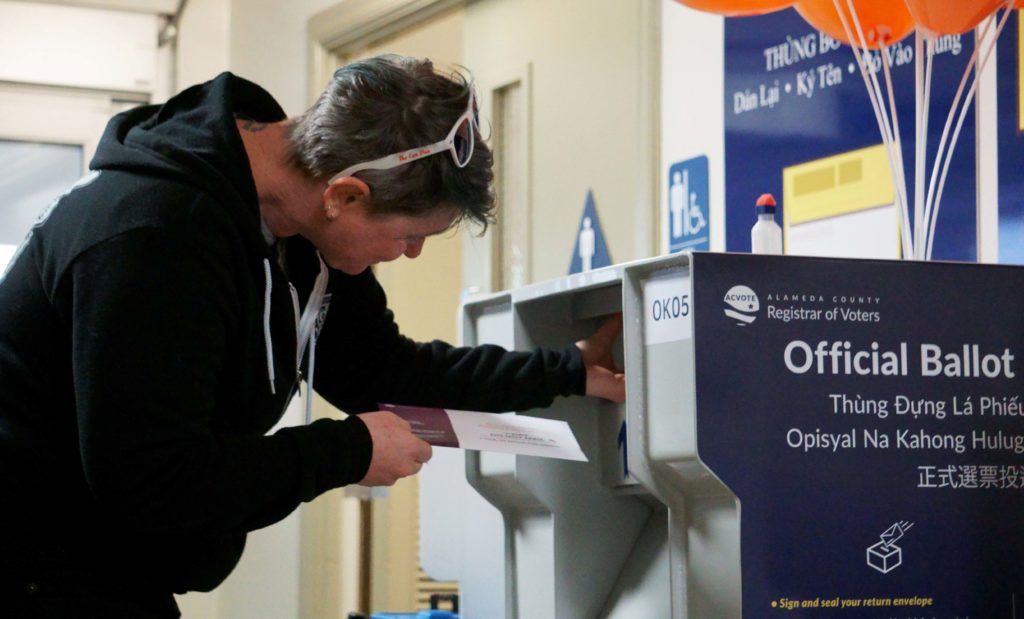
A voter casts a ballot during the presidential primary election on Super Tuesday in Oakland. Photo: Andrew Reed/EdSource

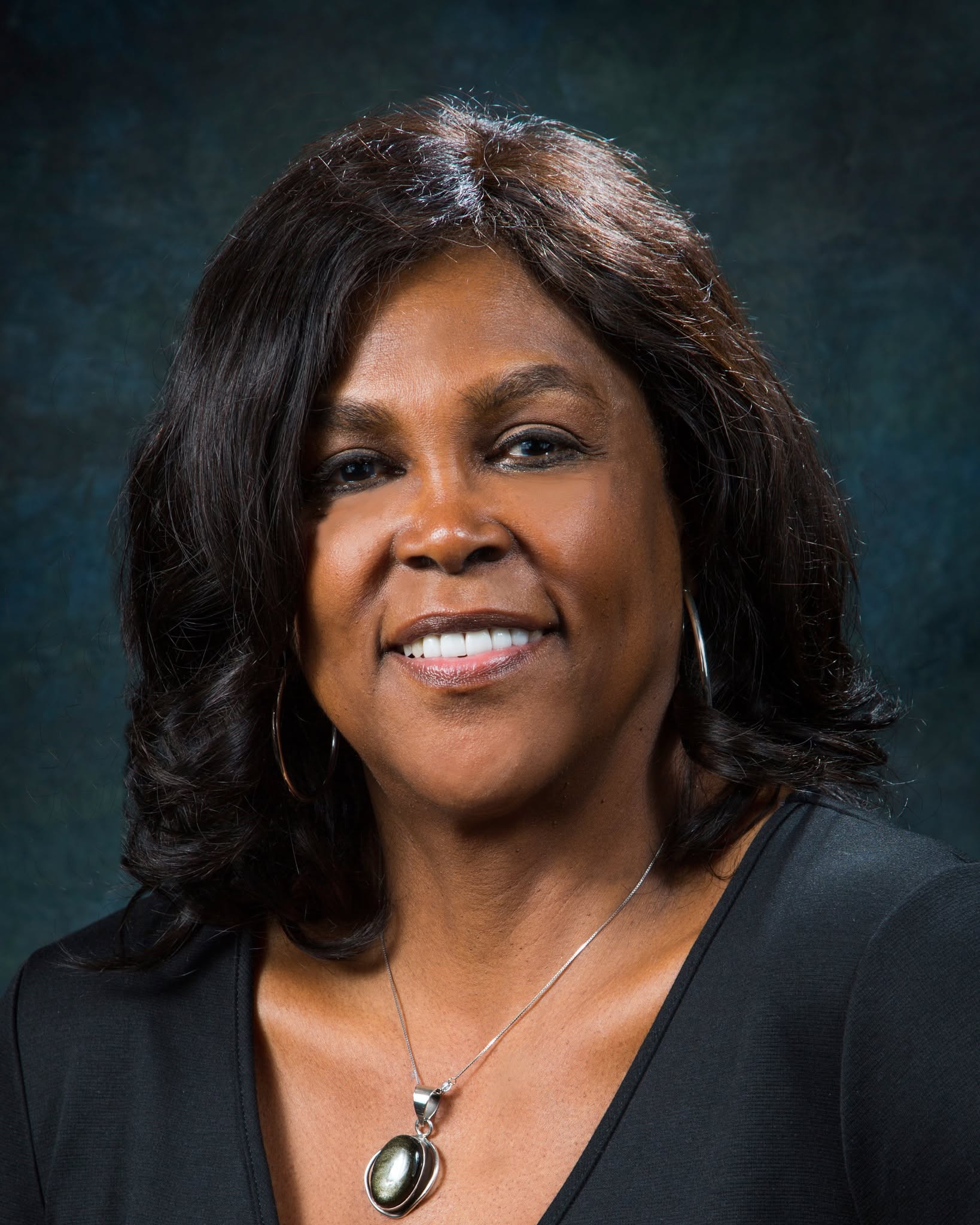
PRO: Teachers’ union leader says Prop. 3 would help lock in hard-won resources for student well-being

By Gloria Martinez, EdSource.org – republished with permission

When I was a special education teacher, I learned that one of the cruelest questions you can ask an underfunded school is: What can you afford to go without?

Before California voters passed Proposition 30 in 2012, this was not a hypothetical question. I saw firsthand how budget constraints affected students’ daily lives, especially in less affluent communities where resources were already stretched thin. Some schools lacked the counselors, school psychologists and social workers needed to recognize when a child was struggling. Teachers did what they could, but in classrooms of 30 or more students, we could not replace these trained professionals or meet every child’s needs alone.

By raising taxes on California’s highest earners (currently, couples earning more than $742,000), Proposition 30 generated additional revenue for public schools and higher education. In the years that followed, teachers across the state used collective bargaining to advocate for improvements that directly affected students and school communities: smaller class sizes, art and music programs, and mental health professionals who helped schools better support students’ overall well-being.

In Los Angeles, those resources also helped create conditions for educators to pursue further gains through common-good bargaining, including community schools, the Black Student Achievement Plan, and additional staffing. These were more than budget line items. They meant more readily available support for students, expanded opportunities for children from low-income backgrounds and from immigrant communities and communities of color, and greater capacity for schools to intervene when students and their families needed help.

Today, as voters consider Proposition 3, which would make these existing tax rates permanent for California’s highest-income earners, we must remember what it took to build that stronger foundation and what we stand to lose if it erodes.

If the tax rates expire in 2031, California would give its wealthiest households a massive tax cut and forgo an estimated $5 billion to $15 billion a year in state revenue. This financial pitfall will make it harder for school districts to sustain the programs and staffing students rely on, including mental health and student support services. Counselors, school psychologists and social workers — positions we worked to expand in our schools — could be at risk.

If the tax rates expire in 2031, California would give its wealthiest households a massive tax cut and forgo an estimated $5 billion to $15 billion a year in state revenue.

Protecting that investment is especially urgent as students face increasingly complex mental health challenges. For young people experiencing depression, anxiety or suicidal thoughts, school-based mental health services reach more than twice as many as primary care or child welfare services. For many students, school may be the most accessible place to find help.

The need is not theoretical. Despite declines in youth suicide in California, serious mental health challenges persist. Schools need trained professionals who can recognize warning signs, respond to crises and connect students with appropriate care.

Students also bring fears into school that originate far beyond campus. Immigration raids across California have exacerbated students’ anxieties about family separation, fears for parents’ safety, and difficulty concentrating in class. In moments like these, psychiatric social workers have provided students with weekly check-ins, psychological counseling and information about legal support services. They have also facilitated community circles where students can discuss unfolding events and how those events affect them.

If schools lose these professionals, students and families will have fewer places to turn for help. Families with the means to do so may be able to pay for private counseling, but families without those means can lose access to critical support altogether.

The gains made possible by Proposition 30 demonstrate what sustained public investment can achieve. Without continued funding that would come from Proposition 3, it’s hard to see how schools can maintain those hard-won gains, preserve mental health services and build the capacity they need to respond to students’ changing needs.

Years from now, our students will have to live with the consequences of the choices we make during this election. Children need more than academic instruction to thrive. They need the stability and support that allow them to recover from setbacks, develop confidence and imagine a future beyond their immediate challenges.

Proposition 3 will not magically fix California’s schools. But without this revenue, schools will struggle to maintain the staffing and programs our students deserve. The question we must ask is not simply what California can afford to fund, but what we are willing to risk going without.

Gloria Martinez is the president of United Teachers Los Angeles.
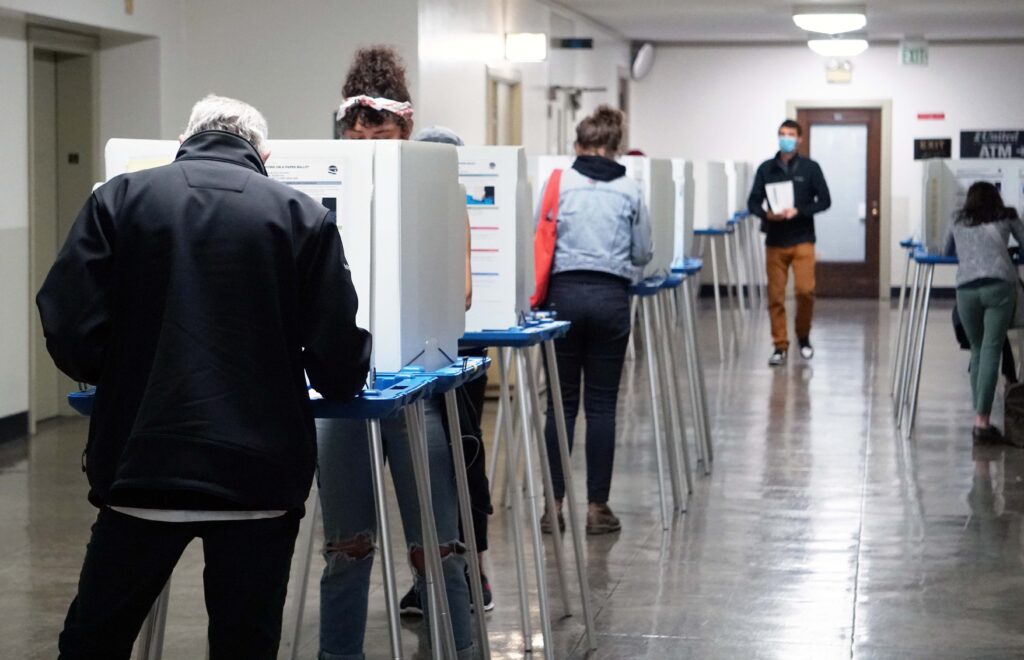
Voters at a polling place. Credit: Andrew Reed / EdSource

CON: Taxpayers leader says California doesn’t need another forever tax

As statewide student enrollment declines

By Robert Gutierrez, EdSource.org – republished with permission

Proposition 3 asks voters to approve a massive tax increase that would not take effect until 2031, when California’s finances may look completely different from how they do today. Voters should reject Proposition 3 and keep their options open.

In 2031, there will be a new president in the Oval Office, a new governor, and a different political landscape in California — especially if voters approve Proposition 40 to impose a wealth tax that could prompt an exodus of the taxpayers targeted by Proposition 3.

The state also will have significantly fewer students in our public schools. The Department of Finance projects a decline of 710,500 students from 2026 through 2036, and by the midpoint of this decline, we undoubtedly will see some major changes in the education structure.

This is only the beginning of the list of unknowns. Other questions include:

  • Will Californians still be paying billions of dollars per year for a nonfunctioning “high-speed” railroad system in 2031, rather than prioritizing schools for that spending?
  • Will taxpayers still be paying for ineffective programs that haven’t solved homelessness?
  • Will startups launch in California, or take their jobs and economic benefits to states with more competitive tax rates?

In short, it makes no sense to amend the state constitution to commit to a tax increase now, five years in advance, when we have no idea what condition the state will be in when the tax would take effect.

What difference could five years make?

California’s finances can change substantially in a short period. Total state revenue for the current fiscal year is projected to be $21.5 billion higher than the amount collected five years earlier. The Department of Finance also recently reported that general fund revenue was running $5.5 billion above the projection used to draft the 2026-27 budget just six months earlier. This means the education funding guarantee will go up, too.

It makes no sense to amend the state constitution to commit to a tax increase now, five years in advance, when we have no idea what condition the state will be in when the tax would take effect.

Timing is only one of the problems. While Proposition 3 is marketed as a “tax extension” that would only affect high-income residents, the truth is that it’s a major tax increase that would hit millions of small businesses as well as high-income individuals. The result: California’s affordability crisis gets worse.

The small-business aspect of Proposition 3 hasn’t received enough attention. California’s tax structure does not neatly separate business income from personal income, and many small businesses operate as sole proprietorships, partnerships, or S corporations that report business earnings on personal income tax returns.

This means the higher tax rates imposed by Proposition 3 would increase taxes on many small businesses, ultimately leading to higher prices for customers, fewer job opportunities for workers, or both.

The Public Policy Institute of California reported in February that sole proprietorships accounted for more than 3 million California businesses in 2023. But the number of those businesses whose owners would be impacted by Proposition 3 depends on their taxable income.

To the extent that Proposition 3 would hit high-income earners, it would make California more reliant on the most volatile source of revenue, while simultaneously making it even more volatile by giving high-income residents a new incentive to leave the state.

California already imposes the nation’s highest personal income taxes and would have a top personal income tax rate of 10.3% on income over $1 million without Proposition 3. The state also imposes a 1.3% State Disability Insurance tax on all income from salaries and wages, bringing the top tax rate to 11.6% on those forms of income, without Proposition 3.

As for the issue of an “extension” versus an “increase,” the fact is clear: If Proposition 3 is approved, Californians will pay $5 billion to $15 billion a year more in state income tax than if the initiative is defeated (according to estimates by the Legislative Analyst’s Office). That’s an increase — and a very large one, at that.

Finally, the measure would continue the trend in which “temporary” taxes in California never seem to go away. As the proponents of Proposition 40 are discovering, voters are extremely distrustful of taxes described as temporary. Why? In large part because of Proposition 3 and its predecessor, Proposition 55 of 2016, asking voters to renew a tax originally described as a temporary charge to cover an emergency.

The ballot argument for the original initiative, Proposition 30 of 2012, said the taxes “are temporary, balanced and necessary to protect schools and safety” — one of the argument’s five mentions of the allegedly temporary nature.

With revenue arriving above projections and the state spending billions on questionable programs without proper controls or a review of effectiveness, it can no longer be said that California has a fiscal emergency.

The voters should give much-needed relief to small businesses and their customers, avoid making fiscal decisions prematurely, and let the “emergency tax” expire on schedule. Vote NO on Proposition 3.

Robert Gutierrez is president of the California Taxpayers Association, which is celebrating its 100th year of serving as the state’s largest and oldest association representing taxpayers in this state.

The opinions expressed in this commentary are those of the author. EdSource welcomes commentaries representing diverse points of view.

Filed Under: Education, Finances, Opinion, Politics & Elections, State of California, Taxes

Letter writer says DeSaulnier only had two bills become law, vote for Frese for Congress instead

October 30, 2026 By Publisher Leave a Comment

Dear Editor,

I live in Walnut Creek, and I’m voting for Jeff Frese for Congress in District 10. I recently posted on Nextdoor to ask my neighbors to give Frese a look before they fill out their ballots.

Mark DeSaulnier has been in Congress for twelve years. In that time, two of his bills became law. One named a post office. The other moved a park boundary. Twelve years is long enough to judge someone’s work, and that is the work.

Jeff Frese lives in Moraga. He isn’t a career politician, and the first thing on his list is one every parent in this county can get behind: no federal income tax on public school teachers. The people we trust with our kids all day shouldn’t need a second job to live in the towns where they teach.

Frese has challenged DeSaulnier to a debate. DeSaulnier won’t debate him. When you’ve never had to earn the vote, you never have to show up.

One party has held every statewide office in California since 2011. We pay the highest gas prices in the country. More people are leaving this state than any other, and the U-Haul one-way exodus is the receipt. Doing the same thing and expecting a different result hasn’t worked.

I’m not asking anyone to change parties. I’m asking them to consider hiring someone who will actually show up and do the job. Someone who will prioritize the interests of his constituents over his self-interest or his allegiance to any political party. Someone who is determined to act and to create a brighter future for our children and grandchildren. Talk is cheap. The time to act is now.

Ballots are due Tuesday, November 3. I’m voting for Jeff Frese, and I hope you’ll join me. For more information visit https://freseforcongress.com.

Regards,

Philip Ho

Walnut Creek

Filed Under: Letters to the Editor, Opinion, Politics & Elections

Contra Costa Elections office says first results will be available shortly after 8:00 PM on Election Night

October 30, 2026 By Publisher Leave a Comment

Provides additional results schedule

By Dawn Kruger, Community and Media Relations, Coordinator, Contra Costa County Clerk-Recorder-Elections Department 

The first report of results will be released shortly after 8:00 PM on Election Night, Tuesday, November 3rd, and posted to the Elections website immediately afterward. The initial posted results will include counted Vote-by-Mail (VBM) ballots and in-person ballots from Regional Early Voting Sites.

The second report, with results from the polls, will be issued at approximately 9:30 PM with subsequent updates at least once an hour until all precincts have reported their votes from in-person voting. The final Election Night report is expected to be issued by 12:00 AM. Typically, the Election Night report only represents approximately half of the total vote that our office ultimately will receive.

The first interim report will be posted by 5:00 PM on Friday, November 6th, and will contain additional results from Vote-by-Mail ballots received on or after Election Day as long as they are postmarked by Election Day. Additional results will be posted twice a week, by 5:00 PM until canvass activities have been completed. Any final signature cures submitted by the deadline will be included in the final report at certification on December 3rd, 2026.

The availability of updated reports will be communicated via X (formerly Twitter) and Facebook, using the hashtag #CoCoVote. Changes to the reporting schedule, if any, also will be communicated on these social media sites.

The Contra Costa Elections Division social media pages are:

https://x.com/cocoelections

https://www.facebook.com/ContraCostaElections/

Local election results will also be available throughout Election Night on Contra Costa Television (CCTV) beginning at 8:00 PM on Comcast channel 27, Astound channel 32, and AT&T U-Verse channel 99.

Filed Under: News, Politics & Elections

AC Transit Board approves labor agreement with AFSCME Local 3916

October 29, 2026 By Publisher Leave a Comment

Photo: AC Transit

New contract aims to stabilize the workforce, while creating responsible fiscal management

By Robert Lyles, Manager of Media Affairs & Strategic Initiatives, Alameda‑Contra Costa Transit District

OAKLAND, Calif. – The Alameda-Contra Costa Transit District (AC Transit) Board of Directors, by a majority vote, approved a new collective bargaining agreement (CBA) covering more than 300 employees represented by the American Federation of State, County and Municipal Employees (AFSCME) Local 3916.

The agreement was recently ratified by Local 3916 members, which includes administrative employees, supervisors, and managers. Combined with the Board’s formal approval on Wednesday, the ratification represents an important investment in the skilled workers supporting AC Transit’s round-the-clock operations, including planning, innovation, emergency response, and other essential functions.

The new agreement includes phased wage increases intended to help employees keep pace with rising living costs, including three percent increases in the current fiscal year, FY 2027-28, and FY 2028-29. The contract also includes an adjustment to on-call pay, helping ensure qualified employees are available to respond when unexpected situations arise.

“This agreement reflects our commitment to the people who make our Transit District work every day,” said Board President Diane Shaw. “Even in a challenging fiscal environment, we are balancing responsible stewardship of public funds with the need to attract and retain the experienced professionals who serve our riders and East Bay communities.”

The newly approved agreement comes at a critical time for AC Transit as the District works to address an estimated $200 million budget deficit projected over the next four years. By helping reduce turnover, strengthen employee retention, and provide greater certainty around labor costs, the agreement supports more predictable financial planning and long-term organizational stability.

“Rather than absorbing the full cost immediately, phased wage increases allow us to spread expenses over time,” said Board Vice President Murphy McCalley. “This well-established approach to labor cost management provides greater budget predictability and helps AC Transit better manage limited resources.”

In addition to compensation improvements, the agreement expands opportunities for employee engagement and collaboration. The Labor Management Committee (LMC) will now include a greater role for Local 3916 representatives in providing recommendations related to the District’s use of contract workers, creating additional avenues for employee input and dialogue.

The agreement also strengthens workplace safety through the introduction of new illuminated safety equipment. The enhanced gear will help improve visibility and protection for employees working around buses, traffic, maintenance equipment, and in other low-light environments.

Together, these improvements support safe operations, reliable service delivery, and responsible long-term financial management.

The Alameda-Contra Costa Transit District is California’s largest bus only transit agency and third largest in the US, providing an average of nearly 135,000 daily passenger trips with 133 bus lines throughout the 364-square-mile service area. AC Transit provides safe, convenient, courteous, and reliable service in 13 cities and adjacent unincorporated areas in Alameda and Contra Costa counties as well as carrying almost 7,000 daily riders across the bay to San Francisco. For more information visit www.actransit.org.

Filed Under: East Bay, Labor & Unions, News, Transportation

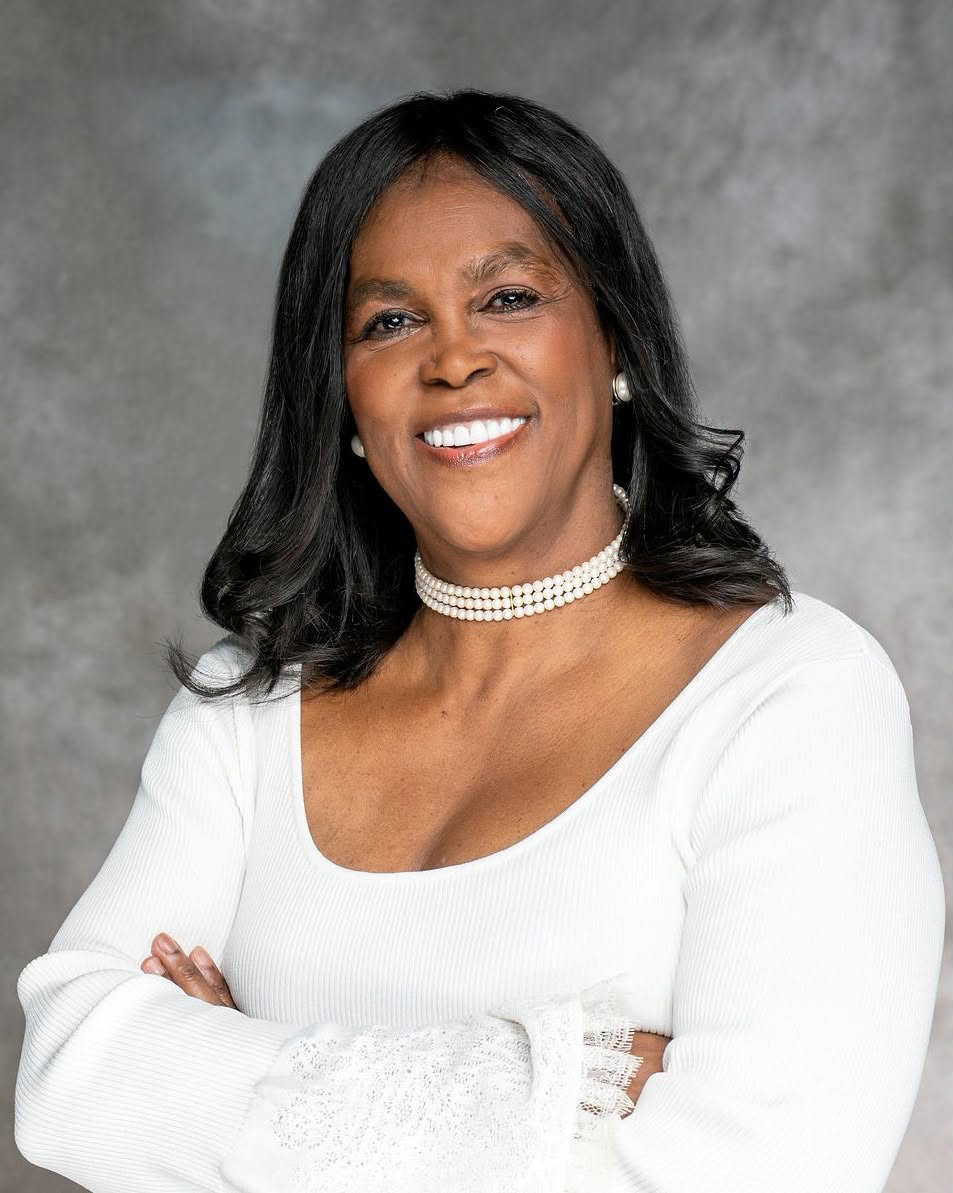
City of Pittsburg mourns passing of former Mayor Merl Craft

October 29, 2026 By Publisher Leave a Comment

Former Pittsburg Mayor Marilyn “Merl” Craft. Photo: City of Pittsburg

Served on the City Council from 2014-22; also served on Tri Delta Transit board

La ciudad de Pittsburg lamenta el fallecimiento de la exalcaldesa Merl Craft

By City of Pittsburg

The City of Pittsburg is deeply saddened by the passing of former mayor, councilmember, and City Recreation Supervisor Marilyn “Merl” Craft, on October 26, 2026. A lifelong Pittsburg resident, Merl served the community as a City employee, elected leader, and tireless volunteer.

Merl believed everyone deserved a path to a better life, regardless of their background or starting point. A natural leader with a fierce commitment to her community, for nearly 50 years she built partnerships among government, community, and faith-based organizations. Her passion for helping others was reflected in her support of programs that empowered young people, strengthened families, and connected residents with resources and opportunities.

She went on to found Open Opportunities, a nonprofit providing mentoring and career training to young adults through the Future Build Pre-Apprentice Training Program, which placed more than 90 percent of the program’s graduates in jobs. Merl was a determined advocate for women, and played a key role in expending opportunities for women in the building trades.

“Merl loved Pittsburg and poured that love into serving our community,” said Mayor Dionne Adams. “She showed up for our people, opened doors, and helped others see what was possible for their lives. She meant so much to so many, and we will deeply miss her heart, her wisdom, and her steady presence.”

Craft was first elected to the Pittsburg City Council in 2014, winning one of three open seats alongside Sal Evola (Mayor) and Pete Longmire (Vice Mayor). She secured 12 percent of the vote, enough to beat former Mayor Bob Lewis by 2 percentage points. Craft credited her victory to extensive door‑to‑door canvassing, strong support from young voters, and the help of “walk‑in” voters rather than absentee ballots.

She was re-elected in 2018 with 23.6 percent of the vote placing first out of four candidates for three seats.

Merl embodied the belief that there is no greater honor than serving others. As a councilmember and mayor, Merl championed investments in Pittsburg’s youth and families, including My Brother’s Keeper Pittsburg, the Pittsburg Dream Courts, the Pittsburg Senior Center, and the reopening of the Pittsburg Marina Community Center. Each reflected her lifelong commitment to creating safe, caring places where people could feel treasured, stay active, and build lasting connections.

“Being part of something BIG, My Merl didn’t wait for opportunity to come to Pittsburg; she went out and found it, and when it didn’t exist, she created it. Her absence will be deeply felt. She came, she conquered and she changed many lives in Pittsburg and beyond. The standards she set will continue to guide our work,” said Joy Walker, Recreation Supervisor.

Tri Delta Transit, for which Craft served on the board during her time on the city council, offered their condolences in a Facebook post on Wednesday.

“Tri Delta Transit and eastern Contra Costa County lost a hometown hero today – Merl Craft. We cannot thank her enough for her contributions to our agency, as a city official and a Tri Delta Transit Board Member, as well as for her contributions to the communities we serve, and to the City of Pittsburg. You will be missed but know that you are always with us.”

In Merl’s honor, flags at City Hall and City facilities will be lowered to half-staff, and the November 2, 2026, City Council meeting will be adjourned in her memory. Information about memorial services will be shared when it becomes available.

The City of Pittsburg extends its deepest condolences to Merl’s husband, children, grandchildren, extended family, and everyone whose life she touched.

Photo: Tri Delta Transit

La ciudad de Pittsburg lamenta el fallecimiento de la exalcaldesa Merl Craft

By Sara Bellafronte, asistente del administrador de la Ciudad de Pittsburg

PITTSBURG, California — La ciudad de Pittsburg expresa su profundo pesar por el fallecimiento de Marilyn “Merl” Craft —exalcaldesa, concejal y supervisora de recreación municipal— ocurrido el 26 de octubre de 2026. Residente de Pittsburg durante toda su vida, Merl sirvió a la comunidad como empleada municipal, líder electa y voluntaria incansable.

Merl creía que todas las personas merecían un camino hacia una vida mejor, sin importar su origen o su punto de partida. Como líder nata con un compromiso inquebrantable hacia su comunidad, durante casi 50 años fomentó alianzas entre el gobierno, la sociedad civil y organizaciones religiosas. Su pasión por ayudar a los demás se reflejó en su apoyo a programas que empoderaban a los jóvenes, fortalecían a las familias y conectaban a los residentes con recursos y oportunidades.

Asimismo, fundó Open Opportunities, una organización sin fines de lucro que ofrece mentoría y formación profesional a adultos jóvenes a través del programa Future Build Pre-Apprentice Training Program, el cual logró que más del 90 por ciento de sus graduados obtuvieran un empleo. Merl fue una firme defensora de las mujeres y desempeñó un papel clave en la ampliación de oportunidades para ellas en el sector de la construcción.

“Merl amaba Pittsburg y volcó ese amor en el servicio a nuestra comunidad”, dijo la alcaldesa Dionne Adams. “Ella estuvo presente para nuestra gente, abrió puertas y ayudó a otros a ver lo que era posible en sus vidas. Significó mucho para muchísimas personas, y echaremos profundamente de menos su gran corazón, su sabiduría y su presencia constante.”

Merl encarnaba la convicción de que no existe mayor honor que servir a los demás. Como concejal y alcaldesa, impulsó inversiones en beneficio de los jóvenes y las familias de Pittsburg, tales como My Brother’s Keeper Pittsburg, las canchas Pittsburg Dream Courts, el Centro para Personas Mayores de Pittsburg (Pittsburg Senior Center) y la reapertura del Centro Comunitario de la Marina de Pittsburg (Pittsburg Marina

Community Center). Cada una de estas iniciativas reflejó su compromiso de toda la vida por crear espacios seguros y acogedores, donde las personas pudieran sentirse valoradas, mantenerse activas y establecer vínculos duraderos.

“Al formar parte de algo GRANDE, Merl no esperó a que la oportunidad llegara a Pittsburg; salió a buscarla y, cuando no existía, la creó. Su ausencia se sentirá profundamente. Llegó, triunfó y cambió muchas vidas en Pittsburg y más allá. Los estándares que ella estableció seguirán guiando nuestra labor,” señaló Joy Walker, supervisora de recreación.

En honor a Merl, las banderas en el Ayuntamiento y en las instalaciones municipales ondearán a media asta, y la reunión del Concejo Municipal del 2 de noviembre de 2026 se dará por terminada en su memoria. La información sobre los servicios conmemorativos se dará a conocer en cuanto esté disponible.

La Ciudad de Pittsburg expresa sus más sentidas condolencias al esposo, hijos, nietos y demás familiares de Merl, así como a todas aquellas personas cuyas vidas ella tocó.

Allen D. Payton contributed to this report

Filed Under: East County, In Memoriam/Obituaries, News, People

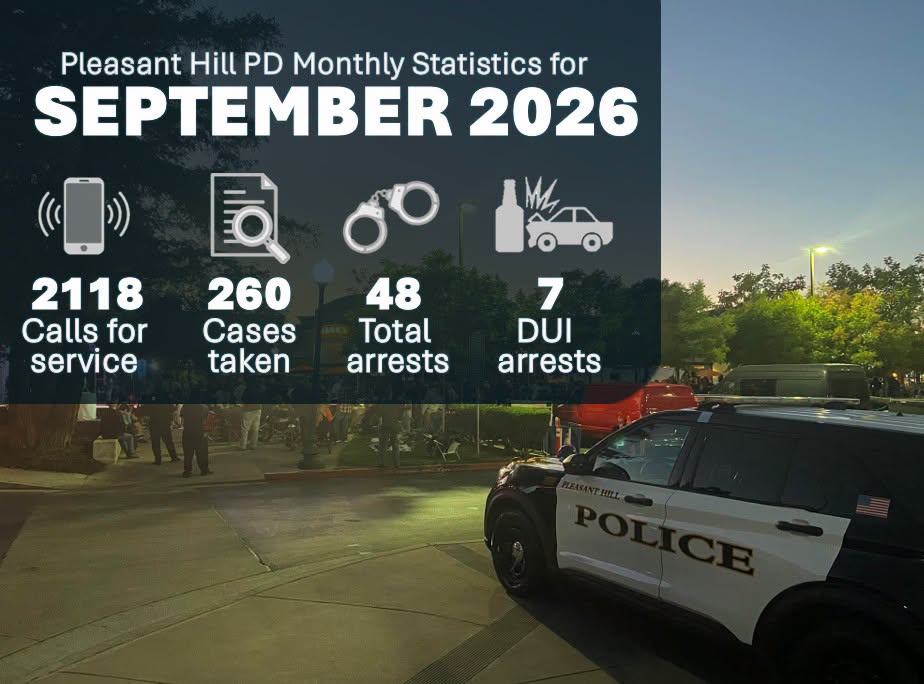
September Pleasant Hill Police stats show 3.6% increase in crime over last year

October 28, 2026 By Publisher Leave a Comment

Source: Pleasant Hill PD

Including burglaries, robberies and larcenies

By Pleasant Hill Police Department

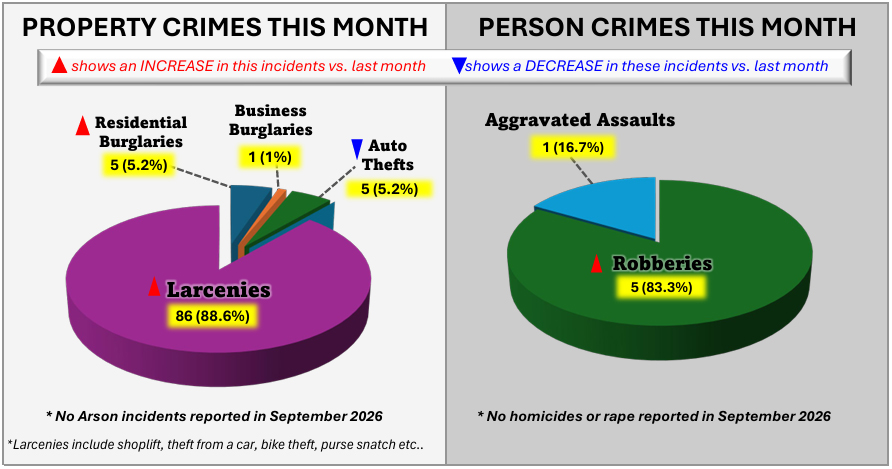
Hey there Pleasant Hill! We’re back with a snapshot of our monthly crime stats, giving you a look at some of the police activity that took place in our city in September 2026.

Officers made 48 arrests, of which 47 were adults and one was a juvenile, and they consisted of 16 felonies and 32 misdemeanors. There were 117 citations issued of which 66 percent were hazardous. Pleasant Hill experienced five injury accidents, 13 non-injury accidents, five handicap violations and seven drunk driving incidents.

Source: Pleasant Hill PD

Overall crime increased by 3.6 percent over this time last year, with increases in the following categories showing totals for the month: five residential burglaries, one business burglary, five robberies and 86 larcenies, which include shoplifting, theft from a car, bike theft, purse snatch, etc. There were five auto thefts which saw a decrease and there was also one aggravated assault during September.

The Department received 2,118 calls for service and bringing the total to 20,491 incidents or calls for service in 2026.

We’ll continue sharing this information monthly on our social media platforms, but for a more extensive look at our crime stats, please visit our website: www.phillca.gov/1384/Crime-Statistics.

Allen D. Payton contributed to this report.

Filed Under: Central County, Crime, News, Police

Here’s how much California Teachers Association has spent on Barrera campaign, Prop. 3

October 28, 2026 By Publisher Leave a Comment

By Daniel J. Willis, EdSource.org, republished with permission

The California Teachers Association, the state’s largest teachers union and one of the largest funders of California political campaigns, has spent more than $65.5 million this election cycle, campaign finance records show.

Most of that money — $58.3 million — has been spent in support of Proposition 3, a ballot initiative to make permanent a temporary tax on high earners that helps fund public schools and community colleges. CTA’s contributions account for 87% of the Yes on 3 campaign’s funding. Records show the No on 3 effort has raised a total of $5,500, meaning CTA alone has spent nearly $9,700 for every dollar spent opposing the proposition.

CTA is also a major source of independent support for State Superintendent of Public Instruction candidate Richard Barrera, having spent $8.4 million as of Oct. 27. That includes spending in support of Barrera and spending in opposition to his opponent, Sonja Shaw.

The union is by far the biggest Barrera supporter in terms of spending, with 96% of independent spending to support Barrera having come from CTA through various committees. The union also contributed $39,200 directly to Barrera’s campaign.

Other causes CTA has spent on include $1.5 million to oppose Prop. 39, an initiative to add stronger voter ID; $500,000 to oppose Prop. 43, which aims to require voter-proposed tax increases meet the two-thirds majority required for Legislature-proposed taxes; and $481,000 in support of local bond measures across the state.

Unlike in previous elections, CTA has mostly stayed out of the race for governor. Records show $39,200 in contributions to Xavier Becerra’s campaign or independent expenditure committees supporting him.

Filed Under: Education, Finances, Labor & Unions, News, Politics & Elections

Rep. DeSaulnier to host virtual Town Hall on Social Media and Mental Health Oct. 29

October 28, 2026 By Publisher Leave a Comment

With Dr. Brian Keum, Associate Professor, UC Berkeley School of Public Health & Dr. Supreet Mann, Director of Research, Common Sense Media 

By Mairead Glowacki, Communications Director, Office of Congressman Mark DeSaulnier

Walnut Creek, CA – Congressman Mark DeSaulnier (CA-10) will host a virtual Town Hall on Social Media and Mental Health on Thursday, October 29th at 3:30 p.m. PT. In 2023, then-Surgeon General Vivek Murthy issued a public health warning linking the youth mental health crisis with social media use. Since then, social media usage has increased and recent lawsuits are an indication that more needs to be done. The Congressman will be joined by expert special guests from the UC Berkeley School of Public Health and Common Sense Media to discuss the latest research on this link and innovative policy solutions to protect American kids and families.

Virtual Town Hall on Social Media and Mental Health

Thursday, October 29th

3:30 – 5:00 p.m. PT

Hosted on Zoom

Panelists include:

  • Dr. Brian Keum, Associate Professor, UC Berkeley School of Public Health
  • Dr. Supreet Mann, Director of Research, Common Sense Media 

To reserve your spot and receive a Zoom link or to request special accommodation, visit https://desaulnier.house.gov/town-hall-rsvp or call (925) 933-2660.

This will be Congressman DeSaulnier’s 280th town hall and constituent office hours since coming to Congress in January 2015.

Filed Under: Government, Health, News, Technology

Hospice Tree of Lights celebrates 40th Anniversary

October 28, 2026 By Publisher Leave a Comment

Source: Hospice Tree of Lights

November 2nd – December 4th, 2026 at multiple locations throughout the county

By Hospice East Bay

For forty years, our Tree of Lights ceremonies have offered members of the communities we serve a way to honor the lives of their friends and loved ones. Your donations directly support end-of-life patient care.

Note: The beloved oak trees that have stood at the heart of our Pleasant Hill and Martinez Tree of Lights ceremonies for generations fell last year due to natural causes. Hospice East Bay has found a new tree for the Pleasant Hill ceremony. However, this year the Martinez ceremony will be combined with the Concord/Clayton ceremony.

Our Tree of Lights events in 2026

Rossmoor
Monday, November 2nd, 5pm
Rossmoor Event Center
1021 Stanley Dollar Drive

Pleasant Hill (new location!)
Wednesday, November 4th, 5:30 pm
100 Gregory Lane

East County
Friday, November 6th, 5:30 pm
Brentwood City Park
710 2nd Street at Oak Street

Lafayette
Tuesday November 10th, 5:30 pm
Round Up Saloon Parking Lot
3553 Mount Diablo Blvd.

Moraga
Thursday, November 12th, 5:00 pm
Tree location: Moraga Country Club
1600 St. Andrews Dr, at Village Square
Ceremony location: 31 Orinda Way, Orinda (see below)

Orinda (& Moraga)
Thursday, November 12th, 5:00 pm
Village Square by McCaulou’s, 31 Orinda Way, Orinda

Danville
Thursday, November 19th, 5:30 pm
Town Meeting Hall, 201 Front St.

Alamo
Tuesday, November 24th, 6:00 pm
Alamo Women’s Club
1401 Danville Boulevard

Walnut Creek
Monday, November 30th, 6:00 pm
John Muir Medical Center, Main Entrance, Ygnacio Valley Road

Concord/Clayton/Martinez
Tuesday, December 1st, 5:00 pm
John Muir Medical Center Parking Lot, East Street & Almond Avenue, Concord

Blackhawk
Friday, December 4th, 5:00 pm
Blackhawk Road at Blackhawk Drive

For more information and to purchase a light visit https://hospiceeastbay.org/community-event/tree-of-lights/.

Filed Under: Central County, Community, East County, Health, Lamorinda, San Ramon Valley

Rep. DeSaulnier to host Virtual Military Service Academy Nomination Information Night Oct. 29

October 28, 2026 By Publisher Leave a Comment

By Office of Congressman Mark DeSaulnier

Our office is hosting a Virtual Military Service Academy Nomination Information Night on Thursday, October 29th from 5:30 to 6:00 p.m. Join us for an opportunity to learn more about the nomination process and ask any questions you may have.

This meeting is open to CA-10 students and parents. See District and information map here.

RSVP to ryan-thomas.brown@mail.house.gov or call Congressman DeSaulnier’s office at (925) 933-2660 for the Zoom login information.

We hope to see you there!

Filed Under: Government, Military

  • « Previous Page
  • 1
  • 2
  • 3
  • 4
  • 5
  • …
  • 542
  • Next Page »
RepublicServices-Antioch-ad (1)
Monica's Riverview 10-26 B
Delta-RC-B 07-26
Deer-Valley-Chiro-06-22

Copyright © 2026 · · Contra Costa Herald · All Rights Reserved