• Home
  • About The Herald
  • Local Agencies
  • Daily Email Update
  • Legal Notices
  • Classified Ads

Contra Costa Herald

News Of By and For The People of Contra Costa County, California

  • Arts & Entertainment
  • Business
  • Community
  • Crime
  • Dining
  • Education
  • Faith
  • Health
  • News
  • Politics & Elections
  • Real Estate

BART Board approves $2.3 billion budget prioritizing safety and quality of life

June 18, 2019 By Publisher Leave a Comment

Will hire 19 more police officers, four fare inspectors

The BART Board of Directors has approved a $2.3 billion budget for Fiscal Year 2020 (FY20) which begins July 1, 2019. The budget focuses on expanding and investing in Quality of Life issues, including the addition of 19 police officers and four unarmed fare inspectors.

“This budget is designed to make BART safer,” said BART Board President Bevan Dufty. “Adding officers and establishing a community ambassador program shows our riders that we’ve heard their concerns and we’ve taken action.”

Quality of Life

Including funds added in FY20, since FY14 BART has spent $59 million on new budget initiatives addressing Quality of Life challenges in the areas of safety, fare evasion prevention, cleanliness and homelessness. The FY20 budget supplements and continues Quality of Life initiatives added in prior years. Among the highlights:

  • $2.1 million towards 19 additional police officers.
  • $500,000 to fund four additional fare inspectors.
  • $2 million to continue funding efforts to address the impacts of regional homelessness in the BART system, including outreach programs, elevator attendants and Pit Stop restrooms.
  • BART station hardening efforts are incorporated into many projects and programs throughout the District, using operating and capital funds. In FY20, $2.4 million of new and ongoing funds ($400,000 of new FY20 operating funds augments $600,000 of prior year parking revenue held in reserves and $1.3 million of capital staffing) will support station hardening projects, including raising railings and securing swing gates. Additionally, BART directs grant funds to station hardening, including federal formula funds for the fare gate modification program and often redirects existing engineering and maintenance staff to projects such as the fare gate cinch modification program as well as the camera upgrade program. BART’s Station Modernization Program also incorporates elements of station hardening in design, guided by the BART Facilities Standards. Six stations in the Station Modernization Program are spending or will spend a combined $16 million on station hardening elements. In addition, the $61 million Market Street Escalator Canopies project includes installing roll-up grilles at the street level, security cameras and handrail lighting. In summary, station hardening is a substantial, multi-year systemwide effort, leveraging new and existing operating and capital funds from a variety of sources into a wide range of projects.

System reinvestment

The new budget dedicates $1.4 billion for capital programs, a 5% increase from FY19 with the largest portion (46%) coming from Measure RR funds. The use of Measure RR funding for FY20 is increasing as projects anticipate moving from design and pre-engineering to construction. Most of the capital budget (69%) is directed to reinvestment in the system. The use of previously awarded and current federal funds has increased as BART ramps up on train control modernization, state of good repair projects and continues the delivery of new rail cars. FY20 projects include:

  • $101 million for station modernization and elevator/escalator improvements across the system, including replacement of escalators at downtown San Francisco stations, and station modernization efforts at El Cerrito Del Norte, 19th Street, Downtown Berkeley, Concord, Powell, and Pittsburg/Bay Point stations. The station modernization program also includes many elements of station hardening.
  • $303 million is budgeted for expenses related to the procurement of 775 new rail cars
  • $151 million towards the continuation of a multi-year program of traction power infrastructure replacement, including replacement of traction power cables in San Francisco and in Alameda County.
  • $71 million towards the Hayward Maintenance Complex, a modern facility to maintain the new rail cars.
  • $86 million for planning and engineering for the Train Control Modernization Program and for renewing components of the existing train control system, including transformers, switch machines and speed encoding equipment at stations.
  • Fare changes
  • A 5.4% inflation-based fare increase will take effect on January 1, 2020 as part of a program first approved by the BART Board in 2003 and renewed for a second series in 2013. This is the last of four biennial fare increases called for under the 2013 series. The BART Board also approved a third series of inflation-based fare increases that will go into effect in 2022, 2024 and 2026.  This latest series will follow the same inflation-based formula as the previous increases.
  • BART will participate in the Metropolitan Transportation Commission’s Regional Means-Based Fare Discount Pilot Program. The program will offer a 20% discount per trip to adult riders earning 200% or less of the federal poverty level. The FY20 budget assumes one-half year of the pilot with an estimated revenue loss of $2 million after the MTC’s estimated offsetting annual contribution to BART of approximately $2 million.

Revenue and ridership challenges

The FY20 budget is balanced and includes $17 million in budget cuts made by all departments in the district.

Fare revenue is BART’s largest source of revenue, with $479 million of rail fare revenue forecast in FY20, a decrease of $5.6 million from FY19, reflecting a lower ridership forecast. Other operating revenue is forecast to be $10 million lower due to one-time revenues in FY19 not budgeted in FY20. These decreases are offset by increases in financial assistance, particularly sales taxes. Sales taxes are BART’s largest form of financial assistance budgeted at $277 million for FY20 a 3.2% growth over FY19

We take a conservative approach to projecting ridership for our FY20 budget. We are concerned about the length of this current economic expansion and the potential for a downturn in the future, which could impact ridership.

Service improvements

The budget includes funding for service enhancements that will ease crowding. Most notably, by February of 2020 we expect to have 160 Fleet of the Future train cars which will allow us to run all 10-car trains on the four Transbay routes. As we increase the number of Fleet of the Future cars, we will begin retiring legacy cars, which should increase reliability and reduce maintenance costs.

Silicon Valley Berryessa Extension fares

Along with approving the FY20 budget, the BART Board of Directors voted unanimously to establish a fare structure for the Silicon Valley Berryessa Extension.  BART’s existing distance-based fare structure will be used to calculate trip fares on the 10-mile extension from the Warm Springs/South Fremont Station to Berryessa Road in San Jose.  This is in accordance with the comprehensive agreement between BART and the Valley Transportation Authority.  The extension includes stops in Milpitas and Berryessa/North San Jose.

Ambassador program

Though not part of the FY20 budget, $500,000 in additional anticipated revenue from the FY19 budget will be set aside to fund an ambassador pilot program.  BART is in talks with the Metropolitan Transportation Commission to seek matching funds for the program.

Filed Under: BART, News, Transportation

Fleet of the Future BART cars to be assembled in Pittsburg

June 15, 2019 By Publisher Leave a Comment

Fleet of the Future BART car at the Pittsburg assembly plant during the recent press conference. Photo by BART.

Bombardier Transportation announced it is opening a rail car assembly site in Pittsburg, California to assemble BART’s Fleet of the Future rail cars.  This work, which is currently taking place in upstate New York, will be transferred to the Bay Area over the coming months.

The new facility will employ local workers, contribute tax dollars to the local economy and, thanks to its proximity to BART’s Hayward Test Track, greatly reduce the vehicle emissions needed to transport the cars to BART property.

What used to be a 3,600-mile journey home to the Bay Area, will now be a quick 50 miles.

It also means local jobs.

“It’s Bay Area workers building cars for Bay Area commuters,” said BART Director Mark Foley. “Bringing the work home.”

Watch the Press Conference

Riders are giving the new trains high marks for its new features and design. The customer survey results were unveiled at a recent Board meeting. The vast majority of features received at least 85 percent “Excellent” or “Good” grades.

Some of its most well-received features were the ease of on-board and off-boarding the train; lighting; audio announcements; floor-to-ceiling poles; comfortable air temperature; and digital displays.

BART’s website dedicated to the Fleet of the Future has lots of great information about the status of the roll out. They keep it updated with the number of new cars delivered to date and the number in service.

A Fleet of the Future tracker is in the works that will show you if one of the next approaching trains at your stations is a new train. That feature will roll out in phases, to eventually include digital platform signs, bart.gov, and the BART Official App, which you can download for free.


Filed Under: BART, East County, News, Transportation

BART to Antioch, former Lafayette city manager honored with first-ever Bay Area Metro Awards

June 6, 2019 By Publisher Leave a Comment

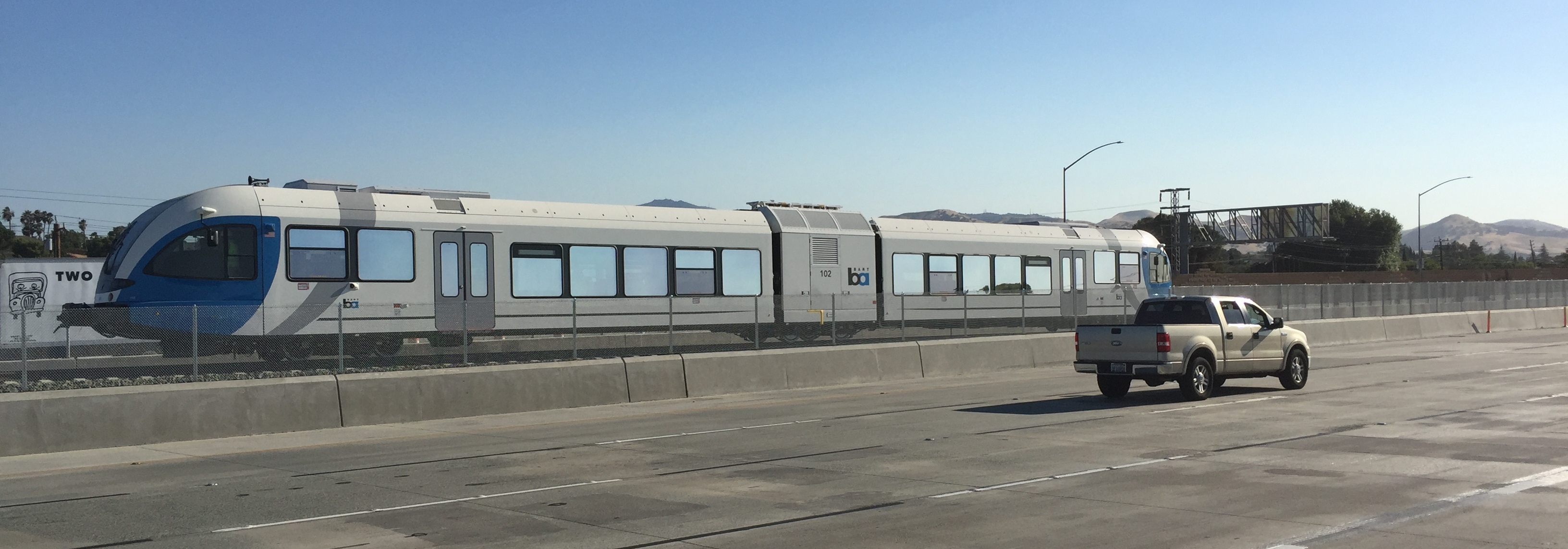
A two-car eBART train in the middle of Highway 4 between Hillcrest Avenue and A Street/Lone Tree Way. Herald file photo.

Among 13 winners named from across the nine-county region

Steven Falk. Photo by City of Lafayette.

The Metropolitan Transportation Commission (MTC) and the Association of Bay Area Governments (ABAG) joined forces to present the first Bay Area Metro Awards Thursday, at a ceremony in Oakland recognizing 13 people, projects, organizations and local governments advancing solutions to ease the Bay Area’s housing crisis, improve the transportation system or make the nine-county region more resilient.

Winners include:

BART to Antioch: For the 10-mile rail extension from the former Pittsburg terminus along the Highway 4 median to a pair of new stations at Pittsburg Center and Antioch.

Steven Falk: For his years of committed service to the city of Lafayette as city manager. He retired last September after 38 years working for the city.

UC Berkeley’s Y-PLAN Team: For the program that brought young people’s ideas into a regional challenge to develop community-based solutions to climate change.

Sonoma-Marin Area Rail Transit (SMART): For the successful start of rail service connecting Sonoma and Marin counties.

HayWired Earthquake Scenario: To the U.S. Geological Survey and partners for studying a hypothetical 7.0 magnitude quake in the East Bay to help shape public policy for earthquake safety and planning.

Pacific Beach Coalition: For organizing volunteers over the past 21 years to clean up beaches along the San Mateo Coast.

Acquisition of the 23rd Avenue Community Building in Oakland: To the Oakland Community Land Trust and others, permanently preserving it as an affordable, mixed-use building.

San Francisco Bay Restoration Authority: For work on the Clean Water, Pollution Prevention and Habitat Restoration Measure – Measure AA – which was approved by voters in 2016 to tax themselves to help restore Bay Area wetlands.

Joint Workforce Investment Apprenticeship Program: To a partnership between the Santa Clara Valley Transportation Authority (VTA), its Amalgamated Transit Union (ATU) Local 265, and Mission College to support the professional development of VTA employees.

San Leandro Homeless Compact: For the efforts of three partner organizations to end homelessness in the city of San Leandro: the city, the Rental Housing Association of Southern Alameda County, and the non-profit Building Futures with Women and Children.

Carl Guardino, Gabriel Metcalf and Jim Wunderman: For their dedicated and tireless work advocating for Regional Measure 3, the voter-approved 2018 measure which raised bridge tolls to fund transportation improvements and congestion relief projects.

LEGISLATIVE AWARD: Hon. Jim Beall, California State Senator.

GRAND AWARD: Recognizes three public transit operators and a public energy program for their work to save lives, protect communities and aid in rebuilding in response to the October 2017 North Bay fires:

  • Santa Rosa CityBus
  • Sonoma Clean Power, Advanced Energy Rebuild Program
  • Sonoma County Transit
  • Vine Transit (Napa County)

Launched jointly by ABAG and MTC in September 2018 with a call for nominations, the new awards program honors positive impacts on the Bay Area’s mobility, affordability, resilience and community; and recognizes efforts that make the region a better place to live, work and play.

“We honor this year’s winners to say thank you for the work they are doing and we hope that the winners’ stories will inspire others to strive for excellence in their daily tasks,” said ABAG President and MTC Commissioner David Rabbitt.

Winners received a specially designed Bay Area Metro Award at the recognition ceremony.  A six-member jury that included members of ABAG’s and MTC’s governing boards, as well as staff and a community representative, met to consider some 80 nominations in early 2019. The list of winners, with more details, can be found here: https://mtc.ca.gov/whats-happening/news/special-features/2019-bay-area-metro-award-winners.


Filed Under: BART, East County, Growth & Development, Lamorinda, News, Transportation

Camino Tassajara Bike Lane Gap Closure Project to begin construction Monday

June 2, 2019 By Publisher 1 Comment

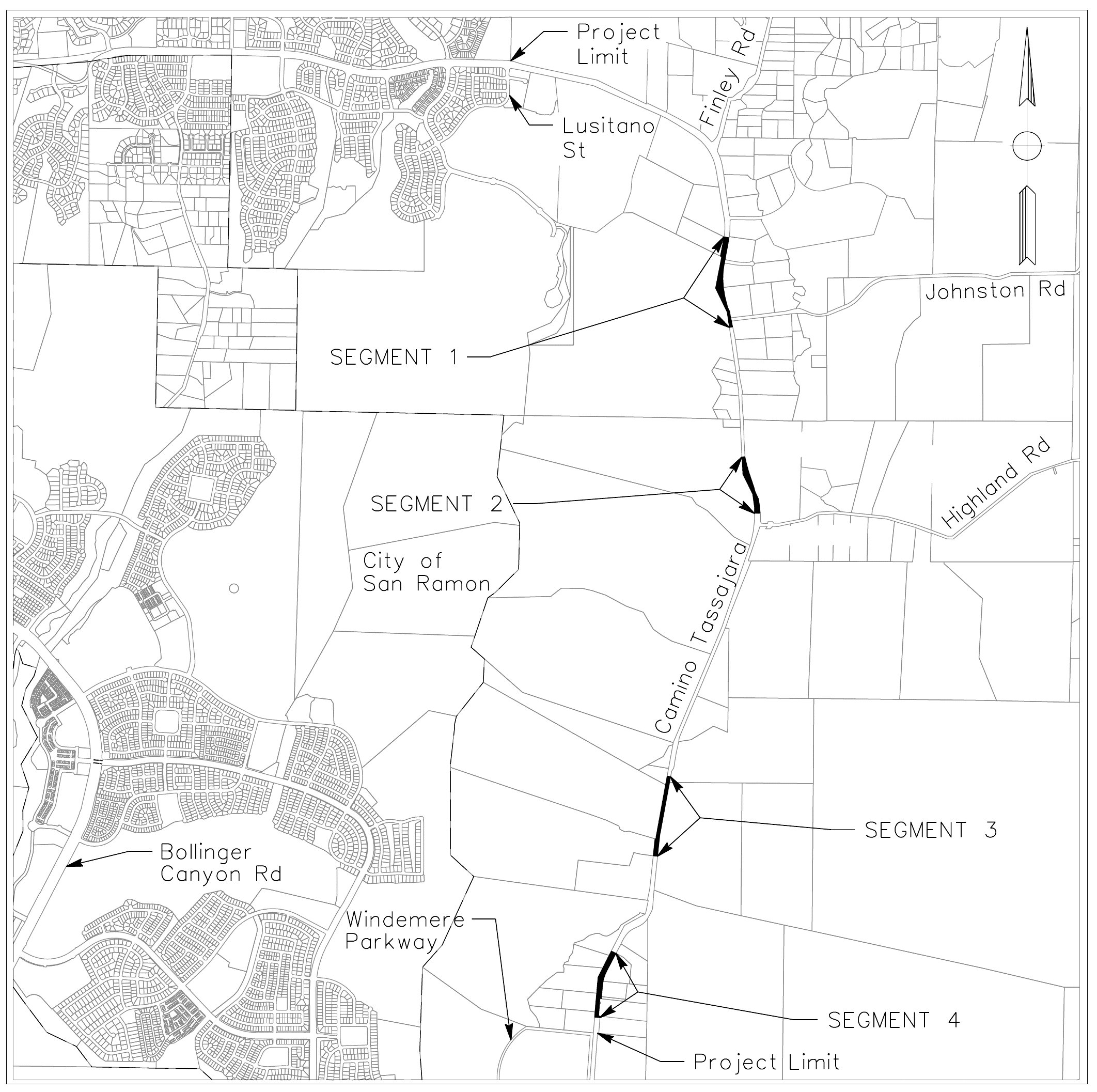
Contra Costa County Public Works will begin construction on the Camino Tassajara Bike Lane Gap Closure Project. The project will widen the pavement to provide bike lanes in four separate segments along Camino Tassajara between Windermere Parkway and just north of Penny Lane. Segments are as follows:

Segment 1: From 240 feet north of Penny Lane to 150 feet south of Johnston Road

Segment 2: From 1,300 feet north of Highland Road to Highland Road

Segment 3: From 700 feet south of the bridge over Tassajara Creek to 2,050 feet south of the bridge

Segment 4: From 1,600 feet north of Windemere Parkway to 350 feet north of Windemere Parkway

The project also includes drainage improvements, signing and striping improvements, and placing a slurry seal from Windemere Parkway to Lusitano Street.

Construction will begin on Monday, June 3, 2019, with completion in late November 2019, barring unforeseen circumstances. Work hours will generally be 8:30 am and 4:00 pm to minimize impacts to commute traffic. Drivers should expect delays of up to 15 minutes during construction.

Funding for this project is provided by Measure J, Tri-Valley Transportation Council, South County Area of Benefit and Southern Contra Costa (SCC) Subregional Fee Program. More information on this project can be found at: http://www.cccounty.us/pwdmap.

Filed Under: News, San Ramon Valley, Transportation

Guardrail repair work on Vasco Road June 3-6

June 2, 2019 By Publisher Leave a Comment

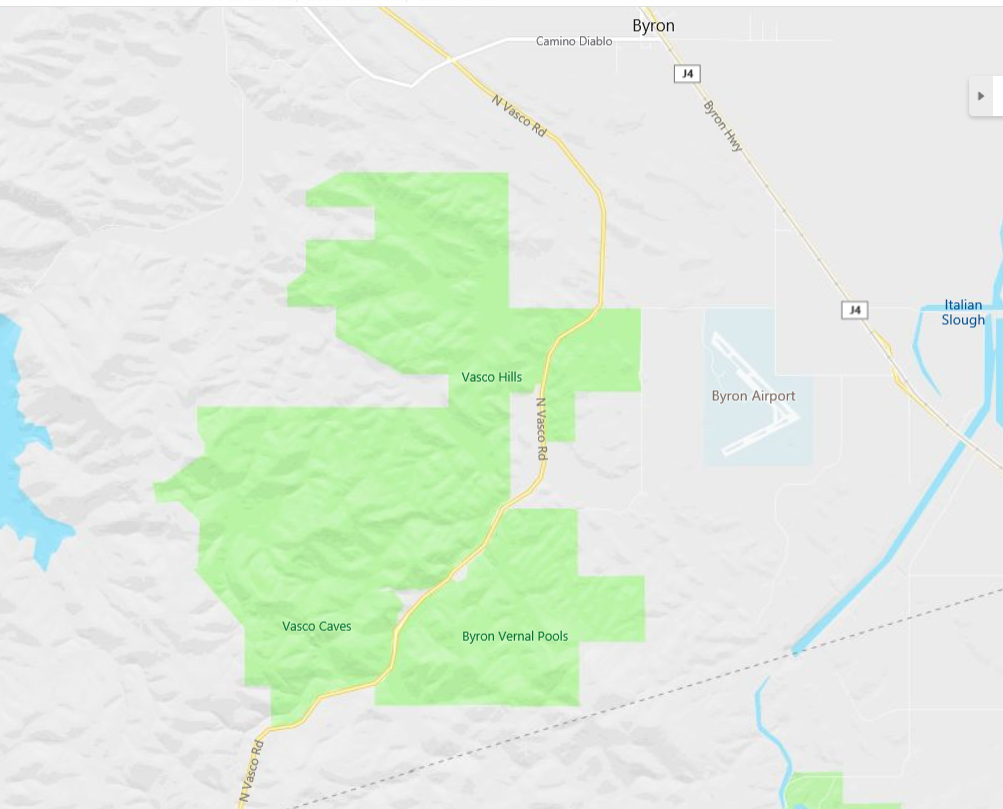
The Contra Costa County Public Works Department will repair guardrails on Vasco Road from Camino Diablo Road to the Alameda County line. The work will occur from June 3rd – June 6th between the hours of 9:00 a.m. and 4:00 p.m.

The work may be rescheduled based on weather conditions. Electronic message boards will alert drivers of the scheduled work. There will be traffic control through the work area and drivers can expect delays.

Filed Under: East County, News, Transportation

Byron Highway safety improvements construction to begin June 5

June 2, 2019 By Publisher Leave a Comment

Contra Costa County Public Works will begin construction on the Byron Highway Traffic Safety Improvements Project. The project consists of an asphalt overlay on Byron Highway between Byron Hot Springs Road and the Alameda County line, restriping the centerline to feature double yellow no-passing lines and a centerline rumble strip, and replacing striping and pavement markings. Additionally, all signs along Byron Highway will be replaced to meet new reflectivity standards. The total project length is approximately 3.8 miles.

Construction will begin on Wednesday, June 5, 2019, with completion in late July 2019, barring unforeseen circumstances. Work hours will generally be in the evening from 7:00 pm to 6:00 am to minimize impacts to commute traffic. Drivers can expect delays of up to 15 minutes during construction.

Funding for this project is provided by the Highway Safety Improvement Program, and gas tax revenues provided by the SB1 Road Repair and Accountability Act. More information for this project can be found at http://www.cccounty.us/pwdmap.

Filed Under: East County, News, Transportation

Construction to begin on Marsh Creek Road Monday

May 18, 2019 By Publisher Leave a Comment

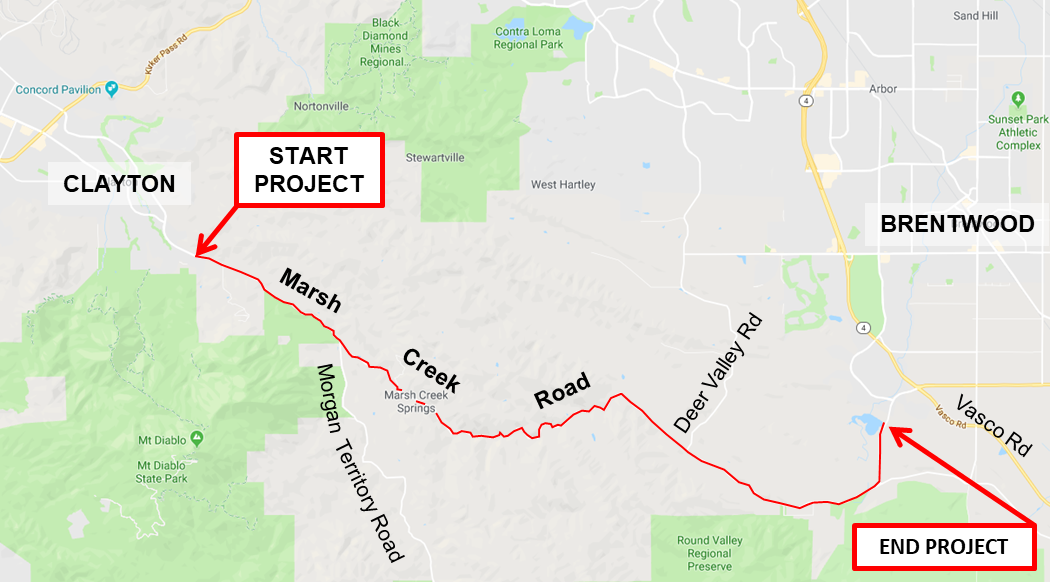
The Contra Costa County Public Works Department will begin construction of the Marsh Creek Road Traffic Safety Improvements project. The project will consist of installing a centerline rumble strip, restriping of the centerline, and traffic sign replacement and upgrades along the 14-mile stretch of Marsh Creek Road between the Cities of Clayton and Brentwood. Improvements will also include a streetlight installation on a wooden pole, and two solar flashing beacons at the intersection of Marsh Creek Road and Deer Valley Road.

Construction will begin on Monday, May 20, 2019, with completion by July 1, 2019, barring unforeseen circumstances. Drivers can expect traffic delays up to 30 minutes. Work hours will be 8:30 a.m. and 4:00 p.m. to minimize impacts to commute traffic.

Funding for this project is gas tax revenues provided by the SB1 Road Repair and Accountability Act and the Highway Safety Improvement Program funds. More information for this project can be found at http://www.cccounty.us/pwdmap.

Filed Under: Central County, East County, News, Transportation

Feds terminate almost $1 billion grant for California High-Speed Rail project

May 16, 2019 By Publisher Leave a Comment

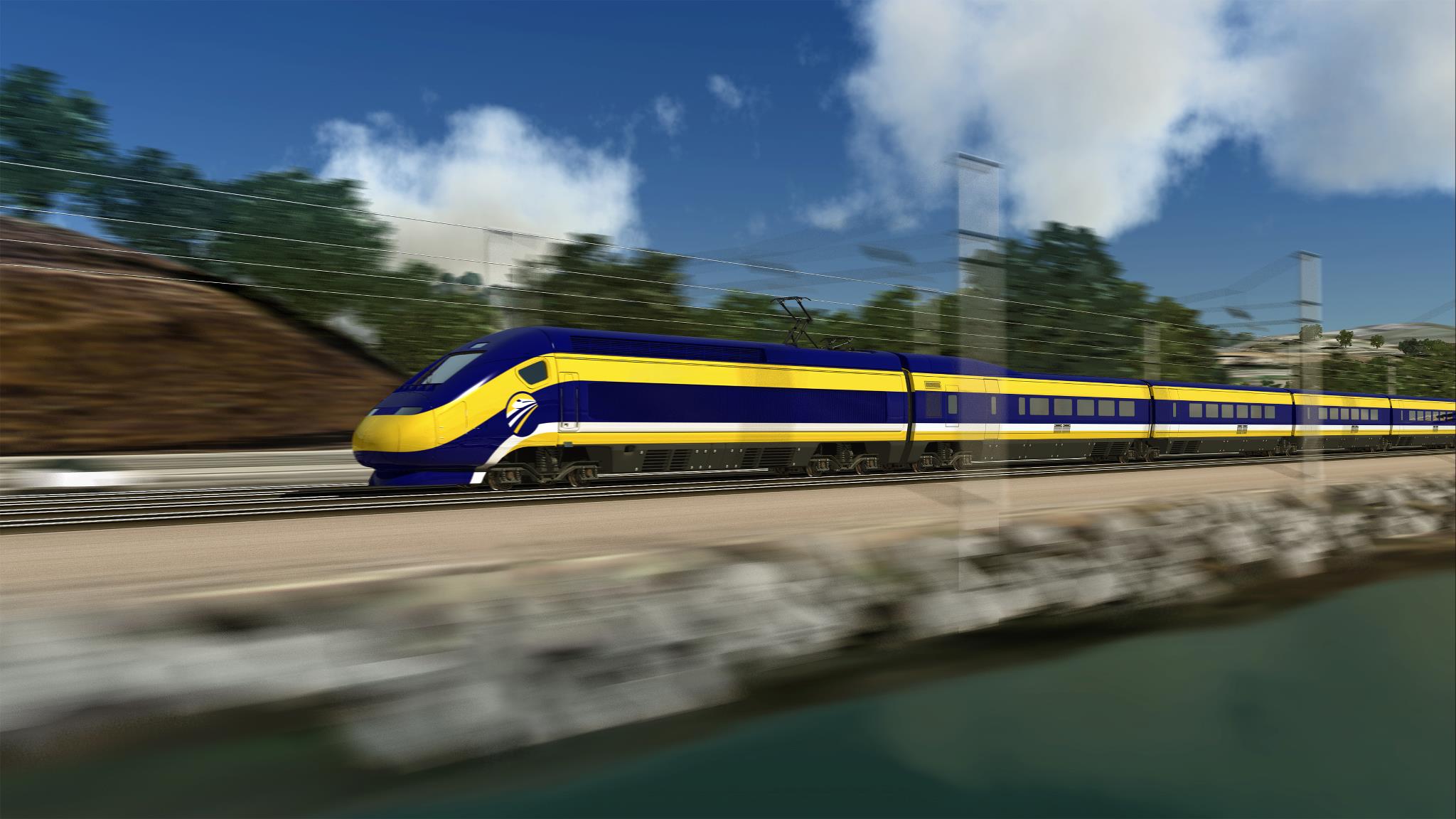
Photo courtesy of CAHSR.

By Allen Payton

On Thursday, the Federal Railroad Administration (FRA) terminated the 2010 grant of $928.62 million to the California High-Speed Rail Authority, due to the new governor’s plans to scale back the project and the failure of the authority to deliver the project within the timeframe originally projected.

The FRA issued the following statement regarding the matter:

“After careful consideration, the Federal Railroad Administration (FRA) has terminated Cooperative Agreement No. FR-HSR-0118-12-01-01 (the FY10 Agreement) with the California High-Speed Rail Authority (CHSRA), and will deobligate the $928,620,000 in funding under that agreement.  The decision follows FRA’s Notice of Intent to Terminate and consideration of the information provided by CHSRA on March 4, 2019. FRA finds that CHSRA has repeatedly failed to comply with the terms of the FY10 Agreement and has failed to make reasonable progress on the Project.  Additionally, California has abandoned its original vision of a high-speed passenger rail service connecting San Francisco and Los Angeles, which was essential to its applications for FRA grant funding. FRA continues to consider all options regarding the return of $2.5 billion in American Recovery and Reinvestment Act (ARRA) funds awarded to CHSRA.”

The action was in response to Governor Gavin Newsom’s announcement during his State of the State speech in February, in which he outlined his administration’s plans to scale back the project, and threats to revoke the funds from President Trump.

“[L]et’s level about High-Speed Rail. The project, as currently planned, would cost too much and take too long,” Newsom stated. “There’s been too little oversight and not enough transparency. Right now, there simply isn’t a path to get from Sacramento to San Diego, let alone from San Francisco to LA. I wish there were. However, we do have the capacity to complete a high-speed rail link between Merced and Bakersfield.”

In addition to the FRA’s statement, FRA Administrator Ronald Batory sent a scathing letter to Brian Kelly, CEO of the California High-Speed Rail Authority, detailing the reasons for the revocation of the funds. CHSRA – FRA Ltr 5-16-2019

“FRA has determined that CHSRA has violated the terms of the FY 10 Agreement and consistently failed to make reasonable progress on the Project. Despite FRA’ s identification of Project issues, and the ample time provided to CHSRA to take appropriate remedial actions, CHSRA instead chose delay and inaction,” Batory wrote in conclusion. “In FRA’s view, there is nothing in FRA’ s long working relationship with CHSRA to suggest that CHSRA would likely be able to initiate and complete the necessary corrective actions, if given yet another opportunity. Finally, the dramatically reduced scope of California’ s current plan for its HSR System is simply not consistent with the Project as CHSRA proposed in its applications for Federal financial assistance on the Project. For these reasons, and those set forth in this decision, FRA has determined to terminate the FYlO Agreement, effective today, and will deobligate the associated funds.”

To see all the related documents related to the termination of the grant, click here.

Filed Under: News, Transportation

Maintenance work on Vasco Road May 28-30

May 15, 2019 By Publisher Leave a Comment

Contra Costa County Public Works Department will perform roadwork on Vasco Road from Camino Diablo Road to the Alameda County line. The roadwork will occur from Tuesday through Thursday, May 28-30 between the hours of 9:00 a.m. and 4:00 p.m.

The roadwork will consist of replacing the delineators, debris removal and street sweeping. The purpose of the delineators is to increase driver awareness and safety when travelling through this commute corridor. The work may be rescheduled based on weather conditions. Electronic message boards will alert drivers of the scheduled work. There will be traffic control through the work area and drivers can expect delays.

Filed Under: East County, News, Transportation

Construction on Kirker Pass Road truck climbing lane project to begin May 13

May 9, 2019 By Publisher Leave a Comment

Kirker Pass Road truck climbing lane project. By CCC Public Works.

Contra Costa County Public Works will begin construction on the Kirker Pass Road Northbound Truck Climbing Lane Project. The project will improve safety and reduce congestion along Kirker Pass Road from the Concord Pavilion to the northern Hess Road intersection by constructing a truck climbing lane in the northbound direction. Pavement widening will occur on the east side of the roadway to provide a 12-foot truck lane and eight-foot paved shoulder. Widening will require construction of six retaining walls adjacent to the roadway. The project also includes paving both the north and southbound lanes between the City of Concord/County limits to approximately 4,200 feet north of North Hess Road.

Construction will begin on Monday, May 13, 2019, with completion in the Spring of 2020, barring unforeseen circumstances. Construction operations will be scheduled to minimize impacts to commute traffic.

Funding for this project is provided by Measure J, State Transportation Improvement Program, State Match, Local Streets and Road Program, and gas tax revenues provided by the SB1 Road Repair and Accountability Act. More information for this project can be found at http://www.cccounty.us/pwdmap.

Filed Under: Central County, Concord, East County, News, Transportation

  • « Previous Page
  • 1
  • …
  • 20
  • 21
  • 22
  • 23
  • 24
  • …
  • 31
  • Next Page »
Liberty-Tax-Jan-Apr-2026
Deer-Valley-Chiro-06-22

Copyright © 2026 · Contra Costa Herald · Site by Clifton Creative Web