• Home
  • About The Herald
  • Local Agencies
  • Daily Email Update
  • Legal Notices
  • Classified Ads

Contra Costa Herald

News Of By and For The People of Contra Costa County, California

  • Arts & Entertainment
  • Business
  • Community
  • Crime
  • Dining
  • Education
  • Faith
  • Health
  • News
  • Politics & Elections
  • Real Estate

Kaiser’s Medicare plan receives highest rating for the 6th year

September 18, 2021 By Publisher Leave a Comment

NCQA rated Kaiser Permanente Northern California among highest for consumer experience, prevention, and treatment

By Antonia Ehlers, PR and Media Relations, Kaiser Permanente Northern California

OAKLAND, CA – For the sixth year, Kaiser Permanente Northern California’s Medicare health plan is rated 5 out of 5 stars, making it the highest rated plan in the region – and among the highest rated in the country.

In the National Committee for Quality Assurance (NCQA) Health Plan Ratings 2021, published today, Kaiser Permanente’s Medicare health plan in Northern California received 5 stars and its commercial health plan received 4.5 stars. Kaiser Permanente’s Southern California region received the same ratings – making the two plans among the highest rated in California and the nation.

“Kaiser Permanente continues to be recognized nationally for what matters most to our members and patients: high quality care and exceptional service,” said Carrie Owen Plietz, FACHE, president of Kaiser Permanente’s Northern California region. “We are proud to be a leader in health care delivery and these ratings, which are so consistent over time, demonstrate our commitment to putting our patients and their health at the center of all we do.”

“This recognition is a tribute to the dedication and expertise of our highly-skilled physicians, nurses, and staff,” said Richard S. Isaacs, MD, FACS, CEO and executive director of The Permanente Medical Group. “Through our innovative, personalized, and technologically advanced approach to health care, we continue to transform care delivery while having a positive and often life-changing impact on the health and well-being of our members and patients.”

NCQA analyzed over 1,000 health plans in the nation – private, Medicare, Medicaid – for quality and service. Only 17 health plans in the country, or about 1.6 percent, were rated 5 out of 5 stars. In all, Kaiser Permanente has six of those highest rated plans.

NCQA is a national, private not-for-profit organization that surveys health plans for performance in a wide range of clinical service measures including consumer experience, prevention and treatment. All Kaiser Permanente health plans were rated 4 stars or higher. For the sixth year in a row, all Kaiser Permanente Medicare health plans were rated highest (or tied for the highest) in the areas they serve. Kaiser Permanente serves more than 12.5 million members in eight states and the District of Columbia.

The NCQA’s Health Insurance Plan Ratings are based on combined scores for health plans in Healthcare Effectiveness Data and Information Set®, commonly called HEDIS; the Consumer Assessment of Healthcare Providers and Systems®, or CAHPS; and NCQA Accreditation standards scores.

The ratings and methodology are posted on the NCQA’s website at www.ncqa.org.

About Kaiser Permanente

Kaiser Permanente is committed to helping shape the future of health care. We are recognized as one of America’s leading health care providers and not-for-profit health plans. Founded in 1945, Kaiser Permanente has a mission to provide high-quality, affordable health care services and to improve the health of our members and the communities we serve. We currently serve almost 12.5 million members in 8 states and the District of Columbia. Care for members and patients is focused on their total health and guided by their personal Permanente Medical Group physicians, specialists, and team of caregivers. Our expert and caring medical teams are empowered and supported by industry-leading technology advances and tools for health promotion, disease prevention, state-of-the-art care delivery, and world-class chronic disease management. Kaiser Permanente is dedicated to care innovations, clinical research, health education, and the support of community health. http://about.kaiserpermanente.org

Filed Under: Health, News

Thought to be an assault of woman in Richmond was man attempting to save her life

September 17, 2021 By Publisher 1 Comment

Narcan kit. Photo: Richmond PD

By Richmond Police Department

SWIFT RESPONSE SAVES A LIFE

Last night, an alert citizen called RPD after seeing a male driver hitting and holding down a female passenger, in the backseat of a car. Based on the Good Samaritan’s detailed information, Officer K. Shanks tracked down the car, being driven in the city’s Northern District, and conducted an enforcement stop to investigate the alleged assault.

Upon contact, Officer Shanks quickly realized that the pale, unresponsive woman in the backseat was actually suffering from a major medical emergency caused by a medication overdose. Recognizing the severity of the woman’s condition, Officer Shanks immediately retrieved a Narcan (naloxone) kit from her patrol car and administered the medication while awaiting the arrival of medical personnel.

Thankfully, the Narcan was effective in bringing the woman back to a responsive state, and she was later transported to the hospital to receive further medical treatment. According to the Narcan website, “NARCAN® Nasal Spray is a prescription medicine used for the treatment of a known or suspected opioid overdose emergency with signs of breathing problems and severe sleepiness or not being able to respond.”

Thanks to the alert citizen’s observations, the coordination of information by RPD dispatchers, and the quick actions, assessment and medication administration by Officer Shanks, there is no doubt that a life was saved last night!

The availability of Narcan (naloxone) medication is made possible through a funded program administered by the California Department of Health Services. We are thankful for this collaboration that further ensures that Richmond police officers are always equipped and ready to serve our community!

Allen Payton contributed to this report.


Filed Under: Health, News, Police, West County

Fire fighters protest COVID-19 vaccine mandate at Contra Costa Supervisors meeting

September 16, 2021 By Publisher 14 Comments

Goes into effect tomorrow, Sept. 17; Board supports LAFCO consolidation of fire departments

By Daniel Borsuk

With the clock ticking, a battalion of upset Contra Costa County Fire District fire fighters remotely protested before the Contra Costa County Board of Supervisors that they refuse to obey a “draconian” August 13 Contra Costa Health Services order requiring county first responders to be fully vaccinated or face termination.

The county health order that goes into effect Friday, Sept. 17 was drafted by Contra Costa County Health Officer Dr. Chris Farnitano and adopted by the board of supervisors in a closed session because of its employment ramifications for many veteran fire fighters and sheriff deputies and other first responders who might refuse to take the vaccine for personal, political or religious reasons.

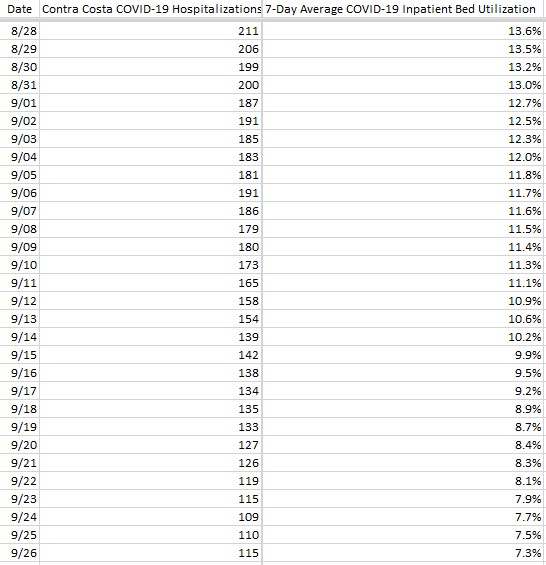
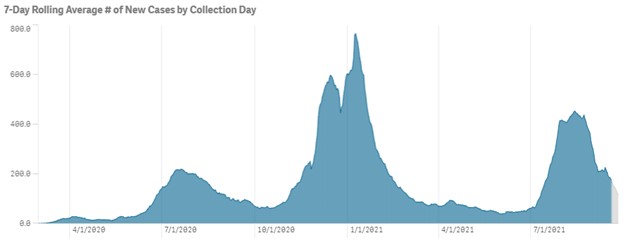
Dr. Farnitano claims the tough vaccine employment order for first responders arises at a time the number of COVID-19 patients in county hospitals is on the rise.

But a check with the Contra Costa Health Department’s COVID-19 website shows there are 154 COVID-19 patients in county hospitals. That is down 9.3 percent over the past two weeks, the CCCHD website showed.

In addition, the county health department reported 2,421 active COVID-19 cases. That is down 45.9 percent from two weeks ago.

Nearly 85 percent of Contra Costa residents are vaccinated, county health department data shows. The national vaccination rate is 73.9 percent.

The new vaccine employment edict applies to fire department and sheriff office personnel. There were no personnel from the sheriff’s office who protested against Dr. Farnitano’s vaccination/employment order.

Nearly 40 firefighters, many with more than 20 years in service, from all ranks including engineers, firefighters, and captains, protested against the county health officer’s order.

“This is an infringement of our freedom of choice,” said Collin Spencer, a fire fighter/paramedic.

Upon opposing the vaccine mandate, fire fighter Nick Sandburg, a father of two with a “pregnant wife” commented, “I don’t think the vaccine is effective. I oppose the vaccine mandate. Just give us universal testing.”

“None of us took this lightly,” said District 4 Supervisor Karen Mitchoff. “This is about protecting the public.”

District 2 Supervisor Candace Andersen was more direct commenting “I am really shocked about the misinformation that our fire fighters have about the COVID-19 vaccine. Somewhere there is a big disconnect.”

It’ll be interesting what the fire fighters will do when the Sept. 17 deadline arrives. The county could be in a major fire crisis if large numbers of well trained, experienced fire fighters are let go especially during the start of the county’s peak fire season.

In the past month, there were 206 vegetation fires that CCCFD responded to and in one day there were seven structure fires, reported Contra Costa County Fire Department Chief Louis Brousard III.

Board Supports LAFCO Consolidation of Fire Departments

Supervisors, serving as commissioners of the Contra Costa County Fire District, pushed along on a 5-0 vote to have the Contra Costa Local Agency Formation Committee (LAFCO) to act on consolidating the Contra Costa County Fire Protection District and the financially struggling East Contra Costa Fire Protection District.

ECCFD board member Joe Young told supervisors he will oppose the consolidation at the district’s board meeting on Sept. 16 because the consolidated district will continue to inadequately fund fire services in Oakley, Brentwood, and Discovery Bay. Young not elaborate at the supervisors’ meeting.

“There are a lot of details that have yet to be addressed on consolidation,” admitted CCCFPD Fire Chief Broussard. “We’ll bring leaders from both organizations to make this a successful annexation.”

While giving Board Chair Diane Burgis credit for being a key player in the merger of the two districts, District 1 Supervisor John Gioia said the newly enlarged fire district will draw fire protection upgrades especially with equipment and personnel once “millions of dollars of Proposition X sales tax funds” pour into the district. Gioia was a big backer for the Prop. X ballot measure to appear on last November’s election ballot.

A proposal to consolidate the Rodeo-Hercules Fire District into the enlarged CCCFPD was not considered by the supervisors. That proposal was dropped.


Filed Under: East County, Fire, Government, Health, News

Contra Costa restaurants, gyms, theaters must require proof of vax or COVID test as of Sept. 22

September 14, 2021 By Publisher 4 Comments

“How is it our responsibility to be the vaccine police!!” –  Contra Costa restaurant owner

“the peak of the surge seems to have passed” – CC Health Services

“We can’t give you an exact percentage of cases that can be attributed to restaurants and the other high-risk venues covered in the order.” – CC Health Services spokesman

No “Metric” for ending latest order; county wants “significant portion” of 5-11 year-olds vaccinated

By Allen Payton

Source: The Rutherford Institute.

Shades of Nazi Brown Shirts will begin next week in Contra Costa County as patrons of restaurants, gyms and entertainment venues will hear something a similar to the phrase used during World War II by the Hitler-led German regime, “Your Papers, Please!” That’s because as of Wednesday, Sept. 22, by order of the county’s unelected health officer, Dr. Chris Farnitano, those types of businesses in the county must require patrons show proof of vaccination or a recent negative COVID test in order to enter, even though “the peak of the surge seems to have passed” as mentioned in the press release from Contra Costa Health Services.

According to the press release, “The new order applies to businesses where people remove face coverings to eat or drink indoors, such as restaurants, bars and entertainment venues, and to gyms and other indoor fitness facilities, including yoga and dance studios, where patrons breathe more heavily due to exercise.”

The order was issued in the press release Tuesday afternoon which reads:

COVID-19 Proof of Vaccination or Test Required for Some Contra Costa Businesses

Contra Costa County joined San Francisco, Berkeley and other communities across the U.S. today with a countywide health order that increases COVID-19 safety in restaurants, gyms and other indoor businesses where there is elevated risk of the virus spreading.

The new order, effective September 22, requires patrons of these businesses to show proof they are fully vaccinated to enter indoor areas, or a negative COVID-19 test result from the past three days.

Contra Costa has endured a severe spike in COVID-19 cases and hospitalizations this summer due to the increasing prevalence of the highly infectious delta variant of the virus and unvaccinated residents.

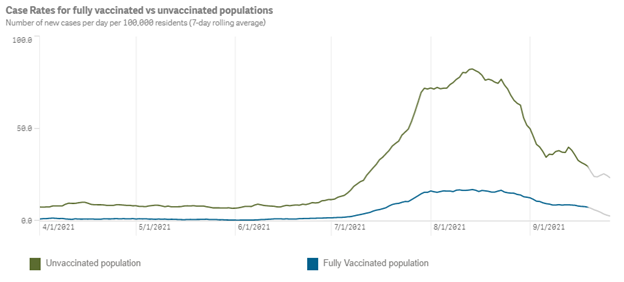
While the peak of the surge seems to have passed, data show the county’s daily case rate remains as high as it was last February. There were 15 COVID-related deaths in Contra Costa from August 25 to 31, and 20 from September 1 to 7, the two highest seven-day totals since March. Unvaccinated residents account for 95.9% of the county’s deaths so far.

COVID-19 case rates are about five times higher in unvaccinated county residents compared to fully vaccinated residents, hospitalization rates are approximately 16 times higher, and death rates are approximately 22 times higher.

“This order is necessary now to save lives, protect our overburdened healthcare system, and slow the pandemic enough to keep our schools open,” said Dr. Chris Farnitano, Contra Costa County Health Officer. “Reducing community transmission of the virus now is key to preventing future spikes in cases from overwhelming our county’s hospitals during the winter months.”

The new order applies to businesses where people remove face coverings to eat or drink indoors, such as restaurants, bars and entertainment venues, and to gyms and other indoor fitness facilities, including yoga and dance studios, where patrons breathe more heavily due to exercise.

The order also includes a requirement for workers in indoor areas of these businesses to show proof of full vaccination against COVID-19 by November 1 or test weekly for COVID-19.

To show proof of vaccination, patrons must show photo ID and their vaccination record cards from the Centers for Disease Control & Prevention (CDC), or copies or pictures of their cards. Documentation from healthcare providers will also be accepted, as will digital COVID-19 vaccine records issued by the State of California.

Visit myvaccinerecord.cdph.ca.gov for a link to your digital vaccination, which can be downloaded on to your smartphone.

Visit cchealth.org/coronavirus for more information about this health order, or to find a safe, fast and free COVID-19 vaccination in Contra Costa County.

###

Restauranteurs Respond

Restaurant owners in the county responded to the news with frustration. “How is it our responsibility to be the vaccine police!!” shared one owner who chose to remain anonymous.

“Kiss the restaurants good-bye,” said another, also anonymously.

However, another restaurant owner said anonymously, “We need to contribute to the pandemic to get better.”

Questions For Health Services

In response, questions were sent to county health services staff asking, “what percentage of COVID cases in the county can be attributed to restaurants, indoor entertainment venues and gyms, please?”

In addition, they were asked, “why not include what other countries are requiring for those who want to travel there, which is proof of having COVID within the past three months, since those folks have higher levels of antibodies than those who have been vaccinated, especially those who have been five to eight months ago?”

09/16/21 UPDATE: No Percentages of Impact from Affected Businesses

Contra Costa Public Health Services spokesman Will Harper responded with the following: “We can’t give you an exact percentage of cases that can be attributed to restaurants and the other high-risk venues covered in the order. Due to the nature of these businesses, it is not always possible to identify all the patrons who were exposed and infected by a case at one of these sites.  What we can say is that indoor settings where people remove their masks, such as restaurants and bars, or where they breathe heavily, such as in a gym, increase the risk of COVID-19 transmission. As the order states, outbreaks have been documented in bars, gyms, and restaurants in California this year.

Currently there is no scientific consensus on the strength or duration of natural immunity after a covid-19 infection, or how reliably to measure this. For now, we felt most confident in requiring proof of vaccination. Vaccination is still recommended for people who have had Covid-19 to boost their immunity and protect them from a repeat infection from Covid-19. We have clear data showing that vaccinated people are more protected the unvaccinated people, regardless or prior Covid-19 infection history.”

9/17/21 UPDATE: No “Metric” for Ending Latest Order, County Wants “Significant Portion” of 5-11 Year-Olds Vaccinated

A follow up question was sent asking what factors Dr. Farnitano will use to determine when this latest order will end.

Harper responded, “While we have not defined a specific metric at this time, the key measures we will be looking at to inform when it is safe to lift indoor masking requirements and venue verification and test requirements include the impact on our health care system (have our Covid-19 hospitalization and ICU levels returned to June, 2021 levels), the impact on schools (are significant numbers of students missing out on classroom time due to illness, isolation and quarantine) and our community vaccination rates (which will be crucial to preventing another surge if other public health measures are relaxed), especially if we are able to vaccinate a significant portion of the 5-11 year-old population once the vaccines are approved for them. California learned an unfortunate lesson that the vaccination rates we had in June were not sufficient to prevent a serious surge without other interventions like indoor masking in place.”

Additional Questions Go Unanswered

Additional questions were sent to Harper, asking, why do you want to vaccinate a significant portion of the 5-11 population when such a minuscule percentage of that age group are contracting the virus and a much smaller number have died?

In addition, he was asked about one of his previous responses, how can it both be that “Currently there is no scientific consensus on the strength or duration of natural immunity after a covid-19 infection, or how reliably to measure this” and “We have clear data showing that vaccinated people are more protected than unvaccinated people, regardless of prior Covid-19 infection history”?

Please check back later for any other updates to this report.

Filed Under: Business, Dining, Government, Health, News

Sutter Health and affiliates to pay $90 million to settle allegations of False Claims Act violations for mischarging the Medicare Advantage Plans

September 1, 2021 By Publisher Leave a Comment

By U.S. Department of Justice

Sutter Health, a California-based health care services provider, and several affiliated entities including Sutter Bay Medical Foundation (dba Palo Alto Medical Foundation, Sutter East Bay Medical Foundation, and Sutter Pacific Medical Foundation) and Sutter Valley Medical Foundation (dba Sutter Gould Medical Foundation and Sutter Medical Foundation) (collectively, “Sutter Health”), have agreed to pay $90 million to resolve allegations that Sutter Health violated the False Claims Act by knowingly submitting inaccurate information about the health status of beneficiaries enrolled in Medicare Advantage Plans.

Under Medicare Advantage, also known as the Medicare Part C program, Medicare beneficiaries have the option of enrolling in managed health care insurance plans called Medicare Advantage Plans. The plans are paid a capitated, or per-person, amount to provide Medicare-covered benefits to beneficiaries who enroll in one of their plans. Payments to plans are based on demographic information and the health status of each plan beneficiary. In general, plans receive larger payments for beneficiaries with more severe diagnoses.

Sutter Health, headquartered in Sacramento, contracted to provide health care services to California beneficiaries enrolled in certain plans. In exchange, Sutter Health received a portion of the payments for treating the beneficiaries under its care.

The government alleged that Sutter Health knowingly submitted unsupported diagnosis codes for certain patient encounters for beneficiaries under its care. These unsupported diagnosis codes caused inflated payments to be made to the plans and to Sutter Health. The lawsuit further alleged that, once Sutter Health became aware of these unsupported diagnosis codes, it failed to take sufficient corrective action to identify and delete additional unsupported diagnosis codes.

“The government relies on health care providers, including those furnishing services to Medicare Part C beneficiaries, to submit accurate information to ensure proper payment,” said Deputy Assistant Attorney General Sarah E. Harrington of the Justice Department’s Civil Division. “Today’s result sends a clear message that we will hold health care providers responsible if they knowingly provide or fail to correct information that is untruthful.”

“Today’s settlement exemplifies our commitment to fighting fraud in the Medicare program,” said Acting U.S. Attorney Stephanie M. Hinds for the Northern District of California. “Health care providers who flout the law need to know that my office will hold accountable those who pad their bottom line at taxpayer expense.”

“The knowing submission of inaccurate information to Medicare diverts funds from this vital health care program, which is a disservice to patients needing care,” said Special Agent in Charge Steven J. Ryan for the Office of Inspector General of the U.S. Department of Health and Human Services. “We will continue to work with our law enforcement partners to protect the integrity of federal health care programs and hold accountable entities who engage in false claims practices.”

In connection with the settlement, Sutter Health, Sutter Bay Medical Foundation and Sutter Valley Medical Foundation entered into a five-year Corporate Integrity Agreement (CIA) with the U.S. Department of Health and Human Services, Office of Inspector General (HHS-OIG). The CIA requires, among other things, that Sutter Health implement a centralized risk assessment program as part of its compliance program and hire an Independent Review Organization to annually review a sample of Sutter Health’s Medicare Advantage patients’ medical records and associated diagnoses data.

The civil settlement includes the resolution of claims brought under the qui tam or whistleblower provisions of the False Claims Act by Kathleen Ormsby, a former employee of Palo Alto Medical Foundation. Under those provisions, a private party can file an action on behalf of the United States and receive a portion of any recovery. The Act permits the government to intervene in such lawsuits, as it has done in this case as to claims submitted for the Palo Alto Medical Foundation. Although the United States did not intervene as to claims submitted by the remaining Sutter affiliates, Ms. Ormsby continued to pursue those claims, some of which are also being resolved by this settlement. The qui tam case is captioned United States ex rel. Ormsby v. Sutter Health, et al., No. 15-CV-01062-LB (N.D. Cal.).

The resolution obtained in this matter resulted from a coordinated effort between the Justice Department’s Civil Division, Commercial Litigation Branch, Fraud Section, and the U.S. Attorney’s Office for the Northern District of California, with assistance from HHS-OIG.

The investigation and resolution of this matter illustrate the government’s emphasis on combating health care fraud. One of the most powerful tools in this effort is the False Claims Act. Tips and complaints from all sources about potential fraud, waste, abuse and mismanagement, can be reported to the Department of Health and Human Services at 800-HHS-TIPS (800-447-8477).

The matter was handled by Attorneys Olga Yevtukhova, Jennifer J. Koh, Thomas Morris and Lyle Gruby of the Civil Division’s Fraud Section and by Assistant U.S. Attorney Benjamin Wolinsky for the Northern District of California, with assistance from Jonathan Birch.

Sutter Health Responds

Sutter Health on Monday, Aug. 30, 2021 announced that it has entered into an agreement with the federal government and a private plaintiff to resolve a False Claims Act lawsuit filed in 2015 involving Medicare Advantage claims related to its medical foundation operations. The matter was partially resolved in April 2019 for $30 million (a fact not included by the U.S. Department of Justice (DOJ) in its press release regarding the settlement). Under the follow-on agreement announced today, Sutter will pay an additional $60 million (not $90 million) to fully resolve the litigation. The agreement makes clear that Sutter and its medical foundation affiliates admit no liability in agreeing to settle the matter.

As part of this resolution, Sutter has also concurrently entered into a Corporate Integrity Agreement (CIA) with the Office of Inspector General (OIG) of the U.S. Department of Health and Human Services. The CIA, Sutter’s first, is intended to promote compliance with federal healthcare program requirements over a period of five years and includes specific elements that must be in place and monitored.

Sutter’s Ethics and Compliance Services team is responsible for overseeing Sutter’s compliance with the CIA. Sutter looks forward to collaborating with OIG over the term of the agreement. In 2017, PricewaterhouseCoopers conducted a compliance program assessment finding Sutter’s program to be effective, with several areas identified as leading practices. Sutter has since maintained and enhanced these program elements and is well-prepared to implement the terms of the agreement.

Today’s agreements bring closure to a long-running dispute, allowing Sutter to avoid the uncertainty and further expense of protracted litigation, and enabling a constructive relationship with the government as we work together under the CIA.

The claims resolved by the settlement are allegations only and there has been no determination of liability.


Filed Under: Health, News, U S Attorney

CA Attorney General announces $575 million settlement with Sutter Health on anti-competitive practices allegations

August 30, 2021 By Publisher Leave a Comment

OAKLAND – California Attorney General Rob Bonta Friday, August 27 lauded Judge Massullo’s final approval of a landmark $575 million settlement with Sutter Health (Sutter). The settlement agreement was reached in 2019, and resolves allegations by the Attorney General’s office, the United Food and Commercial Workers and Employers Benefit Trust (UEBT), and class action plaintiffs that Sutter’s anticompetitive practices led to higher healthcare costs for consumers in Northern California compared to other places in the state. The settlement requires Sutter to pay $575 million in compensation, prohibits anticompetitive conduct, and requires Sutter to follow certain practices to restore competition in California’s healthcare markets.

“This is a groundbreaking settlement and a win for Californians,” said AG Bonta. “Sutter will no longer have free rein to engage in anticompetitive practices that force patients to pay more for health services. Under the terms of our agreement, Sutter’s transparency must increase, and practices that decrease the accessibility and affordability of healthcare must end. A competitive healthcare market is essential to ensuring patients and families aren’t bearing the brunt of healthcare costs while one company dominates the market.”

Sutter is the largest hospital system in Northern California. The Sutter network consists of some 24 acute care hospitals, 36 ambulatory surgery centers, and 16 cardiac and cancer centers. It also includes some 12,000 physicians and over 53,000 employees. In addition, Sutter negotiates contracts on behalf of the Palo Alto Medical Foundation and many affiliated physician groups.

This settlement is the result of litigation that began in 2014 when UEBT filed a class action lawsuit that challenged Sutter’s practices in rendering services and setting prices. They sought compensation for and an end to what they alleged were unlawful, anticompetitive business practices, which caused them to pay more than necessary for healthcare services and products. In March 2018, the Attorney General’s office filed a similar lawsuit against Sutter on behalf of the people of California, seeking injunctive relief to compel Sutter to correct its anticompetitive business practices moving forward. The separate lawsuits were combined by the court into one case. In October 2019, one day before the trial, the parties reached an agreement to settle. The settlement was filed with the court on December 19, 2019, and in March, Judge Massullo granted preliminary approval.

Today’s finalized settlement requires Sutter to:

  • Pay $575 million to compensate employers, unions, and others covered under the class action, and to cover costs and fees associated with the legal efforts;
  • Limit what it charges patients for out-of-network services, helping ensure that patients visiting an out-of-network hospital do not face outsized, surprise medical bills;
  • Increase transparency by permitting insurers, employers, and self-funded payers to provide plan members with access to pricing, quality, and cost information, which helps patients make better care decisions;
  • Halt measures that deny patients access to lower-cost plans, thus allowing health insurers, employers, and self-funded payers to offer and direct patients to more affordable health plan options for networks or products;
  • Stop all-or-nothing contracting deals, thus allowing insurers, employers, and self-funded payers to include some but not necessarily all of Sutter’s hospitals, clinics, or other commercial products in their plans’ network.
  • Cease anticompetitive bundling of services and products which forced insurers, employers, and self-funded payers to purchase for their plan offerings more services or products from Sutter than were needed. Sutter must now offer a stand-alone price that must be lower than any bundled package price to give insurers, employers, and self-funded payers more choice;
  • Cooperate with a court-approved compliance monitor to ensure that Sutter is following the terms of the settlement for at least 10 years. The monitor will receive and investigate complaints and may present evidence to the court; and
  • Prevent anticompetitive practices by clearly defining clinical integration to include patient quality of care. The settlement makes clear that for Sutter to claim it has clinically integrated a system, it must meet strict standards beyond regional similarities or the mere sharing of an electronic health record, and must be integrating care in a manner that takes into consideration the quality of care to the patient population. This is important because clinical integration can be used to mask market consolidation efforts by hospital systems, when in fact there is no true integration of a patient’s care. For example, saying that hospitals are regionally close or that hospitals are sharing electronic health records is not enough, there must be close coordination that will lead to less costly, higher quality care for local communities.

A report by the University of California Berkeley showed that over-consolidation drives up prices for consumers. According to the study, outpatient cardiology procedures in Southern California cost nearly $18,000 compared to almost $29,000 in Northern California. For inpatient hospital procedures, the cost in Southern California is nearly $132,000 compared to more than $223,000 in Northern California, a more than $90,000 difference. A 2016 study found that a cesarean delivery in Sacramento, where Sutter is based, costs more than $27,000, nearly double what it costs in Los Angeles or New York, making Northern California one of the most expensive places in the country to have a baby.

Sutter Health offered the following response to the settlement:

“Today’s ruling brings closure to this matter, which was settled almost two years ago. This voluntary settlement enables Sutter Health to maintain our integrated network and ability to provide patients with access to affordable, high-quality care. Sutter’s quality of care is nationally recognized, with the majority of hospitals and care facilities outperforming state and national averages in many measures of quality. We look forward to continuing to work with our health plan partners at the same time we continue to care for the underserved in our communities.”

A copy of the final approval order and judgment are available here and here.

Filed Under: Health, News, State of California

Contra Costa, Bay Area health officials issue orders requiring indoor masking beginning Tuesday

August 2, 2021 By Publisher 8 Comments

Graphic by State of California from Gov. Newsom’s Wear a Mask campaign.

Also includes Counties of Alameda, Marin, San Francisco, San Mateo, Santa Clara, and Sonoma, and the City of Berkeley; Napa and Solano Counties not included

With the COVID-19 Delta variant now infecting a small percentage of vaccinated people as well as many unvaccinated people, eight Bay Area health officers have issued health orders requiring masks indoors in public places.

The orders require all individuals, regardless of vaccination status, to wear face coverings when indoors in public settings, with limited exceptions, starting at 12:01 a.m. on Tuesday, August 3rd.

Vaccines remain the most powerful tool in the fight against COVID-19, including the Delta variant. Nonetheless, the Delta variant is infecting a small percentage of the vaccinated in the Bay Area — who still remain strongly protected against severe illness, hospitalization, and death. In those instances of infection in a vaccinated person, a face covering prevents further spread. Bay Area health officials urge all unvaccinated residents 12 and older to get vaccinated as soon as possible.

“We must act now to protect ourselves, our loved ones and our community. If you are eligible to get a COVID-19 vaccine and have not yet done so, please do not wait any longer,” said Dr. Chris Farnitano, health officer for Contra Costa. “During July the number of hospitalized COVID-19 patients in our county increased 400%. Four out of five of the COVID patients we see are not vaccinated, even though only one out of five Contra Costa adults are not vaccinated.”

These health orders aim to reduce community transmission of COVID-19 and protect everyone. Health officials are very concerned by the substantial levels of community transmission now found across the Bay Area, especially among unvaccinated people. In part, this is due to the widespread COVID-19 Delta variant, which is substantially more transmissible than previous forms of the virus. Recent information from the Centers for Disease Control and Prevention also indicates that even fully vaccinated individuals can in some cases spread the Delta variant to others, and so indoor use of face coverings provides an important added layer of protection.

The new Health Orders require wearing a well-fitting mask indoors in public settings. Indoor settings, whether public or private, are higher risk for COVID-19 transmission, especially when you are with people you do not live with. Health officials also recommend that all employers make face coverings available to individuals entering their businesses, and businesses are required to implement the indoor face covering order.

Today’s Health Orders are consistent with guidance from the Centers for Disease Control and Prevention and the California Department of Public Health, which recommend that fully vaccinated individuals wear masks while in indoor public settings. Bay Area Health Officers will continue to monitor data, including increasing vaccination throughout the region, to determine when the Orders can be adjusted or lifted.

For more information about COVID-19, and how to get a free vaccine near you, visit cchealth.org/coronavirus.


Filed Under: Bay Area, Government, Health, News

Doctors, organizers of today’s World Ivermectin Day claim it is “The Key to End the Pandemic”

July 24, 2021 By Publisher 17 Comments

A day for the recognition of Ivermectin – “Covid is treatable with ivermectin and can end the pandemic”

By British Ivermectin Recommendation Development Group

An international coalition of medical professionals together with journalists, musicians, artists and others, have established World Ivermectin Day this Saturday 24 July 2021, with the aim of sharing the evidence-based message that the cheap, safe and easily-distributed medicine ivermectin can remove the fear of the covid pandemic to lives and economies. (See North America video)

According to the National Institutes of Health, Ivermectin is a Food and Drug Administration (FDA)-approved antiparasitic drug that is used to treat several neglected tropical diseases, including onchocerciasis, helminthiases, and scabies.

Reports from in vitro studies suggest that ivermectin acts by inhibiting the host importin alpha/beta-1 nuclear transport proteins, which are part of a key intracellular transport process that viruses hijack to enhance infection by suppressing the host’s antiviral response. In addition, ivermectin docking may interfere with the attachment of the severe acute respiratory syndrome coronavirus 2 (SARS-CoV-2) spike protein to the human cell membrane.

Some studies of ivermectin have also reported potential anti-inflammatory properties, which have been postulated to be beneficial in people with COVID-19.

Some observational cohorts and clinical trials have evaluated the use of ivermectin for the prevention and treatment of COVID-19. Data from some of these studies can be found here.

“We have an incredibly positive and uplifting message to share; Ivermectin treats and prevents covid and it is the key to unlocking the never-ending cycle of pandemic peaks and personal restrictions and will help restart economies.” states Dr. Tess Lawrie, UK-based founder of the Day and co-author of a recent peer-reviewed study that verified the efficacy of the medicine.

Created in just a few weeks by a team of volunteers, World Ivermectin Day features talks and discussions that will be available to millions online. The decentralized and grassroots nature of the day has inspired individuals to organize their own live meetings and activities across the globe from a growing list of countries including the UK, Canada, Kuala Lumpur and Japan.

The principle aim of the day is for people to encourage their own governments to join the 20 or so countries already deploying ivermectin and so help protect their nations’ health and do so at low cost.

Ahead of the day, the central website, worldivermectinday.org is filling up with written and filmed testimonials from people from all around the world; many of whom are celebrating their good health and even their lives thanks to ivermectin.

World Ivermectin Day has been endorsed by the British Ivermectin Recommendation Development (BIRD) Group and the Front Line COVID-19 Critical Care Alliance (FLCCC) in the USA, key players in campaigning for ivermectin approval.

About BIRD

The British Ivermectin Recommendation Development Group (BIRD) is a truly grassroots initiative bringing together clinicians, health researchers and patient representatives from all around the world to advocate for the use of ivermectin against covid-19. (See BIRD Affiliates)

BIRD Affiliates.

About FLCCC

The FLCCC Alliance was organized in March 2020 by a group of highly published, world renowned Critical Care physician/scholars – with the academic support of allied physicians from around the world – to research and develop lifesaving protocols for the prevention and treatment of COVID-19 in all stages of illness. Their MATH+ Hospital Treatment Protocol, introduced in March 2020, has saved thousands of patients who were critically ill with COVID-19. Now, the FLCCC’s new I-MASK+ Prophylaxis and Early At-Home Outpatient Treatment Protocol with Ivermectin has been released – and is a potential solution to the global pandemic.

The doctors and volunteers behind the event have designed the day to be organic, encouraging individuals and groups worldwide to organize their own activities to mark the day. There’s no financial interest in the medicine for any of them, but they are all resolutely unified by one aim – seeing ivermectin saving lives everywhere.

Graphic by BIRD.

About Ivermectin

You may not be aware that Covid can be prevented and treated with a simple low-cost, generic tablet called Ivermectin.

On World Ivermectin Day we want you, and everyone on the planet to know this so we all can look forward to a healthier, happier future and not one of fear and uncertainty.

We are joined by health professionals, lawyers, musicians and artists and people of all backgrounds and nations to spread the amazing news about ivermectin.

Ivermectin, has a successful history stretching back to 1975 with 5 billion doses given and an impeccable safety record. Its inventors even won a Nobel Prize.

Ivermectin is not even the only generic treatment for covid, but leads a number of safe, widely available medicines that are being successfully used around the world to beat covid.

Sharing Good Health Worldwide

World Ivermectin Day is encouraging all nations who haven’t yet adopted ivermectin as part of their Covid treatment plan to take a serious review of the mountain of robust clinical evidence so they too can improve their people’s health and economies.

They are sharing the good news of how it is being successfully used by thousands of doctors in multiple countries as the way to prevent, treat and beat covid and end the pandemic. It is even effective against variants.

For more information visit WorldIvermectinDay.org. A citizen-driven day of celebration supported by our allies in the field and on the frontlines.

Allen Payton contributed to this report.

Filed Under: Health, News

Frazier’s bill to dissolve Los Medanos Healthcare District fails in State Senate committee 

July 9, 2021 By Publisher Leave a Comment

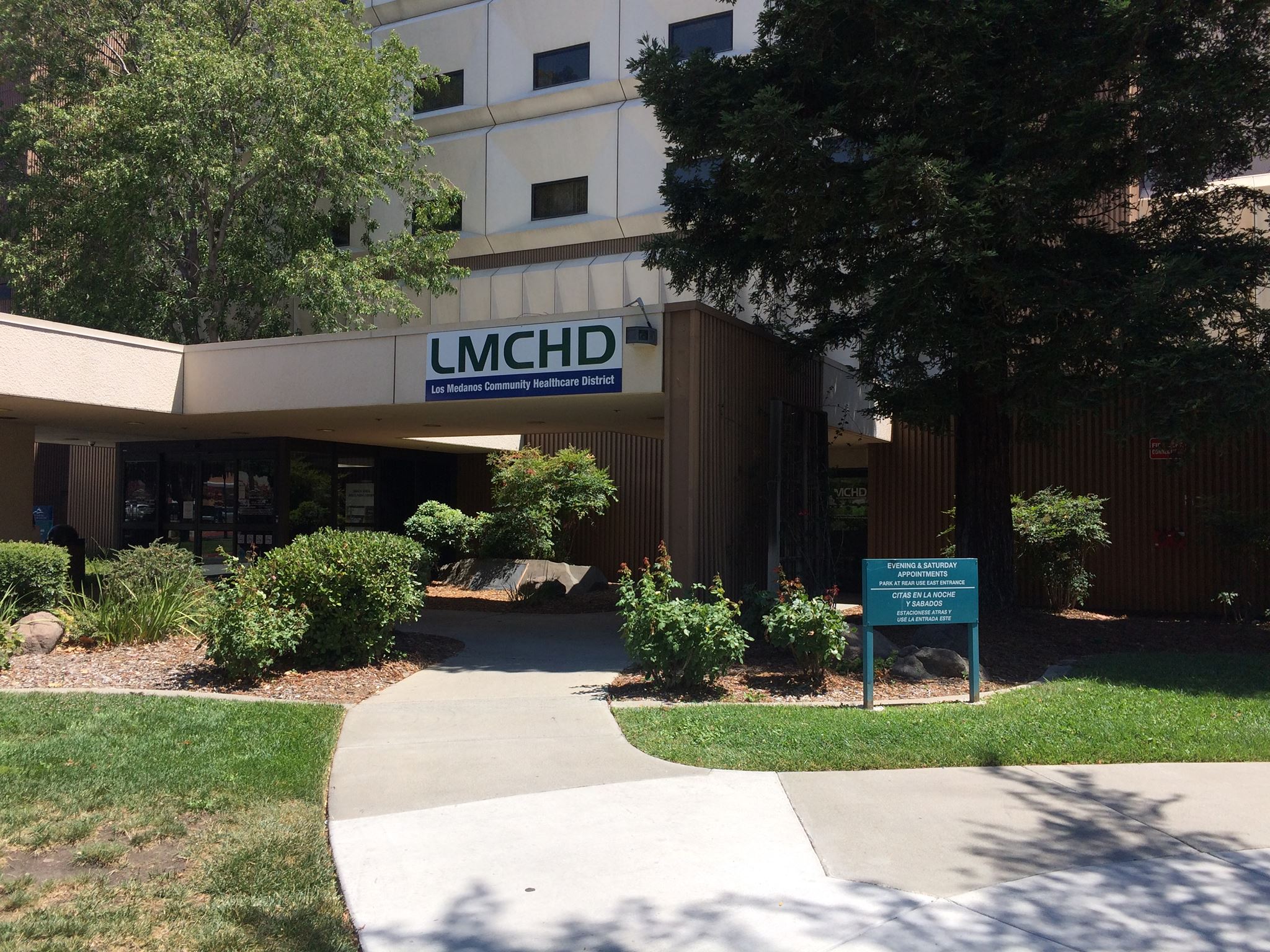
The Los Medanos Community Healthcare District building, formerly Los Medanos Hospital. Photo from the LMCHD Facebook page.

Senator Durazo raised concerns regarding the bill pitting the legislature against Pittsburg/Bay Point community; District continues fighting legal battle against County; saves Antioch mayor’s executive director job, for now

Pittsburg, Calif., (July 8, 2021) – Today, the California State Senate Governance and Finance Committee voted against further passage of AB 903. In doing so, the bill failed.

Introduced by Assemblymember Jim Frazier (D-Oakley), AB 903 would have circumvented the already established electoral process that would allow the residents living within the boundary of the Los Medanos Community Healthcare District to vote on the future of the healthcare district.

“On behalf of our constituents, I would like to thank the Senate Committee on Governance and Finance for recognizing that this bill was not a good government bill, but rather an attempt to disenfranchise our community of our right to vote,” said Thorpe, Executive Director, Los Medanos Community Health Care District. “I am proud of the work we do on a daily basis to ensure that communities often neglected by Contra Costa County are able to receive critical healthcare services because we have always been their safety-net.”

Strongly opposed by the NAACP, AB 903 was considered by many a road map to circumvent the electoral process. During today’s hearing, Senator Maria Elena Durazo (D-Los Angeles) raised concerns about the bill as it pitted the Legislature against the residents residing within the Los Medanos Community Health Care District boundaries. Additionally, she further raised concerns regarding the community’s access to the vital services provided by the Los Medanos Community Health Care District.

With AB 903 now dead, the Los Medanos Community Health Care District will continue in the litigation process initiated by Contra Costa County. Having failed on three previous attempts, Contra Costa County filed an appeal to those lost cases. It is anticipated that the legal decision will be made in 2022.

About the Los Medanos Community Healthcare District:  Each of California’s Healthcare Districts is governed by a locally elected Board of Trustees who are directly accountable to the communities they serve.

LMCHD has been serving the local community with healthcare needs since 1946. We are located at 2311 Loveridge Road, Pittsburg, CA 94565. For more information visit www.lmchd.org.


Filed Under: East County, Health, Legislation, News

Healthcare workers to protest short-staffing at Sutter hospitals throughout Northern CA with “Danger Zones”

July 6, 2021 By Publisher 1 Comment

Workers, elected leaders to highlight understaffing, long patient wait times, worker safety issues

OAKLAND, Calif., July 5, 2021 /PRNewswire/ — During the month of July, Sutter Health caregivers and allies will be protesting at facilities across northern California to expose the threat to workers and patients caused by understaffing, long patient wait times and worker safety issues at Sutter facilities.

“While Sutter has been driving up costs, they’ve been driving down the quality of care, staffing and safety at our hospitals. Just about every department is understaffed. Workers are getting run ragged with no time for breaks, and patients are suffering with long wait times for the care they need,” said Stefanye Sartain, Respiratory Therapist, Sutter Delta Medical Center. “It’s time for Sutter Health management to put patient and caregiver safety first. Listen to caregivers. Stop short-staffing and lowering the quality of patient care.”

Despite making $189 million in profits in 2021, receiving $843 million in taxpayer money during the COVID-19 pandemic, and paying out millions of dollars in executive salaries and bonuses, Sutter Health has announced layoffs of workers and continues to short-staff their hospitals.

WHAT: Healthcare workers will set up a danger zone with large signs and other visuals,
caregivers in their uniforms, PPE and safety gear. They will hold a rally, give speeches, and hold signs in protest of Sutter Health’s understaffing, long patient wait times and worker safety issues.
WHERE & WHEN: 11 am – 1 pm (Workers & Elected Leaders speaking at 11:30 am)
• July 7: Sutter Delta Medical Center, 3901 Lone Tree way, Antioch, CA 94509
• July 7: Sutter Santa Rosa Regional Hospital, 30 Mark West Springs Rd, Santa Rosa, CA 95403
• July 14: Sutter Eden Medical Center, 20103 Lake Chabot Rd, Castro Valley, CA 94546
• July 14: Sutter Solano Medical Center, 300 Hospital Dr., Vallejo, CA 94590
• July 21: Sutter Roseville Medical Center, One Medical Plaza, Roseville, CA 95816
• July 21: Sutter California Pacific Medical Center-Mission Bernal, 3555 Cesar Chavez Ave, San Francisco, CA 94110
• July 28: Sutter Lakeside Hospital, 5176 Hill Road East, Lakeport, CA 95453
• July 28: Sutter Alta Bates Summit Medical Center, 350 Hawthorne St., Oakland, CA 94609

SEIU-United Healthcare Workers West (SEIU-UHW) is a healthcare justice union of more than 100,000 healthcare workers, patients, and healthcare activists united to ensure affordable, accessible, high-quality care for all Californians, provided by valued and respected healthcare workers. Learn more at www.seiu-uhw.org.


Filed Under: East County, Health, Labor & Unions, News

  • « Previous Page
  • 1
  • …
  • 21
  • 22
  • 23
  • 24
  • 25
  • …
  • 53
  • Next Page »
Liberty-Tax-Jan-Apr-2026
Deer-Valley-Chiro-06-22

Copyright © 2026 · Contra Costa Herald · Site by Clifton Creative Web