• Home
  • About The Herald
  • Local Agencies
  • Daily Email Update
  • Legal Notices
  • Classified Ads

Contra Costa Herald

News Of By and For The People of Contra Costa County, California

  • Arts & Entertainment
  • Business
  • Community
  • Crime
  • Dining
  • Education
  • Faith
  • Health
  • News
  • Politics & Elections
  • Real Estate

Rep. DeSaulnier to host telephone town hall on coronavirus, the classroom, and our community Thursday

July 21, 2020 By Publisher Leave a Comment

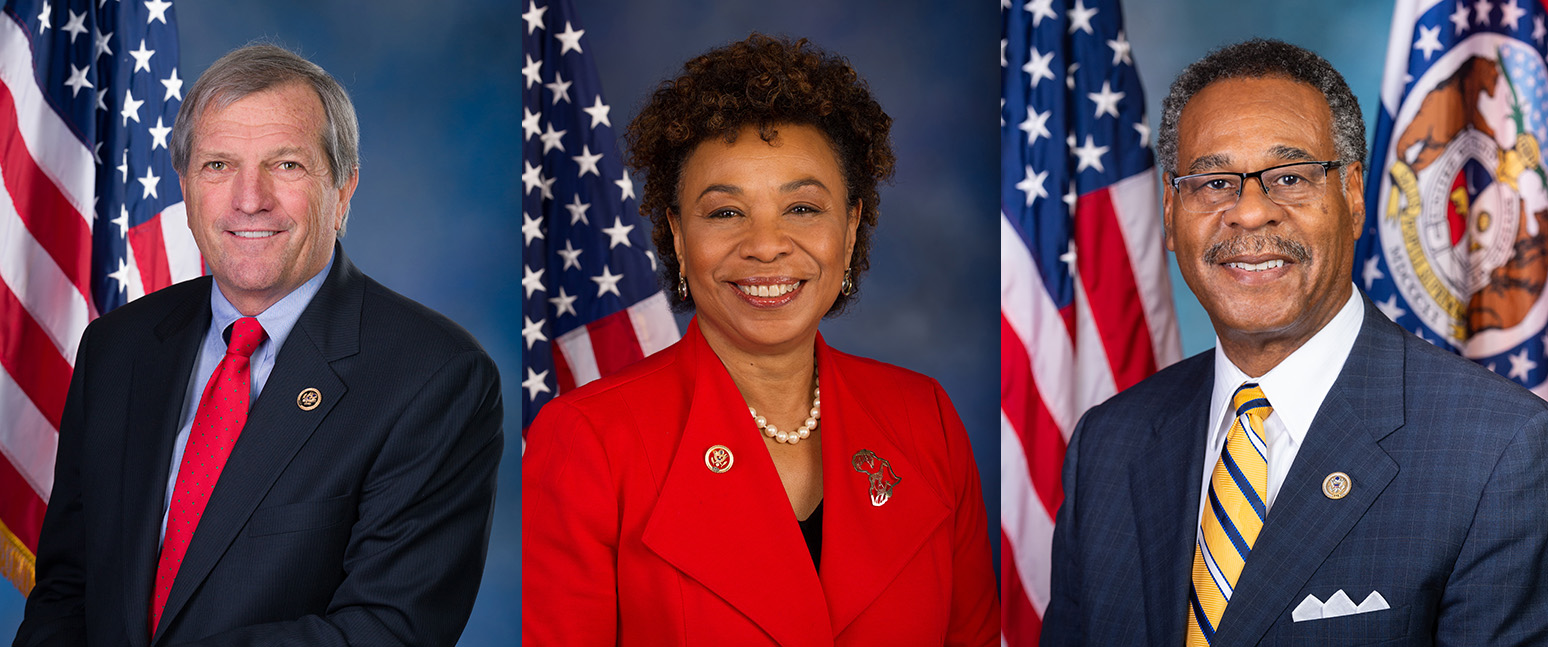
Rep. Mark DeSaulnier

Congressman Mark DeSaulnier (CA-11) will host a telephone town hall to discuss coronavirus, the classroom, our community, and what comes next when school resumes in Contra Costa on Thursday, July 23rd at noon.

Congressman DeSaulnier will be joined on the call by Dr. Bill Walker, former Director of Health Services and current Director of Legislative and Governmental Affairs for Contra Costa Health Services, as well as Contra Costa County Superintendent of Schools Lynn Mackey. During the event, Contra Costa residents will have an opportunity to ask questions about the upcoming school year and local districts’ plans for instruction.

Coronavirus, the Classroom, and our Community Telephone Town Hall
Thursday, July 23, 2020
12:00 p.m. to 1:00 p.m. PT

This event is open to the public.

To RSVP and submit a question, click here: https://tthm.wufoo.com/forms/teletownhall-with-congressman-mark-desaulnier/

Filed Under: Community, Education, Government, Health

Contra Costa Supervisors extend eviction protection, rent freeze through Sept. 30

July 16, 2020 By Publisher Leave a Comment

Antioch real estate broker challenges the legality

By Susan Shiu, Director, Office of Communications and Media, Contra Costa County

(Martinez, CA) – At a special Board meeting on July 14, 2020, the Contra Costa County Board of Supervisors unanimously passed an urgency ordinance that continues an eviction moratorium for residential tenants and small businesses in the County through September 30, 2020. The urgency ordinance also continues a moratorium on certain residential rent increases through September 30, 2020.

The new ordinance temporarily prohibits evictions of residential tenants in Contra Costa County impacted by the COVID-19 pandemic. The eviction moratorium also applies to tenants who are small businesses or non-profit organizations. A small business is an independently owned and operated business that is not dominant in its field of operation, has its principal office in California, has 100 or fewer employees, and has average annual gross receipts of $15 million or less over the previous three years.

“The emergency is not over with the COVID-19 pandemic. The economic impact our residents face has not subsided,” said Supervisor Candace Andersen, Board Chair. “We sincerely hope passage of this new ordinance to extend the eviction protection and rent freeze will continue to protect renters and small businesses, even as landlords and renters work together to have tenants pay what they can over a longer period of time.”

This law applies to properties in all 19 cities in the County and in all unincorporated areas. To the extent that a city has adopted a law on the same subject matter, then the city’s provisions would apply in that city.

Protections granted to residential renters and small businesses include:

  • Prohibition on Evictions Due to Unpaid Rent – A property owner cannot evict a residential tenant or small business tenant for failure to pay rent if a tenant demonstrates loss of income or out-of-pocket medical expenses related to COVID-19. This prohibition lasts through September 30, 2020.
  • Ban on No-Fault Evictions – A property owner cannot evict a residential tenant or small business tenant for any “no-fault” reason except to protect the health and safety of the owner or another tenant, to allow the owner or their immediate family to move into the residential unit or to remove the unit from the rental market. This ban lasts through September 30, 2020.
  • Grace Period to Pay Back Rent – Residential tenants or small business tenants who demonstrate loss of income or out-of-pocket medical expenses related to COVID-19 have until January 31, 2021 to pay past due rent. This does not relieve a tenant of their obligation to pay rent.
  • No Late Fees – A property owner may not charge or collect late fees for unpaid rent from a residential tenant or small business tenant who demonstrates loss of income or out-of-pocket medical expenses related to COVID-19. This ban on late fees extends until January 31, 2021.
  • Moratorium on Residential Rent Increases – A property owner may not increase rent on a residential property through September 30, 2020. State law prevents this freeze from applying to commercial tenancies and to certain residential properties, including residences built within the last 15 years and single family homes.

Read the full document Ordinance No. 2020-20 (PDF). Answers to Frequently Asked Questions (FAQs) regarding this ordinance will be available and updated on the County website soon.

Mark Jordan, an Antioch real estate broker who is suing the City of Antioch over their rent moratorium, emailed the Supervisors on Monday.

On 7/13/20, 12:52 PM, he wrote:

“Supervisors of the County of Contra Costa,

I am informed that on July 14, 2020 you as a Board shall consider if the Urgency Ordinance No. 2020-20 should be extended.

YOU SHOULD NOT EXTEND THIS URGENCY ORDINANCE.

  1. You have made no adjustments or given consideration to the damage done to landlords. You have not offered any tax relief. There exist significant questions of “equal protection under the law”.
  2. There is abuse of the situation by tenants not directly effected (sic) by the underlying pandemic.
  3. Courts are not open to Landlords to remove tenants for any matter. See California Judicial Council Directive. Other protections exist for maintaining “Shelter in Place”.
  4. The Urgency Ordinance is not specific enough as to what is a tenant “demonstration” or “substantial loss of income”.
    5. While your Counsel notes “Pending Legislation” your attorney does not inform you of the numerous filed lawsuits against the California Judicial Council, Counties and or Municipalities. There exist significant questions of “due process” and “equal protection”” both as to the Federal and State Constitutions.

Therefore, it would be a prudent decision to allow the Urgency Ordinance No. 2020-20 to expire and that the Ordinance be concluded with the grace period beginning on July 15th.

Sincerely,
Mark Jordan”

In response, Supervisor Karen Mitchoff who represents Central County in District 4 wrote,

“Dear Mr. Jordan,

Thank you for your email regarding the extension of the Rent increase and Eviction moratorium. Yesterday, the Board of Supervisors unanimously passed ordinance 2020-20, which continues the eviction moratorium for residential tenants and small businesses in Contra Costa County through September 30th, 2020. This urgency ordinance also continues a moratorium on certain residential rent increases through the same date.”

She then listed and repeated the various parts of the ordinance.

“This law applies to properties in all 19 cities in the County and in all unincorporated areas.

As we get closer to September 30, the Board of Supervisors will re-evaluate the moratorium given the changing dynamics presented by the COVID-19 pandemic, as well as pending legislation on a state and federal level relative to this topic. We continue to share with our state and federal partners the diversity of resources needed in our communities across the county.

While there were calls to extend the moratorium to 90 days after the Governor’s state of emergency has ended, we still have many small landlords throughout Contra Costa County. I have continually advocated to limit the grace period for repayment to 120 days because we must balance the needs of both landlords as well as renters. Additionally, in protecting tenants across the county, we have been advised by County Counsel that providing specific dates for expiry of the ordinance and for repayment makes our moratorium more readily defensible against potential legal challenges brought against it. With the rise in community spread of COVID-19, the Board of Supervisors are doing all we can to support struggling families and individuals across the county.

I hope you and your family are safe and healthy.

Sincerely,
Karen Mitchoff”

For information and resources, visit Contra Costa County at www.contracosta.ca.gov. For COVID-19 updates, visit Contra Costa Health Services at https://cchealth.org/coronavirus. If you have questions about the coronavirus, contact the multilingual Call Center 1-844-729-8410, open daily from 8 am to 5 pm (available in English and Spanish). For assistance after hours in multiple languages, please call 211 or 800-833-2900 or text HOPE to 20121.

Filed Under: Government, News

Supervisors to discuss recruitment process, seek public input for County Adminstrator Twa’s replacement

July 13, 2020 By Publisher Leave a Comment

Executive search firm hired, draft recruitment brochure created

By Allen Payton

David Twa. Photo by CCC.

During their special meeting on Tuesday, July 14, the Contra Costa County Board of Supervisors will discuss the recruitment process to replace retiring County Administrator David Twa, as well as the opportunity for public input into desirable qualifications for the ideal candidate. That’s in spite of the fact a recruitment brochure for the position from the recruiting firm Peckham & McKenney Executive Search, included with the meeting agenda, already describes “The Ideal Candidate,” as follows:

“You will be a well-rounded visionary leader with a strong business sense, financial acumen, and the ability to manage a large, complex organization using best practices culled from government and business environments. You must be politically astute, yet apolitical and will have an outgoing style with a professional presence. You will be naturally engaging, diplomatic, and decisive. You will also be a gifted consensus and team builder, will exercise emotional intelligence in the practice of leadership, will be committed to developing staff to their greatest potential, and will be adept in long range planning for the organization. Additionally, in today’s times, you must be a confident and courageous leader who displays sound judgment, excellent communication and people skills, strong character and uncompromising integrity. You will also have an awareness of and respect for cultural diversity, be effective and responsive in politically and ethnically diverse environments and accomplished at maintaining cooperative relations with diverse communities. Polarizing politics, changing demographic trends, increased reliance on technology and social media, and serious economic volatility are some of the current issues that you and the County will face in the next few years. Overriding these issues is the County’s desire to continue working through the current pandemic via best practices that both protect the residents and the economy, as well as addressing race and ethnicity issues in one of the most diverse counties in the state. You will work with the Board of Supervisors to identify disparities that exist in justice, health, social services and land use and will oversee strategies to reduce those disparities.”

According to the brochure, the annual salary for the position is currently $381,000. However, the salary for Twa’s replacement will be determined based on the experience and qualifications that person brings to the county.

The administrator oversees 25 different departments within the county government divided into service areas such as: Public Protection, General Government, Health and Human Services, Growth Management, Special Districts and other Authorities. There are also a number of Affiliated Organizations the County participates with or directly manages. Contra Costa County is one of the few counties in the Nation to offer a full spectrum of health-related services under one organizational structure including the Contra Costa Regional Medical Center and its health centers.

The confirmed recruitment process schedule is as follows:

Resume filing deadline – September 22, 2020

Preliminary interviews – September 23-October 9, 2020

Recommendation of Candidates – October 13, 2020

Interview Process – First Round: week of October 26, 2020

Interview Process – Second Round: week of November 2, 2020

When reached for comment Board of Supervisors Chair Candace Andersen said, “David Twa has been hinting he’s ready to retire for the past six months. On June 2nd when we did his annual evaluation during the closed session, at that point he did say, ‘I am going to leave…here are a couple recruitment firms the county has used in the past.’”

“He’s been making it known to community groups and that he wants to return to Minnesota,” she shared.

“Under agenda item C65 of our meeting on June 16th, we did go ahead and hire the recruiting firm,” Andersen continued. “There was a desire by (Supervisor) John Gioia who wants to make this a very public process. The county administrator and county counsel hiring process is not usually a public process, with candidates who don’t get hired not wanting to be known. You want to have the confidentiality.”

“So, we’ve come forward with the brochure and asking for public input,” she stated. “This is the draft of the brochure, so if someone comes up with a desired qualification that makes sense, we can add that to it.”

“We’re hoping by late fall to hire someone, and have an overlap to work with David,” Andersen shared. “We’re really focusing our recruitment on California rather than a national search…ideally someone who has a background in California law.”

“We’re not being secretive about it. Once we have the recruiting brochure finalized, then we’ll issue a public announcement,” Andersen added. “It’s an interesting, challenging time to bring on a new administrator.”

Tuesday’s meeting begins at 8:30 a.m. and can be viewed live on Comcast Cable 27, ATT/U-Verse Channel 99, and WAVE Channel 32, and can be seen live online at www.contracosta.ca.gov.

Those who wish to address the board during public comment or with respect to any item that is on the agenda may call in during the meeting by dialing 888-251-2949 followed by the access code 1672589#. To indicate you wish to speak on an agenda item, please push “#2” on your phone.

Filed Under: Government, News

Contra Costa Supervisors to consider extending rent, eviction moratorium during special meeting Tuesday

July 13, 2020 By Publisher Leave a Comment

By Allen Payton

In response to Gov. Newsom’s order on June 30 giving counties and cities the authority to extend their moratoriums on rent payments and evictions to Sept. 30, the Contra Costa County Board of Supervisors will consider extending the county’s moratorium during their meeting on Tuesday, July 14. The current moratorium expires on Wednesday, July 15. (See agenda item D9)

The proposed ordinance offers a variety of reasons for extending the moratorium, including:

“The COVID-19 pandemic and associated public health orders have resulted in the closure of many local small businesses, and have imposed extreme restrictions on other local small businesses.

The COVID-19 pandemic and associated public health orders are expected to result in a loss of income to a widespread portion of the local population that depend on wages or business income to pay rent and result in medical expenses for certain Contra Costa County residents.

Contra Costa County and the cities within the County are also experiencing a housing affordability crisis, which is driving homelessness and displacement of residents.

Many County residents are experiencing or will experience losses of income as a result of the local emergency and shelter-in-place orders, hindering their ability to pay rent and leaving them vulnerable to eviction.

Many of the County’s renters are rent-burdened, paying over 30 percent of their income on rent, and some renters are severely rent-burdened, paying over 50 percent of their income on rent, which leaves less money for families to spend on other necessities like food, healthcare, transportation, and education.

Without local protection, eviction notices, including notices for failure to pay rent, are likely to surge as residents and businesses are unable to earn income due to the COVID19 pandemic, or are forced to pay medical expenses associated with the COVID-19 pandemic; and

Housing displacement due to rent increases and evictions occurring during the local emergency would hinder individuals from complying with state and local directives to shelter at home, and would lead to increased spread of COVID-19, overburdening the healthcare delivery system and potentially resulting in greater loss of life.”

If the board members vote to extend the moratorium, they will have to choose which date, up to September 30th, they want it extended.

The meeting begins at 8:30 a.m. and can be viewed live on Comcast Cable 27, ATT/U-Verse Channel 99, and WAVE Channel 32, and can be seen live online at www.contracosta.ca.gov.

Those who wish to address the board during public comment or with respect to any item that is on the agenda may call in during the meeting by dialing 888-251-2949 followed by the access code 1672589#. To indicate you wish to speak on an agenda item, please push “#2” on your phone.

Filed Under: Finances, Government, News, Supervisors

Oh my heaven, on 7-11: New county health order bans indoor church services again, outdoor diners must wear masks except when eating and more

July 11, 2020 By Publisher Leave a Comment

More than 8% of Contra Costa COVID-19 tests now positive

From Contra Costa County Health Services

Due to a sharp rise in the percentage of COVID-19 tests returning positive in the community, Contra Costa County Health Officer, Dr. Chris Farnitano today, Saturday, July 11, 2020 amended its social distancing health order to temporarily tighten face-covering requirements and prohibit indoor gatherings where there is elevated risk of spreading the virus. (See details, here and CCC Full Health Order 07-11-20)

Local data show that 8.04 percent of COVID-19 tests administered over the past seven days were positive, a sign that the virus is spreading rapidly in the county and that the community must take immediate steps to prevent our healthcare system from becoming overwhelmed.

Contra Costa is especially concerned about the risk of COVID-19 transmission in indoor gatherings, and in gatherings that involve removing face coverings for eating and drinking.

When Contra Costa received authorization (variance) from the California Department of Public Health in June to allow the reopening of some businesses and activities, the plan we submitted indicated that an 8% testing positivity rate would trigger the review and reconsideration of reopening activities in the county.

Other indicators show COVID-19 is on the rise in Contra Costa communities. The seven-day average number of new cases identified in the county rose from 38 on June 8 to 146 on July 8, while the seven-day average number of hospitalized COVID-19 patients rose from 17 to 54 during the same period. As of Saturday morning at 11:30 a.m. there are no 77 COVID-19 patients in Contra Costa County hospitals. (See more statistics on the CCHealth Coronavirus Dashboard)

The 209 adult intensive care unit beds in Contra Costa County hospitals are on average a little more than half-full on a given day, including COVID-19 patients and patients with other health concerns.

Given the rapid spread of local cases, Contra Costa Health Services (CCHS) is concerned that the number of patients needing intensive care could quickly exceed capacity.

According to the new health order, indoor worship services are temporarily prohibited, effective on Sunday at 11:59 p.m. Services held earlier on Sunday, July 12, are not subject to this change.

Certain categories of outdoor gatherings, including worship services and social protests, are permitted at any size in Contra Costa so long as state health guidelines are followed, including physical distancing and appropriate use of face coverings. (State guidelines for outdoor worship services and protests)

In outdoor dining settings, staff and customers must now observe face covering requirements at all times, except when putting food or drink in the mouth. The new order also increases guidance for businesses that serve alcohol with meals to better align with state guidelines.

Members of extended family “social bubbles” must now always use face coverings when together, except when putting food or drink in the mouth.

Contra Costa County hopes to ease these enhanced, extraordinary safety measures as soon as possible, and will review available health system data daily to determine when it is safe to do so.

CCHS urges everyone to continue taking simple steps to protect themselves from COVID-19: Follow the social distancing order, and wear a face covering when you go out or are near other people. Wash your hands thoroughly and frequently, and always stay home from work or school if you are not feeling well.

In response, the following questions were sent to Contra Costa County Health Officer Dr. Chris Farnitano, Board of Supervisors Chair Candace Andersen and the county health communications staff:

Why are indoor church services being shut down, again?

What statistics can you show that they were the direct cause of the spike in the recent COVID-19 cases in our county? Especially since those who attend worship services have been required to social distance and wear masks while attending an indoor service.

Might it be from other activities such as swimming or a variety of other activities?

Is everyone who gets tested given a questionnaire in which they report what their activities have been for the previous 14 days? If so, can you please provide a copy of the questionnaire?

If not, how do you know and are you merely making assumptions and an arbitrary decision to once again unfairly target people of faith who have the most First Amendment protections while exercising their freedom of religion than any other activity in our nation, since they also have the freedom of peaceful assembly?

Finally, how many of the positive cases in our county are from people outside of the county being brought into our county from elsewhere?

Please check back later for answers to these questions and more.

Visit cchealth.org/coronavirus to read the new health order, and for local information about Contra Costa’s response to the COVID-19 pandemic.

Allen Payton contributed to this report.


Filed Under: Faith, Government, Health, News

Regional agencies seek input on the future of the Bay Area

July 10, 2020 By Publisher Leave a Comment

For transportation, housing, economy and environment for next three decades

Plan Bay Area 2050’s Draft Blueprint is available for public comment through August 10, 2020

SAN FRANCISCO, July 10, 2020 . . . The Metropolitan Transportation Commission (MTC) and the Association of Bay Area Governments (ABAG) are inviting the Bay Area public to provide input on the newly released Plan Bay Area 2050 Draft Blueprint, a 30-year regional vision that seeks to create a more affordable, connected, diverse, healthy and vibrant Bay Area for all. The Draft Blueprint is being released today for a public comment period that will run through August 10, 2020.

Given the myriad challenges the COVID-19 pandemic poses to the Bay Area, MTC and ABAG will hold virtual workshops and telephone town halls through August 7, 2020. Both organizations want to hear from all Bay Area residents in order to incorporate diverse voices from across our region. Input received by the agencies will be used to further refine the Final Blueprint to create a more resilient and equitable Bay Area for future generations. The Final Blueprint is slated for approval in late 2020 and will be integrated into Plan Bay Area 2050 prior to its adoption in 2021.

The Plan Bay Area 2050 Draft Blueprint weaves together transportation, housing, economic and environmental strategies, alongside an expanded set of growth geographies, to advance critical climate and equity goals. Designed to accommodate the 1.5 million new homes necessary to house future growth and address overcrowding, as well as 1.4 million new jobs, the Draft Blueprint integrates critical strategies to address our severe and longstanding housing crisis. With infrastructure investments in walking, biking and public transportation – as well as sea level protections designed to keep most Bay Area communities from flooding through 2050 – the Draft Blueprint makes meaningful steps towards the adopted Plan Bay Area 2050 Vision.

Plan Bay Area 2050 is a joint initiative of MTC and ABAG. For more information on Plan Bay Area 2050 or to provide comments on the Draft Blueprint, visit: www.planbayarea.org. The entire list of public events can be found here: www.planbayarea.org/meetings-and-events/upcoming-public-events.

See previous plans here – Plan 2040  Plan Bay Area

MTC is the transportation planning, financing and coordinating agency for the nine-county San Francisco Bay Area. ABAG’s mission is to strengthen cooperation and collaboration across local governments to build healthier, stronger communities.

Filed Under: Economy, Environment, Government, Growth & Development, Jobs & Economic Development, News, Transportation

Martinez mayor explains background of BLACKLIVESMATTER street mural

July 9, 2020 By Publisher 4 Comments

The BLACKLIVESMATTER mural on Court Street in Martinez. From @mtz.for.black.lives on Instagram.

City will consider program for future “murals or other expressions on public property in support of social justice and racial equality.” – Mayor Rob Schroder

The following statement by Martinez Mayor Rob Schroder was issued on Tuesday providing the background to the BLACKLIVESMATTER mural on Court Street: Statement from Rob Schroder – BLM Mural

July 7, 2020

Dear Martinez Community:

Recent events in our community have highlighted both racial tensions and matters of free speech. I write to you today to provide a full account of these events and to address questions that we have been receiving at City Hall the last few days. My hope is that this information will both inform our community and provide clarity on the facts and how we plan to move forward together.

On the evening of June 27, the Martinez Police Department responded to a report of anti-black hateful flyers posted on sidewalks near downtown. These offensive flyers threatened to harm those supporting the Black Lives Matter movement.

In response to these flyers, I issued a statement on behalf of the City Council on June 30, 2020 stating:

“The fact that something so morally offensive as the two flyers found in the edges of our downtown area exists is just wrong and morally repugnant. It offends me personally; it offends our entire City Council and frankly is offensive to the community at large. Martinez does not tolerate hate-related crimes and as a community, we need to stand together to promote unity and acceptance of all people. This hateful, hurtful, and offensive act does not and will never define our City.”

Members of the community approached the City asking permission for a temporary public mural in the Downtown. The specific request noted: “Given the hateful rhetoric on the flyers this past weekend, an affirming message in support of Black lives, facilitated and approved by the city . . . is appropriate.” The community group, Martizians for Black Lives, who painted the mural, obtained a special event permit with the City that provided specifics for the project, including the materials used, the artwork to be painted and the protocols involved to ensure social distancing during the event. The group asked for an expedited review by the City to allow for this mural to be painted in a timely manner, so it could serve as a response to the offensive flyers from the weekend before.

Concurrent with review of this permit, on July 1, the Martinez City Council took urgency action and adopted by unanimous vote a resolution on equity and justice for all. The resolution states in part that as “…city leaders, we must and will listen to the voices of those in our communities who have suffered bias and have been treated unfairly. We must hear their words and turn them into effective action to protect the civil rights of every person.”

Consistent with this resolution, on July 2, our City Manager approved the Black Lives Matter (BLM) mural to be painted on Court Street. Approval of the use of our streets sends a message to all that African-Americans and other people of color are equal members of our community and hateful rhetoric will be actively rejected by our City. Feelings that isolate a single race with hate violates our values as a community and our civic institutions.

Since the mural has been painted, an attempt to paint over the mural and a separate incident that resulted in the brandishing of a firearm at the mural site have taken place. It is my sincere hope that our community’s expression of support for some members of our community does not unnecessarily stir up anger in others.

The City of Martinez has received new requests to use City streets to share other ideas or murals. The consideration of such requests is significantly different than the BLM mural at issue now. The City made a determination that a swift response to hateful rhetoric required a more timely consideration of the BLM permit. Doing so was consistent with and in furtherance of the City Council’s commitment to support equity and justice for all and to send a clear statement rejecting the prior week’s hateful flyers. The City supports the intended message of the BLM mural, namely, that all persons, no matter their race, are entitled to be treated with equality in our society. The City will be considering developing a program by which it will consider the future placement or erection of permanent murals or other expressions on public property in support of social justice and racial equality.

These are challenging times in our nation, our state, and our City. I am proud of our community and our shared belief in the equal worth of all people, and our City’s efforts to set an example of how we live up to that moral imperative.

With Respect for All,

Rob Schroder

Mayor

Filed Under: Arts & Entertainment, Central County, Government, News

Secretary of State Padilla assigns numbers to November ballot measures, invites ballot arguments

July 6, 2020 By Publisher Leave a Comment

Two tax increases included in Props 15 and 19; Prop 18 lowers voting age to 17

SACRAMENTO, CA – Secretary of State Alex Padilla on Wednesday, July 1, assigned proposition numbers to the legislative, initiative, and referendum measures set to appear on the November 3, 2020 General Election ballot. Secretary Padilla also invited interested Californians to submit arguments to be considered for inclusion in the Official Voter Information Guide. The guide is mailed to every voting household in California and posted on the Secretary of State’s website.

The propositions are listed below, along with the Legislative Counsel’s digest or the Attorney General’s official circulating title and summary.

Proposition 14

AUTHORIZES BONDS TO CONTINUE FUNDING STEM CELL AND OTHER MEDICAL RESEARCH. INITIATIVE STATUTE. Authorizes $5.5 billion in state general obligation bonds to fund grants from the California Institute of Regenerative Medicine to educational, non-profit, and private entities for: (1) stem cell and other medical research, therapy development, and therapy delivery; (2) medical training; and (3) construction of research facilities. Dedicates $1.5 billion to fund research and therapy for Alzheimer’s, Parkinson’s, stroke, epilepsy, and other brain and central nervous system diseases and conditions. Limits bond issuance to $540 million annually. Appropriates money from General Fund to repay bond debt, but postpones repayment for first five years. Summary of estimate by Legislative Analyst and Director of Finance of fiscal impact on state and local governments: State costs of $7.8 billion to pay off principal ($5.5 billion) and interest ($2.3 billion) on the bonds. Associated average annual debt payments of about $310 million for 25 years. The costs could be higher or lower than these estimates depending on factors such as the interest rate and the period of time over which the bonds are repaid. The state General Fund would pay most of the costs, with a relatively small amount of interest repaid by bond proceeds. (19-0022A1.)

Proposition 15

INCREASES FUNDING FOR PUBLIC SCHOOLS, COMMUNITY COLLEGES, AND LOCAL GOVERNMENT SERVICES BY CHANGING TAX ASSESSMENT OF COMMERCIAL AND INDUSTRIAL PROPERTY. INITIATIVE CONSTITUTIONAL AMENDMENT. Increases funding for K-12 public schools, community colleges, and local governments by requiring that commercial and industrial real property be taxed based on current market value. Exempts from this change: residential properties; agricultural properties; and owners of commercial and industrial properties with combined value of $3 million or less. Increased education funding will supplement existing school funding guarantees. Exempts small businesses from personal property tax; for other businesses, exempts $500,000 worth of personal property. Summary of estimate by Legislative Analyst and Director of Finance of fiscal impact on state and local governments: Net increase in annual property tax revenues of $7.5 billion to $12 billion in most years, depending on the strength of real estate markets. After backfilling state income tax losses related to the measure and paying for county administrative costs, the remaining $6.5 billion to $11.5 billion would be allocated to schools (40 percent) and other local governments (60 percent). (19-0008.)

Proposition 16

ACA 5 (Resolution Chapter 23), Weber. Government preferences.

The California Constitution, pursuant to provisions enacted by the initiative Proposition 209 in 1996, prohibits the state from discriminating against, or granting preferential treatment to, any individual or group on the basis of race, sex, color, ethnicity, or national origin in the operation of public employment, public education, or public contracting. The California Constitution defines the state for these purposes to include the state, any city, county, public university system, community college district, school district, special district, or any other political subdivision or governmental instrumentality of, or within, the state.

This measure would repeal these provisions. The measure would also make a statement of legislative findings in this regard.

WHEREAS, Equal opportunity is deeply rooted in the American ideals of fairness, justice, and equality. Programs to meet the goals of equal opportunity seek to realize these basic values. Equal opportunity not only helps individuals, but also helps communities in need and benefits our larger society. California’s equal opportunity program was upended by the passage of Proposition 209 in 1996; and

WHEREAS, Proposition 209, entitled the California Civil Rights Initiative, amended Article I of the California Constitution to prohibit race- and gender-conscious remedies to rectify the underutilization of women and people of color in public employment, as well as public contracting and education; and

WHEREAS, Proposition 209 invalidated a series of laws that had been enacted by the California Legislature over the 20 years prior to it that required state agencies to eliminate traditional patterns of segregation and exclusion in the workforce, to increase the representation of women and minorities in the state service by identifying jobs for which their employment was underrepresented due to discrimination, and to develop action plans to remedy such underrepresentation without effectuating quota systems; and

WHEREAS, Proposition 209 also overshadowed other landmark civil rights and antidiscrimination laws. In 1959, after a 37-year campaign by labor and civil rights groups, the Unruh Civil Rights Act was passed, which was the forerunner of the Civil Rights Act of 1964; and

WHEREAS, As a result of the passage of Proposition 209, women and people of color continue to face discrimination and disparity in opportunities to participate in numerous forms of association and work that are crucial to the development of talents and capabilities that enable people to contribute meaningfully to, and benefit from, the collective possibilities of national life; and

WHEREAS, The State of California has provided employment opportunities for people of color and women of all races. However, lingering, and even increasing, disparity still exists, particularly for Asian Americans, Pacific Islanders, Black Americans, Latino Americans, Native Americans, and women, and should be rectified; and

WHEREAS, Proposition 209 has impeded California’s continuing interest in supporting the equal participation of women in the workforce and in public works projects, in addressing the historical and present manifestations of gender bias, and in promulgating policies to enforce antidiscrimination in the workplace and on public projects; and

WHEREAS, In the wake of Proposition 209, California saw stark workforce diversity reductions for people of color and women in public contracting and in public education. Studies show that more diverse workforces perform better financially and are significantly more productive and focused; and

WHEREAS, Since the passage of Proposition 209, the state’s minority-owned and women-owned business enterprise programs have been decimated. A 2016 study conservatively estimates that the implementation of Proposition 209 cost women and people of color over $1,000,000,000 annually in lost contract awards. Most procurement and subcontracting processes remain effectively closed to these groups due to the changes brought on by Proposition 209; and

WHEREAS, Women are vastly underrepresented among firms receiving public contracts and the dollars awarded to certified women-owned business enterprises fell by roughly 40 percent, compared to levels before Proposition 209. In addition, only one-third of certified minority business enterprises in California’s transportation construction industry are still in operation today, compared to 20 years ago; and

WHEREAS, Women, particularly women of color, continue to face unequal pay for equal work. White women are paid 80 cents to every dollar paid to white men doing the same work. Black women are paid 60 cents for every dollar paid to white men doing the same work and would theoretically have to work an extra seven months every year to overcome that differential. This persistent gender wage gap continues to harm women, their families, and communities; and

WHEREAS, Despite a booming economy with almost full employment, a persistent racial wealth gap remains rooted in income inequality. Improving minority access to educational and labor market opportunity reduces the wealth gap and strengthens the economy; and

WHEREAS, Proposition 209 has had a devastating impact on minority equal opportunity and access to California’s publicly funded institutions of higher education. This violates the spirit of the California Master Plan for Higher Education by making it more difficult for many students to obtain an affordable and accessible high quality public education. While federal law allows schools to use race as a factor when making admissions decisions, California universities are prohibited by Proposition 209 from engaging in targeted outreach and extra efforts to matriculate high-performing minority students. This reduces .the graduation rates of students of color and, in turn, contributes to the diminution of the “pipeline” of candidates of color for faculty positions; and

WHEREAS, Since the passage of Proposition 209, diversity within public educational institutions has been stymied. Proposition 209 instigated a dramatic change in admissions policy at the University of California, with underrepresented group enrollment at the Berkeley and Los Angeles campuses of the University of California immediately falling by more than 60 percent and systemwide underrepresented group enrollment falling by at least 12 percent. Underrepresented group high school graduates faced substantial long-term declines in educational and employment outcomes as a result of these changes; and

WHEREAS, Among California high school graduates who apply to the University of California, passage of Proposition 209 has led to a decreased likelihood of earning a college degree within six years, a decreased likelihood of ever earning a graduate degree, and long-run declines in average wages and the likelihood of earning high wages measured by California standards. The University of California has never recovered the same level of diversity that it had before the loss of affirmative action nearly 20 years ago, a level that, at the time, was widely considered to be inadequate to meet the needs of the state and its young people because it did not achieve parity with the state’s ethnic demographics; and

WHEREAS, The importance of diversity in educational settings cannot be overstated. The Supreme Court of the United States outlined the benefits that arise from diversity, as follows, “the destruction of stereotypes, the promotion of cross-racial understanding, the preparation of a student body for an increasingly diverse workforce and society, and the cultivation of a set of leaders with legitimacy in the eyes of the citizenry”; and

WHEREAS, Federal courts continue to reaffirm the value of diversity in favor of race conscious admissions, as exemplified by United States District Judge Allison D. Burroughs who stated, “race conscious admissions programs that survive strict scrutiny have an important place in society and help ensure that colleges and universities can offer a diverse atmosphere that fosters learning, improves scholarship, and encourages mutual respect and understanding. Further, Judge Burroughs recognized that there are no race-neutral alternatives that would allow a university to achieve an adequately diverse student body while still perpetuating its standards for academic and other forms of excellence; and

WHEREAS, It is the intent of the Legislature that California remedy discrimination against, and underrepresentation of, certain disadvantaged groups in a manner consistent with the United States Constitution and allow gender, racial, and ethnic diversity to be considered among the factors used to decide college admissions and hiring and contracting by government institutions; and

WHEREAS, It is further the intent of the Legislature that California transcend a legacy of unequal treatment of marginalized groups and promote fairness and equal citizenship by affording the members of marginalized groups a fair and full opportunity to be integrated into state public institutions that advance upward mobility, pay equity, and racial wealth gap reduction; now, therefore, be it Resolved by the Assembly, the Senate concurring, That the Legislature of the State of California at its 2019-20 Regular Session commencing on the third day of December 2018, two-thirds of the membership of each house concurring, hereby proposes to the people of the State of California, that the Constitution of the State be amended as follows:

That Section 31 of Article I thereof is repealed.

Proposition 17

ACA 6 (Resolution Chapter 24), McCarty. Elections: disqualification of electors.

The California Constitution requires the Legislature to provide for the disqualification of electors while mentally incompetent or imprisoned or on parole for the conviction of a felony. Existing statutory law, for purposes of determining who is entitled to register to vote, defines imprisoned as currently serving a state or federal prison sentence.

This measure would instead direct the Legislature to provide for the disqualification of electors who are serving a state or federal prison sentence for the conviction of a felony. This measure would also delete the requirement that the Legislature provide for the disqualification of electors while on parole for the conviction of a felony. The measure would provide for the restoration of voting rights upon completion of the prison term.

Resolved by the Assembly, the Senate concurring, That the Legislature of the State of California at its 2019-20 Regular Session commencing on the third day of December 2018, two-thirds of the membership of each house concurring, hereby proposes to the people of the State of California, that the Constitution of the State be amended as follows:

First-That Section 2 of Article II thereof is amended to read:

SEC. 2. (a) A United States citizen 18 years of age and resident in this State may vote.

(b) An elector disqualified from voting while serving a state or federal prison term, as described in Section 4, shall have their right to vote restored upon the completion of their prison term.

Second-That Section 4 of Article II thereof is amended to read:

SEC. 4. The Legislature shall prohibit improper practices that affect elections and shall provide for the disqualification of electors while mentally incompetent or serving a state or federal prison term for the conviction of a felony.

Proposition 18

ACA 4 (Resolution Chapter 30), Mullin. Elections: voting age.

The California Constitution authorizes any person who is a United States citizen, at least 18 years of age, and a resident of the state to vote.

This measure, in addition, would authorize a United States citizen who is 17 years of age, is a resident of the state, and will be at least 18 years of age at the time of the next general election to vote in any primary or special election that occurs before the next general election in which the citizen would be eligible to vote if at least 18 years of age.

Proposition 19

ACA 11 (Resolution Chapter 31), Mullin. The Home Protection for Seniors, Severely Disabled, Families, and Victims of Wildfire or Natural Disasters Act.

The California Constitution limits the amount of ad valorem taxes on real property to 1% of the full cash value of that property, defined as the county assessor’s valuation of real property as shown on the 1975–76 tax bill and, thereafter, the appraised value of the property when purchased, newly constructed, or a change in ownership occurs after the 1975 assessment, subject to an annual inflation adjustment not to exceed 2%. The California Constitution authorizes the Legislature to authorize a person over 55 years of age or any severely and permanently disabled person residing in property eligible for the homeowner’s exemption to transfer the base year value of that property to a replacement dwelling of equal or lesser value located in the same county, or another county that has adopted an ordinance allowing base years value transfers from other counties, as provided. The California Constitution also provides that the purchase or transfer of the principal residence, and the first $1,000,000 of other real property, of a transferor in the case of a transfer between parents and their children, or between grandparents and their grandchildren if all the parents of those grandchildren are deceased, is not a “purchase” or “change in ownership” for purposes of determining the “full cash value” of property for taxation.

This measure, beginning on and after April 1, 2021, would authorize an owner of a primary residence who is over 55 years of age, severely disabled, or a victim of a wildfire or natural disaster, as defined, to transfer the taxable value, defined as the base year value plus inflation adjustments, of their primary residence to a replacement primary residence located anywhere in the state, regardless of the location or value of the replacement primary residence, that is purchased or newly constructed as that person’s principal residence within 2 years of the sale of the original primary residence. The measure would limit a person who is over 55 years of age or severely disabled to 3 transfers under these provisions.

The measure, beginning on and after February 16, 2021, would exclude from the terms “purchase” and “change in ownership” for purposes of determining the “full cash value” of property the purchase or transfer of a family home or family farm, as those terms are defined, of the transferor in the case of a transfer between parents and their children, or between grandparents and their grandchildren if all the parents of those grandchildren are deceased. In the case of a transfer of a family home, the measure would require that the property continue as the family home of the transferee. The measure would require that the taxable value of the property be determined as provided. In the case of property tax benefits provided to a family home under these provisions, the bill would require the transferee to claim the homeowner’s or disabled veteran’s exemption within one year of the transfer. The measure would specify that the above-described provisions relating to transfers between parents or grandparents and children or grandchildren would apply to transfers occurring on or before February 15, 2021.

The measure would establish the California Fire Response Fund in the State Treasury. The measure would require the Controller to annually transfer a specified amount, based on calculations by the Director of Finance, of the additional revenues and savings that accrued to the state from the implementation of this measure’s provisions from the General Fund to that fund. However, the measure would provide that, if the amount required to be transferred to the California Fire Response Fund exceeds the amount transferred for the previous fiscal year by more than 10%, that excess amount would not be transferred to the California Fire Response Fund. The measure would require the Legislature to appropriate moneys in the fund solely for the purpose of funding fire suppression staffing by the Department of Forestry and Fire Protection and underfunded special districts that provide fire protection services, as provided.

The measure would also establish the County Revenue Protection Fund and continuously appropriate moneys in that fund for the purpose of reimbursing eligible local agencies, as provided. The measure would require the Controller to annually transfer a specified amount, based on the above-described calculations by the Director of Finance, from the General Fund to that fund. The measure would require each county to annually determine the gain of the county and any local agency within the county resulting from the implementation of this measure and, if that amount of gain is negative, provide that specified eligible local agencies may receive a reimbursement from the County Revenue Protection Fund. The measure would require the California Department of Tax and Fee Administration to provide a reimbursement to each eligible local agency that has a negative gain, determined every 3 years based on the aggregate gain of the eligible local agency, as provided, and require the Controller to transfer any remaining balance in the County Revenue Protection Fund to the General Fund at the end of each 3-year period, to be available for appropriation for any purpose.

Proposition 20

RESTRICTS PAROLE FOR NON-VIOLENT OFFENDERS. AUTHORIZES FELONY SENTENCES FOR CERTAIN OFFENSES CURRENTLY TREATED ONLY AS MISDEMEANORS. INITIATIVE STATUTE. Imposes restrictions on parole program for non-violent offenders who have completed the full term for their primary offense. Expands list of offenses that disqualify an inmate from this parole program. Changes standards and requirements governing parole decisions under this program. Authorizes felony charges for specified theft crimes currently chargeable only as misdemeanors, including some theft crimes where the value is between $250 and $950. Requires persons convicted of specified misdemeanors to submit to collection of DNA samples for state database. Summary of estimate by Legislative Analyst and Director of Finance of fiscal impact on state and local government: Increased state and local correctional costs likely in the tens of millions of dollars annually, primarily related to increases in penalties for certain theft-related crimes and the changes to the nonviolent offender release consideration process. Increased state and local court-related costs of around a few million dollars annually related to processing probation revocations and additional felony theft filings. Increased state and local law enforcement costs not likely to exceed a couple million dollars annually related to collecting and processing DNA samples from additional offenders. (17-0044.)

Proposition 21

EXPANDS LOCAL GOVERNMENTS’ AUTHORITY TO ENACT RENT CONTROL ON RESIDENTIAL PROPERTY. INITIATIVE STATUTE. Amends state law to allow local governments to establish rent control on residential properties over 15 years old. Allows rent increases on rent-controlled properties of up to 15 percent over three years from previous tenant’s rent above any increase allowed by local ordinance. Exempts individuals who own no more than two homes from new rent-control policies. In accordance with California law, provides that rent-control policies may not violate landlords’ right to a fair financial return on their property. Summary of estimate by Legislative Analyst and Director of Finance of fiscal impact on state and local governments: Potential reduction in state and local revenues of tens of millions of dollars per year in the long term. Depending on actions by local communities, revenue losses could be less or more. (19-0001.)

Proposition 22

CHANGES EMPLOYMENT CLASSIFICATION RULES FOR APP-BASED TRANSPORTATION AND DELIVERY DRIVERS. INITIATIVE STATUTE. Establishes different criteria for determining whether app-based transportation (rideshare) and delivery drivers are “employees” or “independent contractors.” Independent contractors are not entitled to certain state-law protections afforded employees—including minimum wage, overtime, unemployment insurance, and workers’ compensation. Instead, companies with independent contractor drivers will be required to provide specified alternative benefits, including: minimum compensation and healthcare subsidies based on engaged driving time, vehicle insurance, safety training, and sexual harassment policies. Restricts local regulation of app-based drivers; criminalizes impersonation of such drivers; requires background checks. Summary of estimate by Legislative Analyst and Director of Finance of fiscal impact on state and local governments: Increase in state personal income tax revenue of an unknown amount. (19-0026A1)

Proposition 23

AUTHORIZES STATE REGULATION OF KIDNEY DIALYSIS CLINICS. ESTABLISHES MINIMUM STAFFING AND OTHER REQUIREMENTS. INITIATIVE STATUTE. Requires at least one licensed physician on site during treatment at outpatientkidney dialysis clinics; authorizes Department of Public Health to exempt clinics from thisrequirement due to shortages of qualified licensed physicians if at least one nurse practitioner orphysician assistant is on site. Requires clinics to report dialysis-related infection data to state andfederal governments. Requires state approval for clinics to close or reduce services. Prohibitsclinics from discriminating against patients based on the source of payment for care. Summaryof estimate by Legislative Analyst and Director of Finance of fiscal impact on state and local governments: Increased state and local health care costs, likely in the low tens of millions of dollars annually, resulting from increased dialysis treatment costs. (19-0025A1.)

Proposition 24

AMENDS CONSUMER PRIVACY LAWS. INITIATIVE STATUTE. Permits consumers to: (1) prevent businesses from sharing personal information; (2) correct inaccurate personal information; and (3) limit businesses’ use of “sensitive personal information”—such as precise geolocation; race; ethnicity; religion; genetic data; union membership; private communications; and certain sexual orientation, health, and biometric information. Changes criteria for which businesses must comply with these laws. Prohibits businesses’ retention of personal information for longer than reasonably necessary. Triples maximum penalties for violations concerning consumers under age 16. Establishes California Privacy Protection Agency to enforce and implement consumer privacy laws, and impose administrative fines. Requires adoption of substantive regulations. Summary of estimate by Legislative Analyst and Director of Finance of fiscal impact on state and local governments: Increased annual state costs of roughly $10 million for a new state agency to monitor compliance and enforcement of consumer privacy laws. Increased state costs, potentially reaching the low millions of dollars annually, from increased workload to DOJ and the state courts, some or all of which would be offset by penalty revenues. Unknown impact on state and local tax revenues due to economic effects resulting from new requirements on businesses to protect consumer information. (19-0021A1.)

Proposition 25

REFERENDUM TO OVERTURN A 2018 LAW THAT REPLACED MONEY BAIL SYSTEM WITH A SYSTEM BASED ON PUBLIC SAFETY RISK. If this petition is signed by the required number of registered voters and timely filed, a referendum will be placed on the next statewide ballot requiring a majority of voters to approve a 2018 state law before it can take effect. The 2018 law replaces the money bail system with a system for pretrial release from jail based on a determination of public safety or flight risk, and limits pretrial detention for most misdemeanors. (18-0009.)

Ballot Arguments

Arguments may be submitted for or against the measures. Arguments selected for the Official Voter Information Guide will be on public display between July 21 and August 10. If multiple arguments are submitted for a proposition, state law gives first priority to arguments written by legislators in the case of legislative measures and to proponents of an initiative or referendum; subsequent priority goes to bona fide citizen associations and then to individuals. No more than three signers are allowed to appear on an argument or rebuttal to an argument.

Ballot arguments cannot exceed 500 words and rebuttals to ballot arguments cannot exceed 250 words. All submissions should be typed and double-spaced.  Arguments may be hand-delivered to the Secretary of State’s Elections Division at 1500 11th Street, 5th Floor, Sacramento, California 95814; faxed to (916) 653-3214; or emailed to VIGarguments@sos.ca.gov. If faxed or emailed, the original documents must be received within 72 hours.  The deadline to submit ballot arguments is July 7 by 5:00 p.m. The deadline to submit rebuttals to the ballot arguments is July 16 by 5:00 p.m.

Candidate Statements in the County Voter Information Guide

Candidates for the United States House of Representatives, California State Senate, and California State Assembly have until August 7 to submit candidate statements to their county elections official for the local sample ballot in the county or counties in which the district lies.

For more information on ballot measures, candidate filing requirements, and election deadlines, please visit: https://www.sos.ca.gov/elections/upcoming-elections/general-election-november-3-2020/


Filed Under: Crime, Education, Finances, Government, News, Politics & Elections, Seniors, Taxes

Hold that beer: Contra Costa to postpone COVID-19 reopening timeline due to spike in cases, although expected

June 29, 2020 By Publisher Leave a Comment

Decision on bars made Sunday; indoor dining, gyms, nail salons, bowling alleys, arcades, hotels, museums, plus massage, body waxing and tattoo businesses will also remain closed

As Contra Costa Health Services (CCHS) warned the public of the possibility on Friday, they have decided to delay the opening of businesses and activities previously planned for July 1 until the COVID-19 outbreak in Contra Costa is better contained.

The county is closely monitoring recent data showing COVID-19 activity increasing in the community, as it is statewide and throughout the country.

On Sunday, Gov. Gavin Newsom recommended that Contra Costa County, along with several other counties in the state, not reopen bars. Contra Costa is one of 15 counties on the state’s County Monitoring List. The county’s timeline had previously cleared bars (with or without food), indoor dining, gyms, fitness centers, personal training, massage, nail salons, tattoo, body waxing and other personal services not involving the face, limited indoor leisure (arcades, billiards, bowling alleys, etc.), indoor museums and hotels for tourism & individual travel to reopen July 1.

When asked Sunday about the impact of Newsom’s recommendations, Kim McCarl, Communications Assistant for Contra Costa Health Services responded, “As you know, we released a statement on Friday indicating that we would make an announcement about our timeline going forward on Monday. That is still our plan.  Bars are not currently open in Contra Costa County. We appreciate the governor’s recommendation and will certainly take it into consideration as we determine next steps. We’ll have more tomorrow.”

However, Board of Supervisors Chair Candace Andersen told KPIX5 CBS News, on Sunday that “We were slated to open them on July 1, but given the governor’s announcement, we will definitely not be opening bars on July 1st,” citing contact tracing as one of the biggest challenges. “It is very difficult in a bar where you have lots of people interacting,” she continued. “Whereas in other settings, a workplace, even a hair salon where you know who’s coming, who’s going, where you can then alert them when they have been exposed to someone with COVID-19.”

Asked if she and the board had the authority to make that decision or if it was still in the hands of County Health Director Dr. Chris Farnitano and why it wasn’t shared with all the media, yesterday, Andersen responded, “I spoke with Dr. Farnitano yesterday and he told me that while we were not making a determination about the other July 1 activities until today, he was going to recommend that we follow the Governor’s guidelines regarding not opening bars. Based upon that information, I responded to the media inquiries received.”

With the sharp rise in community spread and hospitalizations, it does not make sense at this time to open additional business sectors that could further accelerate community transmission. These businesses and activities will remain closed in Contra Costa until county data indicate that the spread of the virus has slowed, as measured by at least a week of stable case numbers, hospitalizations and percent of tests that are positive. Trends will be monitored and evaluated daily.

Decision Based on Statistics

The seven-day average number of COVID-19 patients in hospitals in the county has increased by 75% from June 15 to June 29.

The seven-day average number of newly identified COVID-19 cases has increased from 38 a day to 87 a day. The percentage of COVID-19 tests that came back positive has also increased from 4% to 6%. This suggests the change is not simply due to more testing, but a true increase in community spread.

More Young People Testing Positive

We are also seeing a shift with more young people testing positive. In June, 55 percent of people testing positive in Contra Costa were 40 years and younger, compared to 38 percent for that group in April. It’s a sign that younger people are playing a major role in driving the increase in new cases and potentially infecting vulnerable individuals.

Many people who carry and spread the virus have no symptoms themselves. That is why it’s important for everyone to avoid social gatherings, observe physical distancing and wear masks or face coverings when around others.

Widespread testing is necessary to slow the spread of COVID-19 so we can safely reopen the economy. Testing is the only way to find out if you are carrying the virus and interrupt its spread. People can spread the virus without knowing they are sick.

While Contra Costa have seen an increase in the numbers of people being tested over the past several weeks, we highly encourage everyone who lives and works in the county to get tested, even if they have no symptoms.

This morning, CCHS opened its eighth community COVID-19 testing site at Kennedy High School in Richmond. To make an appointment for a fast, convenient, no-cost test at any site in Contra Costa, call 1-844-421-0804 or visit cchealth.org/coronavirus – online scheduling is available at most sites.

The following questions were sent to Board Chair Andersen and county health services communications staff immediately prior to publication time:

Can someone please ask Dr. Farnitano, with all the recent reopening and protests, in which many more than 100 people were in attendance and clearly not social distancing was not practiced, during the previous three weeks, wasn’t the increase in cases and percentages expected?

If so, then why punish everyone for the actions of a few?

Also, since the new cases aren’t overwhelming our hospitals and health care industry with only 38 hospitalized, today – which was the issue we were told from the beginning was the major concern in the need to flatten the curve – and we all know that cases will increase once more businesses are reopened and activities are allowed to resume, why the delay?

Please check back later for any updates to this report.

Allen Payton contributed to this report.

Filed Under: Business, Government, Health, News, Recreation

Supervisors, protesters overlook Grand Jury report calling for increased Sheriff, police staffing in Contra Costa

June 27, 2020 By Publisher Leave a Comment

Supes close to forming Office on Racial Justice and Equity; hear from County Clerk-Registrar of Voters urging vote-by-mail for November Election

By Daniel Borsuk

While critics of Contra Costa County Sheriff David Livingston and his department again blasted the Contra Costa County Board of Supervisors with complaints over the $2.8 million in proposed increased funding for the 2020-2021 fiscal year at their meeting Tuesday, no one paid any attention to an important Grand Jury report on “Police Department Staffing” that supervisors unanimously approved as a consent item during the same meeting.

In other action, Supervisors Federal Glover of Pittsburg and John Gioia of Richmond announced the potential formation of a County Office of Racial Justice and Equity for the upcoming 2020-2021 fiscal year. The board also received a progress report on the 2020 November election from Contra Costa County Clerk-Recorder Debi Cooper that heavily endorsed voters to mail ballots.

Grand Jury Report on Police Staffing

“The Grand Jury found that relatively low authorized sworn officer levels and ongoing unfilled officer positions contribute to mandatory officer overtime, reduced level of police services such as traffic enforcement and school resource officers, and longer response times,” the Grand Jury report stated.

The Grand Jury report found that the Sheriff’s Office and 15 municipal police departments have difficulty recruiting, hiring and retaining officers. “Fewer applicants than in the past are applying to law enforcement due to different career expectations, the availability of less dangerous jobs, and negative perceptions of policing,” the report stated.

The Contra Costa Herald contacted Sheriff Livingston’s office for comment about the Grand Jury’s findings, but there was no comment from the Sheriff’s Office by deadline

“Accountability is needed,” demanded Pittsburg resident Don Hernandez. “You guys (i.e., the Board of Supervisors) need to be part of the solution rather than part of the problem.”

Hernandez was one of more than 18 speakers opposing increased funding for the Sheriff’s Office, but one unidentified caller supported extra funding for the sheriff saying without extra resources sheriff deputies will not be able to properly respond to emergencies when they arise.

County worker Christopher Brown said “Racism is systemic. Something needs to change. Mental health is a huge issue. Mental health deserves to be a bigger part of the budget, not the sheriff.”

“We need a criminal justice system that does not go backwards. We need a system that solves problems.” said Walnut Creek resident Karen Perkins. “I urge you to drive away funds from the Sheriff’s Office and form a racial justice commission.”

Based on 2019-2020 data, the Sheriff’s Office and 15 cities are below the state ratio of 1.48 patrol officers per 1,000 residents. Only the cities of El Cerrito with a 1.77 ratio and San Pablo with a 1.85 ratio were above the state average. The Sheriff’s Office had a 1.06 ratio.

The report also found that every police department except Clayton, Moraga, Oakley and Walnut Creek had unfilled positions mainly as a result of retirements, officers on leave, lateral transfers of the department and resignations.

The Sheriff’s Office had the most number of unfilled positions due to resignations at 65, with Richmond having 15 unfilled positions, Antioch 10 unfilled positions, Martinez and Concord each six unfilled positions, El Cerrito 5 unfilled positions, Brentwood and San Ramon each 4 unfilled positions, Pleasant Hill 3 unfilled positions, San Pablo 2 unfilled positions, and Pinole, Pittsburg, Lafayette and Danville with 1 unfilled position each.

Even then, supervisors received a number of complaints from citizens that the sheriff does not deserve a proposed $2.8 million increase in 2020-21 funding, even though later on during the meeting County Administrator David Twa forecast that the Sheriff’s Office might lose $13 million in state Proposition 72 funds later this year.

“The sheriff will have less money next year,” said Twa, who gave a gloomy fiscal forecast. The District Attorney Office’s budget might be down $6.2 million, he predicted. The county hospital is losing $60 million in revenue and earlier this month the county laid off 30 library workers.

Yet, with all this gloomy financial news, Twa announced that after two years of labor negotiations, the county and the 9,000 members of the In-Home Supportive Services Public Authority and SEIU Local 2015 have agreed to a new labor pact that ends in 2022.

Proposed Office of Racial Justice and Equity Moves Forward

After listening an hour-long presentation from supporters for the formation of a County Office of Racial Justice and Equity, Supervisor Federal Glover of Pittsburg and John Gioia of Richmond said they plan to soon present to the full Board a new Office on Racial Justice and Equity.

Both supervisors serve on the Public Protection Committee where the proposal to form an Office on Racial Justice and Equity Is taking shape.

“One thing we will bring is the discussion of the formation of an Office of Racial Justice and Equity. Your voice has been heard. We plan to bring this proposal before the Board in the near future,” said Glover.

Gioia said it is possible supervisors can consider a proposed office at its next board meeting on July 14. “It’s a matter of listening to the community in Contra Costa County. There should be a community process on how it should be done. There will be a lot more community input.”

In what is shaping up to be a difficult fiscal year, proponents of an Office of Racial Justice and Equity called on Supervisors to defund the Sheriff’s Office and transfer those funds to the new office to assist residents of color with a 14.5 percent unemployment rate in Contra Costa County on April 2020 compared to 3.1 percent on February 2020.

Additionally, 45 percent of African Americans, 57 percent of Latinx, 26 percent Asian/Pacific Islanders, 29 percent Native Americans and 20 percent White households were financially precarious before the pandemic, according to an Insight Center study.

County Recorder-Registrar of Voters Urges Vote by Mail

Contra Costa County Recorder-Registrar of Voters Debi Cooper informed supervisors it is untrue that voting by mail promotes fraud. “Despite what you hear, voting my mail does not increase fraud, she said. Outreach and education to vote by mail has been increased. The postage is free.”

Cooper described how the department she leads that will have 45 drop boxes and six polling locations throughout the County on Nov. 3. She said voting by mail will be the safest way to vote because COVID-19 will still be present.

Cooper expected to mail 700,000 ballots and more than 500,000 ballots will be returned by voters.

“I find it unacceptable to have six polling locations in the county,” said supervisor Gioia of Richmond. “I would reevaluate churches. Churches would be willing to be polling locations and to have equipment on locations for four days.

County elections officials expect about 150,000 voters will show up at the polls to cast ballots. There were 85,000 voters at the polls in the March election.

Bowling Alleys, Bars, Hotels to Open July 1 – Possibly

With word that the Contra Costa County Department of Public Health reported 34 new COVID-19 cases last week, department director Anna Roth said the county is still moving ahead to open hotels, bowling alleys and bars on July 1 and starting on July 15 movie theaters, card rooms and banks will open.

But the news was not all that great. The county is on the state watch list because of a spike in cases. Last week the county reported 34 new COVID-19 cases bringing the county’s grand total to 2,454 cases. There have been 52 deaths in the county. “Clearly there’s been an increase,” said Roth, who attributed the rise to persons in low income communities and living in long term care facilities.

Deputy County Health Director Dr. Sarah Levine said there has been an increase in the number of young patients being diagnosed positive with COVID-19 mainly because they do not practice the main hygiene principles – constantly washing hands, covering mouths, social distance, and staying home.

However, based on the announcement by the Contra Costa Health Services on Friday, that date for those activities is in doubt. (Please see related article).

Filed Under: Government, News, Supervisors

  • « Previous Page
  • 1
  • …
  • 22
  • 23
  • 24
  • 25
  • 26
  • …
  • 42
  • Next Page »
Monicas-11-25
Deer-Valley-Chiro-06-22

Copyright © 2026 · Contra Costa Herald · Site by Clifton Creative Web