







By Scott Alonso, Public Information Officer, Contra Costa County District Attorney
Yesterday, Sept. 5, 2019, 44-year-old Pittsburg resident Jenelle Renee Silva was convicted by a Contra Costa County jury of six felonies, including the embezzlement of $247,456.08 from her former employer Bay Area Washout Systems located in Pittsburg. In addition, the jury found Ms. Silva committed the aggravated, white collar crime enhancements of two or more felonies involving a loss of over $100,000.
The Contra Costa District Attorney’s Office previously prosecuted Ms. Silva for embezzling $80,000 from the insurance company where she worked before Bay Area Washout Systems. Accordingly, she had a prior felony conviction in 2011 for embezzlement at the time of her conduct in this case.
In approximately 2012, Bay Area Washout Systems elevated Jenelle Silva to office manager and she obtained access to the company’s books and records, including the accounting software known as Quickbooks. One of her job duties included printing checks for the partners of the company to sign.
From 2012 through January 2017, she printed additional checks written out in her own name. She traced the managing partner’s signature onto those checks and then deposited them. She also used a company credit card to pay her daughter’s phone bill.
The evidence showed that the defendant tried to delete any evidence of her crimes by removing the records for the checks from Quickbooks entirely or changing the entries to make the checks look like legitimate business expenses. A forensic accountant determined that Silva spent the stolen funds on personal expenses such as groceries, gasoline, Starbucks, and movies.
Silva also was charged with the identity theft of both Bay Area Washout Systems and Thomas Koebel, General Manager for the company, and used it “to obtain, and attempt to obtain credit, goods, services, real property, and medical information” without his consent, according to the charging document, which can be viewed, here: Indictment Silva December 2018 An effort to reach Koebel for comment was unsuccessful prior to publication.
Deputy District Attorney Jeremy Seymour of the Special Operations Division prosecuted the case on behalf of the People. Sentencing is set for October 18 at 1:30 p.m. before the Honorable Judge Castellanos. Jenelle Silva faces up to five years in state prison for this conduct.
Case information: People v. Jenelle Silva, Docket Number 05-182401-0
Allen Payton contributed to this report.
Read More Amity Home Health and CEO, 13 doctors among those charged in alleged multi-million dollar scheme to receive referrals
SAN FRANCISCO – Federal complaints have been filed against 30 defendants charged in a patients-for-cash kickback scheme, announced United States Attorney David L. Anderson, Federal Bureau of Investigation Special Agent in Charge John F. Bennett, and Special Agent in Charge for the Office of Inspector General of the U.S. Department of Health and Human Services (HHS-OIG), Steven J. Ryan.
The complaints, unsealed this morning, describe a wide-ranging patients-for-kickback scheme. At the center of the scheme are Amity Home Health Care, the largest home health care provider in the San Francisco Bay Area, and Advent Care, Inc., a provider of hospice care. According to the complaints, all the defendants participated in the scheme whereby Amity, under the leadership of Chief Executive Officer Ridhima “Amanda” Singh, paid kickbacks to marketers, doctors, and other medical professionals in exchange for the certification or referral of patients for home health or hospice services. Also charged are 28 people including doctors, nurses, marketers, a social worker, and additional employees of Amity. According to the complaints, every single defendant charged was recorded by law enforcement officers either offering, accepting, or approving illegal payments for patient referrals. Advent Care Inc. Complaint CEO Singh Complaint

Caroline Prescott. From her LinkedIn profile.
Caroline Prescott, age 53, of San Ramon, is listed as Marketing Director and the only one from Contra Costa County charged in the alleged scheme. On her LinkedIn profile Prescott lists her position as Director of Sales and Marketing for Landmark Villa, Senior Residential & Assisted Living in Hayward, CA.
Title 42, United States Code, Section 1320a-7b, makes it a crime for any person to knowingly solicit, offer, or pay a kickback, bribe, or rebate for furnishing services under a Federal health care program. Because many of the patients were insured by Medicare, a taxpayer-funded insurance plan, the referral of patients through the kickback scheme violated the statute.
“The complaints allege a scheme for doctors, nurses, and other medical care professionals to trade patients for cash,” said U.S. Attorney Anderson. “This is the largest cash-for-patients scheme ever charged criminally in the Northern District of California.”
“The transition to a home health agency should be based on medical and personal needs – not cash payments or thinly disguised referral bribes as alleged in these cases,” said Special Agent in Charge Ryan. “We will continue working with law enforcement partners to guard these vital government health programs as patients and taxpayers deserve better.”
The criminal complaints describe how Amity and some of its employees bribed individuals associated with hospitals, skilled nursing facilities, and doctors’ offices to induce those individuals to send patients to Amity and Advent. Amity and the other defendants often disguised the kickbacks as payroll, phony medical directorships, and, at other times, as “entertainment,” reimbursements,” “gifts”, or “donations.” Further, several of the defendants are doctors and other health care professionals who allegedly received bribes in exchange for making referrals to Amity and Advent and other home health agencies so that the companies could provide and bill for services. In the case of Amity, Singh and her employees allegedly compensated these professionals in cash for each patient referral and for making introductions to physicians, case managers, or other health care professionals who could refer patients.
In addition, some of the defendants are described as “marketers.” Marketers received from Amity and others, cash and gifts, such as tickets to Warriors games, in exchange for patient referrals. Marketers had clients that consisted of case managers at hospitals, social workers at skilled nursing facilities, doctors, and office staff at doctors’ offices. Singh allegedly instructed marketers to take clients out to elaborate meals, sporting events, and purchase gifts for individuals willing to provide Amity with patients, mainly Medicare patients. When patient referrals were slow, Singh allegedly directed the marketer to incentivize clients with gifts in an effort to induce them to refer more patients to Amity.
In sum, the following individuals and companies have been changed in the scheme:
| Defendant | Role | Age/Residence | Case Number |
| AMITY HEALTH CARE | Home Health Care Provider | 19-71440 | |
| ADVENT CARE, INC. | Hospice Care Provider | 19-71459 | |
| SINGH, AMANDA | CEO of Amity | 33, Livermore | 19-71430 |
| ADDISON, BRENDA | Amity employee | 49, Oakland | 19-71431 |
| BHANDARI, BHUPINDER | Doctor | 59, Pleasanton | 19-71441 |
| DEGUZMAN, MERVINA | Nurse/Case Manager | 41, San Jose | 19-71447 |
| HICKS, KIMBERLY | Doctor | 59, Oakland | 19-71451 |
| KABANSKAYA, YELENA | Doctor | 39, San Jose | 19-71452 |
| MYINT, GERALD | Doctor | 68, Union City | 19-71448 |
| NGUYEN, TAM | Doctor | 44, San Jose | 19-71453 |
| POSADA, JUAN | Doctor | 58, Cupertino | 19-71449 |
| SCZENDZINA, EWELINA | Marketer | 42, Gilroy | 19-71434 |
| TAYLOR, SCOTT | Doctor | 61, Oakland | 19-71455 |
| WATSON, HENRY | Doctor | 63, Oakland | 19-71423 |
| ZHANG, ZHENG | Doctor | 62, Saratoga | 19-71457 |
| SANTOS, GLENNDA | Marketer | 47, Castro Valley | 19-71433 |
| MANCUSO, APRIL | Doctor | 38, Los Gatos | 19-71445 |
| REYNOLDS, KERISIMASI | Doctor | 37, Los Gatos | 19-71446 |
| CARIAGA, CATHERINE | Nurse/Case Manager | 31, Fremont | 19-71458 |
| TIRONA, TERENCE | Nurse/Case Manager | 33, Hayward | 19-71454 |
| DEL ROSARIO, SAL | Case Manager | 44, San Jose | 19-71456 |
| GAY, ANDRE NICOLAS | Doctor | 39, Union City | 19-71460 |
| HASAN, MARIAM | Doctor | 37, Milpitas | 19-71450 |
| ROY, BELINDA | Nurse/Case Manager | 59, Fremont | 19-71443 |
| SUNO, NICOLE | Marketer | 38, San Leandro | 19-71421 |
| TEODORO, STELLA | Nurse/Case Manager | 37, Union City | 19-71444 |
| TACORDA, HILDA | Marketer | 40, Hayward | 19-71432 |
| PINA, REBECCA | Marketer | 38, Redwood City | 19-71442 |
| SINGH, VINEETA | Social Worker | 42, Hayward | 19-71422 |
| PRESCOTT, CAROLINE | Marketing Director | 53, San Ramon | 19-71420 |
Each defendant is charged with illegally influencing patient referrals for federally funded health care through payments, in violation of 42 U.S.C. § 1320a-7b(b)(2)(A). In addition, Singh is charged with lying to investigators, in violation of 18 U.S.C. § 1001, and tampering with witnesses in violation of 18 U.S.C. § 1512(b)(3).
The complaints merely allege that crimes have been committed, and all defendants are presumed innocent until proven guilty beyond a reasonable doubt. If convicted, the defendants face a maximum sentence of 10 years in prison and a maximum $500,000 fine. The corporations are subject to a $1,000,000 for each violation. In addition, Singh faces a maximum statutory penalty of 5 years and a $250,000 fine for the § 1001 charge and a maximum statutory penalty of 20 years and a $250,000 fine for the § 1512 charge. In addition, the court also may order an additional term of supervised release, fines or other assessments, and restitution, if appropriate. However, any sentence following conviction would be imposed by the court only after consideration of the U.S. Sentencing Guidelines and the federal statute governing the imposition of a sentence, 18 U.S.C. § 3553.
The prosecution is being handled by the Office of the U.S. Attorney, Northern District of California’s new Corporate Fraud Strike Force and is the result of an investigation by the FBI and HHS-OIG.
Allen Payton contributed to this report.
Read More By Jimmy Lee, Director of Public Affairs, Contra Costa County Office of the Sheriff
Tuesday morning, Sept. 3, 2019 at about 8:56 p.m., Delta Station Deputy Sheriffs responded to a call regarding a possible dead body. The caller reported to dispatch that the location was in the area of Byron Highway near Herdlyn Road in Byron.
Deputies arrived on scene and located a female body in the field. She was confirmed to be deceased. The woman appeared to be living at that location.
There were no obvious signs of trauma or foul play. The Coroner’s Division took custody of body and will confirm the identity of the woman, in addition to finding the cause of death.
Anyone with any information on this case is asked to contact the Office of the Sheriff Coroner’s Division at (925) 313-2850. For any tips, email: tips@so.cccounty.us or call (866) 846-3592 to leave an anonymous voice message.
Read More
Rep. Mark DeSaulnier with Isabel Bueso. Photo from Facebook.
Washington, DC – Today, Tuesday, Sept. 3, 2019, Congressman Mark DeSaulnier (CA-11) announced the introduction of a private bill (H.R. 4225) to allow Maria Isabel Bueso, a resident of Concord, California, to remain in the United States to continue to receive treatment for her rare, life-threatening disease. Following a Trump Administration change, Isabel and her family face deportation. Yesterday, the United States Citizenship and Immigration Services (USCIS) said it will re-open deferred action cases that received denials like Isabel’s but, did not say whether it would reverse the policy change that led to the cancellation of deferred action.
“A few weeks ago, families were blindsided when they received notification from USCIS that they were being forced to leave the country within 33 days. Re-opening cases is no guarantee they will be allowed to stay, and it is not a permanent solution. These families need and deserve decisive action,” said DeSaulnier. “I am introducing legislation that would provide Isabel and her family with permanent resident status so they can remain in the United States without fear of removal. The Bueso family has followed every rule – they came here legally, paid their taxes, and Isabel’s participation in groundbreaking clinical trials has given hope to Americans with rare diseases. I will do everything in my power to help Isabel and her family remain here.”
“While I am thrilled that my deferred action status is being reconsidered, I was born with MPS 6; so, neither my condition nor my critical need for lifelong, weekly treatment will change in another two years’ time,” said Isabel Bueso. “We need to work together to find a more permanent solution that gives families like mine the guarantee that our lives won’t continue to be threatened. Congressman DeSaulnier and Senator Feinstein’s bill to give my family permanent status is part of that solution,” said Isabel.
“We are encouraged to hear that the administration is willing to reconsider our medical deferred action case,” the Bueso family stated. “We see this as a first step in revisiting our status as U.S. residents and will be working with lawmakers to find a more permanent solution that guarantees Isabel’s life is never put at risk again. Our hearts go out to all of the families involved in this sudden policy change and we won’t rest until they also have continued access to the life-saving medical care they deserve. Thank you to everyone who supported our family during this time – our hearts are overflowing with gratitude,” the Bueso family concluded.
Isabel came to the United States legally from Guatemala to receive treatment for Maroteaux-Lamy Syndrome, also known as Mucopolysaccharidosis Type VI. Her participation in drug trials helped identify an effective, life-saving treatment, which the drug manufacturer says Isabel cannot receive in her home country of Guatemala. Isabel and her family have lawfully resided in the East Bay since then, where she recently graduated summa cum laude from Cal State Easy Bay. Before her treatment was discovered, Isabel’s life expectancy was seven years old. She is now 24.
In a comment with a video posted on his Congressional Facebook page on Saturday, DeSaulnier wrote, “We have a sociopath in the White House who acts more like a mobster than the President. Our office is working hard to #SaveIsabel and stand up for immigrants with medical conditions that the #Trump Administration has targeted.”
In addition to introducing a private bill, Congressman DeSaulnier was joined by Senator Kamala Harris (D-CA) in sending a letter petitioning the Acting Secretary of the Department of Homeland Security, Kevin McAleenan, to re-review the cases of the Bueso family. He also co-led an effort with Immigration and Citizenship Subcommittee Chairwoman Zoe Lofgren (D-CA), Representatives Ayanna Pressley (D-MA), Judy Chu (D-CA), Lou Correa (D-CA), and Senators Edward Markey (D-MA) and Senator Elizabeth Warren (D-MA) to DHS, ICE, and USCIS demanding answers on USCIS’s decision to end consideration of non-military deferred action requests, including medical deferred action. In the letter, which was joined by over 100 additional lawmakers, he called on the agencies to reverse this decision and turn over any documents discussing the policy change by September 13, 2019.
Read More OAKLAND – Adam Soboll has been charged with traveling to the United States with the intent to engage in illicit sexual conduct with a minor, announced United States Attorney David L. Anderson and U.S. Homeland Security Investigations (HSI) San Francisco Special Agent in Charge Tatum King. Soboll was arrested in Brentwood, Calif., on August 25, 2019, and charged by complaint on August 28, 2019.
According to the complaint, Soboll, 31, of Germany, identified himself as a fifth grade teacher in Germany. The complaint alleges Soboll met the then-14-year-old minor online in October 2018, and communicated with the minor from Germany using Snapchat and online gaming platforms, as well as over other messaging applications.
In January 2019, Soboll began discussing the possibility of visiting the minor in Brentwood, Calif. Soboll and the minor discussed where he should stay in the area and the various forms of sexual conduct in which they would engage when he arrived.
On July 31, 2019, Soboll traveled from Europe to the United States. Soboll stayed at a hotel in Brentwood, California and engaged in sexual conduct with the minor at the hotel. On August 25, 2019, police responded to the hotel following a report from the minor’s mother and arrested Soboll.
Soboll is charged with traveling with the intent to engage in illicit sexual conduct, in violation of 18 U.S.C. § 2423(b).
A complaint merely alleges that crimes have been committed, and all defendants, including Soboll, are presumed innocent until proven guilty beyond a reasonable doubt. If convicted, the defendant faces a maximum statutory sentence of 30 years. Further, additional terms of supervised release, fines, and restitution may be ordered; however, any sentence following conviction would be imposed by the court only after consideration of the U.S. Sentencing Guidelines and the federal statute governing the imposition of a sentence, 18 U.S.C. § 3553.
Defendant made an initial federal court appearance this morning before the Honorable Donna M. Ryu, U.S. Magistrate Judge. Magistrate Judge Ryu ordered the defendant detained pending further proceedings. His next court appearance is scheduled for September 4, 2019, before the Honorable Kandis A. Westmore, U.S. Magistrate Judge, for a detention hearing.
The case is being prosecuted by Assistant U.S. Attorney Samantha Schott. The case is being investigated by HSI, the Contra Costa District Attorney’s Office, and the Brentwood Police Department.
Read More
Alan Safahi. Photo from his LinkedIn profile.
Alan Safahi charged in connection with alleged bank and wire fraud scheme
SAN FRANCISCO – A federal grand jury indicted Alan Safahi on charges related to an alleged bank fraud scheme, announced United States Attorney David L. Anderson and Internal Revenue Service, Criminal Investigation (IRS-CI), Special Agent in Charge Kareem Carter.
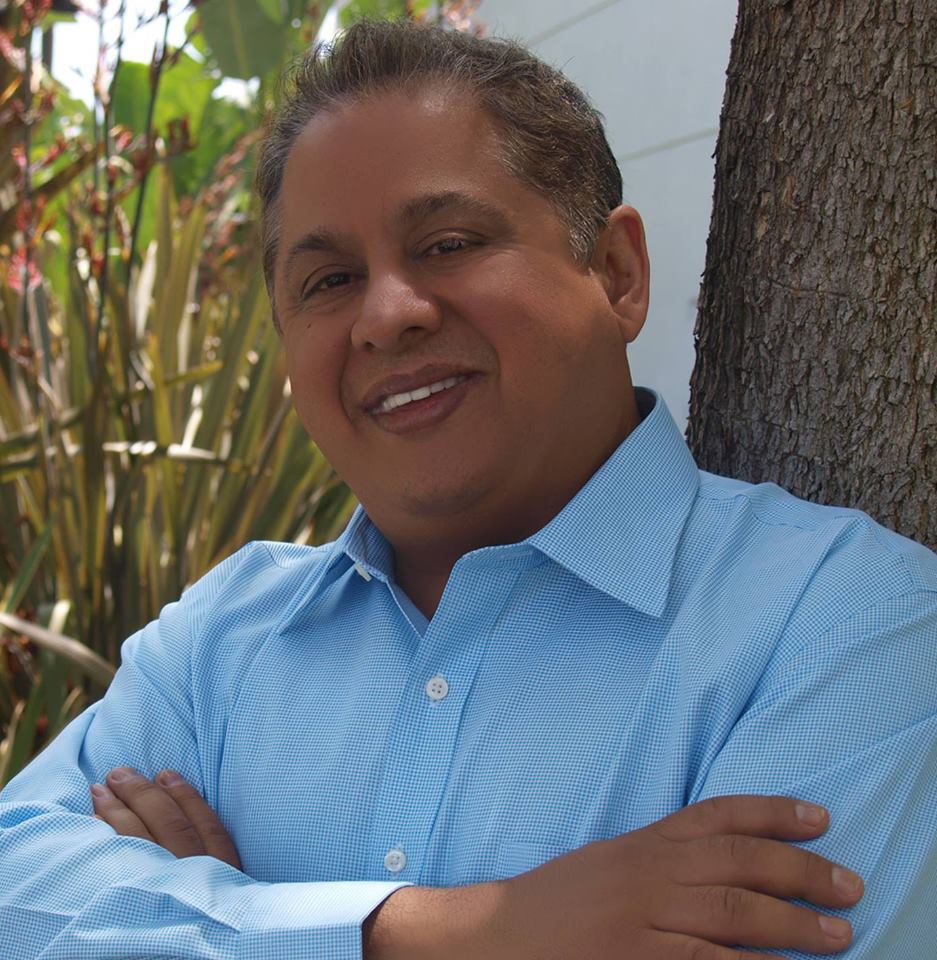
Safahi. June 1, 2013 photo from his Facebook page.
The indictment alleges that between June 2013 and September 2014, Safahi, 58, of Orinda, Calif., fraudulently entered into an agreement with a bank by which the bank was to be a backer for prepaid charge cards. According to the agreement, Safahi’s company, Card Express, would issue and service the charge cards. Further, the agreement required Card Express to fund 100% of the value of the cards and to turn over to the bank the total amount that the cards were supposed to be worth. Instead of complying with the agreement, Safahi allegedly directed the employees of Card Express to maintain two sets of books. One set of books maintained by Card Express was accessible to the cardholders and accurately reported the total amount for which the prepaid charge card was purchased, as well as the balance after any purchases. The second set of books, however, was provided to the bank and fraudulently stated that the amount the cardholder spent on the day the card was used was the total value of the prepaid card. Thus, Safahi caused the bank to believe the sponsored cards had much lower balances overall than they actually did have.
According to his LinkedIn profile, Safahi is also CEO and founder of ZED Network, a financial services company based in Ontario, Canada. An online search shows Card Express was based in Irvine, CA and was listed as a government contractor. A call to the company number was unsuccessful because it is disconnected.
The indictment further alleges Safahi fraudulently diverted funds that should have been turned over to the bank, i.e., the difference between the value of the cards and the amount Card Express reported to the bank was prepaid for the cards. Safahi allegedly used some of the diverted funds to fund Card Express. Safahi allegedly used other diverted funds to maintain his personal lifestyle, including by purchasing his home. According to the indictment, on or about September 24, 2014, Safahi no longer was able to maintain sufficient cash flow to conceal his fraud and reported the true overall balance of the prepaid charge cards to the bank. After reporting the true balance of the cards to the bank, Safahi promptly shut down Card Express, causing the bank and its customers to lose money. According to the indictment, the overall balance of the charge cards Safahi reported to the banks on September 24, 2014, was approximately $2,735,531.27 larger than previously reported.
In sum, the indictment charges Safahi with bank fraud, in violation of 18 U.S.C. § 1344, four counts of wire fraud, in violation of 18 U.S.C. § 1343, and one count of money laundering, in violation of 18 U.S.C. § 1957. Safahi made his initial appearance today and was released on a $250,000 bond. The defendant was ordered to appear on September 13, 2019, at 11:00 a.m. before the Honorable Susan Illston for a status and trial setting conference.
An indictment merely alleges that crimes have been committed, and all defendants are presumed innocent until proven guilty beyond a reasonable doubt. If convicted, the defendant faces a maximum sentence of 30 years in prison and a maximum $1,000,000 fine on each count of bank and wire fraud. If convicted of money laundering, the defendant faces a maximum sentence of 10 years in prison and a maximum $250,000 fine. In addition, the court also may order an additional term of supervised release, fines or other assessments, and restitution, if appropriate. However, any sentence following conviction would be imposed by the court only after consideration of the U.S. Sentencing Guidelines and the federal statute governing the imposition of a sentence, 18 U.S.C. § 3553.
Assistant U.S. Attorney Robert David Rees is prosecuting this case with the assistance of Kathy Tat. This prosecution is the result of an investigation by the Internal Revenue Service. Criminal Investigations.
Allen Payton contributed to this report.
Read More By Brentwood Police Department
Thanks to a collaborative effort between officers and detectives, Kevin Winans (30-year-old San Francisco resident) was taken into custody on pandering charges. On Thursday, Aug. 22, 2019, Winans was arrested in Brentwood after attempting to coerce a female into prostitution. At the time of arrest, Winans drove his vehicle from the Bay Area to pick up the female in Brentwood. Inside Winans vehicle, detectives located an amount of supporting evidence. Winans remains in county jail on pandering and obstruction charges.
Fortunately, in this case, officers and detectives were able to make an arrest before someone became a victim of sex trafficking.
For more information on the National Human Trafficking Hotline, Child Sex Trafficking or Sextortion please visit:
https://humantraffickinghotline.org/
http://www.missingkids.com/theissues/trafficking
http://www.missingkids.com/theissues/sextortion
Read More
Contra Costa County Board of Supervisors District 5 Map.
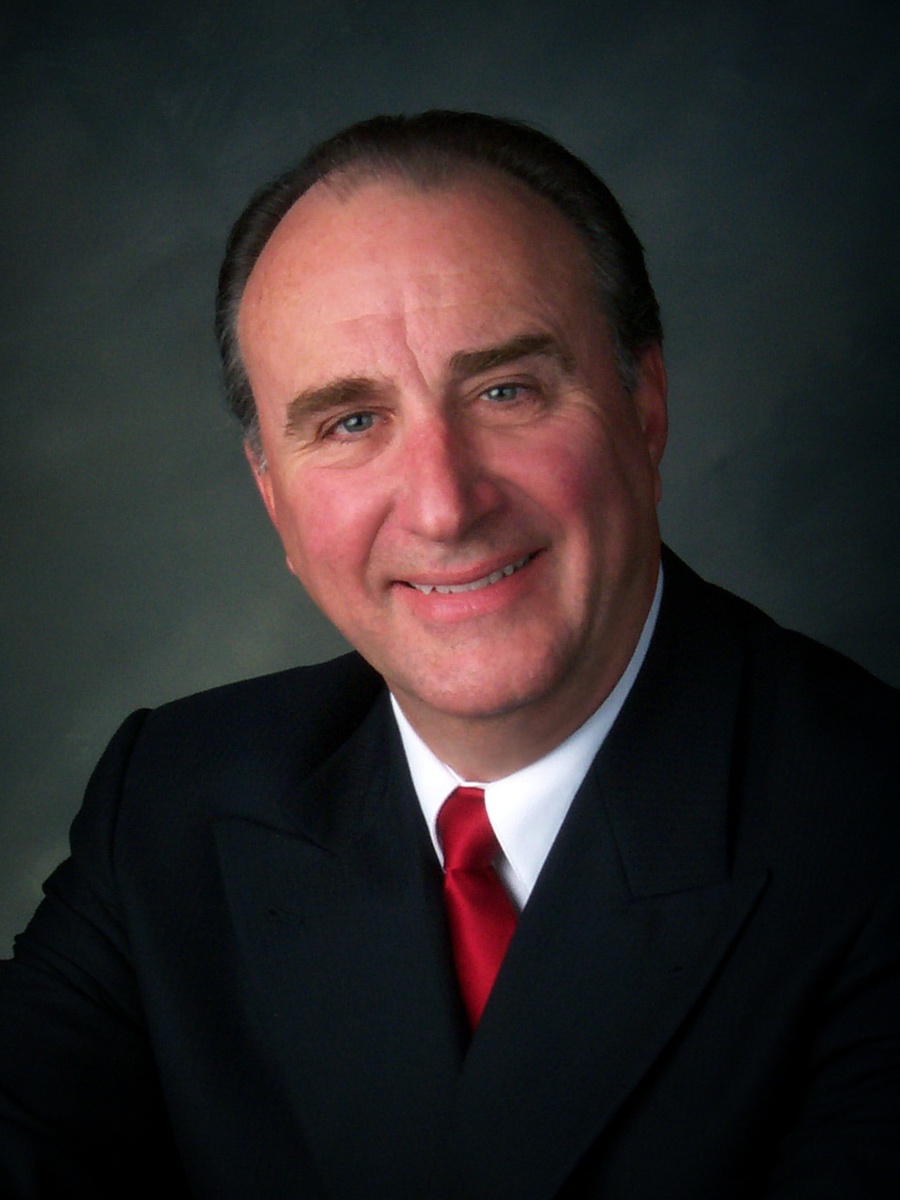
Gus Kramer from the County Assessor’s webpage.
By Daniel Borsuk
Legally and politically embattled Contra Costa County Assessor Gus Kramer is “seriously planning” to run for the District 5 seat of the Contra County Board of Supervisors, a seat held by 20-year veteran Federal Glover of Pittsburg, the Contra Costa Herald has learned.
Miffed earlier this month when the board of supervisors decided to not award him a 1.96 percent cost-of-living increase that would have raised his annual salary from $208,013 to $212,086, based on findings of an average salary study Contra Costa County Administrator David Tawa had compiled of nine other counties of elected officials holding the offices of assessor, auditor-controller, clerk-recorder, and treasurer-tax collector. (See related article)
“I am planning to file for the district five seat,” said Kramer. “I will file in March.”
At the early August board of supervisors meeting, Twa instructed supervisors to not award the assessor a cost-of-living increase by stating, “Currently the Assessor is 1.96 percent below the Average of the nine Bay Area comparable counties. A salary adjustment for the Assessor will be considered at a later date, once other issues in the Department have been resolved.”
Kramer was re-elected to another four-year term of office in last November’s election, so he says he has nothing to lose in running for a supervisorial seat, he told The Herald.

Federal Glover from his Facebook page.
Without going into detail, Kramer did not address the ongoing legal challenges he faces chiefly the Superior Court proceedings on allegations of “willful or corrupt” misconduct in office involving county employees.
The county assessor, who resides in Martinez, but grew up and attended and graduated from former Pacifica High School in Bay Point, said he has no problem running against veteran supervisor Glover.
“I want to reveal what is really going on during those closed door sessions. There are many unanswered questions about the legality of those closed sessions,” Kramer said.
In the meantime, Glover told the Herald he plans to run for a sixth four-year term.
“I plan to run for re-election in 2020,” Glover said. “I have worked hard for the constituents of District 5. I will run on my strong record.”
Glover would not comment on Kramer’s prospective candidacy.
“I don’t want to read anything into it at this time,” he said.
Read More
William Cashell arrest photo. Courtesy of Johnson County, KS Sheriff.

William “Will” Cashell. Photo from his Facebook page.
Martinez, Calif. – Yesterday, Tues., August 27, 2019, a grand jury indictment was unsealed against defendant William Cashell, a 44-year-old resident of Walnut Creek, California and Johnson County, Kansas. He was indicted for two counts of possession of child pornography.
Cashell appeared in Martinez, California for an arraignment in Department 263 before the Honorable David Flynn. Cashell pleaded not guilty to the charges alleged in the indictment. Cashell remains out of custody on his own recognizance. Deputy District Attorney Scott Prosser is the prosecutor assigned to the case on behalf of the People. DDA Prosser is with our Sexual Assault Unit.
On May 2, 2019, investigators from the Internet Crimes Against Children Task Force served a warrant at Cashell’s residence after it was discovered he was storing child pornography in his e-mail account. Investigators also located child pornography on a smartphone belonging to Cashell. Cashell was initially charged in a criminal complaint on June 11, 2019 and remained at large until July 20, 2019 when was arrested in Johnson County, Kansas and extradited back to Contra Costa County.
The Silicon Valley Internet Crimes Against Children Task Force is managed by the San Jose Police Department. In Contra Costa County, detectives and investigators from the Walnut Creek, Concord and Moraga Police Departments, the Contra Costa County Sheriff’s Office, Contra Costa County Probation Department and Contra Costa County District Attorney’s Office participate in the task force along with Special Agents from the United States Department of Homeland Security and the United States Secret Service.
Parents are encouraged to discuss online safety with their children and can visit the website www.kidsmartz.org for further information. If you believe your school or community organization would benefit from a smartphone and social media awareness presentation, please contact the District Attorney’s Office at DA-Commentary-Feedback@contracostada.org.
Case information: People v. Cashell Docket Number 05-191603-0
Read MoreBy Jimmy Lee, Director of Public Affairs, Contra Costa County Office of the Sheriff
On the afternoon of Tuesday, August 27, 2019, the Marine Patrol Unit continued to search for a missing boater in Indian Slough. He was reported missing on Sunday, August 25, 2019, at about 2:18 AM. Two men were fishing on an inflatable raft at Indian Slough when their raft apparently had a malfunction. One of the men swam to shore, but the other person was unaccounted for.
At about 4:05 PM on Tuesday, Marine Patrol Deputies were dispatched to a floating private dock behind a residence on the 200 block of Discovery Bay Boulevard for a report of a body in the water.
Deputies arrived on scene and recovered the body. The body was turned over to the Coroner’s Division.
The Coroner’s Division later identified the recovered body as 34-year-old Efren Cruz-Rodriguez of Oakland. An autopsy was performed this morning. The cause of death is listed as drowning.
Anyone with any information on the incident is asked to contact the Sheriff’s Office Marine Patrol Unit at (925) 427-8507.
Read More










By Scott Alonso, Public Information Officer, Contra Costa County District Attorney
Yesterday, Sept. 5, 2019, 44-year-old Pittsburg resident Jenelle Renee Silva was convicted by a Contra Costa County jury of six felonies, including the embezzlement of $247,456.08 from her former employer Bay Area Washout Systems located in Pittsburg. In addition, the jury found Ms. Silva committed the aggravated, white collar crime enhancements of two or more felonies involving a loss of over $100,000.
The Contra Costa District Attorney’s Office previously prosecuted Ms. Silva for embezzling $80,000 from the insurance company where she worked before Bay Area Washout Systems. Accordingly, she had a prior felony conviction in 2011 for embezzlement at the time of her conduct in this case.
In approximately 2012, Bay Area Washout Systems elevated Jenelle Silva to office manager and she obtained access to the company’s books and records, including the accounting software known as Quickbooks. One of her job duties included printing checks for the partners of the company to sign.
From 2012 through January 2017, she printed additional checks written out in her own name. She traced the managing partner’s signature onto those checks and then deposited them. She also used a company credit card to pay her daughter’s phone bill.
The evidence showed that the defendant tried to delete any evidence of her crimes by removing the records for the checks from Quickbooks entirely or changing the entries to make the checks look like legitimate business expenses. A forensic accountant determined that Silva spent the stolen funds on personal expenses such as groceries, gasoline, Starbucks, and movies.
Silva also was charged with the identity theft of both Bay Area Washout Systems and Thomas Koebel, General Manager for the company, and used it “to obtain, and attempt to obtain credit, goods, services, real property, and medical information” without his consent, according to the charging document, which can be viewed, here: Indictment Silva December 2018 An effort to reach Koebel for comment was unsuccessful prior to publication.
Deputy District Attorney Jeremy Seymour of the Special Operations Division prosecuted the case on behalf of the People. Sentencing is set for October 18 at 1:30 p.m. before the Honorable Judge Castellanos. Jenelle Silva faces up to five years in state prison for this conduct.
Case information: People v. Jenelle Silva, Docket Number 05-182401-0
Allen Payton contributed to this report.
Read MoreAmity Home Health and CEO, 13 doctors among those charged in alleged multi-million dollar scheme to receive referrals
SAN FRANCISCO – Federal complaints have been filed against 30 defendants charged in a patients-for-cash kickback scheme, announced United States Attorney David L. Anderson, Federal Bureau of Investigation Special Agent in Charge John F. Bennett, and Special Agent in Charge for the Office of Inspector General of the U.S. Department of Health and Human Services (HHS-OIG), Steven J. Ryan.
The complaints, unsealed this morning, describe a wide-ranging patients-for-kickback scheme. At the center of the scheme are Amity Home Health Care, the largest home health care provider in the San Francisco Bay Area, and Advent Care, Inc., a provider of hospice care. According to the complaints, all the defendants participated in the scheme whereby Amity, under the leadership of Chief Executive Officer Ridhima “Amanda” Singh, paid kickbacks to marketers, doctors, and other medical professionals in exchange for the certification or referral of patients for home health or hospice services. Also charged are 28 people including doctors, nurses, marketers, a social worker, and additional employees of Amity. According to the complaints, every single defendant charged was recorded by law enforcement officers either offering, accepting, or approving illegal payments for patient referrals. Advent Care Inc. Complaint CEO Singh Complaint
Caroline Prescott. From her LinkedIn profile.
Caroline Prescott, age 53, of San Ramon, is listed as Marketing Director and the only one from Contra Costa County charged in the alleged scheme. On her LinkedIn profile Prescott lists her position as Director of Sales and Marketing for Landmark Villa, Senior Residential & Assisted Living in Hayward, CA.
Title 42, United States Code, Section 1320a-7b, makes it a crime for any person to knowingly solicit, offer, or pay a kickback, bribe, or rebate for furnishing services under a Federal health care program. Because many of the patients were insured by Medicare, a taxpayer-funded insurance plan, the referral of patients through the kickback scheme violated the statute.
“The complaints allege a scheme for doctors, nurses, and other medical care professionals to trade patients for cash,” said U.S. Attorney Anderson. “This is the largest cash-for-patients scheme ever charged criminally in the Northern District of California.”
“The transition to a home health agency should be based on medical and personal needs – not cash payments or thinly disguised referral bribes as alleged in these cases,” said Special Agent in Charge Ryan. “We will continue working with law enforcement partners to guard these vital government health programs as patients and taxpayers deserve better.”
The criminal complaints describe how Amity and some of its employees bribed individuals associated with hospitals, skilled nursing facilities, and doctors’ offices to induce those individuals to send patients to Amity and Advent. Amity and the other defendants often disguised the kickbacks as payroll, phony medical directorships, and, at other times, as “entertainment,” reimbursements,” “gifts”, or “donations.” Further, several of the defendants are doctors and other health care professionals who allegedly received bribes in exchange for making referrals to Amity and Advent and other home health agencies so that the companies could provide and bill for services. In the case of Amity, Singh and her employees allegedly compensated these professionals in cash for each patient referral and for making introductions to physicians, case managers, or other health care professionals who could refer patients.
In addition, some of the defendants are described as “marketers.” Marketers received from Amity and others, cash and gifts, such as tickets to Warriors games, in exchange for patient referrals. Marketers had clients that consisted of case managers at hospitals, social workers at skilled nursing facilities, doctors, and office staff at doctors’ offices. Singh allegedly instructed marketers to take clients out to elaborate meals, sporting events, and purchase gifts for individuals willing to provide Amity with patients, mainly Medicare patients. When patient referrals were slow, Singh allegedly directed the marketer to incentivize clients with gifts in an effort to induce them to refer more patients to Amity.
In sum, the following individuals and companies have been changed in the scheme:
| Defendant | Role | Age/Residence | Case Number |
| AMITY HEALTH CARE | Home Health Care Provider | 19-71440 | |
| ADVENT CARE, INC. | Hospice Care Provider | 19-71459 | |
| SINGH, AMANDA | CEO of Amity | 33, Livermore | 19-71430 |
| ADDISON, BRENDA | Amity employee | 49, Oakland | 19-71431 |
| BHANDARI, BHUPINDER | Doctor | 59, Pleasanton | 19-71441 |
| DEGUZMAN, MERVINA | Nurse/Case Manager | 41, San Jose | 19-71447 |
| HICKS, KIMBERLY | Doctor | 59, Oakland | 19-71451 |
| KABANSKAYA, YELENA | Doctor | 39, San Jose | 19-71452 |
| MYINT, GERALD | Doctor | 68, Union City | 19-71448 |
| NGUYEN, TAM | Doctor | 44, San Jose | 19-71453 |
| POSADA, JUAN | Doctor | 58, Cupertino | 19-71449 |
| SCZENDZINA, EWELINA | Marketer | 42, Gilroy | 19-71434 |
| TAYLOR, SCOTT | Doctor | 61, Oakland | 19-71455 |
| WATSON, HENRY | Doctor | 63, Oakland | 19-71423 |
| ZHANG, ZHENG | Doctor | 62, Saratoga | 19-71457 |
| SANTOS, GLENNDA | Marketer | 47, Castro Valley | 19-71433 |
| MANCUSO, APRIL | Doctor | 38, Los Gatos | 19-71445 |
| REYNOLDS, KERISIMASI | Doctor | 37, Los Gatos | 19-71446 |
| CARIAGA, CATHERINE | Nurse/Case Manager | 31, Fremont | 19-71458 |
| TIRONA, TERENCE | Nurse/Case Manager | 33, Hayward | 19-71454 |
| DEL ROSARIO, SAL | Case Manager | 44, San Jose | 19-71456 |
| GAY, ANDRE NICOLAS | Doctor | 39, Union City | 19-71460 |
| HASAN, MARIAM | Doctor | 37, Milpitas | 19-71450 |
| ROY, BELINDA | Nurse/Case Manager | 59, Fremont | 19-71443 |
| SUNO, NICOLE | Marketer | 38, San Leandro | 19-71421 |
| TEODORO, STELLA | Nurse/Case Manager | 37, Union City | 19-71444 |
| TACORDA, HILDA | Marketer | 40, Hayward | 19-71432 |
| PINA, REBECCA | Marketer | 38, Redwood City | 19-71442 |
| SINGH, VINEETA | Social Worker | 42, Hayward | 19-71422 |
| PRESCOTT, CAROLINE | Marketing Director | 53, San Ramon | 19-71420 |
Each defendant is charged with illegally influencing patient referrals for federally funded health care through payments, in violation of 42 U.S.C. § 1320a-7b(b)(2)(A). In addition, Singh is charged with lying to investigators, in violation of 18 U.S.C. § 1001, and tampering with witnesses in violation of 18 U.S.C. § 1512(b)(3).
The complaints merely allege that crimes have been committed, and all defendants are presumed innocent until proven guilty beyond a reasonable doubt. If convicted, the defendants face a maximum sentence of 10 years in prison and a maximum $500,000 fine. The corporations are subject to a $1,000,000 for each violation. In addition, Singh faces a maximum statutory penalty of 5 years and a $250,000 fine for the § 1001 charge and a maximum statutory penalty of 20 years and a $250,000 fine for the § 1512 charge. In addition, the court also may order an additional term of supervised release, fines or other assessments, and restitution, if appropriate. However, any sentence following conviction would be imposed by the court only after consideration of the U.S. Sentencing Guidelines and the federal statute governing the imposition of a sentence, 18 U.S.C. § 3553.
The prosecution is being handled by the Office of the U.S. Attorney, Northern District of California’s new Corporate Fraud Strike Force and is the result of an investigation by the FBI and HHS-OIG.
Allen Payton contributed to this report.
Read MoreBy Jimmy Lee, Director of Public Affairs, Contra Costa County Office of the Sheriff
Tuesday morning, Sept. 3, 2019 at about 8:56 p.m., Delta Station Deputy Sheriffs responded to a call regarding a possible dead body. The caller reported to dispatch that the location was in the area of Byron Highway near Herdlyn Road in Byron.
Deputies arrived on scene and located a female body in the field. She was confirmed to be deceased. The woman appeared to be living at that location.
There were no obvious signs of trauma or foul play. The Coroner’s Division took custody of body and will confirm the identity of the woman, in addition to finding the cause of death.
Anyone with any information on this case is asked to contact the Office of the Sheriff Coroner’s Division at (925) 313-2850. For any tips, email: tips@so.cccounty.us or call (866) 846-3592 to leave an anonymous voice message.
Read MoreRep. Mark DeSaulnier with Isabel Bueso. Photo from Facebook.
Washington, DC – Today, Tuesday, Sept. 3, 2019, Congressman Mark DeSaulnier (CA-11) announced the introduction of a private bill (H.R. 4225) to allow Maria Isabel Bueso, a resident of Concord, California, to remain in the United States to continue to receive treatment for her rare, life-threatening disease. Following a Trump Administration change, Isabel and her family face deportation. Yesterday, the United States Citizenship and Immigration Services (USCIS) said it will re-open deferred action cases that received denials like Isabel’s but, did not say whether it would reverse the policy change that led to the cancellation of deferred action.
“A few weeks ago, families were blindsided when they received notification from USCIS that they were being forced to leave the country within 33 days. Re-opening cases is no guarantee they will be allowed to stay, and it is not a permanent solution. These families need and deserve decisive action,” said DeSaulnier. “I am introducing legislation that would provide Isabel and her family with permanent resident status so they can remain in the United States without fear of removal. The Bueso family has followed every rule – they came here legally, paid their taxes, and Isabel’s participation in groundbreaking clinical trials has given hope to Americans with rare diseases. I will do everything in my power to help Isabel and her family remain here.”
“While I am thrilled that my deferred action status is being reconsidered, I was born with MPS 6; so, neither my condition nor my critical need for lifelong, weekly treatment will change in another two years’ time,” said Isabel Bueso. “We need to work together to find a more permanent solution that gives families like mine the guarantee that our lives won’t continue to be threatened. Congressman DeSaulnier and Senator Feinstein’s bill to give my family permanent status is part of that solution,” said Isabel.
“We are encouraged to hear that the administration is willing to reconsider our medical deferred action case,” the Bueso family stated. “We see this as a first step in revisiting our status as U.S. residents and will be working with lawmakers to find a more permanent solution that guarantees Isabel’s life is never put at risk again. Our hearts go out to all of the families involved in this sudden policy change and we won’t rest until they also have continued access to the life-saving medical care they deserve. Thank you to everyone who supported our family during this time – our hearts are overflowing with gratitude,” the Bueso family concluded.
Isabel came to the United States legally from Guatemala to receive treatment for Maroteaux-Lamy Syndrome, also known as Mucopolysaccharidosis Type VI. Her participation in drug trials helped identify an effective, life-saving treatment, which the drug manufacturer says Isabel cannot receive in her home country of Guatemala. Isabel and her family have lawfully resided in the East Bay since then, where she recently graduated summa cum laude from Cal State Easy Bay. Before her treatment was discovered, Isabel’s life expectancy was seven years old. She is now 24.
In a comment with a video posted on his Congressional Facebook page on Saturday, DeSaulnier wrote, “We have a sociopath in the White House who acts more like a mobster than the President. Our office is working hard to #SaveIsabel and stand up for immigrants with medical conditions that the #Trump Administration has targeted.”
In addition to introducing a private bill, Congressman DeSaulnier was joined by Senator Kamala Harris (D-CA) in sending a letter petitioning the Acting Secretary of the Department of Homeland Security, Kevin McAleenan, to re-review the cases of the Bueso family. He also co-led an effort with Immigration and Citizenship Subcommittee Chairwoman Zoe Lofgren (D-CA), Representatives Ayanna Pressley (D-MA), Judy Chu (D-CA), Lou Correa (D-CA), and Senators Edward Markey (D-MA) and Senator Elizabeth Warren (D-MA) to DHS, ICE, and USCIS demanding answers on USCIS’s decision to end consideration of non-military deferred action requests, including medical deferred action. In the letter, which was joined by over 100 additional lawmakers, he called on the agencies to reverse this decision and turn over any documents discussing the policy change by September 13, 2019.
Read MoreOAKLAND – Adam Soboll has been charged with traveling to the United States with the intent to engage in illicit sexual conduct with a minor, announced United States Attorney David L. Anderson and U.S. Homeland Security Investigations (HSI) San Francisco Special Agent in Charge Tatum King. Soboll was arrested in Brentwood, Calif., on August 25, 2019, and charged by complaint on August 28, 2019.
According to the complaint, Soboll, 31, of Germany, identified himself as a fifth grade teacher in Germany. The complaint alleges Soboll met the then-14-year-old minor online in October 2018, and communicated with the minor from Germany using Snapchat and online gaming platforms, as well as over other messaging applications.
In January 2019, Soboll began discussing the possibility of visiting the minor in Brentwood, Calif. Soboll and the minor discussed where he should stay in the area and the various forms of sexual conduct in which they would engage when he arrived.
On July 31, 2019, Soboll traveled from Europe to the United States. Soboll stayed at a hotel in Brentwood, California and engaged in sexual conduct with the minor at the hotel. On August 25, 2019, police responded to the hotel following a report from the minor’s mother and arrested Soboll.
Soboll is charged with traveling with the intent to engage in illicit sexual conduct, in violation of 18 U.S.C. § 2423(b).
A complaint merely alleges that crimes have been committed, and all defendants, including Soboll, are presumed innocent until proven guilty beyond a reasonable doubt. If convicted, the defendant faces a maximum statutory sentence of 30 years. Further, additional terms of supervised release, fines, and restitution may be ordered; however, any sentence following conviction would be imposed by the court only after consideration of the U.S. Sentencing Guidelines and the federal statute governing the imposition of a sentence, 18 U.S.C. § 3553.
Defendant made an initial federal court appearance this morning before the Honorable Donna M. Ryu, U.S. Magistrate Judge. Magistrate Judge Ryu ordered the defendant detained pending further proceedings. His next court appearance is scheduled for September 4, 2019, before the Honorable Kandis A. Westmore, U.S. Magistrate Judge, for a detention hearing.
The case is being prosecuted by Assistant U.S. Attorney Samantha Schott. The case is being investigated by HSI, the Contra Costa District Attorney’s Office, and the Brentwood Police Department.
Read MoreAlan Safahi. Photo from his LinkedIn profile.
Alan Safahi charged in connection with alleged bank and wire fraud scheme
SAN FRANCISCO – A federal grand jury indicted Alan Safahi on charges related to an alleged bank fraud scheme, announced United States Attorney David L. Anderson and Internal Revenue Service, Criminal Investigation (IRS-CI), Special Agent in Charge Kareem Carter.
Safahi. June 1, 2013 photo from his Facebook page.
The indictment alleges that between June 2013 and September 2014, Safahi, 58, of Orinda, Calif., fraudulently entered into an agreement with a bank by which the bank was to be a backer for prepaid charge cards. According to the agreement, Safahi’s company, Card Express, would issue and service the charge cards. Further, the agreement required Card Express to fund 100% of the value of the cards and to turn over to the bank the total amount that the cards were supposed to be worth. Instead of complying with the agreement, Safahi allegedly directed the employees of Card Express to maintain two sets of books. One set of books maintained by Card Express was accessible to the cardholders and accurately reported the total amount for which the prepaid charge card was purchased, as well as the balance after any purchases. The second set of books, however, was provided to the bank and fraudulently stated that the amount the cardholder spent on the day the card was used was the total value of the prepaid card. Thus, Safahi caused the bank to believe the sponsored cards had much lower balances overall than they actually did have.
According to his LinkedIn profile, Safahi is also CEO and founder of ZED Network, a financial services company based in Ontario, Canada. An online search shows Card Express was based in Irvine, CA and was listed as a government contractor. A call to the company number was unsuccessful because it is disconnected.
The indictment further alleges Safahi fraudulently diverted funds that should have been turned over to the bank, i.e., the difference between the value of the cards and the amount Card Express reported to the bank was prepaid for the cards. Safahi allegedly used some of the diverted funds to fund Card Express. Safahi allegedly used other diverted funds to maintain his personal lifestyle, including by purchasing his home. According to the indictment, on or about September 24, 2014, Safahi no longer was able to maintain sufficient cash flow to conceal his fraud and reported the true overall balance of the prepaid charge cards to the bank. After reporting the true balance of the cards to the bank, Safahi promptly shut down Card Express, causing the bank and its customers to lose money. According to the indictment, the overall balance of the charge cards Safahi reported to the banks on September 24, 2014, was approximately $2,735,531.27 larger than previously reported.
In sum, the indictment charges Safahi with bank fraud, in violation of 18 U.S.C. § 1344, four counts of wire fraud, in violation of 18 U.S.C. § 1343, and one count of money laundering, in violation of 18 U.S.C. § 1957. Safahi made his initial appearance today and was released on a $250,000 bond. The defendant was ordered to appear on September 13, 2019, at 11:00 a.m. before the Honorable Susan Illston for a status and trial setting conference.
An indictment merely alleges that crimes have been committed, and all defendants are presumed innocent until proven guilty beyond a reasonable doubt. If convicted, the defendant faces a maximum sentence of 30 years in prison and a maximum $1,000,000 fine on each count of bank and wire fraud. If convicted of money laundering, the defendant faces a maximum sentence of 10 years in prison and a maximum $250,000 fine. In addition, the court also may order an additional term of supervised release, fines or other assessments, and restitution, if appropriate. However, any sentence following conviction would be imposed by the court only after consideration of the U.S. Sentencing Guidelines and the federal statute governing the imposition of a sentence, 18 U.S.C. § 3553.
Assistant U.S. Attorney Robert David Rees is prosecuting this case with the assistance of Kathy Tat. This prosecution is the result of an investigation by the Internal Revenue Service. Criminal Investigations.
Allen Payton contributed to this report.
Read MoreBy Brentwood Police Department
Thanks to a collaborative effort between officers and detectives, Kevin Winans (30-year-old San Francisco resident) was taken into custody on pandering charges. On Thursday, Aug. 22, 2019, Winans was arrested in Brentwood after attempting to coerce a female into prostitution. At the time of arrest, Winans drove his vehicle from the Bay Area to pick up the female in Brentwood. Inside Winans vehicle, detectives located an amount of supporting evidence. Winans remains in county jail on pandering and obstruction charges.
Fortunately, in this case, officers and detectives were able to make an arrest before someone became a victim of sex trafficking.
For more information on the National Human Trafficking Hotline, Child Sex Trafficking or Sextortion please visit:
https://humantraffickinghotline.org/
http://www.missingkids.com/theissues/trafficking
http://www.missingkids.com/theissues/sextortion
Read MoreContra Costa County Board of Supervisors District 5 Map.
Gus Kramer from the County Assessor’s webpage.
By Daniel Borsuk
Legally and politically embattled Contra Costa County Assessor Gus Kramer is “seriously planning” to run for the District 5 seat of the Contra County Board of Supervisors, a seat held by 20-year veteran Federal Glover of Pittsburg, the Contra Costa Herald has learned.
Miffed earlier this month when the board of supervisors decided to not award him a 1.96 percent cost-of-living increase that would have raised his annual salary from $208,013 to $212,086, based on findings of an average salary study Contra Costa County Administrator David Tawa had compiled of nine other counties of elected officials holding the offices of assessor, auditor-controller, clerk-recorder, and treasurer-tax collector. (See related article)
“I am planning to file for the district five seat,” said Kramer. “I will file in March.”
At the early August board of supervisors meeting, Twa instructed supervisors to not award the assessor a cost-of-living increase by stating, “Currently the Assessor is 1.96 percent below the Average of the nine Bay Area comparable counties. A salary adjustment for the Assessor will be considered at a later date, once other issues in the Department have been resolved.”
Kramer was re-elected to another four-year term of office in last November’s election, so he says he has nothing to lose in running for a supervisorial seat, he told The Herald.
Federal Glover from his Facebook page.
Without going into detail, Kramer did not address the ongoing legal challenges he faces chiefly the Superior Court proceedings on allegations of “willful or corrupt” misconduct in office involving county employees.
The county assessor, who resides in Martinez, but grew up and attended and graduated from former Pacifica High School in Bay Point, said he has no problem running against veteran supervisor Glover.
“I want to reveal what is really going on during those closed door sessions. There are many unanswered questions about the legality of those closed sessions,” Kramer said.
In the meantime, Glover told the Herald he plans to run for a sixth four-year term.
“I plan to run for re-election in 2020,” Glover said. “I have worked hard for the constituents of District 5. I will run on my strong record.”
Glover would not comment on Kramer’s prospective candidacy.
“I don’t want to read anything into it at this time,” he said.
Read MoreWilliam Cashell arrest photo. Courtesy of Johnson County, KS Sheriff.
William “Will” Cashell. Photo from his Facebook page.
Martinez, Calif. – Yesterday, Tues., August 27, 2019, a grand jury indictment was unsealed against defendant William Cashell, a 44-year-old resident of Walnut Creek, California and Johnson County, Kansas. He was indicted for two counts of possession of child pornography.
Cashell appeared in Martinez, California for an arraignment in Department 263 before the Honorable David Flynn. Cashell pleaded not guilty to the charges alleged in the indictment. Cashell remains out of custody on his own recognizance. Deputy District Attorney Scott Prosser is the prosecutor assigned to the case on behalf of the People. DDA Prosser is with our Sexual Assault Unit.
On May 2, 2019, investigators from the Internet Crimes Against Children Task Force served a warrant at Cashell’s residence after it was discovered he was storing child pornography in his e-mail account. Investigators also located child pornography on a smartphone belonging to Cashell. Cashell was initially charged in a criminal complaint on June 11, 2019 and remained at large until July 20, 2019 when was arrested in Johnson County, Kansas and extradited back to Contra Costa County.
The Silicon Valley Internet Crimes Against Children Task Force is managed by the San Jose Police Department. In Contra Costa County, detectives and investigators from the Walnut Creek, Concord and Moraga Police Departments, the Contra Costa County Sheriff’s Office, Contra Costa County Probation Department and Contra Costa County District Attorney’s Office participate in the task force along with Special Agents from the United States Department of Homeland Security and the United States Secret Service.
Parents are encouraged to discuss online safety with their children and can visit the website www.kidsmartz.org for further information. If you believe your school or community organization would benefit from a smartphone and social media awareness presentation, please contact the District Attorney’s Office at DA-Commentary-Feedback@contracostada.org.
Case information: People v. Cashell Docket Number 05-191603-0
Read MoreBy Jimmy Lee, Director of Public Affairs, Contra Costa County Office of the Sheriff
On the afternoon of Tuesday, August 27, 2019, the Marine Patrol Unit continued to search for a missing boater in Indian Slough. He was reported missing on Sunday, August 25, 2019, at about 2:18 AM. Two men were fishing on an inflatable raft at Indian Slough when their raft apparently had a malfunction. One of the men swam to shore, but the other person was unaccounted for.
At about 4:05 PM on Tuesday, Marine Patrol Deputies were dispatched to a floating private dock behind a residence on the 200 block of Discovery Bay Boulevard for a report of a body in the water.
Deputies arrived on scene and recovered the body. The body was turned over to the Coroner’s Division.
The Coroner’s Division later identified the recovered body as 34-year-old Efren Cruz-Rodriguez of Oakland. An autopsy was performed this morning. The cause of death is listed as drowning.
Anyone with any information on the incident is asked to contact the Sheriff’s Office Marine Patrol Unit at (925) 427-8507.
Read More